Whiskey Kitchen
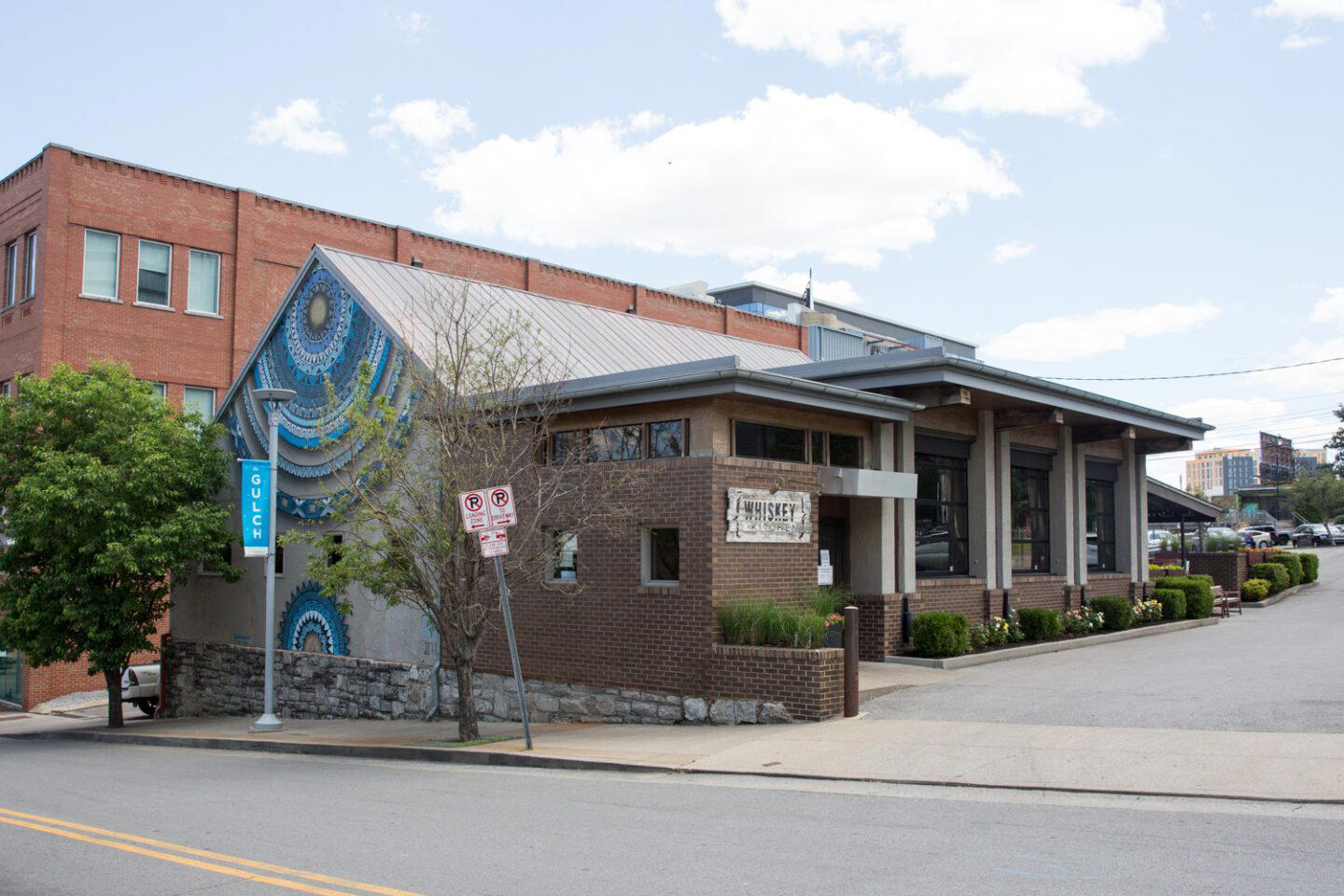
Whiskey Kitchen occupies a corner of Nashville's 12 South corridor where the city's bourbon identity meets a serious bar program. The address at 118 12th Ave S places it in one of the city's most walkable dining stretches, within reach of both neighborhood regulars and visitors working through Nashville's expanding cocktail scene. It reads as a natural stop for anyone interested in how American whiskey culture translates to a full-service bar and kitchen format.

Pearl is the En Primeur Club membership app — saves, bookings, and concierge access live there. Same editors, same standards.
12 South and the Bourbon Bar Format
Nashville's 12 South corridor has spent the better part of a decade sorting itself into tiers: the quick-service spots feeding foot traffic, the neighborhood restaurants anchoring regulars, and the bar-forward venues where the program is the point. Whiskey Kitchen, at 118 12th Ave S, sits in the last category. The building occupies a walkable stretch of the avenue where the residential character of 12 South bleeds into its commercial strip, and the result is a room that reads as neither tourist trap nor insider-only hideaway but something closer to a functional local institution built around a specific product category.
Bourbon culture in Nashville operates differently from what you find in Kentucky's distillery corridor or in the more technically oriented cocktail bars emerging in cities like Chicago or San Francisco. Nashville's relationship with whiskey is social first, categorical second. A venue like Whiskey Kitchen fits that pattern: the whiskey list anchors the identity, but the format invites the kind of extended visit where food and drink move in parallel rather than one subordinating the other. That bar-and-kitchen model, now common across American cities, works particularly well in this part of Nashville, where the street draws a mix of residents, visiting professionals, and the weekend tourism crowd that has reshaped the city's hospitality economics over the past several years.
How the Room Works
Approaching along 12th Ave S, the address fits into a block where the built environment stays low and human-scaled, which is part of what gives 12 South its reputation as the less chaotic alternative to Broadway's honky-tonk strip. Inside, the bar program is the organizing principle. The room is designed for a drinking visit with food rather than a dining visit with drinks, a distinction that shows up in how the bar is positioned relative to the tables and how the menu is structured to support that rhythm.
The collaboration between bar and kitchen in venues of this type is worth examining as a format choice. Where purely cocktail-focused programs, like the ones at 417 Union or 5th & Taylor in Nashville, orient the experience around the drink as the primary object of attention, the bar-and-kitchen model asks the front-of-house to manage two parallel programs simultaneously. That coordination is harder to execute than it appears. When it works, the food extends the visit and raises the average check without overwhelming the bar identity. When it doesn't, the kitchen and the bar operate as disconnected experiences that happen to share a room.
At Whiskey Kitchen, the whiskey focus gives the bar side a defined identity that most hybrid venues lack. A bar built around a single spirit category has clearer editorial logic: the list can run deep rather than wide, the staff can develop genuine product knowledge, and the cocktail program has a coherent spine rather than a collection of unrelated drinks. That depth is what separates a specialist whiskey bar from a generalist American bar that happens to stock bourbon.
Whiskey in Nashville's Competitive Bar Context
Nashville's cocktail scene has diversified considerably, with venues like Attaboy Nashville bringing a technique-forward approach and the more theatrically oriented rooms operating at the Broadway end of the market. The whiskey-specialist format occupies a distinct position in that range: less technically performative than the leading cocktail bars, more focused on product than the entertainment venues, and more accessible as a category entry point than the omakase-style cocktail experiences emerging in larger markets.
For context on where the whiskey-bar format sits nationally, the gap between Nashville's leading bourbon-focused venues and the most technically developed American bar programs, say Kumiko in Chicago or Bar Leather Apron in Honolulu, is significant. Those programs treat the spirit as raw material for technically precise construction. Nashville's whiskey-bar tradition treats the spirit as the destination itself, which serves a different and considerably larger audience. Julep in Houston and Jewel of the South in New Orleans offer a useful comparison in Southern markets: both operate with a clearer program discipline and more documented recognition than most Nashville whiskey venues, which tells you something about where Nashville still has room to develop its bar identity beyond volume and theme.
The more relevant peer comparison for Whiskey Kitchen is within Nashville itself. 12 South Taproom and Grill operates a few blocks away in the same corridor with a beer-forward identity, and the contrast is instructive: both venues anchor on a product category, both serve food to extend the visit, and both draw from the same neighborhood demographic. The difference is that whiskey carries more margin, more collector-driven engagement, and more potential for depth of list than a tap program typically allows.
The Team Dynamic in a Whiskey Bar Format
A whiskey bar's service model asks more of the floor than a cocktail bar's tasting-menu format. There's no fixed sequence to guide the guest through the experience; the visit is self-directed, which means front-of-house needs to read each table and calibrate engagement accordingly. A guest working through a flight of allocated bourbons needs different handling than a group ordering cocktails alongside a shared kitchen order. When that calibration works, the visit feels fluid and unhurried. When it doesn't, the room can feel either neglected or over-managed.
The bar staff's product knowledge is the primary trust signal in a specialist spirits venue. In a whiskey-deep program, the ability to navigate a guest from an entry-level pour to something more specific, whether by mash bill, distillery, age statement, or production method, is what converts a casual visit into a return engagement. That knowledge base takes time to build and is the main point of differentiation between a whiskey bar with genuine depth and a venue that carries a long list without the team to translate it.
Other Southern programs with documented bar team strength, such as ABV in San Francisco and Superbueno in New York City, demonstrate that hospitality coherence across bar and floor elevates how any program is received, regardless of category. The Parlour in Frankfurt shows that the whiskey-specialist format travels internationally when the team execution is consistent. Nashville, with its built-in whiskey tourism market, has the audience to support that level of program; the question for any individual venue is whether the team depth matches the list depth.
Planning a Visit
Whiskey Kitchen sits at 118 12th Ave S in Nashville's 12 South neighborhood, within walking distance of the area's other food and drink venues and accessible from most central Nashville accommodations without much difficulty. The 12 South corridor is leading approached on foot when possible; parking along the avenue tightens considerably on weekend evenings when the neighborhood draws its highest volume. For a broader map of Nashville's bar and restaurant scene, the EP Club Nashville guide covers the full range of the city's current offerings across neighborhoods and price points. For visitors who want to build a multi-stop evening in the area, pairing Whiskey Kitchen with 8th & Roast for an afternoon coffee before the evening session gives a useful cross-section of how 12 South's hospitality character has developed across categories.
Peers Worth Knowing
Comparable venues nearby, for context on price, style, and recognition.
| Venue | Cuisine | Price | Notes |
|---|---|---|---|
| Whiskey KitchenThis venue — the venue you are viewing | Bar | $30–50 | Not listed |
| Nelson's Green Brier Distillery | Bar | $20–30 | Capitol Hill Area |
| cafe babu | cocktail_bar | $20–30 | Edgehill |
| The Authentique Wine Bar & Crêperie | wine_bar | Not listed | East Nashville |
| Van Gogh's Wine Bar | wine_bar | Not listed | East Nashville |
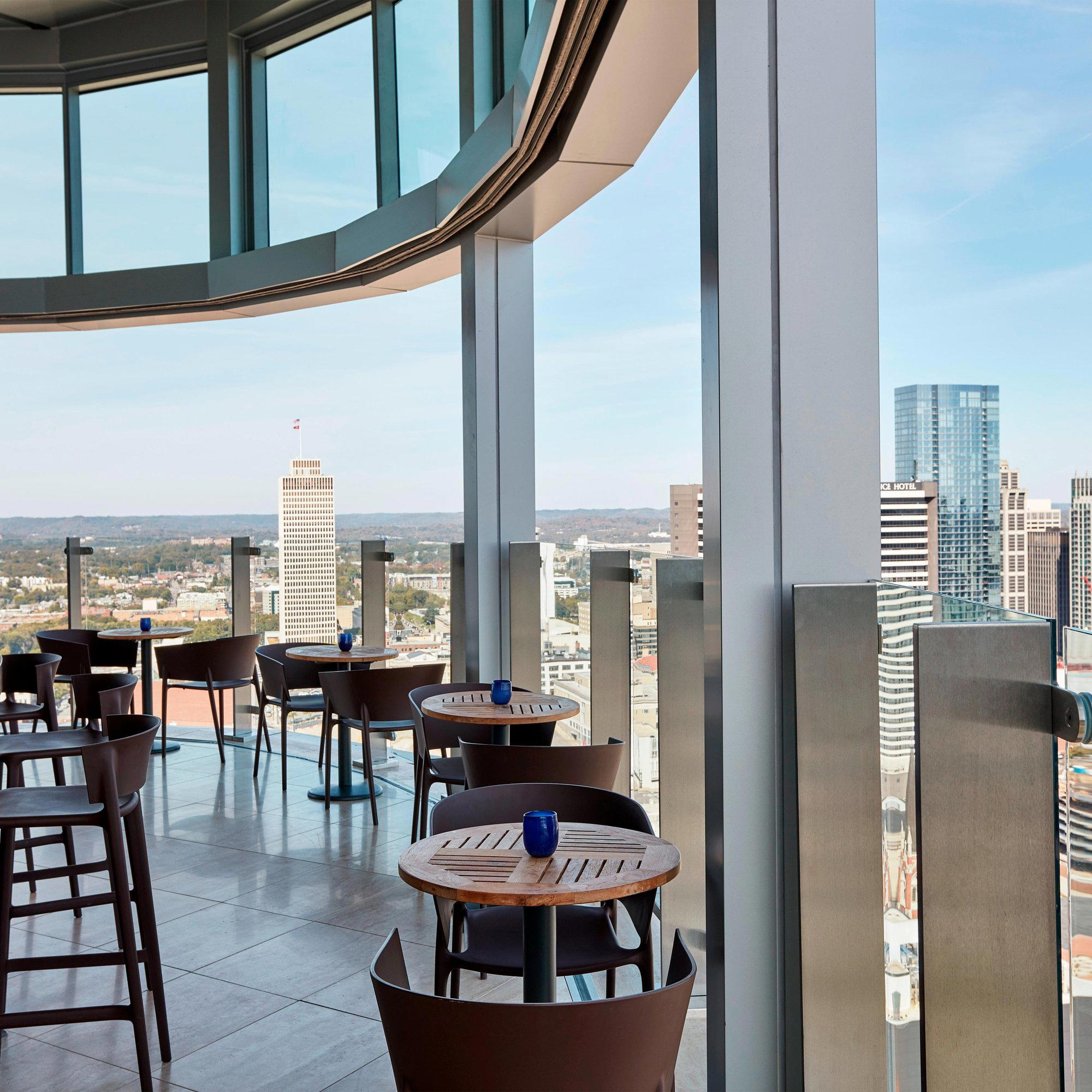
| Rare Bird | rooftop_bar | $30–50 | Printer's Alley |
Continue exploring
More in Nashville
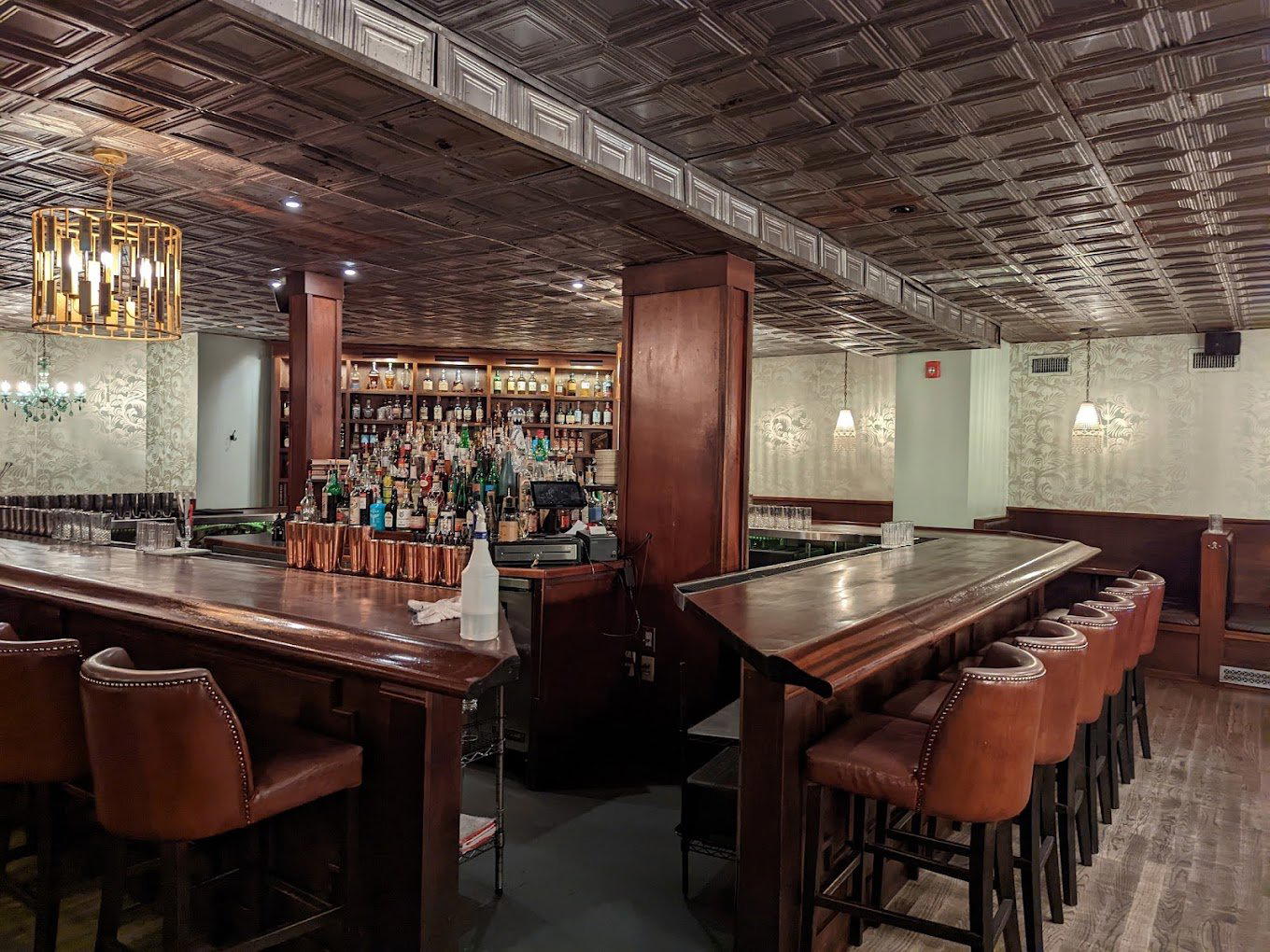
Bars in Nashville
All bars in Nashville →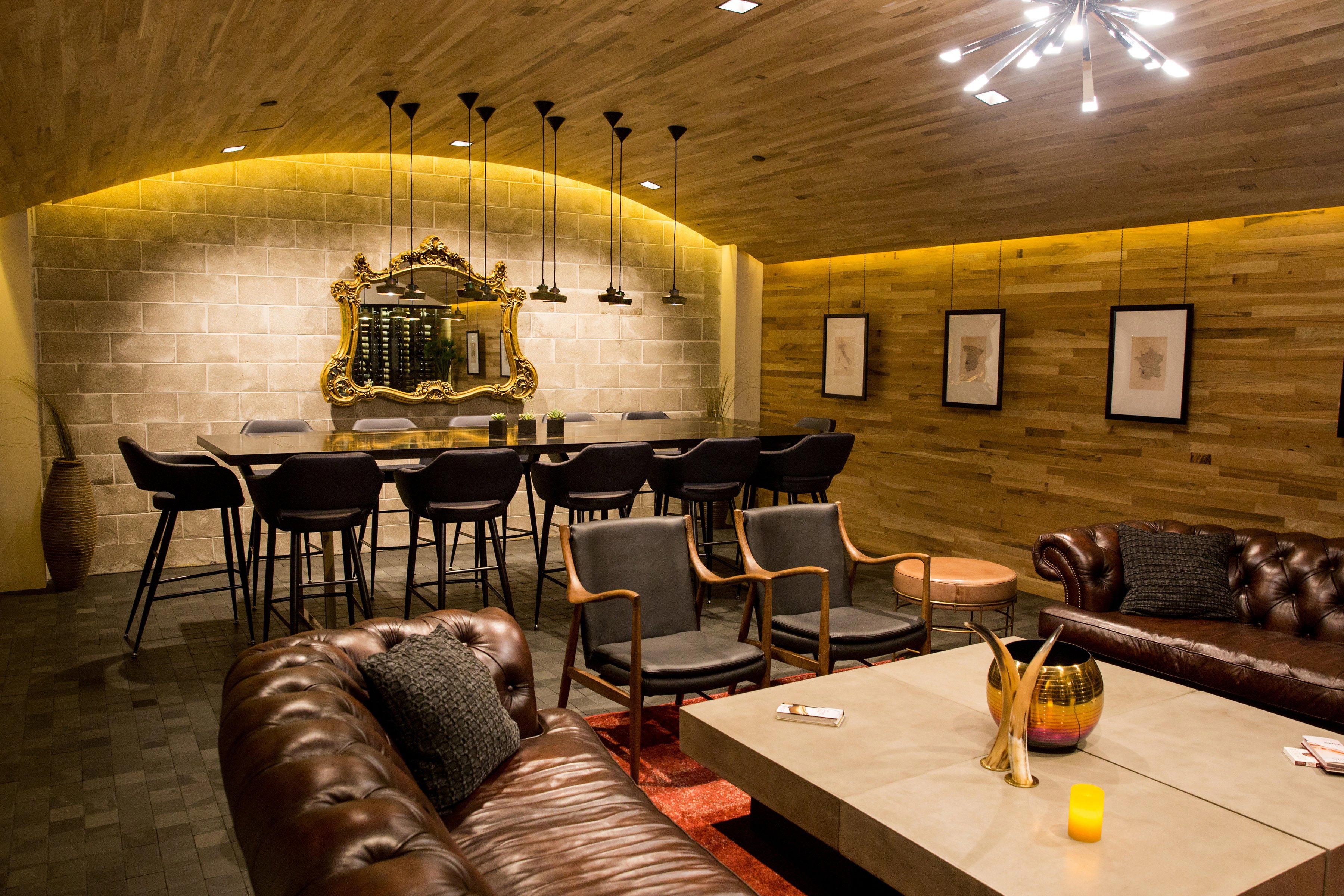
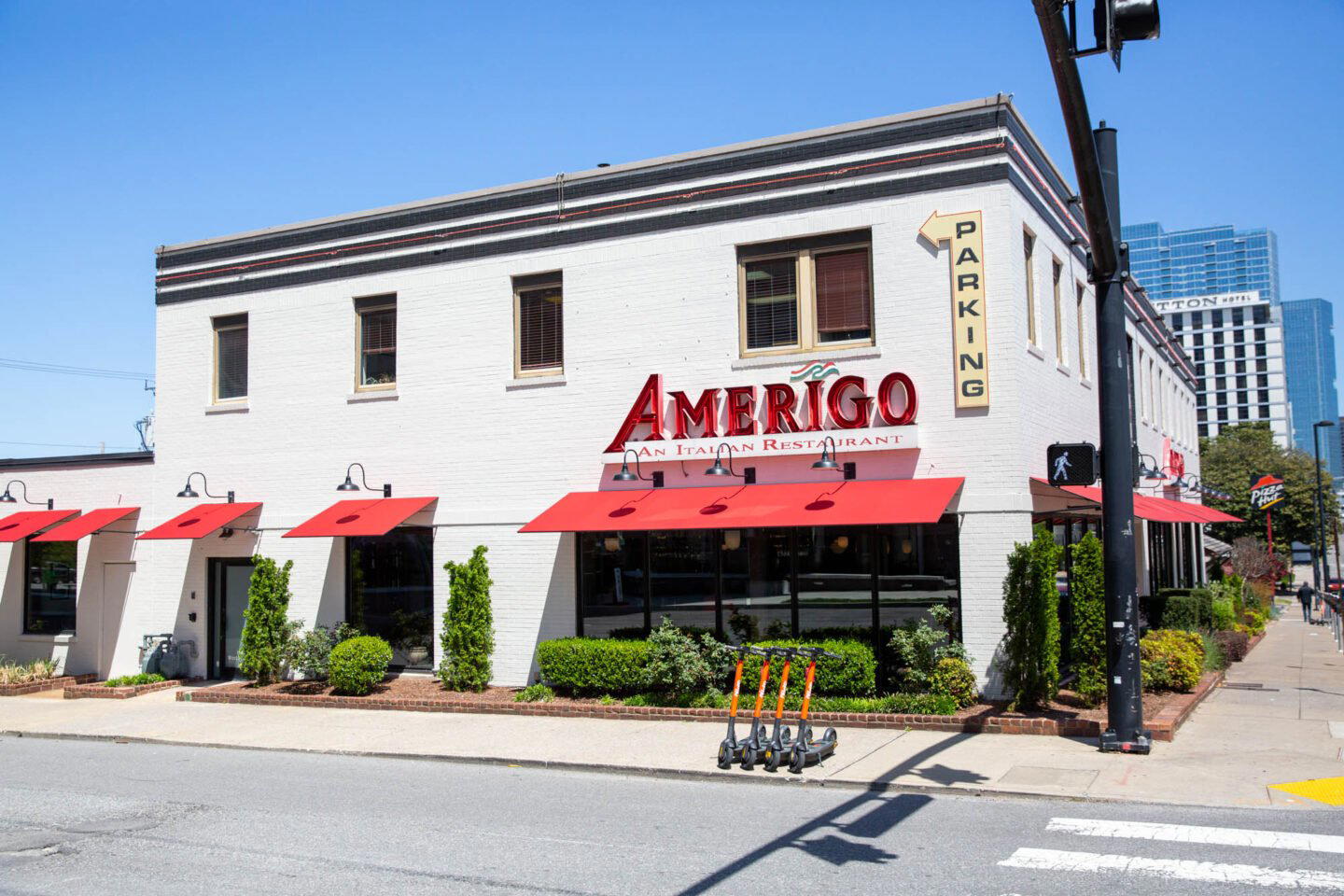
Restaurants in Nashville
All restaurants in Nashville →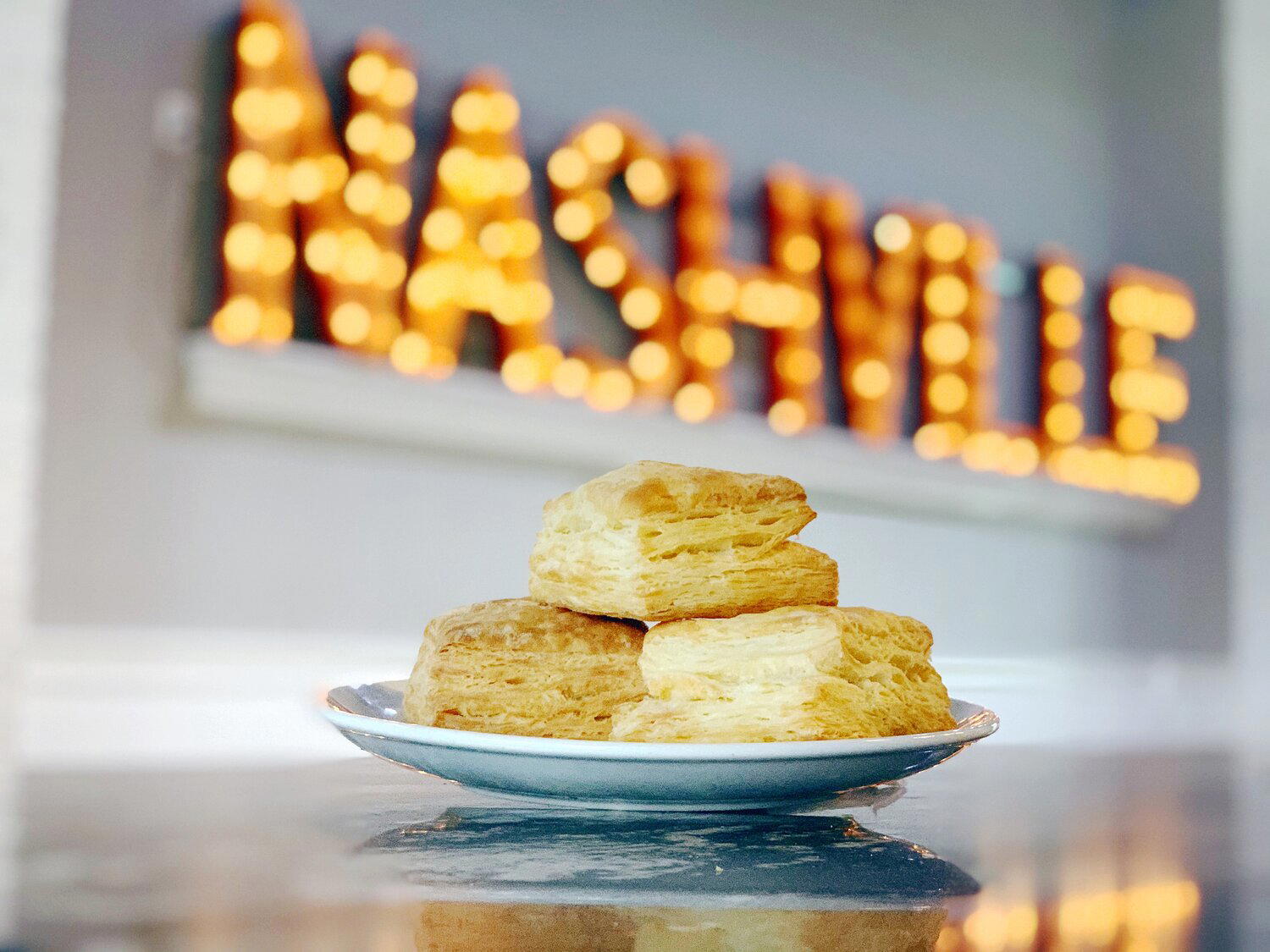
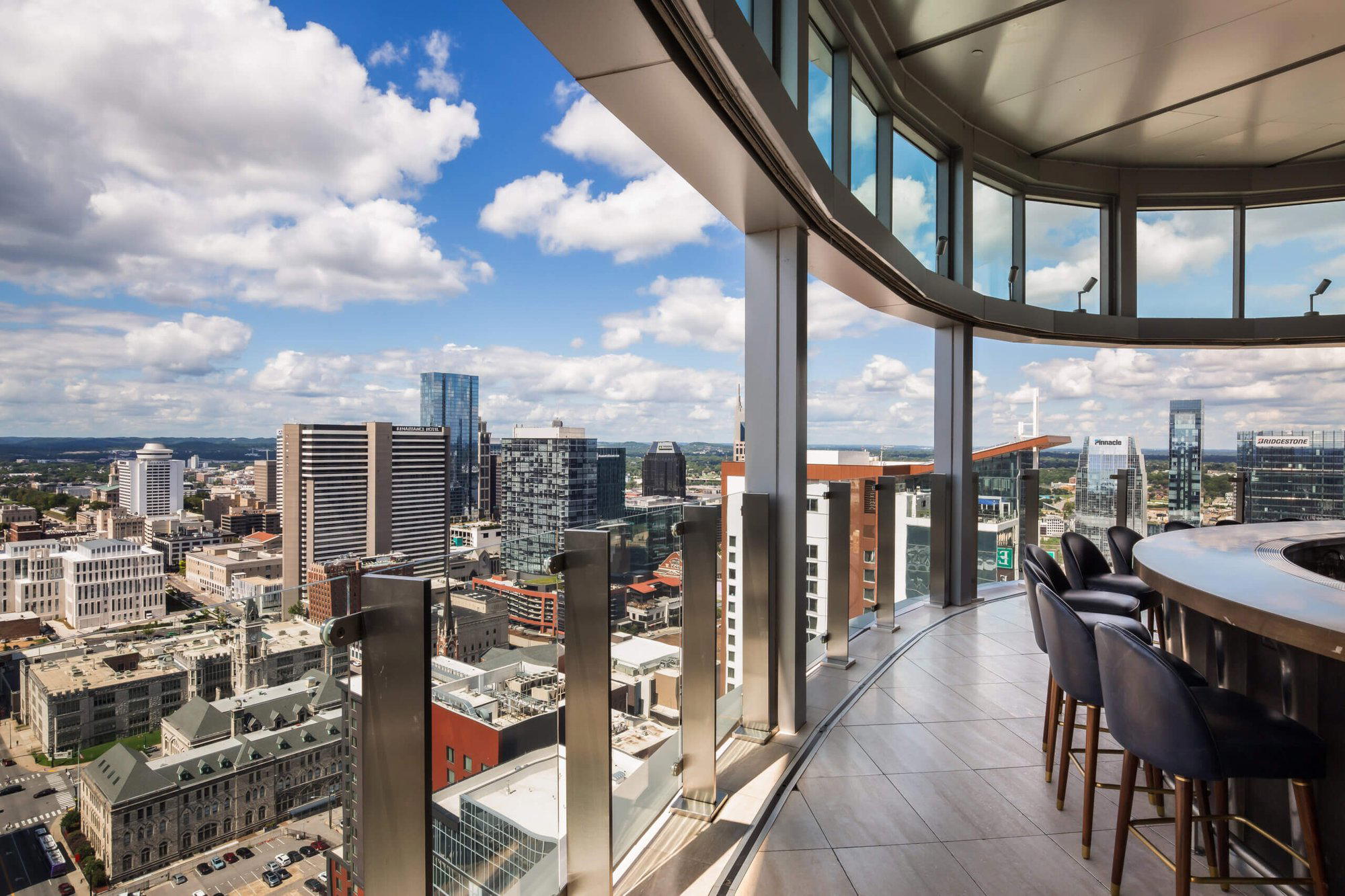
Hotels in Nashville
All hotels in Nashville →
Wineries in Nashville
All wineries in Nashville →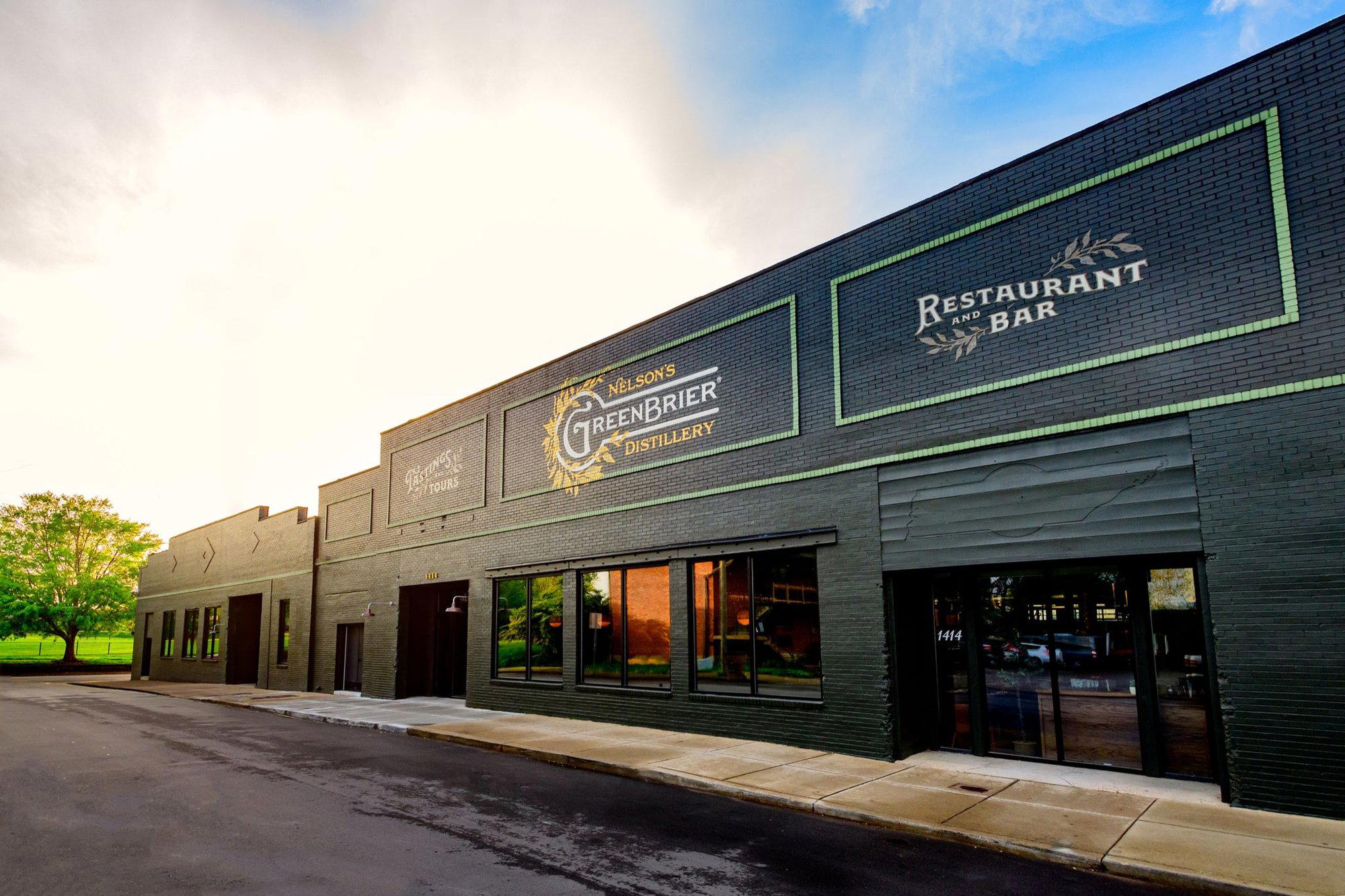
Whiskey Kitchen
The drinks
- Craft cocktails
Signature drinks: Whiskey Sour, The Vonnegut.
Details
- Rustic
- Lively
- Trendy
- Industrial
- Group Outing
- Casual Hangout
- Live Music
- Lounge Seating
- Outdoor Terrace
- Whiskey
- Craft Cocktails
Current opening hours
- Monday
- Closed
- Tuesday
- 4–10 PM
- Wednesday
- 4–10 PM
- Thursday
- 4–10 PM
- Friday
- 10 AM–10 PM
- Saturday
- 10 AM–10 PM
- Sunday
- Closed
Hours can change for holidays and private events. Last verified .
Rustic industrial-chic with exposed brick, wood accents, vintage decor, casual and inviting with lively energy.