Luna
Luna on Grove Street sits at the centre of Jersey City's evolving dining scene, drawing locals and Manhattan commuters alike to a room that earns its reputation through what ends up on the plate. It is the kind of neighbourhood fixture that rewards repeat visits.
Pearl is the En Primeur Club membership app — saves, bookings, and concierge access live there. Same editors, same standards.
- Address
- 279 Grove St, Jersey City, NJ 07302
- Phone
- +1 201 333 0032
- Website
- lunajc.com
- Directions
- Get directions
 Saves & bookings on Pearl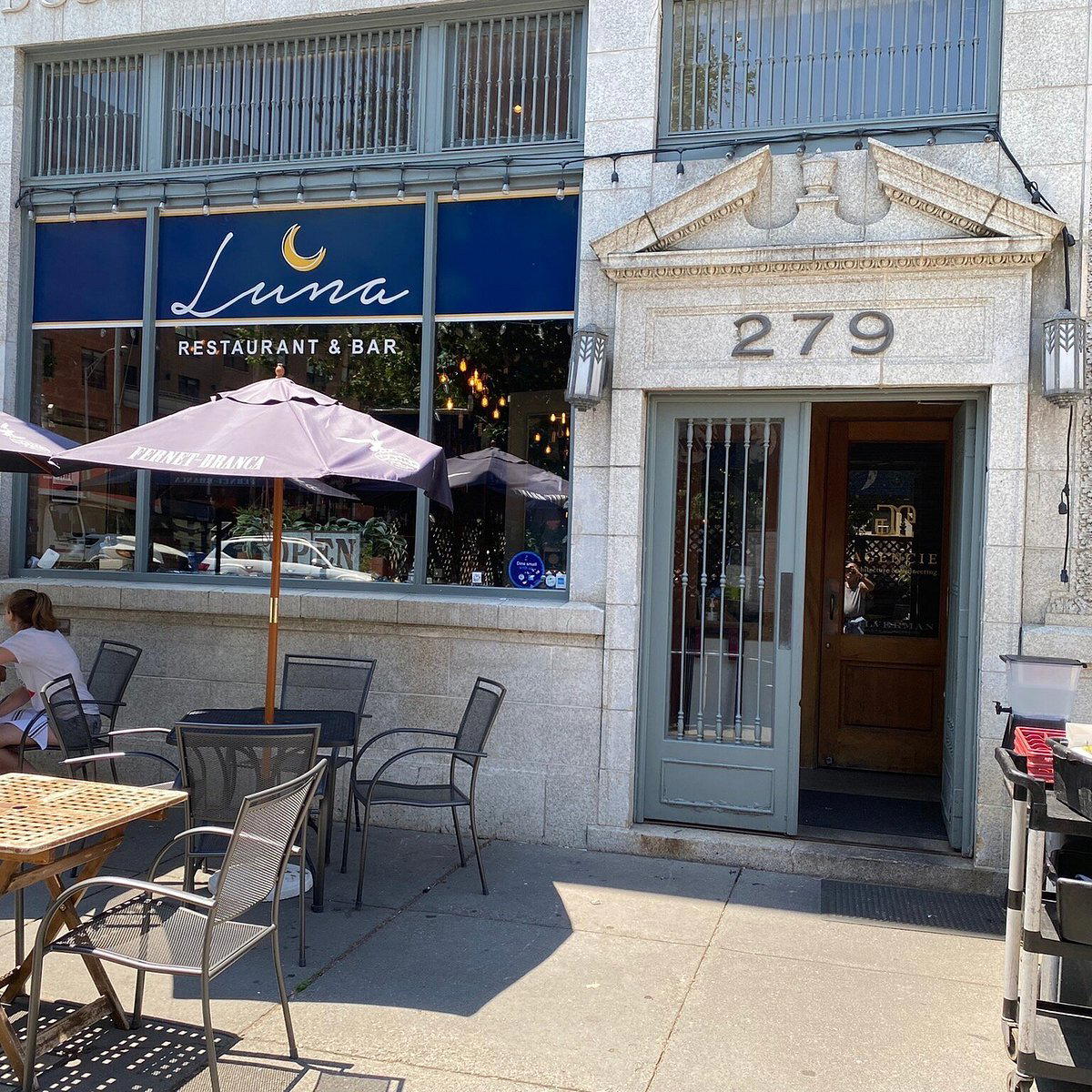
Grove Street and What It Signals Now
Grove Street has changed faster than most of Jersey City's dining corridors. A decade ago, the blocks around the PATH station were anchored by reliable but unremarkable spots serving the morning commute crowd. What has accumulated since is a denser, more considered set of operators — some neighbourhood-rooted, some arriving with bigger ambitions — and Luna at 279 Grove St sits inside that shift. The address alone no longer tells you much about a venue's tier. The room, the sourcing, and the menu execution do.
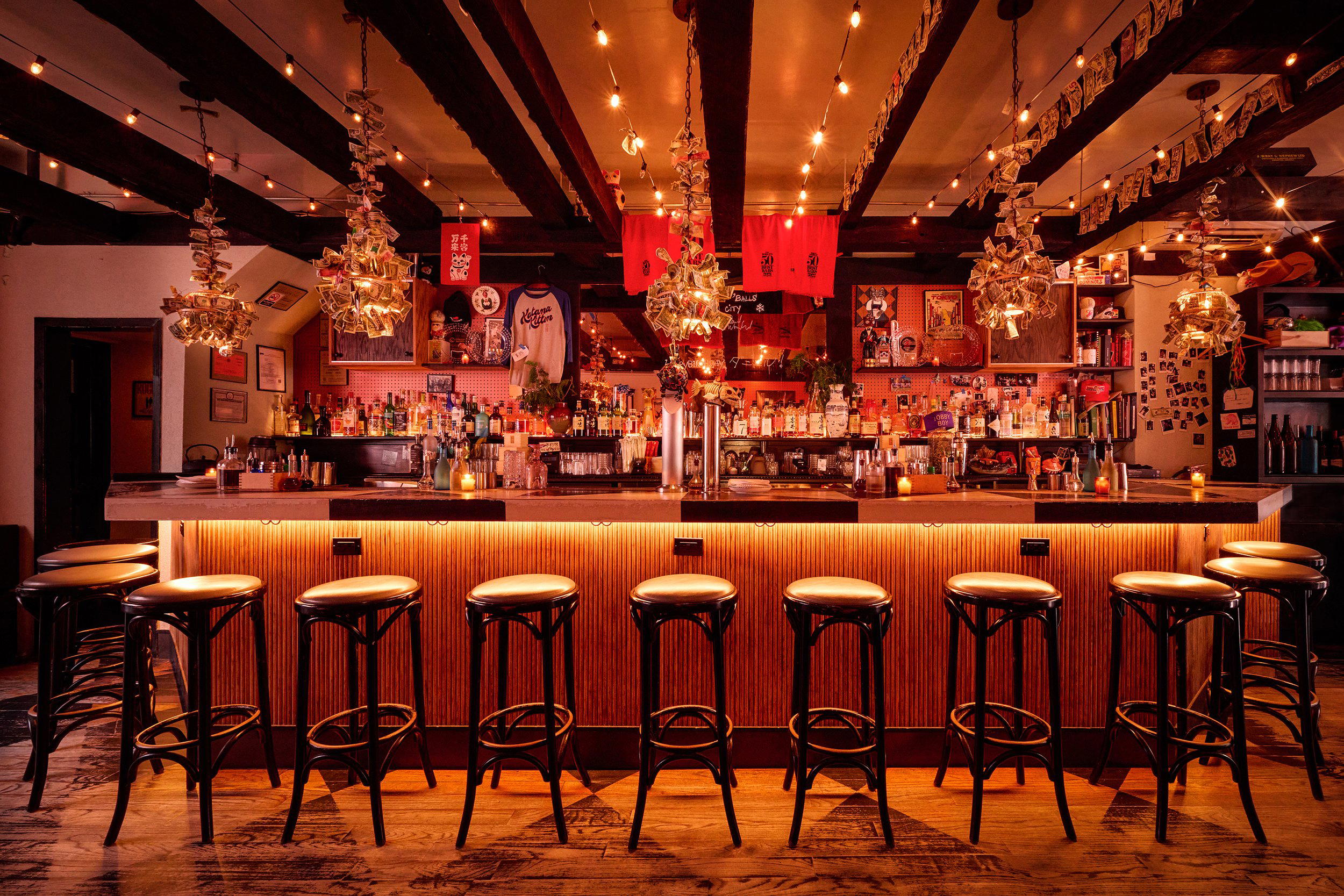
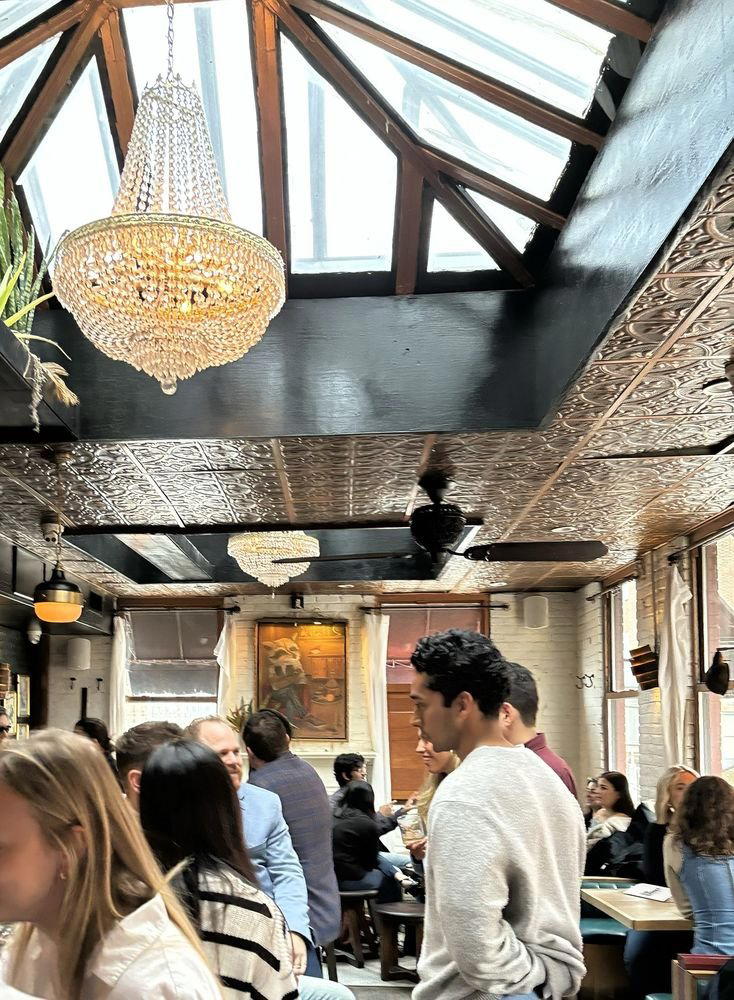
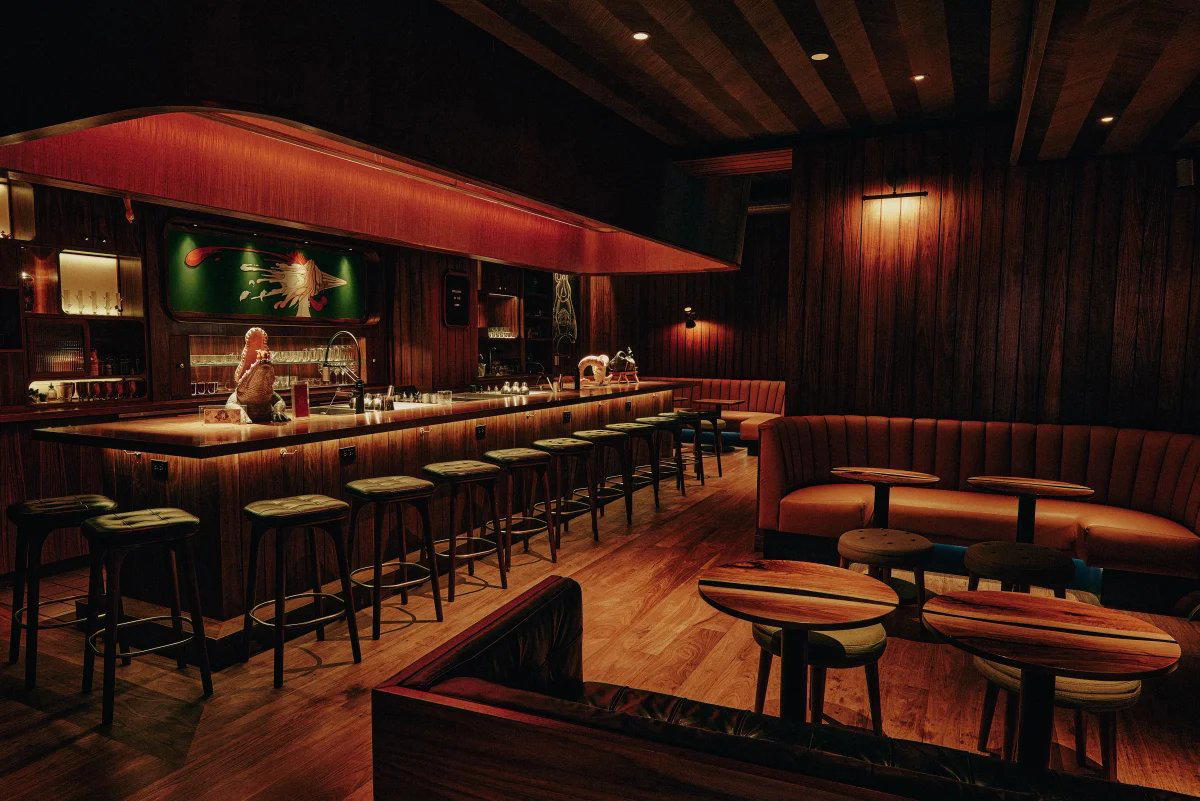
Arriving at Luna, the physical register is immediate: this is not a space designed to perform loudness. The proportions suggest intention rather than volume, the kind of layout that communicates a preference for the table over the bar queue. That restraint in format is increasingly common among the better independent operators along Grove Street, where the competition from Battello and the craft-focused energy of venues like 902 Brewing Co. and Departed Soles Brewing Company has pushed the better restaurant operators to define their own lane clearly.
The Sourcing Case
What distinguishes the better independent restaurants in this part of New Jersey from their mid-tier counterparts is not format or price point, it is traceability. Across the Hudson, New York's ingredient-led restaurants have spent the better part of fifteen years building direct relationships with farms, fishermen, and small-batch producers, and that approach has migrated into the consciousness of the more serious Jersey City operators. Luna reads as part of that migration. The editorial question worth asking of any restaurant in this tier is not what is on the menu, but where it came from and whether that origin matters to the kitchen.
New Jersey's own agricultural output is more substantial than its nickname as the Garden State gets credit for in restaurant conversations. The state produces significant quantities of tomatoes, sweet corn, blueberries, and stone fruit, and its coastline supplies clams, oysters, and finfish that compete on freshness with anything reaching Manhattan's wholesale markets. Restaurants positioned along the Hudson waterfront corridor have a logistical advantage here: shorter supply chains than their Manhattan peers, with comparable access to the same regional producer networks. That proximity to source is an argument, not just a marketing note, and the restaurants that use it well tend to build menus that shift with the season rather than locking into a static identity.
Jersey City's independent dining scene does not operate in isolation from New York. The cross-river dynamic is real: the Grove Street PATH puts Manhattan's financial district roughly fifteen minutes away, which means the competitive reference point for a serious Grove Street restaurant is not just Chickie's down the block but also what a visitor could reach in lower Manhattan or Tribeca for a comparable evening. That pressure has historically suppressed ambition along Grove Street, why invest in a serious kitchen if the comparison set is across the water? but the neighbourhood's own residential density has matured enough to support local loyalty independent of Manhattan's gravitational pull.
The craft beverage operators have helped establish that local loyalty. When venues like 902 Brewing Co. build a returning local audience, they signal that Grove Street has its own destination value. Restaurants that open in that context inherit a more receptive diner than would have arrived ten years ago. Luna operates in that environment and appears to have been conceived for it: a room scaled for neighbourhood use, with the sourcing philosophy that appeals to the segment of the local population that has grown accustomed to paying attention to what they eat and where it comes from.
For readers tracking serious bar programs in comparable cities, the broader craft cocktail movement offers a useful frame. The transparency-over-theatrics shift visible at venues like Kumiko in Chicago, Jewel of the South in New Orleans, and ABV in San Francisco has a food-side equivalent: restaurants that explain their sourcing not through menu copy but through the legibility of the ingredient itself. That is the standard Luna appears to be working toward, placing it in a different conversation than the volume-focused operations that still dominate the blocks immediately north of the PATH plaza.
The Drink Program in Context
Neighbourhood restaurants in this tier typically approach their drink programs in one of two ways: a focused, producer-led wine list that changes as the food menu does, or a cocktail program that treats provenance with the same seriousness as the kitchen. The more considered operators, including venues that have drawn recognition from platforms like Bar Leather Apron in Honolulu, Julep in Houston, and Superbueno in New York City, treat the glass as an extension of the sourcing argument made by the kitchen. Luna's drink identity, while not publicly documented in detail, sits within a venue category where the bar program either reinforces or undermines the broader editorial position. At Grove Street's better independents, it generally reinforces it.
The international comparison point is instructive. Venues like The Parlour in Frankfurt demonstrate that ingredient-forward hospitality is not a coastal American phenomenon but a broader shift in how serious independent operators differentiate themselves from chain and volume competition. Luna's position on Grove Street places it within that global pattern even if the venue's specific program details remain more visible at the neighbourhood level than through formal recognition channels.
Planning Your Visit
Luna is located at 279 Grove St in Jersey City's downtown core, within a few minutes' walk of the Grove Street PATH station, which connects directly to Manhattan's Christopher Street and 9th Street stations on the World Trade Center line. For visitors arriving from elsewhere in New Jersey, the Hudson-Bergen Light Rail serves Exchange Place and Harsimus Cove, both within reasonable walking distance. Booking details and current hours are best confirmed directly with the venue ahead of arrival, as specific operational information is not publicly available through third-party channels at the time of writing. For broader context on what else the neighbourhood offers, our full Jersey City restaurants guide covers the area's dining options across categories and price tiers.
Continue exploring
More in Jersey City
Bars in Jersey City
Browse all →
Restaurants in Jersey City
Browse all →
Hotels in Jersey City
Browse all →







At a Glance
- Romantic
- Cozy
- Rustic
- Date Night
- Group Outing
- Casual Hangout
- Historic Building
- Seated Bar
- Lounge Seating
- Private Rooms
- Outdoor Terrace
- Craft Cocktails
Current opening hours
- Monday
- 4–10 PM
- Tuesday
- 12–10 PM
- Wednesday
- 12–10 PM
- Thursday
- 12–10 PM
- Friday
- 12–10 PM
- Saturday
- 12–10 PM
- Sunday
- Closed
Hours can change for holidays and private events. Last verified .
Cozy and romantic atmosphere with rustic charm, cozy indoor and outdoor tables.
Know Before You Go
- Getting there
- 279 Grove St, Jersey City, NJ 07302