Lucky Labrador Brew Pub
A fixture on SE Hawthorne since the 1990s, Lucky Labrador Brew Pub sits at the casual, neighborhood-facing end of Portland's craft beer culture. The pub format prioritizes house-brewed pints and a relaxed indoor-outdoor atmosphere over elaborate food programming, making it a useful reference point for understanding how Portland's beer scene operates at ground level, away from the trophy-shelf tap rooms.
Pearl is the En Primeur Club membership app — saves, bookings, and concierge access live there. Same editors, same standards.
- Address
- 915 SE Hawthorne Blvd, Portland, OR 97214
- Phone
- +1 503 236 3555
- Website
- luckylab.com
- Directions
- Get directions
 Saves & bookings on Pearl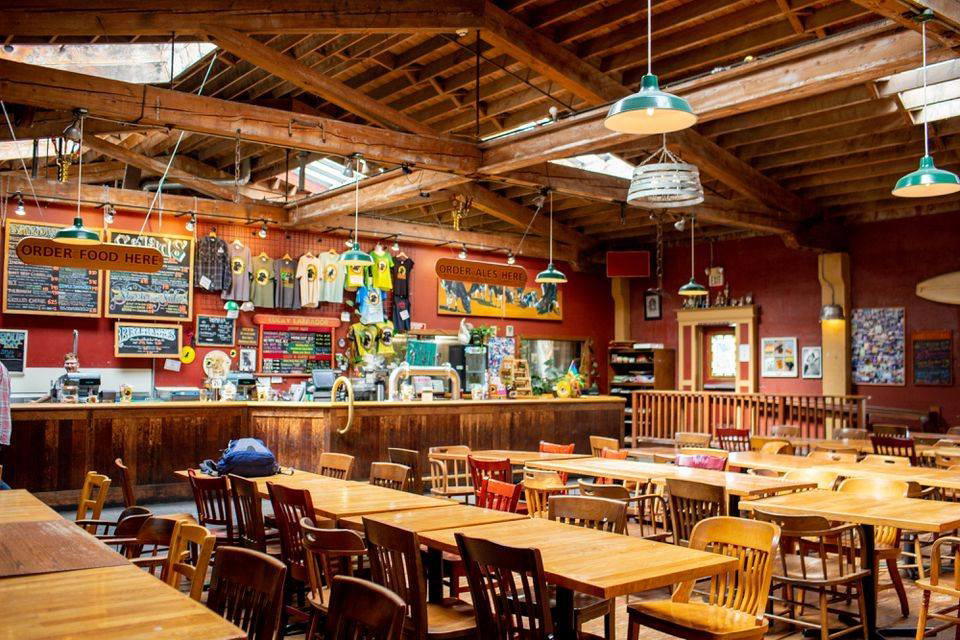
SE Hawthorne and the Brew Pub Format That Portland Built
On SE Hawthorne Boulevard, the afternoon light comes in low through large windows and the sound of the street — cyclists, foot traffic, the particular unhurried pace of Portland's inner southeast — filters through without breaking the room's easy rhythm. Lucky Labrador Brew Pub at 915 SE Hawthorne occupies a corner of the neighborhood that has long served as a reference point for what Portland's casual drinking culture actually looks like when it's working: unpretentious, locally embedded, and oriented around the beer itself rather than the theater surrounding it.
Portland has built a craft brewing culture that draws comparison with few American cities. The metro area hosts more breweries per capita than almost anywhere in the country, and the competitive pressure that produces has pushed the category in two directions: toward high-concept taprooms with rotating single-origin ingredients and precise hop sourcing, and toward the older brew pub model, where the production facility and the social room occupy the same address and the beer is as much about place as it is about process. Lucky Labrador sits in the latter tradition.
The Brew Pub as Neighborhood Infrastructure
What distinguishes Portland's enduring brew pubs from the taproom format that has proliferated nationally is the degree to which they function as neighborhood infrastructure rather than destination venues. In cities where craft brewing arrived later, taprooms tend to draw from wider geographic footprints and position against lifestyle signifiers. Here, the older establishments on streets like Hawthorne or Williams have neighborhood regulars who arrive on foot, stay for hours, and treat the space the way earlier generations treated the neighborhood bar: as a consistent social anchor.
This is a model that requires a specific kind of sourcing discipline. Beer made for a neighborhood audience rather than a festival-circuit audience tends to prioritize drinkability and consistency over spectacle. The ingredients that support those qualities, locally malted barley, Pacific Northwest hops with their characteristic resinous and citrus profiles, water drawn from the Bull Run watershed that supplies Portland's municipal supply, are not incidental to the product. They are the product. The Pacific Northwest's position as the dominant American hop-growing region, centered on the Willamette Valley and Yakima, means that Portland breweries operate closer to their raw materials than producers in most other American cities. That proximity shapes what ends up in the glass.
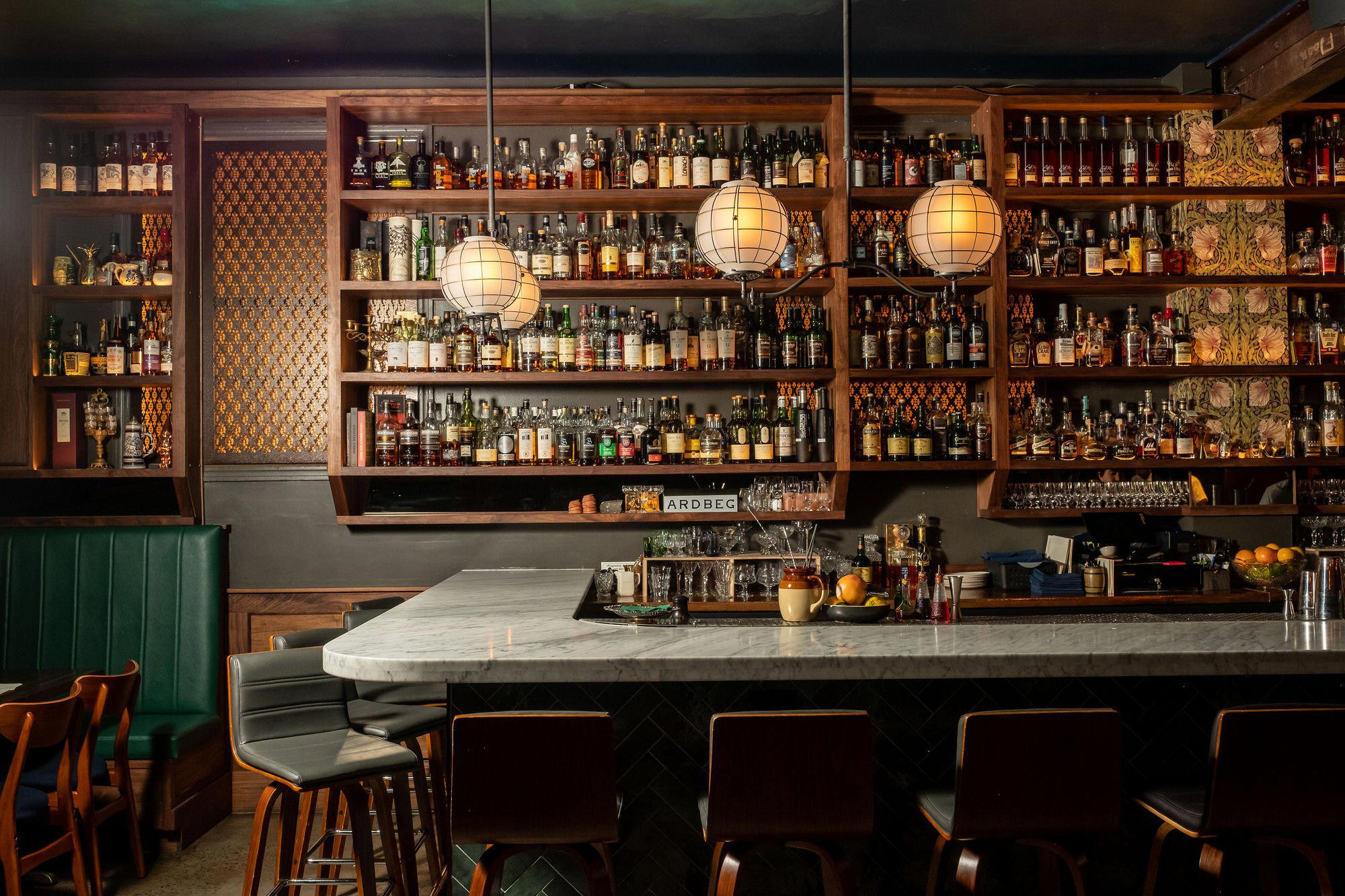
For context on how Portland's bar culture extends into cocktail territory, the Teardrop Lounge represents the city's serious cocktail end, with a program that has drawn national attention. 10 Barrel Brewing Portland operates at a different scale, regional production, broader distribution, and illustrates where craft brewing goes when it grows beyond the neighborhood format. Lucky Labrador operates in a different register from both.
Ingredient Geography and What It Produces
The American craft brewing movement's relationship with ingredient sourcing has matured considerably since its early decades. Where the first wave of craft breweries were largely defined by their departure from industrial lager, the current conversation centers on specificity: which hop variety, from which farm, harvested in which year. Oregon's Willamette Valley produces Cascade, Centennial, Willamette, and a range of proprietary varieties that have become reference points for what Pacific Northwest beer tastes like. A brewery drawing from those sources is working with ingredients that carry genuine regional character.
Malt sourcing has followed a similar trajectory. The Pacific Northwest now supports several craft maltsters producing from locally grown barley, reducing the distance between grain field and brewhouse in ways that affect both flavor profile and the brewery's relationship to the agricultural community around it. These are not abstract values: shorter supply chains mean fresher malt, and fresher malt contributes to the cleaner, less oxidized base flavors that allow hop character to read more clearly in the finished beer.
This sourcing context matters when assessing what a neighborhood brew pub offers relative to, say, a bar program built around cocktails or imported wine. The argument for the brew pub format is that beer made on-site from regional ingredients, served in the room where it was produced, represents a form of ingredient-to-glass transparency that most other beverage categories cannot replicate at this price point. For readers comparing Portland's drinking culture more broadly, venues like 3808 N Williams Ave and 7316 N Lombard St offer different entry points into the north and northeast Portland dining and drinking scene, where the format skews younger and the sourcing conversations lean harder into food.
Where Lucky Labrador Sits in the Wider Craft Drinking Conversation
Across American cities, the brew pub format is not universally sustained. In markets where real estate pressure has pushed production facilities to the urban periphery, the connection between the making and the drinking has fractured. Portland's relative density of surviving in-neighborhood breweries is itself a data point about the city's drinking culture: there is enough consistent local demand to support production at that scale, and enough neighborhood loyalty to keep it economically viable without chasing a wider tourist market.
When EP Club maps craft drinking culture across American cities, the comparison set for a venue like Lucky Labrador is not cocktail bars, programs like Kumiko in Chicago, Jewel of the South in New Orleans, Julep in Houston, Bar Leather Apron in Honolulu, Superbueno in New York City, ABV in San Francisco, or The Parlour in Frankfurt operate in a different technical register entirely. The comparison is with the larger project of whether a city maintains space for drinking formats that are locally rooted, ingredient-honest, and affordable enough to support regular use rather than occasional occasion. Portland has maintained that space more successfully than most, and SE Hawthorne remains one of the streets where it's most legible.
For a fuller account of Portland's eating and drinking options across neighborhoods and price points, see our full Portland restaurants guide.
Know Before You Go
- Address: 915 SE Hawthorne Blvd, Portland, OR 97214
- Neighborhood: SE Hawthorne, inner southeast Portland
- Format: Brew pub; on-site production and taproom
- Walk-ins: The brew pub format is traditionally walk-in friendly; no booking information is currently listed
- Price range: Not listed; the brew pub category in Portland generally sits at the accessible end of the drinking-out spectrum
What It’s Closest To
| Venue | Cuisine |
|---|---|
| Lucky Labrador Brew PubThis venue — the venue you are viewing | This venue |
| Teardrop Lounge | World's 50 Best |
Continue exploring
More in Portland
Bars in Portland
Browse all →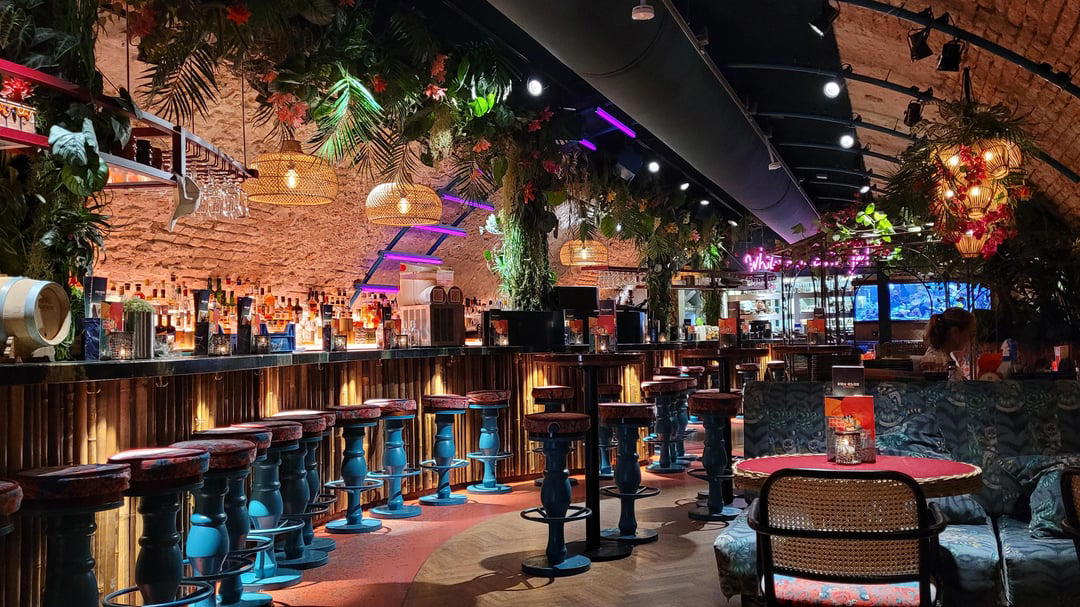
Restaurants in Portland
Browse all →
Hotels in Portland
Browse all →
At a Glance
- Rustic
- Cozy
- Lively
- Casual Hangout
- Group Outing
- Beer Garden
- Communal Tables
- Craft Beer
Current opening hours
- Monday
- 4:30–10:30 PM
- Tuesday
- 4:30–10 PM
- Wednesday
- 4:30–10:30 PM
- Thursday
- 4:30–10:30 PM
- Friday
- 2–11 PM
- Saturday
- 12–11 PM
- Sunday
- 12–9 PM
Hours can change for holidays and private events. Last verified .
Casual, wide-open industrial space with a comfortable, grungy Portland pub vibe.
Know Before You Go
- Getting there
- 915 SE Hawthorne Blvd, Portland, OR 97214