LPO is a Sydney wine bar and bottle shop built around minimum-intervention wines, offering both glass pours and retail bottles in a format that suits explorers of natural and low-sulphur production. The space sits at the quieter, more considered end of Sydney's bar scene — closer to a neighbourhood cave à vin than a high-energy drinking room. It works equally well as a place to linger over a glass or to leave with something worth opening at home.

Pearl is the En Primeur Club membership app — saves, bookings, and concierge access live there. Same editors, same standards.
- Address
- Sydney, Australia
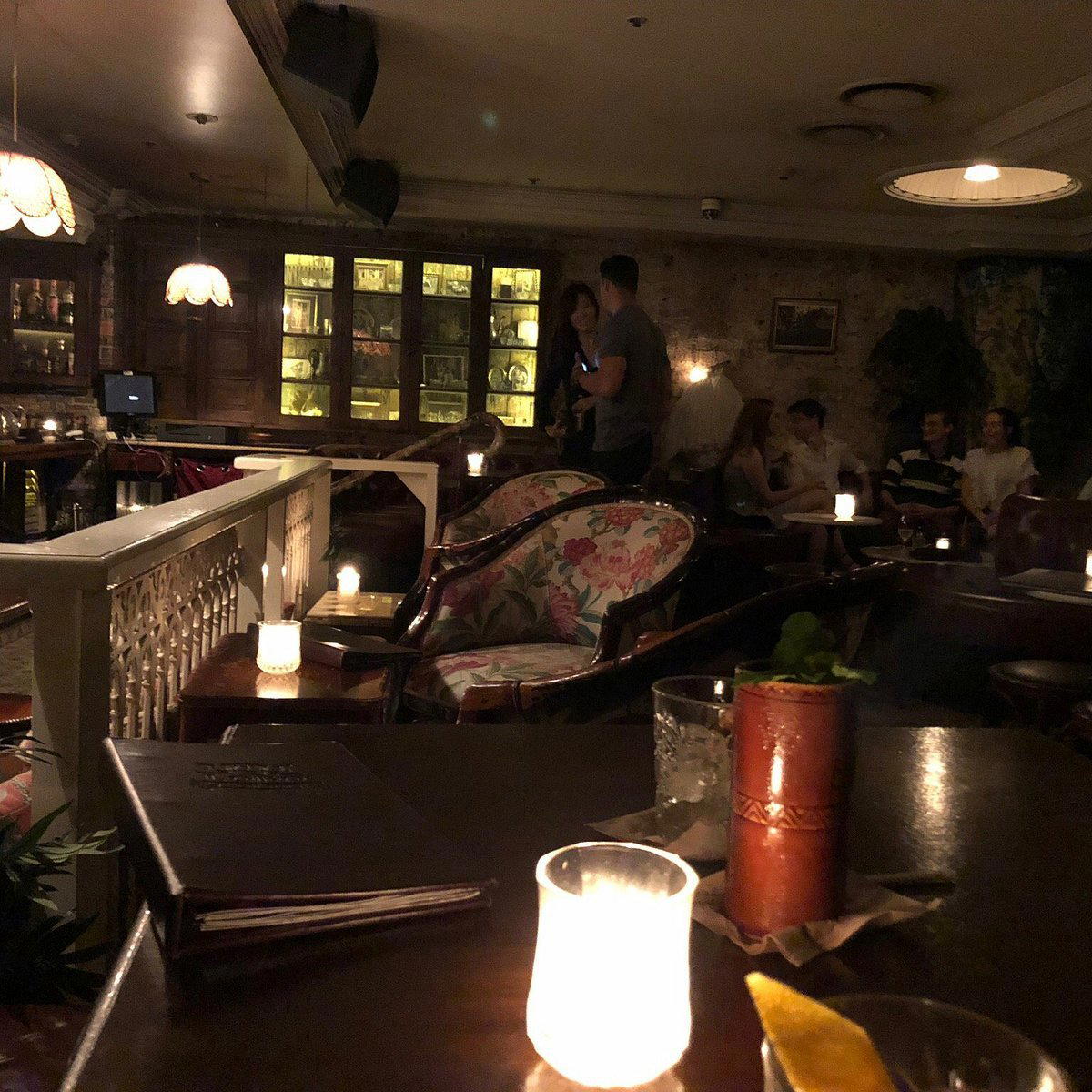
The Room Before the Wine
There is a particular kind of wine space that has become more common in Australian cities over the past decade: part bar, part bottle shop, operating in a register that feels closer to a well-curated Parisian cave à vin than a traditional pub or cocktail room. LPO in Sydney occupies that space. The format is one where the physical environment does most of the communicating before a glass is poured — the shelving, the lighting, the pace of service, the label-forward arrangement of bottles all signal the kind of drinking that is expected here. You come to pay attention, not to chase rounds.
That dual identity — retail and on-premise consumption sitting side by side, is an increasingly coherent model in cities where minimum-intervention wine has moved from fringe preference to a recognisable market segment. Sydney has developed a credible cluster of these hybrid venues, and LPO represents a specific point on that spectrum: the kind of room where the selection speaks to a clear editorial point of view about what wine is worth stocking, and where a glass pour is understood as an invitation to investigate further rather than a transaction in itself.
A Format Built for Attention
The wine bar and bottle shop hybrid operates under different atmospheric logic than a cocktail bar. Where places like Maybe Sammy or Eau de Vie build their rooms around a performance, the bartender as protagonist, the drink as spectacle, a wine-focused space like LPO organises itself around quieter, more lateral rhythms. Conversation carries differently. The music, if present, tends to sit underneath rather than lead. Lighting is typically warm and functional rather than dramatic. These are design choices, not accidents, and they serve the wine: you are meant to read a label, ask a question, notice something on the shelf that you have not tried before.
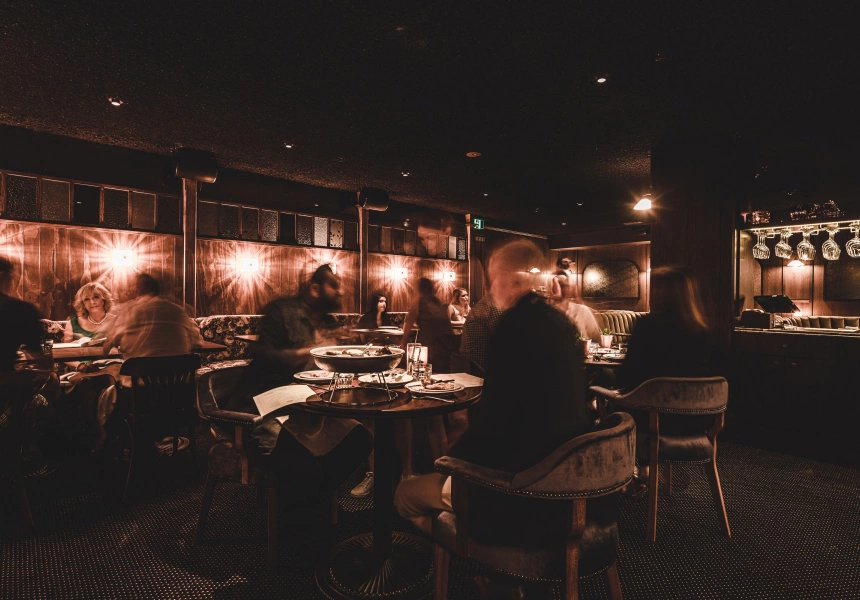
This atmospheric register is worth naming directly because it differentiates LPO from the louder end of Sydney's bar scene. Palmer and Co. operates in a subterranean jazz club register. Cantina OK! runs on tequila and tight counter energy. LPO belongs to a different mood category entirely, one defined by considered selection and a lower ambient register. That is not a limitation; it is the point.
Minimum-Intervention Wines: What the Selection Signals
The term minimum-intervention covers a range of production philosophies, natural wine, low-sulphur, skin-contact, biodynamic, but in a retail and bar context it functions as a curatorial signal. Venues that organise their lists around these wines are making a statement about producer relationships, sourcing geography, and the kind of drinker they expect to attract. Producers in this category tend to work in smaller volumes, which means a well-chosen list reflects ongoing supplier relationships rather than catalogue purchasing.
For the drinker, minimum-intervention wines can be more variable in character than conventionally produced counterparts. They can also be more arresting. The category rewards curiosity and tolerates experimentation better than a list anchored to familiar appellations. The hybrid retail format at LPO gives that experimentation practical stakes: a glass that interests you becomes a bottle you can take home and study across more than one pour. That loop between glass and shelf is where this model of wine space becomes genuinely useful rather than just atmospheric.
Across Australia, the natural and low-intervention wine movement has found particular traction in Sydney and Melbourne, with the latter home to comparison reference points like 1806, which operates in a different category but speaks to the same city-wide appetite for considered, sourcing-led drinks programming. In Brisbane, Bowery Bar and La Cache à Vín in Spring Hill fill adjacent roles in that city's bar ecosystem. The model has enough momentum across Australian capitals to suggest it is not a passing format but a settled segment of the market.
Sydney's Wine Bar Tier: Where LPO Sits
Sydney's bar scene has matured considerably since the early 2010s, when the cocktail bar renaissance dominated the conversation. The city now operates credible programmes across cocktails, whisky, wine, and spirits-led formats. Blu Bar on 36 in The Rocks occupies a views-led hotel tier. Fratelli Paradiso in Potts Point anchors the Italian-neighbourhood-bar register. LPO positions itself in a more specialist niche: the sourcing-led wine room where producer knowledge and list curation are the primary credential, not design spectacle or drinks theatre.
That positioning carries implications for who the space is for and when to visit. It is a room for people who want to be pointed toward something they have not tasted before, who are comfortable asking about a producer and expecting a considered answer. It is less suited to a group night out and more aligned with the kind of drinking that involves pausing over a glass rather than working through a round. Internationally, the model has analogues in spaces like Whipper Snapper Distillery in East Perth and Bar Leather Apron in Honolulu, both of which prioritise producer or process provenance as their organising principle.
Planning a Visit
LPO's dual function as wine bar and bottle shop means the experience of visiting changes depending on your objective. As a bar, it rewards unhurried time: arrive without an agenda beyond exploring the glass list, and let the selection guide the session. As a retail stop, it functions as an edit of the minimum-intervention segment that reflects a specific curatorial point of view, which makes it more interesting than a general wine merchant but also more focused in scope. For broader Sydney bar planning, the full Sydney restaurants and bars guide maps the city's drinking scene across categories and neighbourhoods. Specific booking details, hours, and pricing for LPO should be confirmed directly with the venue before visiting, as this information is subject to change.
What It’s Closest To
Comparable venues nearby, for context on price, style, and recognition.
| Venue | Cuisine | Price | Awards | Notes |
|---|---|---|---|---|
| LPOThis venue — the venue you are viewing | pub | Not listed | Not listed | Not listed |
| Bar Bridge | cocktail_bar | $20–30 | Not listed | Sydney CBD |
| Fabbrica Pasta Shop CBD | wine_bar | $20–30 | Not listed | Sydney |
| Bar Ferdinand | cocktail_bar | $50–100 | Not listed | Melbourne CBD |
| Aster Bar | rooftop_bar | $50–100 | Pinnacle Guide 1 Pin | Sydney |
Continue exploring
More in Sydney
Bars in Sydney
Browse all →
Restaurants in Sydney
Browse all →
Hotels in Sydney
Browse all →
Wineries in Sydney
Browse all →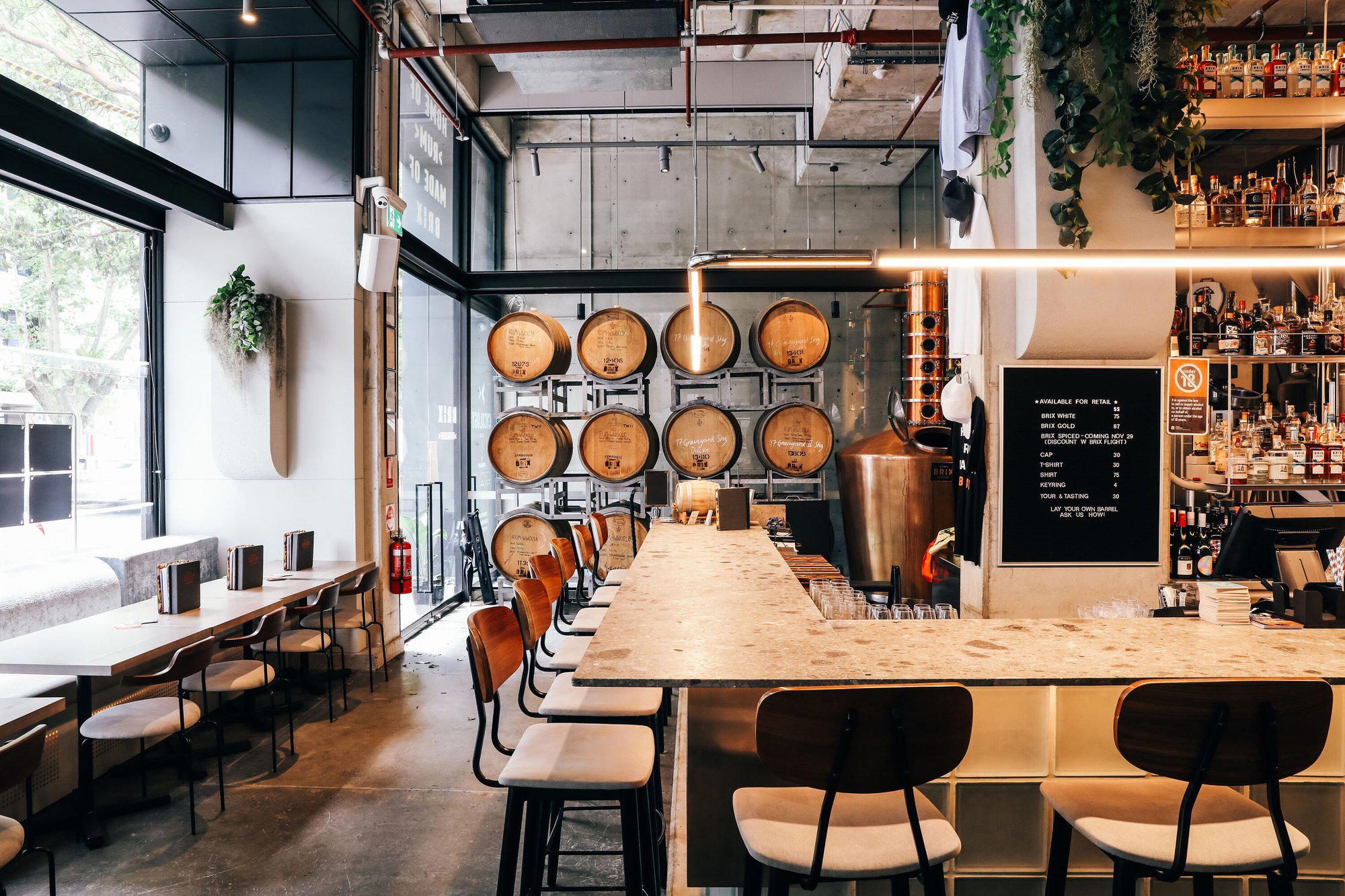
Details
Community-focused retail environment.