Lowcountry
Lowcountry brings the slow-cooked, bourbon-forward spirit of the American South to San Antonio's downtown bar scene, occupying a space on Martinez Street where the room's design does as much work as the drinks list. It sits inside a broader local shift toward bars with architectural identity and program depth, drawing guests who want something more considered than a standard strip-district pour.
Pearl is the En Primeur Club membership app — saves, bookings, and concierge access live there. Same editors, same standards.
- Address
- 318 Martinez St, San Antonio, TX 78205
- Phone
- +1 210 560 2224
- Website
- lowcountrysa.com
- Directions
- Get directions
 Saves & bookings on Pearl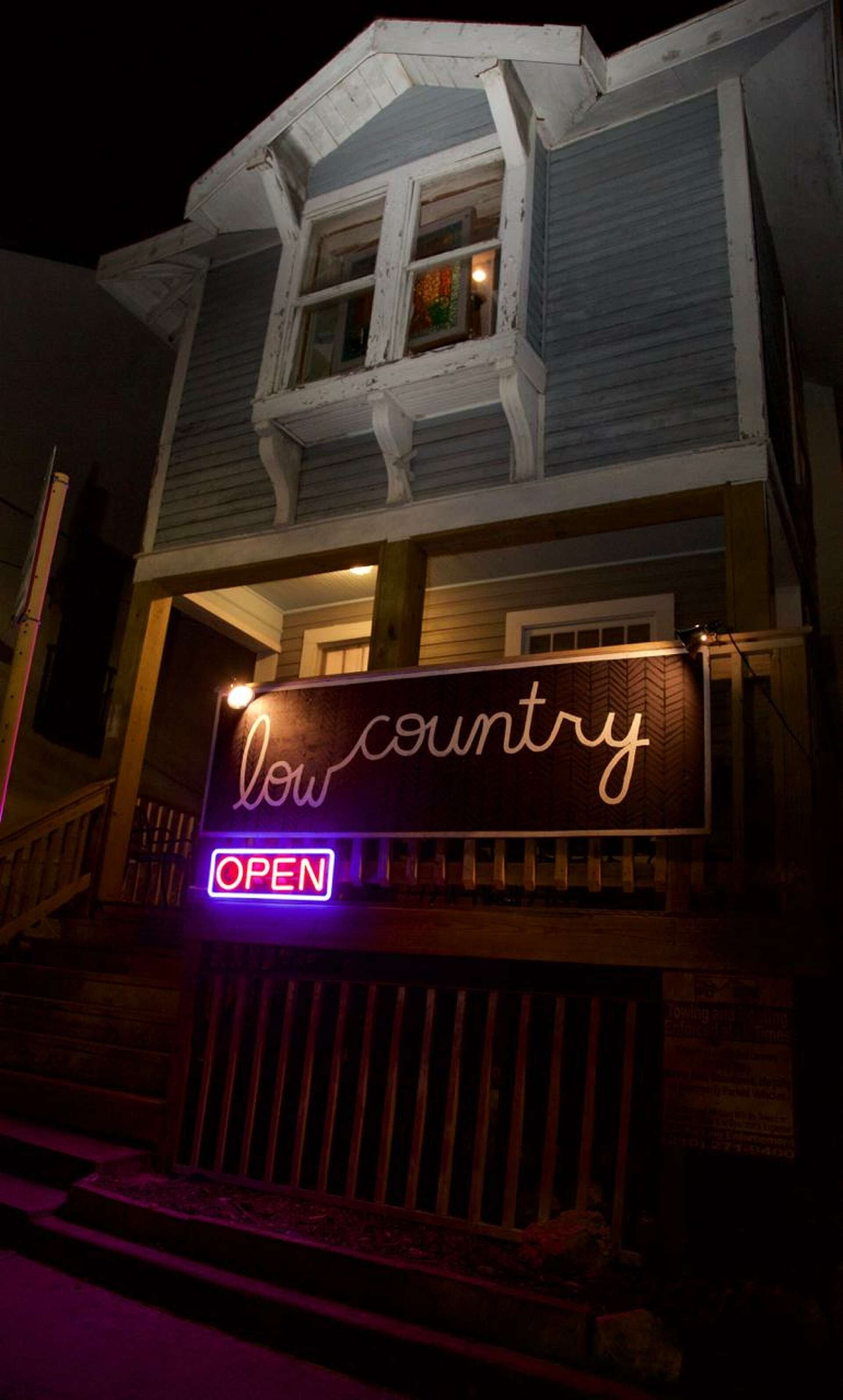
The Room Before the First Drink
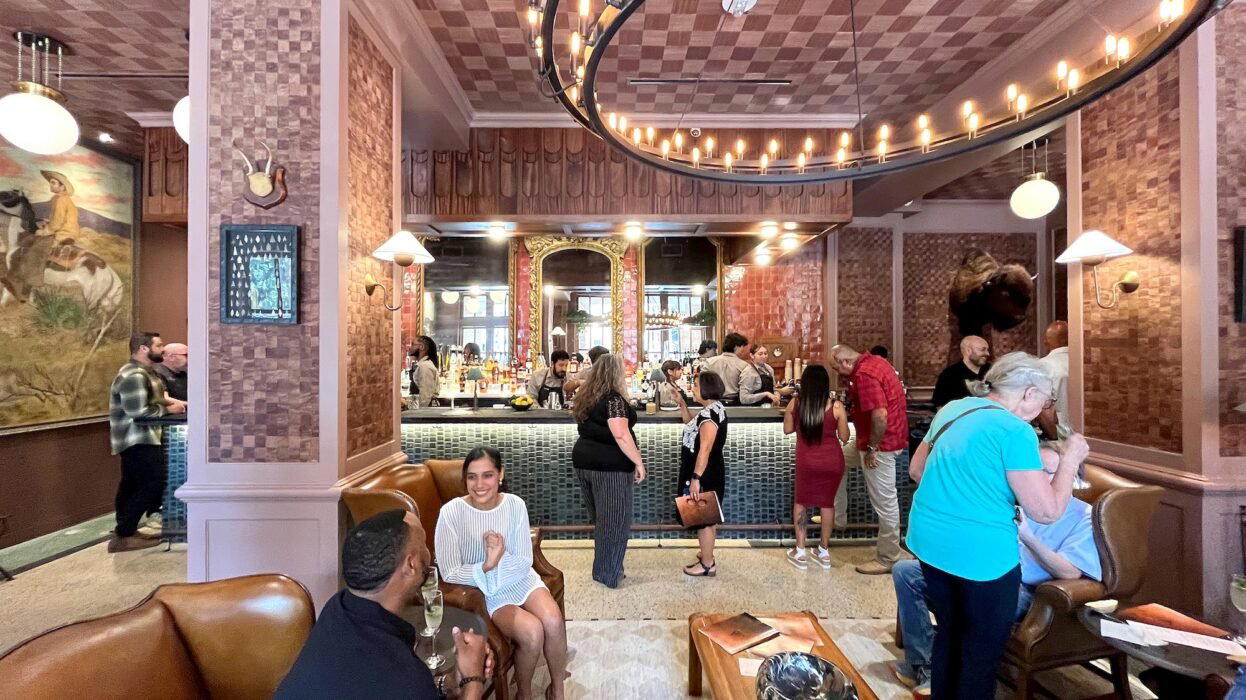
On Martinez Street, a short walk from the River Walk's more predictable circuit, the physical container of Lowcountry communicates before anything is ordered. San Antonio's downtown bar scene has, over the past several years, split clearly between high-volume venues engineered for tourist throughput and a smaller tier of spaces where the interior architecture carries editorial intent. Lowcountry belongs to the latter group. The address at 318 Martinez St sits in a pocket of downtown that has attracted concept-driven operators willing to work with older building stock, and the spatial result at Lowcountry reflects that context: the room reads as deliberate, not assembled from a bar-fit-out catalogue.
Interior design in the current American cocktail bar moment functions as positioning. A bar that invests in material choices, seating arrangements, and lighting calibration is signalling something about the depth of its program, whether or not the drinks ultimately deliver on that promise. At Lowcountry, the name itself points toward a specific American regional identity: the Lowcountry of South Carolina and Georgia, a coastal culinary and cultural zone defined by rice, shellfish, bourbon, and a particular kind of unhurried hospitality. That regional framing sets a design and tonal expectation that the space is meant to honour.
What the Lowcountry Frame Means in Practice
Bars that claim a regional American identity face a credibility test: does the reference run through the program, or is it surface decoration? The most persuasive Southern-inflected bars in the United States earn that identity through sourcing, spirit selection, and the structural logic of their cocktail list. Julep in Houston is a reference point for how deeply a Southern bar concept can be executed when the commitment extends to glassware, ice, and recipe lineage. Jewel of the South in New Orleans draws on historical cocktail documentation to ground its menu in verifiable tradition. These bars operate at the serious end of the regional-identity spectrum, and they raise the bar for any venue that adopts similar framing.
Bar 1919 has established itself as the city's most technically refined whiskey program, while 1Watson operates as a hotel bar with a different kind of formal polish. Aleteo, the Yucatán-inspired rooftop concept, occupies the experiential outdoor tier. Lowcountry arrives as an interior-focused, regionally-coded option, which fills a distinct gap in the downtown offer.
Seating, Scale, and the Logic of the Space
The design philosophy of Lowcountry connects to a broader national movement in cocktail bar development. Over the past decade, the most discussed American bars have moved away from the maximalist speakeasy aesthetic that dominated the 2010s and toward spaces that feel more like considered living rooms than theatrical sets. Kumiko in Chicago represents one end of that shift, with a spare, Japanese-influenced material palette applied to a serious cocktail program. ABV in San Francisco occupies a similar register on the West Coast, where the room's restraint lets the drinks do the talking. Bar Leather Apron in Honolulu extends the same logic to the Pacific. Lowcountry's interior approach, rooted in Southern material warmth rather than East Asian minimalism, charts a different path toward the same goal: a room that positions the experience as something to sit inside for more than one round.
Seating arrangement is where design becomes operational policy. A bar that prioritises counter seating creates a different social contract than one organised around booth clusters or communal tables. The Lowcountry footprint on Martinez Street appears calibrated for a mid-scale capacity, consistent with the downtown blocks where it operates. That scale matters in San Antonio's bar market because it determines who the venue competes with on a Friday night: not the sprawling multi-room venues on the River Walk, but the more intimate spots where the room itself is a reason to stay.
San Antonio's Evolving Cocktail Geography
San Antonio has historically been underestimated as a cocktail city relative to Austin and Houston, but the composition of its downtown bar scene has shifted in the past several years. The Martinez Street area and surrounding blocks have attracted operators who are thinking seriously about program, space, and repeat clientele rather than tourist volume. Alamo Beer Company anchors the local craft production tier, while the cocktail-focused bars have clustered around a different set of priorities. Lowcountry's entry into this geography adds a Southern-coded, design-conscious option to a downtown offer that is becoming more layered with each season.
Comparable bars in other cities offer a useful frame for understanding what Lowcountry is building toward. Superbueno in New York City demonstrates how a strong regional identity, in that case Latin American, can be applied to a cocktail program without reducing the concept to theme-bar territory. The Parlour in Frankfurt shows that the interior-as-program approach translates across markets. The common thread is that the room's design and the drink's logic need to be speaking the same language.
Planning Your Visit
Lowcountry sits at 318 Martinez St in downtown San Antonio, within walking distance of the central River Walk corridor and accessible from most downtown hotels without requiring a car. The Martinez Street location places it in a zone that rewards arriving with time to settle into the space rather than treating it as a stop on a longer itinerary. For a bar operating at this scale in this part of downtown, mid-week evenings tend to offer more room to engage with the space on its own terms. Weekend evenings in the River Walk adjacent area draw higher foot traffic, which changes the ambient conditions inside smaller venues. Consulting the venue directly for current hours and reservation options before visiting is advisable, as operational details for independent downtown bars in this tier can shift with the season. See our full San Antonio restaurants guide for broader context on the city's drinking and dining picture.
Continue exploring
More in San Antonio
Bars in San Antonio
Browse all →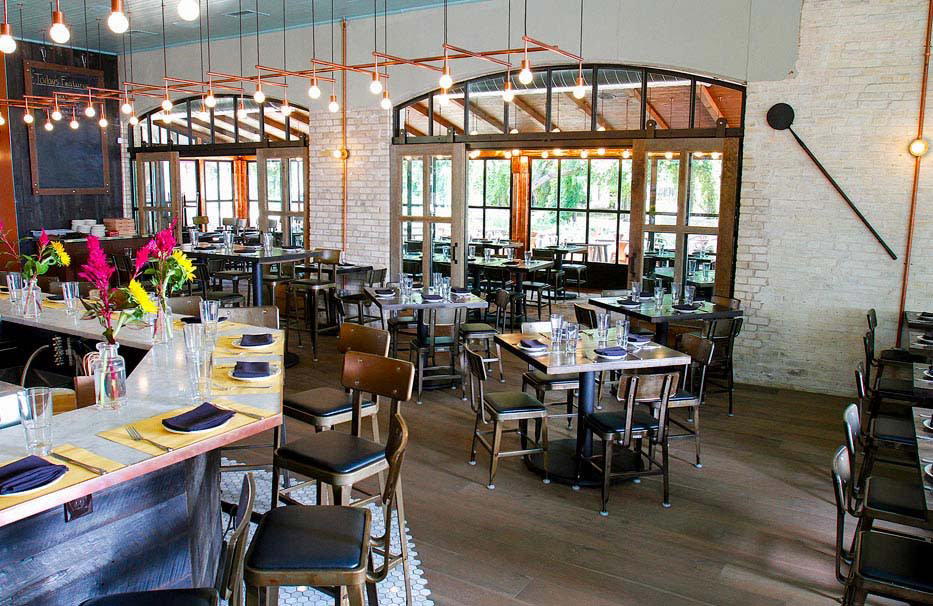
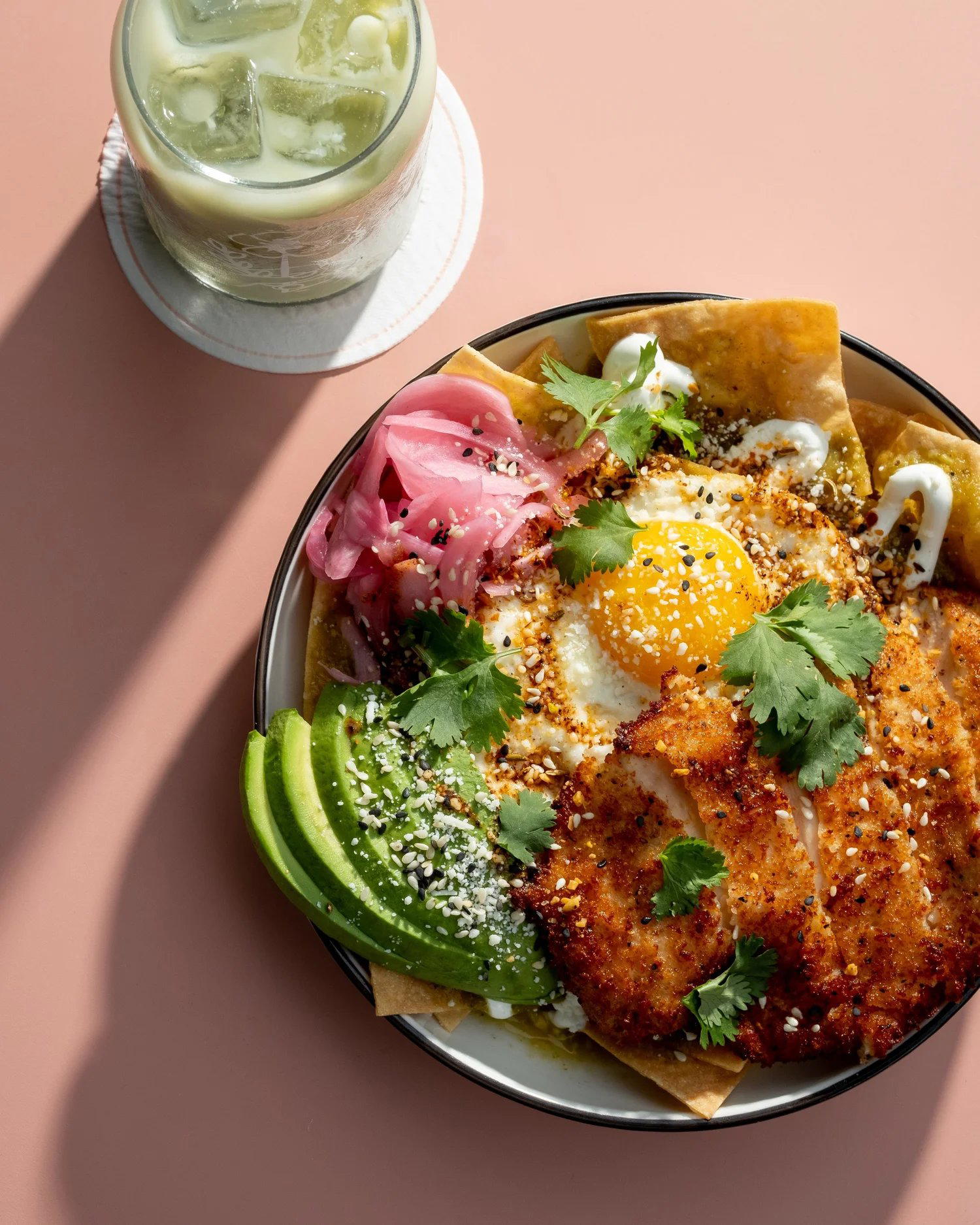
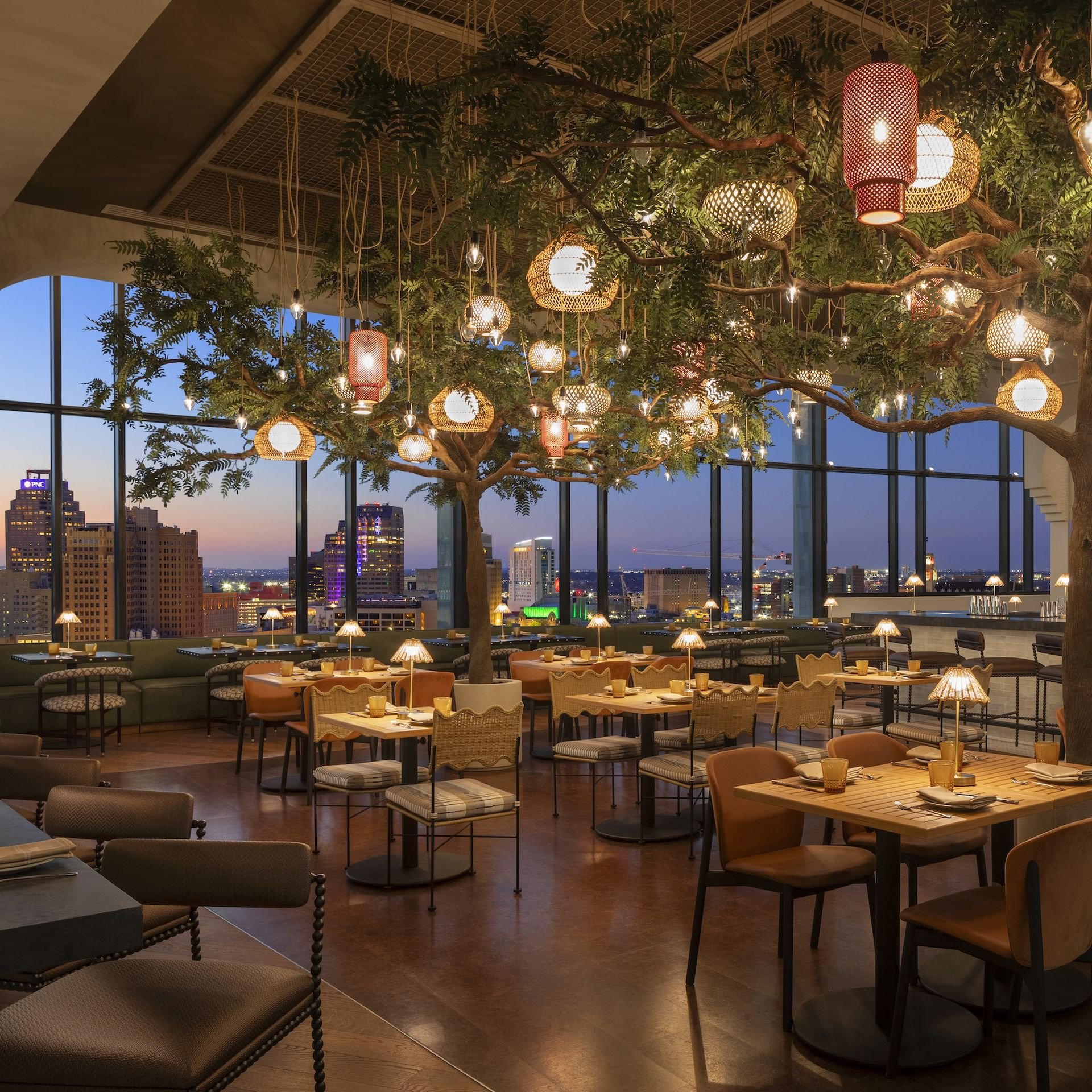
Restaurants in San Antonio
Browse all →
Hotels in San Antonio
Browse all →
Wineries in San Antonio
Browse all →
At a Glance
- Cozy
- Intimate
- Rustic
- Casual Hangout
- After Work
- Live Music
- Lounge Seating
- Outdoor Terrace
- Craft Cocktails
Current opening hours
- Monday
- Closed
- Tuesday
- 4 PM–2 AM
- Wednesday
- 4 PM–2 AM
- Thursday
- 4 PM–2 AM
- Friday
- 4 PM–2 AM
- Saturday
- 4 PM–2 AM
- Sunday
- 2 PM–12 AM
Hours can change for holidays and private events. Last verified .
Laid-back Southern feel in intimate renovated house rooms with cozy backyard patio.
Know Before You Go
- Getting there
- 318 Martinez St, San Antonio, TX 78205