LOST
In a town where the distance between art and everyday life collapses, LOST at 306 E San Antonio St occupies a particular position in Marfa's small but committed bar scene. The cocktail program draws visitors who have made the West Texas pilgrimage specifically for the kind of drinking that rewards attention. It sits alongside the Water Stop as one of the addresses that gives Marfa a bar culture proportionally outsized to its population.
- Address
- 306 E San Antonio St, Marfa, TX 79843
- Phone
- +1 432 386 5420
- Website
- instagram.com
- Directions
- Get directions
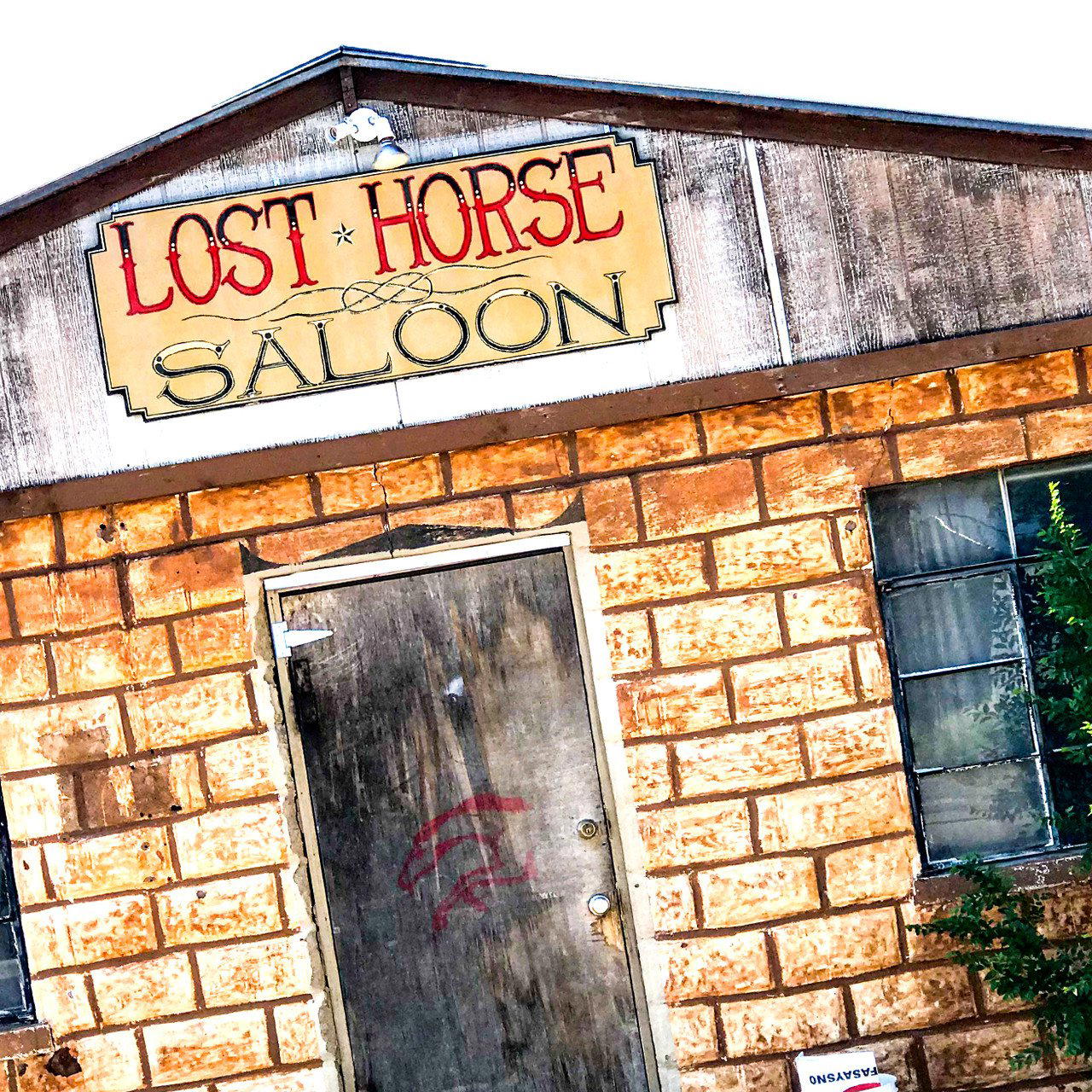
Drinking at Altitude in the High Desert
Marfa operates at around 4,600 feet, and the clarity of the air at that elevation is the first thing you notice arriving on US-90. The second is how little the town concedes to tourist infrastructure despite drawing a steady stream of artists, architects, and long-haul drivers who have read about the Chinati Foundation and want to see what Donald Judd actually built here. The bar scene reflects that same resistance to easy accommodation. There are only a handful of places in Marfa where you can order a serious drink, which means the ones that exist carry more weight per seat than they would in a city with a hundred options.
LOST, at 306 E San Antonio St, sits inside that compact field. In a town of roughly 1,800 permanent residents, a bar's identity is inseparable from the physical and social character of the place itself. The desert light, the wide sky, the particular silence of a high-plains evening: these are not backdrop, they are context. Any cocktail program worth taking seriously in Marfa has to reckon with that context rather than pretend it is operating in an anonymous metropolitan strip.
The Cocktail as Argument
The most instructive way to read a cocktail program in a remote location is to ask what it is trying to prove and to whom. The bar down the block is a competitive reference point. It is aspirational.
What a bar like LOST is measuring itself against is the category of American craft cocktail programs that have decided technique and sourcing matter regardless of audience size. That cohort includes places like Julep in Houston, which brought Southern spirits scholarship to a Texas context, and ABV in San Francisco, which made the case that a neighborhood bar could operate at a high-technical register without becoming exclusionary. The editorial question for any Marfa bar is whether the program can hold that level of intention without the support structure of a city's supply chains, talent pool, and nightly feedback loop of volume.
For visitors arriving from the coasts or from larger Texas cities, the expectation gap is real. The instinct is to lower the benchmark because of the setting. The more useful approach is to assess what the program is actually doing with the constraints it has, which is a different and more interesting evaluation.
Marfa's Bar Geography
The town is small enough that the full bar circuit can be walked in an evening. The Water Stop anchors one end of the local drinking culture, and LOST sits within that same walkable radius. For visitors spending two or three nights in Marfa, which is the typical duration for most itineraries built around Chinati's Thursday-to-Sunday programming, the bar options are few enough that each one registers distinctly rather than blurring into a scene. That scarcity sharpens attention in the same way that a small tasting menu forces focus on each course.
The cocktail bars that have built reputations in comparably sized or comparably remote American markets tend to share a few structural features: a menu that changes with sourcing availability rather than on a fixed seasonal calendar, a short list that prioritizes depth over range, and a staff-to-seat ratio that allows for the kind of conversation about what you are drinking that most high-volume urban bars cannot sustain.
How LOST Sits in the Wider American Bar Conversation
American craft cocktail culture has moved through several distinct phases since the early 2000s. The speakeasy revival gave way to ingredient-forward menus, then to technique-led programs emphasizing clarification, fat-washing, and fermentation, and most recently to a corrections phase where bars like Allegory in Washington, D.C. and Bar Leather Apron in Honolulu have been threading storytelling and place-specificity back into programs that had become technically accomplished but geographically interchangeable.
That return to rootedness is, arguably, where Marfa has always been. A bar operating in a town this specific, this far from a metropolitan supply chain, cannot afford to be geographically neutral. The West Texas context is either an asset the program builds on or a liability it has to overcome. The most compelling version of LOST is one that uses the desert setting as a genuine ingredient: local spirits producers from the Texas Hill Country and surrounding region, seasonal produce from the Rio Grande valley, a menu vocabulary that references the borderlands food culture that shapes this part of the state. That approach would align LOST with the broader movement that has made places like Jewel of the South in New Orleans worth a dedicated trip: bars that could only exist where they exist.
For contrast, consider bars like Bitter and Twisted in Phoenix, which operates in a Southwest desert context and has built a program that leans into that regional identity, or Bar Kaiju in Miami, which channels a very specific cultural moment and geography into its format. The pattern across all of them is that the bars with the longest shelf lives are the ones where the location is doing work inside the glass, not just providing a backdrop for photography.
LOST's position in Marfa gives it that opportunity. Whether the current program fully capitalizes on it is the question a first visit will answer.
Planning a Visit
Marfa's hotel and rental inventory is limited and fills quickly around Chinati Foundation open weekends and the annual Marfa Myths music festival, typically held in spring. Travelers planning around those events should expect to book accommodation three to four months in advance. The bar itself, given Marfa's scale, is unlikely to require advance reservations in the conventional sense, but arriving early in the evening on busy weekends is the practical approach in any small-format venue. The address at 306 E San Antonio St places LOST within easy walking distance of the central block of town where most of the eating and drinking options are concentrated. For a fuller map of where to eat and drink across the city, see our full Marfa restaurants guide. International visitors connecting through larger Texas hubs should plan for a significant drive: Marfa is approximately three hours southeast of El Paso and four hours west of San Antonio, with no commercial air service closer than El Paso International.
Continue exploring
More in Marfa
Bars in Marfa
Browse all →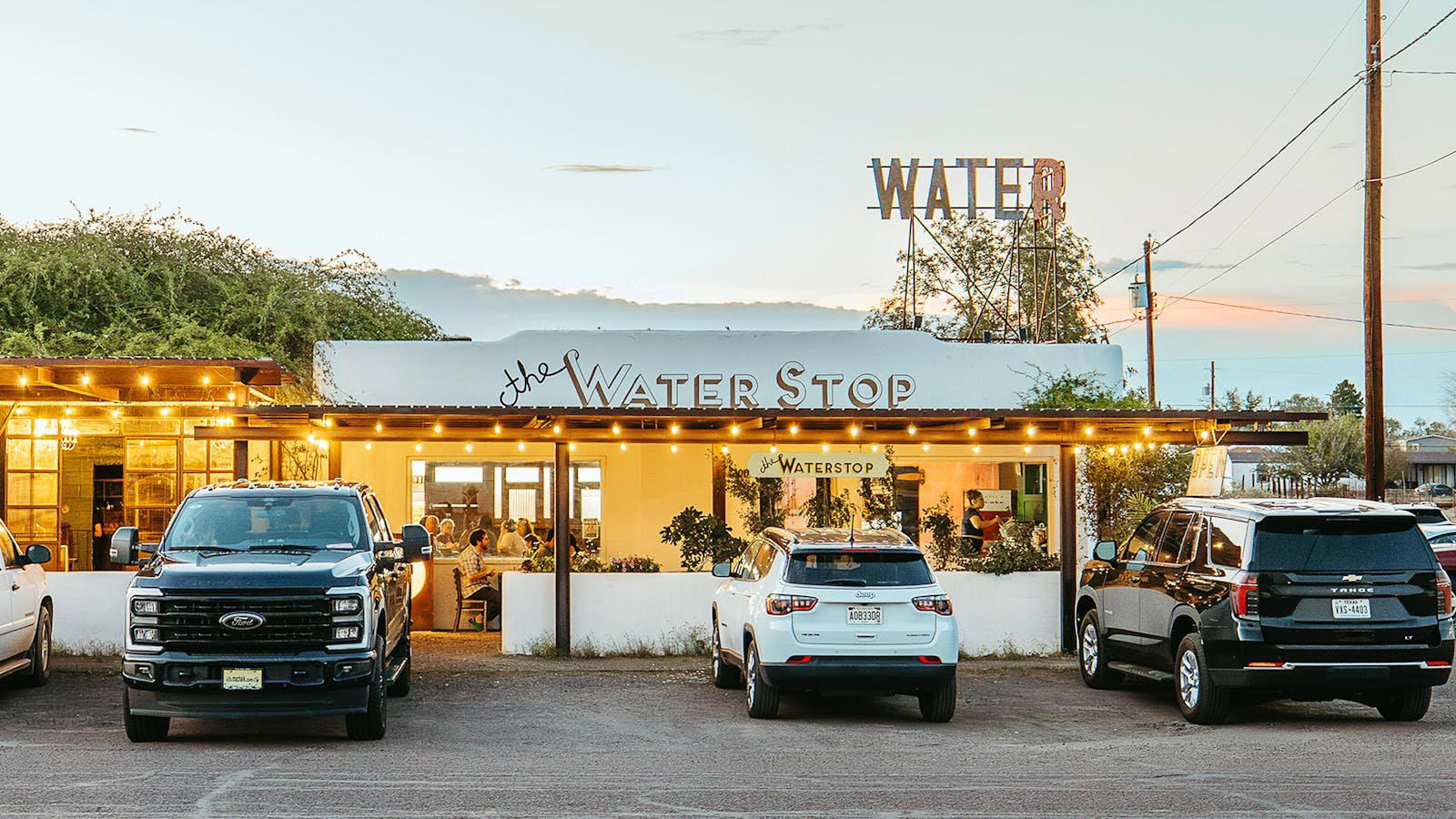
Restaurants in Marfa
Browse all →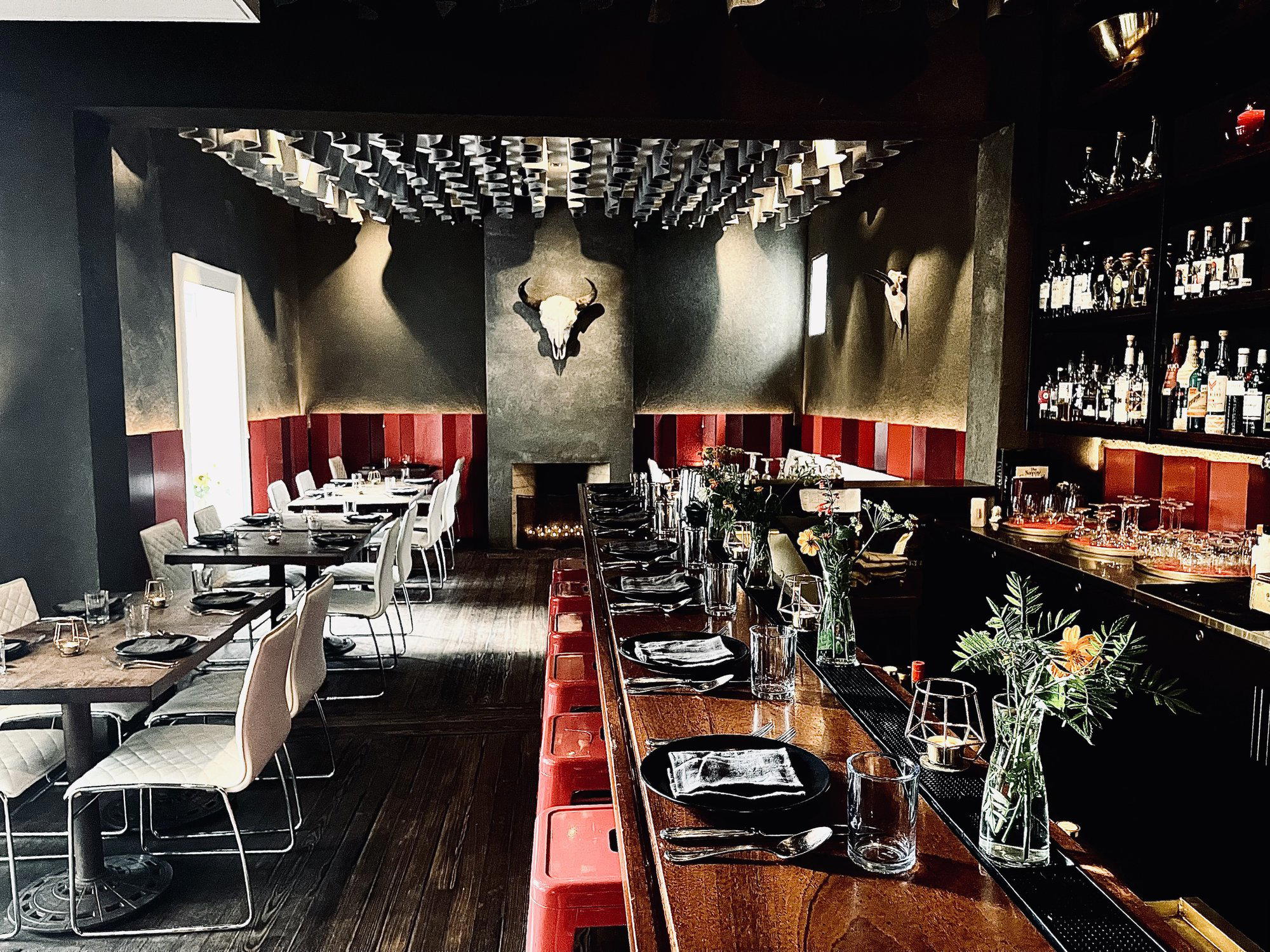
Hotels in Marfa
Browse all →
At a Glance
- Rustic
- Classic
- Lively
- Casual Hangout
- Group Outing
- Late Night
- Live Music
- Standalone
- Historic Building
- Standing Room
- Lounge Seating
- Outdoor Terrace
- Craft Beer
Dusty, authentic Western saloon atmosphere with a laid-back dive bar aesthetic.
Know Before You Go
- Getting there
- 306 E San Antonio St, Marfa, TX 79843