LOST - DTLA
LOST - DTLA occupies a Hill Street address in the heart of Downtown Los Angeles, placing it inside one of the city's most concentrated pockets of serious cocktail programming. The bar draws from the cultural density of the surrounding neighbourhood, where pre-Prohibition architecture and a post-recession creative economy have produced an unusually fertile environment for late-night drinking culture.
Pearl is the En Primeur Club membership app — saves, bookings, and concierge access live there. Same editors, same standards.
- Address
- 718 S Hill St, Los Angeles, CA 90014
- Phone
- +1 213 278 0027
- Website
- getlostdtla.com
- Directions
- Get directions
 Saves & bookings on Pearl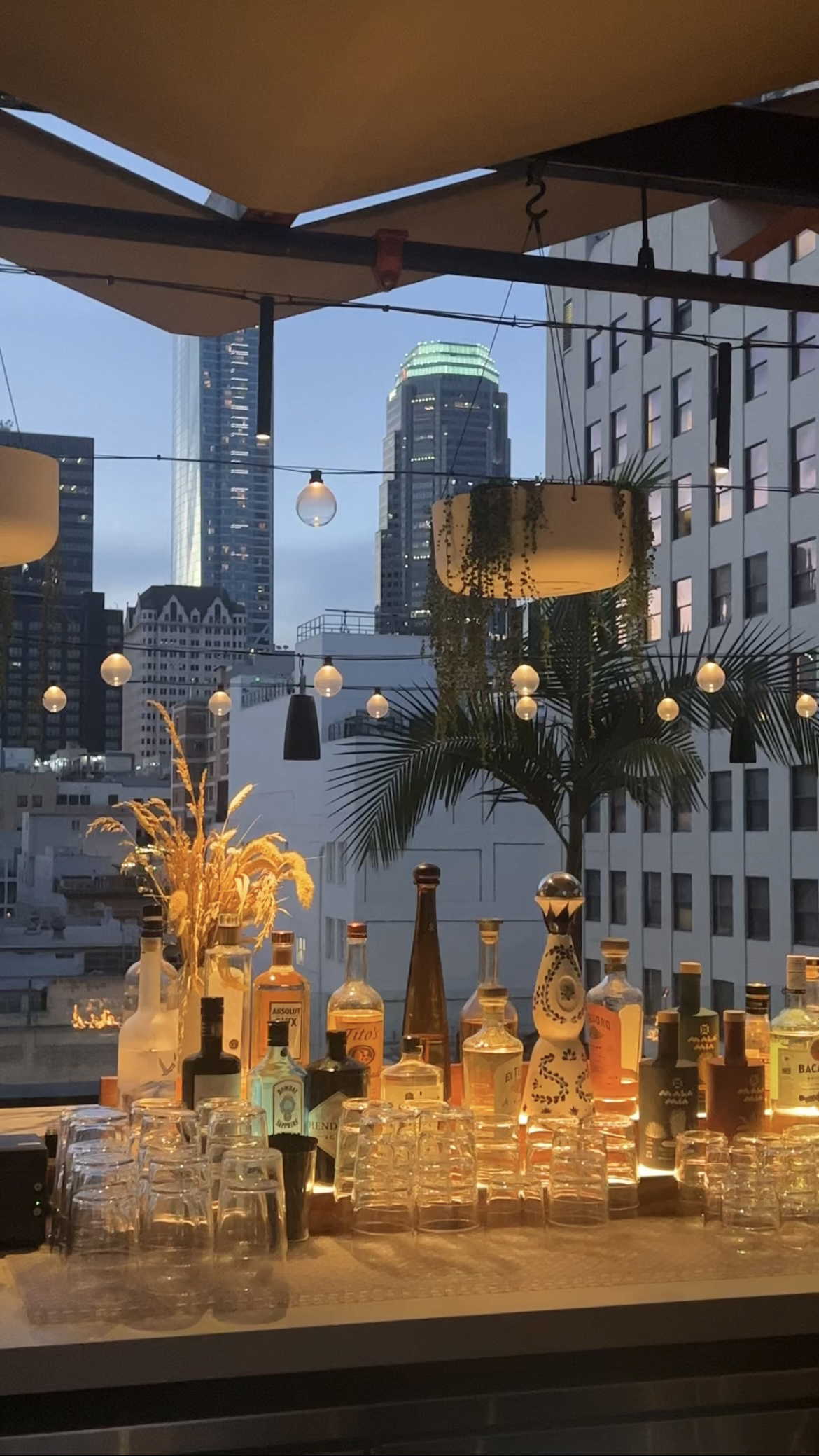
Downtown Los Angeles and the Case for Serious Drinking
Downtown Los Angeles underwent a long transformation before it became a credible destination for late-night culture. For most of the twentieth century, the blocks south of Pershing Square were associated with office towers that emptied by six and a retail corridor that had lost its mid-century momentum. What followed was a slow reoccupation: artists, then restaurateurs, then bartenders who recognised that pre-war building stock and comparatively lower rents created conditions that rarely survive in cities where hospitality real estate is already consolidated. By the time cocktail culture arrived in force, DTLA had the architecture and the appetite to support it.
LOST - DTLA sits at 718 S Hill St, inside that corridor of reclaimed commercial space where the neighbourhood's recent identity has taken firmest hold. Hill Street, running through the southern half of Downtown, carries a particular character: wide sidewalks, ground-floor retail that tilts increasingly toward hospitality, and a mix of foot traffic that reflects how genuinely mixed-use the area has become. The address places it within walking distance of the city's civic core while remaining one of the denser nodes for the kind of bar programming that takes its source material seriously.
The Cultural Register of the Downtown Bar Scene
To understand what a bar on Hill Street is doing, it helps to understand what Downtown LA has become as a drinking destination. The city's cocktail scene fragmented productively over the last decade and a half. Hollywood and WeHo held the celebrity-facing venues. Silver Lake and Echo Park absorbed the low-intervention natural wine crowd. Downtown emerged as the zone where the ambition ran highest and the aesthetic ran darkest, in the leading possible sense: dimly lit rooms, menus that rewarded reading, bartenders who had done serious time at formative programs elsewhere in the country.
That pattern echoes what happened in other American cities with a concentrated stock of early-twentieth-century commercial architecture. The bars that took root in those spaces tended to share certain values: a preference for made-from-scratch ingredients, a menu structure that treated cocktails as a progression rather than a list of options, and a spatial quality that encouraged staying rather than passing through. LOST - DTLA operates within that tradition. Its Hill Street location connects it to a lineage of Downtown venues that treated the neighbourhood's transformation as an opportunity to build something that wouldn't have fit anywhere else in the city.
Across the United States, the bars that have defined serious cocktail culture in the last decade share a common orientation: they look outward to culinary traditions and drinking cultures beyond the American canon for source material, and they look inward at technique and ingredient quality to give that material structure. Kumiko in Chicago applies Japanese aesthetic principles to the cocktail format. Jewel of the South in New Orleans works from the deep archive of Southern hospitality drinking. Julep in Houston treats the American whiskey tradition with scholarly attention. Bar Leather Apron in Honolulu brings Pacific-facing precision to the format. LOST - DTLA occupies a comparable position within Los Angeles, where the city's cultural density and its access to ingredients from across the Pacific Rim and Latin America give a technically serious bar more raw material to work with than almost anywhere else in the country.
DTLA in the Context of Los Angeles Cocktail Programming
Los Angeles has never had one cocktail neighbourhood the way New York has lower Manhattan or San Francisco has the Mission. The city's geography distributes its leading drinking across a wide footprint, which means the bars that earn repeated visits tend to have a specific pull that justifies the drive or the Uber. Downtown has assembled the densest concentration of that pull. Death & Co (Los Angeles) brought a New York program with national name recognition to the Arts District. Bar Next Door operates from a different register but contributes to the sense that the area rewards exploration on foot. Mirate takes a Latin spirits-forward approach that reflects the city's demographic character. Standard Bar covers a different point on the spectrum.
The bars that have worked in that specific block of Downtown tend to share an awareness of their surroundings: the architecture asks for a certain seriousness, and the clientele, increasingly, brings it.
For readers who want to map the broader West Coast drinking scene, ABV in San Francisco offers a useful north-south comparison point, where a similarly food-literate bar program operates inside a different urban context. Internationally, The Parlour in Frankfurt on the Main and Superbueno in New York City demonstrate how cocktail programs with strong cultural anchors read differently when the surrounding city provides different reference points. The comparison is useful because it clarifies what Downtown LA, with its specific mix of Latin American, Asian, and mid-century American influences, makes possible for a bar that pays attention.
Know Before You Go
- Address: 718 S Hill St, Los Angeles, CA 90014
- Neighbourhood: Downtown Los Angeles (DTLA), South Hill Street corridor
- Nearest transit: Pershing Square Metro Station (B/D Lines) is within walking distance; street parking availability on Hill St varies by time of day
- Booking: Walk-in policy not confirmed; for weekend visits, arriving early in the evening is advisable given the neighbourhood's growing foot traffic
- Dress: No confirmed dress code; Downtown LA's bar scene generally trends toward smart-casual
- Further reading: See our full Los Angeles restaurants and bars guide for neighbourhood context and peer venue comparisons
Style and Standing
A quick peer list to put this venue’s basics in context.
| Venue | Awards |
|---|---|
| LOST - DTLAThis venue — the venue you are viewing | Not listed |
| Mirate | World's 50 Best |
| Bar Next Door | World's 50 Best |
| Death & Co (Los Angeles) | World's 50 Best |
| Standard Bar | World's 50 Best |
Continue exploring
More in Los Angeles
Bars in Los Angeles
Browse all →
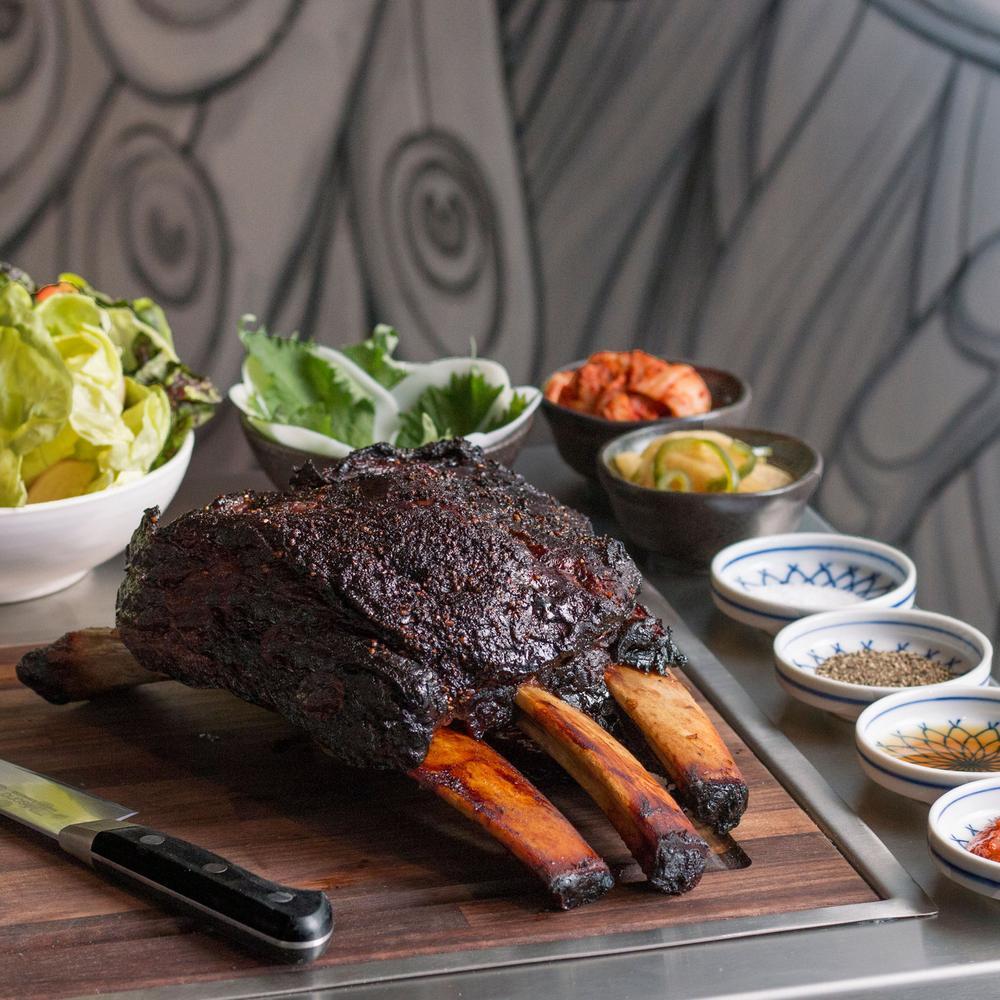
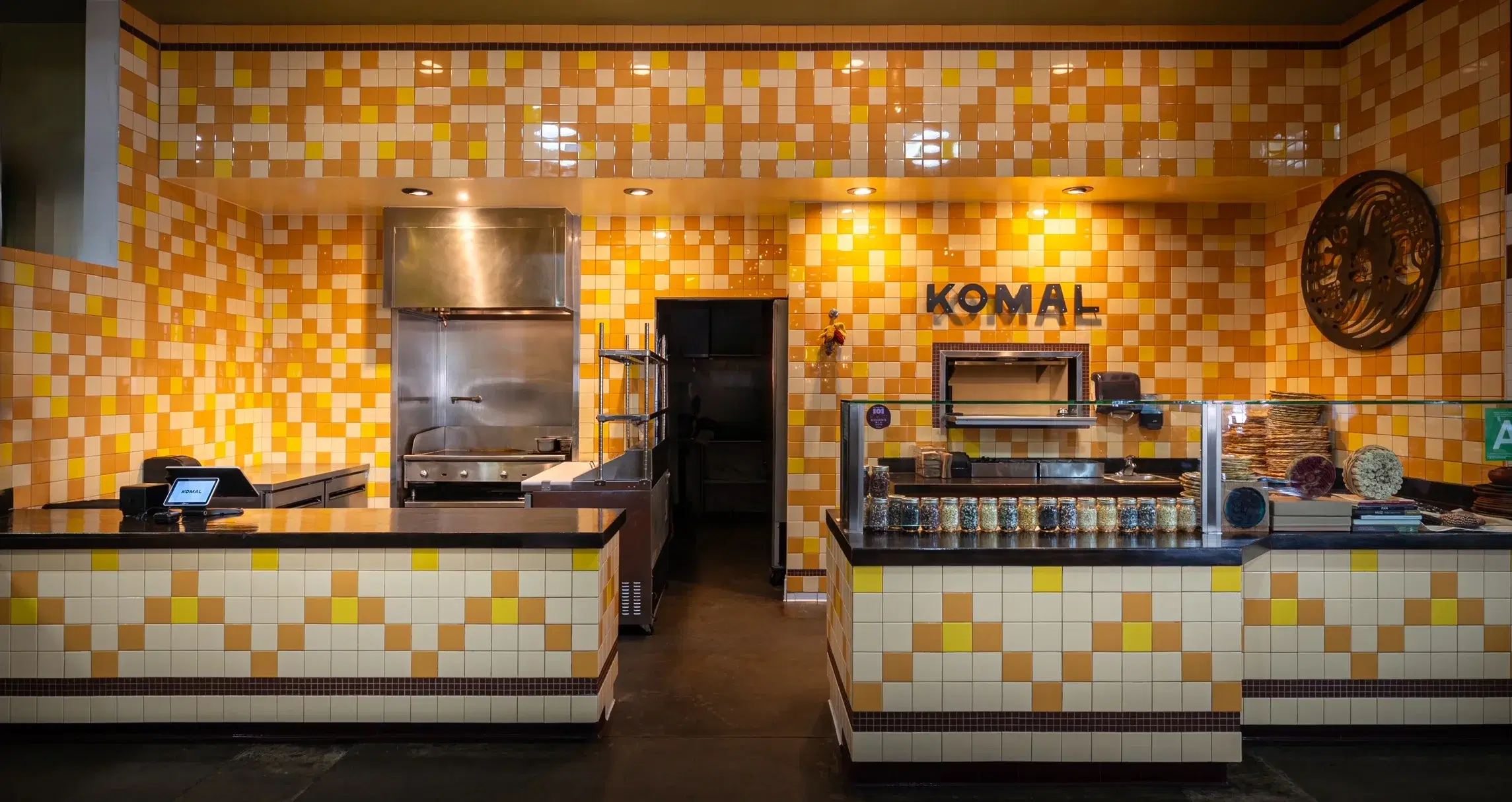
Restaurants in Los Angeles
Browse all →
Hotels in Los Angeles
Browse all →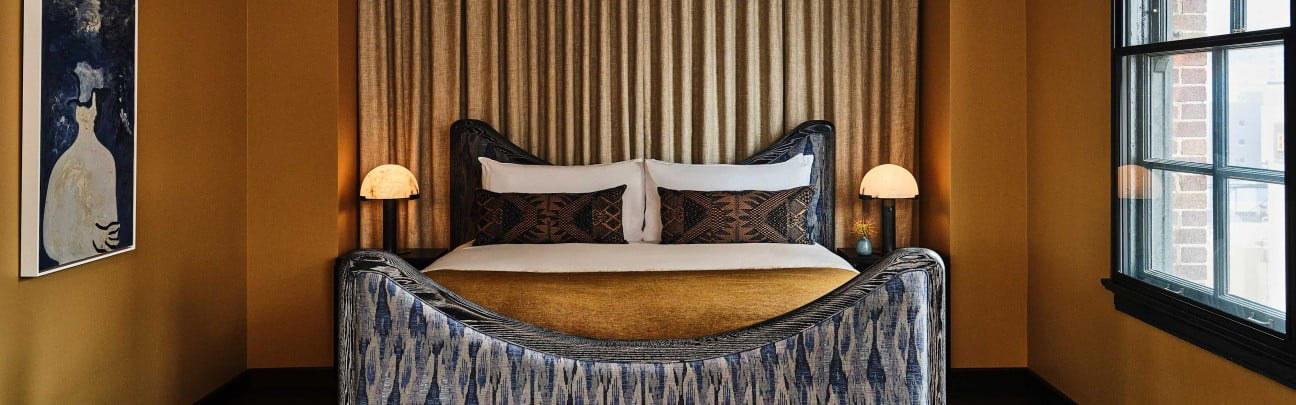
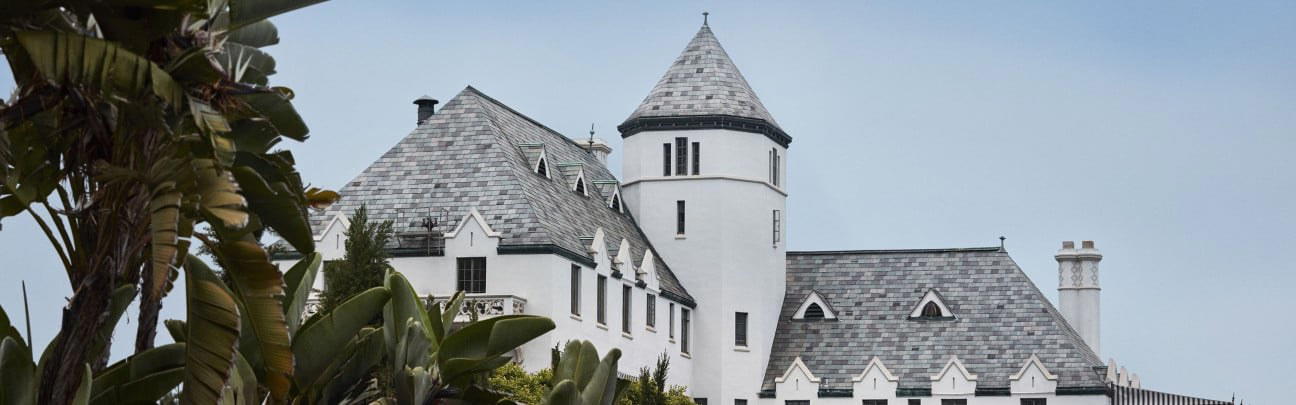
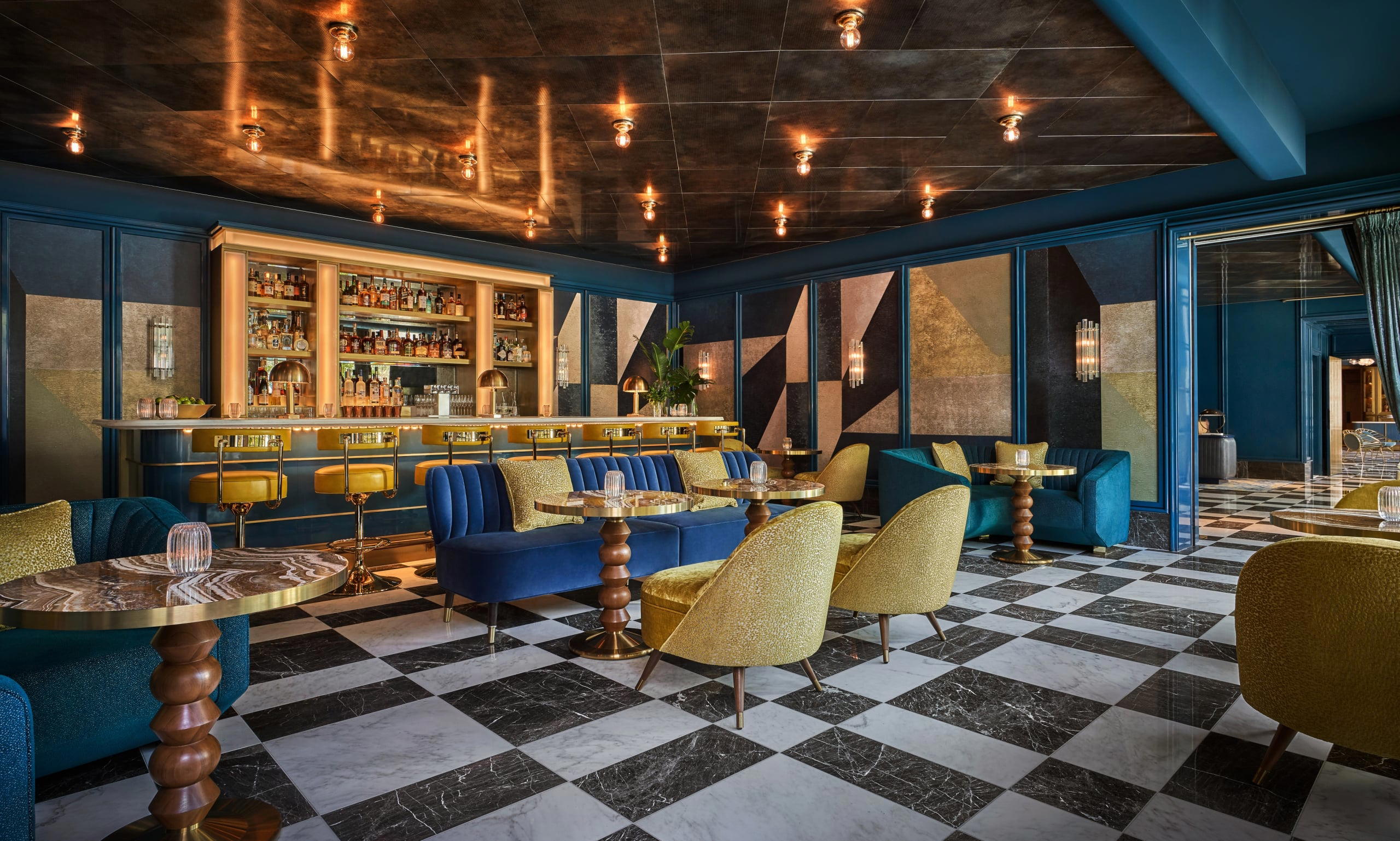
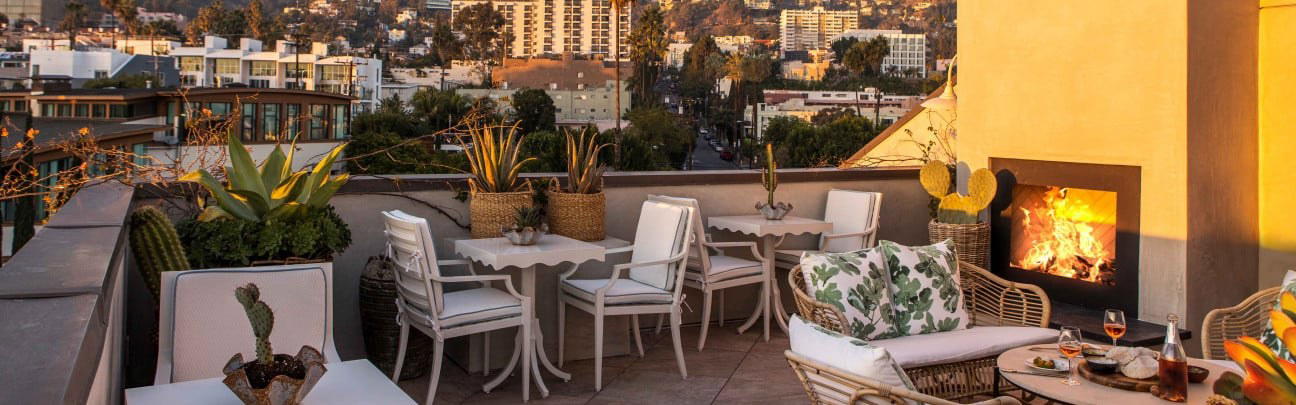
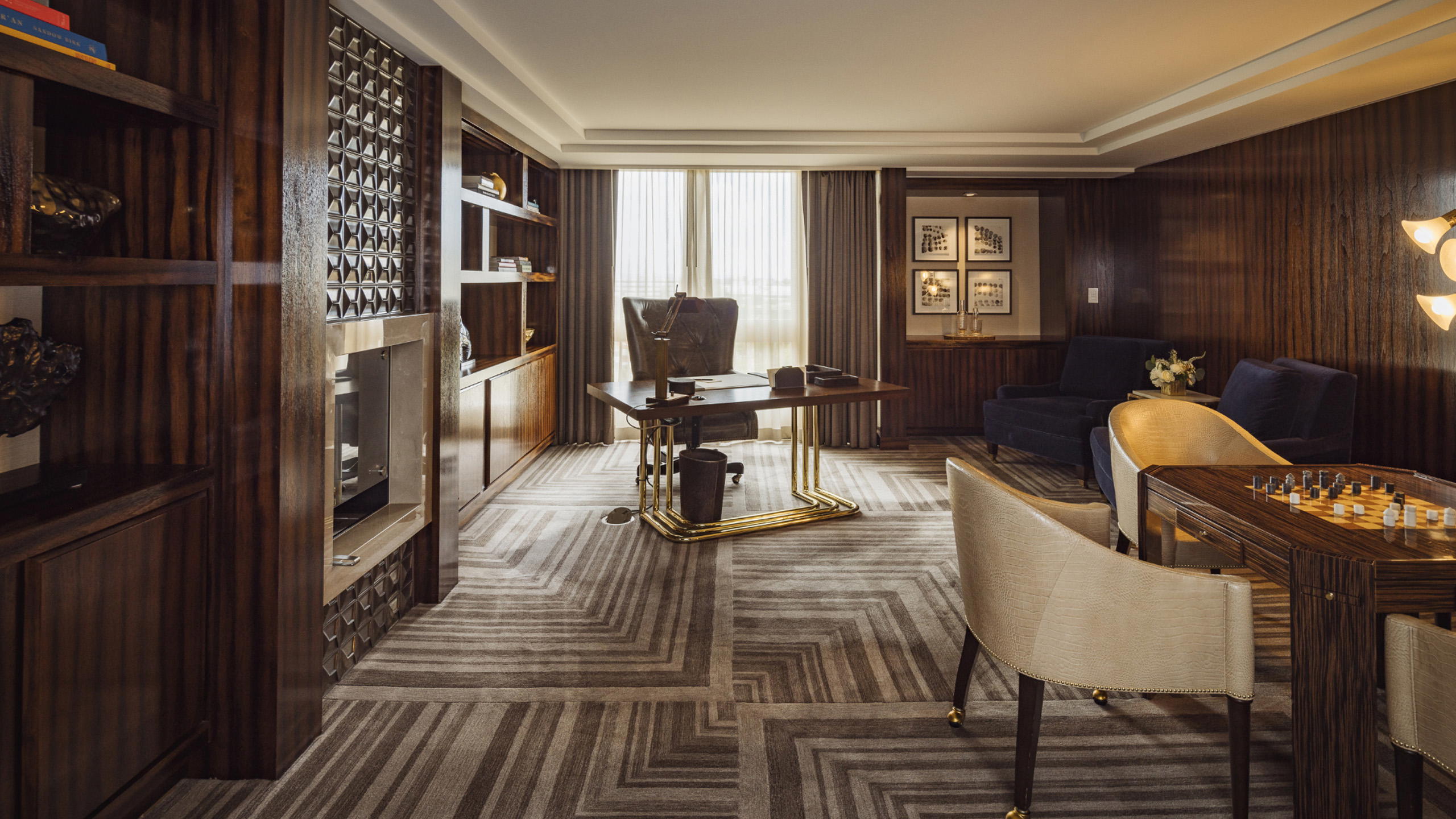
Wineries in Los Angeles
Browse all →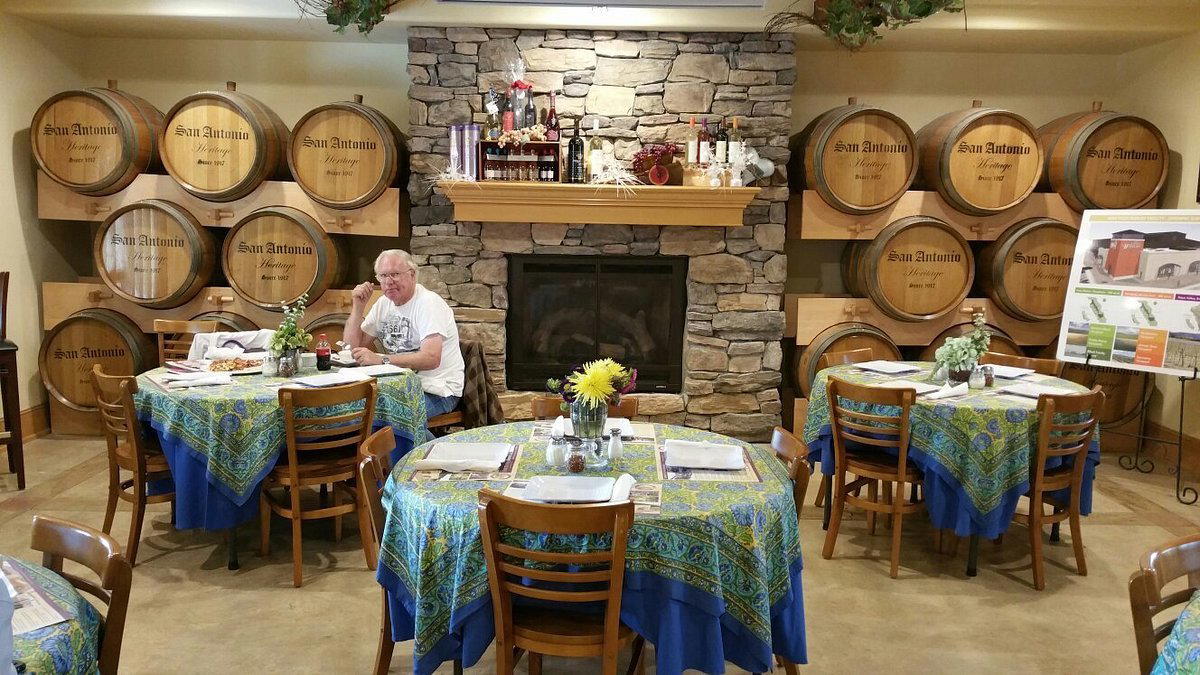
At a Glance
- Trendy
- Intimate
- Lively
- Cozy
- Date Night
- Late Night
- Group Outing
- Rooftop
- Terrace
- Outdoor Terrace
- Lounge Seating
- Craft Cocktails
- Tequila
- Mezcal
- Skyline
Current opening hours
- Monday
- Closed
- Tuesday
- Closed
- Wednesday
- Closed
- Thursday
- Closed
- Friday
- 8 PM–2 AM
- Saturday
- 11 AM–3 PM, 8 PM–2 AM
- Sunday
- 3–9 PM
Hours can change for holidays and private events. Last verified .
Breezy and laidback rooftop with palms, string lights, moody lighting, vintage aesthetics, and an intimate yet lively atmosphere.
Know Before You Go
- Getting there
- 718 S Hill St, Los Angeles, CA 90014