Lomi Lomi
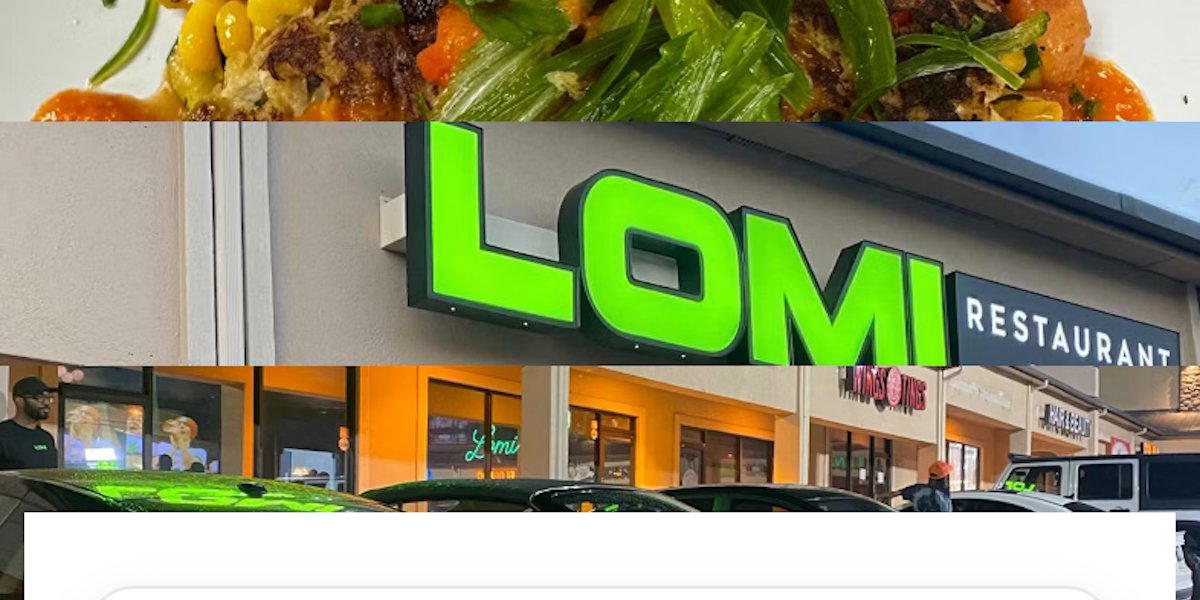
Lomi Lomi brings South Asian flavours to the hand-roll format in Lomita, California, threading an unexpected fusion into a format usually dominated by Japanese tradition. The result is a drink-forward, counter-style spot that positions itself against the growing wave of temaki bars rewriting casual dining along the South Bay. Details on booking and hours are best confirmed directly with the venue.

Pearl is the En Primeur Club membership app — saves, bookings, and concierge access live there. Same editors, same standards.
Hand Rolls, South Asian Inflection, and the South Bay Shift
Lomita sits at the quieter southern edge of Los Angeles County, far enough from the coastal spectacle of Manhattan Beach and the density of Torrance to develop its own dining character at a different pace. That context matters when thinking about Lomi Lomi, because the format it operates in — South Asian temaki — reads as a deliberate counterpoint to the region's established sushi corridor. Temaki bars have been reshaping casual Japanese dining across Southern California for several years, but the venues doing the most interesting work are those pulling the hand-roll format out of its traditional lane and using it as a structural device for other culinary traditions. Lomi Lomi belongs to that smaller, more experimental cohort.
The temaki format has particular appeal as a vehicle for fusion: each roll arrives assembled to order, which means the interaction between filling and wrapper stays fresh, and the pace of service encourages variety across a sitting. South Asian flavour profiles, spice-led sauces, fermented condiments, cured proteins with heat and acid, translate with reasonable logic into that structure. The nori holds its own against bold seasoning in a way that lighter Japanese preparations sometimes cannot. What Lomi Lomi does with that logic in practice is the question worth answering on arrival.
The Drink Question in a Fusion Counter Setting
Counter-style restaurants that operate through a fusion lens tend to underinvest in their drink programmes, treating beverages as secondary to the food proposition. The more considered venues in this category have moved away from that model. Across the country, bars like Kumiko in Chicago have demonstrated that the drink programme can be the editorial core of a space, not just accompaniment. ABV in San Francisco applies similar discipline to spirits-forward hospitality. In both cases, the drinks frame the food, not the reverse.
For a venue working with South Asian temaki, that framework opens specific opportunities. The flavour vocabulary of the cuisine, tamarind, cardamom, chilli, coconut, gives a drink programme genuine source material to work with rather than defaulting to generic sake pairings or craft beer lists. Whether Lomi Lomi has pursued that potential with the same depth as the better cocktail-led counters in its peer tier is something individual visits will determine, but the structural premise for a genuinely integrated drink programme is present in the concept itself.
Bars setting a strong benchmark for this kind of considered programming include Bar Leather Apron in Honolulu, Jewel of the South in New Orleans, and Julep in Houston, each of which has built its identity around technique and intentionality rather than volume. Allegory in Washington, D.C. and Bitter & Twisted in Phoenix represent a similar commitment at different price points. The contrast is instructive: venues that treat the drink as an editorial statement earn a different kind of guest loyalty than those that do not.
Where Lomi Lomi Sits in the South Bay
The South Bay dining scene has historically organised itself around seafood proximity, Japanese-American traditions that trace back to the area's mid-century demographics, and a practical, neighbourhood-first attitude toward hospitality. That last quality is relevant here. Lomita specifically does not carry the visibility of Hermosa Beach or the food-press attention of Torrance's Japanese restaurant cluster. A South Asian temaki concept in this location reads as either a community-serving local bet or a deliberate repositioning play, and possibly both.
The hand-roll bar category has its own internal hierarchy at this point. At one end sit high-volume operations that use the format primarily for throughput. At the other end are smaller counters where the temaki is a precision exercise and the menu is tightly edited. Lomi Lomi's South Asian inflection places it outside the conventional competitive set for either tier, which means it will attract guests specifically seeking that combination rather than drawing from the general sushi-bar audience. That specificity is an asset in terms of identity, even if it requires more deliberate discovery by new visitors.
For a fuller picture of the Lomita dining context, see our full Lomita restaurants guide.
Planning a Visit
Direct contact with the venue before visiting is the practical approach, particularly for groups. Lomita's position between the 110 and 405 corridors makes it accessible from much of Los Angeles County, though parking and transit options will vary depending on the specific block. Venues in this category and price tier often operate on a walk-in basis for counter seats, with some reservation availability for larger parties, but that should be verified rather than assumed. Comparable South Asian-inflected concepts in Los Angeles have operated with relatively short waits on weekday evenings and longer queues on weekends, a pattern worth factoring into timing. For reference points in the broader category of specialist bars and counter dining with strong beverage programmes, Bar Kaiju in Miami, Canon in Seattle, Superbueno in New York City, and The Parlour in Frankfurt on the Main each demonstrate how a specific concept, executed with consistency, builds its own audience over time.
A Quick Peer Check
| Venue | Cuisine | Price | Awards |
|---|---|---|---|
| Lomi LomiThis venue — the venue you are viewing | South Asian temaki (hand rolls) | Not listed | Not listed |
| Julep | Not listed | Not listed | World's 50 Best |
| Kumiko | Not listed | Not listed | World's 50 Best |
| ABV | Cocktail Bar | $20–30 | World's 50 Best #39 · Eater Cocktail Bar Guide |
| Bisous | Not listed | $20–30 | World's 50 Best #30 · James Beard Award Semi Finalist |
| Canon | Not listed | Not listed | World's 50 Best |
Lomi Lomi
Featured Guides
Continue exploring