Little Fox
Little Fox sits on Shenandoah Avenue in St. Louis's Cherokee Street corridor, a stretch where independent hospitality has quietly reshaped the city's after-dark character. The bar draws from a tradition of technically grounded cocktail programs in mid-sized American cities, where local craft culture and neighbourhood loyalty tend to produce something more interesting than the sum of their parts.
Pearl is the En Primeur Club membership app — saves, bookings, and concierge access live there. Same editors, same standards.
- Address
- 2800 Shenandoah Ave, St. Louis, MO 63104
- Phone
- +1 314 553 9456
- Website
- littlefoxstl.com
- Directions
- Get directions
 Saves & bookings on Pearl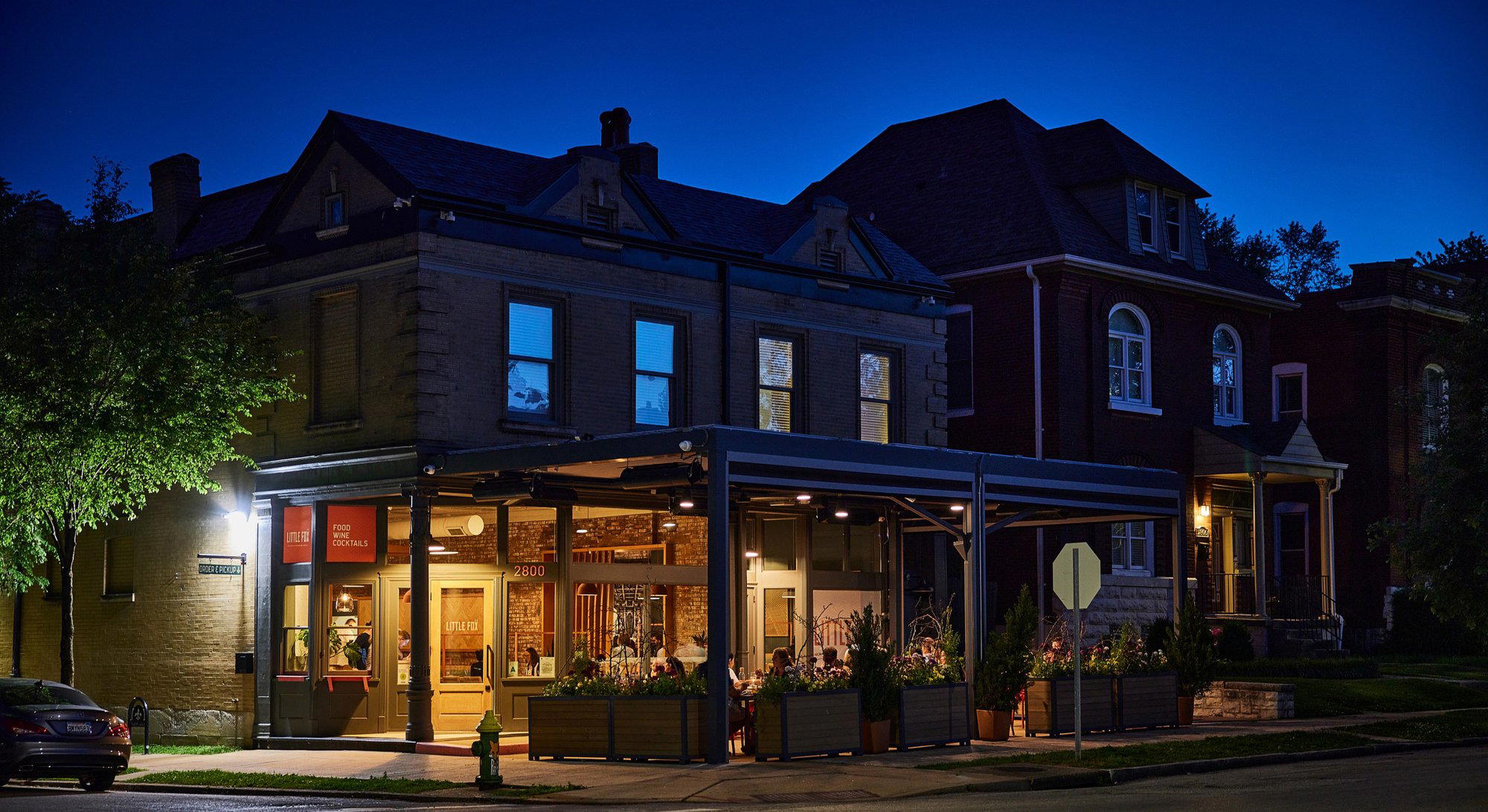
Where Cherokee Street Ends and the Cocktail Begins
Shenandoah Avenue runs through a part of St. Louis that doesn't announce itself. The Cherokee Street corridor, which anchors this stretch of the south side, has spent the better part of a decade attracting the kind of independent operators who choose a neighbourhood because it suits them rather than because the foot traffic guarantees returns. Antique dealers, taqueiras, and small-batch producers share blocks here, and the result is a commercial strip that reads more like a city in conversation with itself than one performing for visitors. Little Fox, at 2800 Shenandoah Ave, sits inside that dynamic.
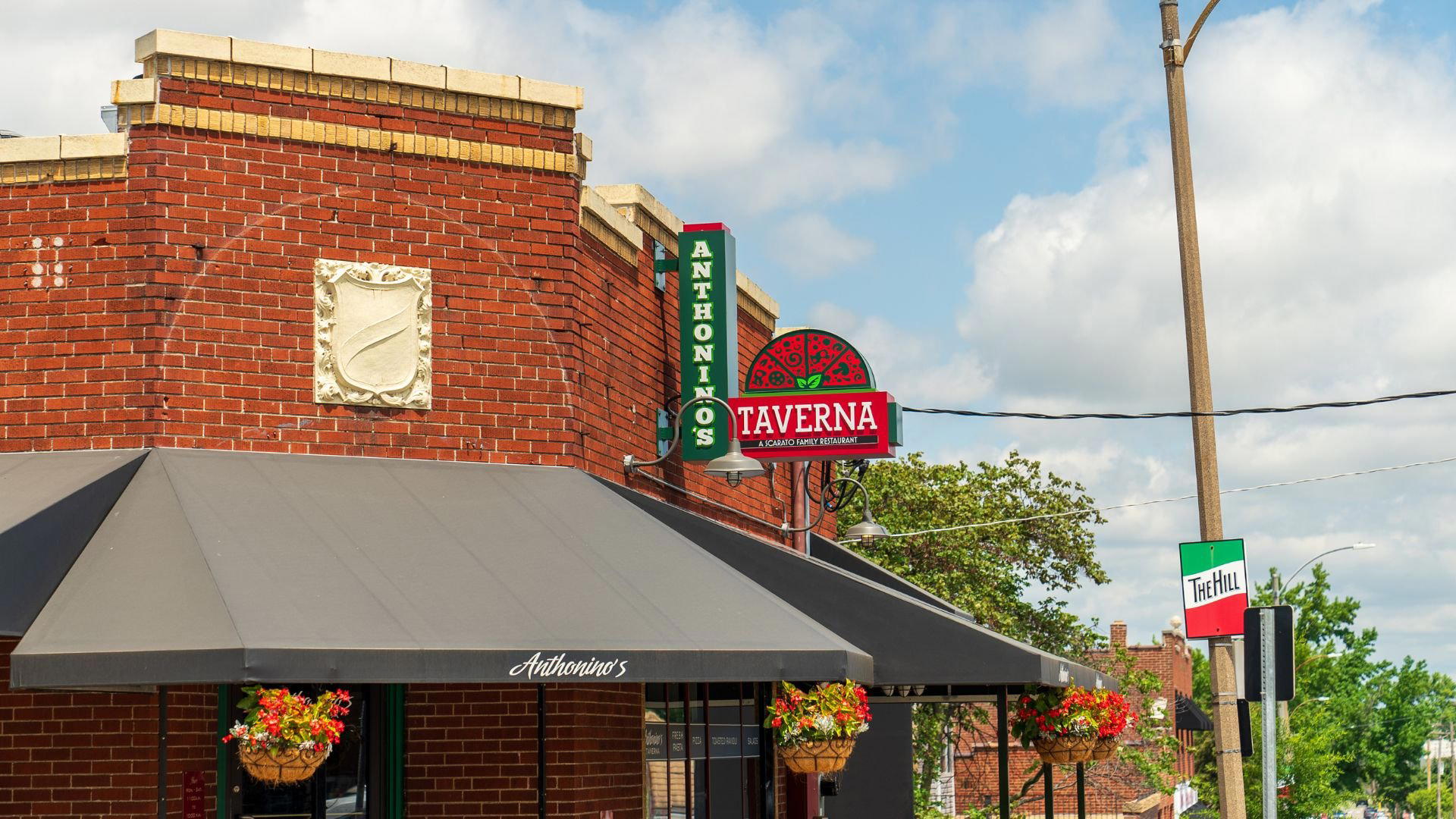
The physical approach tells you something. This is not a venue positioned along a tourist corridor or inside a renovated hotel lobby. It occupies the residential-commercial edge that defines so much of St. Louis's south side, where the city's brick vernacular gives the street a density that newer development districts rarely replicate. Walking in, the expectation set by the neighbourhood is for something local in the leading sense: built for the people who live nearby, but sharp enough to draw from further out.
St. Louis's South Side and What It Produces
To understand Little Fox, you need to understand what Cherokee Street has become as a hospitality zone. Across American mid-sized cities, the most interesting bar and restaurant programs of the last decade have rarely emerged from downtown cores. They've come from transitional neighbourhoods where rents permit experimentation and the clientele is local enough to demand consistency over spectacle. St. Louis follows that pattern closely. The south side's Cherokee corridor now competes credibly with the more publicised eating and drinking on Washington Avenue or in Clayton, not by mimicking those areas but by offering something structurally different: a scene rooted in neighbourhood permanence rather than trend cycles.
That context shapes what Little Fox is likely to be at its finest. Bars in this mould, across comparable American cities, tend to develop cocktail programs that reward regulars with depth and seasonal rotation rather than grabbing attention with a single signature concept. The comparison set here isn't the skyline bar circuit; venues like 360 Rooftop Bar operate on an entirely different logic of panoramic setting and hotel-adjacent volume. Little Fox's peer group is closer to the technically grounded neighbourhood cocktail bars that have defined serious drinking in American cities over the past fifteen years.
The Neighbourhood Cocktail Bar as a Category
Across the United States, a specific type of bar has consolidated into a recognisable format: moderate in scale, serious about spirits, and embedded enough in a residential neighbourhood that its reputation is built on repeat visits rather than first impressions. You find this in Kumiko in Chicago, where the Japanese whisky and culinary precision program serves a West Loop crowd that returns because the depth holds up. You find it in Julep in Houston, where Southern spirits and a defined regional identity create something that reads as both local and nationally relevant. ABV in San Francisco follows a similar structure: a focused spirits program in a neighbourhood context that doesn't need the validation of a tourist economy to sustain itself.
International versions of this format, such as The Parlour in Frankfurt, demonstrate that the neighbourhood cocktail bar model travels precisely because it isn't dependent on local celebrity culture. What anchors these places is program depth, physical comfort, and a sense that the bar belongs to the block it occupies. Little Fox, in the Cherokee corridor, operates inside that same logic.
The contrast with louder or more spectacle-driven formats is instructive. Superbueno in New York City built its identity around visual energy and Latin spirits; Bar Leather Apron in Honolulu leans into a precise, formal Japanese-influenced service model. Neither of those approaches would fit the Cherokee Street block. What works here is quieter and more accumulated, the kind of credibility that comes from being open, consistent, and good for long enough that the neighbourhood stops treating you as new.
Drinking in Context: What to Order and Why
St. Louis's craft beer culture gives the city a strong baseline for fermentation-literate drinkers. Operations like 2nd Shift Brewing and 4 Hands Brewing Company have built audiences that think carefully about what they're drinking, which raises the floor for any serious bar program in the city. At Little Fox, that context suggests a cocktail list likely to engage with local spirits, seasonal produce, and the kind of considered sourcing that a craft-literate audience will notice.
The bar's Cherokee Street address also connects it to a food-adjacent culture where the dividing line between eating and drinking is deliberately blurred. In that neighbourhood format, the drink program often complements rather than competes with kitchen output, and the bar functions as a third space, between the dinner table and the concert venue, that the south side has developed with more intention than most American cities of comparable size.
For visitors arriving in St. Louis and building an itinerary around serious drinking, Little Fox represents the south side leg of a logical route. Properties like Angad Arts Hotel offer a different register, arts-district hotel bars with a broader programmatic brief. Little Fox operates on neighbourhood terms: smaller, more specific, and more likely to reward someone who has done the reading before arriving. For the full picture of where St. Louis drinking sits right now, the full St. Louis restaurants and bars guide maps the city's current state across every neighbourhood and price tier.
Internationally, the bars that tend to age leading in this format are those that resist the temptation to over-programme. Jewel of the South in New Orleans built lasting relevance through a historically grounded cocktail program rather than novelty rotation. The lesson for any bar in this tier is that depth compounds, and a neighbourhood's loyalty is earned through consistency rather than spectacle.
Planning Your Visit
Little Fox is located at 2800 Shenandoah Ave in the south city neighbourhood that connects to the Cherokee Street antiques and dining corridor. The area is leading approached by car or rideshare from downtown St. Louis, as the south side's walkability depends heavily on which block you're starting from. The Cherokee corridor comes alive in the evening, and the bar fits naturally into a south side circuit that might begin with dinner nearby before moving toward drinks. Given the neighbourhood's character, there is no dress code expectation in this format: the bar operates on the same casual-but-intentional register as the street it sits on. Booking practices and current hours are best confirmed directly with the venue before visiting, as operational details for independent bars in this tier can shift with the season.
What It’s Closest To
| Venue | Cuisine |
|---|---|
| Little FoxThis venue — the venue you are viewing | This venue |
At a Glance
- Cozy
- Lively
- Modern
- Intimate
- Date Night
- Casual Hangout
- Standalone
- Lounge Seating
- Outdoor Terrace
- Craft Cocktails
- Natural Wine
- Zero Proof
Current opening hours
- Monday
- 5–8:30 PM
- Tuesday
- 5–8:30 PM
- Wednesday
- 5–8:30 PM
- Thursday
- 5–8:30 PM
- Friday
- 5–9:30 PM
- Saturday
- 10 AM–1 PM, 5–9:30 PM
- Sunday
- 10 AM–1 PM
Hours can change for holidays and private events. Last verified .
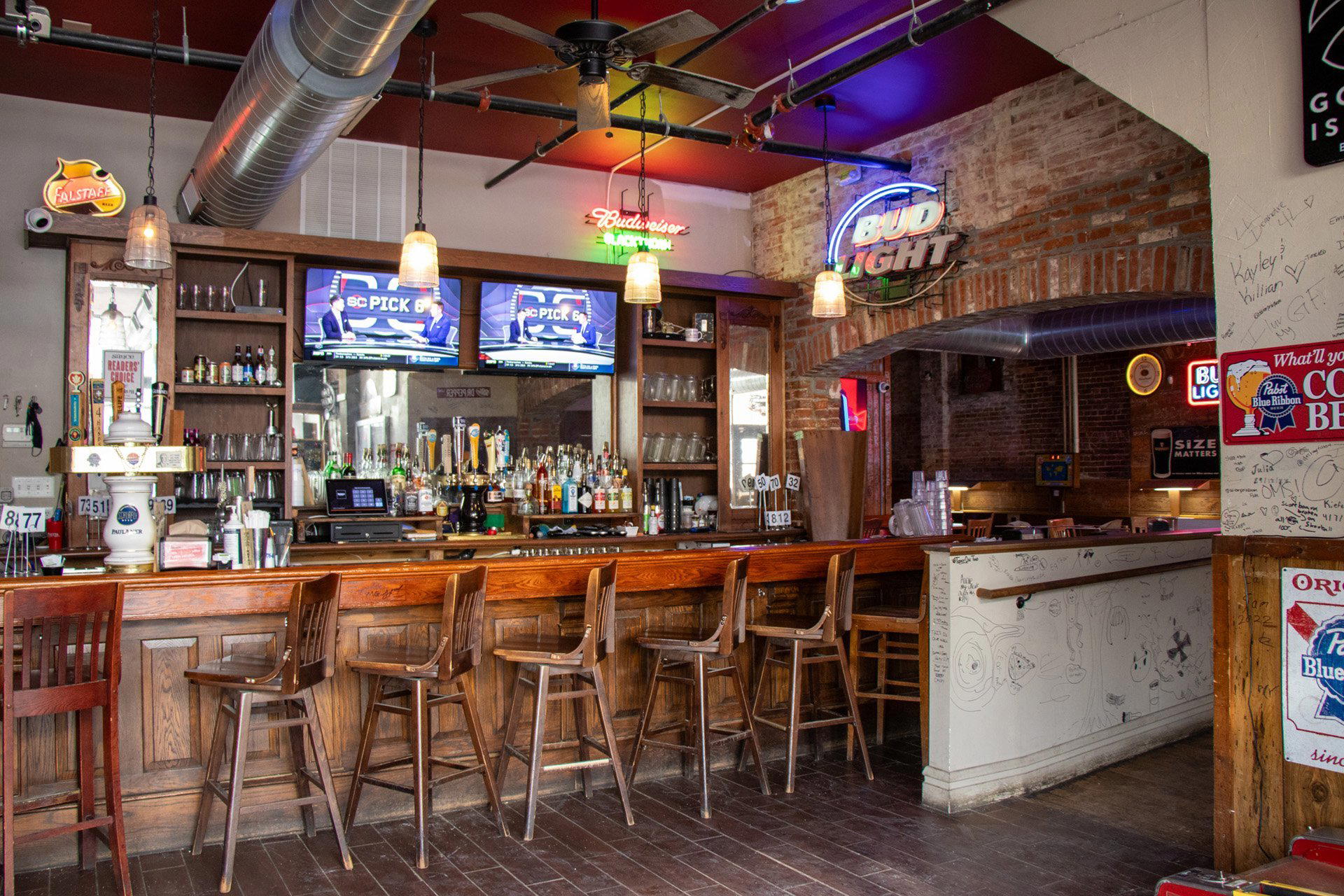
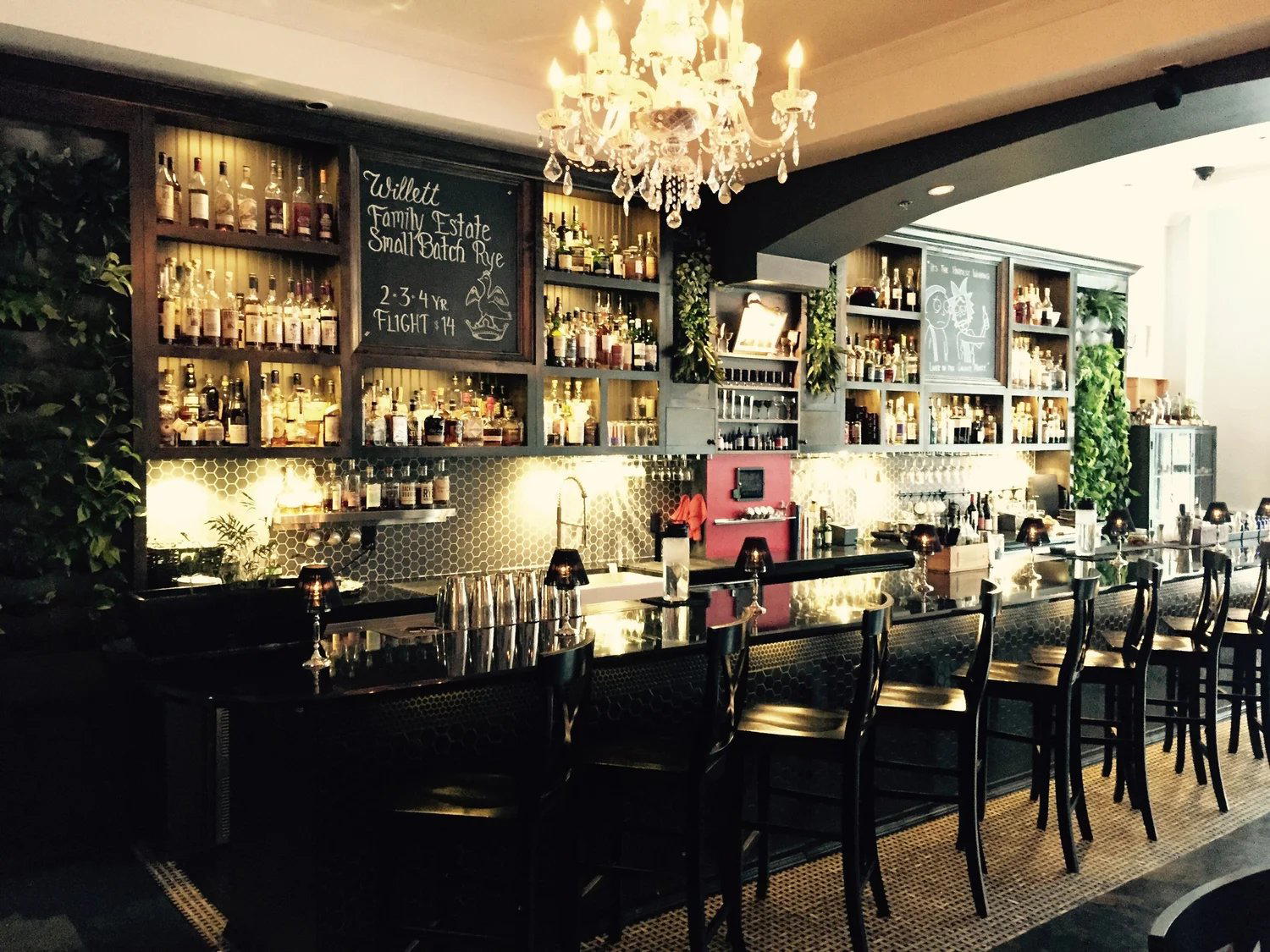
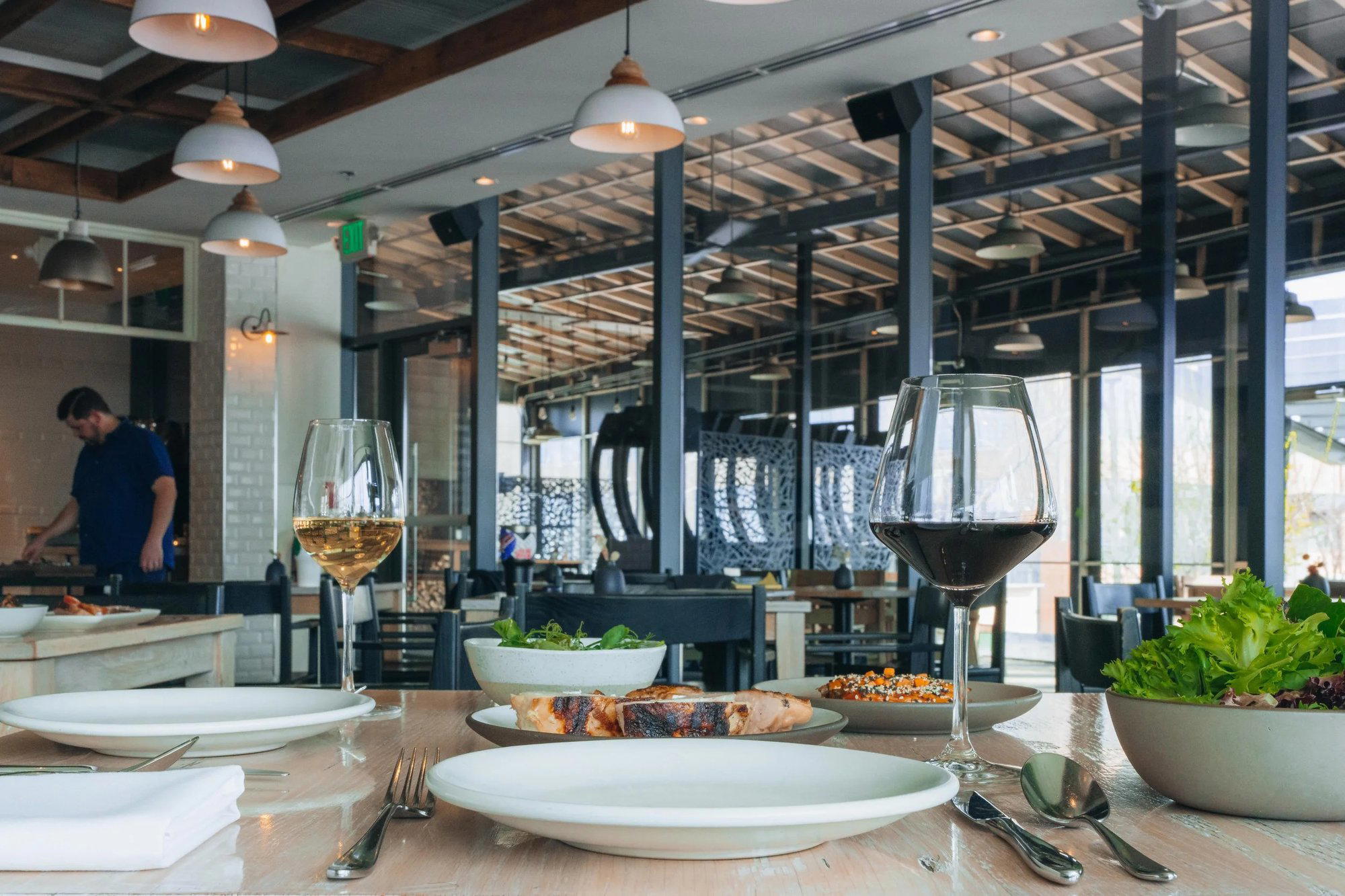
Warm, inviting interiors with exposed brick walls, geometric oak paneling, blond wood tables, lower lights, and a buzz of conversation.
Know Before You Go
- Getting there
- 2800 Shenandoah Ave, St. Louis, MO 63104