Little Fish Brewing Company - Dayton Station
Little Fish Brewing Company's Dayton Station location anchors the Webster Street corridor with craft beer rooted in Ohio brewing culture. Part of a Columbus-founded operation that has grown into one of the state's more deliberate independent brewery networks, the Dayton outpost functions as a genuine neighbourhood fixture rather than a destination tap room, the kind of place regulars return to on weekday evenings as much as weekend afternoons.
Pearl is the En Primeur Club membership app — saves, bookings, and concierge access live there. Same editors, same standards.
- Address
- 116 Webster St, Dayton, OH 45402
- Phone
- +1 937 949 3055
- Website
- littlefishbrewing.com
- Directions
- Get directions
 Saves & bookings on Pearl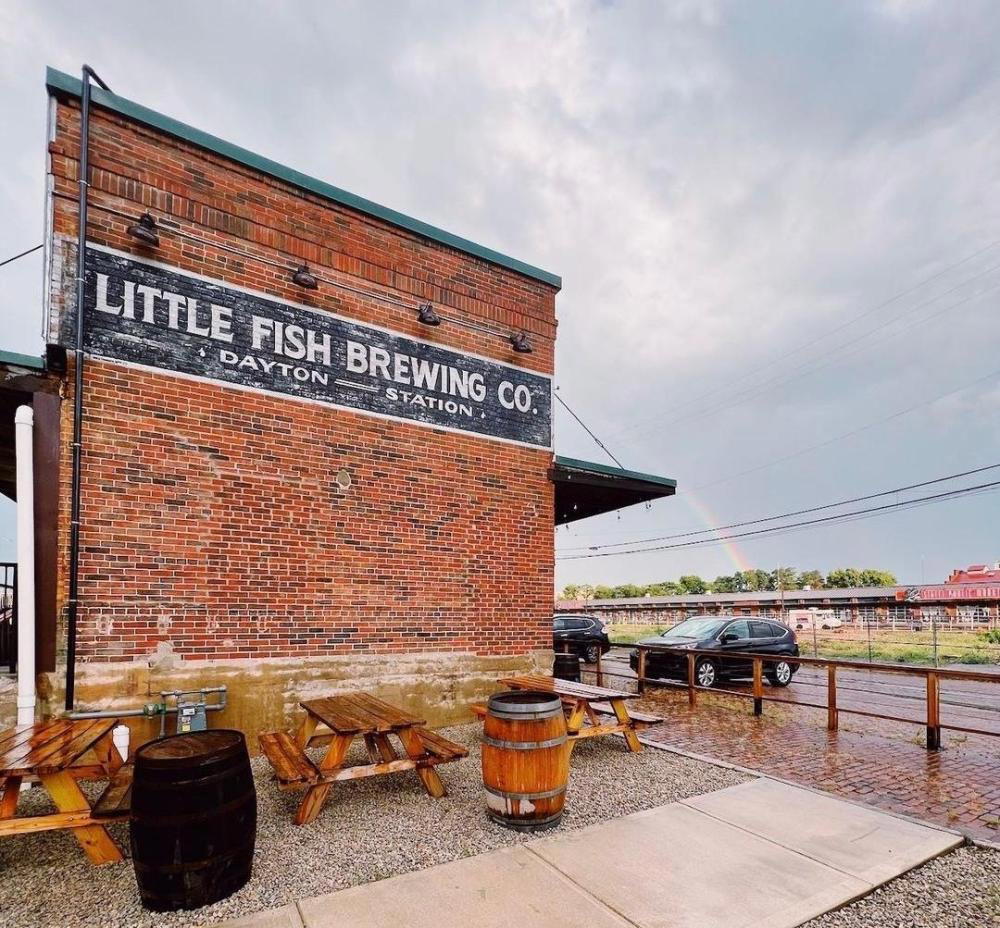
Webster Street and the Neighbourhood Tap Room
Dayton's drinking culture has shifted considerably over the past decade. Where the city once leaned heavily on a small cluster of downtown bars and a handful of legacy establishments, it now supports a layered independent scene spanning craft breweries, distilleries, and cocktail-focused rooms across multiple neighbourhoods. Webster Street, in the Dayton Station district, sits within that expanded geography, a corridor where the brewery tap room functions less as a tourist stop and more as a community anchor for people who live and work nearby.
The brand originated in Columbus and built its reputation on a small-batch, deliberately paced approach to production before extending its footprint to Dayton. That expansion into a second city is itself a signal: breweries that move carefully between markets tend to do so because the original community pull is strong enough to replicate, not because of a franchise logic. The Dayton Station location operates on that same principle, a space designed around the rhythm of repeat visits rather than first impressions.
The Craft Brewery Tier in Ohio's Mid-Size Cities
Ohio's independent brewing sector sits in an interesting position nationally. Cities like Columbus, Cleveland, and Cincinnati have generated enough brewery density to attract attention from trade publications and beer competition circuits, while mid-size markets like Dayton operate in a more compressed competitive set. The city's craft beer options include Branch and Bone Artisan Ales, which occupies a distinct lane with its artisan ales program, and broader neighbourhood venues like Gather, which demonstrated the appetite for community-oriented drinking spaces before its closure. Little Fish fits a tier within that market that prioritises production consistency and tap room accessibility over the more experimental or high-concept positioning some newer operations pursue.
That positioning matters to the regulars who constitute the core of any neighbourhood brewery's business. A tap room that can maintain quality across seasons and through production changes earns a different kind of loyalty than one built on novelty. In Dayton, where the dining and drinking scene also includes spirits-focused operations like Belle of Dayton Distillery and more food-forward venues like Jimmy's Italian Cuisine and Bar, the brewery occupies a specific role: a place where the beer itself is the draw, not the cocktail program or the kitchen.
What the Space Does for the District
Tap rooms that embed in specific city districts tend to influence the character of those areas over time. When a brewery commits to a street address rather than an industrial park or a food hall, it takes on a different civic role. Foot traffic patterns shift. Adjacent businesses benefit from after-work clusters. The brewery becomes part of a neighbourhood's self-definition in ways that a remote production facility never could.
The Dayton Station location on Webster Street functions in that mode, and the bar is open Tue-Thu 12-10 PM, Fri 12-10 PM, Sat 10 AM-10 PM, and Sun 10 AM-9 PM. The address itself is telling: a named neighbourhood with a historic identity, the kind of district that benefits from anchoring institutions that bring people back on a weekly rather than occasional basis. In brewing terms, the tap room format is what enables this, a consistent physical space where the relationship between the brewer and the drinker is maintained not through marketing but through proximity and repetition.
This dynamic is visible in craft beer cultures across the country. Tap rooms at operations like ABV in San Francisco and technically ambitious programs at Kumiko in Chicago demonstrate how drinking venues shape neighbourhood character across different price tiers and formats. At the community end of that spectrum, the neighbourhood brewery tap room serves a function closer to the local pub, consistency, familiarity, and the social infrastructure of a place people return to because it knows them.
Little Fish in the Broader EP Club Context
EP Club's coverage of the drinking category spans a wide range of formats and cities. On the craft cocktail side, venues like Bar Leather Apron in Honolulu, Jewel of the South in New Orleans, Julep in Houston, Superbueno in New York City, and The Parlour in Frankfurt on the Main represent the technical and conceptual edge of bar culture. Little Fish occupies a different but equally legitimate position within that broader ecosystem: the production brewery with a tap room that serves a residential and office community, where the measure of success is regulars, not reservation lists.
That distinction is worth holding onto. Not every drinking venue in a well-travelled city needs to be competing on the axis of ambition or innovation. The neighbourhood watering hole, a term that tends to be undervalued in premium travel writing but overvalued by the people who actually live nearby, delivers something that destination bars cannot: the sense of being known, and the comfort of a space that is neither performing for visitors nor calculating its next media cycle.
Planning a Visit
Little Fish Brewing Company's Dayton Station location is at 116 Webster St in the Dayton Station district, located at 116 Webster St in Dayton, OH 45402. As with most independent tap rooms in mid-size Ohio cities, the experience is leading on weekday evenings when the regular crowd is present and the pace is unhurried, or on weekend afternoons before the evening shift arrives.
Credentials Lens
Comparable venues nearby, for context on price, style, and recognition.
| Venue | Cuisine | Price | Notes |
|---|---|---|---|
| Little Fish Brewing Company - Dayton StationThis venue — the venue you are viewing | beer_bar | $$ | Not listed |
| Jimmy's Italian Cuisine & Bar | pub | $$ | Kettering |
| Tender Mercy | cocktail_bar | $$$ | Webster Station |
| Gather closed | lounge | $ | Downtown |
| Belle of Dayton Distillery | cocktail_bar | $$ | Oregon District |
| Wheat Penny Oven and Bar | cocktail_bar | $$ | Oregon District |
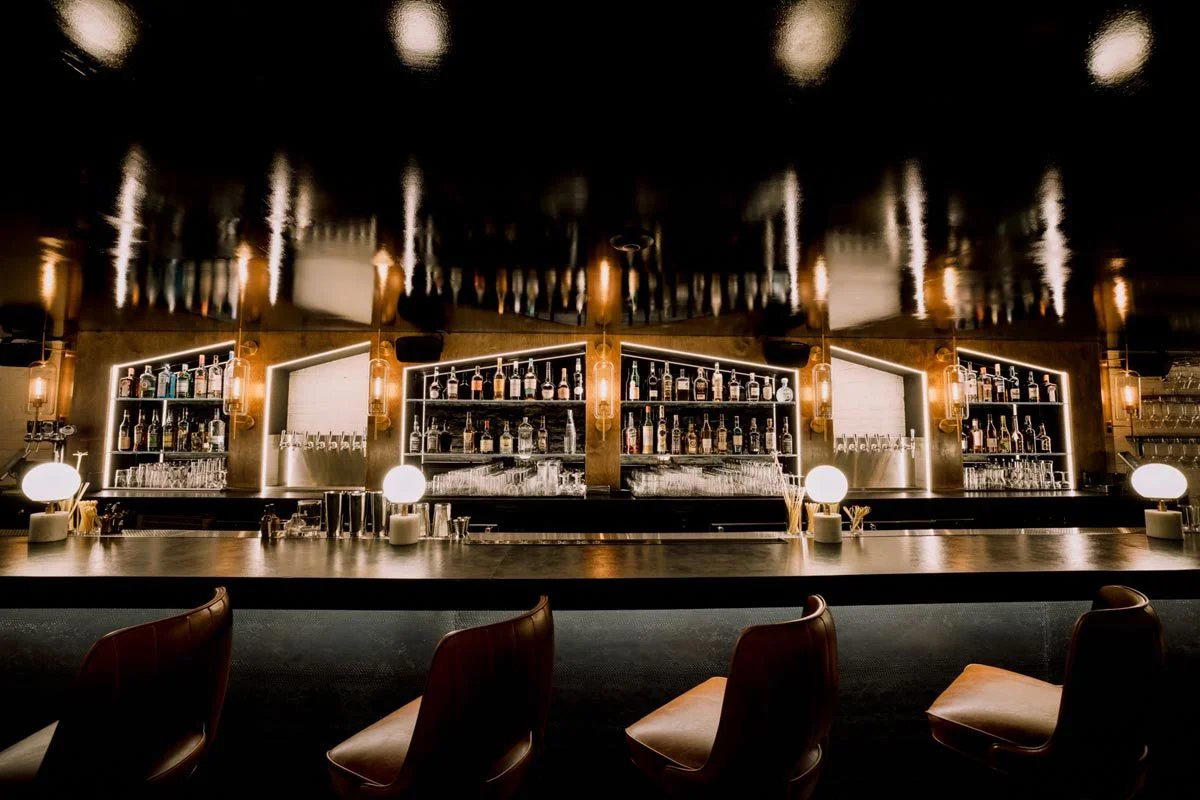
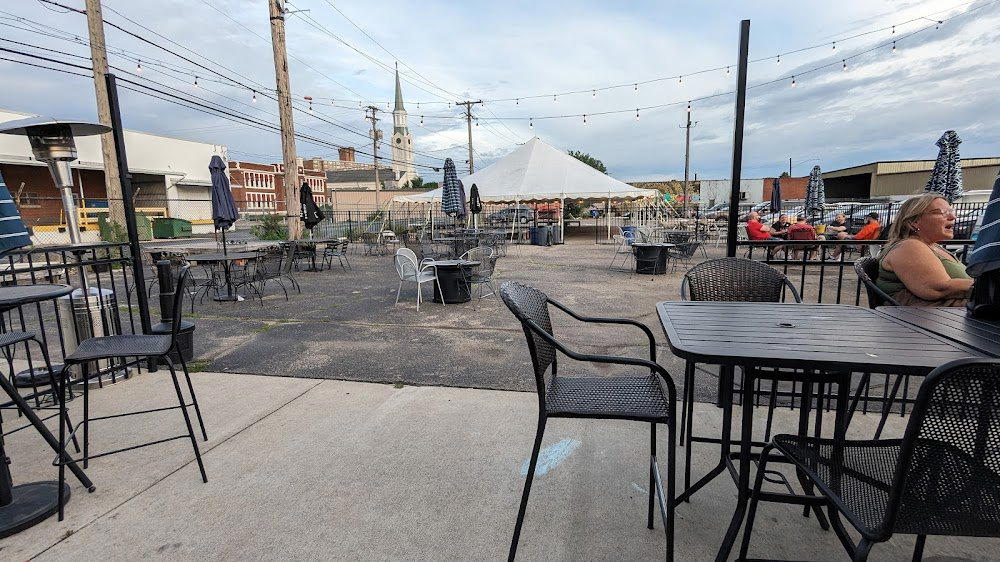
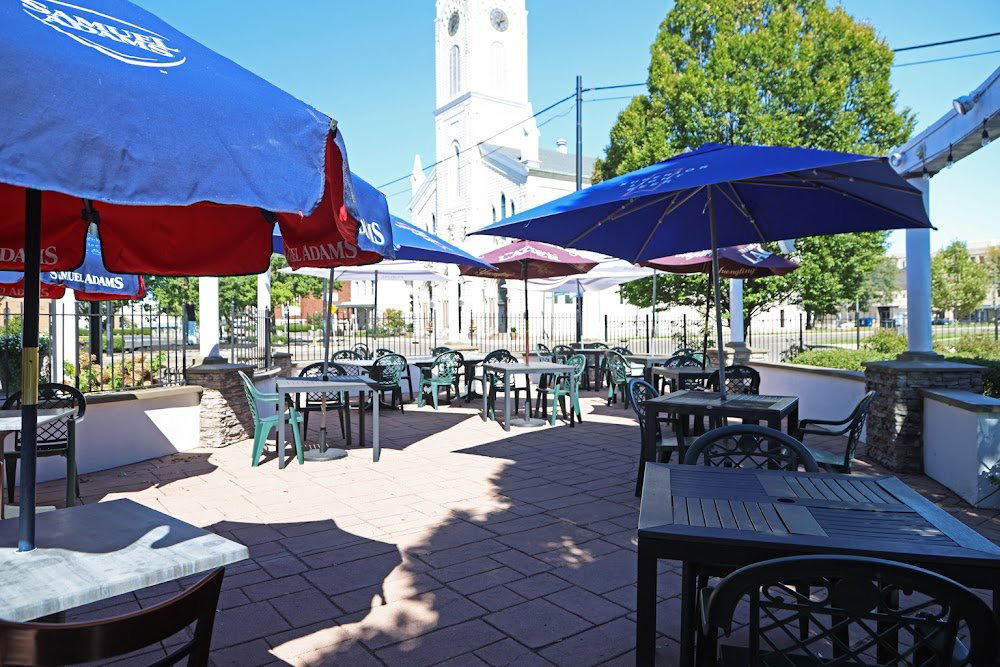
At a Glance
- Rustic
- Industrial
- Cozy
- Casual Hangout
- Group Outing
- Beer Garden
- Historic Building
- Outdoor Terrace
- Lounge Seating
- Craft Beer
Current opening hours
- Monday
- Closed
- Tuesday
- 12–10 PM
- Wednesday
- 12–10 PM
- Thursday
- 12–10 PM
- Friday
- 12–10 PM
- Saturday
- 10 AM–10 PM
- Sunday
- 10 AM–9 PM
Hours can change for holidays and private events. Last verified .
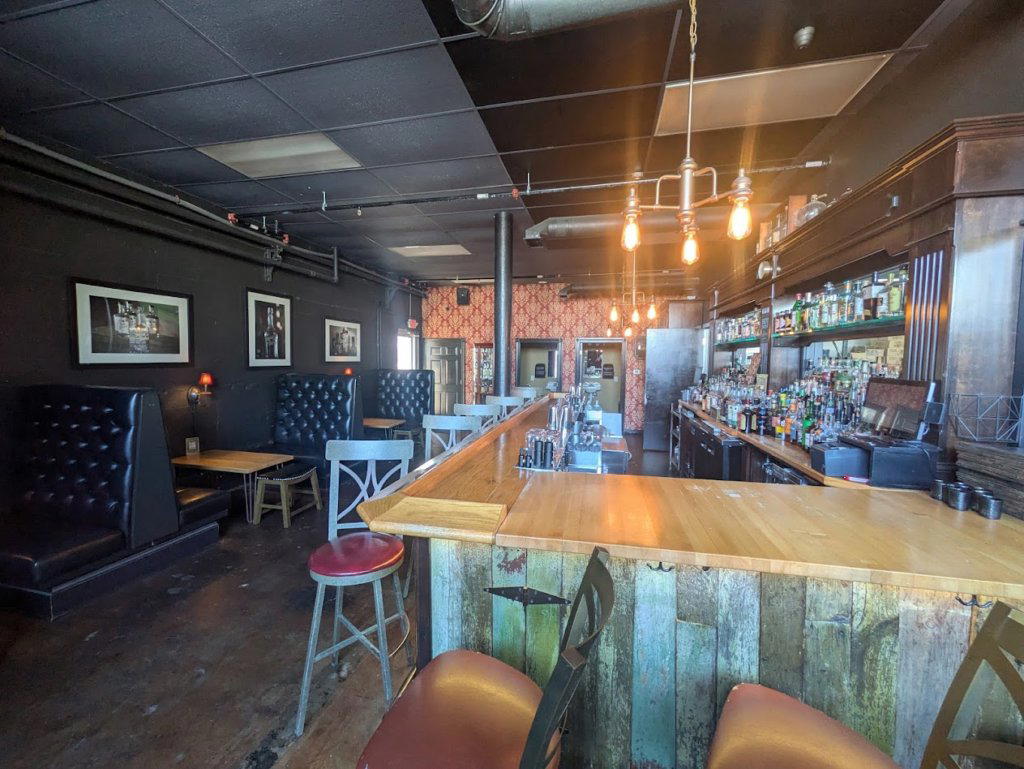
Rustic industrial atmosphere in a historic brick building with approachable, unpretentious farmhouse vibes.