Le Petit Village occupies a corner of the 17th arrondissement at 58 Rue la Condamine, where the Batignolles quarter sustains a particular kind of bar life: unhurried, neighbourhood-rooted, and largely indifferent to the tourist circuit. The address functions as a local anchor in a stretch of Paris that rewards those who look past the obvious.
- Address
- 58 Rue la Condamine, 75017 Paris, France
- Phone
- +33 6 28 01 82 77
- Website
- nicholas.murray.free.fr
- Directions
- Get directions
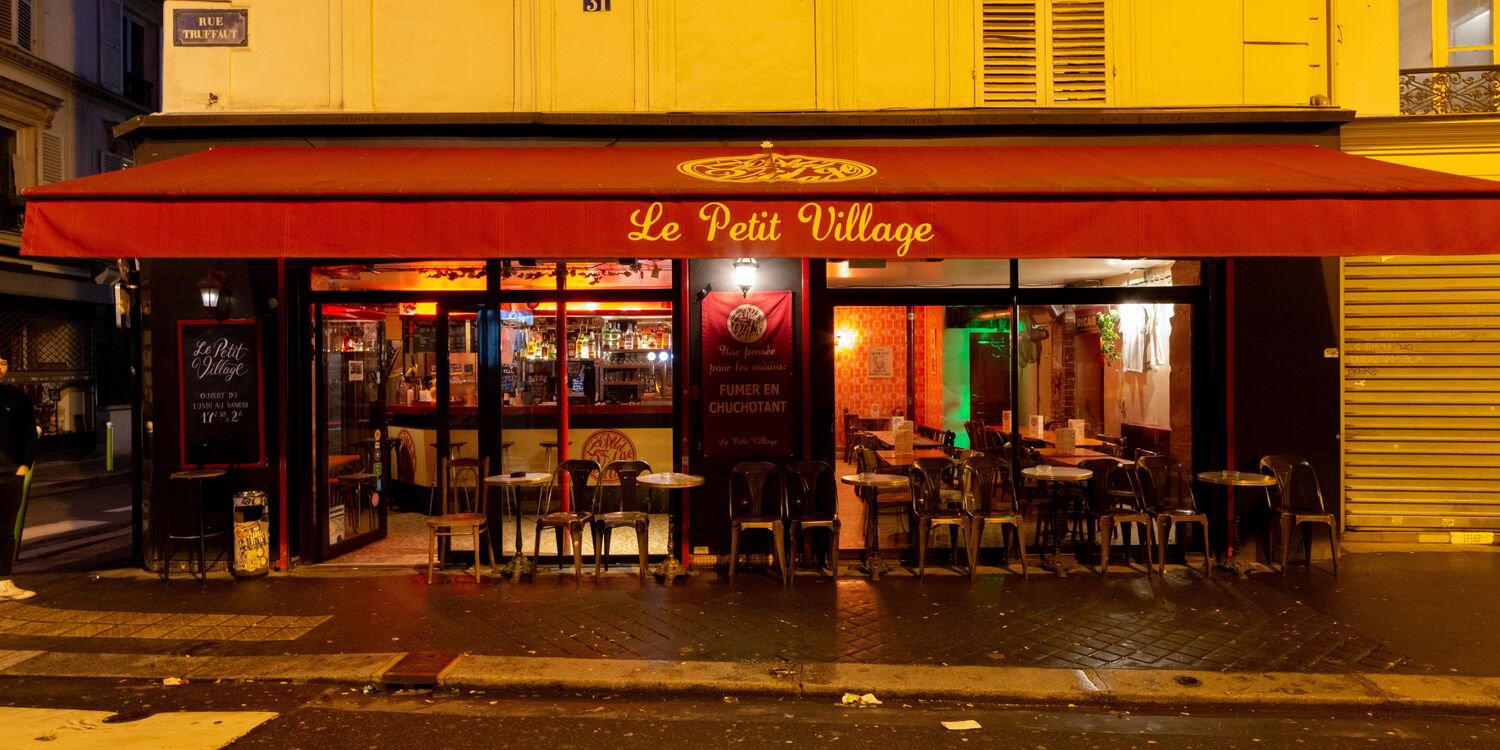
Batignolles and the Bars That Hold a Quarter Together
Paris's 17th arrondissement divides itself quietly but firmly. The southern end, near the Plaine Monceau and Avenue de Wagram, tilts toward the bourgeois formality of the 8th. The northern end, centred on the Place du Marché des Batignolles and the streets radiating from it, operates by different rules. Here, the neighbourhood bar is not a concept or a brand exercise. It is the social infrastructure of the quarter, the place where the same faces reappear on Tuesday evenings and Saturday afternoons, where the counter functions as a forum.
Rue la Condamine sits inside this northern logic. It is not a destination street in the way that the cocktail corridors of the 9th or 11th have become, but that is precisely what gives an address like Le Petit Village its operational coherence. The bar exists because the neighbourhood needs it to, not because a hospitality group identified a gap in the market. That distinction shapes everything from the pace of service to the expectation a guest carries through the door.
What the 17th Expects of Its Local Bars
The Batignolles model of neighbourhood drinking is worth understanding before you walk in. Unlike the technical cocktail programs that define Danico or the theatrical scale of Buddha Bar, the neighbourhood watering hole in this part of Paris is built around presence and repetition rather than novelty. You do not come for a signature drink that photographs well. You come because the room is familiar and the company is dependable.
This model has close equivalents across French provincial cities. The function that Le Petit Village performs in the 17th is recognisable in Coté Vin in Toulouse or La Maison M. in Lyon, where the bar acts as a residential commons rather than a hospitality product. The same logic applies at Au Brasseur in Strasbourg and Le Café de la Fontaine in La Turbie. What changes is the local flavour: Batignolles has the particular mix of artists, families, and long-term residents that the neighbourhood's relative affordability (by Paris standards) has preserved through several waves of gentrification.
The 17th's bar scene has not attracted the same international editorial attention as the Marais or Pigalle, which means that local-use bars here have been allowed to remain local. That is a structural condition, not a coincidence, and it explains why a place like Le Petit Village can hold its regulars without competing on the terms that define, say, Candelaria's mezcal-forward reputation or the newer operators collected at Bar Nouveau.
The Address on Rue la Condamine
The bar is located at 58 Rue la Condamine, a few minutes' walk from the Fourche or La Fourche metro station (line 13), and within easy range of the Batignolles village market square. The street is residential in character, lined with the kind of mid-height Haussmann-era buildings that dominate this part of the arrondissement. For visitors exploring the quarter, the immediate area connects to the Square des Batignolles, one of the more genuinely local parks in the northwest of the city.
For those travelling further afield, comparable neighbourhood anchors can be found at Papa Doble in Montpellier and Bar Casa Bordeaux in Bordeaux.
Regulars and the Logic of Return
The Parisian neighbourhood bar follows a particular arc. A place earns its regulars over years, not months, and the regulars are what sustain it through the intervals between press coverage and tourist traffic. In a quarter like Batignolles, where the residential density is high and the commercial strip on Rue des Batignolles functions as a genuine village high street, a bar's position in local life depends more on trust and consistency than on novelty or technical ambition.
Neighbourhood bars in Paris still require craft and attention. The French bistrot and café tradition has always carried a quiet professionalism: the properly pulled draft, the house wine priced for daily use, the plate of something simple at the right moment. What distinguishes the neighbourhood anchor from the destination bar is the direction of the relationship. At a destination bar, the guest arrives with expectations shaped by reputation. At a neighbourhood bar, the expectations are shaped by memory, and the bar's job is to meet them reliably.
For visitors rather than residents, that distinction changes how the experience should be read: the value here is in observing and participating in a local rhythm. That kind of travel, slower and more attentive to the ordinary, has its own pleasures and its own intelligence. Bar Leather Apron in Honolulu, where the bar's identity is rooted in community ritual rather than external validation.
Placing Le Petit Village in the Paris Bar Map
Paris's bar scene is broadly divided between internationally recognised cocktail programs, mid-tier neighbourhood bars, and fully local operations. The bar sits in that third category, which is the largest.
The absence of awards or published ratings is part of the category. Local bars of this type are not competing for Michelin recognition or a position on a leading-bars list. They are competing for the loyalty of the people who live within a ten-minute walk. What can be said is that Rue la Condamine is a street that supports this kind of operation, and that the Batignolles quarter has maintained enough residential character to keep local bars economically viable.
Cuisine and Awards Snapshot
Comparable venues nearby, for context on price, style, and recognition.
| Venue | Cuisine | Price | Notes |
|---|---|---|---|
| Le Petit VillageThis venue — the venue you are viewing | pub | $$ | Not listed |
| La Mano | lounge | $$ | Faubourg Montmartre |
| La Maison du Saké | sake_bar | $$ | 2nd arrondissement |
| Chez Prune | lounge | $$ | Canal Saint-Martin, 10th arrondissement |
| Cadence Paris | Bar | $$ | 11th Arr. - Popincourt |
| Lone Palm | cocktail_bar | $$ | Roquette |
Continue exploring
More in Paris
Bars in Paris
Browse all →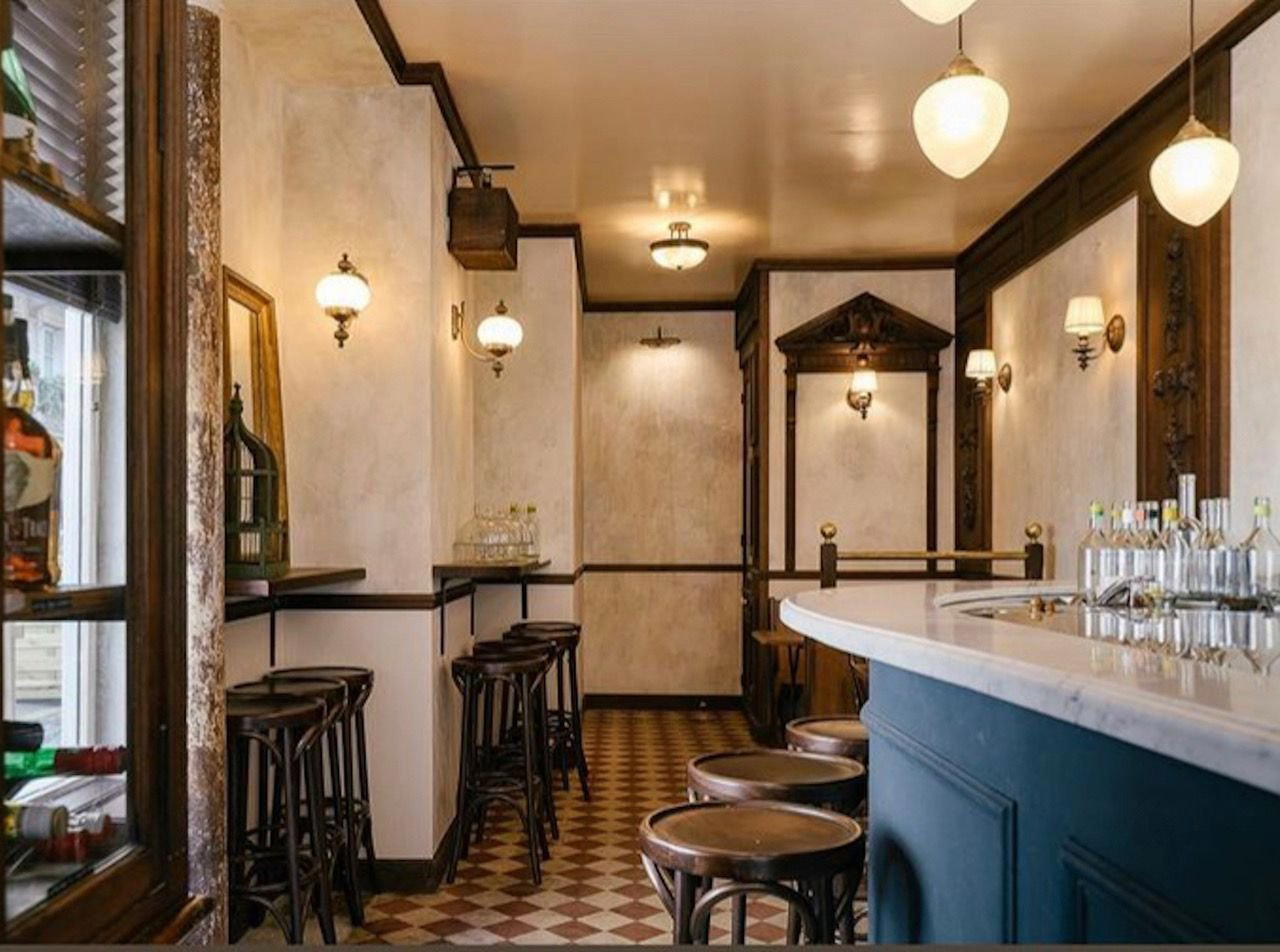
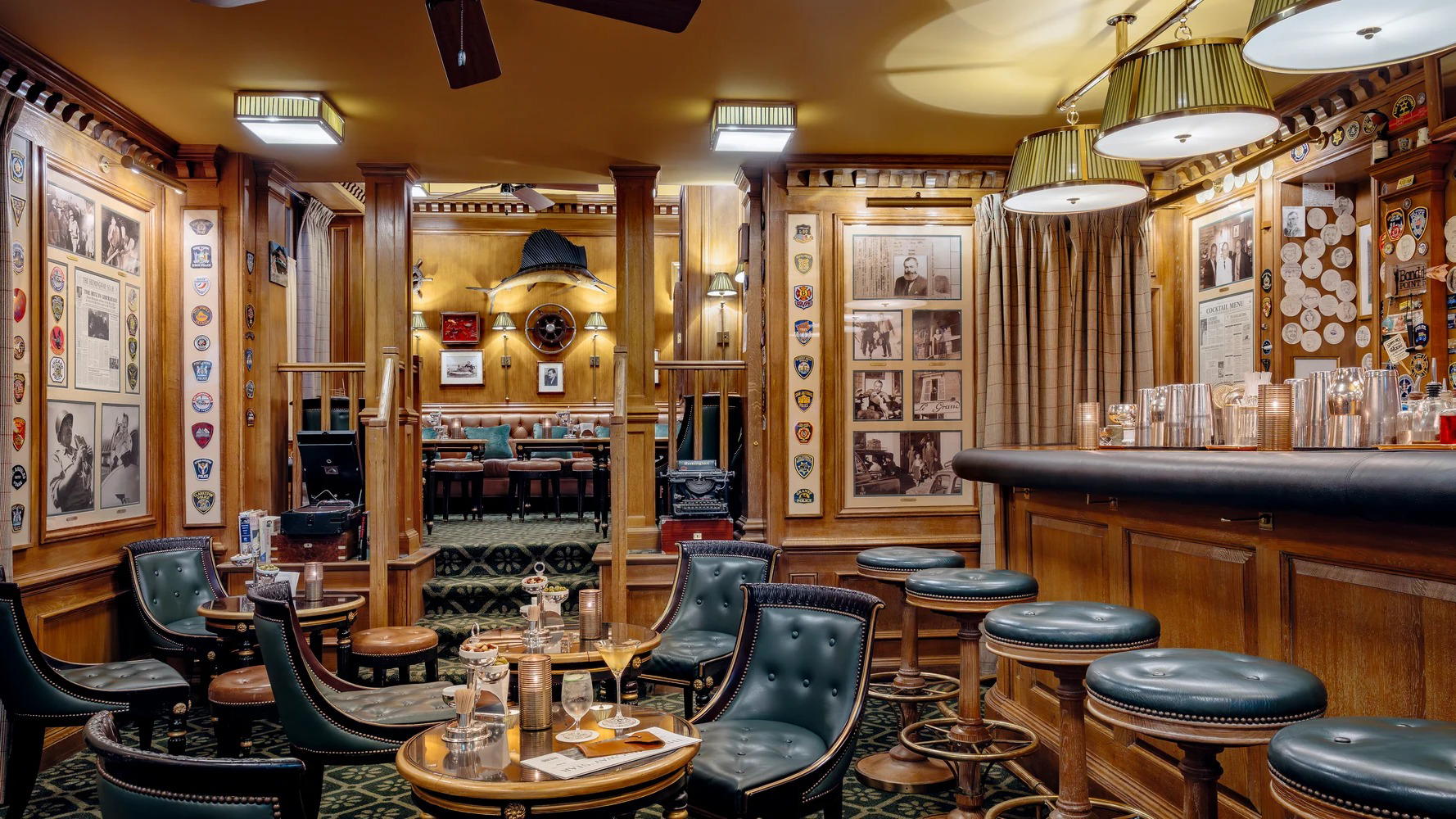
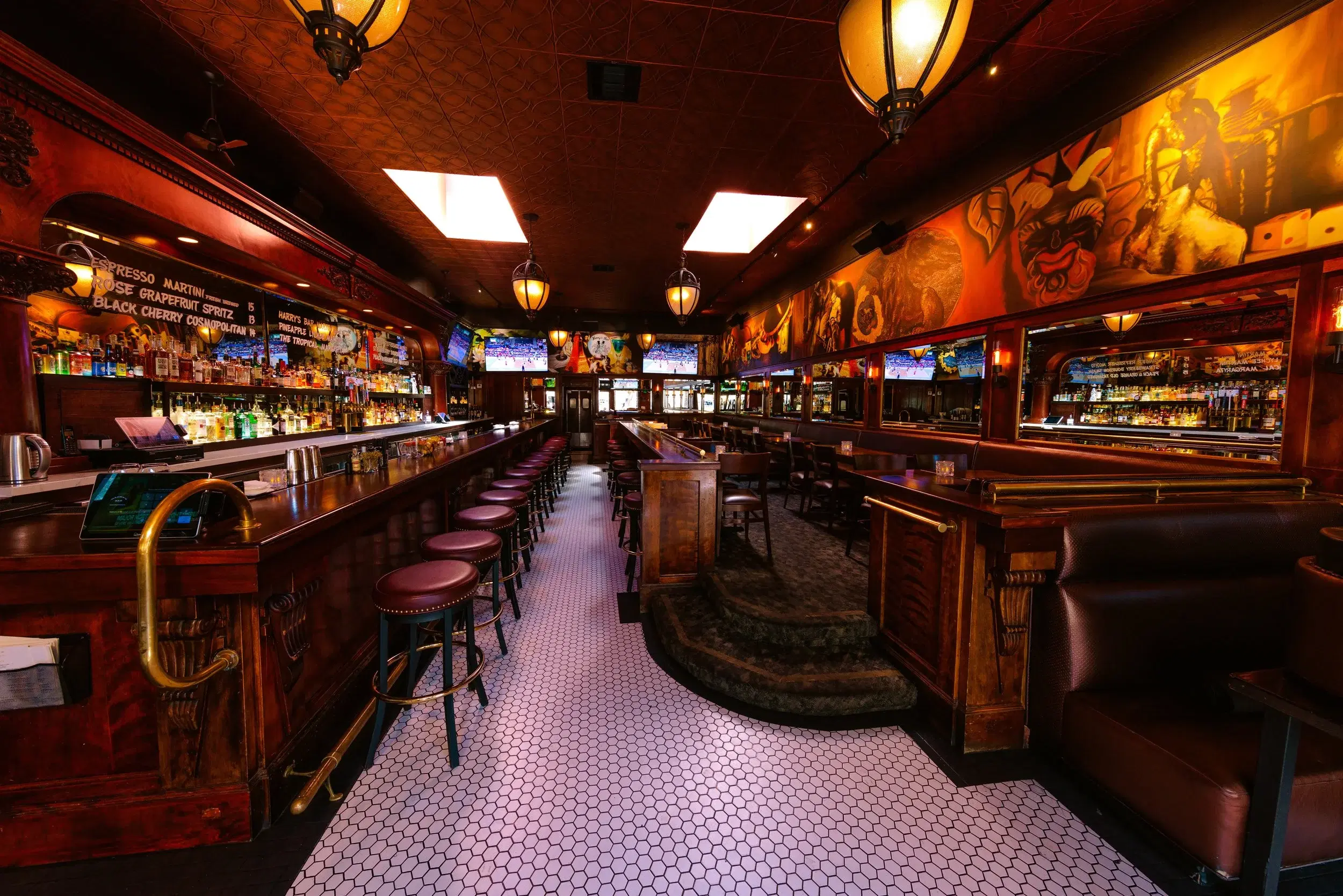
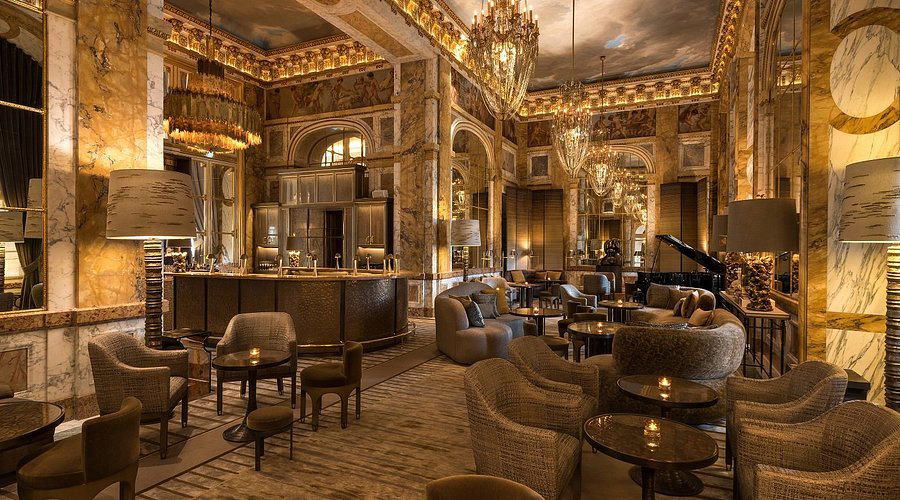
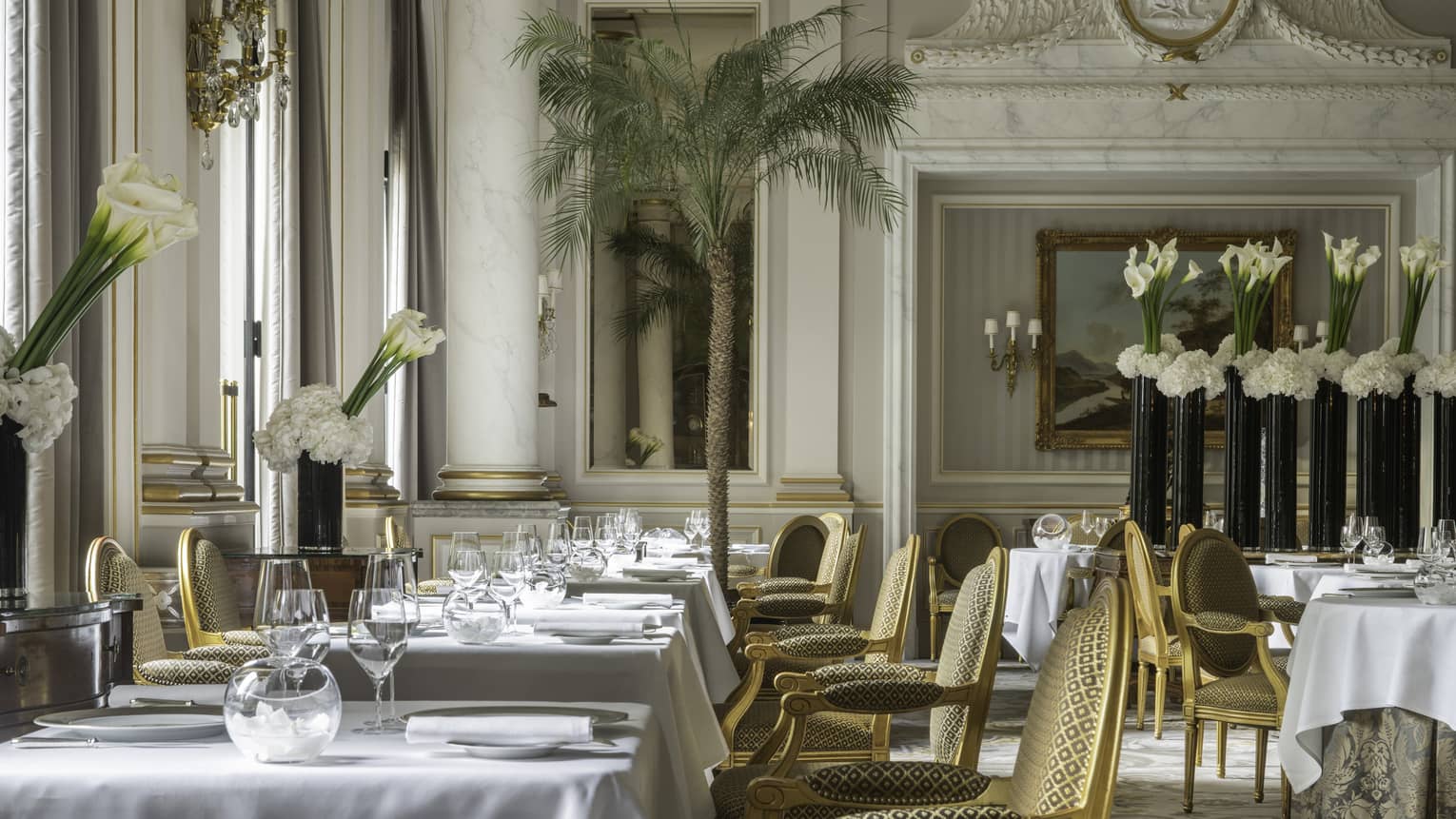
Restaurants in Paris
Browse all →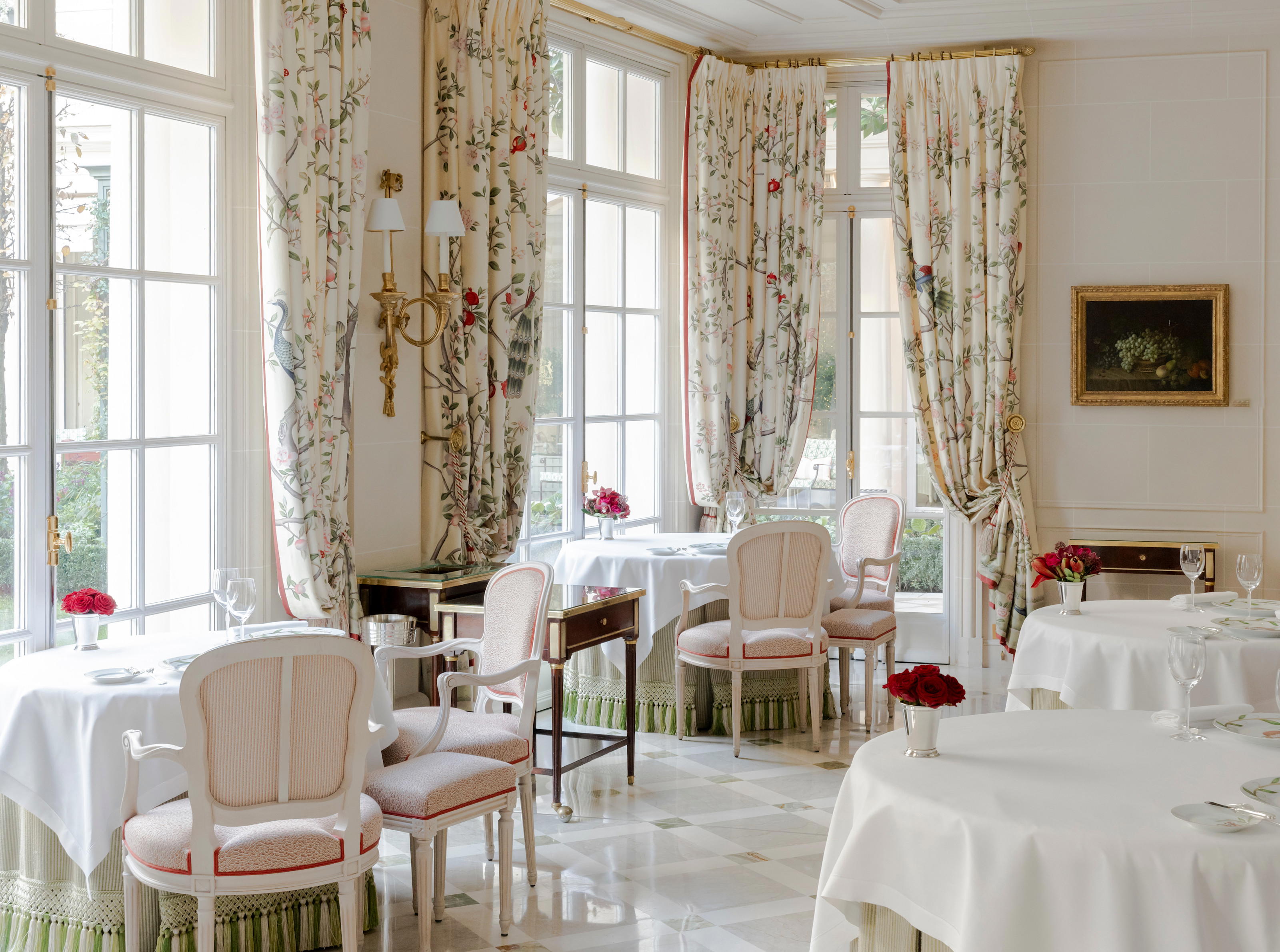
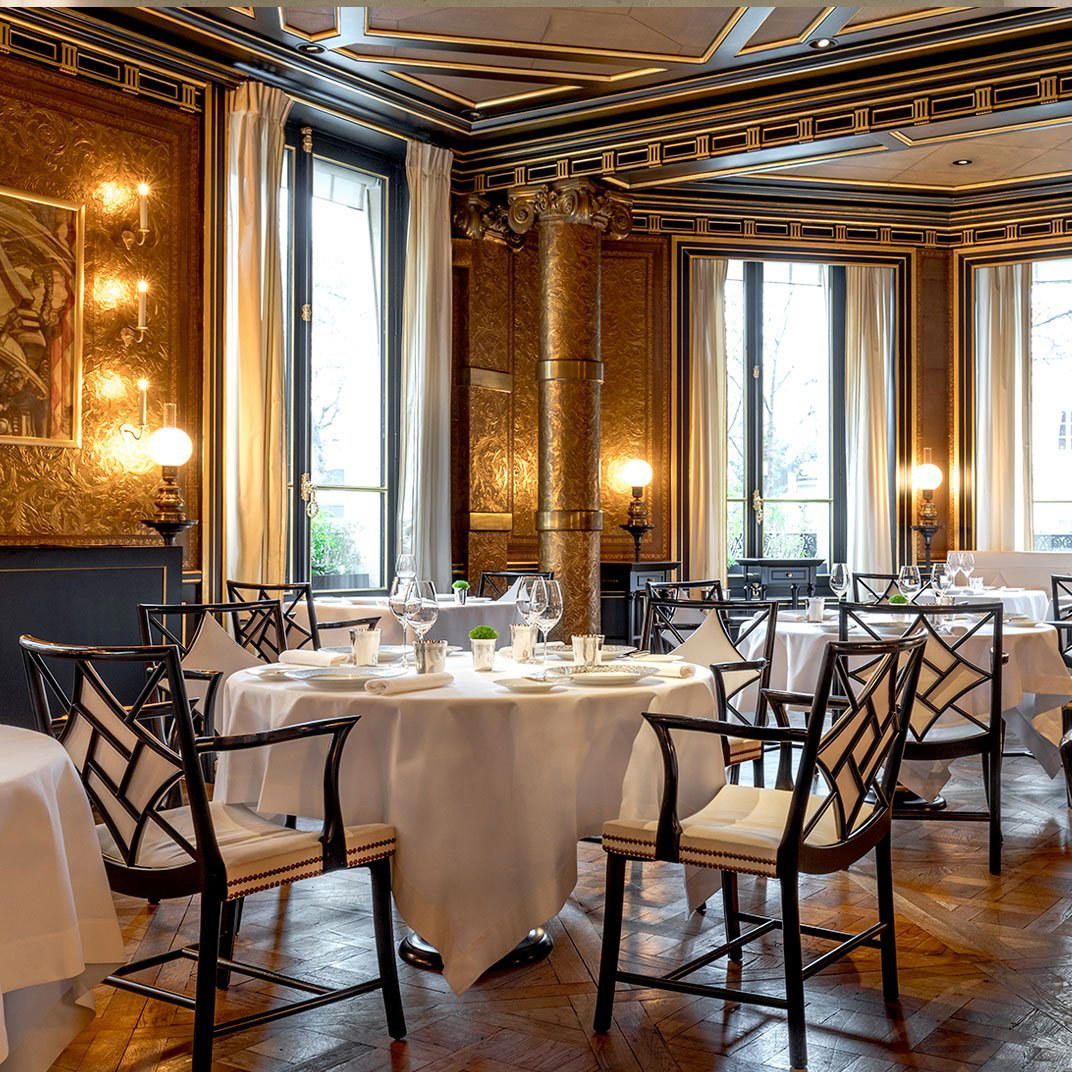

Hotels in Paris
Browse all →
At a Glance
- Cozy
- Rustic
- Casual Hangout
- After Work
- Standalone
- Communal Tables
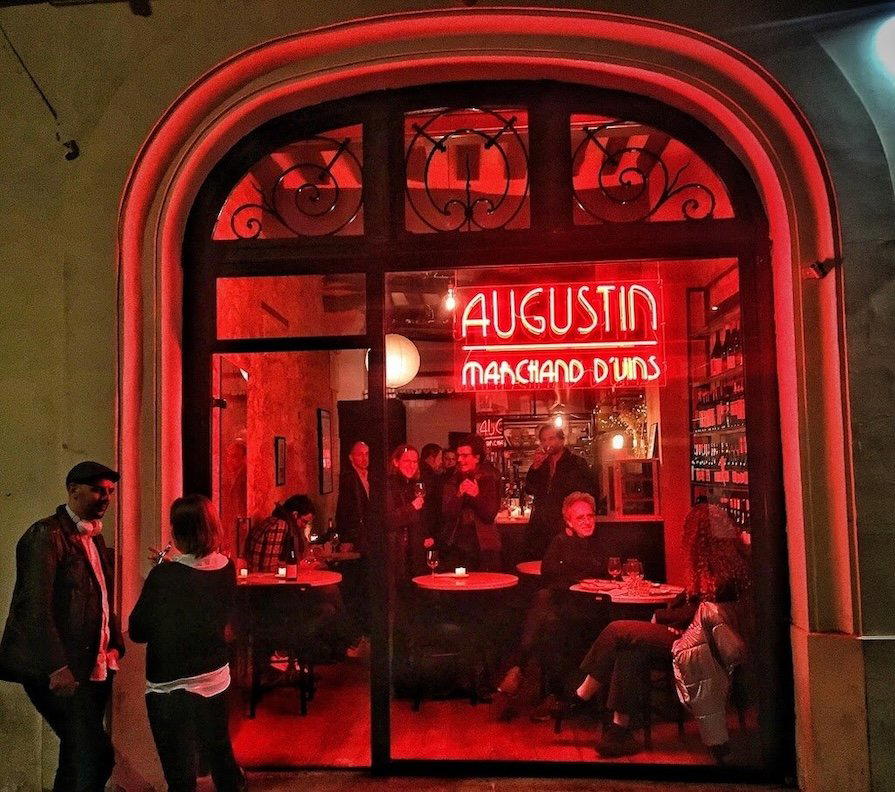
Cosy vibes with vintage and retro decor, becoming lively and crowded in the evenings with good vibes and laughter.