On the Place des Vosges, Paris's oldest royal square, Le Pavillon de la Reine occupies a position that few hotels in the Marais can match for sheer historical weight. The address alone — 28 Place des Vosges — situates guests inside a 17th-century arcade that has defined the neighbourhood's character for four centuries. For travellers who treat location as the primary amenity, this is a reference point in the upper Marais tier.
Pearl is the En Primeur Club membership app — saves, bookings, and concierge access live there. Same editors, same standards.
- Address
- 28 Pl. des Vosges, 75003 Paris, France
- Phone
- +33 1 40 29 19 19
- Website
- pavillon-de-la-reine.com
- Directions
- Get directions
 Saves & bookings on Pearl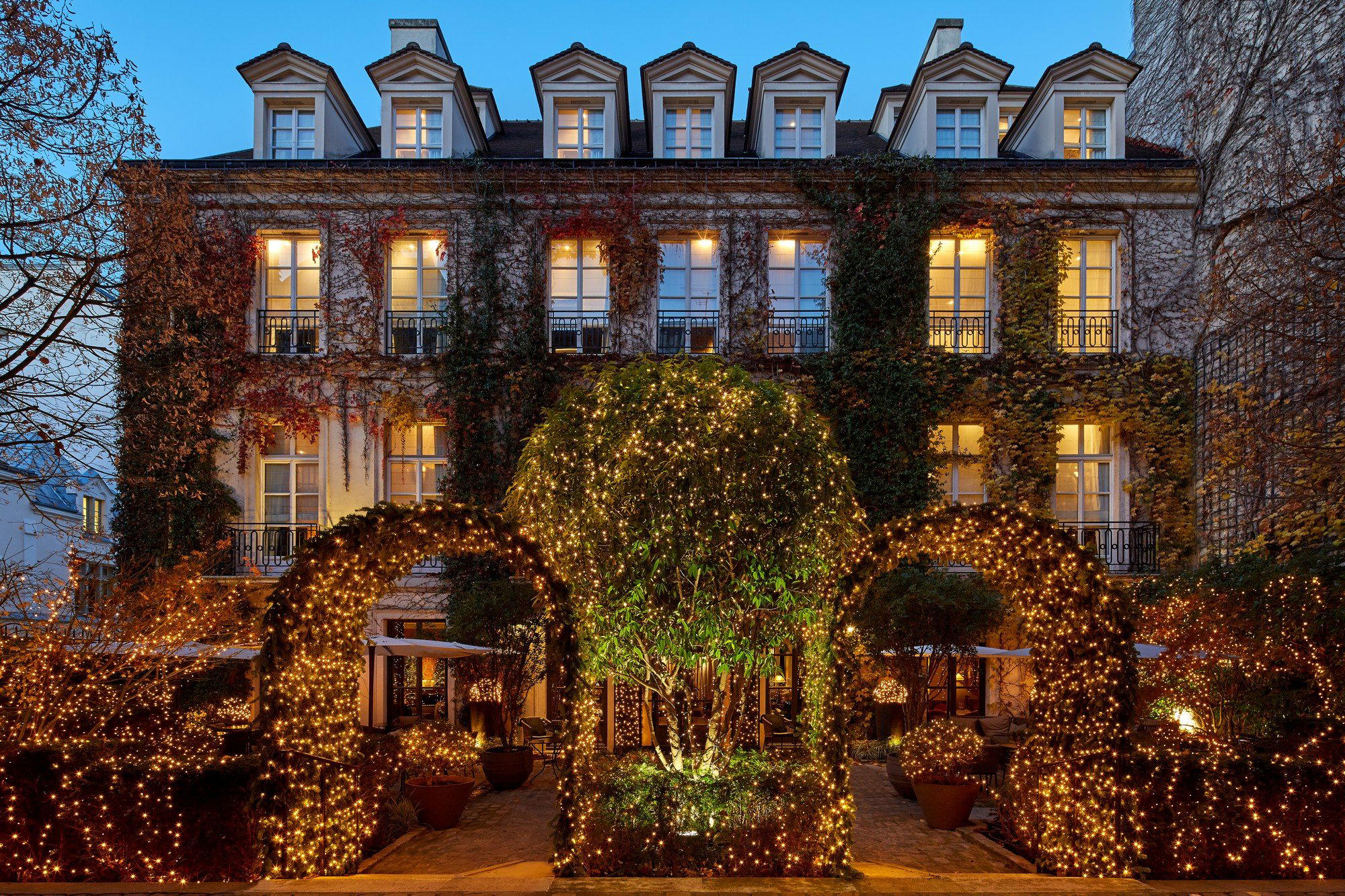
A Square That Does the Work
Place des Vosges is not a backdrop. Completed in 1612 under Henri IV, it is the oldest planned square in Paris and remains one of the few public spaces in the city where the original architectural symmetry has survived largely intact. The uniform red-brick facades, the vaulted arcades, the central fountain — these are not preserved as a heritage exercise but as a living frame for one of the Marais's most concentrated clusters of galleries, restaurants, and hotels. Le Pavillon de la Reine sits at the north side of the square, its entrance recessed behind a courtyard that creates a meaningful separation from the tourist flow on the arcades outside. The physical approach already signals what the property is calibrated for: privacy over spectacle, residential scale over grand-hotel ceremony.
That calibration matters in context. The upper Marais has developed a distinct identity within Paris's broader hotel market. It sits between the hyper-visible luxury of the 1st and 8th arrondissements and the more relaxed, design-led accommodation of the lower Marais and Saint-Germain. Properties in this zone tend to compete on specificity of address rather than facilities breadth, and Le Pavillon de la Reine operates squarely within that logic. The Place des Vosges postcode carries weight that a larger, more anonymous address in the 8th would struggle to match for a certain type of traveller.
The Collaboration Behind the Stay
The editorial angle that defines a property like this is rarely about a single chef or a single sommelier. At smaller, high-specification boutique hotels in Paris, the quality of the stay is almost always a team product: the cohesion between whoever manages the dining program, the front-of-house tone, and the sensory decisions about the physical space. When those three elements are pulling in the same direction — toward restraint, historical resonance, and quiet attentiveness rather than showy gestures, the result is a hotel that earns its tier not through scale but through consistency.
This pattern is familiar in Paris's smaller luxury properties. The hotels that hold their position in the upper Marais bracket over decades tend to share a resistance to renovation cycles that would strip their buildings of character in favour of modular contemporary design. The interiors lean into the building's age rather than against it, and the staff approach reflects that same preference for substance over performance. Whether the specific team currently executing that vision at Le Pavillon de la Reine is maintaining that standard is something the property's continued presence on this square suggests, but individual team assessments require current verified data.
Where It Sits in the Paris Hotel Market
Paris's boutique hotel tier has fragmented considerably over the past decade. The dominant pattern in the 2010s was a wave of design-forward independent hotels across the 10th and 11th arrondissements, which repositioned budget and mid-range travel with considerable aesthetic ambition. That movement has since matured, and the top end of the independent Paris market now subdivides between heritage-address properties and concept-driven newcomers. Le Pavillon de la Reine belongs clearly to the heritage-address category, competing not on trend but on the permanence of its location and the residential character of its format.
Compared to the larger palace hotels on the Right Bank, the property operates at a different scale and with different priorities. The palace tier offers breadth: multiple restaurants, large spa facilities, recognisable brand equity. The Pavillon de la Reine model prioritises depth: a specific address, a contained number of rooms, and a guest experience that is shaped more by the neighbourhood than by the hotel's own programming. For travellers using Paris's bar and restaurant scene as their primary activity, that model has a functional advantage, the hotel becomes a base rather than a destination, which is how many experienced Paris visitors prefer to operate.
That preference connects directly to the Marais's current position as one of Paris's most active neighbourhoods for drinking and dining. The area now supports a range of serious bars with distinct programs, from the technical cocktail work visible at venues like Danico to the longer-standing creative ambition at Candelaria, which helped establish Paris's contemporary mezcal and Mexican-inspired cocktail culture. Guests staying on the Place des Vosges are within reach of this without being in the middle of the foot-traffic corridors that make some parts of the Marais less functional as a base for a quieter trip.
Paris's bar scene more broadly has moved through several phases in the past fifteen years. The city now has a layered cocktail culture, from high-volume landmark venues like Buddha Bar to technically focused smaller programs. Bar Nouveau represents a newer generation of Paris bar programming, while the Right Bank continues to support properties operating at different price and ambition levels. For guests based in the Marais, the practical geography means that most of these venues are accessible without crossing the city.
The Place des Vosges as a Temporal Anchor
One thing the location provides that no amount of interior design can replicate is temporal depth. Sitting in the arcades of the Place des Vosges in the early morning, before the weekend gallery crowds arrive, produces a specific kind of Paris experience that most centrally-located hotels cannot offer. The square has been a residential and cultural address since the early 17th century; Victor Hugo lived at number 6 for sixteen years, and the house is now a museum. That density of documented history within a few hundred metres of the hotel's entrance is the kind of context that shapes a stay whether or not a guest explicitly seeks it out.
For travellers comparing this address with comparable boutique properties elsewhere in France, the Place des Vosges positioning is a specific credential that alternatives in Lyon, Bordeaux, or Toulouse cannot replicate by definition. Venues like La Maison M. in Lyon or Bar Casa Bordeaux in Bordeaux operate within their own strong city contexts, but the Parisian Marais at this address carries a specific kind of weight in the European heritage-property tier.
For further context on Paris's dining and drinking options, see our full Paris restaurants guide.
Know Before You Go
- Address: 28 Place des Vosges, 75003 Paris, France
- Neighbourhood: Le Marais, 3rd arrondissement
- Location context: North side of the Place des Vosges, accessed via a courtyard set back from the main arcade
- Nearest Metro: Bastille (lines 1, 5, 8) or Chemin Vert (line 8), both under 10 minutes on foot
- Leading time to arrive: Weekday mornings offer the quietest experience on the square itself
Continue exploring
More in Paris
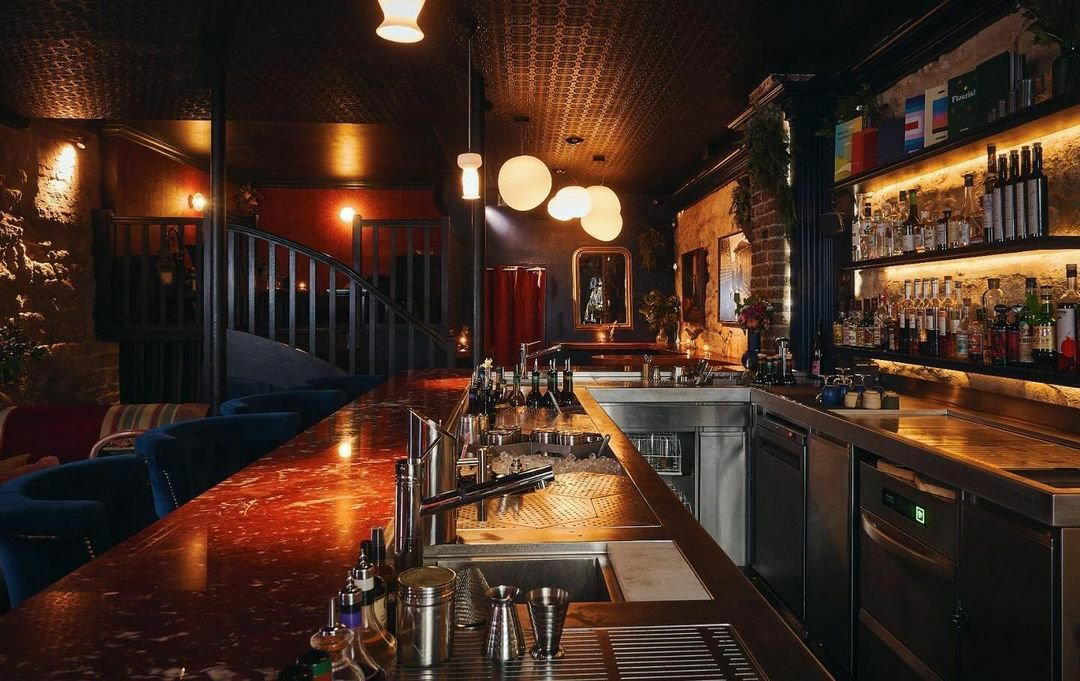
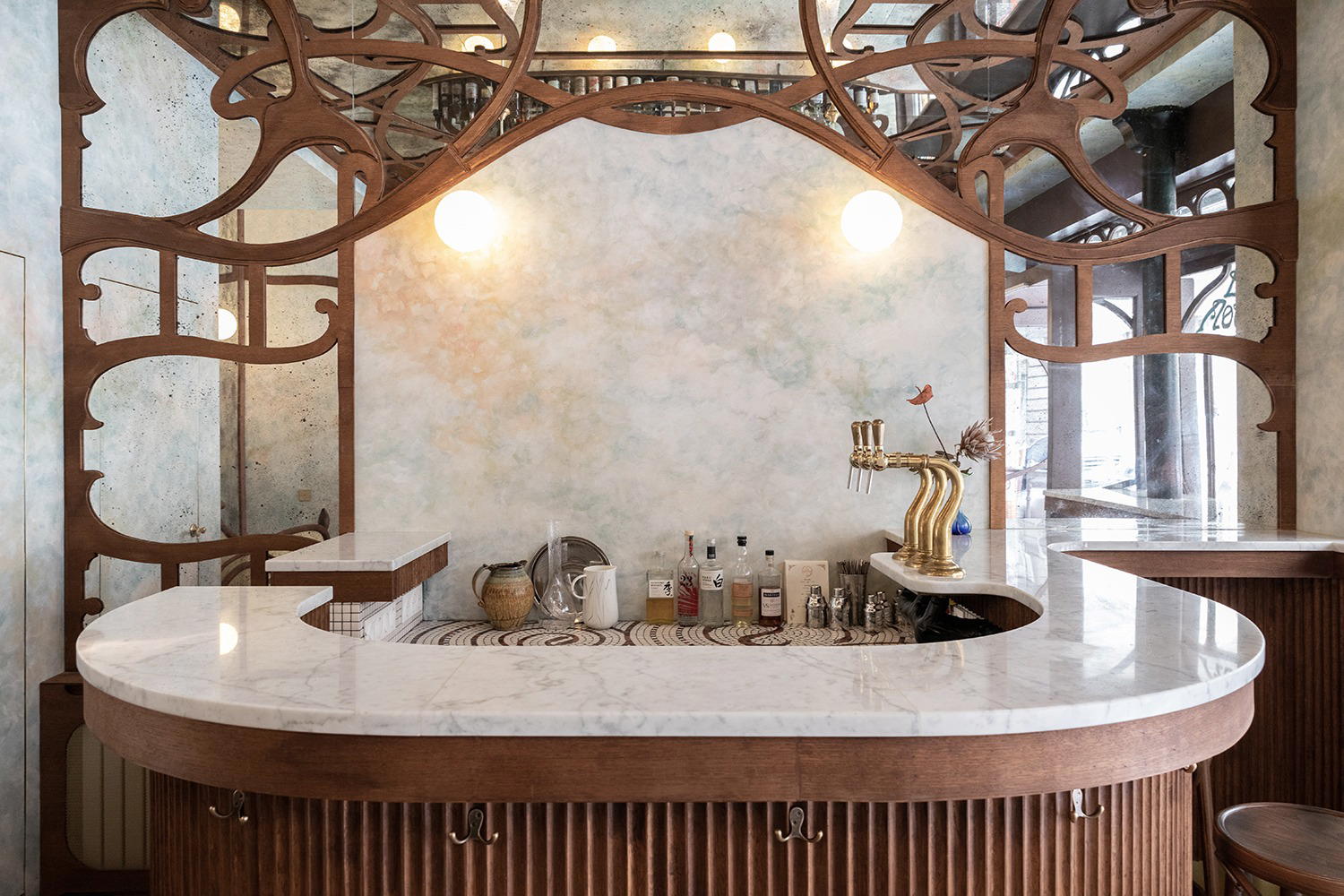
Bars in Paris
Browse all →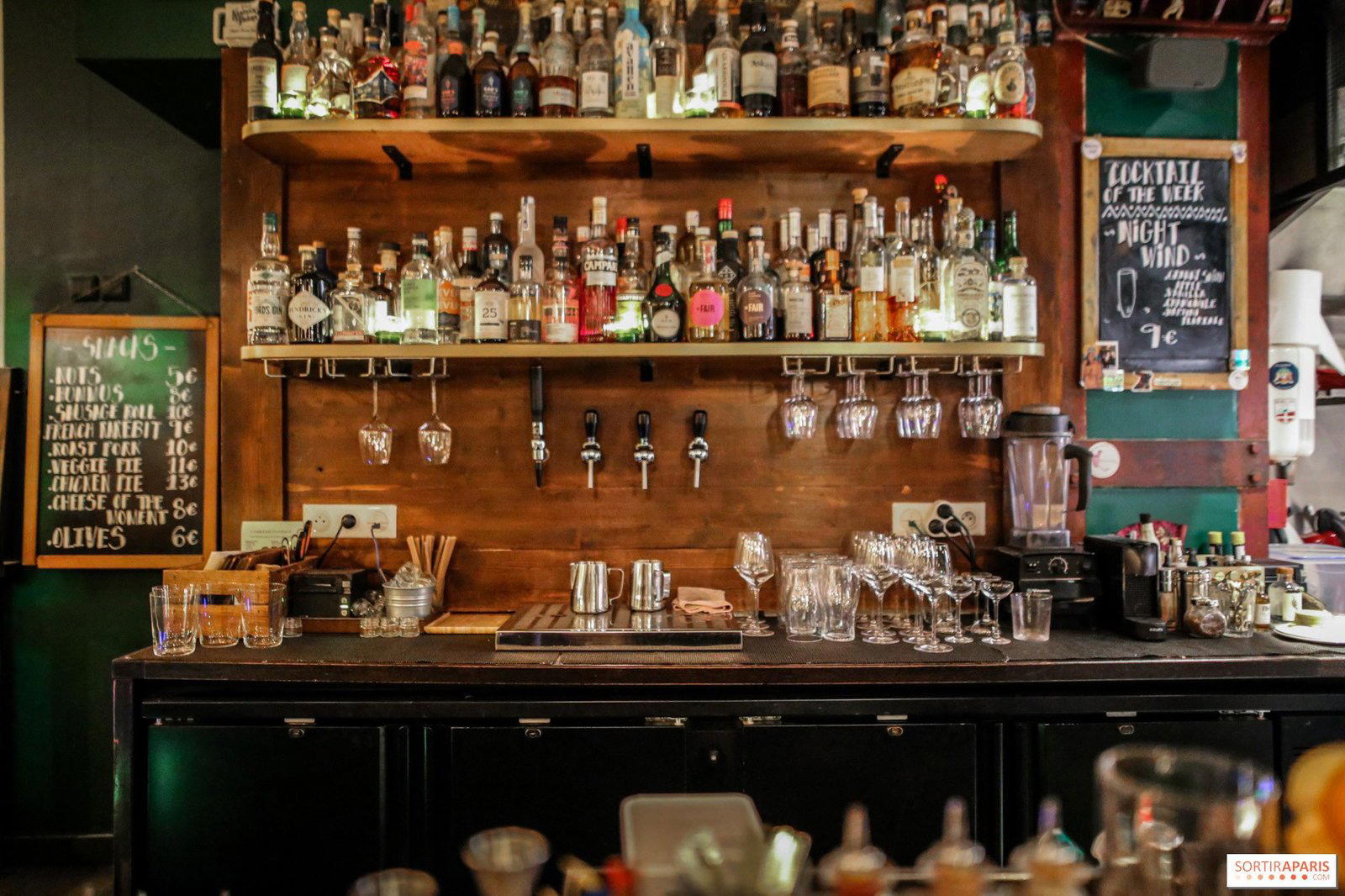
Restaurants in Paris
Browse all →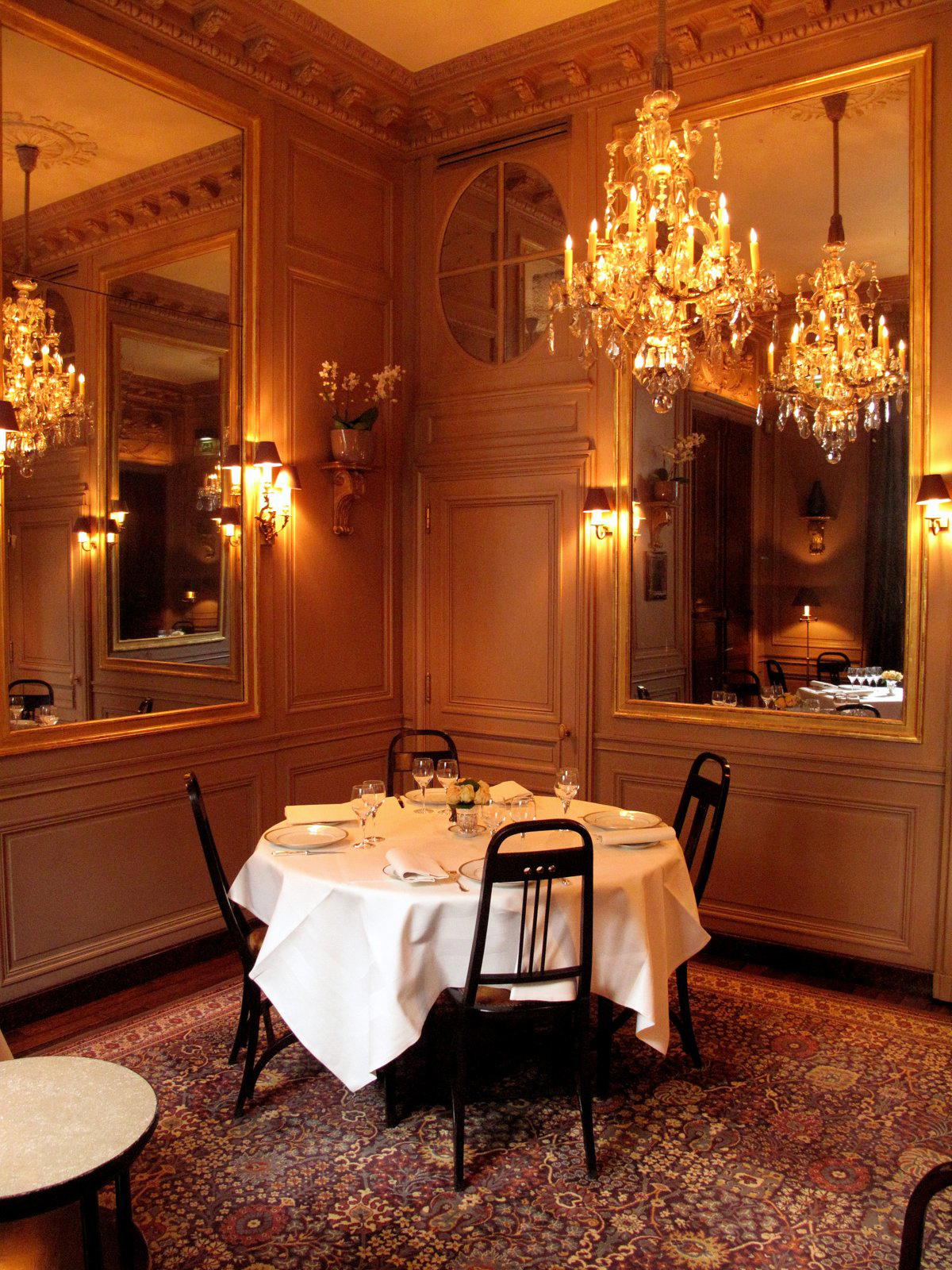
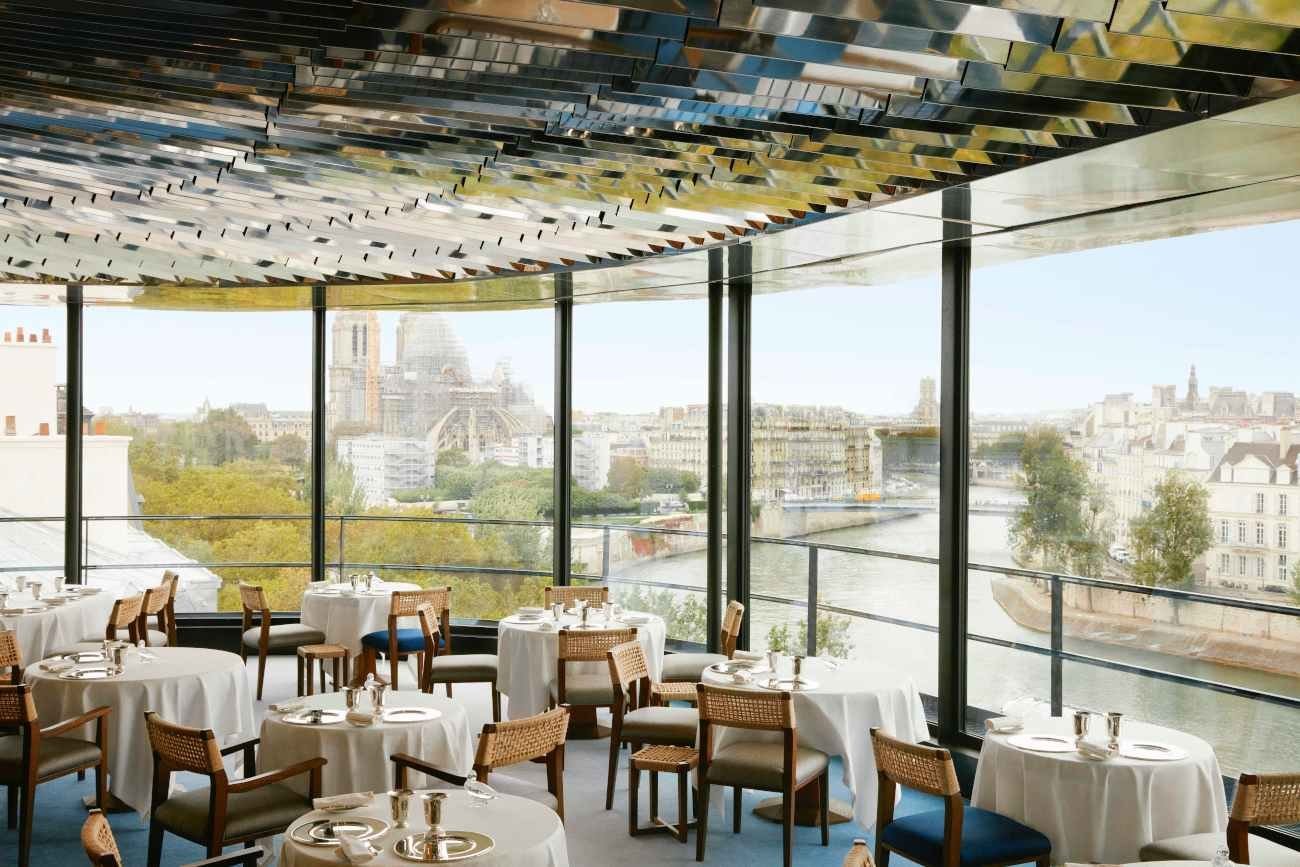
Hotels in Paris
Browse all →
At a Glance
- Quiet
- Classic
- Elegant
- Intimate
- Sophisticated
- Date Night
- Special Occasion
- Casual Hangout
- Hotel Bar
- Garden
- Courtyard
- Historic Building
- Design Destination
- Seated Bar
- Lounge Seating
- Outdoor Terrace
- Classic Cocktails
- Craft Cocktails
- Conventional Wine
- Gin
- Whiskey
- Rum
- Garden
Quiet, discreet, and charming, with a peaceful courtyard-and-garden atmosphere and an intimate bar setting.
Know Before You Go
- Getting there
- 28 Pl. des Vosges, 75003 Paris, France