On Rue Lobineau at the edge of the Saint-Germain market, L'Avant Comptoir du Marché operates as a standing wine bar where small plates arrive on hanging paper cards above a zinc counter. The format is deliberately casual: no reservations, no seated dining, just a rotating cast of market-driven bites and natural wines by the glass. It sits inside a cluster of Camdeborde-associated addresses that have defined the neighbourhood's convivial, counter-culture approach to eating and drinking well.
Pearl is the En Primeur Club membership app — saves, bookings, and concierge access live there. Same editors, same standards.
- Address
- 14 Rue Lobineau, 75006 Paris, France
- Phone
- +33 1 44 27 07 97
- Website
- camdeborde.com
- Directions
- Get directions
 Saves & bookings on Pearl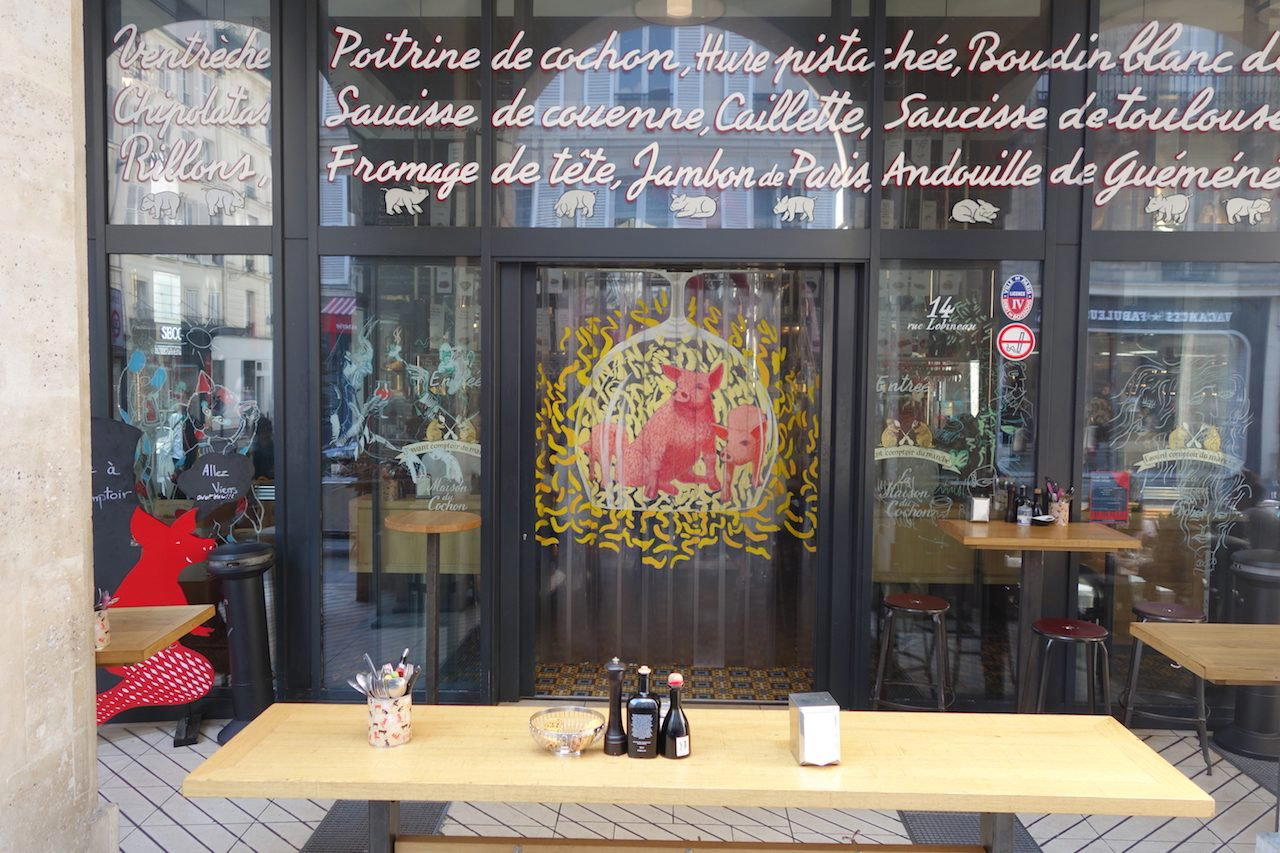
Standing Room, Rue Lobineau
L'Avant Comptoir du Marché is a standing wine bar in Paris's 6th arrondissement, at 14 Rue Lobineau, with walk-in service and an average spend of about $25 per person. The approach to 14 Rue Lobineau tells you what kind of place this is before you reach the door. The Marché Saint-Germain sits just behind, and the street carries the low-level commerce and foot traffic of a working Left Bank market quarter. L'Avant Comptoir du Marché occupies a sliver of that streetscape: a narrow, standing-only wine bar where the physical container is essentially a counter, a wall, and the pavement outside. In a Saint-Germain neighbourhood that has spent the last two decades acquiring flagship boutiques and hotel dining rooms, that restraint in format is itself a statement.
The standing bar format has deep roots in French drinking culture, traceable through the zinc-countered cafés of the 19th century and the more recent tradition of the comptoir as an intermediary space between street and restaurant. In Paris's 6th arrondissement, where full-service dining dominates and reservation windows can stretch weeks ahead, the no-reservation stand-up format represents a different kind of access logic: arrive, order, drink. That simplicity is what keeps places like this functioning as genuinely local infrastructure rather than tourist annexes.
The Physical Format as Editorial Argument
What distinguishes this address from the original L'Avant Comptoir on Carrefour de l'Odéon (which specialises in small hot bites) is its orientation toward the Marché Saint-Germain and its sharper focus on wine and cold charcuterie-style offerings. The Marché itself, rebuilt in the late 1990s inside a 19th-century iron-and-glass frame, remains one of the more coherent covered market spaces in central Paris, though its food stall density has fluctuated over the years as retail use shifted. L'Avant Comptoir du Marché draws on that adjacency: the bar functions as the market's natural antechamber, a place to stop before or after, rather than a destination requiring planning.
The interior design philosophy here is minimal by necessity and minimal by choice. Hanging printed cards above the counter list what's available in the manner of older French cave-bars rather than a printed menu handed across a table. That format keeps the ordering process social and slightly improvisational. You read the wall, you ask the person next to you what they're drinking, you point. Spaces designed this way tend to produce a different kind of conversation than a tablecloth dining room: horizontal, between strangers, rather than vertical, between server and seated guest.
Counter seating, or rather the absence of seating entirely, is an architectural choice that controls pace and density in ways that tables cannot. In a city where space is consistently at a premium and licence constraints shape what a room can offer, the standing bar allows an operator to serve more people per square metre while preserving the social texture that brings people back. The resulting atmosphere, particularly during the lunch run and the early evening window, is that of a room at productive capacity rather than a room trying to fill.
Wine as the Primary Reference Point
The programme at L'Avant Comptoir du Marché sits within the broader natural and biodynamic wine movement that has reshaped Paris bar-and-bistro culture over the past fifteen years. The selection reflects producer relationships associated with the wider Avant Comptoir group, meaning bottles lean toward small-domaine Loire, Burgundy, and Beaujolais producers, with some Rhône and Languedoc representation. These are wines chosen for drinkability and producer provenance rather than appellation prestige, which aligns with the anti-ceremony ethos of the format.
For context on how Paris's bar scene has evolved, the city has moved significantly away from both the classic hotel-bar model and the speakeasy-style cocktail format toward a category that might be called the wine-and-snack counter: low-intervention wine, cured or cooked products served without elaborate plating, and a room designed to keep people standing and talking. The bar is a point of reference for that format, not because it invented it, but because it has operated within it consistently and in a neighbourhood where property economics would otherwise favour higher-revenue formats.
Elsewhere in Paris, the technical cocktail bar has developed its own serious cohort. Danico represents the spirits-focused end of that tier, while Candelaria operates at the intersection of taqueria and cocktail bar in the Marais. Bar Nouveau occupies a different register again. Buddha Bar is a large-format venue built on atmosphere and volume. What differentiates the standing wine counter format is that it refuses all of those frameworks: no cocktail programme, no kitchen ticket, no curated playlist architecture. Wine, charcuterie, company.
Saint-Germain Placement and the comparable set
In the 6th arrondissement, the competitive set for an early evening drink is wider than it appears. Brasseries with full wine lists sit on the main boulevards; natural wine bars have opened across the quarter since the early 2010s. What the bar offers within that context is a specific combination: the Avant Comptoir brand's sourcing credibility, a market-adjacent address that gives it neighbourhood function rather than destination positioning, and a format that keeps the price-per-head accessible relative to full-service options nearby.
For comparison across France's bar scene, the standing counter with wine and small food is not distinctive to Paris. Coté vin in Toulouse, La Maison M. in Lyon, and Bar Casa Bordeaux in Bordeaux each represent regional variants of the same format logic. The Paris iteration tends to carry a higher producer-recognition factor given the concentration of importers and sommeliers in the city, but the social function is consistent across those cities: a room that works for a twenty-minute stop and scales into a longer evening.
Further afield, Papa Doble in Montpellier, Au Brasseur in Strasbourg, and Le Café de la Fontaine in La Turbie each show how the neighbourhood-bar category diverges across French regions. Paris's version, as represented here, runs on proximity to market culture, a credible wine selection, and a format designed to be entered and exited without ceremony.
Planning Your Visit
The no-reservation format means timing matters. The lunch window and the post-work hour before dinner service are when the counter reaches its productive density. Arriving at either shoulder of those periods gives you more room and a more conversational pace. The address on Rue Lobineau is walkable from Saint-Germain-des-Prés and Odéon métro stations.
| Venue | Format | Booking | Focus |
|---|---|---|---|
| The bar | Standing counter | Walk-in only | Natural wine, charcuterie |
| Danico | Bar seating | Recommended | Cocktails, spirits |
| Candelaria | Bar & standing | Walk-in | Cocktails, taqueria |
| Harry's Bar | Table & bar seating | Walk-in | Classic cocktails |
| Bar Nouveau | Bar seating | Varies | Wine & spirits |
Cuisine and Credentials
Comparable venues nearby, for context on price, style, and recognition.
| Venue | Cuisine | Price | Notes |
|---|---|---|---|
| L'Avant Comptoir du MarchéThis venue — the venue you are viewing | wine_bar | $$ | Not listed |
| Dirty Dick | tiki_bar | $$ | Pigalle |
| La Cave Du Paul Bert | wine_bar | $$ | 11th Arr. |
| Le Petit Sommelier Daguerre | wine_bar | $$ | 14th Arrondissement |
| La Cave à Michel | wine_bar | $$ | Belleville |
| Les Gouttes de Dieu | wine_bar | $$ | 9th arrondissement |
Continue exploring
More in Paris
Bars in Paris
Browse all →
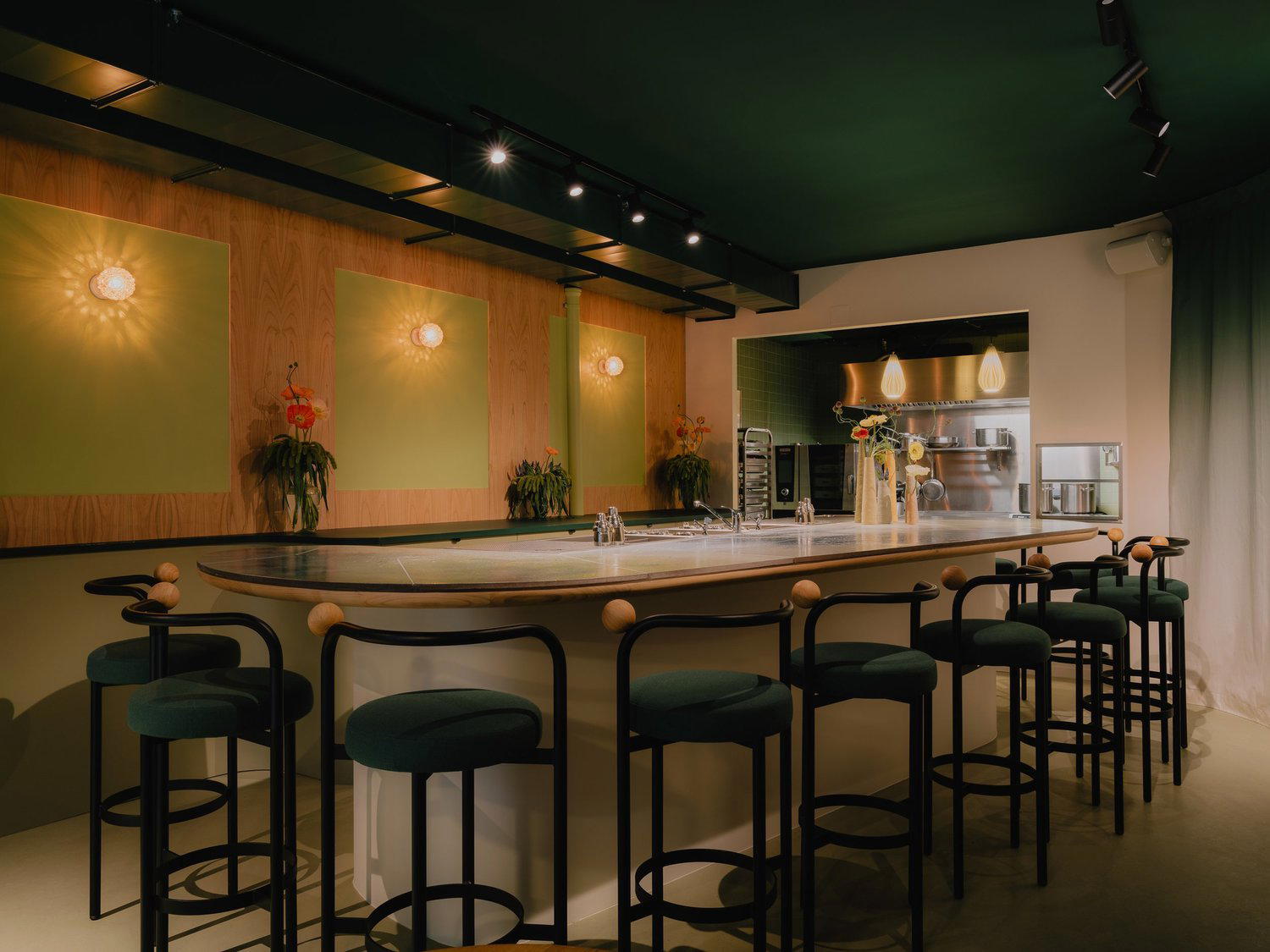
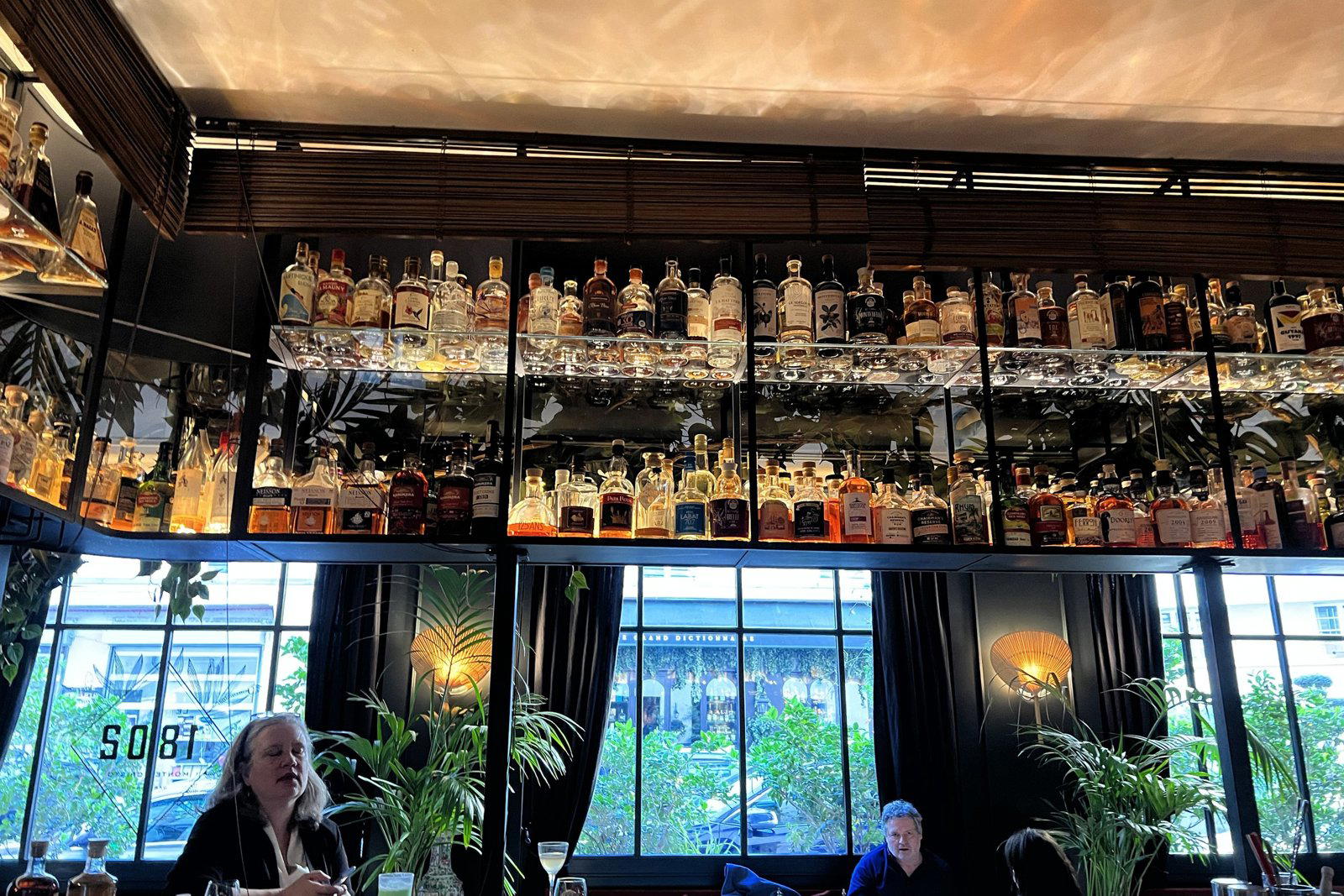
Restaurants in Paris
Browse all →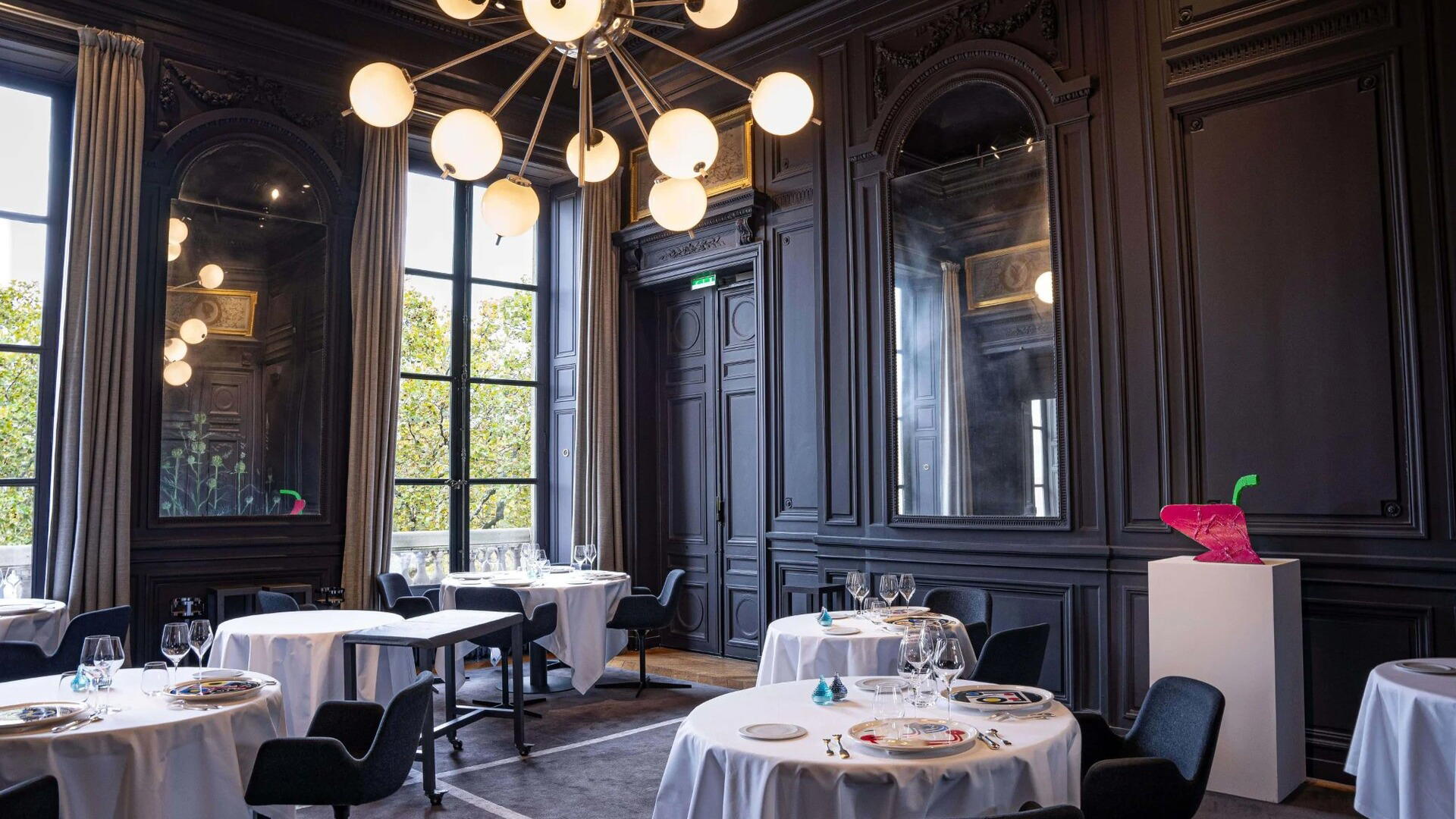
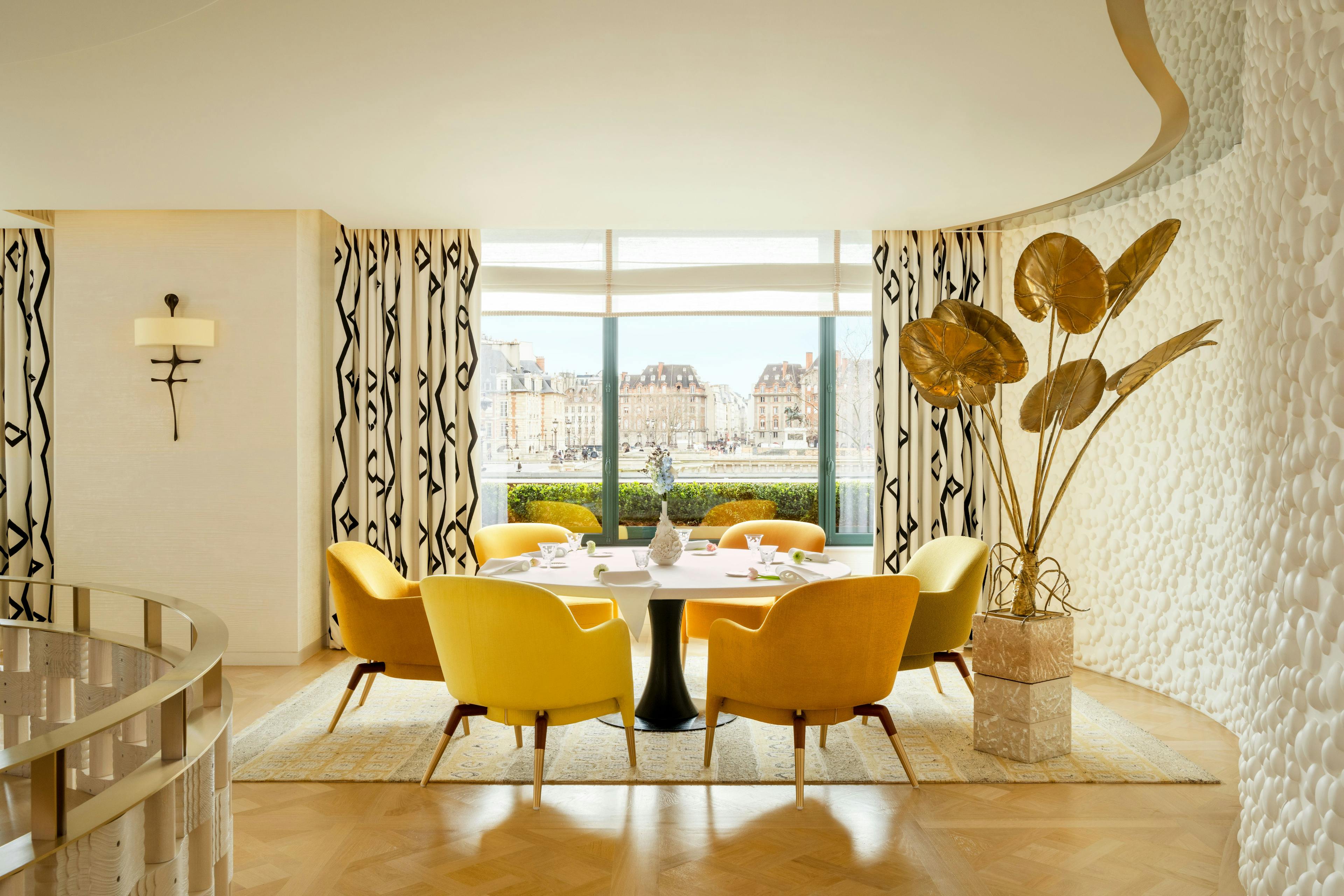
Hotels in Paris
Browse all →
Wineries in Paris
Browse all →
At a Glance
- Lively
- Cozy
- Trendy
- After Work
- Casual Hangout
- Historic Building
- Standing Room
- Communal Tables
- Outdoor Terrace
- Natural Wine
- Street Scene
Current opening hours
- Monday
- 12–11 PM
- Tuesday
- 12–11 PM
- Wednesday
- 12–11 PM
- Thursday
- 12–11 PM
- Friday
- 12–11 PM
- Saturday
- 12–11 PM
- Sunday
- 12–11 PM
Hours can change for holidays and private events. Last verified .