LaSalette Restaurant
On Sonoma's main square, LaSalette occupies a quieter tier in the town's dining scene, one that prioritizes the kind of deliberate, regionally rooted cooking that pairs naturally with the wine country surrounding it. The address at 452 1st St E places it within walking distance of the plaza's core, but the experience reads less like a tourist stop and more like a local institution finding its own pace.
 Discover on Pearl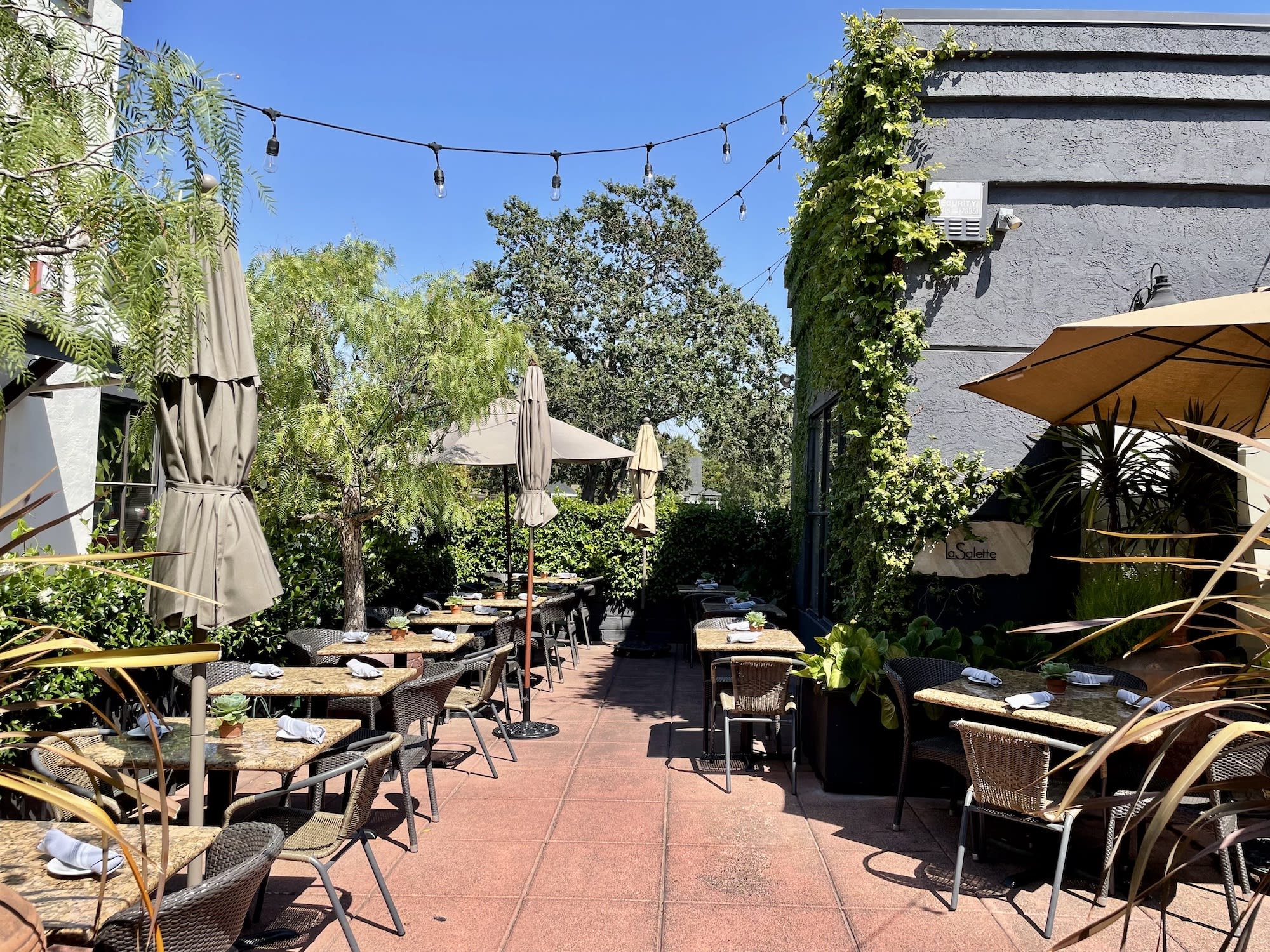
Where Sonoma's Wine Country Table Meets Its Own Rhythm
The Sonoma Plaza has a particular quality at dusk: the light settles differently here than it does in Napa, less polished, more agricultural in feeling. The buildings around the square carry their history lightly, and the restaurants that endure in this environment tend to do so not through spectacle but through consistency. LaSalette, at 452 1st St E, sits within that civic fabric, occupying a suite-level address that gives the room a sense of being slightly apart from the street-facing foot traffic without being removed from it. Approaching, you register the town's quieter register, the kind of place where the conversation at the next table is about vineyard decisions and harvest logistics rather than which influencer recommended the tasting menu.
Sonoma's dining scene has never chased the same degree of destination-restaurant gravity as Napa. The town's identity runs closer to the working end of wine country, and that shapes what the better restaurants here actually do. The pressure to perform for visiting collectors is lower, and the audience of working locals and regional regulars tends to reward staying power over novelty. LaSalette has built its reputation on exactly that kind of accumulated trust, operating at an address that positions it as a serious option without requiring the kind of reservation logistics that the valley's higher-profile rooms demand.
The shortlist, unlocked.
Hard-to-book tables, cellar releases, and concierge-planned trips.
Get Exclusive Access →Reading the Room: Sonoma's Cocktail and Beverage Culture
Wine country bars and restaurant beverage programs occupy a specific cultural position. The assumption in most of Napa and Sonoma is that wine carries the evening, and cocktail programs often reflect that hierarchy, functioning as opening acts rather than main events. The more interesting rooms have begun to push back against that default, treating the bar as a program in its own right rather than a concession to guests who don't drink wine.
Across the broader American cocktail scene, the movement away from theatrical flourishes and toward technique-led, produce-driven drinks has reached wine country with some delay, but it has arrived. Programs in cities like San Francisco have been running this playbook for years. ABV in San Francisco represents the kind of serious, citation-heavy approach to spirits that has gradually influenced how regional California venues think about their bar offerings. In wine country specifically, the interesting question is how a cocktail program earns its place alongside a serious wine list rather than simply deferring to it.
The regional cocktail bars that are doing this well nationally offer some reference points. Kumiko in Chicago has built its reputation around Japanese ingredient logic and restrained technique, demonstrating how a clearly articulated creative framework can sustain a bar program independently of its food menu. Jewel of the South in New Orleans works from historical cocktail scholarship, using research as the foundation of its creative identity. Julep in Houston has built a program around Southern spirits traditions that goes well beyond novelty. What each of these shares is a point of view that can be articulated in a sentence, a through-line that holds the menu together and gives regulars a reason to return rather than explore.
In Sonoma specifically, Valley represents a local comparison point, a room where the beverage program reflects a considered approach to the regional context. For visitors building an evening around both food and drink, understanding where a venue's beverage thinking sits is useful information.
The Wine Country Table Format
The broader category of wine-country restaurant operates under a set of unspoken rules that guests encounter without always identifying them. The wine list tends to anchor the beverage program, often featuring allocations that aren't accessible elsewhere. The food tends to follow seasonal produce logic, because the agricultural infrastructure of Sonoma County makes it genuinely easy to source well. The room tends to prioritize a certain kind of ease over edge.
What this means in practice is that restaurants in this environment succeed or fail on execution rather than concept. The concept is effectively given by geography, the wine, the produce, the agricultural setting. The differentiation happens at the level of craft. This also means that beverage programs willing to bring genuine technical thought to cocktails, rather than defaulting to wine by the glass as the only serious option, occupy a relatively open space.
For bars pushing the category nationally, the reference set is broad. Bar Leather Apron in Honolulu operates with a precision that draws from Japanese bar culture and has sustained serious recognition in a market similarly dominated by adjacent attractions. Superbueno in New York City demonstrates how a specific cultural and flavor framework can differentiate a program in a crowded urban market. Allegory in Washington, D.C. and Bar Kaiju in Miami each show how narrative and aesthetic coherence can hold a room's identity together across a full menu. Bitter & Twisted in Phoenix and The Parlour in Frankfurt on the Main extend that point internationally, illustrating how clearly articulated programs read across very different market contexts.
Planning Your Visit
LaSalette is located at 452 1st St E, Suite H, Sonoma, within easy walking distance of the plaza's central square. For visitors combining a meal here with broader exploration of the town's food and drink offerings, the address places it logically within a plaza-anchored evening. Sonoma's weekend foot traffic, particularly during harvest season in September and October, means the room fills with a mix of wine-country visitors and regulars, and planning ahead is sensible during those windows. For a fuller orientation to what the town offers across price points and formats, our full Sonoma restaurants guide maps the scene in more detail.
The shortlist, unlocked.
Hard-to-book tables, cellar releases, and concierge-planned trips.
Get Exclusive Access →Frequently Asked Questions
Fast Comparison
These are the closest comparables we have in our database for quick context.
Need a Table?
Our members enjoy priority alerts and concierge-led booking support for the world's most difficult bars and lounges.
Get Exclusive AccessThe shortlist, unlocked.
Hard-to-book tables, cellar releases, and concierge-planned trips.
Get Exclusive Access →