La Rosa Vermuteria & Colmado
A vermouth bar and colmado on Carrer de la Rosa in Palma's historic centre, La Rosa occupies the kind of role that neighbourhood drinking culture depends on: a place where aperitivo hour shades into the evening without announcement. The format combines poured vermouth with the provisions logic of a Spanish colmado, positioning it squarely inside Palma's growing appetite for deliberate, unhurried drinking.
 Discover on Pearl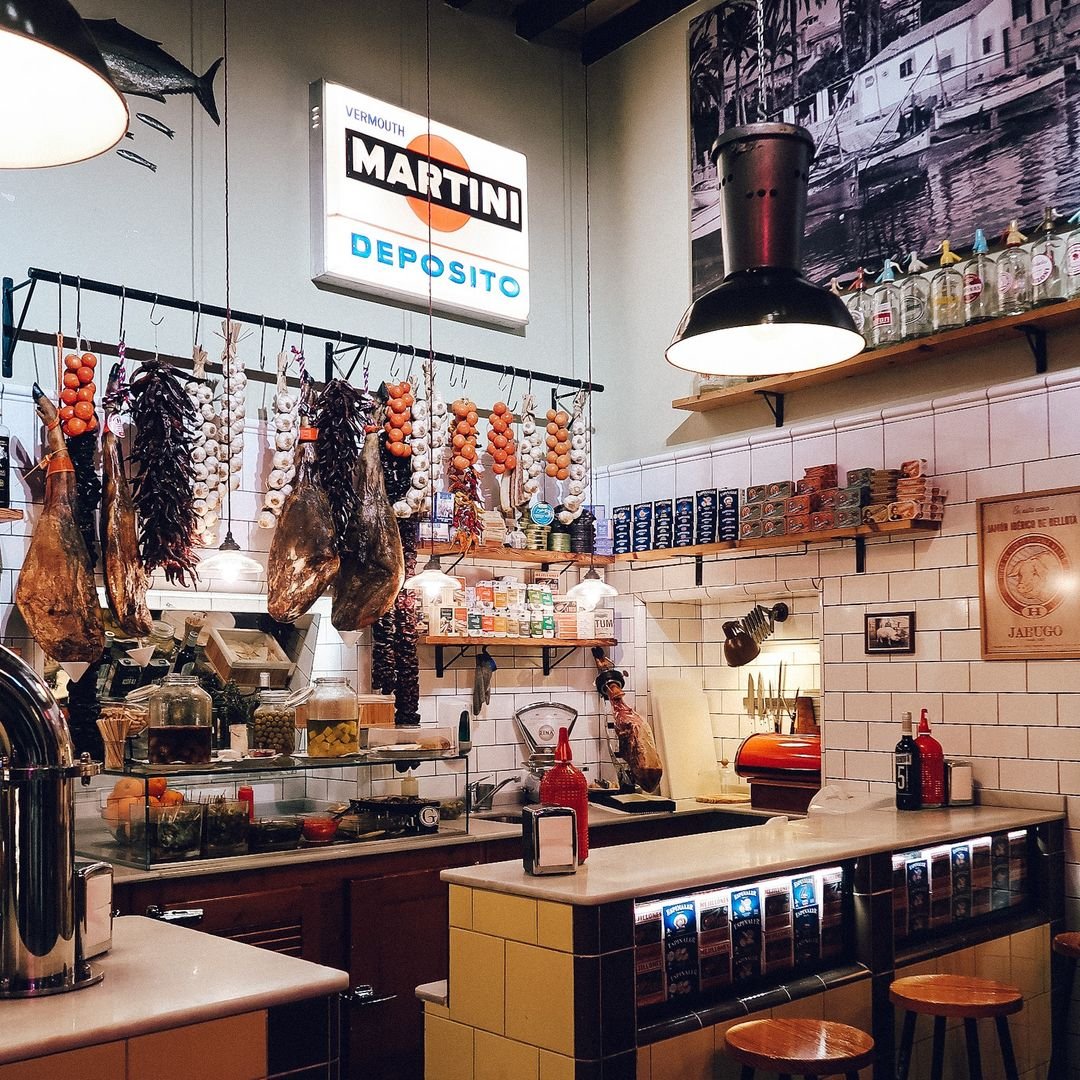
The Bar That Holds the Street Together
In Palma's older quarters, the streets narrow enough that a bar's interior spills into the neighbourhood's daily rhythm almost by default. Carrer de la Rosa sits in that zone, a few minutes from the cathedral's shadow and the tourist pressure of the waterfront, but operating at a different tempo. La Rosa Vermuteria & Colmado occupies a position on this street that the Spanish drinking tradition has always valued: the corner-adjacent spot where the distinction between a quick stop and a proper afternoon disappears somewhere around the second glass.
The vermuteria format is not a recent invention in Spain. Barcelona's vermouth culture dates to the nineteenth century, and the ritual of la hora del vermut — the pre-lunch aperitivo window, typically between noon and two — has survived decades of cocktail bar proliferation precisely because it answers a different need. It is social infrastructure as much as hospitality. La Rosa inherits that function in Palma's historic centre, where the colmado element adds a layer of neighbourhood utility: provisions alongside pours, shelves that suggest a place woven into daily life rather than positioned for evening-only tourism.
Vermouth as a Category, Not a Single Drink
Spain's vermouth revival has produced serious range differentiation over the past decade. Where once the choice was essentially red or white, the current conversation includes rancio-style aged expressions from Catalonia, lighter Galician styles, and the herbaceous Valencian producers who have found new audiences through bars exactly like this one. A vermuteria that takes its format seriously stocks across that range, using the colmado logic to treat provisions and pours with the same curatorial attention.
Palma sits at a geographic and cultural crossroads that makes vermouth particularly legible here. The island's food culture draws on Catalan tradition, mainland Spanish influences, and a Mediterranean ingredient logic that makes the bitter-herbal register of good vermouth a natural fit with the anchovy, olive, and cured meat provisions typical of a colmado counter. The two halves of La Rosa's format reinforce each other: the things on the shelf are the things in the glass's natural company.
For comparative context, Angelita in Madrid has demonstrated how a vermouth-anchored program can hold a neighbourhood identity across years, while Boadas in Barcelona represents the older tradition that vermut bars in Spanish cities are still either responding to or diverging from. La Rosa's colmado dimension places it closer to a provision-and-pour hybrid than a strict bar format, which is its own argument for a particular kind of afternoon.
The Neighbourhood Watering Hole as a Category
Within Palma's drinking scene, there is a working taxonomy of bar types. The wine-focused rooms along the old town's quieter streets, places like CAV. vins and Burgundi, draw a crowd that arrives with intention, often with a specific producer or region in mind. Cocktail bars like Bar La Sang operate later and with a different energy. The vermuteria occupies a third position: earlier, more habitual, more likely to have regulars who arrive without checking what's new on the menu.
That habitual quality is worth taking seriously. In a city that receives significant tourist volume through spring and summer, the bars that maintain a local regular base through high season are doing something structurally different from the places that pivot to visitor traffic. The colmado component at La Rosa functions partly as a retention mechanism for that local base: people who come for provisions and stay for a glass, or come for a glass and leave with something for dinner.
This dynamic plays out across Spanish cities in different registers. Moonlight Experimental Bar in Zaragoza represents the more technically ambitious end of Spanish bar culture, while island equivalents like Echezo in Ibiza operate in a tourism-heavy context that complicates the neighbourhood-anchor function. La Rosa's address in Palma's historic centre puts it closer to the Ibiza challenge, but the vermuteria-colmado format is a stronger claim on local identity than a cocktail bar format would be.
Palma's Drinking Scene in Context
Palma has developed a more considered bar culture over the past several years, with the old town in particular accumulating a concentration of places worth the detour. Chapeau Palma represents one corner of that scene, and the full picture is covered in our full Palma De Mallorca restaurants guide. Within that scene, the vermuteria format is still underrepresented relative to what the city's appetite for unhurried afternoon drinking would support. La Rosa addresses that gap without overcomplicating it.
For readers building a longer itinerary across the region's bar culture, the comparison set is worth mapping. HiBoU Sitges Restaurant i Bar de Vins in Sitges and Le Bar de Vins in Valencia represent the Spanish Mediterranean bar-with-provisions tradition at different points along the coast. The format rewards comparison: the ingredients, the pacing, the relationship between what's on the shelf and what's in the glass all vary by city and by operator. Bar Leather Apron in Honolulu offers a useful international counterpoint, showing how the provisions-and-drinks hybrid reads when exported well beyond its original geography.
Planning a Visit
La Rosa sits on Carrer de la Rosa, 5, in Palma's Centre district, within walking distance of the old town's main axes. The vermuteria format means the natural visit window is the pre-lunch aperitivo hour or the early evening, before the city's dinner service begins in earnest. Palma's old town is compact enough to combine La Rosa with other stops on foot: CAV. vins and Burgundi are both reachable within a short walk, and the neighbourhood's bar density rewards an afternoon of deliberate exploration rather than a single destination visit. For current hours and booking information, check directly with the venue, as seasonal changes in a tourist-heavy city like Palma can shift operating patterns. No dress code or reservation requirement is associated with the vermuteria format; the point is arrival, not preparation.
Frequently Asked Questions
- What should I drink at La Rosa Vermuteria & Colmado?
- The house format is vermouth, and that is where the visit should begin. Spain's vermouth category now spans aged Catalan expressions, lighter Galician styles, and herbaceous Valencian producers, so the question is less whether to order vermouth and more which style suits the occasion. The colmado provisions , typically anchovy, olive, and cured items , are the natural accompaniment, so treat the food and drink as a paired decision rather than separate choices.
- What's La Rosa Vermuteria & Colmado leading at?
- The format's strength is the combination of the vermuteria ritual and the colmado logic, which together produce a more grounded, provision-anchored experience than a direct bar. In a Palma old-town scene that skews toward wine rooms and cocktail bars, the vermuteria positioning is a clear differentiator. The price point of a vermouth and a small snack is typically accessible within the mid-range of Palma's bar economy, making it a lower-commitment entry point into the neighbourhood's drinking culture than a full wine-focused session.
- How hard is it to get in to La Rosa Vermuteria & Colmado?
- The vermuteria format is not a reservation-dependent format; walk-in is the expected mode of arrival. In Palma's high season (July and August), popular old-town bars can fill quickly during peak aperitivo hours, so arriving slightly before the noon-to-two window or in the early evening gives the leading chance of a comfortable visit. No phone or website information is currently available through EP Club's records, so the most reliable approach is to turn up or ask at the address directly.
- Is La Rosa Vermuteria & Colmado a good option for a solo visit or is it better suited to groups?
- The vermuteria-colmado format works across both, but solo visitors often find it particularly well-suited: a counter stool, a glass of vermouth, and provisions to pick at is a classic Spanish solo bar experience that requires no social coordination. The colmado element also gives solo visitors something to browse and buy, which extends a short visit naturally. Groups can work through a broader range of the provisions shelf, which makes the format scale up without awkwardness.
Awards and Standing
A quick look at comparable venues, using the data we have on file.
| Venue | Awards | Cuisine | Notes |
|---|---|---|---|
| La Rosa Vermuteria & Colmado | This venue | ||
| Burgundi | |||
| Bar La Sang | |||
| The Wine Side | |||
| Mercat Negre | |||
| CAV. vins |
Need a Table?
Our members enjoy priority alerts and concierge-led booking support for the world's most difficult bars and lounges.
Get Exclusive Access