La Perla Pixan Cuisine & La Carboneria
On a stretch of Calle 38 Norte between Quinta Avenida and the beach, La Perla Pixan Cuisine & La Carboneria sits at the intersection of pre-Hispanic culinary tradition and contemporary Mexican bar culture. The dual-concept format positions it differently from the strip's straightforward beach bars, drawing on Yucatecan and broader Mesoamerican ingredients alongside a drinks programme that takes regional spirits seriously.
 Discover on Pearl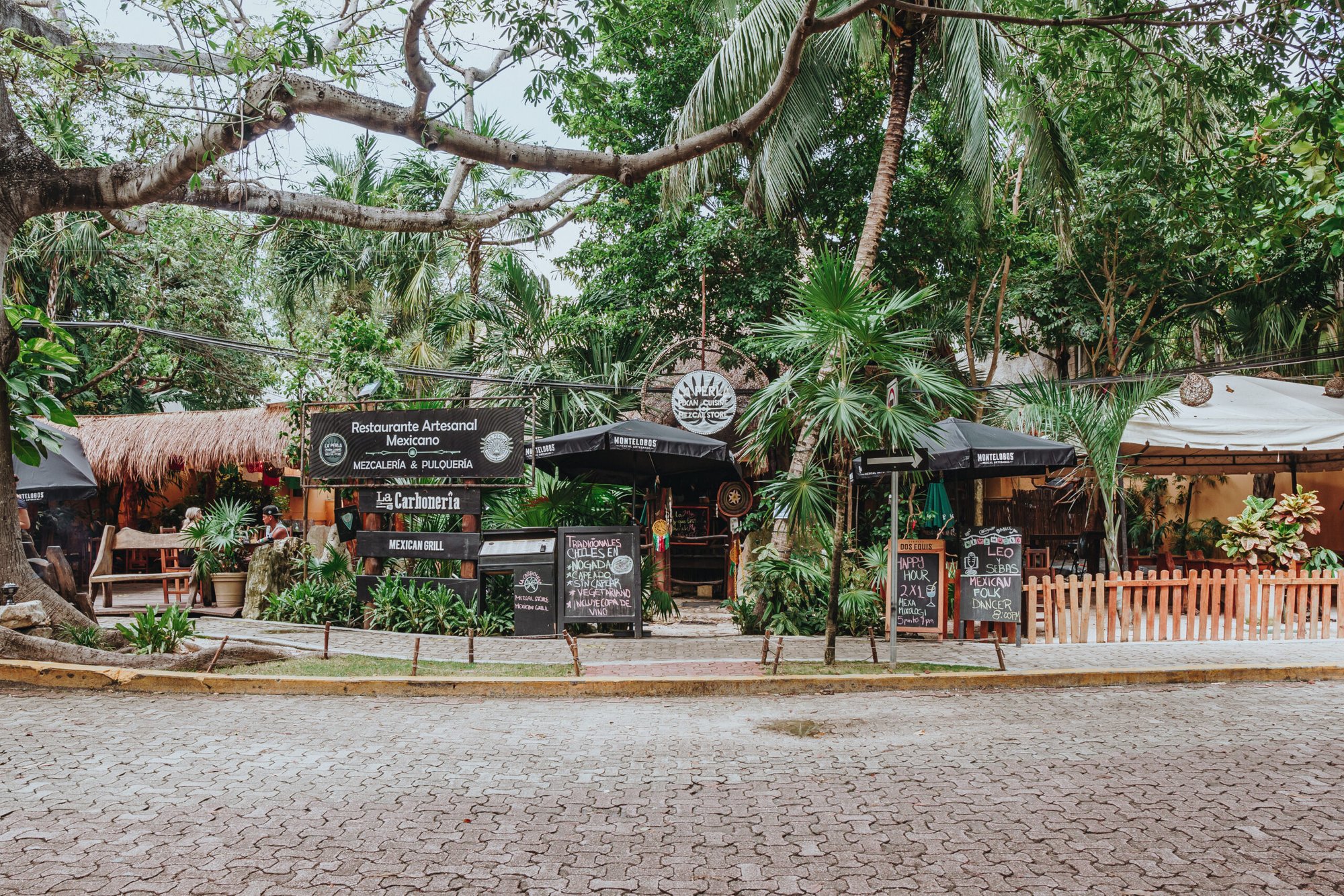
Where Calle 38 Norte Meets the Beach: Setting the Scene
Playa del Carmen's northern residential grid, around the Gonzalo Guerrero neighbourhood, operates at a different register from the commercial density of Quinta Avenida's central blocks. By the time you reach Calle 38 Norte, the tourist current has thinned enough that the street feels like a transitional zone: still walkable from the beach, still within range of the Fifth Avenue corridor, but with enough residential texture to attract the kind of operation that isn't simply serving foot traffic. La Perla Pixan Cuisine & La Carboneria occupies this in-between geography deliberately, positioned between the avenue and the shoreline on a block where the humidity and the palm canopy do most of the atmospheric work before you've stepped inside.
The dual naming is an immediate signal of what to expect structurally. Pixan references the Mayan concept of the soul or spiritual essence, anchoring the cuisine side in pre-Hispanic and indigenous Mexican culinary tradition. La Carboneria suggests fire and live-coal cooking, a technique that has moved from regional Mexican tradition into the wider Latin American fine-casual vocabulary over the past decade. Together, the two names describe an operation where the kitchen and bar are framed as distinct but complementary programmes rather than one subordinate to the other.
The shortlist, unlocked.
Hard-to-book tables, cellar releases, and concierge-planned trips.
Get Exclusive Access →The Bar Programme: Regional Spirits in a Beach-Town Context
Mexican cocktail culture has undergone a genuine shift in the past ten years, moving from resorts and tequila-blaster formats toward programmes that treat mezcal, sotol, raicilla, and regional rum as primary ingredients with their own terroir logic. Playa del Carmen has been slower to absorb this than Mexico City or Oaxaca, where venues like Baltra Bar in Mexico City have established a benchmark for technique-led, spirits-forward cocktail thinking. La Perla's La Carboneria component represents the Riviera Maya's attempt at that same seriousness, bringing a drinks identity that aligns more with the mezcal-forward programme at Bekeb in San Miguel de Allende or the agave-rooted bar work at El Gallo Altanero in Guadalajara than with the frozen-drink culture that still defines much of the Cancun corridor.
The carboneria framing also implies a specific sensory architecture: smoke, char, and heat as design elements rather than incidental byproducts. In a coastal setting where most bars default to citrus-forward, salt-rimmed formats, a programme that incorporates smoke signals a deliberate positioning choice. This is not an accident of geography but a statement about which drinking tradition the bar wants to sit inside. For comparison, the broader Yucatan Peninsula's most talked-about drinks programmes, including those at Arca in Tulum, have leaned into fermentation and botanical sourcing as differentiators. La Carboneria's emphasis on fire and coal adds a different technical vocabulary to that regional conversation.
Within Playa del Carmen's immediate bar scene, the reference point that most directly parallels this ambition is Zapote Bar, which has built a profile around indigenous Mexican ingredients and the mezcal-led cocktail format. The two operations share an interest in pre-Hispanic flavour references without occupying identical niches: Zapote is more explicitly cocktail-forward, while La Perla integrates the bar identity into a dual food-and-drink concept where neither side is clearly primary.
Pixan Cuisine: Pre-Hispanic Tradition as a Culinary Framework
Pre-Hispanic Mexican cooking has become a serious editorial category in its own right, with venues from Oaxaca to the Yucatan repositioning recado pastes, achiote marinades, chaya leaves, and pit-cooked proteins as fine-dining reference points rather than folkloric backdrop. The Pixan framing at La Perla places the food inside that tradition consciously, drawing on Mayan agricultural and ceremonial food culture as an organizing principle rather than a decorative detail.
This places the venue in a different competitive conversation from the majority of Playa del Carmen's restaurant stock, which skews heavily toward international cuisine and tourist-facing Mexican formats. The more useful peer comparison is restaurants in the broader Yucatan region that have made indigenous sourcing and pre-Hispanic technique the editorial centre of their menus, rather than using it as garnish. On the Fifth Avenue corridor itself, Axiote Cocina de México represents a parallel attempt to anchor a restaurant identity in regional Mexican tradition. The two venues operate at different price points and with different format logics, but they share an interest in moving the conversation past Tex-Mex and tourist-facing Mexican-international fusion.
Elsewhere on Quinta Avenida, the spectrum runs from the casual Southeast Asian comfort of Babe's Noodles & Bar to the specialty coffee and cacao focus at Ah Cacao Chocolate Café, demonstrating how varied the street's identity has become. La Perla sits apart from both ends of that spectrum by insisting on a specifically Mexican and specifically indigenous culinary argument.
Getting There and Planning Your Visit
The Calle 38 Norte address puts La Perla within walking distance of Playa del Carmen's main hotel zones and a short taxi or colectivo ride from the Gonzalo Guerrero neighbourhood's quieter residential streets. The location between Quinta Avenida and the beach is logistically convenient for visitors staying anywhere in the central or northern hotel strip, and the venue fits naturally into an evening that starts with a walk along the beach before moving inland for dinner and drinks. Because no booking details, hours, or phone contact are published through current channels, confirming reservations or hours directly through the venue's local presence is the practical approach before visiting, particularly during the high-season months of December through March when Playa del Carmen's restaurant capacity runs tightest. For a fuller read on where this venue sits within the town's wider eating and drinking options, the full Playa del Carmen restaurants guide maps the scene by neighbourhood and format.
For travellers moving along the Riviera Maya, the bar and cocktail spectrum is worth mapping before you arrive. The distance between Playa del Carmen's more serious cocktail operations and the high-volume entertainment model at a venue like Coco Bongo in Cancun illustrates how wide the regional range has become. Pacific-coast comparisons, such as Aruba Day Drink in Tijuana, show a different but equally serious regional bar culture developing on Mexico's other coast. And for travellers who will extend their trip to Hawaii, Bar Leather Apron in Honolulu offers a useful international reference point for what a technically serious, spirits-led programme can look like in a resort-adjacent setting.
Frequently Asked Questions
- What's the leading thing to order at La Perla Pixan Cuisine & La Carboneria?
- The dual-concept structure suggests that the drinks programme and the food menu are designed to be read together rather than independently. The Pixan cuisine side draws on pre-Hispanic Mayan ingredient traditions, so dishes rooted in recado pastes, achiote, and regional Yucatecan technique represent the most direct expression of the kitchen's identity. On the bar side, the carboneria framing points toward smoke-inflected cocktails built around Mexican spirits as the most distinctive offering relative to Playa del Carmen's wider bar scene.
- What's the standout thing about La Perla Pixan Cuisine & La Carboneria?
- In a Playa del Carmen market where the majority of restaurant and bar operations default to tourist-facing international formats, the dual identity here is genuinely differentiated. The Pixan cuisine concept anchors the food in Mayan culinary heritage while La Carboneria brings a fire-and-smoke drinks logic that has few direct equivalents on the Riviera Maya coast. The combination puts it in a peer set that looks more toward Tulum's ingredient-serious operations or Mexico City's technique-led bar culture than toward the resort-strip mainstream.
- Should I book La Perla Pixan Cuisine & La Carboneria in advance?
- No phone number or online booking channel is currently listed through public sources, which makes direct contact via the venue's local presence the most reliable approach. During Playa del Carmen's high season, roughly December through March, walk-in availability at more distinctive operations tends to tighten, so arriving early in the evening or confirming capacity in advance is the sensible approach regardless of the booking format available.
- How does La Perla Pixan Cuisine & La Carboneria fit into the Yucatan Peninsula's broader pre-Hispanic food revival?
- The Pixan naming places the venue inside a distinct culinary movement that has gained editorial traction across southern Mexico over the past decade, with chefs and restaurateurs drawing on Mayan agricultural traditions, native ingredients, and ceremonial cooking techniques as primary frameworks rather than decorative references. On the Riviera Maya specifically, this approach is less common than in Oaxaca or Mexico City, which makes a venue operating explicitly within that tradition a notable data point for travellers tracking where serious Mexican regional cooking is developing. The combination with a carboneria-style bar programme adds a fire-technique dimension that connects the food and drinks identities under a shared culinary logic.
Comparable Spots, Quickly
These are the closest comparables we have in our database for quick context.
| Venue | Cuisine | Price | Awards | Notes |
|---|---|---|---|---|
| La Perla Pixan Cuisine & La Carboneria | This venue | |||
| Zapote Bar | World's 50 Best | |||
| Fusion | ||||
| Axiote Cocina de México | ||||
| Ah Cacao Chocolate Café | ||||
| Babe's Noodles & Bar |
Need a Table?
Our members enjoy priority alerts and concierge-led booking support for the world's most difficult bars and lounges.
Get Exclusive AccessThe shortlist, unlocked.
Hard-to-book tables, cellar releases, and concierge-planned trips.
Get Exclusive Access →