
Star Wine List
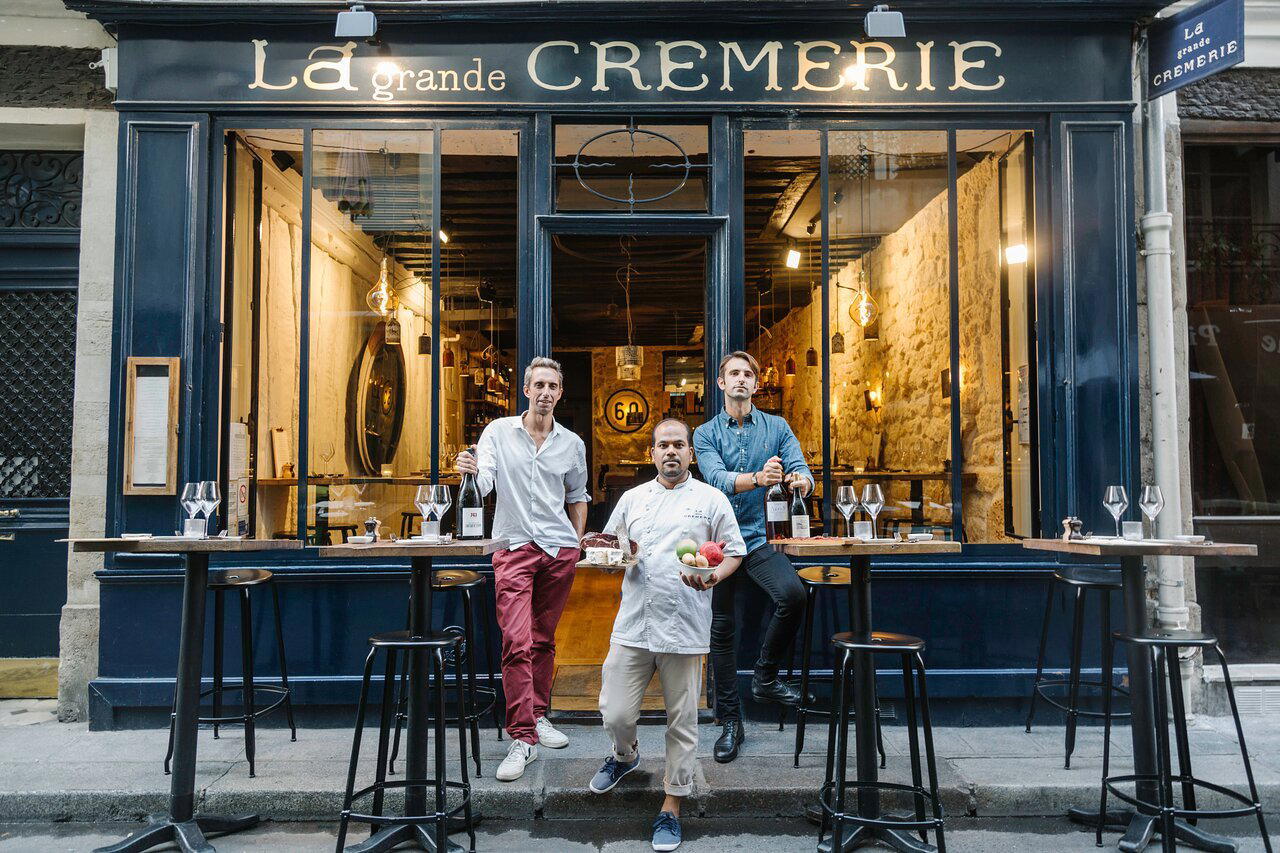
On a narrow Saint-Germain side street, La Grande Crèmerie operates as a cave gourmande with a tightly list of exclusively French natural wines. The convivial format puts the bottle at the centre of the experience, with charcuterie and cheese built to serve the wine rather than compete with it. For Paris's natural wine circuit, this address on Rue Grégoire de Tours sits close to the source.

Pearl is the En Primeur Club membership app, where members save venues, book tables and use the concierge.
Where Saint-Germain's Natural Wine Circuit Converges
Rue Grégoire de Tours is a short, dense street in the 6th arrondissement that connects Boulevard Saint-Germain to the market side of the neighbourhood. On a weekday evening, the foot traffic is a specific kind: locals who know which block to turn down, not tourists tracking a guidebook. La Grande Crèmerie occupies that social geography precisely. It operates as a cave gourmande, a format that sits somewhere between a wine shop and a bar à vins, where the bottle is the primary argument and the food is assembled to support it.
The natural wine movement in Paris has followed a well-documented arc over the past two decades. What began as a counter-cultural niche in the early 2000s, championed by a handful of bistrots and négociants on the city's periphery, has since settled into a confident middle phase. There are now enough serious natural wine addresses in Paris to form a distinct circuit, with the 6th, 11th, and parts of the 10th arrondissements holding the densest clusters. La Grande Crèmerie fits the 6th cluster: intellectually serious about provenance, convivial in format, and deliberately French in scope.
The Cave Gourmande Format and What It Demands of Its Producers
The cave gourmande model has particular implications for sourcing. Unlike a restaurant wine list that ranges across regions and appellations to pair with a chef's menu, the cave gourmande inverts the logic: the wine selection is the menu, and everything else is structured around it. At La Grande Crèmerie, the list is exclusively French natural wines. That constraint is both an editorial stance and a sourcing discipline. French natural wine, particularly at the serious end of the cave gourmande tier, means working with domaines that farm biodynamically or organically, vinify with minimal intervention, and often produce in quantities too small for conventional distribution.
This matters because the bottles that appear on a shelf or a chalk board in a venue like this are rarely available through standard wholesale channels. They arrive through direct domaine relationships, through négociants who specialise in the natural segment, or through producers who allocate to trusted venues first. For the drinker, the implication is that the selection reflects genuine curation rather than convenience. The producers represented are there because someone made a specific decision to include them, which is a meaningfully different proposition from a generalist wine bar stocking natural options alongside a conventional list.
France's natural wine geography is concentrated but regionally diverse. The Loire Valley, particularly Muscadet, Anjou, and Touraine, produces a disproportionate share of the country's most-discussed natural whites. The Beaujolais crus, especially in the hands of Gamay specialists who reject chaptalisation and extended carbonic maceration, anchor much of the natural red conversation. Jura has its own logic, with oxidative whites and Poulsard bottlings that require a specific palate and context to appreciate. A French-only natural list that takes all of these regions seriously is a genuinely demanding curation project.
Reading the Room: Atmosphere and Format
The cave gourmande atmosphere at venues of this type is distinct from both the formal wine bar and the casual bistrot. The room tends toward the compact side, with bottles visible as part of the décor rather than hidden in a cellar. The social register is warm and informal; the expertise is present but not performed. Staff in well-regarded Paris caves gourmandes typically drink and discuss wine rather than present it, which changes the interaction with the customer meaningfully.
La Grande Crèmerie has a documented reputation for conviviality. The phrase used in its own description, plein de bonne humeur, is a specific cultural signal in Paris: it means the room has energy that comes from the people in it, not from design intervention. In a neighbourhood that mixes academics, publishers, and the kind of local who has lived in Saint-Germain long enough to treat it as a village, that register matters. The food component, as is standard in the cave gourmande format, runs toward cheese, charcuterie, and small plates built to extend a bottle rather than anchor a full dinner.
Paris's bar and wine venue scene has diversified considerably, and it is worth placing La Grande Crèmerie in relation to other addresses across the city's drinking circuit. For cocktail-focused venues, the conversation centres on places like Candelaria, Danico, and Bar Nouveau, all of which operate on a different axis entirely, prioritising technical mixed drinks over the bottle-and-plate format. Buddha Bar represents the large-format, high-production end of Paris drinking culture. La Grande Crèmerie sits at the opposite end of that scale: small, sourcing-led, and built around a single category of product.
Across France more broadly, the cave gourmande and natural wine bar format appears in other cities with enough drinking culture to support it. La Maison M. in Lyon and Coté Vin in Toulouse operate in comparable registers, as does Bar Casa Bordeaux in Bordeaux, each adapting the format to its regional wine identity. Further afield, Papa Doble in Montpellier, Au Brasseur in Strasbourg, and Le Café de la Fontaine in La Turbie each represent distinct French regional drinking formats worth understanding in comparison. For international reference, Bar Leather Apron in Honolulu demonstrates how the serious small-format bar model translates across very different markets.
| Venue | Format | Focus | Arrondissement / Area |
|---|---|---|---|
| La Grande Crèmerie | Cave gourmande | French natural wine | 6th |
| Candelaria | Cocktail bar | Mezcal and spirits | 3rd/4th |
| Danico | Hotel cocktail bar | Classic and contemporary | 1st |
| Bar Nouveau | Bar à vins / cocktail | Mixed | Paris |
| Buddha Bar | Large-format lounge bar | Spirits, cocktails | 8th |
Planning a Visit
La Grande Crèmerie is located at 8 Rue Grégoire de Tours in the 6th arrondissement, a short walk from the Odéon metro station (lines 4 and 10). The cave gourmande format suits early evening drinking, typically from around 17h when the first bottles of the night open and the room begins to fill. This is not a reservation-driven format; arrival timing matters more than advance booking. For broader context on Paris's drinking and dining scene across arrondissements and price points, see our full Paris restaurants guide.
In Context: Similar Options
Comparable venues nearby, for context on price, style, and recognition.
| Venue | Cuisine | Price | Awards | Notes |
|---|---|---|---|---|
| La Grande crèmerieThis venue (the venue you are viewing) | wine_bar | $50–100 | Star Wine List | Not listed |
| Lulu White Drinking Club | speakeasy | $20–30 | Not listed | Pigalle |
| Terrass'' Rooftop Bar | rooftop_bar | Not listed | Not listed | Montmartre |
| Le Perchoir | rooftop_bar | $20–30 | Not listed | Ménilmontant |
| Le Fumoir | cocktail_bar | $30–50 | Not listed | 1er arrondissement |
Recognition history
Dated appearances from independent guides and award organizations, with the underlying list record or original source where available.
Star Wine List
Star Wine List
Continue exploring
More in Paris
Bars in Paris
All bars in Paris →
Restaurants in Paris
All restaurants in Paris →

Details
- Cozy
- Elegant
- Intimate
- Trendy
- Date Night
- Casual Hangout
- Group Outing
- Standalone
- Seated Bar
- Lounge Seating
- Natural Wine
Current opening hours
- Monday
- 5:30 PM–12 AM
- Tuesday
- 5:30 PM–12 AM
- Wednesday
- 5:30 PM–12 AM
- Thursday
- 5:30 PM–12 AM
- Friday
- 5 PM–12 AM
- Saturday
- 5 PM–12 AM
- Sunday
- 5 PM–12 AM
Hours can change for holidays and private events. Last verified .
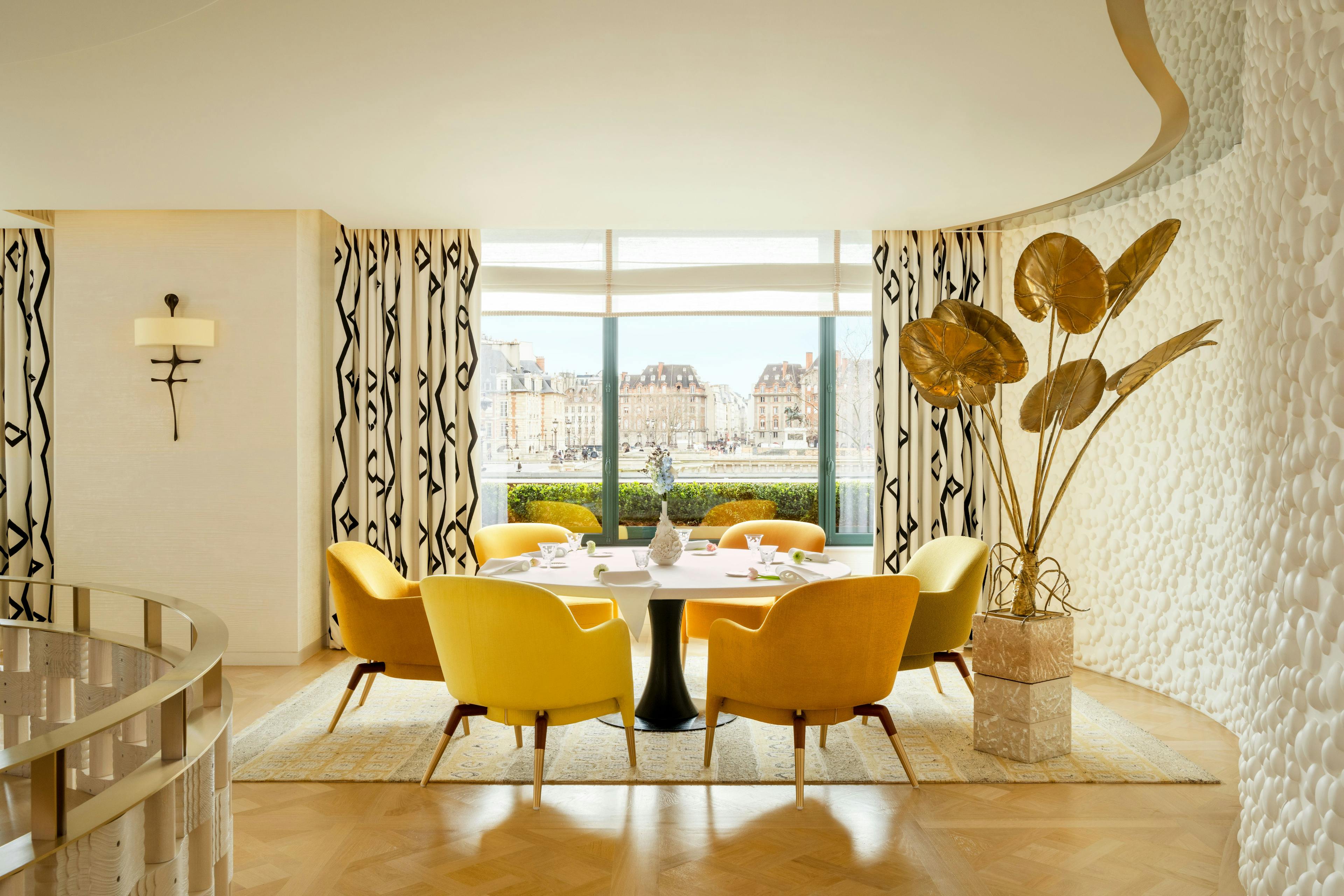
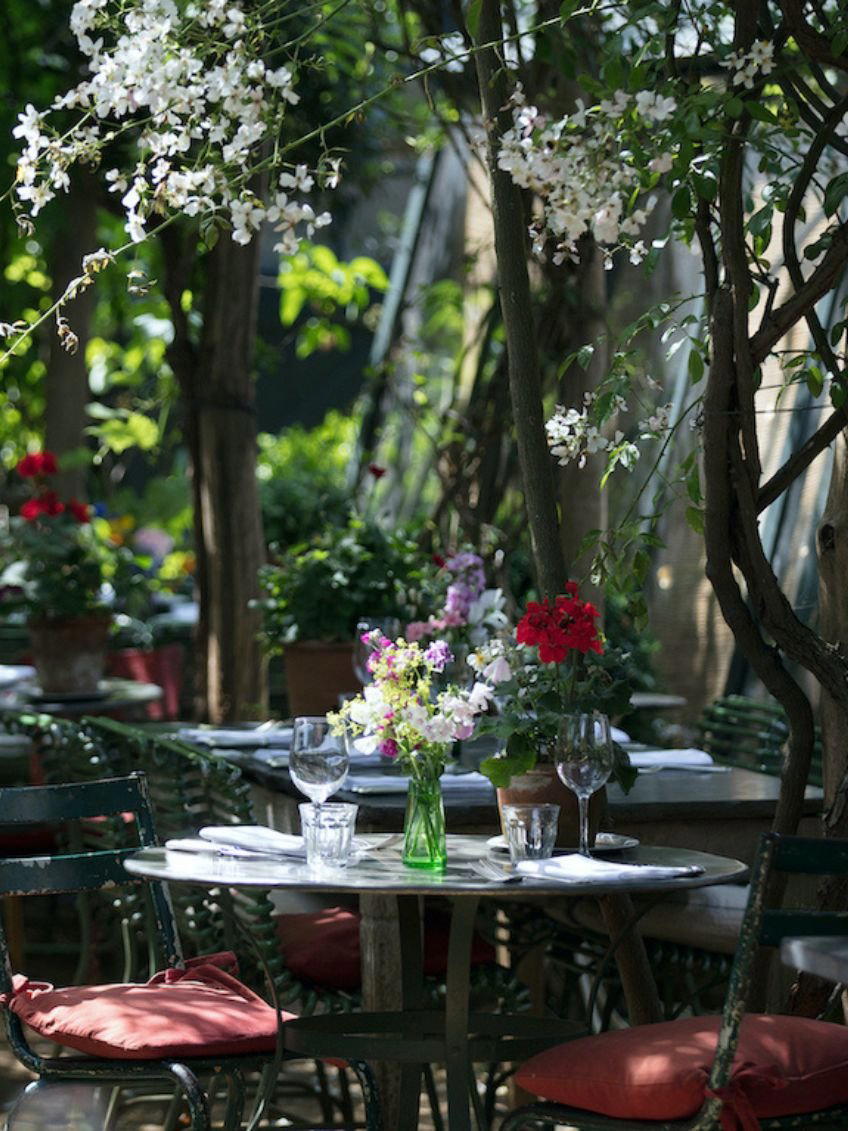
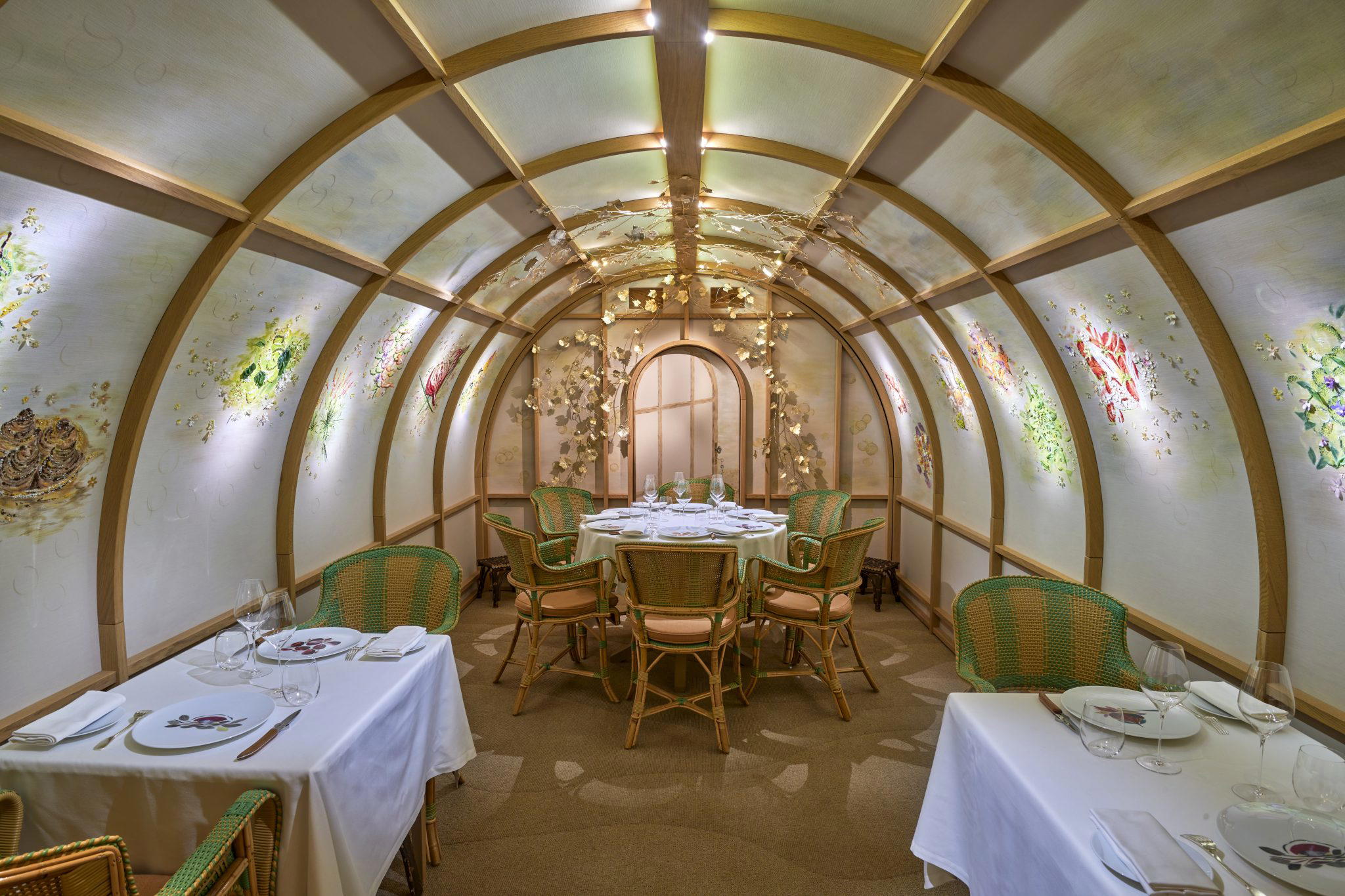
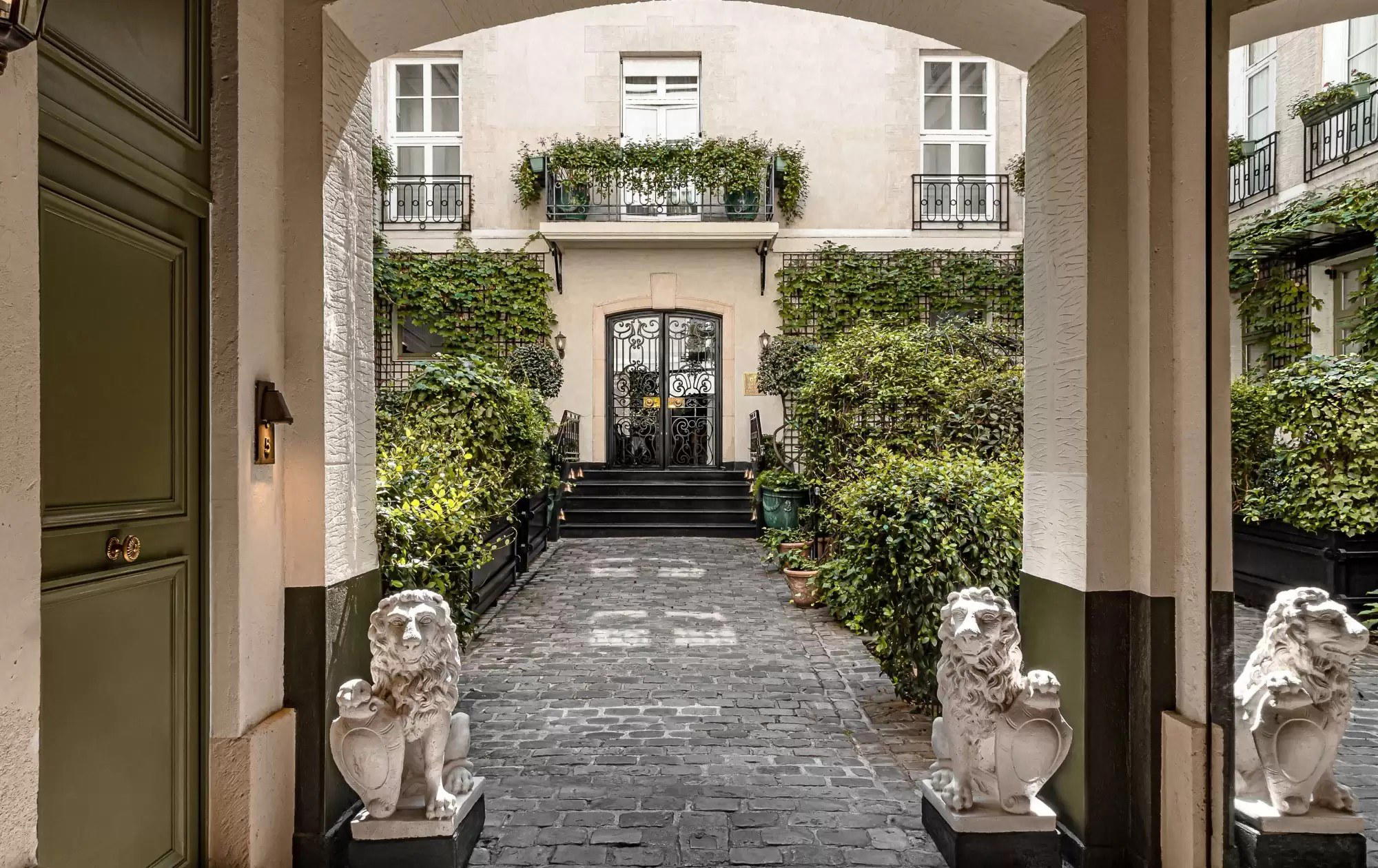
Warm and cozy with charming, modern décor, beautiful interior, and a welcoming atmosphere ideal for intimate gatherings.