Kuma Sushi
Kuma Sushi occupies a Lakeside Drive address in south Reno, positioning it within a corridor of independent dining that sits apart from the downtown casino strip. The restaurant draws from a sushi format that has gained real traction in mid-sized Nevada cities over the past decade, offering a quieter, neighborhood-scaled alternative to the larger Japanese concepts clustered nearer the resort properties.
Pearl is the En Primeur Club membership app — saves, bookings, and concierge access live there. Same editors, same standards.
- Address
- 6135 Lakeside Dr, Reno, NV 89511
- Phone
- +1 775 622 4176
- Directions
- Get directions
 Saves & bookings on Pearl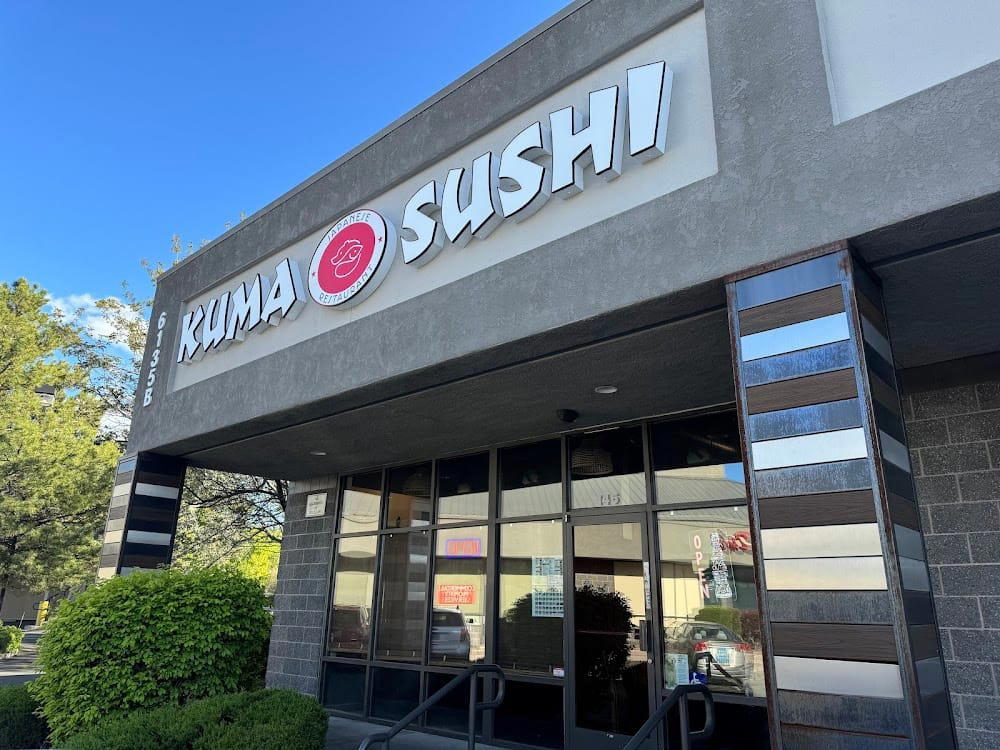
The Quiet Room at the Edge of the City
South Reno's dining corridor along Lakeside Drive occupies a different register than the neon-lit blocks near the casinos. The buildings are lower, the parking lots wider, and the restaurants that have taken root here tend to serve neighborhoods rather than hotel guests. Kuma Sushi at 6135 Lakeside Drive sits inside that geography, in a part of the city where the Sierra Nevada foothills press close enough to the horizon that the light changes noticeably at dusk. That physical context matters for a sushi operation: the clientele arriving here is not passing through.
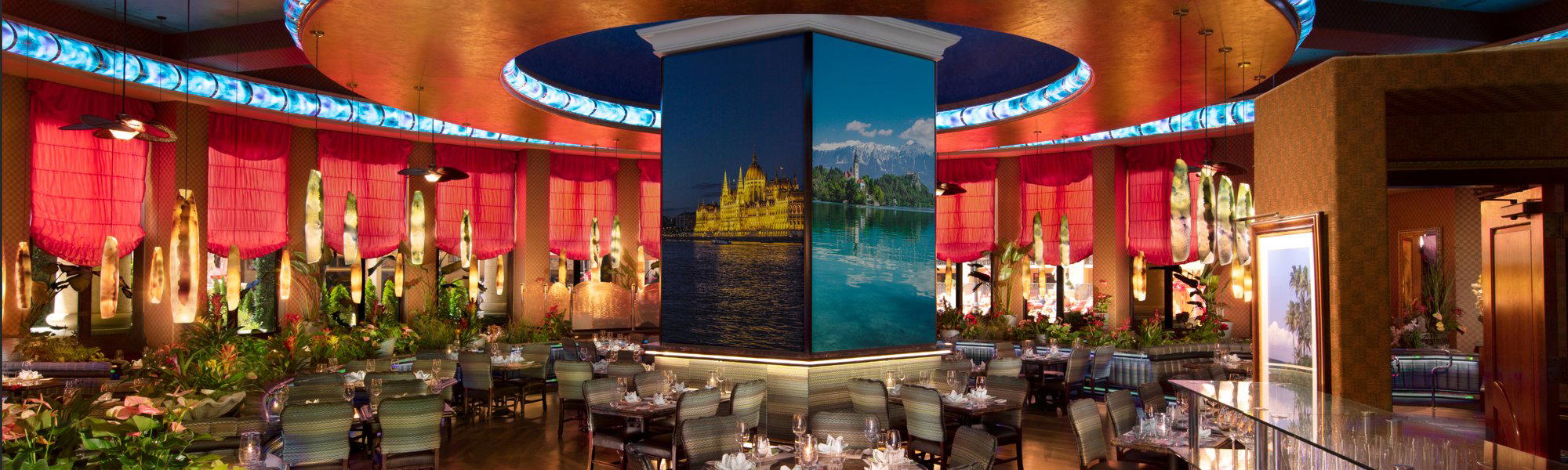
The atmospheric proposition of a neighborhood sushi house in this part of Reno is distinct from what the downtown Japanese concepts offer. Where larger venues near the resort properties lean into high-throughput formats and broad menus engineered for tourist traffic, a Lakeside Drive address implies a different contract with the guest. The room is likely to be smaller, the service more consistent across visits, and the relationship between kitchen and regular more developed over time. These are the structural conditions that allow a sushi restaurant in a mid-sized American city to hold its own against the sheer visibility of casino dining.
Sushi in a Mid-Sized Nevada City: What the Format Demands
American sushi outside the major coastal markets has split in recent years between two dominant formats: fast-casual concepts with conveyor belts or tablet ordering, and independent houses running traditional service at a proper counter or table. Reno's independent sushi tier includes venues like Hinoki Sushi, which occupies the same broad competitive set. The question for any independent sushi operation in this market is where it anchors: closer to the approachable end, where rolls and cooked dishes share equal footing with nigiri, or further toward the fish-forward orthodoxy that defines counter-only omakase.
Kuma's Lakeside Drive location places it geographically at some distance from the denser restaurant clusters of Midtown Reno, where venues like Arario Midtown serve a foot-traffic-heavy block, or the broader downtown zone anchored by spots such as Beaujolais Bistro and Centro Bar & Kitchen. That distance is not a liability in sushi terms. Counter culture has always rewarded the guest willing to seek the room out, and the most durable independent sushi houses in comparable mid-tier American cities tend to sit slightly off the main pedestrian circuits.
Reading the Room: Atmosphere and Physical Space
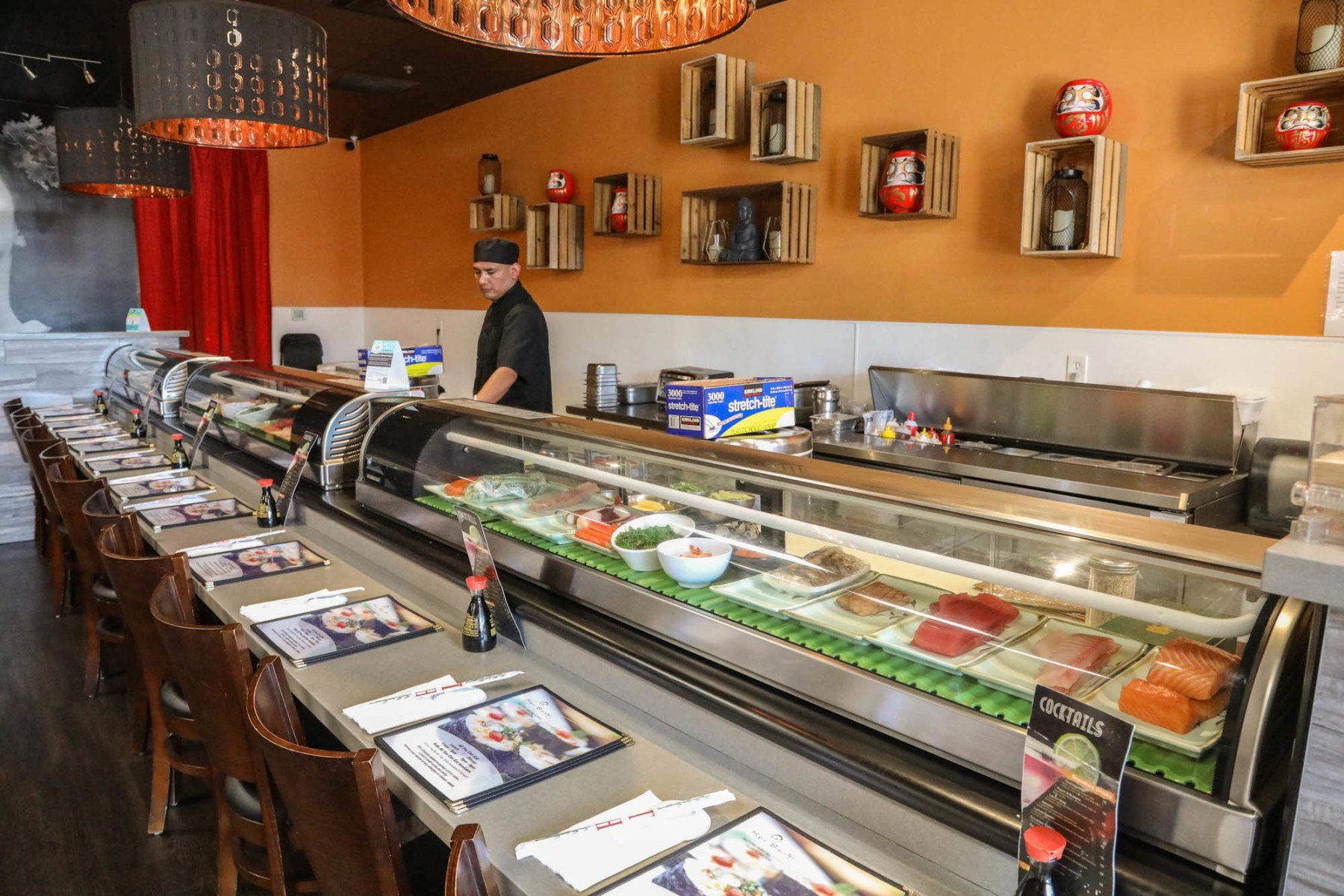
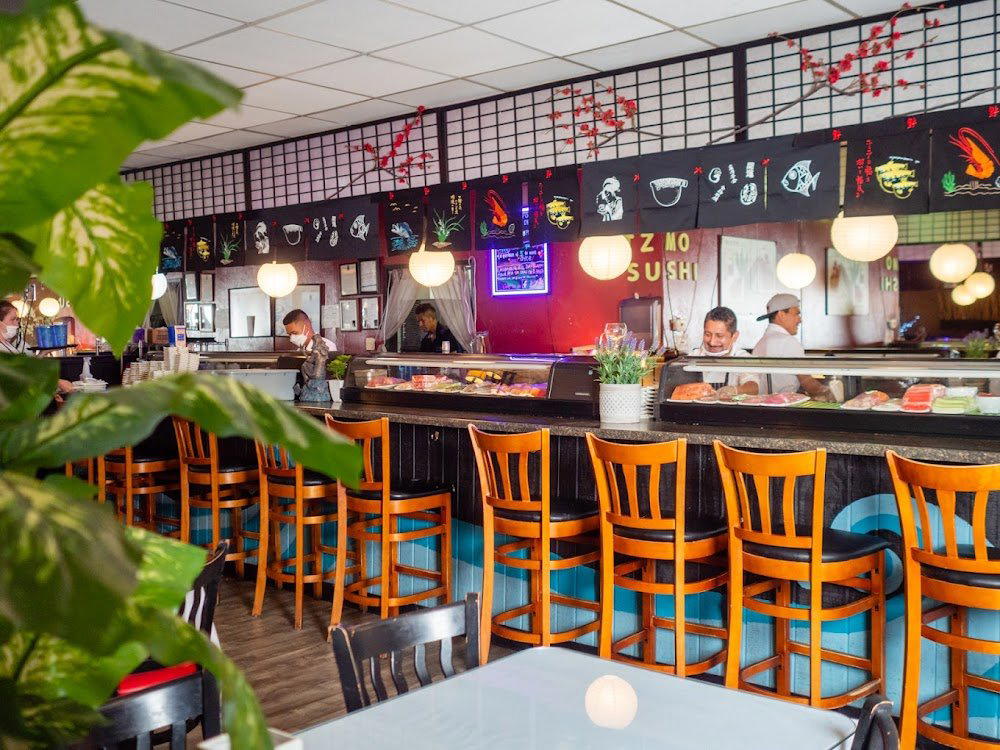
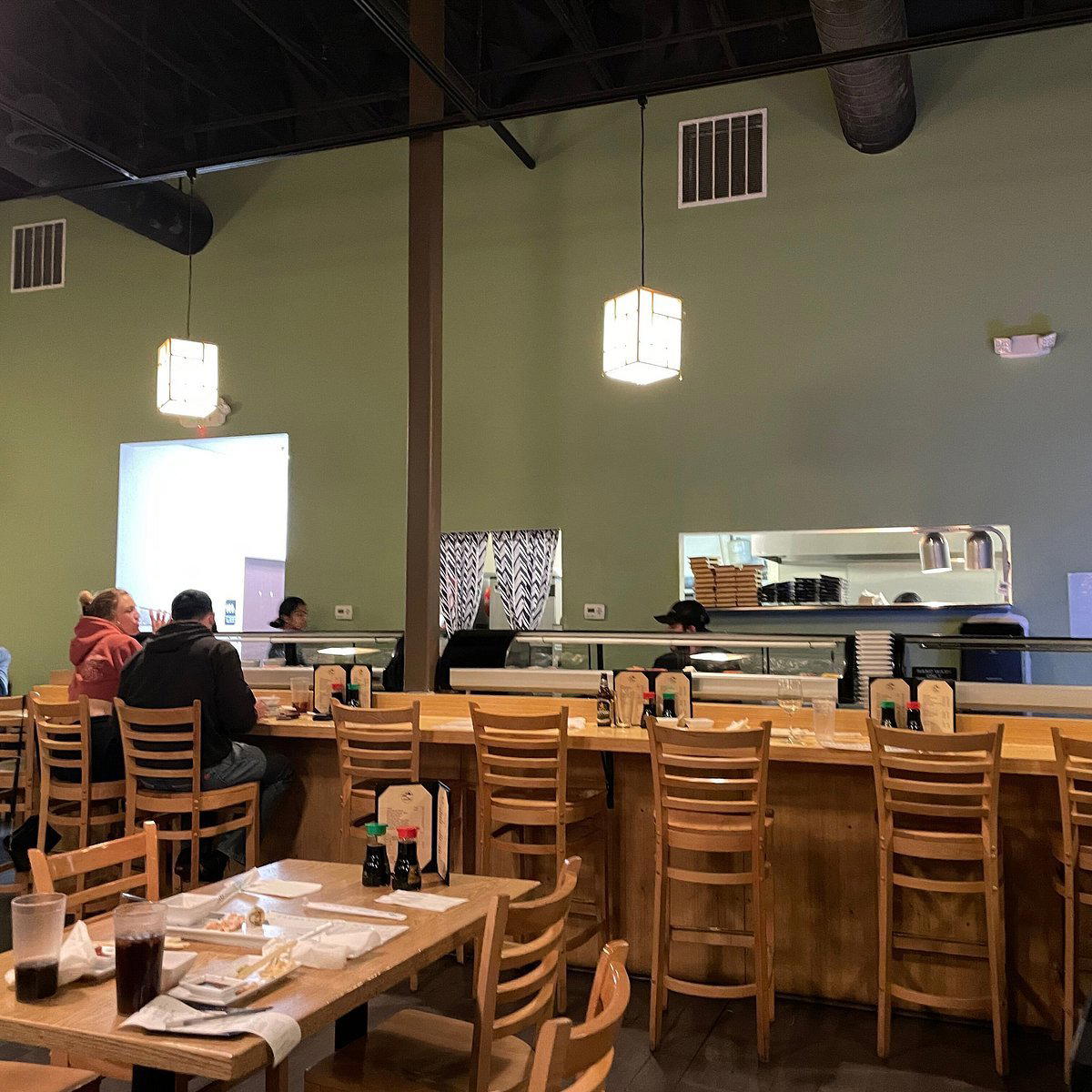
The atmospheric conventions of American neighborhood sushi houses evolved from a specific design logic. The counter, when it exists, is the operational and social center of the room. It is the place where the kitchen is visible, where the conversation between chef and guest is possible, and where the pacing of service is most transparent. Tables operate on a different rhythm, better suited to groups and longer meals with mixed orders. The leading neighborhood sushi rooms in American cities hold both formats without letting either dominate the experience of the other.
Across comparable independent sushi operations in western American cities, the lighting tends to be warmer than what downtown Japanese chains deploy. Noise levels sit lower. The soundtrack, where it exists, rarely competes with conversation. These are not accidental design choices: they reflect a model of hospitality where the food is meant to be considered rather than consumed quickly. For a guest driving south from downtown Reno to Lakeside Drive, that quieter register is part of what they are choosing.
The broader shift in premium bar and dining culture toward intimacy over spectacle is visible across American cities. Venues like Kumiko in Chicago and Bar Leather Apron in Honolulu have built sustained reputations on precisely that restraint-over-scale approach. At a different scale and in a different category, the same logic applies to independent sushi in mid-sized markets: the room's discipline signals what the kitchen is trying to do.
Reno's Independent Dining Scene in Context
Reno has developed a more coherent independent dining culture over the past decade than its casino-city identity might suggest. The Midtown district has concentrated a number of chef-driven and concept-forward venues, including Antojitos Colibrí, which occupies the more casual end of that spectrum. South Reno, by contrast, has grown as a residential dining corridor serving the expanding neighborhoods between the city core and the foothills. The guest base there skews toward locals rather than visitors, and the restaurants that have succeeded in that zone have generally done so by building repeat business rather than capturing one-time tourist spend.
For a broader map of where Kuma fits within the city's restaurant offer, our full Reno restaurants guide covers the range from Midtown to the south corridor. The comparison set for an independent sushi house here runs from casual roll-focused spots through to the more deliberate counter operations, and the Lakeside Drive address positions Kuma closer to the neighborhood-destination end of that range than to the high-volume tourist-facing tier.
For readers calibrating Reno's sushi scene against other American cities, it is useful to note that the cities where independent Japanese dining has developed most coherently outside the coastal markets share a few conditions: a stable local professional population, proximity to a university, and a restaurant culture that rewards specialization. Reno has all three. The University of Nevada campus generates demand, the technology and gaming industry workforce provides a repeat-visit customer base, and the independent dining culture that has emerged in Midtown demonstrates that specialization is viable here.
Planning a Visit
Kuma Sushi's address at 6135 Lakeside Dr places it in a part of the city that is leading reached by car. The south Reno corridor is not served by the same pedestrian infrastructure as Midtown, and the restaurants along Lakeside Drive generally assume arriving guests will drive. For context on how other technically serious programs handle reservations and pre-visit logistics, the approach taken by venues like Jewel of the South in New Orleans or ABV in San Francisco illustrates how the more deliberate independent operations communicate their format and expectations to guests in advance.
Pricing data was not confirmed at time of publication. For a calibration point: independent sushi operations in comparable Nevada and western mountain-state markets generally run between the approachable mid-range of casual roll houses and the higher price points associated with omakase-only counters. Where Kuma positions within that spread will be clearest from the menu itself once you arrive. Readers interested in how focused, technically oriented independent venues communicate their positioning through format and price can also reference programs like Superbueno in New York City, Julep in Houston, or The Parlour in Frankfurt for the range of approaches taken by serious independent rooms.
At a Glance
- Modern
- Trendy
- Mountain
Current opening hours
- Monday
- 11 AM–9 PM
- Tuesday
- 11 AM–9 PM
- Wednesday
- 11 AM–9 PM
- Thursday
- 11 AM–9 PM
- Friday
- 11 AM–9 PM
- Saturday
- 11 AM–9 PM
- Sunday
- 11 AM–9 PM
Hours can change for holidays and private events. Last verified .
Lively, modern setting.
Know Before You Go
- Getting there
- 6135 Lakeside Dr, Reno, NV 89511