Google: 4.5 · 389 reviews
KPOT Korean BBQ & Hot Pot
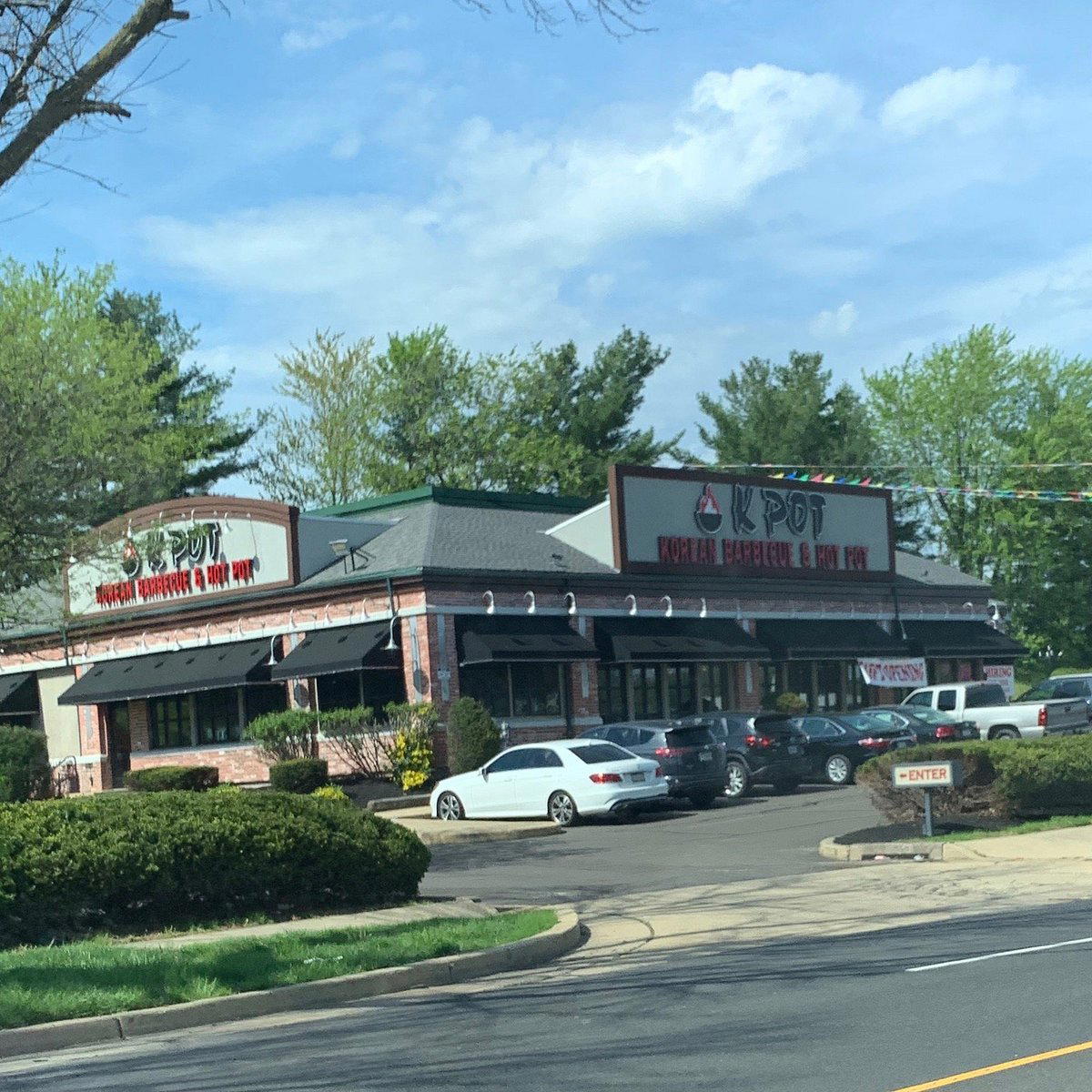
KPOT at 2301 Cottman Ave brings the dual-format Korean BBQ and hot pot experience to Philadelphia's Northeast corridor, where the combined tabletop cooking model has built a loyal following among groups who return for the interactive format as much as the food itself. The all-you-can-eat structure and broad protein selection make it a consistent draw for communal dining occasions across the city's diverse northeastern neighborhoods.
 Discover on Pearl
Pearl is the En Primeur Club membership app — saves, bookings, and concierge access live there. Same editors, same standards.
- Address
- 2301 Cottman Ave, Philadelphia, PA 19149
- Phone
- +1 215 302 8888
- Website
- thekpot.com
Smoke, Broth, and the Northeast Philadelphia Ritual
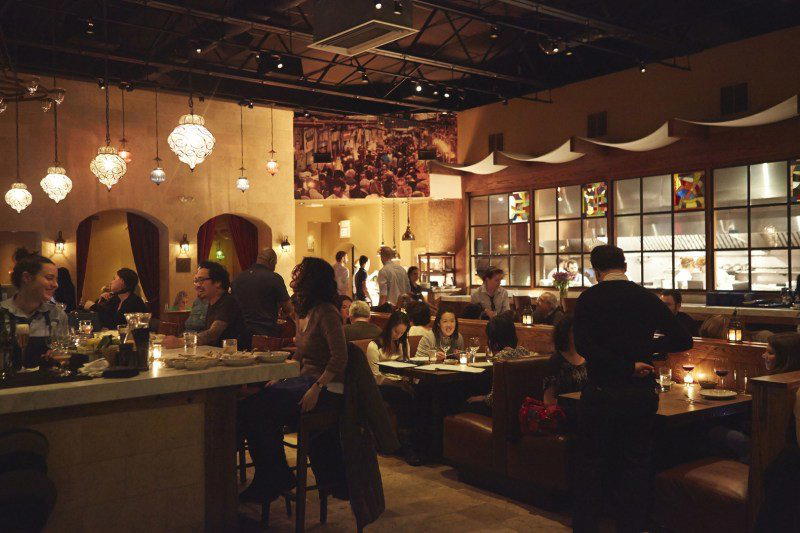
Walk into a KPOT on a weekend evening and the first thing that hits is sensory density: charcoal-tinted air, the low roar of ventilation hoods pulling smoke from a dozen tabletop grills, the clatter of tongs against grill grates, and the kind of ambient noise that signals a room working at full capacity. This is not a quiet dinner. The dual-format Korean BBQ and hot pot model, which places both a live-fire grill and a simmering broth vessel at every table, is engineered for groups who want to cook together rather than be served at a distance. At the Cottman Avenue location in Philadelphia's Fox Chase corridor, that format has found an audience that keeps returning on a near-ritualistic basis.
Northeast Philadelphia has long supported a dining culture built around value, volume, and communal formats. The neighborhood's demographics, shaped by successive waves of immigration from East and Southeast Asia, Eastern Europe, and Latin America, have made it more receptive to interactive cooking traditions than many parts of the city. KPOT arrived into that context and, rather than standing apart from it, reinforced it. The all-you-can-eat model removes the per-dish calculus that can make Korean BBQ feel expensive in other formats, and the result is a dining room where the conversation never stops and the food arrives in waves driven by the table rather than the kitchen.
What Keeps the Regulars Coming Back
The regulars at a place like this are not chasing novelty. They have already made their decisions. They know which broth base they prefer — most hot pot formats offer options ranging from a clean chicken or seafood stock through to a mala-spiced Sichuan broth — and they have settled into a protein rotation that works for their group. The dual-format setup means experienced visitors typically split the table: one side running the grill for marinated beef and pork, the other managing the hot pot for vegetables, tofu, and seafood that benefits from longer cooking in flavored liquid.
The rhythm that develops over a long meal at this kind of venue is specific. Early rounds tend toward the grill, where thin-cut meats cook in under two minutes on a hot surface and can be wrapped immediately in lettuce with banchan on the side. Later, as the table settles, the hot pot takes over, proteins lowered in slowly, broth deepening in flavor as the meal progresses. Regular visitors understand that the broth at the end of a hot pot meal is often better than at the beginning, concentrated by an hour of additions. That accumulated richness is, for many, the actual payoff.
For those newer to the format, the learning curve is part of the draw. Philadelphia has a small but consistent cohort of Korean BBQ venues, mostly clustered in the city center and in certain suburban corridors, but the combined BBQ-and-hot-pot format under one roof at an all-you-can-eat price point occupies a specific niche. Groups who might otherwise split between two different restaurant types can consolidate into one sitting, which is part of why the format reads well for birthdays, family gatherings, and post-event meals that need to accommodate varied preferences across a single table.
The Northeast Corridor and Where This Fits
Cottman Avenue is not a dining destination in the way that Passyunk or Fishtown have become. It is a working commercial strip with a utilitarian character, anchored by grocery stores, service businesses, and chain restaurants. KPOT's presence there reflects a deliberate positioning toward neighborhood regulars rather than destination diners crossing the city. The trade-off is that the venue operates outside the critical attention that concentrates on Center City and South Philadelphia. It does not carry Michelin recognition or appear in the kind of editorial shortlists that drive reservation spikes elsewhere in the city. What it has instead is a stable, returning customer base that treats the format itself as the draw rather than any particular chef-driven narrative.
That contrast is worth holding onto for anyone building a picture of how Philadelphia eats. The city's recognized dining corridors, covered in our full Philadelphia restaurants guide, tend toward chef-led tasting menus, craft cocktail programs at venues like 12 Steps Down and 1501 Passyunk Ave, and the kind of individual-bowl or small-plate formats that photograph well and generate word-of-mouth online. The Northeast operates on a different logic: repeat visits, group formats, price-point reliability, and a dining culture that prioritizes the experience at the table over the credentials of whoever designed the menu.
Philadelphia's bar and cocktail scene has its own geography of excellence, from 48 Record Bar and 637 Philly Sushi Club to technically ambitious programs nationally at venues like Kumiko in Chicago, Bar Leather Apron in Honolulu, Jewel of the South in New Orleans, Julep in Houston, Superbueno in New York City, ABV in San Francisco, and The Parlour in Frankfurt. KPOT operates at a remove from that world by design: the beverage program at communal-cooking venues like this is secondary to the table activity, and most groups arrive focused on the food format rather than the drinks list.
Planning a Visit
The Cottman Avenue address puts KPOT in Philadelphia's 19149 zip code, accessible by car with street and lot parking typical of this commercial strip. The all-you-can-eat format means the practical decision is primarily about timing and group size. Larger groups benefit most from the dual-format setup, since managing two cooking surfaces simultaneously is more manageable with four or more people and also allows for genuine variety across a single meal. Weekend evenings run busiest, as is consistent with communal-format venues citywide, so arriving earlier in the service window on those nights reduces wait times. For first-time visitors unfamiliar with the cooking format, arriving slightly before peak hours gives the table more time to work through the mechanics before the room reaches full noise.
Category Peers
A small comparison set for context, based on the venues we track.
| Venue | Cuisine |
|---|---|
| KPOT Korean BBQ & Hot PotThis venue — the venue you are viewing | |
| Almanac | Japanese-inspired craft cocktails; hyper-seasonal, in-house fermentation |
| Next of Kin | Cocktails, bar snacks |
| Sacred Vice Brewing – Berks (taproom) | Brewery taproom; beer-focused, vinyl music selection |
| Tria | |
| Irwin's |
Continue exploring
More in Philadelphia
Bars in Philadelphia
Browse all →
Restaurants in Philadelphia
Browse all →

At a Glance
- Lively
- Trendy
- Energetic
- Group Outing
- Casual Hangout
- Communal Tables
- Sake
Nightlife atmosphere with lively social dining and sizzling grills.