Kaito Sushi
Kaito Sushi occupies a compact address on North El Camino Real in Encinitas, where the format sits closer to the focused omakase-adjacent counters spreading through coastal Southern California than to the casual sushi boxes that dominate the genre locally. The room rewards those who come with time and intention rather than a table-turning appetite.
Pearl is the En Primeur Club membership app — saves, bookings, and concierge access live there. Same editors, same standards.
- Address
- 130-A N El Camino Real, Encinitas, CA 92024
- Phone
- +1 760 634 2746
- Website
- kaitorestaurant.net
- Directions
- Get directions
 Saves & bookings on Pearl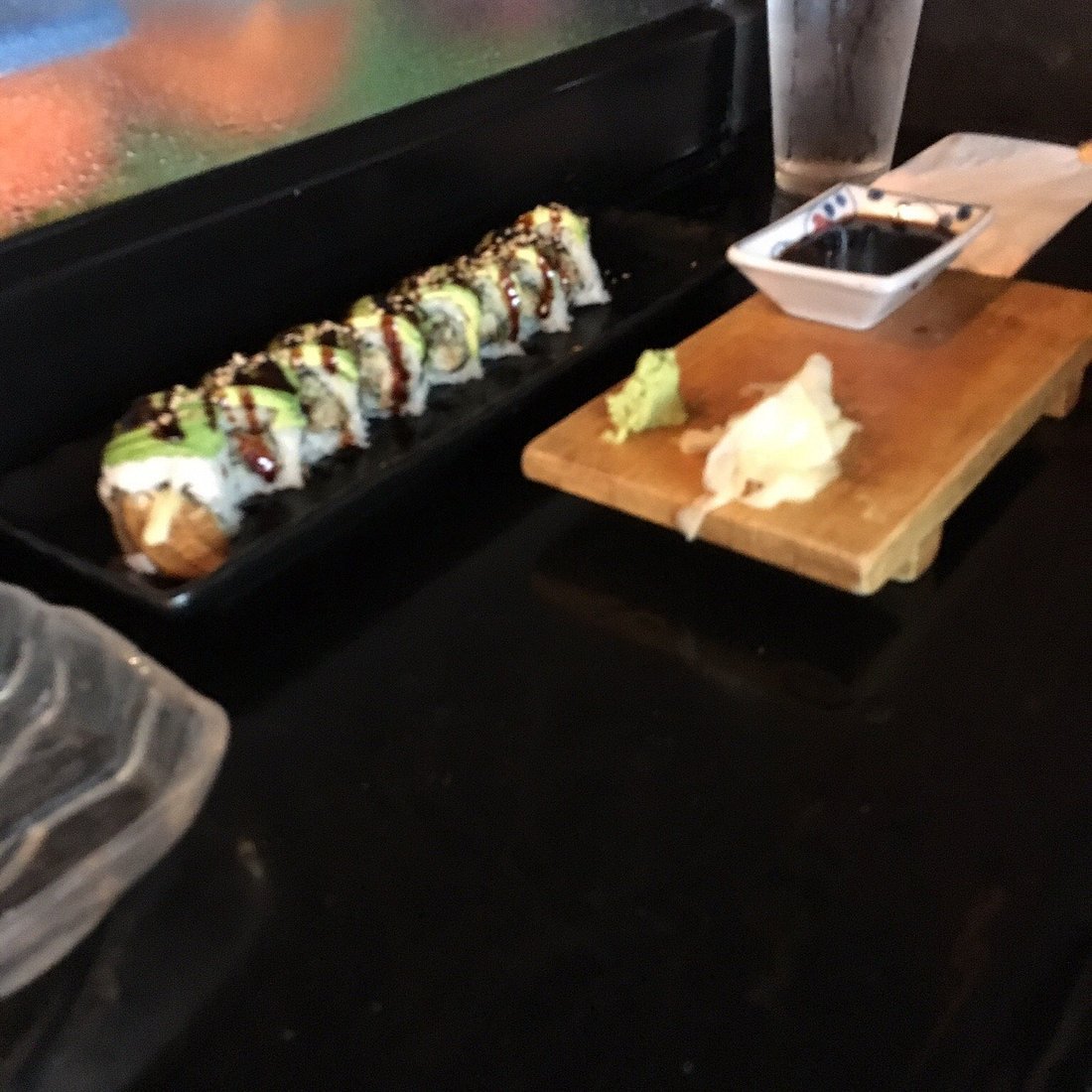
Where Coastal Encinitas Meets a Quieter Style of Japanese Precision
North El Camino Real in Encinitas runs parallel to the Pacific Coast Highway without the tourist friction, a corridor of low-rise buildings and surf-adjacent storefronts where the dining scene skews local and deliberate. It is the kind of street where a restaurant earns its audience without the help of a high-footfall location. Kaito Sushi sits at 130-A in that setting, and the address itself signals something about the experience: this is a place that operates on the assumption that its guests have sought it out.
Encinitas has never developed the dense restaurant infrastructure of La Jolla or the Gaslamp Quarter, which means the venues that build reputations here tend to do so on repeat custom and word of mouth rather than tourist volume. That context matters when assessing what Kaito Sushi represents within the local Japanese dining scene. Coastal San Diego County has seen a gradual refinement of its sushi offer over the past decade, with a tier of counter-focused, technique-oriented operations carving out space between the fast-casual rolls-and-beer category and the full destination omakase found in central San Diego. Kaito occupies ground somewhere in that middle tier, drawing from a neighbourhood that values substance over spectacle.
The Editorial Angle: Drinks as Craft, Not Afterthought
Across the broader Japanese restaurant category in California, the beverage programme is often the last thing a venue develops with any seriousness. Sake lists remain generic, whisky selections default to a few obvious labels, and cocktail menus, where they exist, tend to be perfunctory. The bars that break from this pattern, and there are a growing number, treat the drink as a parallel expression of the kitchen's precision rather than a revenue line. At venues in this register, the question is not simply what to eat but how the bar programme frames the meal.
For reference points on what a genuinely considered cocktail programme looks like in a Japanese-influenced context, Kumiko in Chicago offers one of the country's most cited examples, building an entire editorial identity around Japanese spirits and technique. On the West Coast, ABV in San Francisco demonstrates how a serious bar can anchor itself to ingredient sourcing without losing accessibility. These are the benchmarks against which an emerging Japanese dining counter in a coastal California town should be measured, not in scale, but in intention.
The Encinitas Context: A Scene Still Finding Its Register
Encinitas sits roughly 25 miles north of downtown San Diego, a position that gives it proximity to the city's resources without direct competition from its restaurant density. The dining scene here has historically skewed toward the casual end, shaped by a surf culture that values approachability over formality. That is shifting, slowly, as the demographics of the town change and as visitors from Los Angeles and San Diego begin treating the North County coast as a serious culinary destination rather than a detour.
For those exploring the wider Encinitas food and drink scene, Healthy Creations Cafe and Valentina represent different points on the local spectrum, and our full Encinitas restaurants guide maps the broader picture. Within that scene, a Japanese counter that operates with genuine focus on technique carries a different weight than it would in a more saturated market. The scarcity of this kind of offer in Encinitas is part of what gives Kaito Sushi its position.
The comparison with other coastal markets is instructive. In Honolulu, Bar Leather Apron shows how Pacific Rim cities have developed serious bar cultures around Japanese influence. In Houston, Julep demonstrates the value of a clear regional identity in a beverage programme. In New York, Superbueno and in Washington D.C. Allegory each show that a bar programme can be the primary editorial identity of a restaurant-adjacent operation. In New Orleans, Jewel of the South makes the case for historical depth as a differentiator. And in Miami, Bar Kaiju occupies a Japanese-pop-culture-inflected niche that points to how broadly the category can be interpreted. Internationally, The Parlour in Frankfurt illustrates that the appetite for this format is not limited to American coastal cities.
What the Format Asks of the Guest
Japanese counter dining in California has bifurcated sharply. On one side, the high-volume omakase chains have standardized the format and compressed it into a tourist-accessible, reservation-platform-driven product. On the other, smaller independent counters have resisted that model, keeping seat counts low, pacing unhurried, and the interaction between kitchen and guest more direct. The dining culture that formed around the latter category rewards guests who arrive without a fixed agenda for the next two hours.
Kaito Sushi's location on North El Camino Real places it outside the tourist circuit, which filters the room toward guests who have made a deliberate choice to be there. In markets where this kind of self-selection operates, the experience tends to be more consistent, not because the food is necessarily better, but because the room is calibrated toward the right audience. That is a structural advantage that a Gaslamp Quarter address rarely offers.
Planning Your Visit
Encinitas is accessible by the Coaster commuter rail from downtown San Diego, with the Encinitas station placing guests within walking distance of El Camino Real. For those driving from Los Angeles, the I-5 corridor puts the town roughly 90 minutes south in normal traffic conditions. Given the compact nature of the local dining scene and the limited number of serious Japanese options in the North County area, combining a visit to Kaito Sushi with an exploration of the wider Encinitas food corridor makes practical sense. Booking ahead is advisable; the neighbourhood's small independent restaurants rarely run large reserve capacities, and the format at this kind of counter rewards planning. Precise hours, contact details, and current booking methods are best confirmed directly with the venue, as these details shift seasonally and are not published in the current record.
Continue exploring
More in Encinitas
Bars in Encinitas
Browse all →
Restaurants in Encinitas
Browse all →
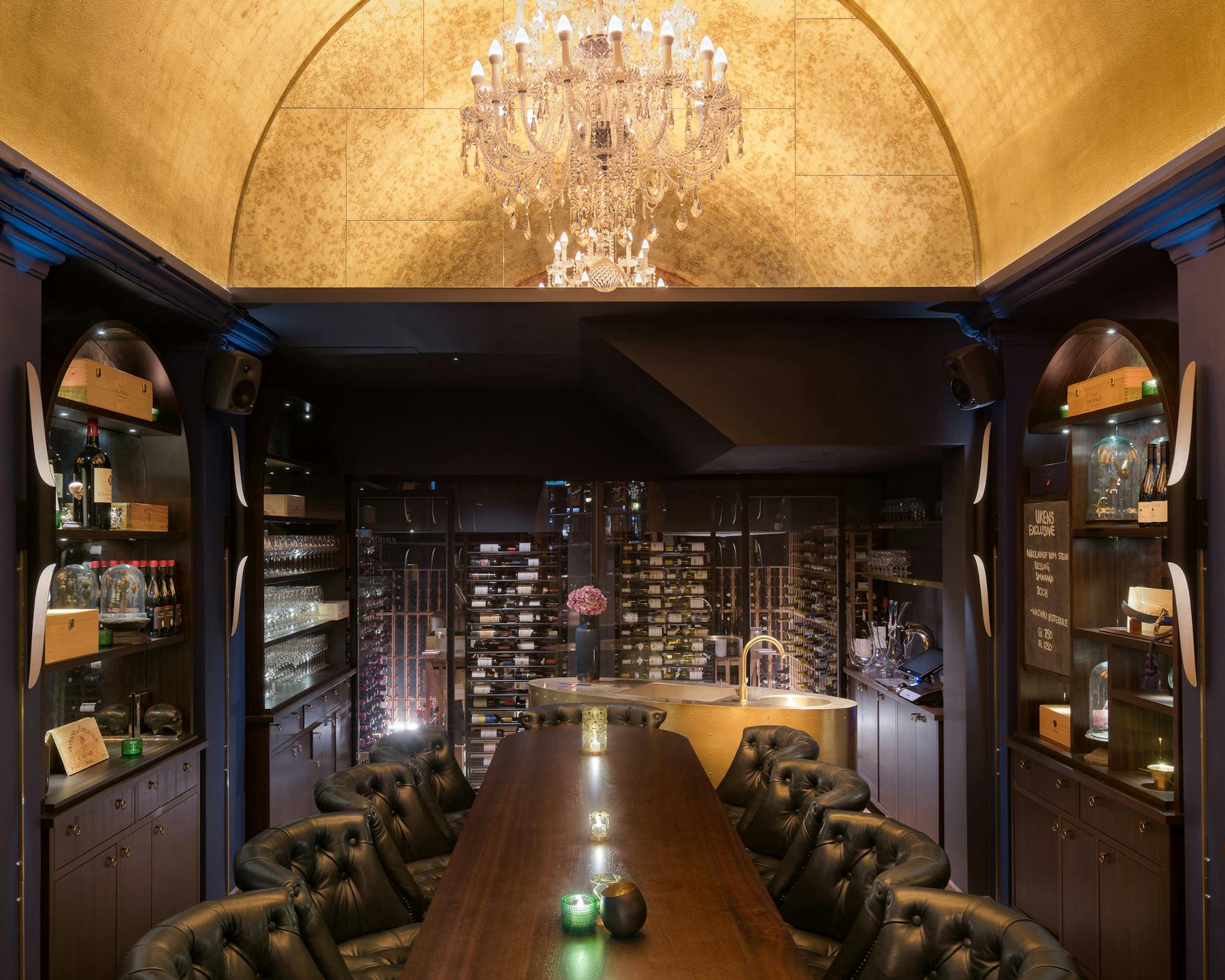
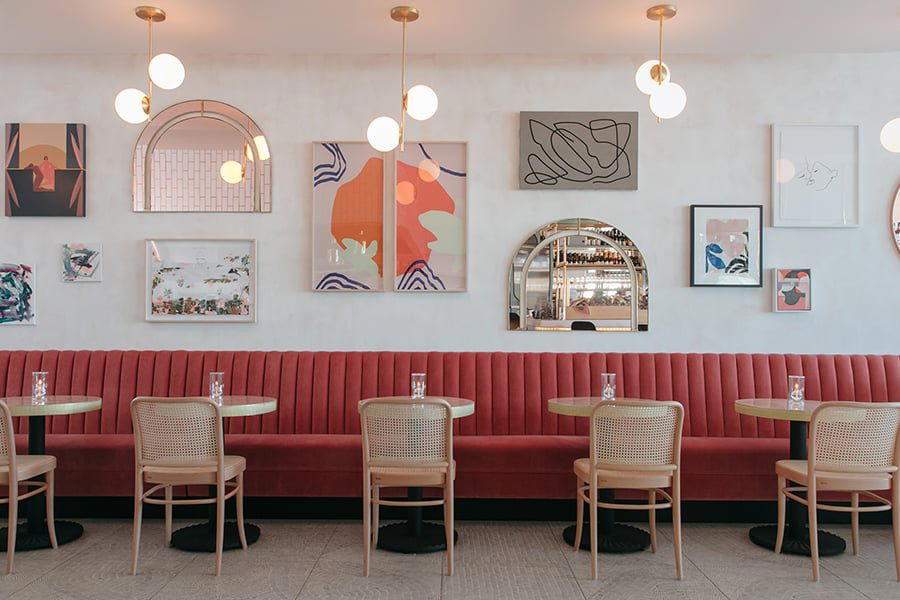
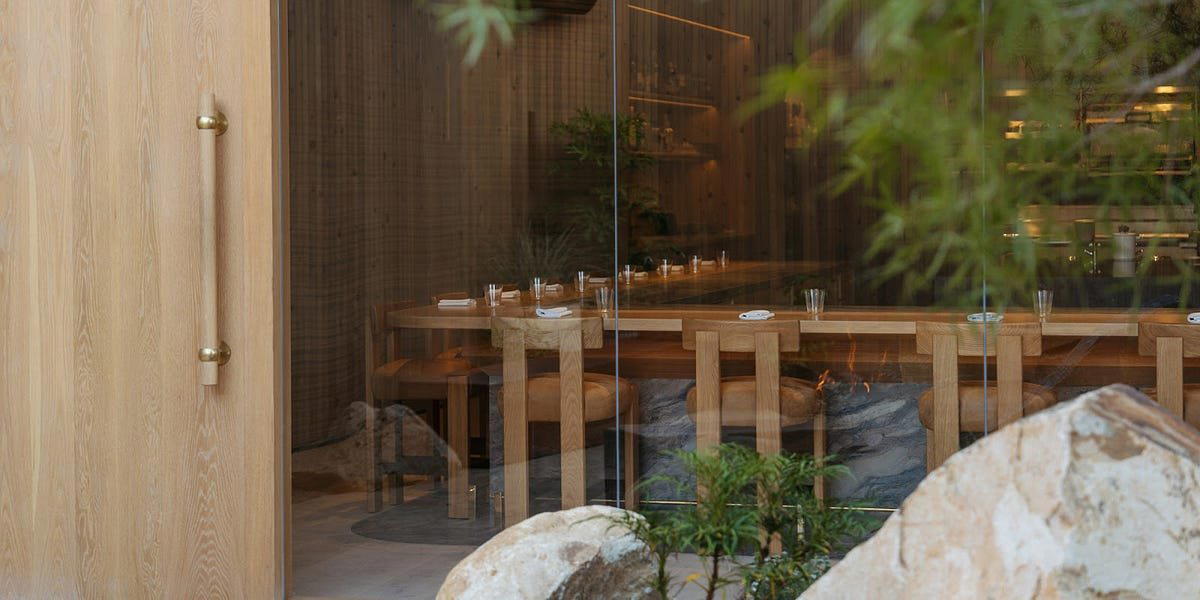
Hotels in Encinitas
Browse all →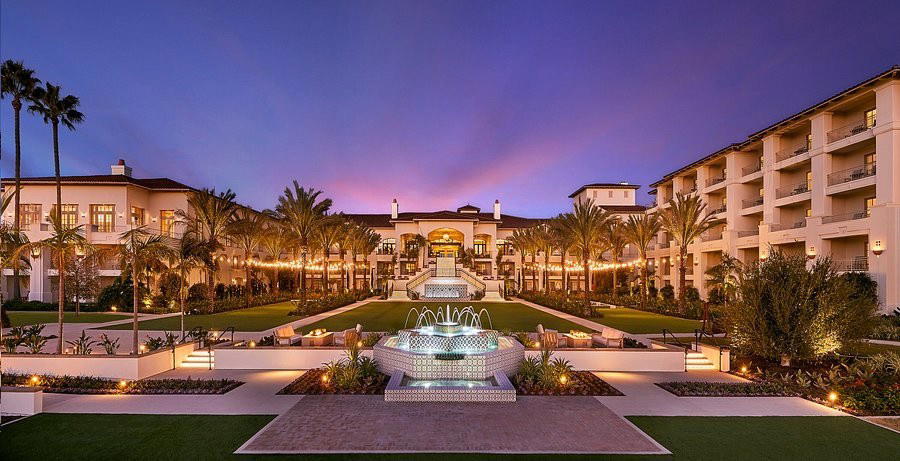
Wineries in Encinitas
Browse all →
At a Glance
- Cozy
- Intimate
- Elegant
- Date Night
- Special Occasion
- Standalone
- Counter Only
- Sake
Current opening hours
- Monday
- Closed
- Tuesday
- 4–8:30 PM
- Wednesday
- 4–8:30 PM
- Thursday
- 4–8:30 PM
- Friday
- 4–8:30 PM
- Saturday
- 4–8:30 PM
- Sunday
- Closed
Hours can change for holidays and private events. Last verified .
Cozy and welcoming atmosphere reminiscent of Tokyo with a quiet, focused sushi counter setting.
Know Before You Go
- Getting there
- 130-A N El Camino Real, Encinitas, CA 92024