Kabuto Edomae Sushi

Kabuto Edomae Sushi occupies a quiet stretch of West Spring Mountain Road, where Las Vegas's most serious Japanese dining corridor thins out into something more considered. The room rewards those who know to look for it: a counter-driven format built around the Edomae tradition, positioned well above the Strip's theatrical sushi operations in both approach and expectation.
Pearl is the En Primeur Club membership app — saves, bookings, and concierge access live there. Same editors, same standards.
- Address
- 5040 W Spring Mountain Rd, Las Vegas, NV 89146
- Phone
- +1 702 676 1044
- Website
- kabutolv.com
- Directions
- Get directions
 Saves & bookings on Pearl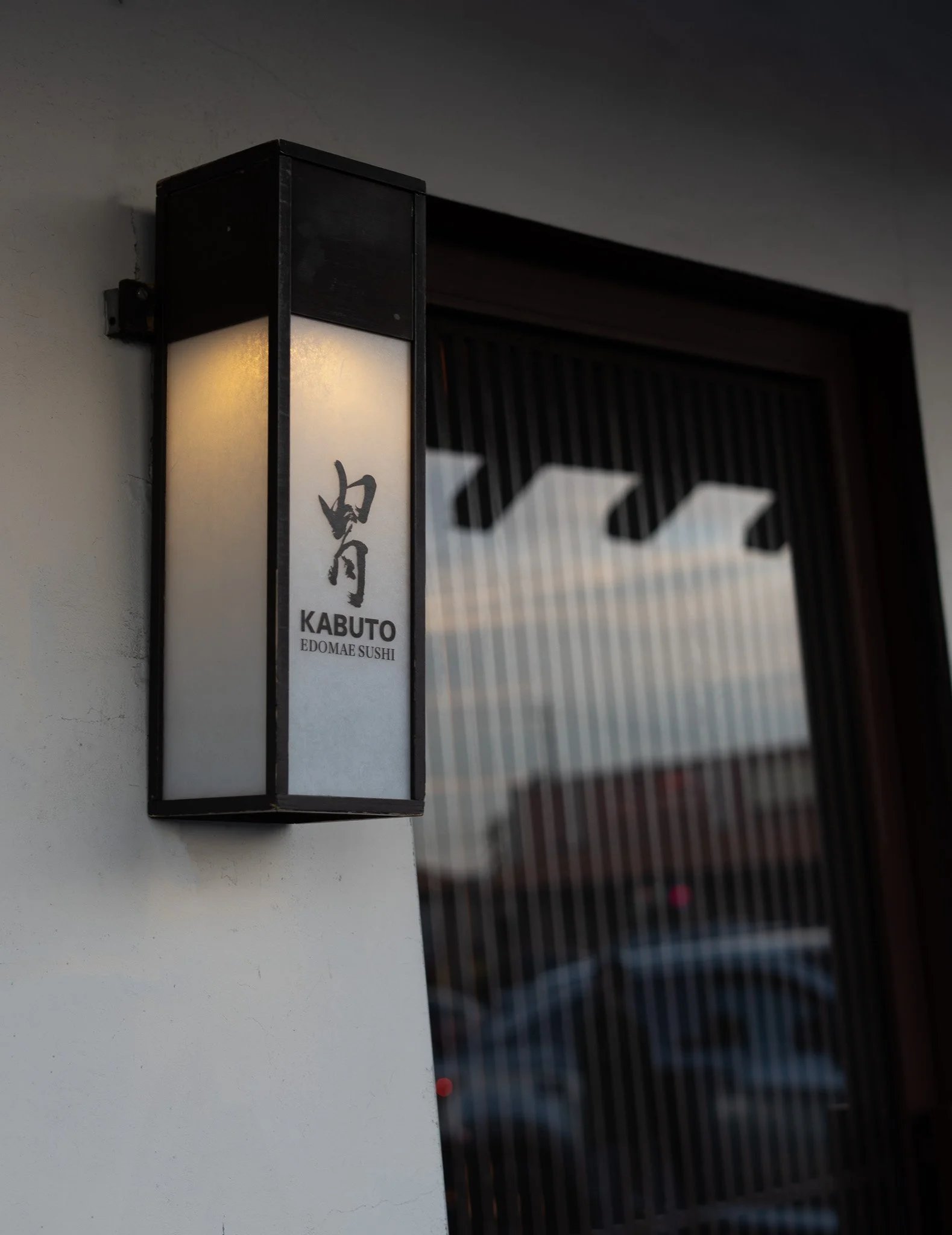
The Room Before the Rice
West Spring Mountain Road is the spine of Las Vegas's Japanese dining corridor, and the blocks between Decatur and Rainbow carry a different register than anything on the Strip. The signage is quieter, the parking lots less choreographed, and the clientele arrives with a specific intention rather than a general one. Kabuto Edomae Sushi sits along this stretch at 5040 W Spring Mountain Rd, and the physical approach tells you something before you've placed an order: this is not a room designed to perform for newcomers.
Edomae sushi as a format sets its own terms. The style, which traces to Edo-period Tokyo and the tradition of curing, marinating, and aging fish to extend shelf life before refrigeration existed, prioritises technique over spectacle. The counter, not the dining room, is the correct frame of reference. You sit close to the work. The lighting conditions what you notice. There is an intimacy to this format that large sushi operations in casino hotels cannot replicate regardless of ingredient spend, because the format itself depends on proximity and pace rather than production scale.
In Las Vegas, that distinction matters more than in most cities. The Strip's sushi market has consolidated around two poles: high-volume omakase experiences priced for expense accounts and designed for social media, and lower-tier operations that treat the format as a menu category rather than a discipline. The corridor along Spring Mountain represents something between those poles and, in Kabuto's case, closer to the serious end of the register.
What the Edomae Tradition Demands of Its Setting
The physical environment of an Edomae counter is not incidental to the experience; it is part of the argument the venue is making. Lighting in serious omakase rooms tends toward warmth and directionality, pulling focus to the counter surface where the work happens. Music, when present, runs low enough that conversation across the bar remains possible. Seating is close and deliberate. These are not aesthetic choices so much as structural ones: the format asks the guest to pay attention, and the room either supports that or works against it.
Kabuto's position on Spring Mountain places it in a neighborhood where that attentiveness is already present in the dining culture. The surrounding corridor includes izakaya operations, ramen counters, and specialty Japanese formats that collectively establish a context distinct from tourist dining. Venues like Anima by EDO and 595 Craft and Kitchen represent different points on Spring Valley's dining register, and the neighbourhood supports serious formats that wouldn't survive the Strip's churn. That context is part of what a counter like Kabuto inherits by location alone.
The Edomae approach also places particular demands on consistency. Because the tradition relies on preparation techniques applied to fish before the guest arrives, such as the kelp cure, the vinegar marinade, the careful aging, the quality signal is embedded in process rather than tableside theatrics. Guests who understand the format read the results directly. Those who don't may find the experience quieter than expected, which is not a failure of the room but a signal about who the room is built for.
Spring Valley's Japanese Dining Corridor in Context
Las Vegas has a more substantive Japanese dining culture than its international reputation for buffets and steakhouses suggests. The Spring Mountain corridor developed over decades as a residential and commercial hub for the city's Japanese-American community, and the dining infrastructure reflects that foundation. This is not a curated ethnic dining district assembled for tourism; it grew from actual demand and has maintained a higher baseline of technical seriousness as a result.
Within that corridor, specialty formats like omakase counters operate in a niche that depends on repeat local business rather than tourist flow. The economics are different from Strip dining: lower seat counts, higher per-cover expectations, a guest base that tends to know the format before arriving. Venues that survive in this corridor across multiple years do so by holding a standard rather than adjusting to the lowest common denominator of visitor expectations.
For travellers comparing Spring Valley's options against the broader Spring Mountain dining scene, the neighbourhood also offers useful contrast points. Cali BBQ and Chef Kenny's Vegan Dim Sum sit in the same geography and represent the range of the corridor's ambitions. Kabuto operates at the more focused, format-specific end of that range. See our full Spring Valley restaurants guide for a broader map of what the neighbourhood covers.
For those comparing serious bar and dining programs in other American cities, the level of intent that Spring Mountain's leading counters represent is comparable to what drives the specialist tier elsewhere: Kumiko in Chicago operates with similar format discipline in its drinks program, and Bar Leather Apron in Honolulu holds to analogous standards of craft and restraint. Internationally, The Parlour in Frankfurt on the Main operates in a comparable specialist register. The pattern is consistent: smaller formats built around technical depth rather than throughput tend to reward guests who arrive with calibrated expectations. The same logic applies to Jewel of the South in New Orleans, Julep in Houston, Superbueno in New York City, and ABV in San Francisco, each of which has built a loyal following through consistency and format discipline rather than scale.
Planning a Visit
Kabuto is located at 5040 W Spring Mountain Rd, Las Vegas, NV 89146, in Spring Valley. The Spring Mountain corridor is accessible by car from both the Strip and the broader Las Vegas metro, and parking in the surrounding commercial area is generally available. Given the counter format and the dining culture of this corridor, arriving with a reservation and on time is standard practice. Omakase-style counters in this price tier typically run on fixed seatings rather than open walk-in policies, so confirming booking arrangements directly with the venue before arrival is advisable. The surrounding neighborhood offers plenty to explore before or after dinner.
What It’s Closest To
Comparable venues nearby, for context on price, style, and recognition.
| Venue | Cuisine | Price | Notes |
|---|---|---|---|
| Kabuto Edomae SushiThis venue — the venue you are viewing | sake_bar | $$$$ | Not listed |
| Anima by EDO | cocktail_bar | $$$ | Spring Valley |
| Curry Leaf - Flavors of India | Bar | $$ | Spring Valley |
| ITs IZAKAYA | sake_bar | $$ | Spring Valley |
| Sen of Japan | sake_bar | $$ | Spring Valley |
| Other Mama | cocktail_bar | $$$ | Spring Valley |
Recognition history
Dated appearances from independent guides and award organizations, with the underlying list record or original source where available.
Opinionated About Dining Top Restaurants in North America Ranked #145
Opinionated About Dining
Opinionated About Dining Top Restaurants in North America Highly Recommended
Opinionated About Dining
Continue exploring
More in Spring Valley
Bars in Spring Valley
Browse all →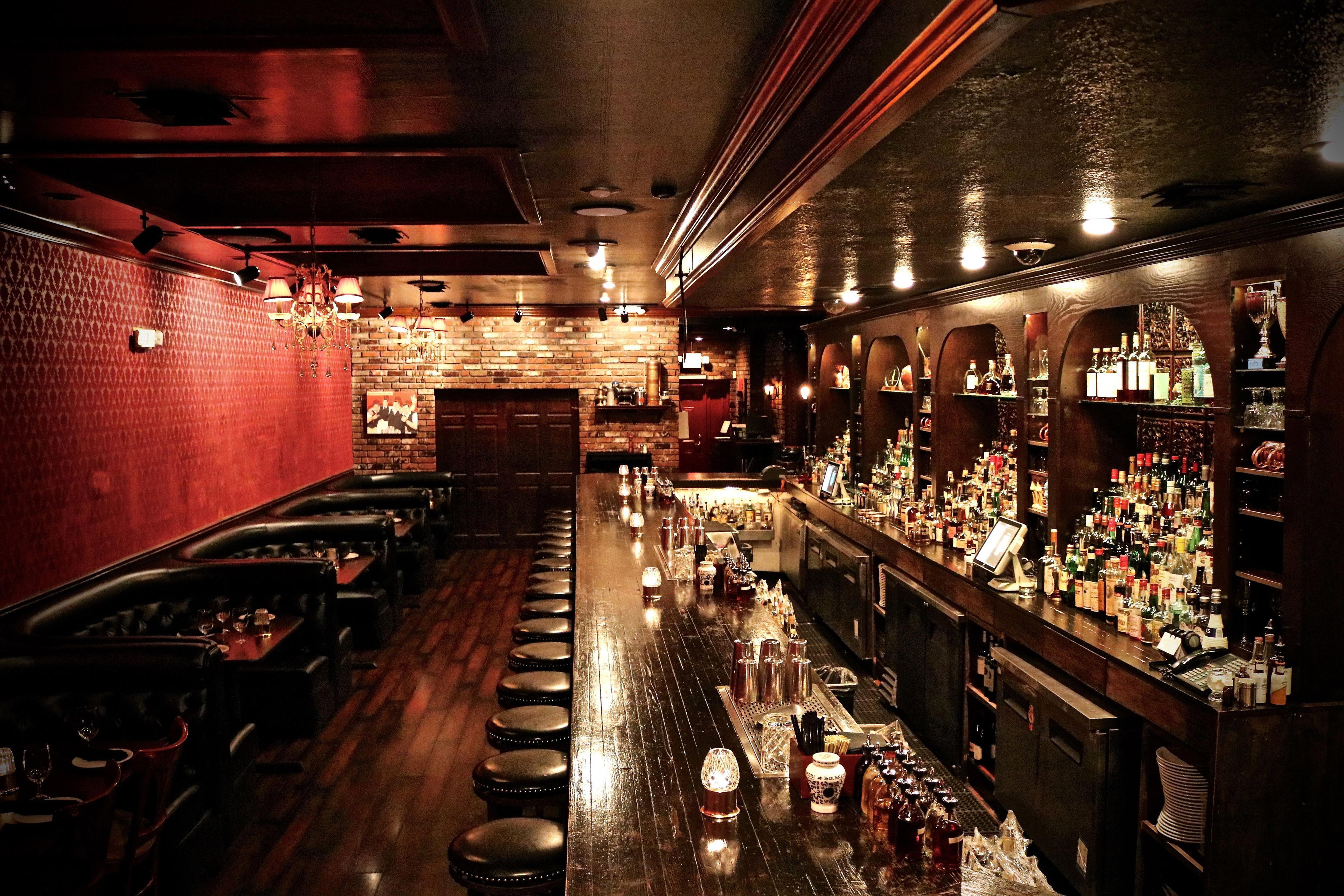
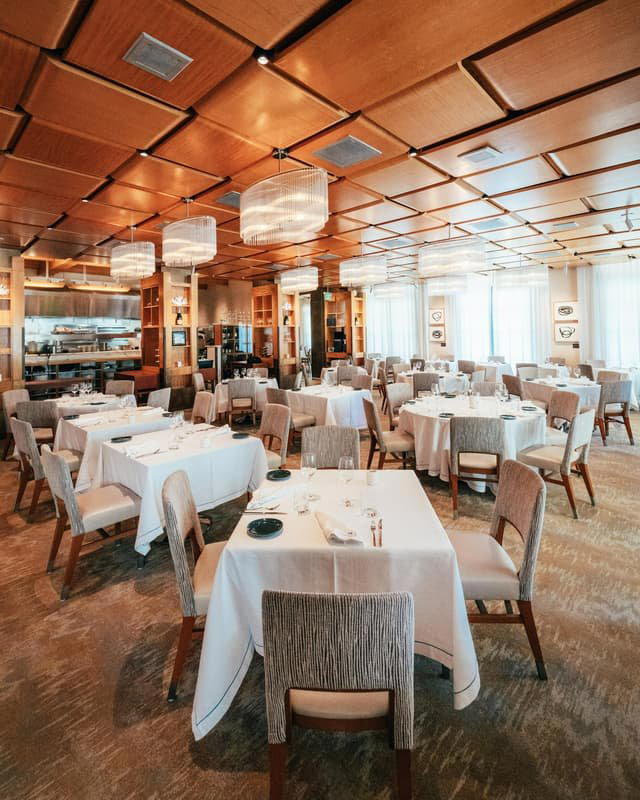
Restaurants in Spring Valley
Browse all →
At a Glance
- Elegant
- Intimate
- Minimalist
- Sophisticated
- Special Occasion
- Date Night
- Celebration
- Standalone
- Design Destination
- Counter Only
- Seated Bar
- Sake
Current opening hours
- Monday
- 5:30–9 PM
- Tuesday
- 5:30–9 PM
- Wednesday
- 5:30–9 PM
- Thursday
- 5:30–9 PM
- Friday
- 5:30–9 PM
- Saturday
- 5:30–9 PM
- Sunday
- 5:30–9 PM
Hours can change for holidays and private events. Last verified .
Sparse, clean design with minimalist aesthetic; intimate chef-to-guest interaction at the counter with artistically plated, precisely prepared sushi in a serene setting.