Ju-Ni
Ju-Ni is a compact omakase counter on Fulton Street in San Francisco's Western Addition, operating in the tradition of restrained, chef-directed sushi where the format itself is the experience. The room keeps seating intimate and the pacing deliberate, placing it in a tier of the city's omakase scene that competes on precision and atmosphere rather than spectacle or volume.
Pearl is the En Primeur Club membership app — saves, bookings, and concierge access live there. Same editors, same standards.
- Address
- 1335 Fulton St STE 101, San Francisco, CA 94117
- Phone
- +1 415 655 9924
- Website
- junisf.com
- Directions
- Get directions
 Saves & bookings on Pearl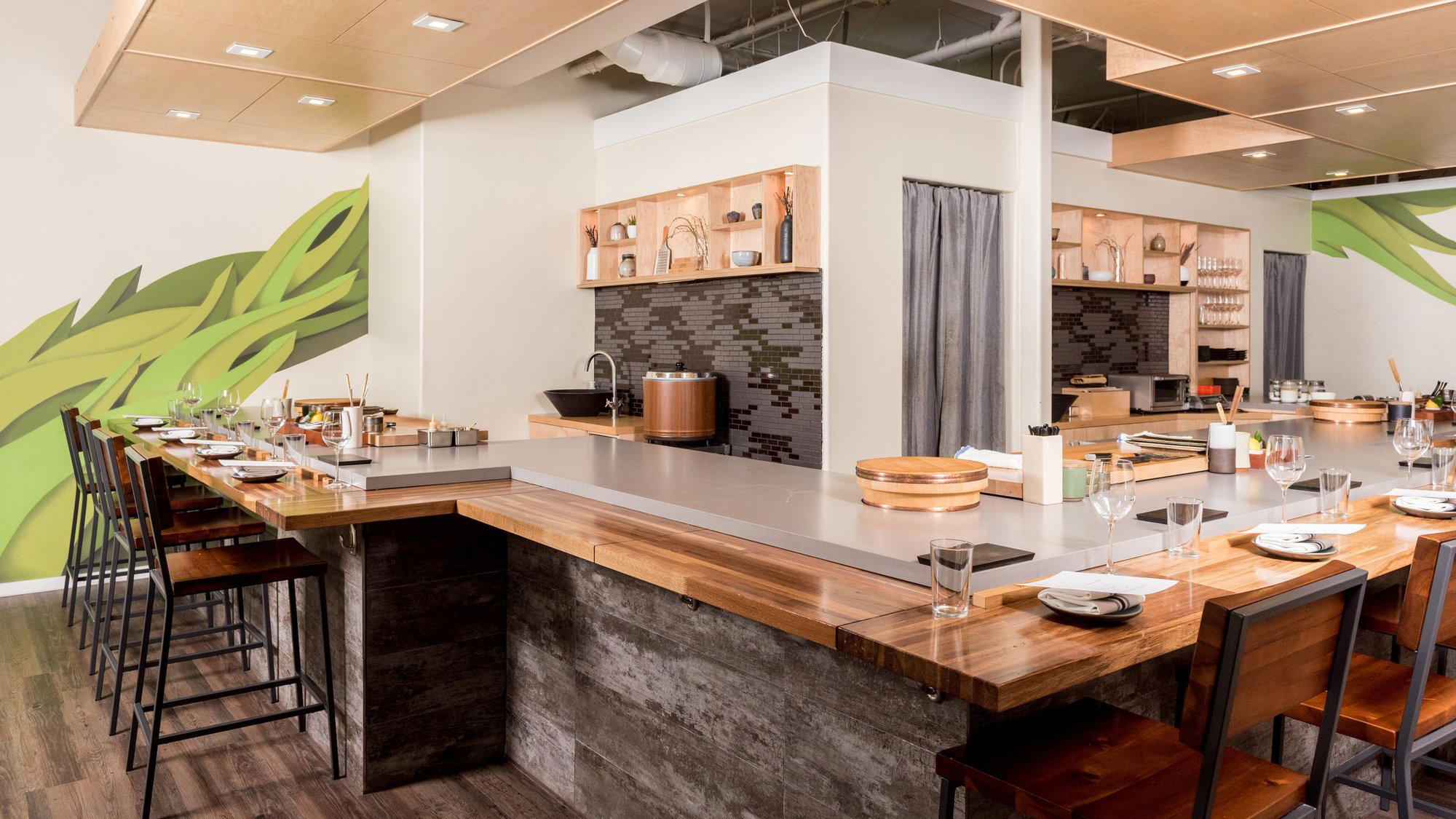
A Counter in the Western Addition
San Francisco's omakase scene has reorganized itself over the past decade into two distinct tiers: high-visibility rooms in SoMa or the Financial District that function as destination dining for expense accounts and visitors, and quieter, neighborhood-anchored counters where the regulars know the format before they arrive. Ju-Ni, at 1335 Fulton Street in the Western Addition, belongs to the second category. The address alone signals something: this is not a venue that relies on foot traffic from Union Square or ambient walk-in business from a hotel corridor. The room exists on its own terms, in a part of the city where the dining culture has historically been residential and local rather than performative.
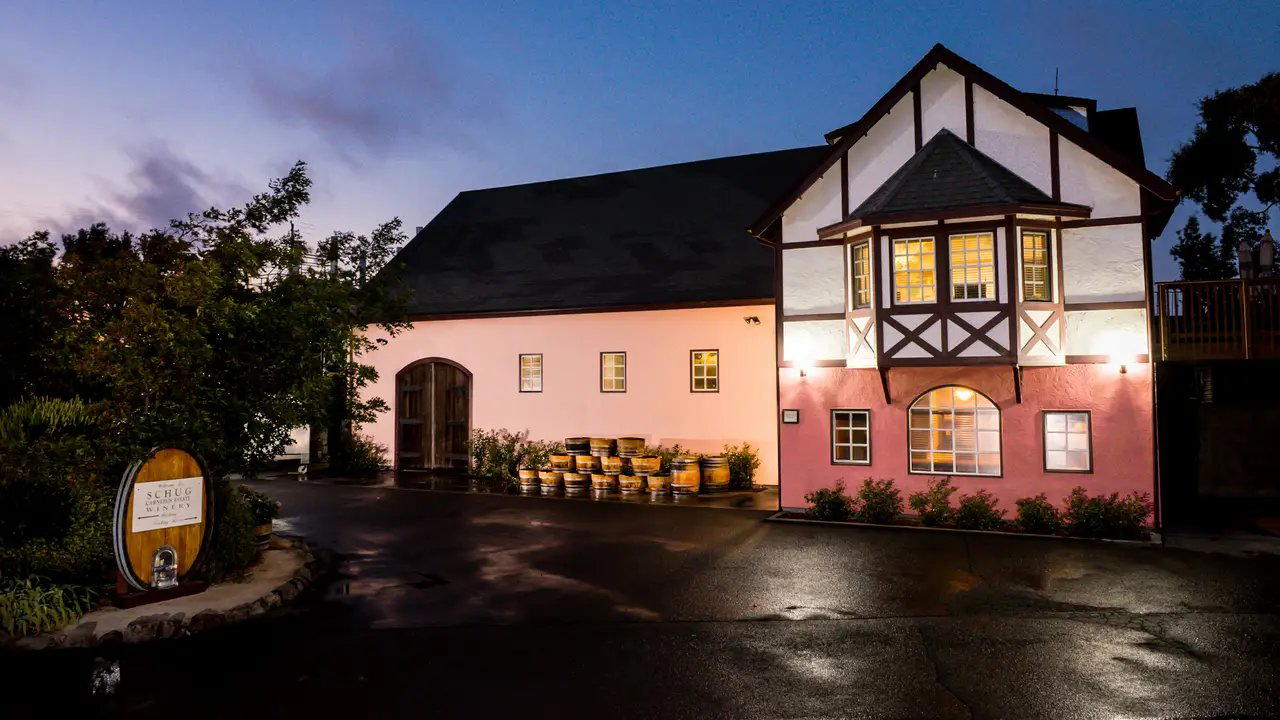
Approaching from Fulton, the entrance is deliberately understated. The Western Addition carries its own architectural weight, Painted Ladies within walking distance, the AMC Kabuki nearby, a neighborhood that has absorbed waves of cultural change without losing its residential grain. Ju-Ni does not try to overwrite that context. The scale of the space, the absence of loud branding, and the counter format itself all point toward a dining experience calibrated for sustained attention rather than ambient noise.
The Grammar of an Omakase Counter
The omakase format places a specific set of demands on both kitchen and guest. There is no menu to hide behind, no a la carte safety net. The chef sequences the meal, controls the pacing, and makes decisions about what goes on the plate. For the diner, this requires a kind of active surrender that is different from ordering off a list. The counter format compounds this: at most well-run omakase rooms, the distance between guest and chef is measured in inches, and the preparation of each piece is visible in real time.
This format has gained significant traction in San Francisco over the past several years, partly because it transfers naturally from Japan's sushi traditions and partly because it suits the city's appetite for chef-driven, ingredient-focused dining. The format also creates a particular atmosphere that larger, louder rooms cannot replicate. At a counter with limited seats, the room's energy is concentrated rather than diffused. Conversations stay low. The focus shifts toward what is happening directly in front of you. The lighting in such rooms is almost always warm and specific, trained on the counter itself, with the rest of the space receding into relative quiet.
Ju-Ni operates within this grammar. The room at Fulton keeps the format tight, which is consistent with how serious omakase counters in this price tier function across the country.
Atmosphere as the Primary Argument
The design logic of a serious omakase counter is essentially editorial. Every element that appears in the room has been selected or tolerated deliberately: the wood grain of the counter, the temperature of the lighting, the distance between seats, the presence or absence of background sound. In rooms that do this well, the atmosphere does not compete with the food but extends it, the physical environment prepares the guest's attention before the first piece arrives.
Ju-Ni's position in the Western Addition rather than in a higher-visibility corridor reinforces this logic. Rooms that rely on their neighborhood's ambient energy to fill seats approach design differently from rooms that have to create their own gravitational pull. A counter on Fulton Street, away from the main tourist circuits, must give its regulars a reason to return that goes beyond novelty or convenience. That reason, in the omakase tradition, is usually consistency: the confidence that the sequencing, the rice temperature, the quality of the fish, and the pacing of the meal will meet a known standard each time.
San Francisco's broader bar and dining scene offers useful contrast. The city's cocktail venues, from ABV and Pacific Cocktail Haven to the more casual energy of Friends and Family and the rum-focused programming at Smuggler's Cove, operate across a wide spectrum of atmosphere and intent. What connects the serious end of that spectrum to places like Ju-Ni is a shared commitment to format discipline: the idea that how you deliver an experience is inseparable from what that experience is.
Placing Ju-Ni in San Francisco's Omakase Tier
The Bay Area's omakase market has deepened considerably since the mid-2010s. Early entrants competed largely on novelty; now the category is mature enough that guests arrive with comparative frameworks and specific expectations. Within that context, neighborhood-anchored counters like Ju-Ni occupy a position that larger or more visible rooms cannot easily replicate: they build their reputation through return visits and word-of-mouth rather than through media cycles or tourist traffic.
This positioning has parallels in other American cities. Jewel of the South in New Orleans, Julep in Houston, Superbueno in New York City, and Allegory in Washington, D.C. all demonstrate how specialist venues in specific neighborhoods build authority through depth rather than breadth. The pattern holds internationally as well: The Parlour in Frankfurt is another example of a format-disciplined room that earns its reputation away from the obvious tourist circuits.
Planning a Visit
Ju-Ni is located at 1335 Fulton Street, Suite 101, in the Western Addition. The counter format and limited capacity mean that advance booking is the operative assumption for any serious visit: walk-in availability at this style of venue is rare, and demand tends to run ahead of supply on weekend evenings in particular. The Western Addition is accessible by MUNI and has street parking, though the neighborhood's residential density makes the latter variable on busier evenings. Dress tends toward smart casual at counters in this tier, though nothing about the room's format requires formality.
What It’s Closest To
Comparable venues nearby, for context on price, style, and recognition.
| Venue | Cuisine | Price | Notes |
|---|---|---|---|
| Ju-NiThis venue — the venue you are viewing | sake_bar | $$$$ | Not listed |
| Prelude, The Jay | hotel_bar | $$$ | Financial District |
| The Fillmore | lounge | $$$ | Western Addition |
| Cantina Los Mayas | wine_bar | $$$ | Inner Richmond |
| Kogi Gogi BBQ | beer_bar | $$$ | Inner Sunset |
| Bar Iris | cocktail_bar | $$$ | Russian Hill |
Continue exploring
More in San Francisco
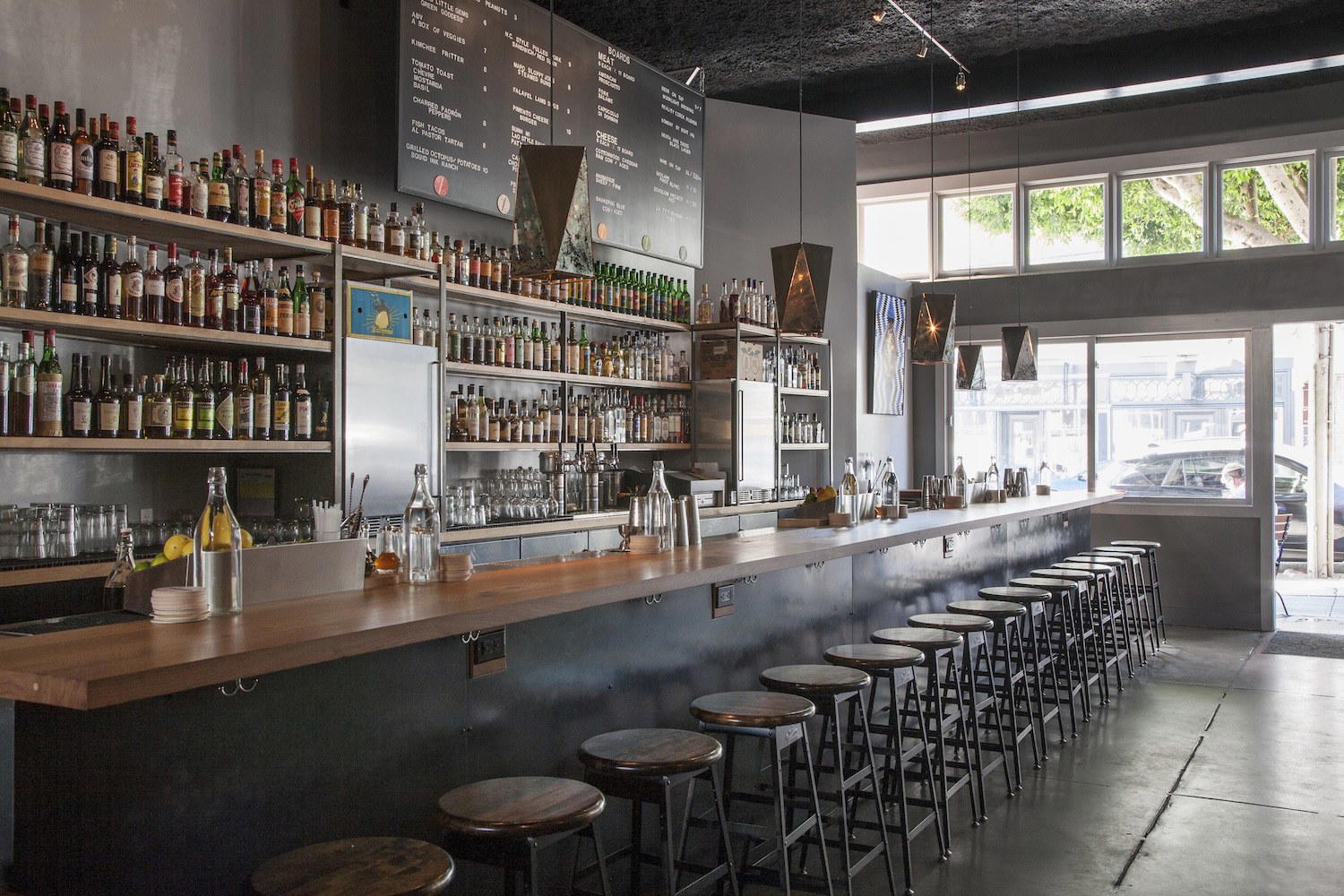
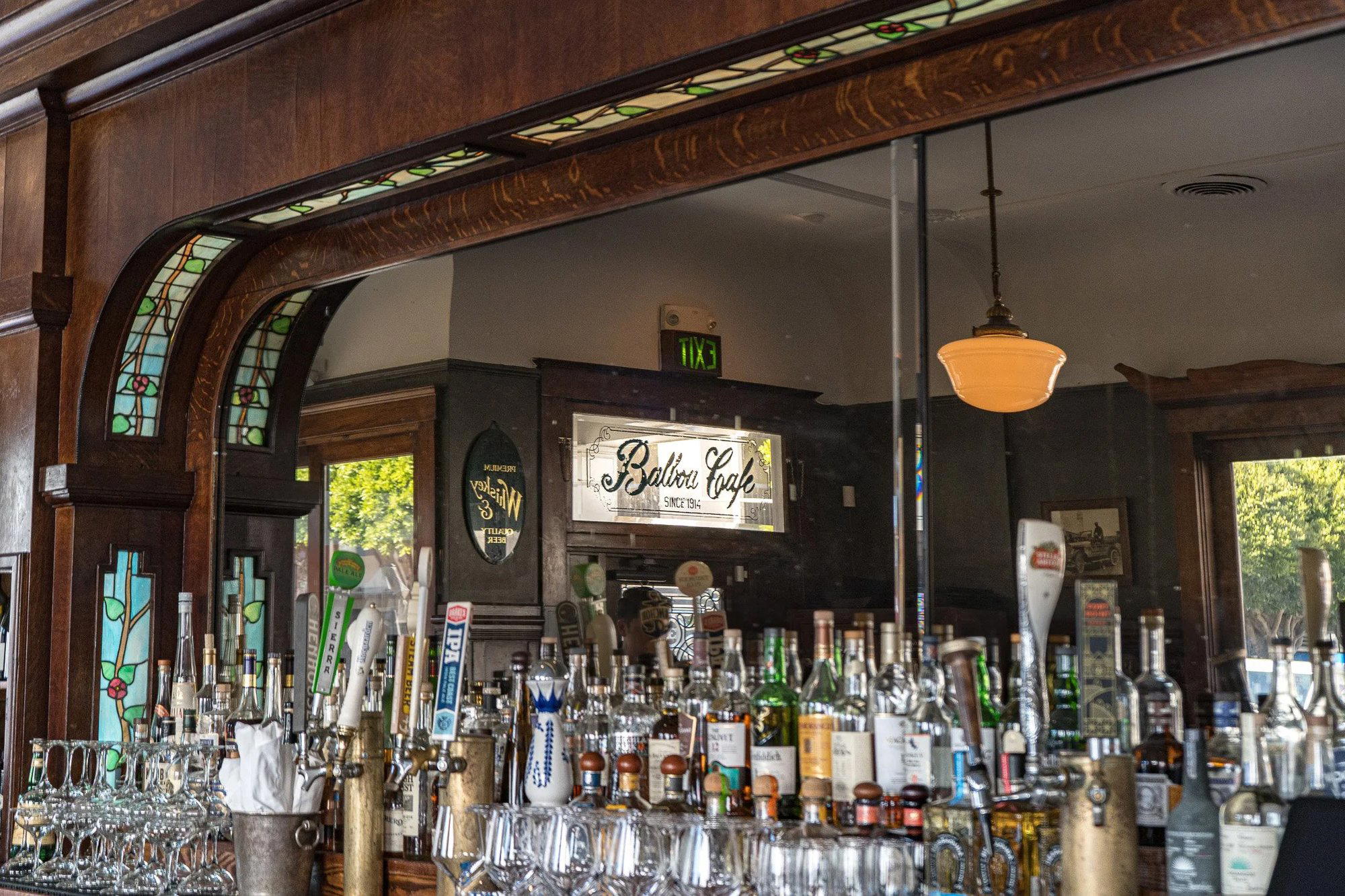
Bars in San Francisco
Browse all →
Restaurants in San Francisco
Browse all →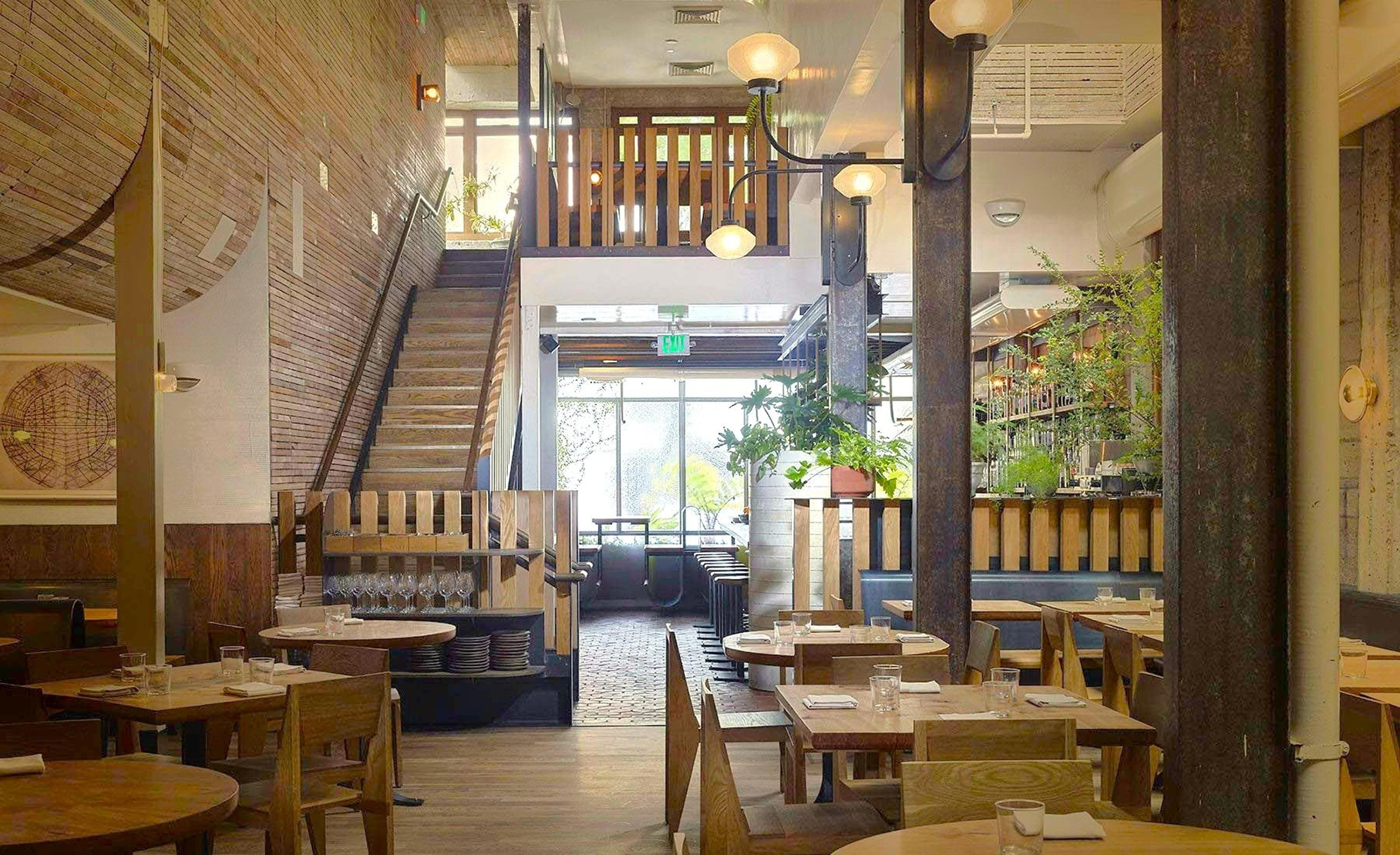
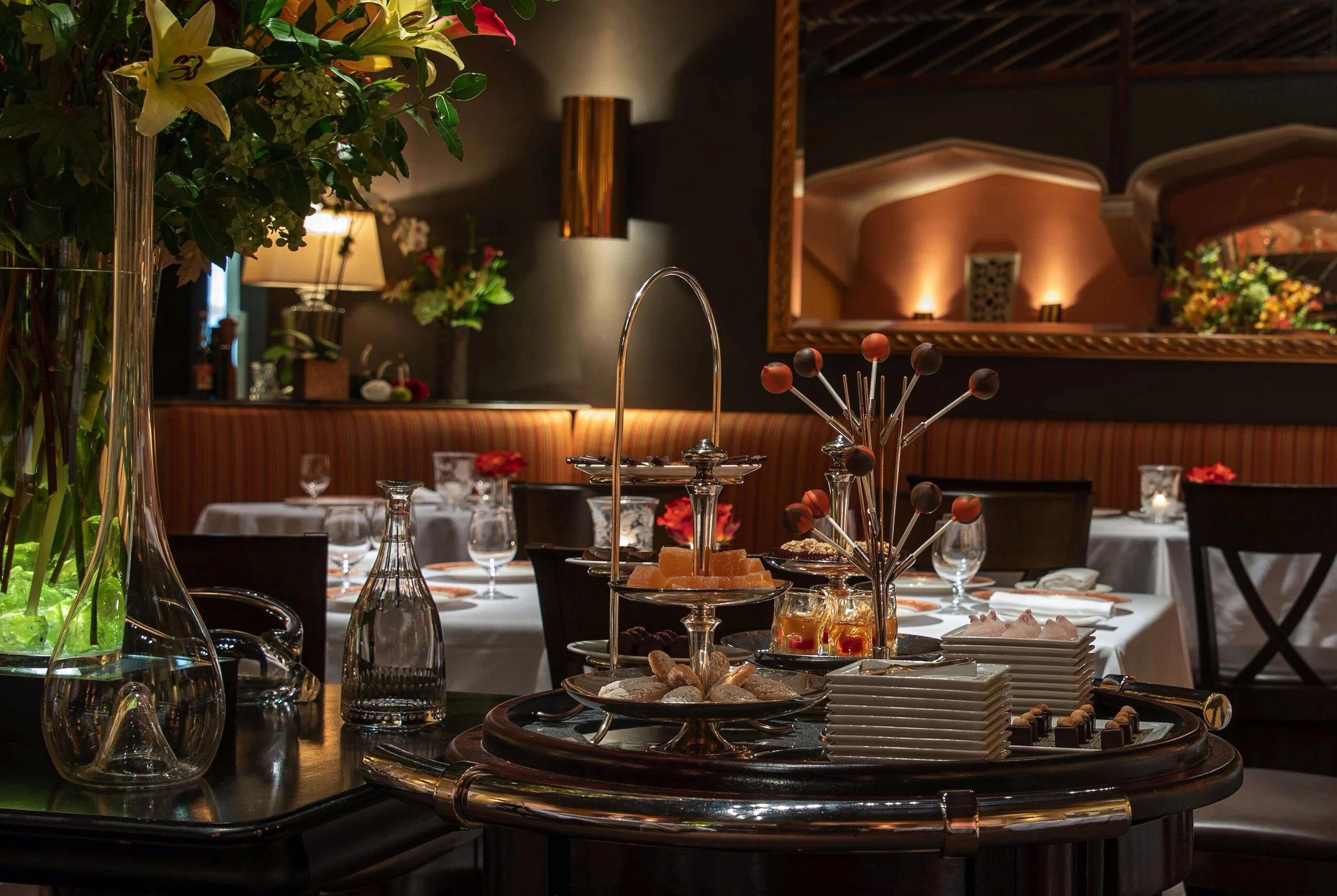
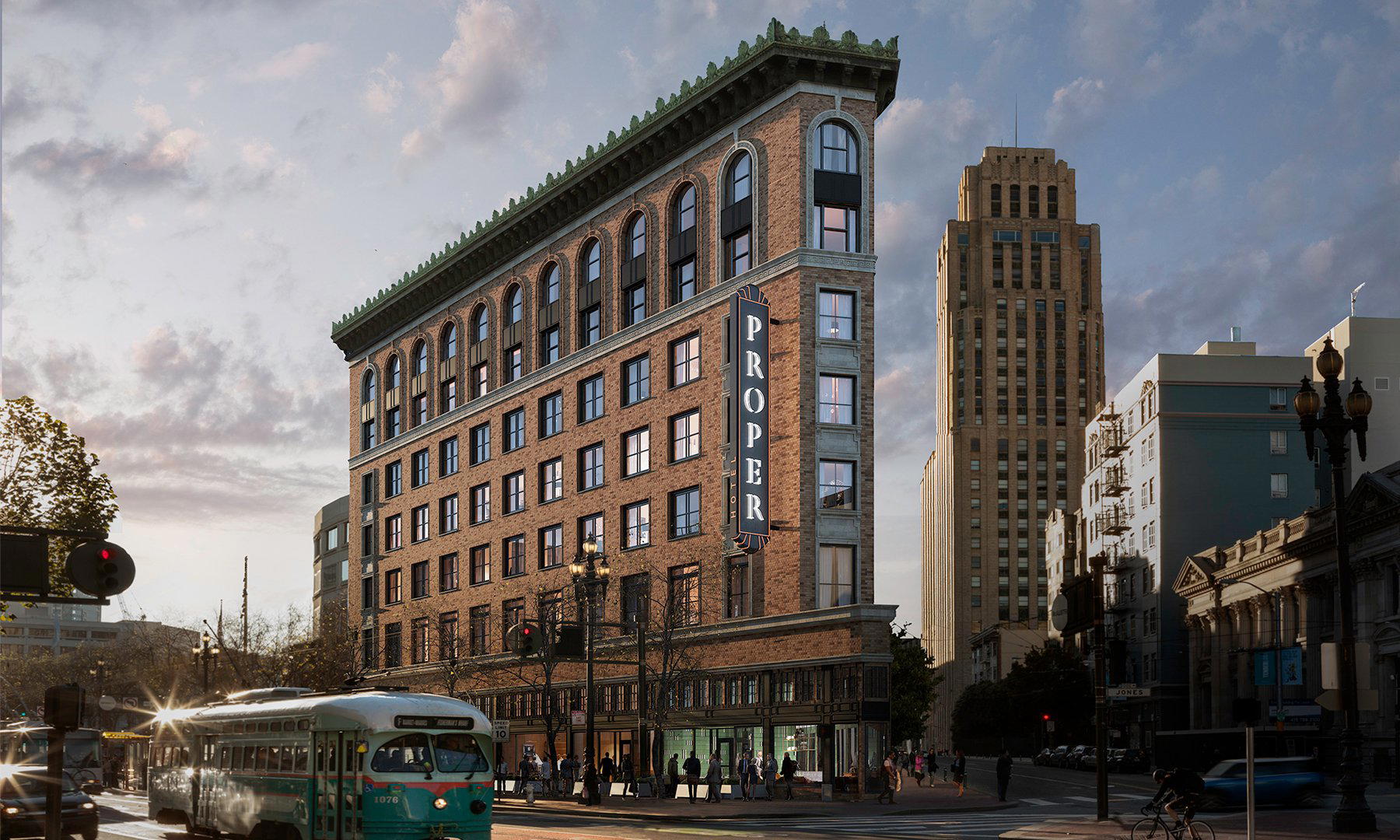
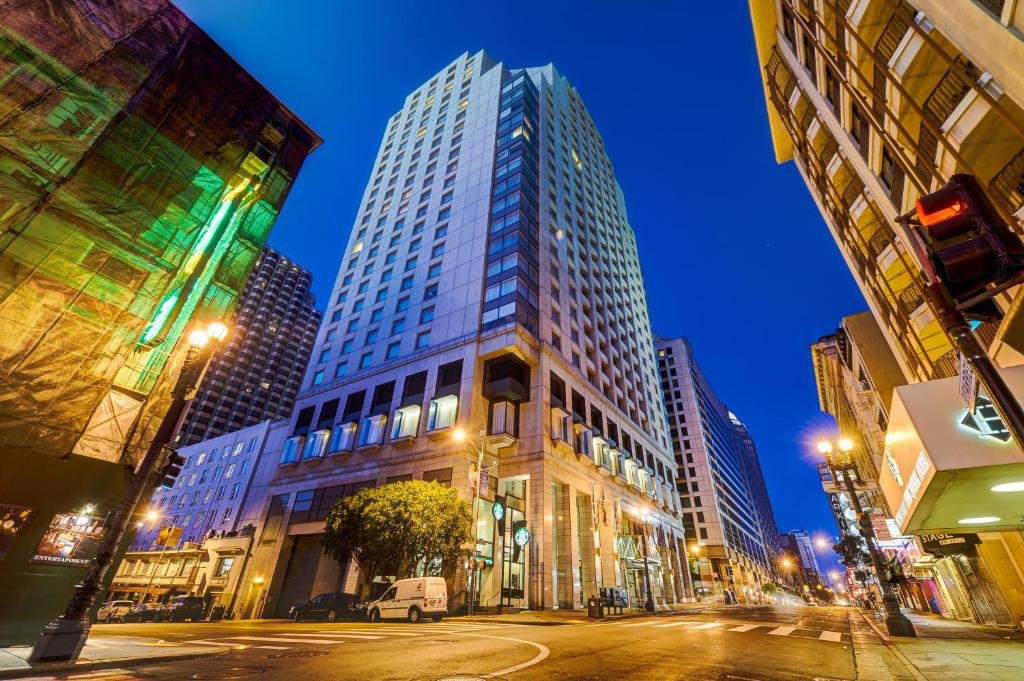
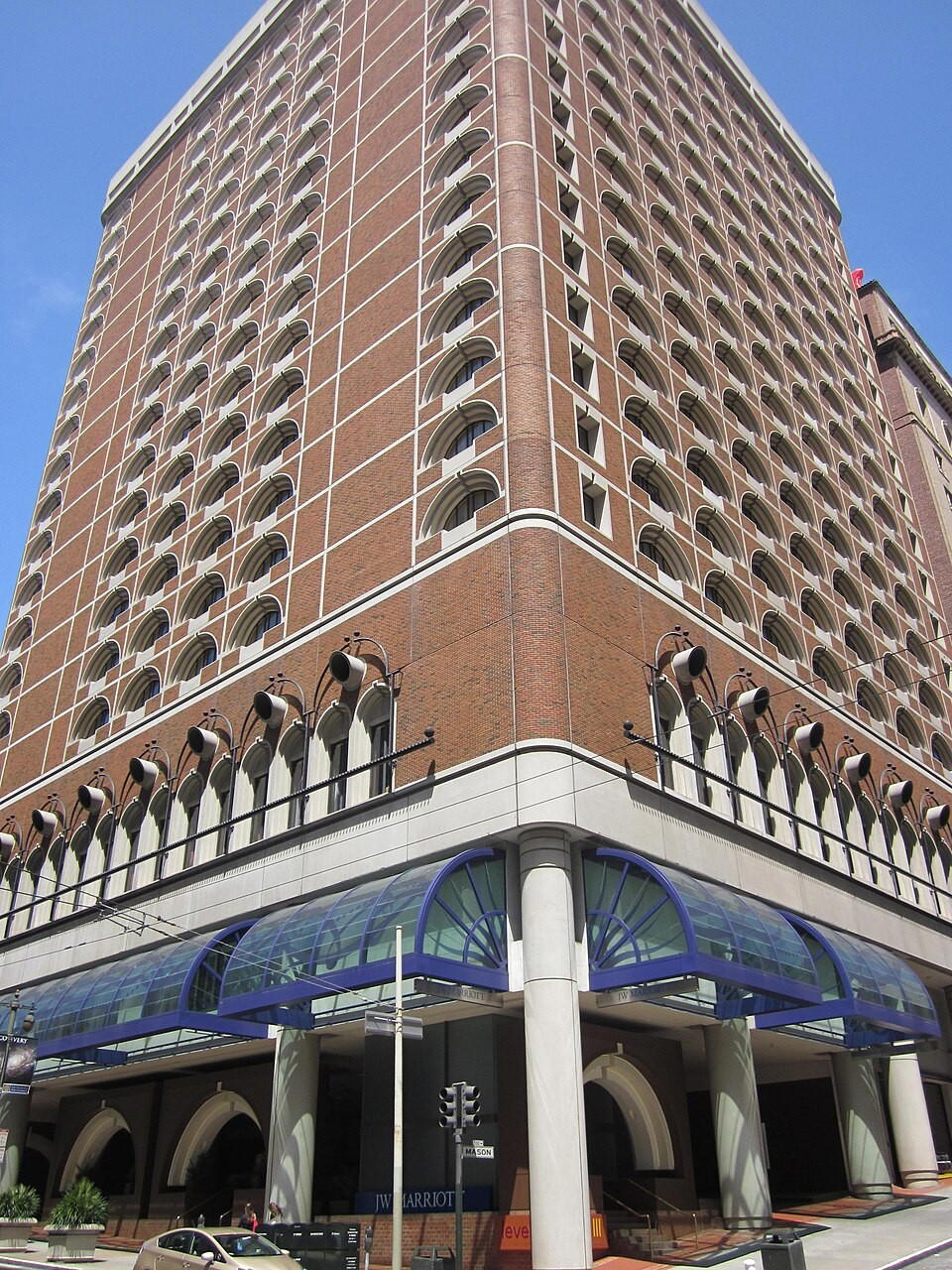
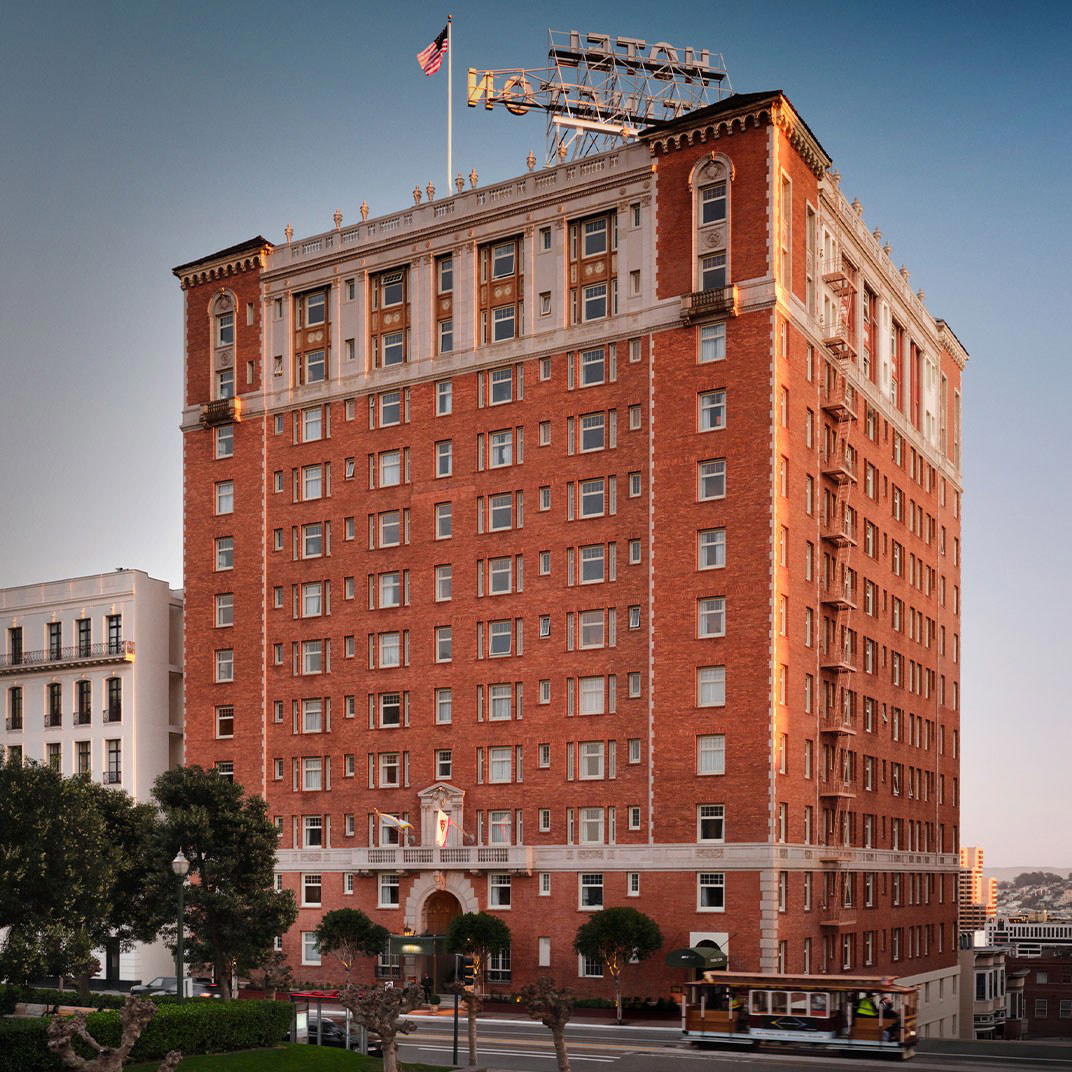
Hotels in San Francisco
Browse all →
At a Glance
- Intimate
- Elegant
- Sophisticated
- Modern
- Date Night
- Special Occasion
- Celebration
- Design Destination
- Standalone
- Counter Only
- Seated Bar
- Sake
- Conventional Wine
- Craft Beer
Current opening hours
- Monday
- Closed
- Tuesday
- 5–10 PM
- Wednesday
- 5–10 PM
- Thursday
- 5–10 PM
- Friday
- 5–10 PM
- Saturday
- 5–10 PM
- Sunday
- Closed
Hours can change for holidays and private events. Last verified .
Bright, modern, and lively with minimalist design and artful murals; intimate counter seating creates an energetic yet personal atmosphere despite acoustic challenges.