Jeju Noodle Bar
Jeju Noodle Bar on Greenwich Street in the West Village occupies a specific niche in New York's Korean dining scene, pairing focused noodle formats with the kind of reservation pressure that defines the city's most sought-after small restaurants. The address alone signals intent: this is a neighbourhood that rewards planning over spontaneity.
 Discover on Pearl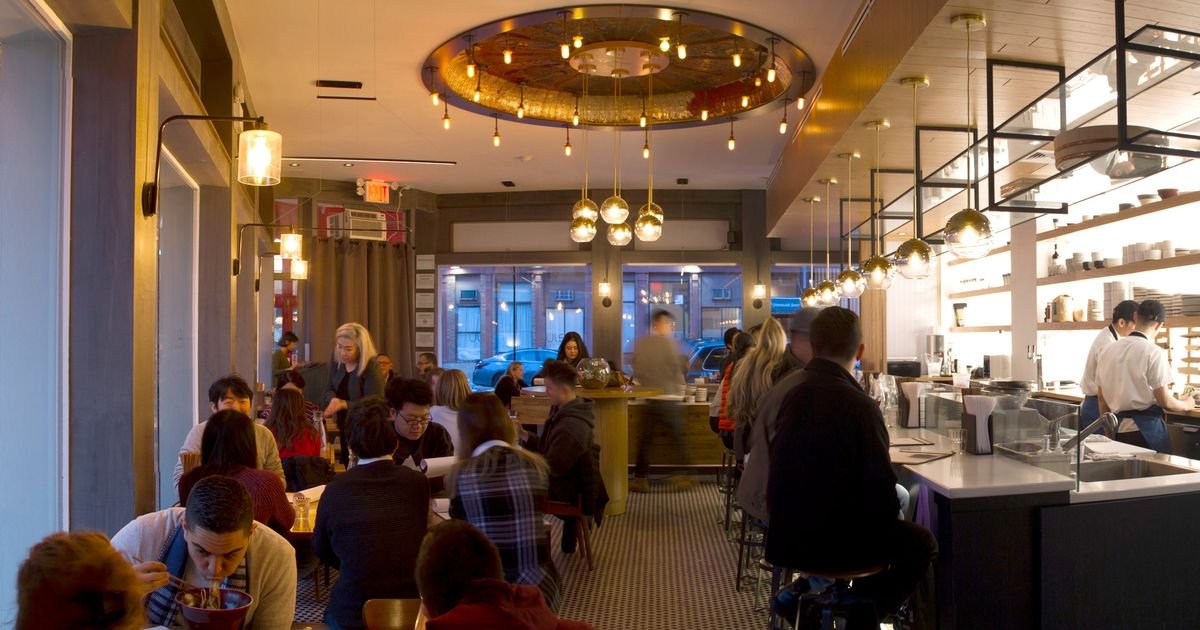
West Village Korean, and the Booking Calculus That Comes With It
New York's Korean dining scene spent much of the 2010s consolidating around two poles: the large-format Koreatown operations on 32nd Street and a quieter wave of chef-driven smaller rooms scattered across lower Manhattan and Brooklyn. Jeju Noodle Bar, at 679 Greenwich Street in the West Village, arrived as part of that second movement. The address matters more than it might appear. Greenwich Street in this stretch sits a few blocks from the Hudson, in a neighbourhood where the restaurant density is high but the tolerance for anything formulaic is low. A focused noodle concept landing here was a statement about format and seriousness, not just geography.
The broader context for understanding what Jeju Noodle Bar represents is the shift in how Korean cuisine has been received in American fine-casual dining. Through the 2010s, a number of Korean-American chefs began separating traditional technique from the all-you-can-eat galbi format that had defined the cuisine's visibility outside Korea. Jeju Noodle Bar belongs to that repositioning. It draws on the culinary traditions of Jeju Island, the volcanic island off the southern tip of the Korean peninsula, which has its own distinct foodways separate from the mainland. That regional specificity has always given the restaurant a tighter identity than a general Korean noodle concept would carry.
The shortlist, unlocked.
Hard-to-book tables, cellar releases, and concierge-planned trips.
Get Exclusive Access →The Format and Why Demand Runs Ahead of Supply
Small-format restaurants with a narrow, high-conviction menu tend to generate the kind of reservation pressure that frustrates casual diners and rewards planners. Jeju Noodle Bar fits that pattern. The room is compact, the menu focused, and the result is a booking situation that requires advance thinking rather than a walk-in mentality. In a city where reservation apps have made waitlist dynamics more visible, Jeju Noodle Bar has maintained consistent demand since its opening, which in New York's brutally competitive restaurant environment is itself a credibility signal.
The practical approach here is direct: treat Jeju Noodle Bar as you would any other West Village restaurant with genuine name recognition and limited seating. Check availability several weeks out. The Greenwich Street location has no obvious overflow option nearby if your booking falls through, so confirm rather than assume. For those comparing logistics across the city, our full New York City restaurants guide maps the booking difficulty of similarly sized rooms across neighbourhoods.
What the West Village Address Signals About Peer Set
The West Village has become one of the most reliable concentrations of serious small restaurants in the country. In that neighbourhood context, Jeju Noodle Bar operates in a peer set defined less by price tier and more by the specificity of what each room is trying to do. The comparison set is not other Korean restaurants but other focused, independent concepts that have earned a durable local following. That distinction matters when you're deciding how to spend a limited evening in the neighbourhood.
New York's bar scene around the West Village and Lower Manhattan offers genuine pre- or post-dinner options for anyone building an evening around the Jeju Noodle Bar reservation. Amor y Amargo operates on a similarly focused format principle, built entirely around amaro and bitter spirits, and the discipline of the concept makes it a natural pairing with a dinner that has its own editorial point of view. Attaboy NYC on the Lower East Side runs a no-menu, bartender-driven format that rewards guests who come with preferences rather than expectations. Both suit the kind of traveller who has already done the planning work to secure a Jeju Noodle Bar table.
For those who prefer more structured cocktail programs, Superbueno brings a Latin-inflected technical approach to the neighbourhood, while Angel's Share in the East Village remains one of the city's most consistent Japanese-leaning bar rooms, with a quieter register that can function as a decompression point after a dinner with its own intensity.
Booking, Timing, and What to Know Before You Go
The editorial angle on Jeju Noodle Bar in 2024 is less about whether the food justifies the effort and more about what the effort itself signals. Restaurants that sustain booking pressure in New York over multiple years without a major media relaunch or celebrity attachment are doing something right at the fundamentals. The demand at Jeju Noodle Bar has not been manufactured by a PR cycle. It has been maintained by repeat visitors and word-of-mouth within a dining community that is genuinely hard to impress.
If you are travelling to New York and placing Jeju Noodle Bar on your itinerary, the booking approach should mirror what you would apply to any comparable small room: reserve as early as the booking window allows, plan your evening around the reservation rather than the reverse, and treat the Greenwich Street location as a West Village anchor rather than a detour. The 14th Street and Eighth Avenue subway stop puts you within a ten-minute walk. The neighbourhood itself rewards time before or after the meal.
For those building a broader trip around serious eating and drinking, the peer set of technically focused small bars extends well beyond New York. Kumiko in Chicago and Bar Leather Apron in Honolulu represent the same format discipline in different American cities. ABV in San Francisco, Allegory in Washington, D.C., Jewel of the South in New Orleans, and Julep in Houston each occupy a similar position in their local scenes. And if the format interest extends to Europe, The Parlour in Frankfurt on the Main is worth noting as a reference point for how the same small-room, high-conviction model translates across contexts.
Frequently Asked Questions
- What's the general vibe of Jeju Noodle Bar?
- The room is compact and the format is focused, which in the West Village means the energy runs toward concentrated rather than sprawling. If you are coming from a larger Korean dining experience, the register here is quieter and more deliberate. It suits a guest who has made a reservation in advance and is treating dinner as the centrepiece of the evening rather than a casual stop.
- What is Jeju Noodle Bar known for?
- The restaurant draws on the culinary traditions of Jeju Island, a distinct regional identity within Korean cuisine that separates it from the Seoul-centric formats more common in New York. That regional specificity, combined with the West Village address and consistent booking demand, has given it a durable profile in the city's Korean dining conversation.
- How far ahead should I plan for Jeju Noodle Bar?
- Treat this as you would any small, well-regarded West Village room: check availability several weeks in advance and confirm your reservation. Walk-in possibilities depend on cancellations and are not a reliable strategy. The restaurant does not publish booking details publicly, so checking their reservation platform directly as soon as your travel dates are set is the practical approach.
- What's the signature drink at Jeju Noodle Bar?
- Specific beverage program details are not publicly documented in a way that allows a confident recommendation here. The cuisine context, with its Korean regional grounding, would logically suggest Korean spirits or beer pairings, but verifying current drink offerings directly with the restaurant before your visit is the right approach.
- Does Jeju Noodle Bar live up to the hype?
- The sustained booking demand over multiple years in a New York market that cycles through trends quickly is a more honest credibility signal than any single review. Restaurants that maintain genuine interest without a media relaunch are generally doing something right at the plate level. Whether the specific format suits your preferences is a different question, and one worth researching through recent diner accounts before committing.
- Is Jeju Noodle Bar a good fit for first-time visitors to Korean regional cuisine?
- Jeju Island's culinary traditions are distinct enough from the Korean food most American diners encounter that the restaurant can function as a genuine introduction to a lesser-known regional style. The focused menu format means there are fewer decisions to navigate, which can actually make the experience more accessible rather than less. First-time visitors to Jeju-style cooking will find the specificity clarifying rather than intimidating.
Cuisine and Recognition
A compact peer snapshot based on similar venues we track.
| Venue | Cuisine | Awards | Notes |
|---|---|---|---|
| Jeju Noodle Bar | This venue | ||
| The Long Island Bar | World's 50 Best | ||
| Dirty French | |||
| Superbueno | World's 50 Best | ||
| Amor y Amargo | World's 50 Best | ||
| Angel's Share | World's 50 Best |
Need a Table?
Our members enjoy priority alerts and concierge-led booking support for the world's most difficult bars and lounges.
Get Exclusive AccessThe shortlist, unlocked.
Hard-to-book tables, cellar releases, and concierge-planned trips.
Get Exclusive Access →