Isla del Mar South
Isla del Mar South anchors the southern stretch of Omaha's dining corridor at 5101 S 36th St, drawing a neighborhood crowd that values consistency over spectacle. The dining room reflects the working-class pragmatism of its surroundings while delivering a seafood-forward menu in a city that has historically leaned toward beef. It occupies a niche that few Omaha addresses have bothered to fill.
Pearl is the En Primeur Club membership app — saves, bookings, and concierge access live there. Same editors, same standards.
- Address
- 5101 S 36th St, Omaha, NE 68107
- Phone
- +1 531 772 0754
- Website
- isladelmarrestaurante.com
- Directions
- Get directions
 Saves & bookings on Pearl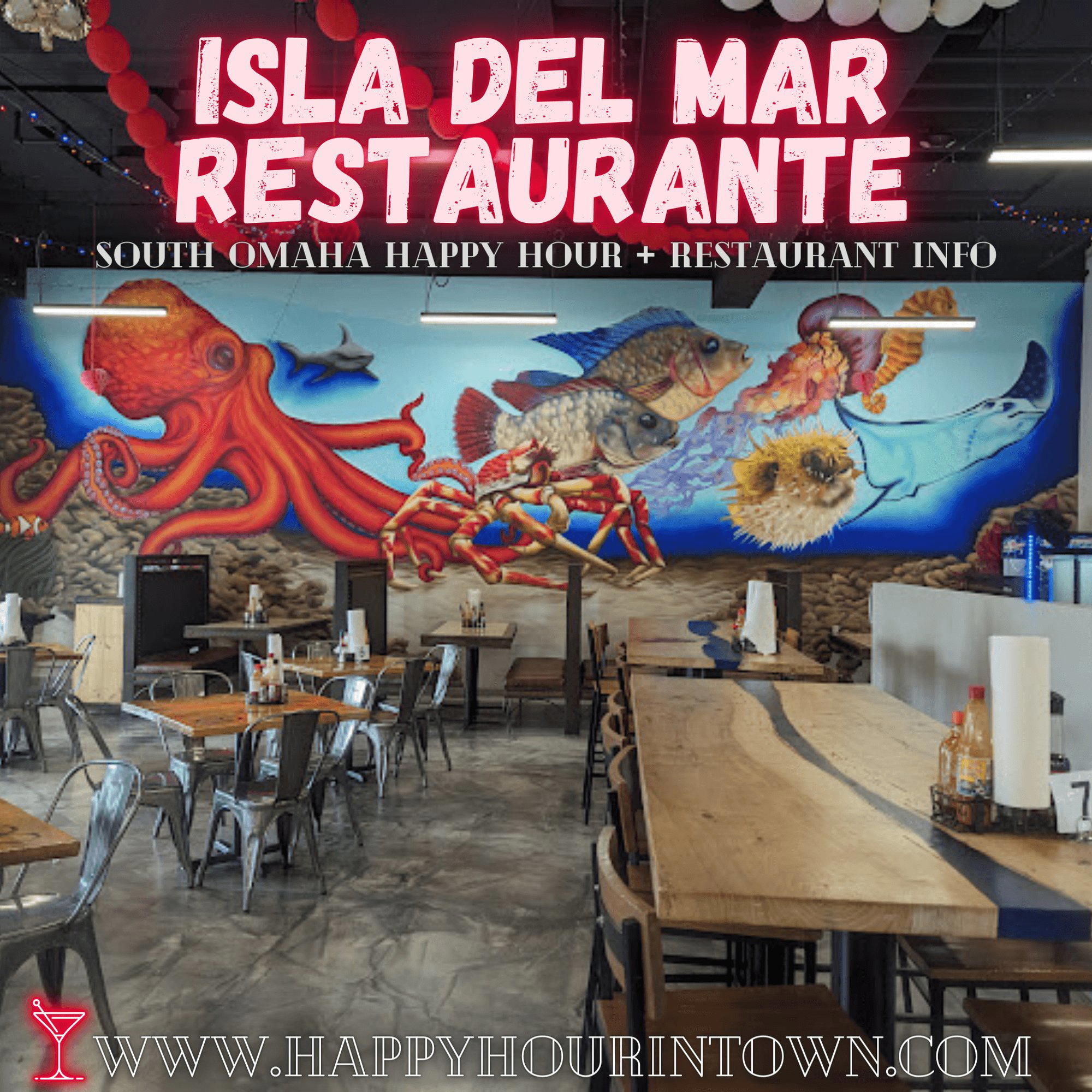
Where South Omaha Meets the Sea
South Omaha has always operated on different terms from the Old Market dining cluster or the Aksarben Village corridor. The neighborhood carries an industrial and immigrant history that shapes its food culture more than any marketing initiative could: the restaurants here tend to serve communities rather than concepts. Isla del Mar South, at 5101 S 36th St, fits that character. The address sits in a part of the city where a seafood-focused name carries genuine cultural weight, in a zip code where Latin American culinary traditions run deep and the expectation is substance over staging.
Approaching the building, you are in the grain of a working Omaha neighborhood rather than a curated dining district. That context matters for how the room functions. This is not a restaurant positioned against DANTE or the polished Modern American format of the city's upmarket tier. It operates in a register that prioritizes the regulars who return week after week over the visiting critic looking for a set-piece experience. In American cities of Omaha's size, that kind of neighborhood anchor is often more revealing about a city's actual food culture than its most decorated addresses.
The Logic of a Seafood House in a Landlocked City
Omaha's culinary reputation rests almost entirely on beef, and with good reason: the city's meatpacking history and proximity to ranch country made steakhouses the dominant format for generations. The emergence of seafood-forward restaurants in the city's southern neighborhoods represents a counternarrative driven largely by demographic shift. South Omaha's Latino population, which expanded significantly through the latter half of the twentieth century, brought with it culinary traditions in which fish and shellfish hold the same cultural centrality that prime cuts hold elsewhere in the city.
This is the tradition Isla del Mar South operates within. Across the United States, the mariscos restaurant format, which centers on coastal Mexican and Central American seafood preparations, has become one of the more durable expressions of immigrant food culture in landlocked Midwestern cities. Ceviche, whole fried fish, seafood soups, and shellfish cocktails define that category. The question worth asking of any restaurant in this niche is whether the kitchen applies the format with technical discipline or whether it defaults to genericism. Omaha's south side has enough options in this space that guests can now make meaningful comparisons, a development that has only recently taken hold.
For useful points of regional comparison, the bar and cocktail programs at venues like Jewel of the South in New Orleans or Julep in Houston illustrate how Gulf Coast food culture elevates seafood-adjacent drinking traditions, a parallel to what South Omaha restaurants are building in a landlocked setting. Closer to home, addresses like Block 16 demonstrate that Omaha has developed a serious appetite for food that pushes past the steakhouse default, even if Block 16 operates in an entirely different register.
Front-of-House as the Story
In any restaurant where the chef's name is not part of the marketing apparatus, the front-of-house team often carries more weight than critics give it credit for. At a neighborhood-rooted address like Isla del Mar South, the service layer determines whether a guest who wanders in for the first time becomes a regular. In the mariscos and Latin seafood category, service is frequently family-operated and deeply informal, which can read as warmth or as inconsistency depending on the night and the team's cohesion.
The editorial angle that applies here is one worth applying across this category: the collaboration between whoever manages the floor and whoever manages the kitchen defines the guest experience more than either element alone. At higher-profile addresses, that dynamic gets articulated through named sommelier programs and choreographed service sequences. At a restaurant on South 36th Street, it is expressed through how well a server can walk a first-time guest through an unfamiliar menu, or whether the kitchen and floor communicate well enough to handle a busy Friday without the two operations working at cross-purposes. These are less glamorous signals, but they are the ones that determine a restaurant's staying power in its own neighborhood.
For contrast, consider how venues operating at the opposite end of the technical spectrum, such as Kumiko in Chicago or Bar Leather Apron in Honolulu, have built reputations on exactly that internal coherence between service, bar, and kitchen. The principle scales across price points even when the execution looks entirely different.
Omaha's Wider Dining Picture
Placing Isla del Mar South in Omaha's broader food context requires acknowledging that the city's dining scene has expanded in several directions simultaneously. The Old Market remains the concentration point for fine dining and chef-driven concepts. The suburban corridors handle chain volume. And south Omaha functions as the city's most texturally interesting food neighborhood, one where affordability and cultural specificity combine in a way that the other districts do not replicate. For visitors building a comprehensive picture of what Omaha actually eats, south Omaha is a necessary chapter, not an optional detour.
Other addresses worth mapping on any serious tour of the city include Big Fred's Pizza Garden and Lounge and China Garden, both of which occupy long-standing positions in Omaha's neighborhood fabric. The full Omaha restaurants guide provides a more complete map of the city's current tier structure. For those interested in how American bar culture intersects with serious food programs, Superbueno in New York City, ABV in San Francisco, and The Parlour in Frankfurt on the Main each illustrate different models for integrating beverage programs with culturally specific food formats, a comparison that has relevance as Omaha's independent scene continues to develop its own identity.
Planning Your Visit
Isla del Mar South is located at 5101 S 36th St, Omaha, NE 68107, in a neighborhood that is most easily reached by car. The address does not carry a formal awards designation or price-tier classification in available records, which places it in the category of neighborhood restaurants that build their following through repeat visits rather than critical recognition. That is a legitimate position to occupy, and for guests approaching Omaha's south side for the first time, it represents a low-stakes entry point into a food culture that rewards exploration.



At a Glance
- Whimsical
- Lively
- Energetic
- Group Outing
- Casual Hangout
- Live Music
- Seated Bar
- Classic Cocktails
Current opening hours
- Monday
- 11 AM–9 PM
- Tuesday
- 11 AM–9 PM
- Wednesday
- 11 AM–9 PM
- Thursday
- 11 AM–9 PM
- Friday
- 11 AM–10 PM
- Saturday
- 11 AM–10 PM
- Sunday
- 10 AM–9 PM
Hours can change for holidays and private events. Last verified .
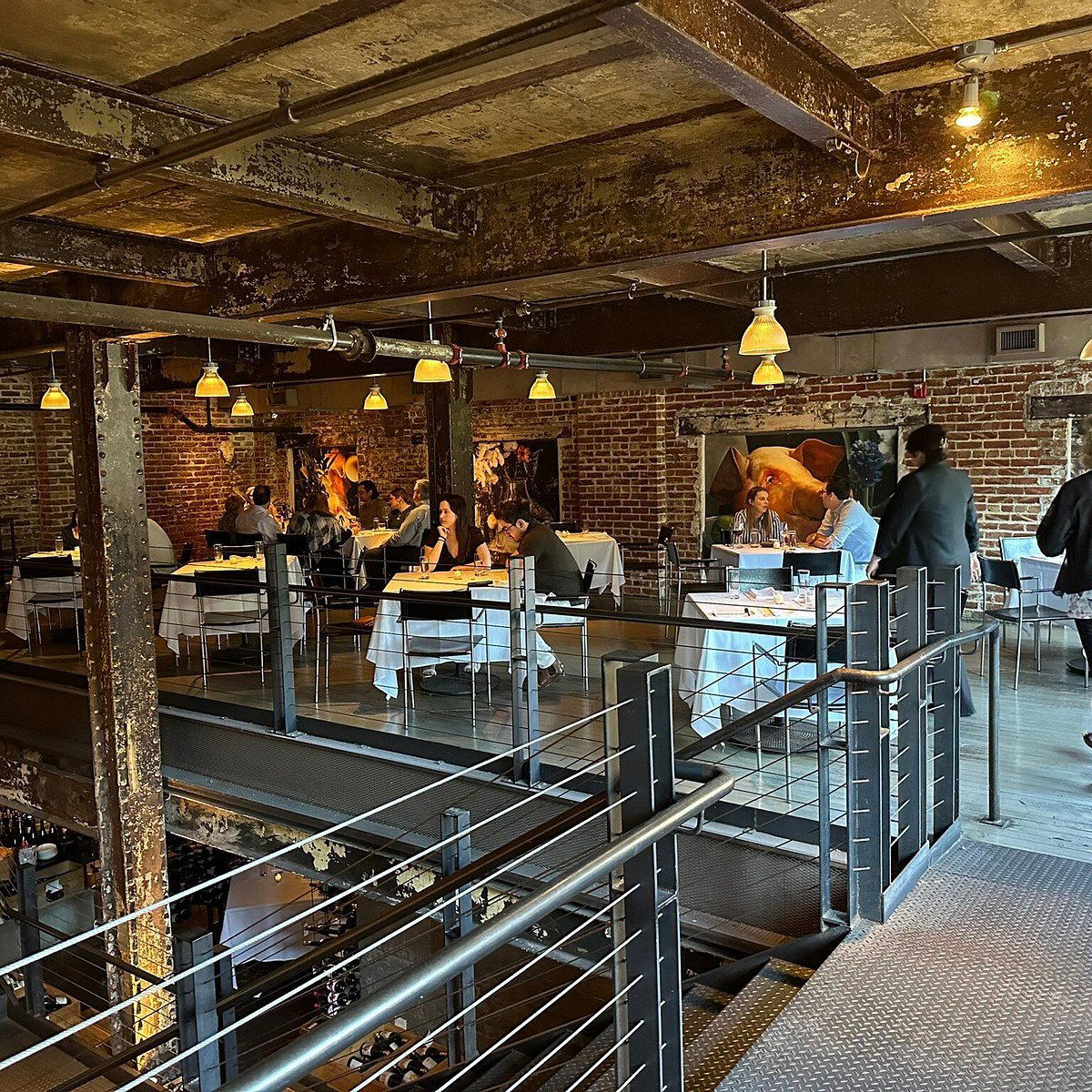
Bright, colorful nautical murals with loud music and a festive, party-like atmosphere.
Know Before You Go
- Getting there
- 5101 S 36th St, Omaha, NE 68107