India Garden
India Garden occupies a direct address on Detroit Avenue in Lakewood, Ohio, placing Indian cuisine in one of Cleveland's most food-forward inner-ring suburbs. The restaurant sits among a stretch of independent dining that reflects Lakewood's character as a neighbourhood where ethnic and independent operators hold ground alongside local bars and casual institutions. For those exploring the suburb's dining options, it represents the area's appetite for international cooking beyond the expected.
Pearl is the En Primeur Club membership app — saves, bookings, and concierge access live there. Same editors, same standards.
- Address
- 18405 Detroit Ave, Lakewood, OH 44107
- Phone
- +1 216 221 0676
- Website
- indiagardencleveland.com
- Directions
- Get directions
 Saves & bookings on Pearl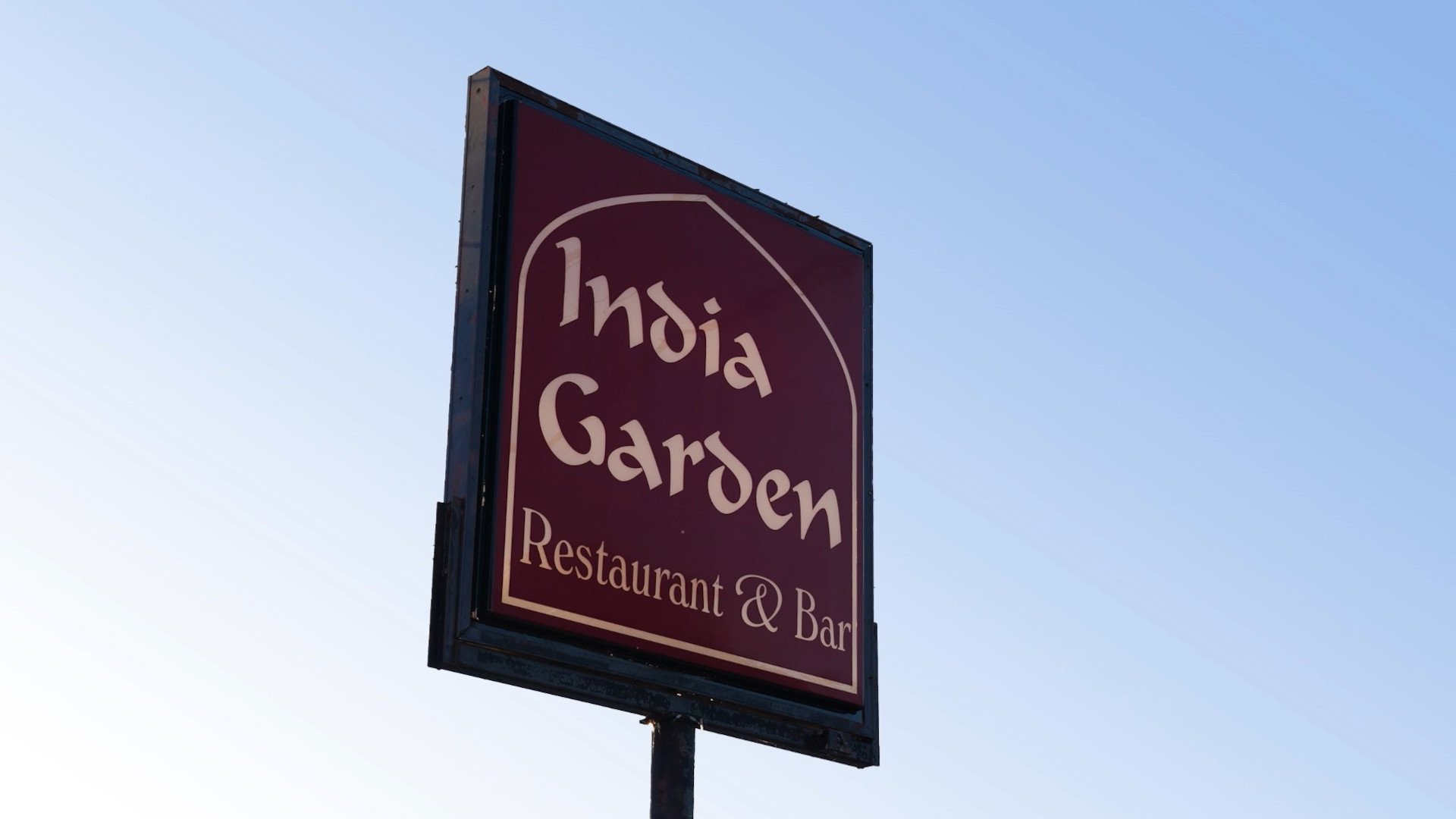
Detroit Avenue and the Lakewood Independent Dining Circuit
Lakewood, Ohio's inner-ring suburb immediately west of Cleveland, has built a dining identity around independent operators rather than chain anchors. Detroit Avenue, the suburb's main commercial spine, carries that character in concentrated form: a rolling sequence of ethnic restaurants, neighbourhood bars, and casual institutions that collectively define what Lakewood eats. India Garden at 18405 Detroit Ave sits inside that pattern, one address among a corridor that includes Mediterranean, Italian, and internationally influenced kitchens all drawing from the same walkable, locally loyal customer base.
That neighbourhood context matters when assessing what Indian restaurants do in mid-sized American cities. Indian cooking in places like Lakewood tends to serve a dual function: a regular weeknight option for residents who live within walking distance, and an accessible introduction to the cuisine for a broader suburban audience less exposed to the urban density of a downtown dining scene. The format that typically succeeds here is a full-menu approach, anchored by subcontinental standards, biryanis, tikka masala variants, dal preparations, bread service, rather than the narrower regional focus that characterises more specialised Indian restaurants in larger urban markets.
What Indian Cooking Looks Like at the Suburban Scale
American Indian restaurants outside major metro centres have historically occupied a particular tier: generous portions, familiar dishes calibrated toward a mixed audience, and a price structure that makes the cuisine accessible to households rather than just occasion diners. Dishes like chicken tikka masala, saag paneer, and lamb rogan josh carry the weight of most covers, while more regionally specific preparations appear for diners who seek them out.
The bread program at restaurants in this category often tells you more than the protein dishes. A kitchen that handles naan, paratha, and puri correctly, properly charred, served hot, not sitting in a warming stack, signals that the fundamentals are taken seriously. The same applies to the rice: biryani prepared with accurate layering and sufficient resting time reads differently from the same dish treated as a simple protein-and-rice combination. These are the markers worth attending to when assessing an Indian restaurant at this tier and in this geography.
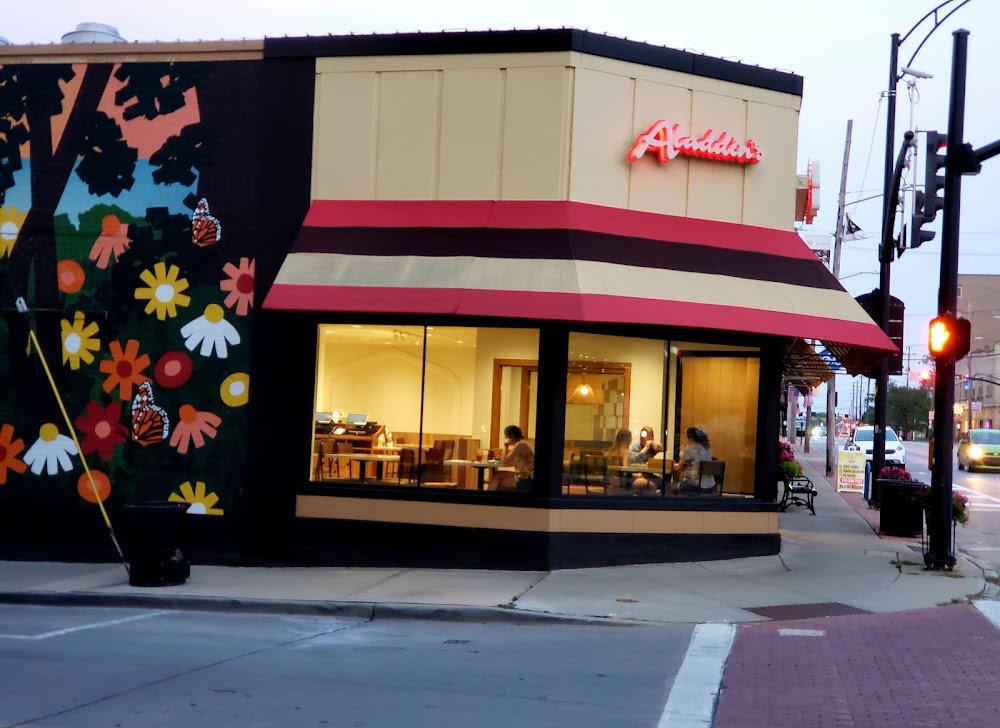
For context on what the Lakewood independent dining circuit looks like more broadly, Aladdin's Eatery Lakewood occupies the Mediterranean-Lebanese end of the international corridor, while Cafe Jordano represents the suburb's Italian tradition. Green Mountain Beer Company and African Grill and Bar extend the picture further. Together, these operators sketch a suburb that takes independent, internationally influenced dining seriously without requiring the concentration of a larger city to sustain it.
Where India Garden Sits in the Lakewood comparable set
Among Lakewood's independent international operators, India Garden occupies the subcontinental position that other suburbs in the greater Cleveland area address inconsistently. The suburb has a higher-than-average concentration of independent dining per capita for an Ohio inner-ring community, and the Detroit Avenue stretch competes on the strength of its diversity rather than any single breakout venue. The bar benefits from that dynamic: diners cycling through the corridor's options return to it as the resident Indian kitchen in a way that a single-cuisine restaurant in a more diluted suburban strip would not enjoy.
The comparison group worth watching nationally is a tier of American Indian restaurants in similar mid-sized markets that have moved toward tasting menus or chef-driven formats. That keeps the local conversation at the level of consistency, value, and accessibility. For drinks programming more broadly, venues like Bar Leather Apron in Honolulu, Jewel of the South in New Orleans, ABV in San Francisco, and The Parlour in Frankfurt on the Main show how independent operators in other cities are raising the bar on the full dining-and-drinks experience, a benchmark the Lakewood scene has room to grow toward.
Planning Your Visit
The bar is located at 18405 Detroit Ave, Lakewood, OH 44107, on the suburb's primary commercial corridor and accessible by car or on foot from much of western Lakewood. Detroit Avenue parking runs along the street, and the surrounding block has sufficient density to make a pre- or post-dinner walk to other neighbourhood spots a practical option.
The Quick Read
Comparable venues nearby, for context on price, style, and recognition.
| Venue | Cuisine | Price | Notes |
|---|---|---|---|
| India GardenThis venue — the venue you are viewing | Lakewood, Bar | $$ | Not listed |
| Aladdin's Eatery Lakewood | Lakewood, pub | $$ | Not listed |
| Harlow's Pizza | Lakewood, pub | $$ | Not listed |
| Trellis Rooftop | Not listed | $$ | Lakewood, rooftop_bar |
| Melt Bar and Grilled | Lakewood, pub | $$ | Not listed |


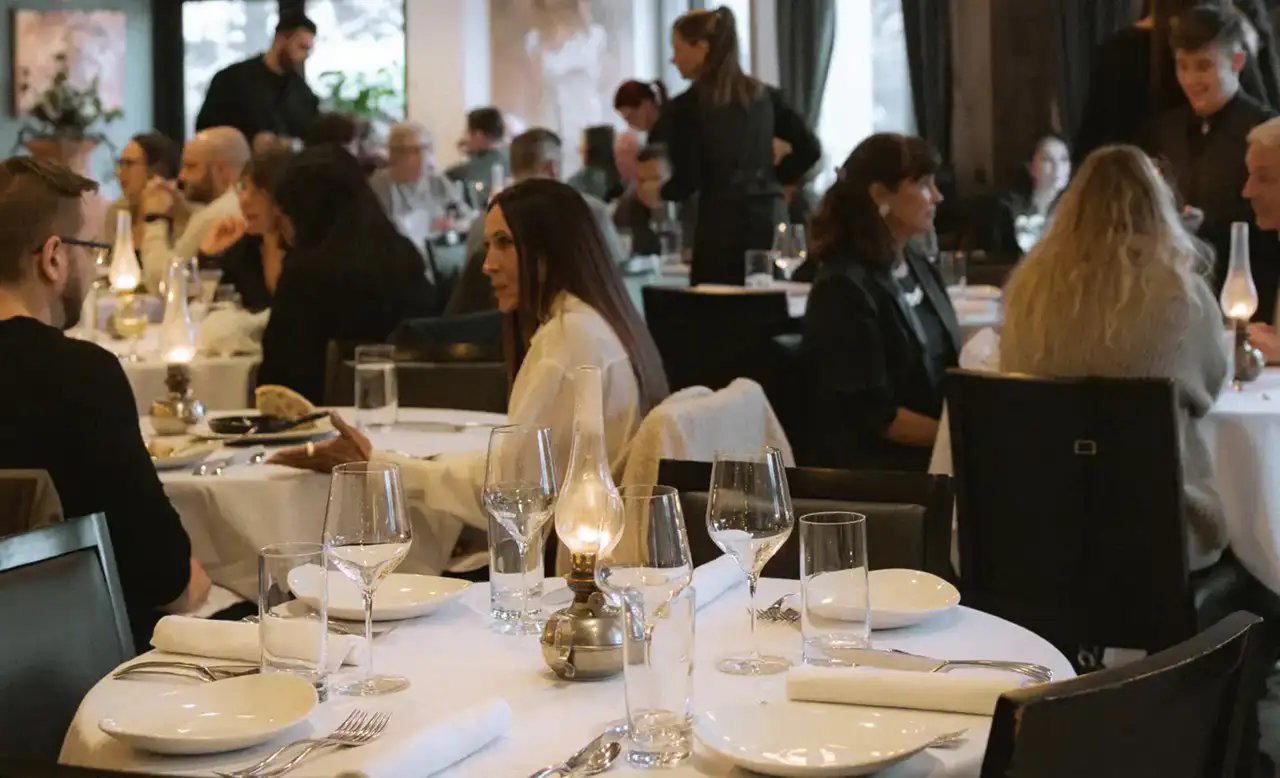
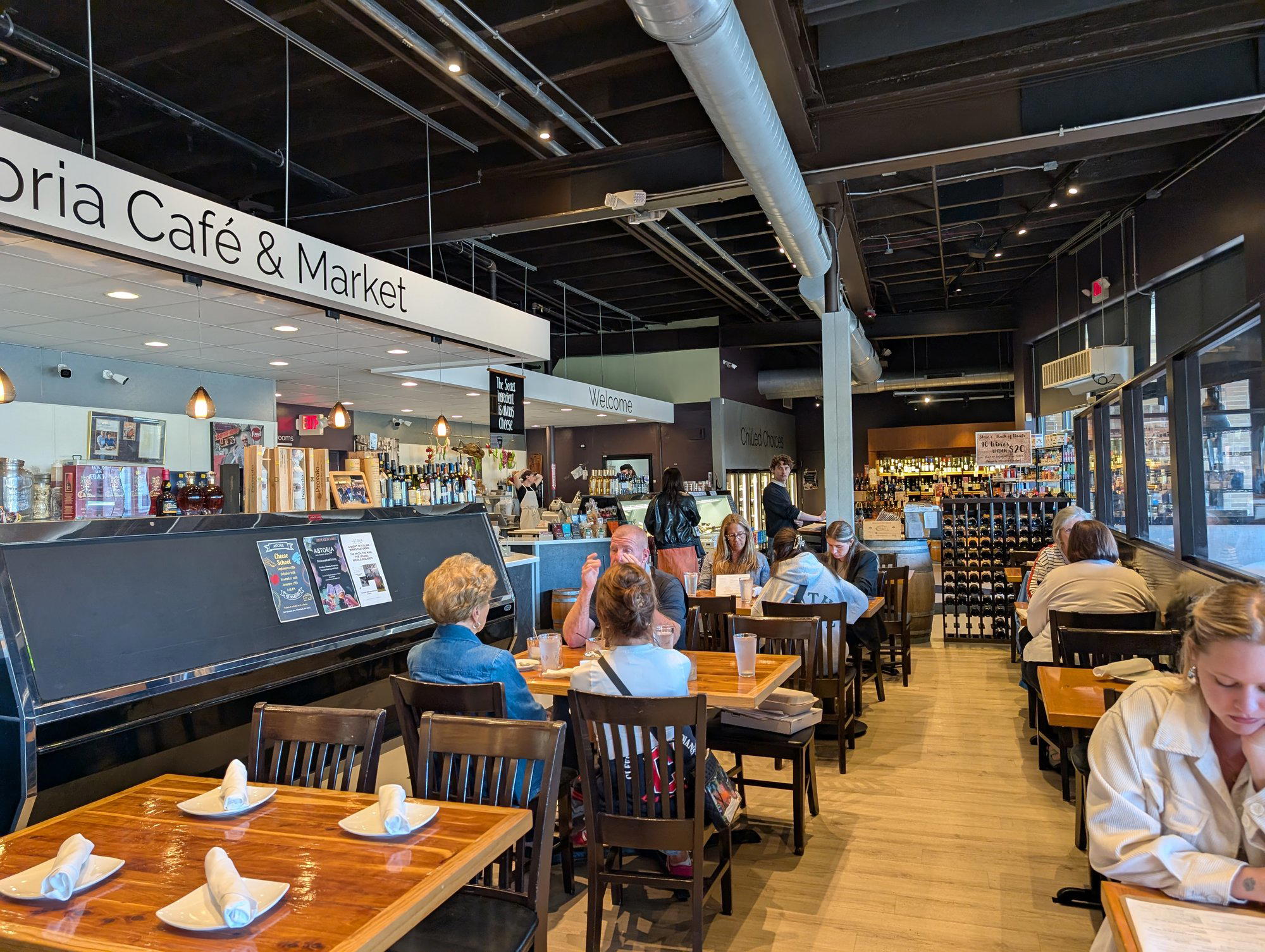
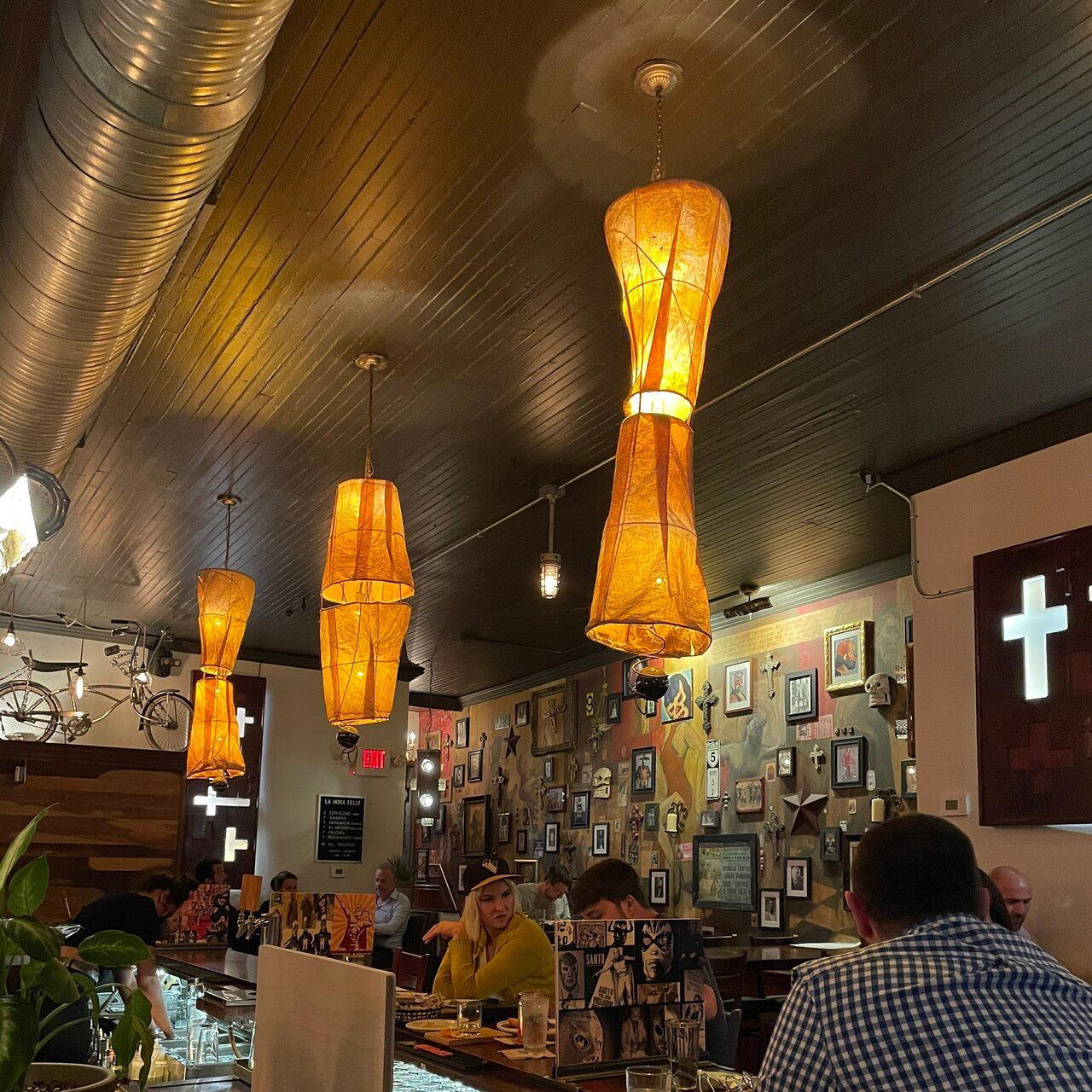
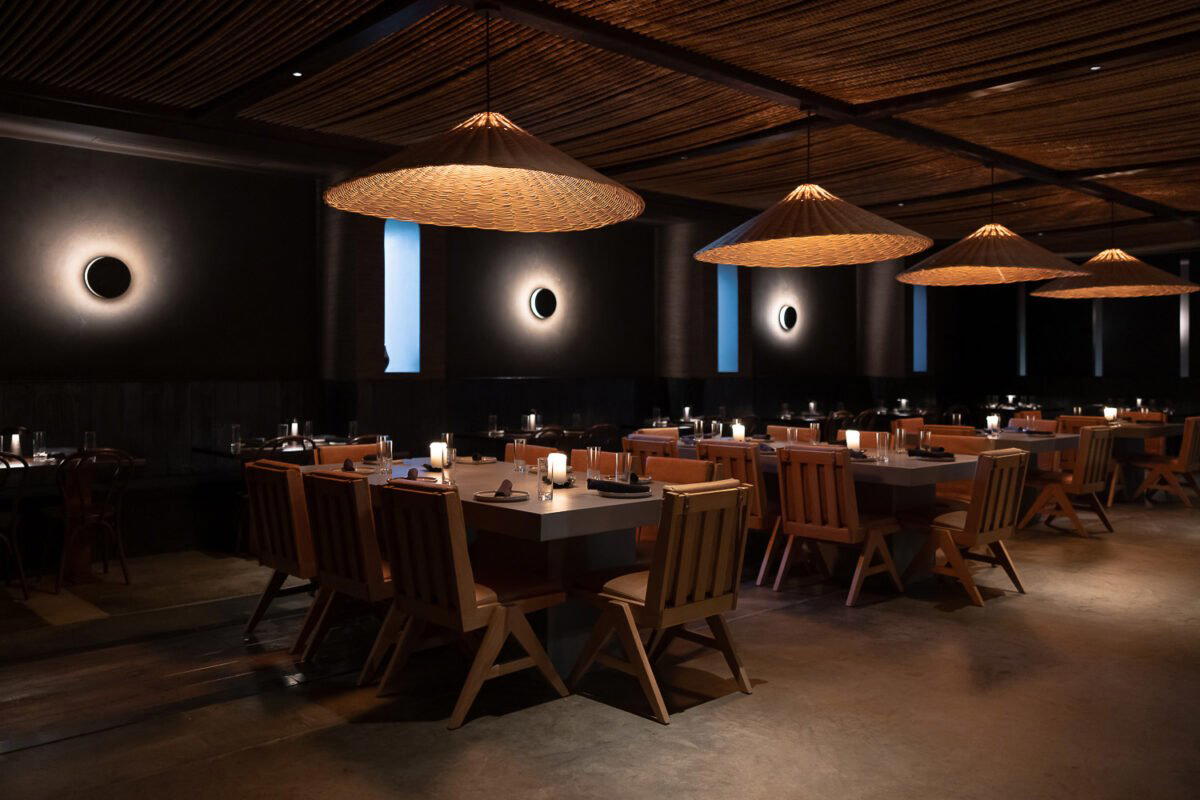
At a Glance
- Quiet
- Classic
- Cozy
- Casual Hangout
- Group Outing
- Family
- Standalone
- Seated Bar
- Booth Seating
Current opening hours
- Monday
- 11:30 AM–2:30 PM, 4:30–9:30 PM
- Tuesday
- 11:30 AM–2:30 PM, 4:30–9:30 PM
- Wednesday
- 11:30 AM–2:30 PM, 4:30–9:30 PM
- Thursday
- 11:30 AM–2:30 PM, 4:30–9:30 PM
- Friday
- 11:30 AM–2:30 PM, 4:30–9:30 PM
- Saturday
- 11:30 AM–2:30 PM, 4:30–9:30 PM
- Sunday
- 11:30 AM–2:30 PM, 4:30–9:30 PM
Hours can change for holidays and private events. Last verified .
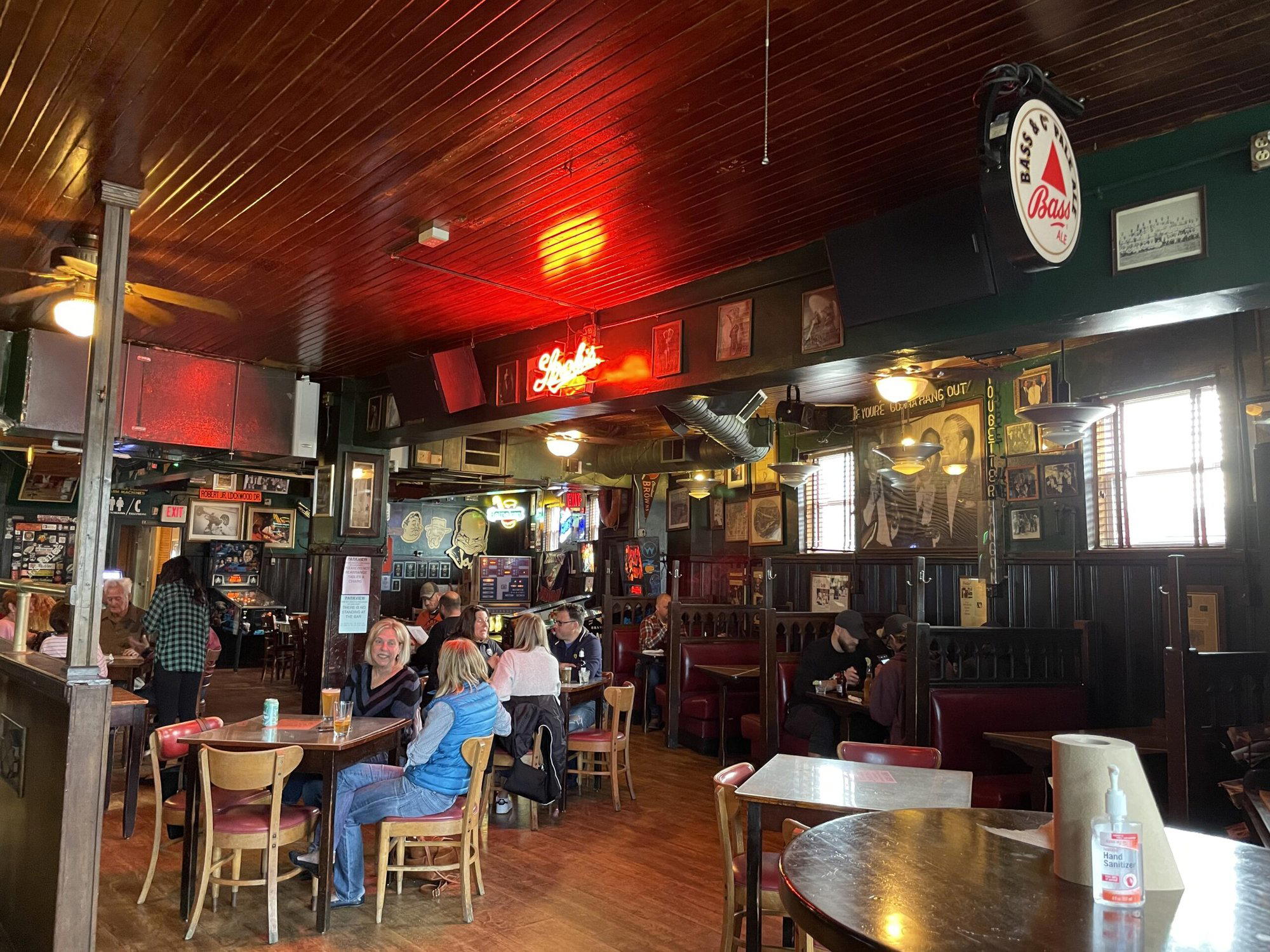
Nice and quiet atmosphere with Indian music, casual dining environment.