Hunan Chinese Restaurant buffet
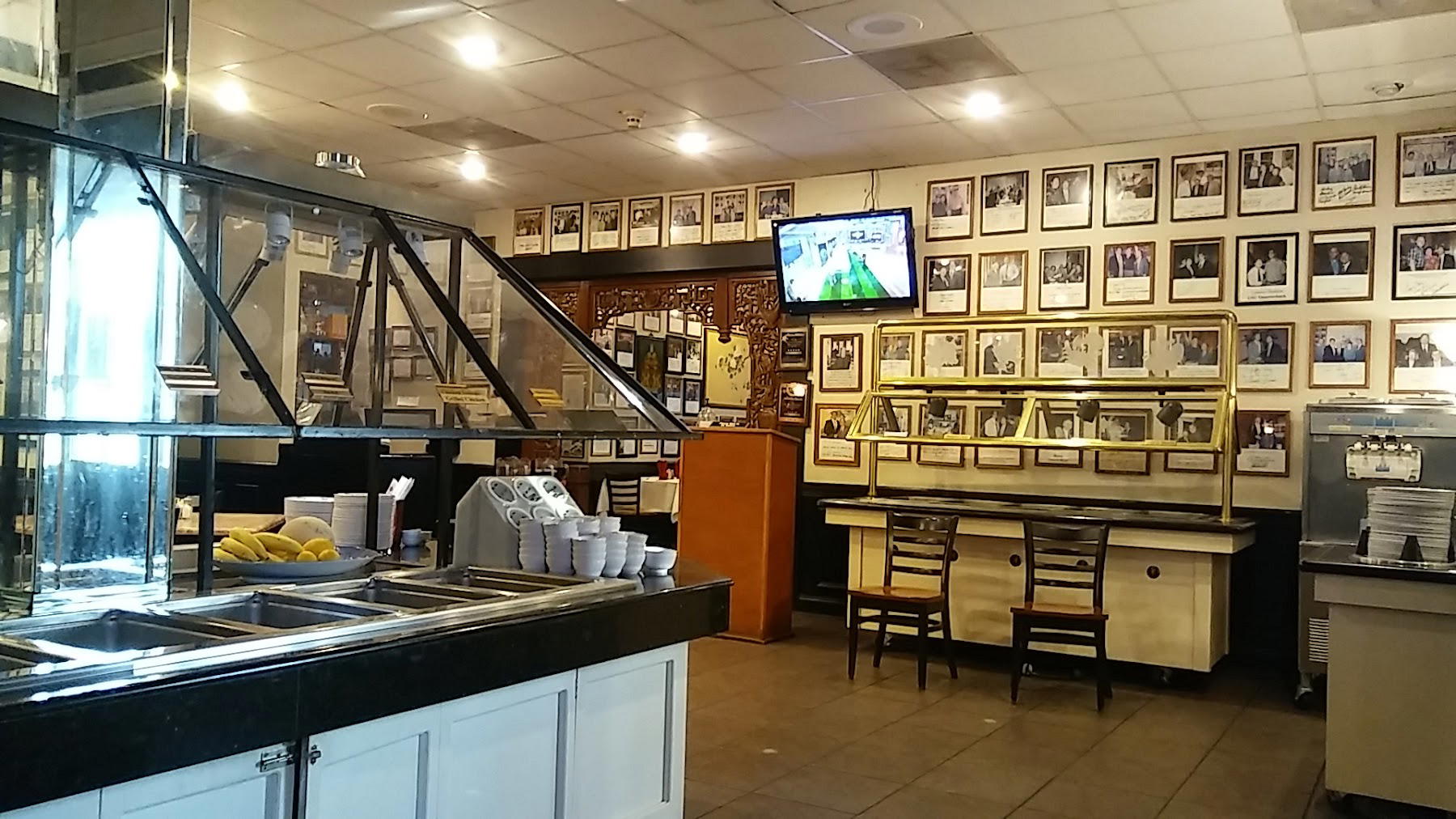
A Chinese buffet on South Sherwood Forest Boulevard, Hunan Chinese Restaurant sits within Baton Rouge's mid-city corridor where suburban dining strips have long supported affordable, family-oriented Asian restaurants. The buffet format places it in a different tier from the city's full-service Chinese dining rooms, trading tableside service for volume and accessibility. For the South Sherwood Forest area, it represents a familiar category of everyday Chinese-American dining.

Pearl is the En Primeur Club membership app — saves, bookings, and concierge access live there. Same editors, same standards.
- Address
- 4215 S Sherwood Forest Blvd, Baton Rouge, LA 70816
- Phone
- (225) 292-4462
- Hours
- Mon–Thu 11 AM–9:30 PMFri–Sat 11 AM–10 PMSun 11 AM–9:30 PM
- Website
- hunanbronline.com
- Directions
- Get directions
- Booking
- Book on the venue's website
Buffet Dining and the Chinese-American Restaurant in Suburban Baton Rouge
South Sherwood Forest Boulevard runs through one of Baton Rouge's most commercially active suburban corridors, a stretch where strip malls, chain restaurants, and independent operators compete on price and familiarity rather than occasion. Chinese buffet restaurants have occupied this kind of American suburban terrain for decades, and they persist because the format solves a specific problem: feeding groups of varying tastes at a fixed, predictable cost. Hunan Chinese Restaurant buffet, at 4215 S Sherwood Forest Blvd, operates squarely within that tradition. The address puts it inside a dense retail zone southeast of the LSU campus, in a part of the city where the dining conversation is driven more by convenience and consistency than by chef lineage or tasting menu format.
The buffet model in Chinese-American restaurants arrived in force during the 1980s and 1990s, as a generation of family-run establishments found that the all-you-can-eat format lowered the labor cost of tableside service while allowing a wide spread of dishes to appeal to customers unfamiliar with regional Chinese cooking. That trade-off remains the defining logic of the format today. The kitchen needs to produce dishes that hold well under heat lamps, that read as accessible rather than challenging, and that cycle through quickly enough to stay fresh. It is a discipline of its own, distinct from the precision required at a full-service kitchen — and one that the better operators in this category take seriously.
Where This Fits in Baton Rouge's Chinese Dining Scene
Baton Rouge's Chinese restaurant options span a wider range than the city sometimes gets credit for. At the full-service end, venues like Cheng's Restaurant and Bar and Chow Yum operate with table service and menus built around individual dishes rather than volume throughput. The buffet tier occupies a different position in the market: lower price points, larger parties, and a format that prioritizes range over refinement. That is not a criticism of the category — it reflects a genuine demand, particularly in suburban corridors where family dining at an accessible price is the primary consideration.
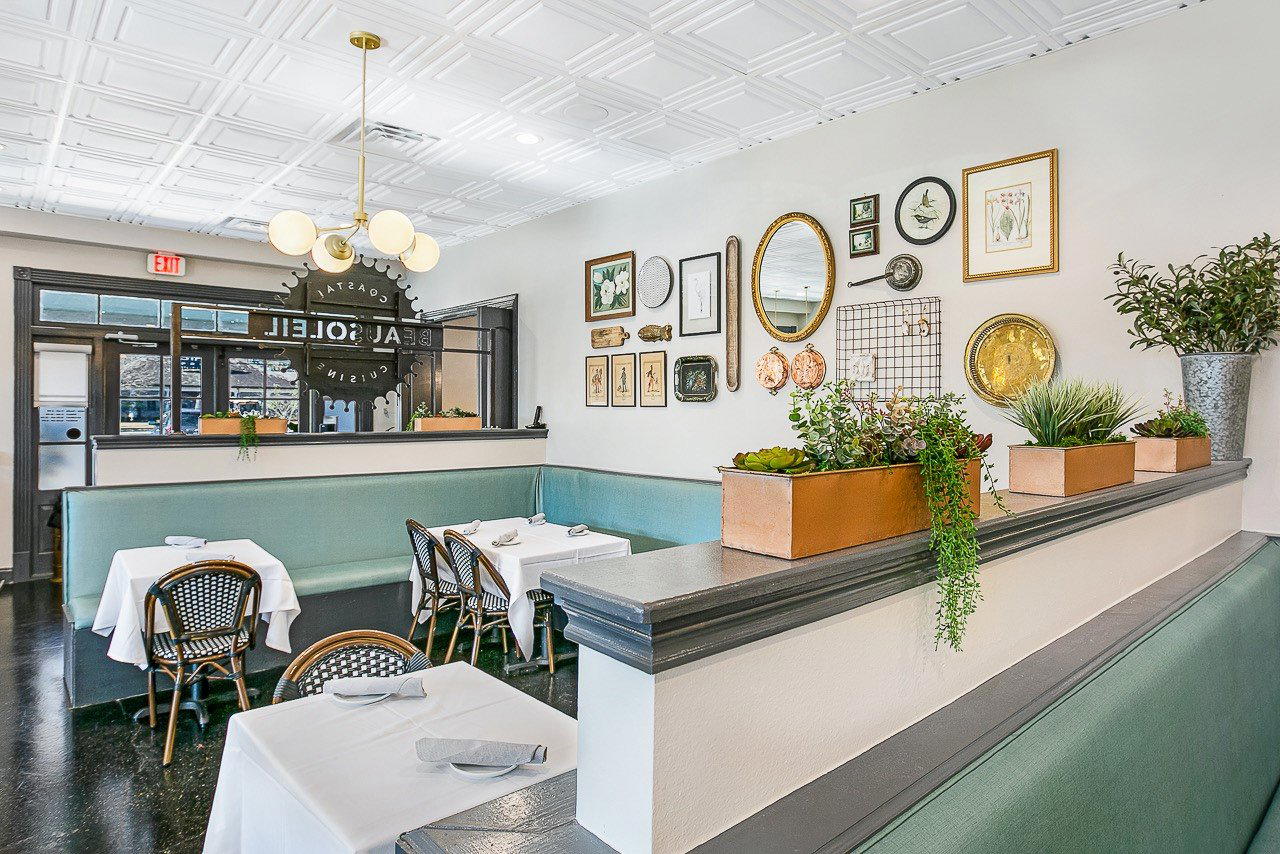
Against peers like Jubans Restaurant and Bar or Beausoleil Coastal Cuisine, both of which operate in the upper tier of Baton Rouge's dining market, Hunan Chinese Restaurant buffet is not competing on the same axis. Those venues are destination restaurants, driven by chef reputation and occasion dining. The Chinese buffet format competes on a different set of values: accessibility, immediacy, and the ability to serve groups without the friction of a full-service reservation. For the South Sherwood Forest neighborhood, that has proven a durable proposition.
For a broader orientation to dining across the city, the full Baton Rouge restaurants guide maps the range from casual to occasion dining across different neighborhoods and price tiers.
The Craft Behind the Counter: What Buffet Service Actually Requires
The editorial angle assigned to this venue, the person behind the bar, or in this context the person running the pass and managing the buffet line, is worth addressing directly, because the craft of buffet operation is genuinely underappreciated. The work at a Chinese buffet counter is not a simplified version of restaurant cooking. It is a different discipline: coordinating replenishment cycles so dishes do not sit long enough to deteriorate, calibrating seasoning for dishes that will lose moisture and concentrate flavor over time, and reading the room to know which stations are turning over fastest and need restocking first.
In a well-run Chinese buffet, the kitchen operates on a rhythm closer to catering than to à la carte service, with the quality of the output judged not on the peak moment a dish leaves the wok, but on how it performs across a two-hour window at the counter. The operators who understand this distinction, who plan their menus around what holds, who replenish on a disciplined cycle, who keep the oil in the fryer clean, produce a noticeably better result than those who treat the format as a volume exercise without quality controls.
Craft Cocktail Context: What the Region Offers Beyond the Buffet Counter
Beer, house wine, and soft drinks are the standard at this tier. The more developed cocktail work in the region tends to concentrate in dedicated bar programs.
Nationally, the Chinese-American restaurant category does not produce the kind of bar programs found at places like Kumiko in Chicago or Superbueno in New York City, both of which have built serious beverage identities alongside their food. Closer to Louisiana, Jewel of the South in New Orleans represents the Gulf South's strongest case for historically grounded cocktail craft. Further afield, Julep in Houston, ABV in San Francisco, Bar Leather Apron in Honolulu, and The Parlour in Frankfurt on the Main each represent different regional approaches to serious bar programming. These references are not comparisons to a Chinese buffet, they are offered as context for readers whose interests span both ends of the dining spectrum covered by this platform.
Planning a Visit: What to Know
The restaurant is located at 4215 S Sherwood Forest Blvd in Baton Rouge's 70816 zip code, a commercial area accessible by car with standard suburban parking. The buffet format generally does not require reservations, the format is designed to absorb walk-in traffic, but hours and pricing can vary by day of the week, with lunch and dinner buffets often priced differently. Verifying current hours directly is advisable before making a trip.
Just the Basics
A quick peer list to put this venue’s basics in context.
| Venue | Price |
|---|---|
| Hunan Chinese Restaurant buffetThis venue — the venue you are viewing | $10–20 |
| Cheng's Restaurant and Bar | $20–30 |
| Chow Yum | $20–30 |
| Jubans Restaurant & Bar | $50–100 |
Continue exploring
More in Baton Rouge
Bars in Baton Rouge
Browse all →

Details
- Casual
- Casual Hangout
- Group Outing
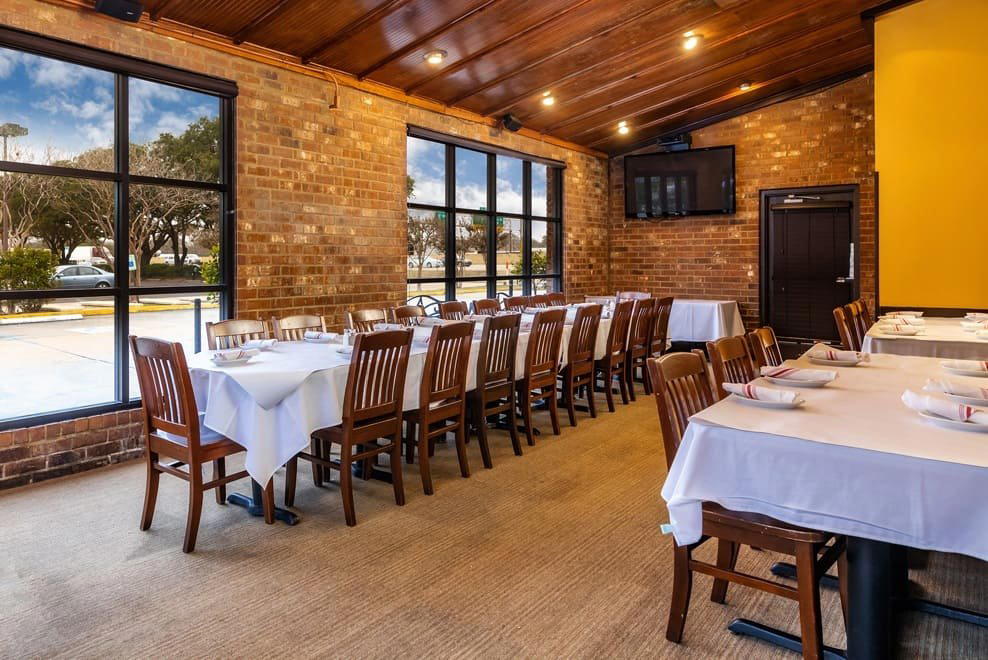
- Communal Tables
Current opening hours
- Monday
- 11 AM–9:30 PM
- Tuesday
- 11 AM–9:30 PM
- Wednesday
- 11 AM–9:30 PM
- Thursday
- 11 AM–9:30 PM
- Friday
- 11 AM–10 PM
- Saturday
- 11 AM–10 PM
- Sunday
- 11 AM–9:30 PM
Hours can change for holidays and private events. Last verified .
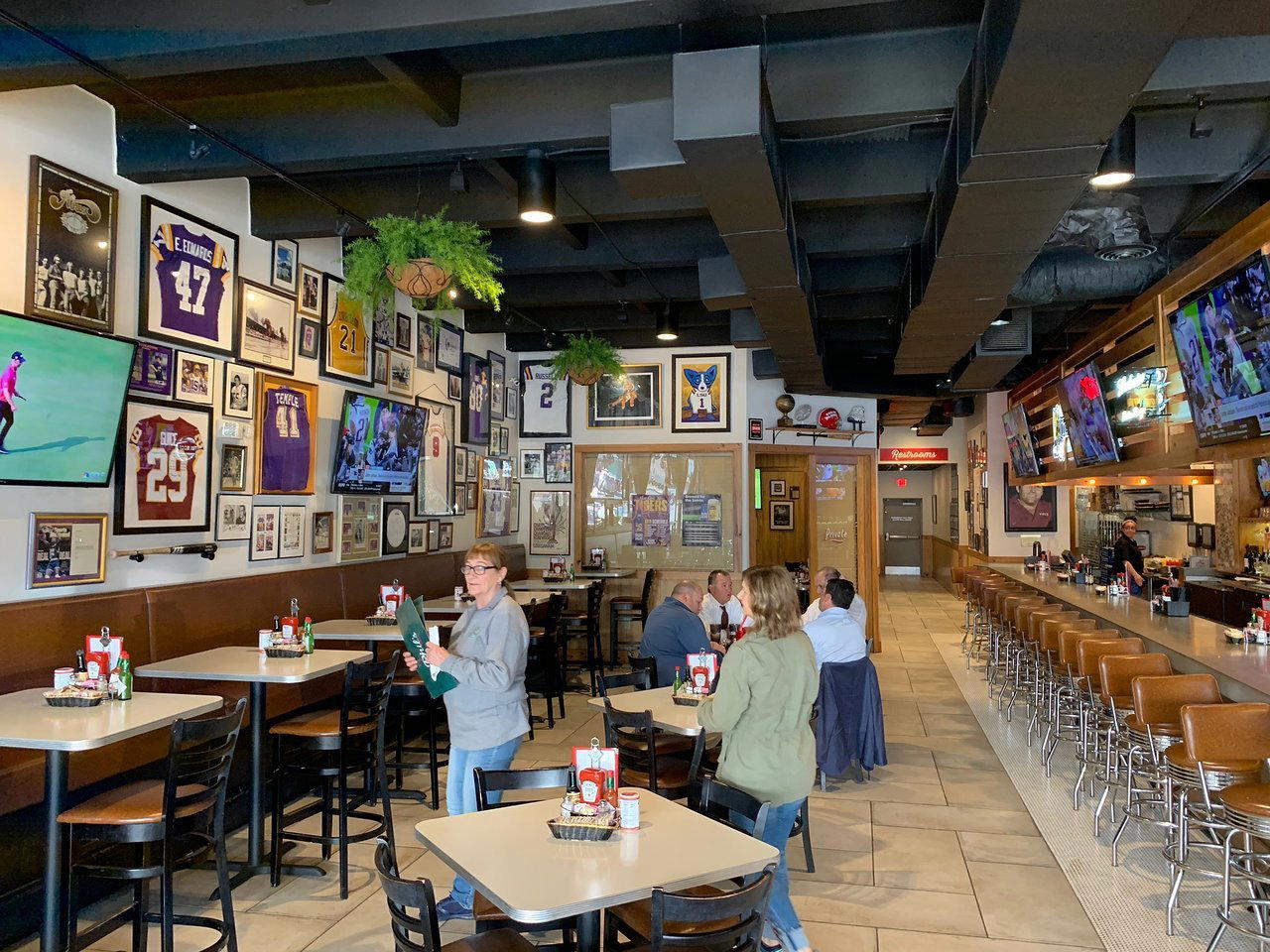
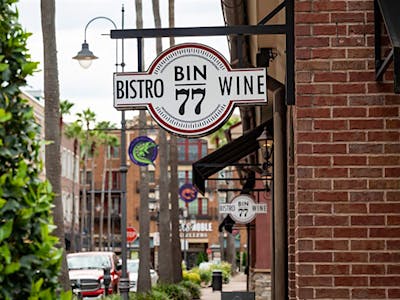
Informal and casual atmosphere in a mini-mall setting.