Zorba's Greek Bistro
Zorba's Greek Bistro on Essen Lane sits inside Baton Rouge's mid-city dining corridor, where Mediterranean kitchens occupy a distinct niche between the city's dominant Cajun-Creole tradition and its growing roster of international options. The bistro format positions it as a neighbourhood anchor for Greek cooking in a market where that cuisine rarely commands much real estate.
Pearl is the En Primeur Club membership app — saves, bookings, and concierge access live there. Same editors, same standards.
- Address
- 5713 Essen Ln b, Baton Rouge, LA 70810
- Phone
- +12254445074
- Website
- zorbasbistro.com
- Directions
- Get directions
 Saves & bookings on Pearl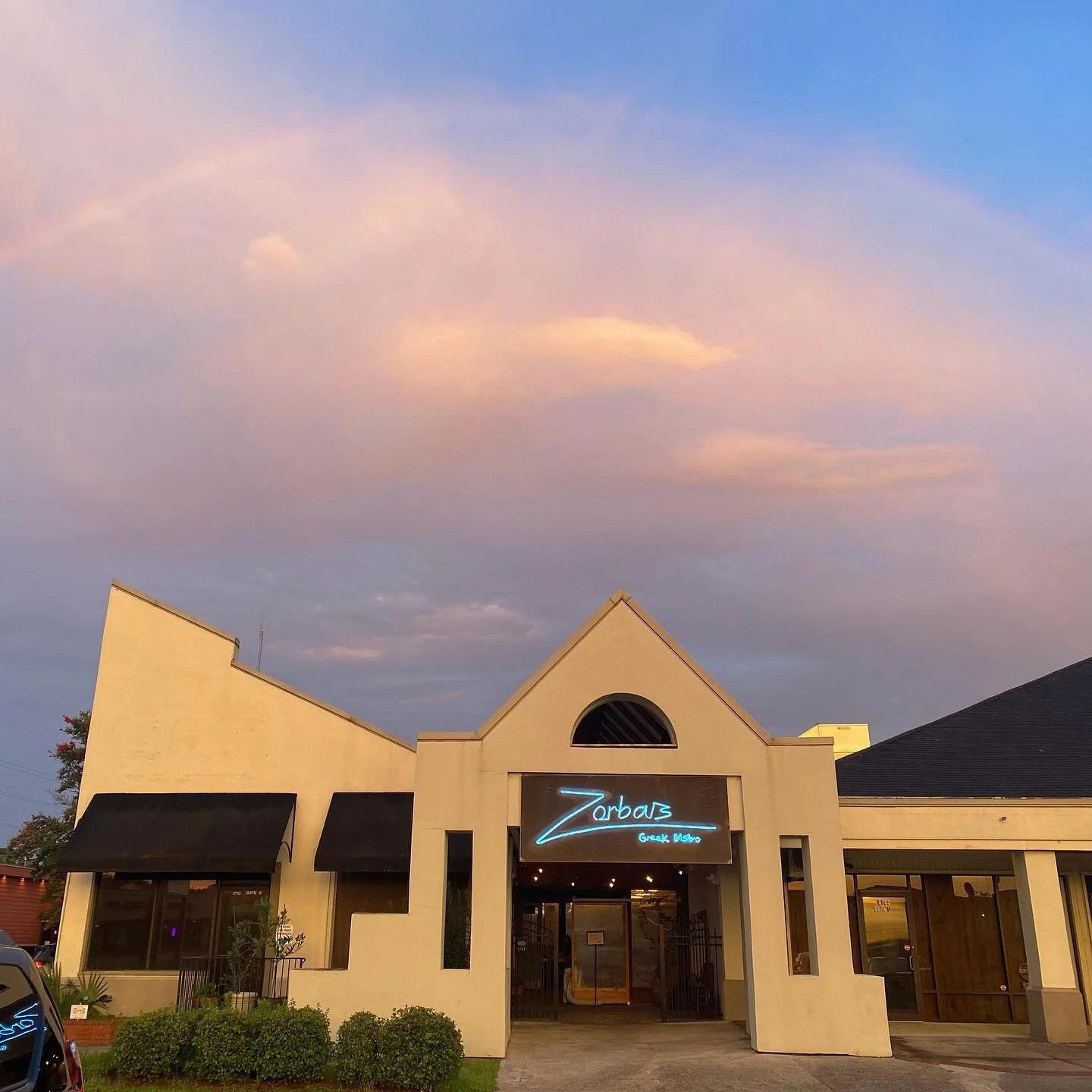
Mediterranean in the Bayou State
Greek cooking has never found the institutional foothold in Louisiana that Italian or Vietnamese cuisines have. The state's culinary identity runs deep through Cajun and Creole traditions, and international kitchens that do take root here tend to succeed by carving a consistent niche rather than chasing trend cycles. Zorba's Greek Bistro is a Greek restaurant in Baton Rouge, Louisiana. On Essen Lane, a corridor that functions as one of Baton Rouge's more commercially dense mid-city stretches, Zorba's Greek Bistro occupies that kind of niche. The bistro format, common across Greek-American dining from Chicago to Atlanta, is a studied middle register: informal enough for weeknight traffic, substantive enough to carry the full weight of a cuisine built on olive oil, slow-cooked proteins, and fermented dairy.
That cuisine, in its most grounded form, draws from a larder shaped by geography rather than ambition. The Greek kitchen's fundamental logic is Mediterranean agricultural: legumes, stone fruits, lamb from rocky hillsides, fish from the Aegean and Ionian coasts, and dairy cultures that produce feta, kasseri, and labneh-adjacent preparations. When Greek kitchens transplant to American cities, the question is always how much of that sourcing logic travels with them, and how much gets substituted by the industrial supply chain that feeds most mid-market American dining. At Zorba's, the bistro positioning signals an intent to work within the tradition rather than reinterpret it, which in practical terms means dishes where the olive oil, the spice balance, and the char on the protein do the communicating.
Where Essen Lane Sits in the Baton Rouge Picture
Baton Rouge's dining scene has expanded considerably over the past decade, with the Perkins Road corridor and the Garden District adding restaurant density that previously concentrated downtown or in the LSU-adjacent blocks. Essen Lane sits east of that cluster, threading through a stretch where chain dining and local independents share the same parking-lot geography. That context matters for understanding what a Greek bistro is doing here: it is not positioning into a destination dining quarter but rather serving a residential catchment that runs from Broadmoor through the subdivisions east of Bluebonnet. For a full picture of how Zorba's fits within the wider city,
Within that context, the bistro sits in a different register from the American comfort-food end of Baton Rouge's mid-range market. A place like Elsie's Plate and Pie handles the American casual tier with a similar neighbourhood-anchor approach, but the ingredient logic is entirely different. Greek cooking's reliance on olive oil as a primary fat, on lemon and oregano as the dominant acid-and-herb pairing, and on preparations like spanakopita or moussaka that require layered construction, places it in a distinct operational category from Southern comfort formats.
The Sourcing Logic Behind Greek Bistro Cooking
The ingredient sourcing question is where Greek-American bistros most visibly diverge from one another. At the summit end of the American sourcing conversation, farm-integrated restaurants like Single Thread Farm in Healdsburg or Blue Hill at Stone Barns in Tarrytown have made provenance the editorial core of their menus. That level of sourcing specificity is not the bistro format's territory, and expecting it there would misread what a bistro is built to do. What the bistro format does well is apply a consistent ingredient philosophy at a repeatable price point, and for Greek cooking, that means the quality of a few key inputs carries disproportionate weight: the olive oil used for roasting, the feta used in salads and pastries, and the quality of any lamb or seafood on the menu.
Louisiana's Gulf Coast access does offer one meaningful sourcing advantage for Mediterranean-leaning kitchens. Gulf shrimp, redfish, and similar species translate reasonably well into olive oil, garlic, and lemon preparations that echo Aegean seafood cooking. That alignment between local supply and Mediterranean technique is one of the more coherent ingredient stories a Louisiana Greek kitchen can tell.
For comparison, the sourcing conversation at higher-tier American restaurants with Mediterranean influence looks quite different. Le Bernardin in New York City and Providence in Los Angeles operate at price points and sourcing levels that share little with bistro-format Greek cooking, but they illustrate how seriously the American fine dining tier treats ingredient provenance. At the bistro level, the benchmark is consistency and technical execution within a defined tradition, not sourcing innovation.
How It Compares Inside the Greek-American Format
Greek-American bistros occupy a well-defined format category across American cities. In Atlanta, where the Greek community has a longer institutional history, places like Bacchanalia represent the farm-sourcing end of Southern fine dining, while the Greek bistro tier operates independently of that conversation. In cities without a large Greek-American population, Greek restaurants tend to cluster at the casual end of the Mediterranean category, competing with Italian and Lebanese kitchens for the same mid-range diner. Baton Rouge fits that second profile, which means Zorba's is not competing against an established Greek dining scene but rather defining the category for its corridor.
That positioning is both an advantage and a constraint. Without direct Greek competitors nearby, the bistro can set the local reference point for what the cuisine should taste like. But without the peer pressure that a dense Greek-American dining scene provides, there is less external force pushing ingredient quality upward. The discipline, in that environment, has to come from within the kitchen's own standards.
Planning Your Visit
Zorba's Greek Bistro is located at 5713 Essen Lane in Baton Rouge, in the suite B position of a multi-tenant retail stretch. For visitors coming from outside the Essen Lane corridor, the address sits east of the Perkins Road and Jefferson Highway dining clusters, making it most convenient for those already in the Broadmoor or south Baton Rouge area.
Side-by-Side Snapshot
Comparable venues nearby, for context on price, style, and recognition.
| Venue | Cuisine | Price | Awards | Notes |
|---|---|---|---|---|
| Zorba's Greek BistroThis venue — the venue you are viewing | Authentic Greek Bistro | $$ | Not listed | Not listed |
| Elsie's Plate & Pie | Southern Comfort with Pies | $$ | Michelin Plate | Mid City |
Continue exploring
More in Baton Rouge
Restaurants in Baton Rouge
Browse all →

At a Glance
- Cozy
- Classic
- Date Night
- Casual Hangout
- Extensive Wine List
- Local Sourcing
Current opening hours
- Monday
- Closed
- Tuesday
- 11 AM–2 PM, 5–8:30 PM
- Wednesday
- 11 AM–2 PM, 5–8:30 PM
- Thursday
- 11 AM–2 PM, 5–8:30 PM
- Friday
- 11 AM–2 PM, 5–9:30 PM
- Saturday
- 5–9:30 PM
- Sunday
- Closed
Hours can change for holidays and private events. Last verified .
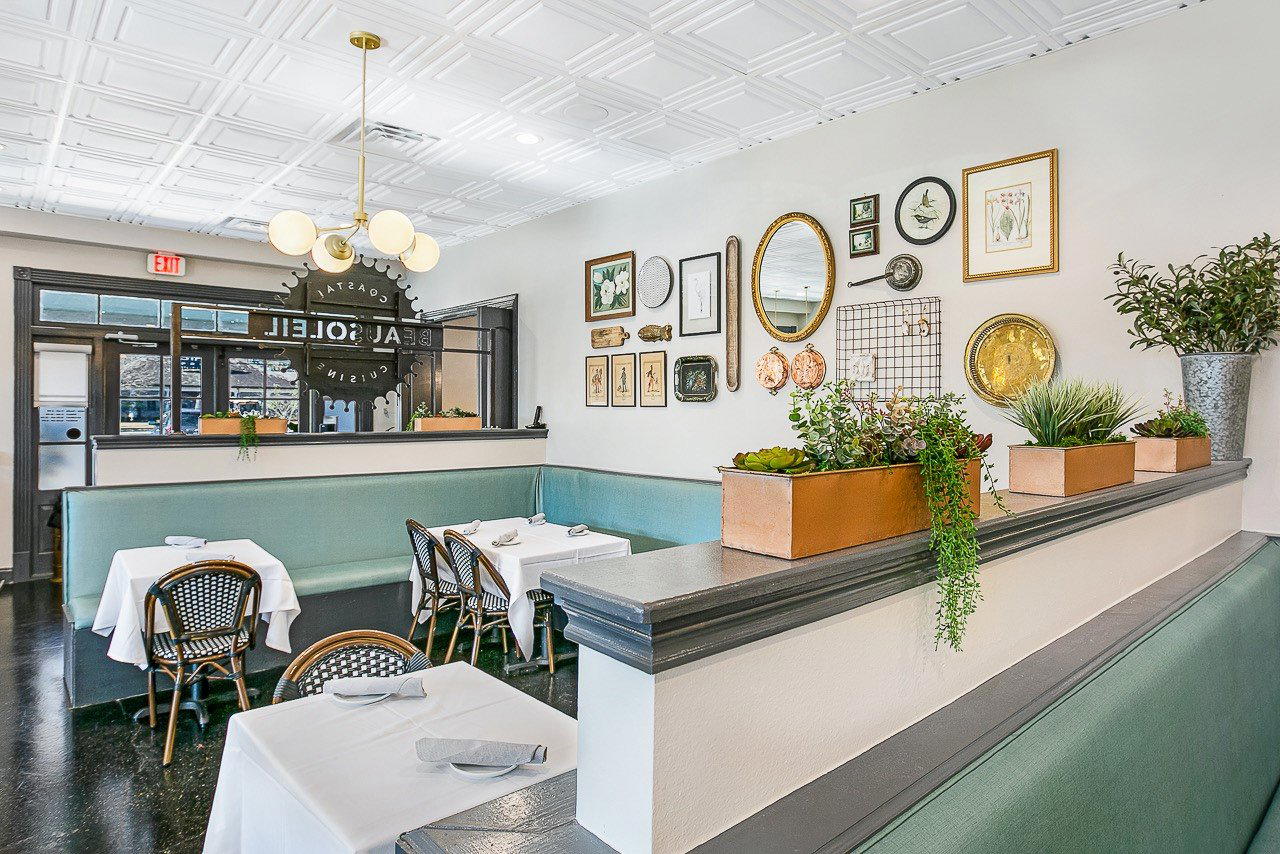
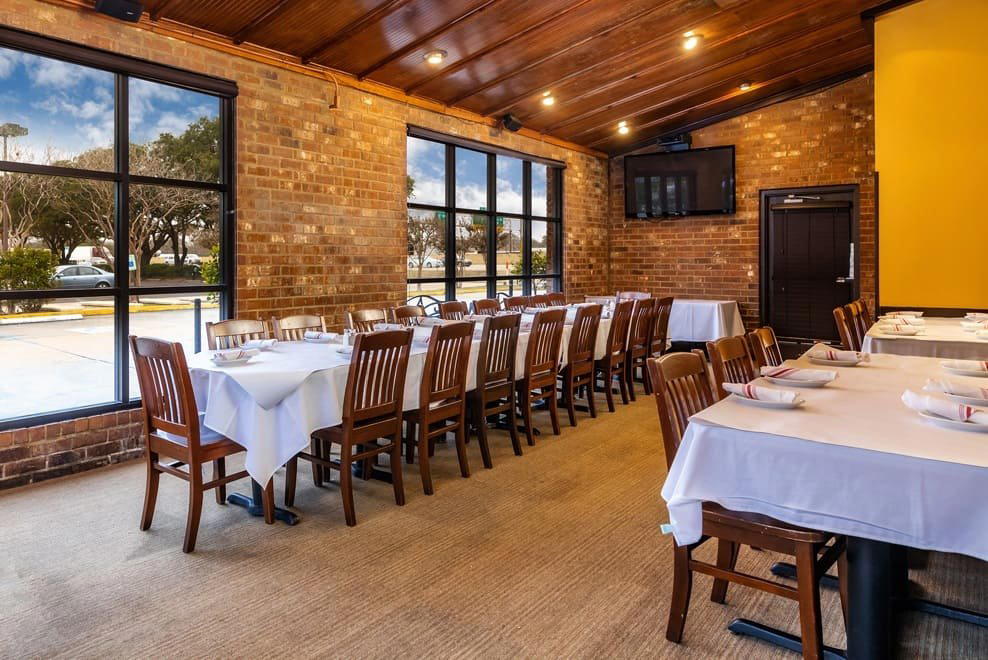
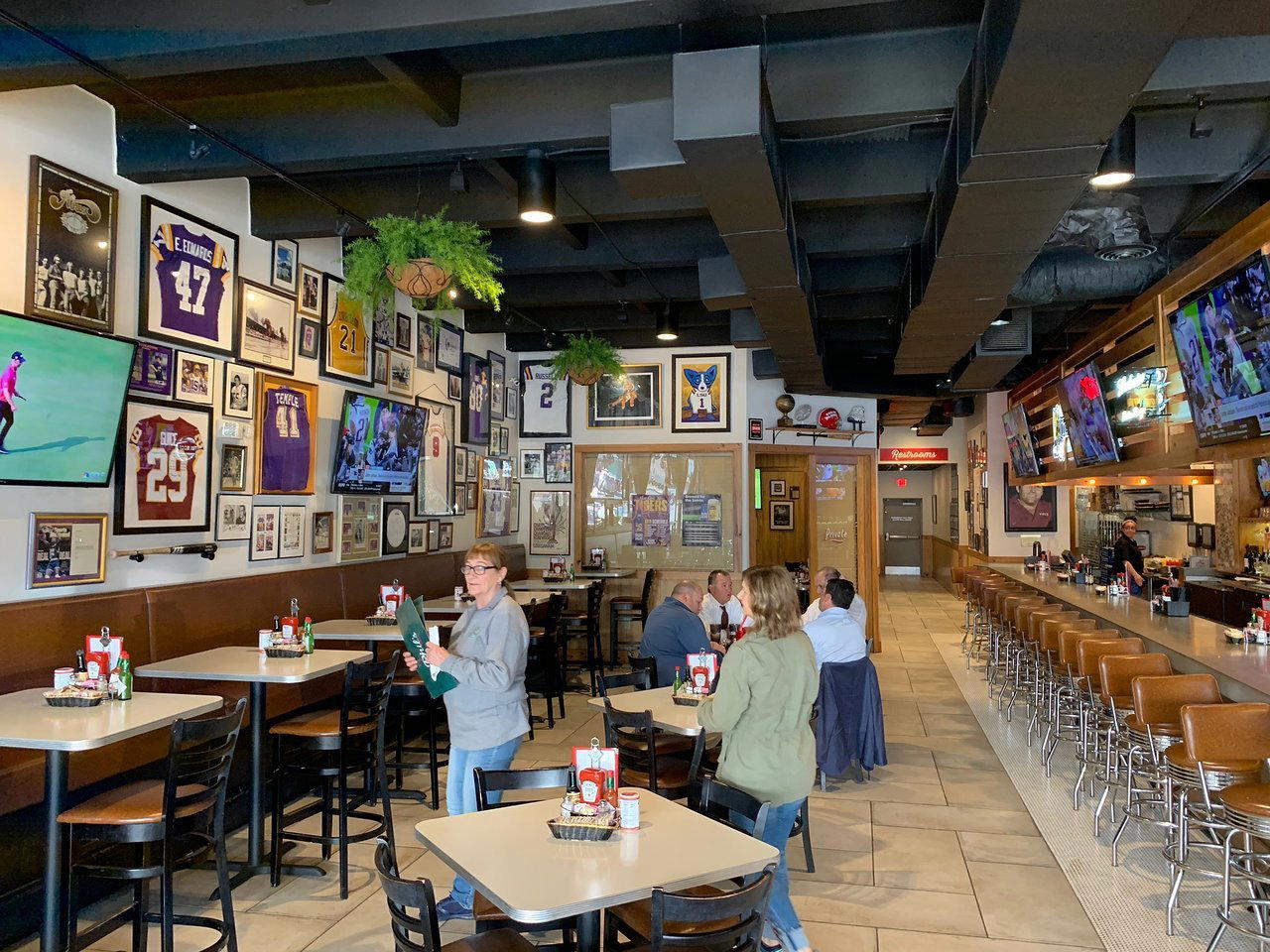
Cozy indoor atmosphere with warm inviting lighting and climate-controlled outdoor patio praised for its intimate and pleasant dining experience.