Google: 4.5 · 1,223 reviews
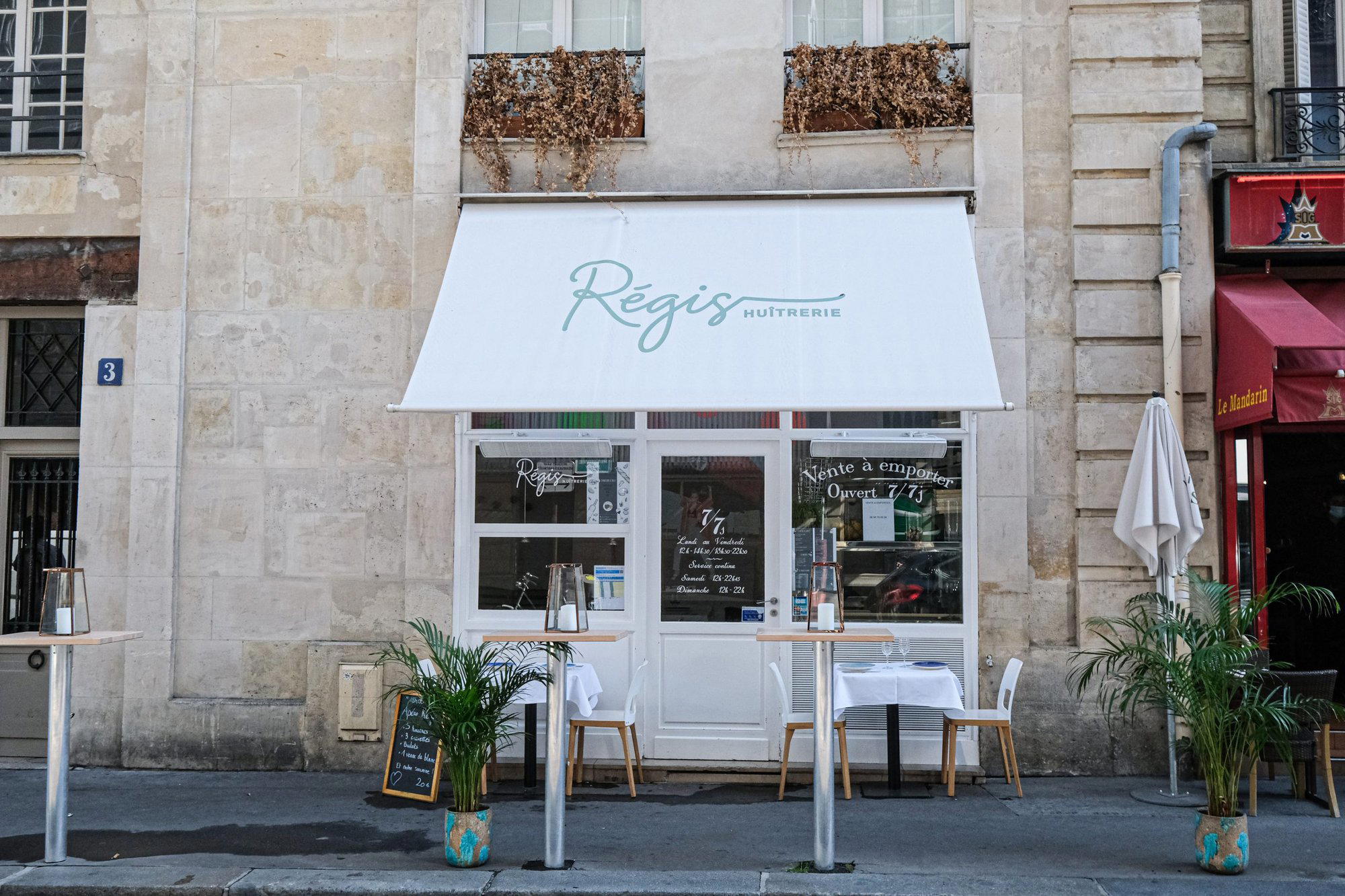
On a narrow Saint-Germain side street, Huitrerie Régis has spent years doing one thing: oysters, wine, and little else. The room seats a handful of guests at a time, the format is stripped to its essentials, and the address at 3 Rue de Montfaucon, 75006 puts you within walking distance of the Left Bank's best wine bars and bistros. For a focused, unhurried oyster session in Paris, few addresses are more deliberate about what they are.
 Discover on Pearl
Pearl is the En Primeur Club membership app — saves, bookings, and concierge access live there. Same editors, same standards.
The Room Before the First Shell
Rue de Montfaucon is the kind of Saint-Germain side street that Parisian food culture has long relied on to do its quieter work. It sits one block from the Place de Furstemberg and two from the Boulevard Saint-Germain proper, close enough to the circuit without being absorbed by it. Huitrerie Régis occupies a sliver of this street at number 3, a room so compact that the choice to come here is itself a statement of intent. You are not wandering in. You are making a reservation, arriving on time, and sitting down to eat oysters.
That clarity of purpose is the establishment's defining trait. In a city where the oyster is consumed with considerable frequency but rarely with the focused attention of a dedicated address, Huitrerie Régis has carved a position by refusing to broaden its remit. Paris has its grand brasseries where oysters arrive as one platter among dozens, and it has its market stalls where you stand at the street and eat fast. This address sits between those poles: formal enough for a deliberate occasion, spare enough that the shellfish itself remains the subject of the meal.
How Paris Drinks Its Oysters
The pairing question at any serious oyster address is almost always answered the same way across the French Atlantic and Breton traditions: dry white wine, cold, served without ceremony. Muscadet Sèvre et Maine on the lees is the Loire Valley answer, offering the mineral flatness that lifts brine without competing with it. Chablis Premier Cru pulls from the opposite end of the country with its chalk-driven acidity. Both appear regularly on the short wine lists of serious Paris oyster counters, and the format at an address like this one privileges the wine service as part of the proposition, not an afterthought.
The editorial angle here matters: at a place that seats very few guests and operates without distraction, the wine pour is never incidental. The glass is chosen to serve the oyster, not to anchor a larger drinks programme. This is not a cocktail bar's approach to food pairing or a wine bar's approach to snacks. It is a shellfish restaurant's approach to wine, which is a different discipline entirely — one that rewards visitors who arrive with a specific bottle choice already in mind, or who are willing to follow the room's lead on what is open and cold.
For those exploring Paris's wider bar and drinks scene, the Saint-Germain neighbourhood connects easily to several of the city's more serious cocktail programmes. Candelaria runs one of the city's better-known taco-and-mezcal formats on Rue de Bretagne in the Marais, while Danico operates a technique-driven programme that has sustained serious recognition. Bar Nouveau and Buddha Bar round out a city where different tiers of the drinks scene operate in near-total parallel. None of them are the right warm-up or follow-on for Huitrerie Régis, which is precisely the point: this is an address that sits outside the cocktail circuit, answering a different kind of evening entirely.
Oyster Culture on the Left Bank
Paris's relationship with the oyster is older and more embedded than the current generation of dedicated addresses might suggest. The city consumed them in enormous volumes through the nineteenth century, when flat Ostrea edulis from Brittany and the Arcachon Basin arrived by rail and were sold from barrels outside cafés. Today's supply chain runs through the same growing regions — Marennes-Oléron, Utah Beach, Cancale, Gillardeau , but the format of consumption has split. The grand café-brasserie model persists at addresses like Brasserie Lipp and Café de Flore's seafood neighbours, while a smaller cluster of dedicated oyster specialists has maintained the argument that attention and restraint produce a better result than abundance and variety.
Huitrerie Régis belongs to that specialist cluster. The address draws from a crowd that has made a specific decision rather than stumbled into it, and that self-selection produces a room with a particular quality of focus. Tables turn slowly by Paris standards. Conversations stay at a register suited to the size of the space. The oyster arrives as the main event, not as a prologue.
The Saint-Germain Context
The 6th arrondissement has carried its reputation for intellectual café culture long enough that the reality is now considerably more expensive and considerably less bohemian than the mythology suggests. What persists is a genuine density of serious food addresses operating at a range of price points and formats. The covered market at Saint-Germain provides one axis; the cluster of narrow streets between the Place de l'Odéon and the Seine provides another. Rue de Montfaucon sits in the older, quieter part of that cluster, where the tourism pressure is present but not overwhelming.
Getting to the address is direct: Saint-Germain-des-Prés is the nearest Métro station on Line 4, placing the restaurant under five minutes on foot. Mabillon on Line 10 is a comparable distance from the opposite direction. The neighbourhood rewards arriving early and walking rather than arriving tight to a reservation, since the streets between the Métro and the restaurant contain some of the better wine merchant windows in central Paris.
Those planning a longer French drinks itinerary around this visit might also consider how specialist bar culture operates in other French cities. La Maison M. in Lyon and Coté vin in Toulouse both operate in the wine-bar tradition that shares intellectual DNA with an address like this one, where the drink is taken with the same seriousness as the food. Bar Casa Bordeaux makes a similar argument from within one of France's defining wine regions. Further afield, Papa Doble in Montpellier, Au Brasseur in Strasbourg, and Le Café de la Fontaine in La Turbie demonstrate that France's serious drinks culture distributes well beyond the capital. Even internationally, the specialist format has its adherents: Bar Leather Apron in Honolulu operates at a comparable level of programme discipline, though in an entirely different register.
For a broader map of where Huitrerie Régis sits within the Paris dining and drinking scene, the EP Club Paris guide covers the full spread of addresses across neighbourhoods and categories.
Planning Your Visit
Huitrerie Régis at 3 Rue de Montfaucon operates as a small, specialist address where walk-ins depend entirely on table availability, and the room's limited capacity means that arriving without a prior arrangement carries real risk of disappointment, particularly at lunch on weekends when the neighbourhood draws significant foot traffic. Arriving at the start of a service rather than mid-way through gives the leading chance of a full sitting. The address is suited to two guests or a small group who share a clear preference for shellfish; it is not a venue where mixed eating preferences will find easy accommodation. Budget accordingly for oysters priced individually or by the dozen at market rate, with wine priced to match the address's Saint-Germain positioning rather than the bistro tier.
How It Stacks Up
A quick comparison pulled from similar venues we track in the same category.
| Venue | Awards |
|---|---|
| Huitrerie RégisThis venue — the venue you are viewing | |
| Bar Nouveau | World's 50 Best |
| Buddha Bar | World's 50 Best |
| Candelaria | World's 50 Best |
| Danico | World's 50 Best |
| Harry's Bar | World's 50 Best |

At a Glance
- Intimate
- Classic
- Cozy
- Hidden Gem
- Casual Hangout
- Date Night
- Solo
- Standalone
- Historic Building
- Seated Bar
- Counter Only
- Conventional Wine
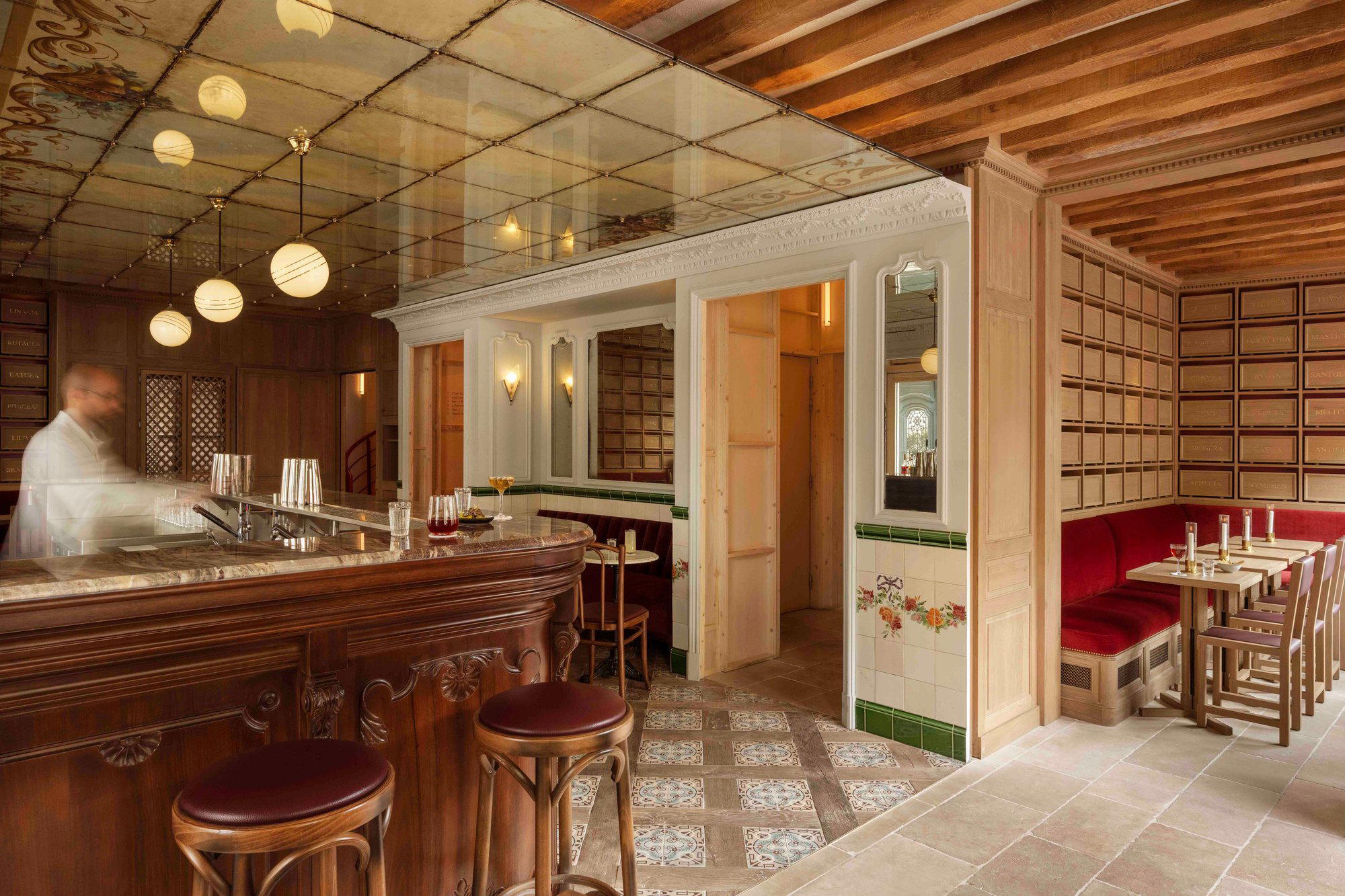
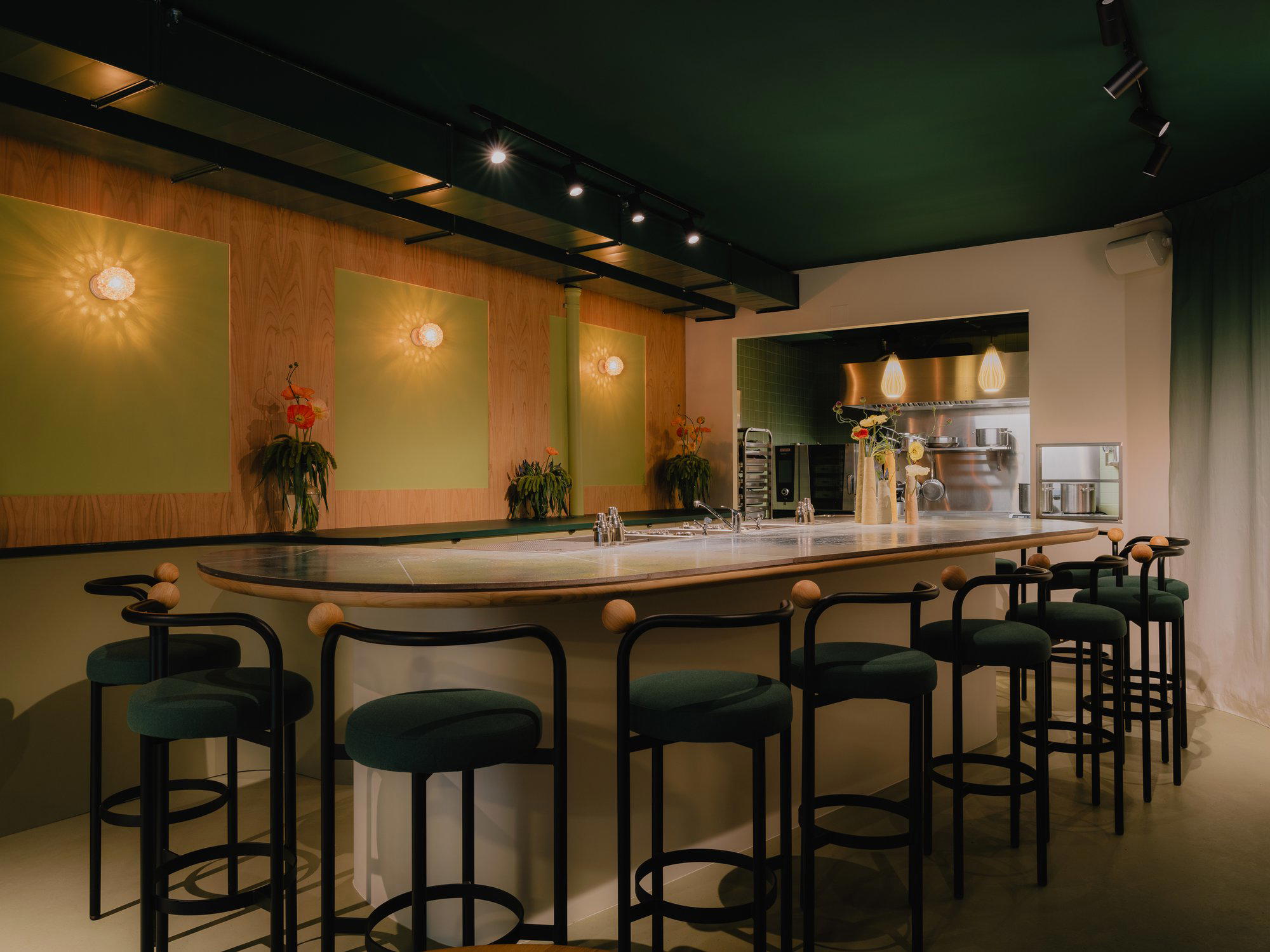
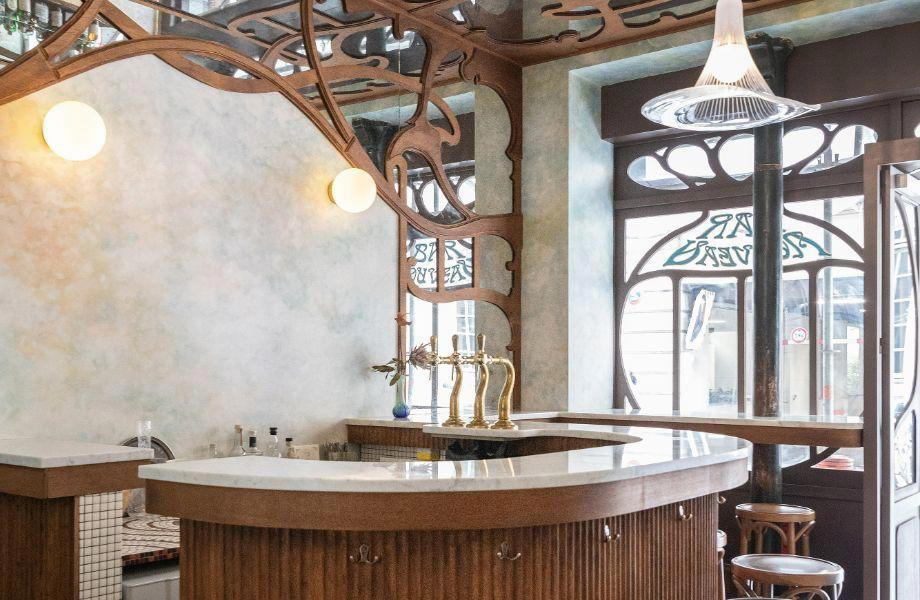
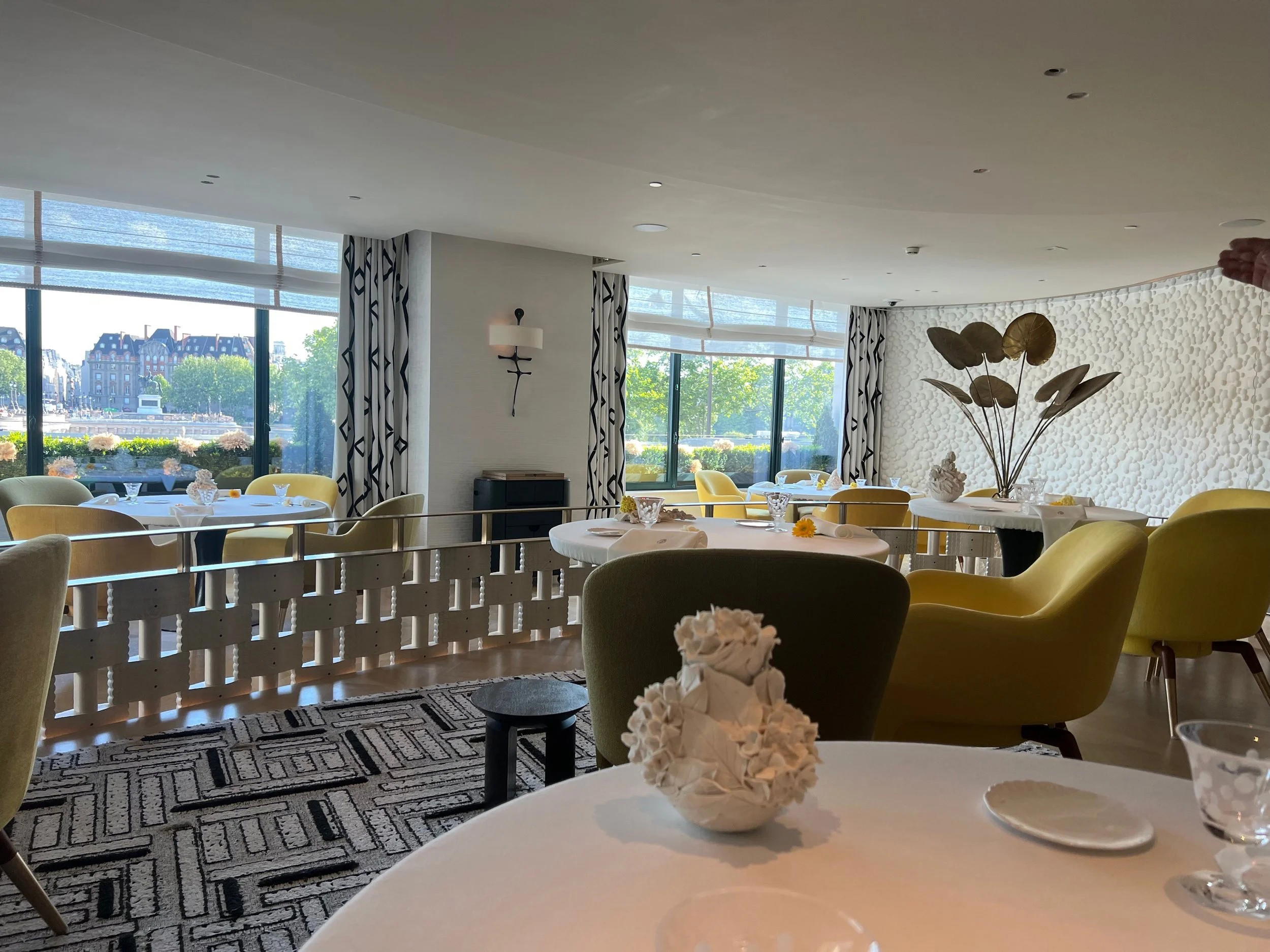
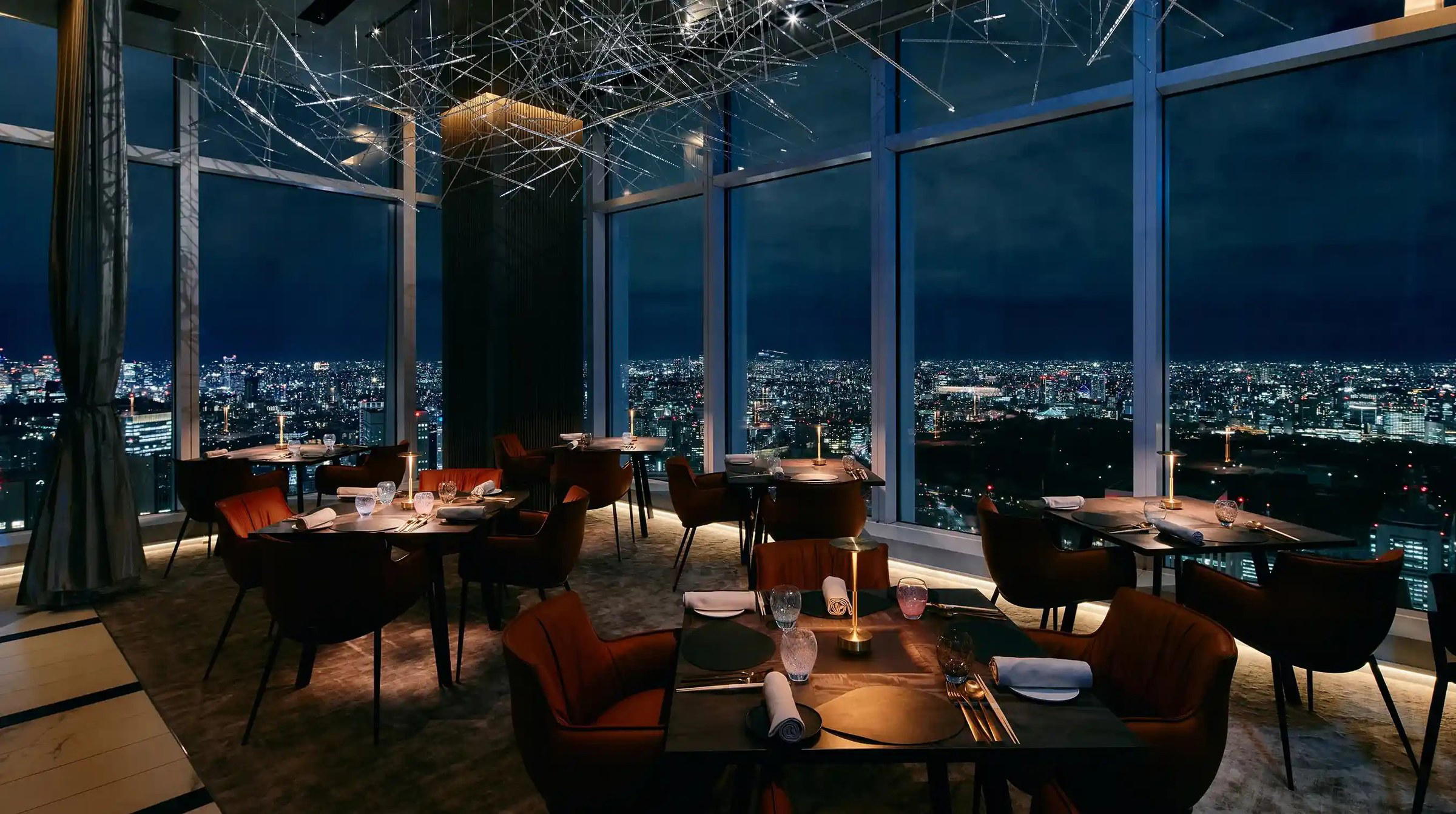
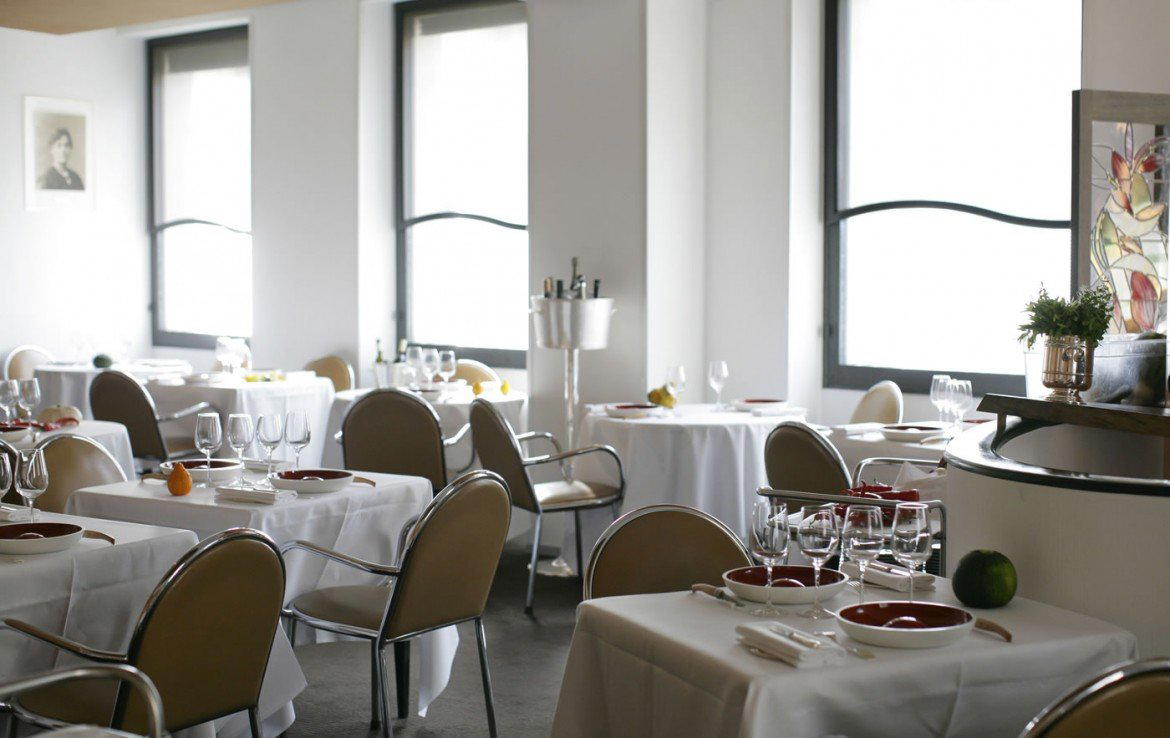
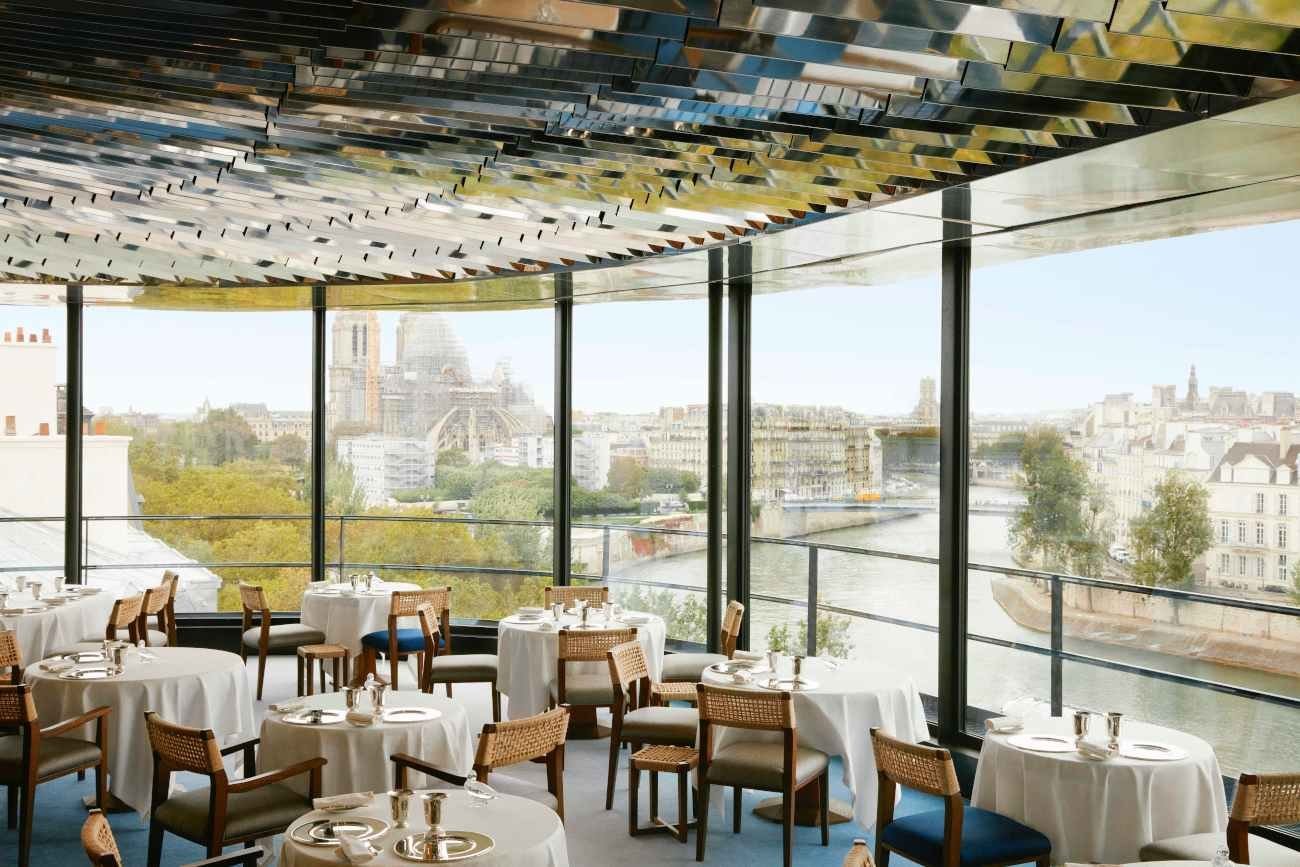
Stark white walls, tablecloths, and porcelain create a pristine, focused environment where visual attention is drawn entirely to the grey-green oyster platters; the rhythmic sound of shucking knives provides an intimate backdrop.