Home Brewing Co. (Brewery) & The Homebrewer (Supplies)
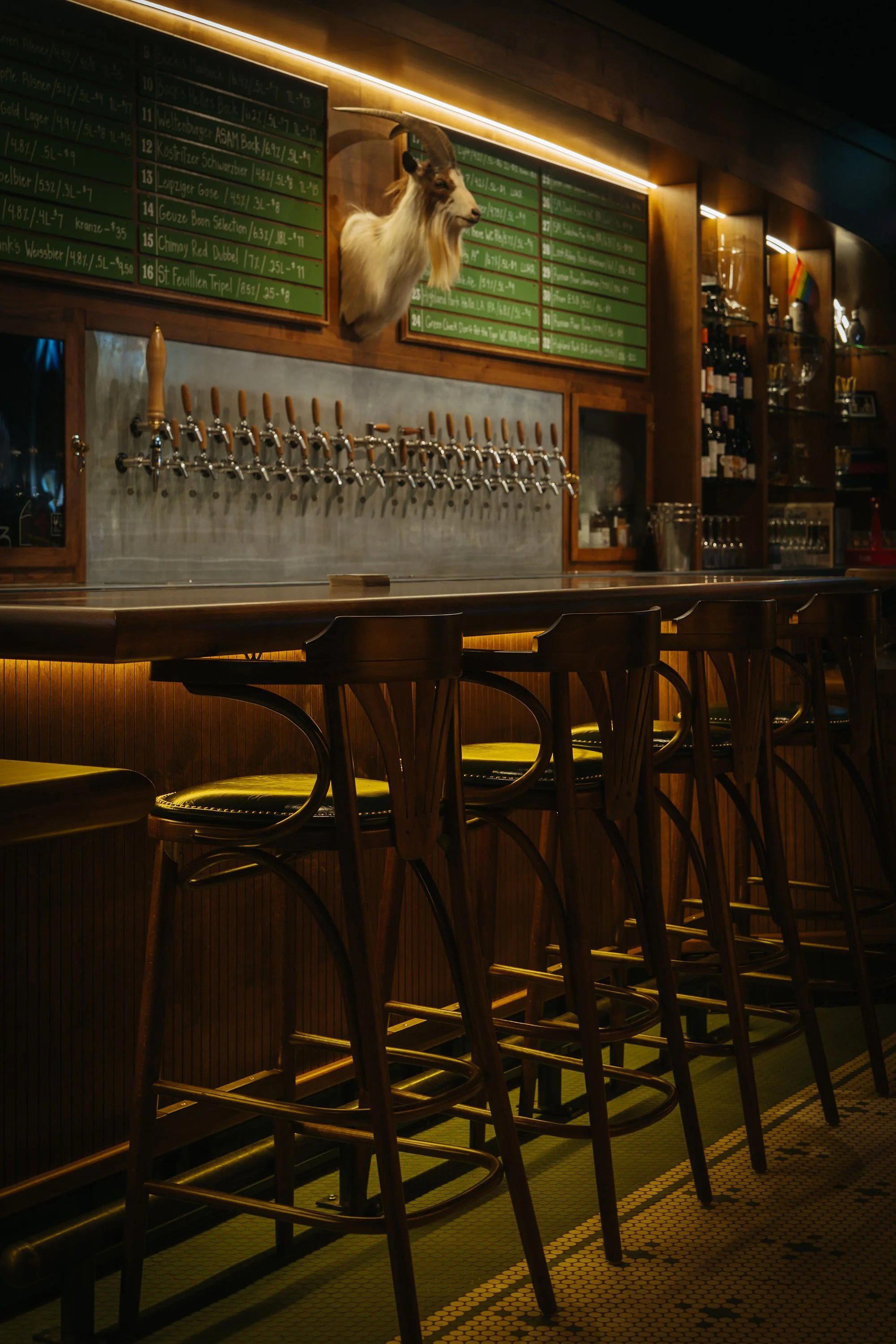
Home Brewing Co. and The Homebrewer occupy a dual-purpose address on El Cajon Blvd that serves San Diego's craft beer community from both sides of the tap. The brewery side pours house-made beers in a neighborhood setting, while the supply shop equips homebrewers with ingredients and equipment. Together they form one of the city's more practical meeting points for serious beer culture.
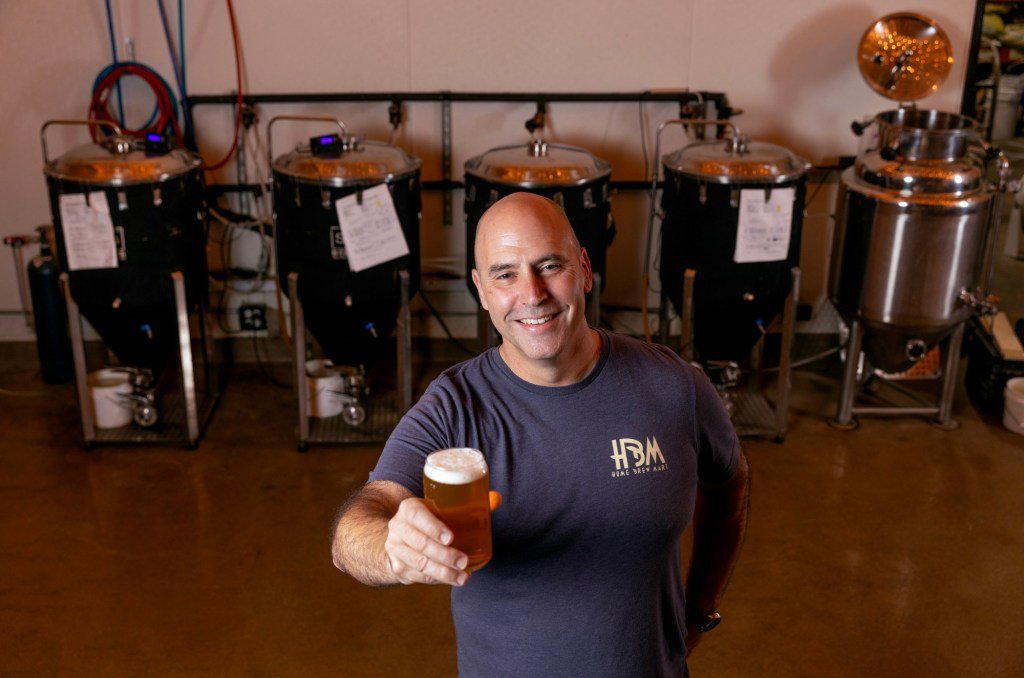
El Cajon Boulevard runs through North Park and City Heights with the practical energy of a working commercial strip rather than a curated dining corridor. At 2911 El Cajon Blvd, Home Brewing Co. occupies a space that reflects that character: a dual-format address where a working brewery shares square footage with a homebrew supply shop. The arrangement is less about concept and more about function. San Diego has built one of the most active craft beer cultures in the country, and the city's breweries tend to distribute across a wide spectrum, from destination taprooms designed for tourists to neighborhood operations that serve regulars and hobbyists in roughly equal measure. This address belongs firmly in the second category.
San Diego's Craft Beer Lineage and Where This Fits
California's craft beer movement found its clearest expression in San Diego, where the combination of ingredient access, a large military population with disposable income, and a dense concentration of technically minded homebrewers created conditions for rapid brewery growth starting in the late 1980s and accelerating through the 2000s. The county now supports well over 150 brewing operations, a density that has forced individual breweries to specialize rather than compete on volume alone. The most durable neighborhood breweries in that environment tend to anchor themselves in community function rather than trophy recognition, and the pairing of a brewery with a homebrew supply shop is a specific strategic response to that pressure. It creates two revenue streams and two customer bases that overlap considerably: people who drink craft beer are statistically the most likely cohort to eventually want to make it.
The homebrew supply side of the operation connects to a broader sourcing conversation that runs through all of craft brewing. The ingredients that define a beer's character, malted barley, hop varieties, yeast strains, and water chemistry, are the same whether you are operating a fifteen-barrel commercial system or a five-gallon homebrew kettle. Shops like The Homebrewer function as educational infrastructure as much as retail operations, putting hop pellets and liquid yeast cultures into the hands of people who will develop their palates and their technical knowledge simultaneously. In cities with strong homebrew supply networks, the quality of local commercial brewing tends to track upward over time, because the talent pipeline runs directly through those shops.
The North Park and El Cajon Corridor Context
North Park's drinking culture has matured considerably over the past decade, moving from a cluster of dive bars and early-wave craft beer spots into a more layered scene that includes serious cocktail programs alongside brewery taprooms. Venues like Raised by Wolves and Youngblood represent the cocktail end of that evolution, while the brewery side continues to operate on a neighborhood frequency. The El Cajon Boulevard corridor specifically runs east from the core of North Park into less polished territory, which means that addresses here tend to draw locals rather than visitors, and the vibe at any given establishment reflects that self-selection. For a brewery-supply combination, that foot traffic pattern is actually preferable: the customer who lives within walking distance and comes back weekly for hop pellets is more valuable than the occasional tourist.
Compared to the more theatrical end of San Diego's bar and brewery scene, this address operates without visible production of spectacle. Venues like 1450 El Prado and 356 Korean BBQ and Bar occupy different registers entirely, oriented toward dining and hospitality formats where the experience is packaged and complete. The homebrew supply and taproom combination asks something different of its visitor: some baseline knowledge, a willingness to engage with the technical side of fermentation, and an interest in the ingredients behind the glass rather than just what's in it.
What the Ingredient Sourcing Model Means for the Drinker
The presence of a retail supply operation alongside a working brewery makes the sourcing conversation unusually transparent. In most taprooms, the raw materials that shaped a given beer are invisible by the time the pint reaches the table. Here, the same hops and malts available for purchase in the shop are plausibly present in the house beers on tap, which creates a rare opportunity for the curious drinker to connect flavor directly to ingredient. That loop, from shelf to kettle to glass, is one of the more effective ways to develop genuine beer literacy, and it is a format that cities with strong homebrew cultures produce more consistently than those where craft beer remains a spectator activity.
Across the broader craft bar category, the most technically engaged programs in any city tend to produce drinkers who travel to find their equivalents elsewhere. If you are building that kind of literacy in San Diego, venues like ABV in San Francisco and Bar Leather Apron in Honolulu operate at a comparable level of technical seriousness in their respective categories. Further afield, Kumiko in Chicago, Jewel of the South in New Orleans, Julep in Houston, Superbueno in New York City, and The Parlour in Frankfurt on the Main each demonstrate how seriously a drinks program can take its own craft when it is grounded in specific ingredient and technique commitments.
Planning a Visit
The address at 2911 El Cajon Blvd, Suite 2, sits in a part of San Diego that is accessible but not walkable from the main tourist corridors. Driving or rideshare is the practical approach. The dual-format operation means that a visit can serve two purposes in a single stop: picking up supplies for a homebrew batch and tasting what the house system is currently producing. Given that the venue database carries no published hours or booking requirements, checking current operating schedules directly before visiting is advisable, as neighborhood taprooms with attached retail operations sometimes run different hours for each side of the business. For a fuller picture of where this address fits in San Diego's broader drinking and dining geography, our full San Diego restaurants guide maps the city's key neighborhoods and drinking categories in more detail.
Continue exploring
More in San Diego
Bars in San Diego
Browse all →
Restaurants in San Diego
Browse all →



At a Glance
- Casual Hangout
- Group Outing
- Standalone
- Seated Bar
- Craft Beer
Casual taproom atmosphere suitable for beer tasting and socializing.