Hamachi Sushi Bar
A neighborhood sushi bar on Chicago's Far North Side at 2801 W Howard St, Hamachi draws a loyal local following that returns for the consistency and low-key atmosphere rather than any formal accolade. Positioned well outside the Loop's high-ticket omakase circuit, it occupies the kind of corner that regulars quietly guard — familiar, unfussy, and grounded in the everyday rhythms of the West Rogers Park block it anchors.
Pearl is the En Primeur Club membership app — saves, bookings, and concierge access live there. Same editors, same standards.
- Address
- 2801 W Howard St, Chicago, IL 60645
- Phone
- +1 773 293 6904
- Website
- hamachichicago.com
- Directions
- Get directions
 Saves & bookings on Pearl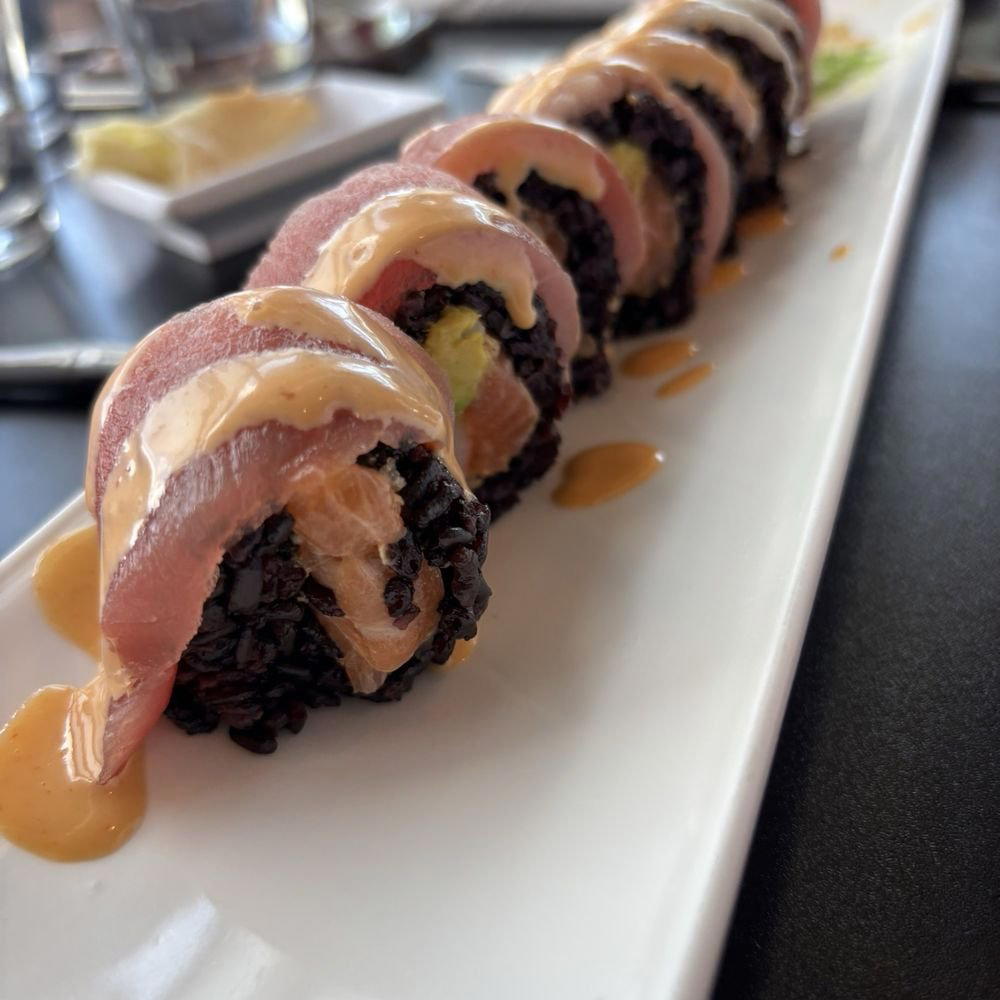
The Far North Side Has Its Own Sushi Logic
Chicago's sushi conversation tends to collapse around a handful of downtown and River North addresses, where omakase counters price against each other and Michelin inspection cycles shape the room as much as any kitchen decision. That conversation rarely travels to Howard Street. The Far North Side, where West Rogers Park fades into Evanston at the city's northern edge, runs on a different set of priorities: regulars over reservations, neighborhood memory over restaurant-week hype, and a kind of institutional familiarity that no amount of tasting-menu engineering can manufacture. Hamachi Sushi Bar at 2801 W Howard St sits inside that logic.
Howard Street is one of those Chicago corridors that functions as both boundary and gathering point. The block carries a dense mix of South Asian grocers, halal butchers, and longstanding storefronts that have absorbed multiple restaurant generations without much fanfare. A sushi bar that endures here isn't doing so on press cycles or social media discovery. It endures because the people within walking distance have chosen it, returned to it, and told others about it in the specific way that neighborhood institutions get told about — through direct recommendation rather than algorithm.
What Keeps the Regulars Coming Back
The regulars' perspective is the operative lens for understanding any neighborhood sushi bar outside a city's designated dining districts. In Tokyo, the same dynamic plays out across countless local counters that seat eight to twelve, where the chef knows which customers want extra ginger and which prefer their nigiri at a slightly warmer rest. Chicago's neighborhood equivalent isn't codified in any guide, but it operates on the same principle: the return visit is the review.
At places like Hamachi, the unwritten menu is often as significant as what appears on any printed list. Regular clientele accumulate preferences over time — particular rolls prepared a certain way, a preferred seat, a rhythm of ordering that the kitchen comes to anticipate. This kind of accumulated familiarity doesn't appear in award citations, but it's the mechanism through which neighborhood spots outlast many of their more decorated counterparts. The Far North Side has seen enough restaurant openings and closings to make longevity its own credential.
For diners accustomed to Chicago's downtown sushi circuit, where a counter at a recognized omakase room might require booking two to three months in advance and a per-person spend that clears three figures before beverage, the West Rogers Park alternative represents a genuinely different category. That's not a consolation; it's a distinction. The Loop and River North omakase tier competes on ingredient sourcing, kaiseki-adjacent progression, and chef lineage. The neighborhood sushi bar competes on something less easily quantified: the sense that the room already knows you, or is willing to.
Placing Howard Street in Chicago's Broader Sushi Context
Chicago's sushi scene has developed significant range over the past decade. At one end, a cluster of high-investment omakase counters has positioned the city alongside New York and Los Angeles in the conversation about serious Japanese dining in America. At the other end, neighborhood sushi bars scattered across the North Side, Northwest Side, and South Side serve a function closer to the Japanese neighborhood izakaya model, accessible, consistent, community-embedded. The gap between these two tiers is wide and, for most diners on most nights, the neighborhood tier is the relevant one.
West Rogers Park itself has a particular demographic texture that shapes its restaurant culture. The neighborhood carries one of Chicago's most concentrated South Asian communities alongside long-established Jewish and Eastern European populations, and more recently a broader mix that reflects the city's northwest migration patterns. Restaurants that survive here tend to offer genuine value and consistency to an audience that eats out regularly and notices when quality shifts. The bar for repeat business is set by the neighborhood's own standards, not by external recognition.
For context on how Chicago's bar and cocktail culture has evolved alongside its restaurant scene, venues like Kumiko and Leading Intentions represent the technically ambitious end of the city's drinking scene, while Bisous and Lemon cover other registers. The full picture of where to eat and drink across the city is in our full Chicago restaurants guide. Nationally, neighborhood-anchored drinking and dining destinations operate on the same regulars-first model in cities like Honolulu (Bar Leather Apron), New Orleans (Jewel of the South), Houston (Julep), New York (Superbueno), San Francisco (ABV), Washington D.C. (Allegory), and Frankfurt (The Parlour), each earning local loyalty through a combination of consistency, atmosphere, and accumulated familiarity.
Planning Your Visit
Hamachi Sushi Bar is located at 2801 W Howard St in the West Rogers Park neighborhood, accessible via the CTA Red Line to the Howard stop, which places it at the northern terminus of the line. The address sits in a commercial corridor that rewards arriving without the assumptions you'd bring to a downtown booking, the experience is shaped by the neighborhood's own pace rather than by front-of-house formality. Given the absence of publicly listed booking information, calling ahead or arriving during off-peak hours is the practical approach for first-time visitors. The Howard Street location makes this a natural pairing with any exploration of the Far North Side's broader food culture, which extends across several blocks in both directions.
At a Glance
- Elegant
- Intimate
- Modern
- Date Night
- Special Occasion
- Standalone
- Counter Only
- Seated Bar
- Sake
- Whiskey
- Classic Cocktails
Current opening hours
- Monday
- 12–8:30 PM
- Tuesday
- 12–8:30 PM
- Wednesday
- 12–8:30 PM
- Thursday
- 12–8:30 PM
- Friday
- 11 AM–1:30 PM
- Saturday
- Closed
- Sunday
- 12–8:30 PM
Hours can change for holidays and private events. Last verified .
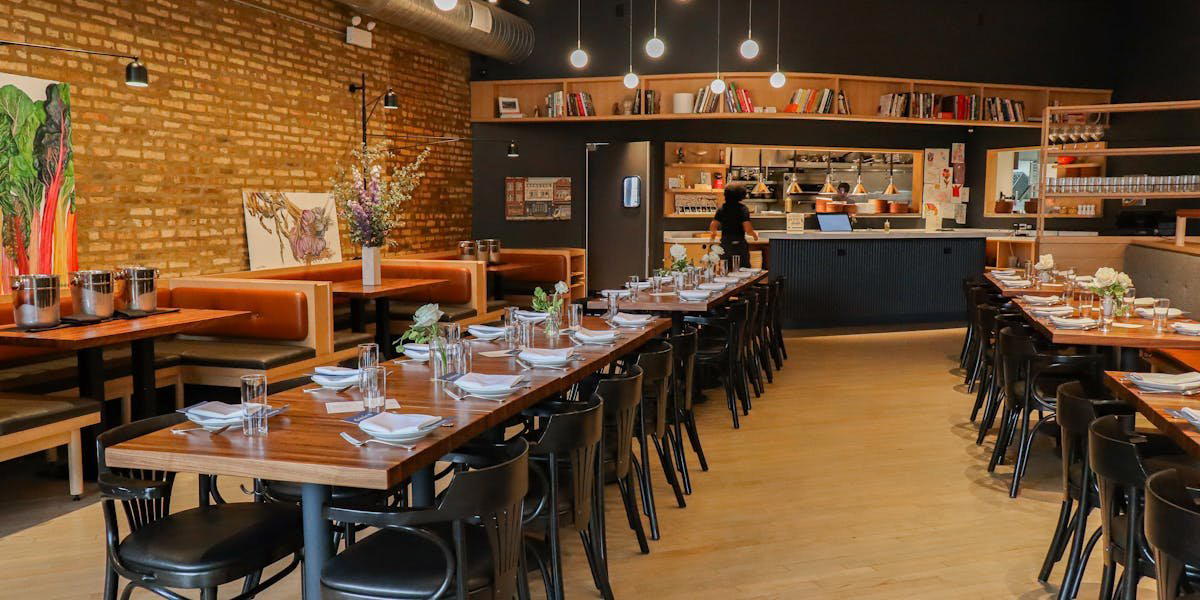
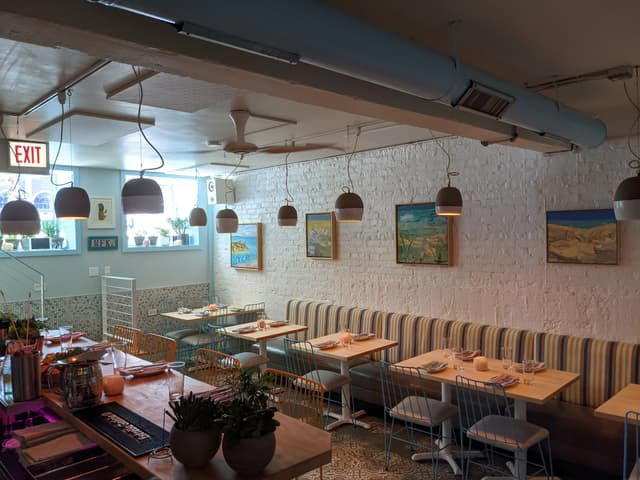
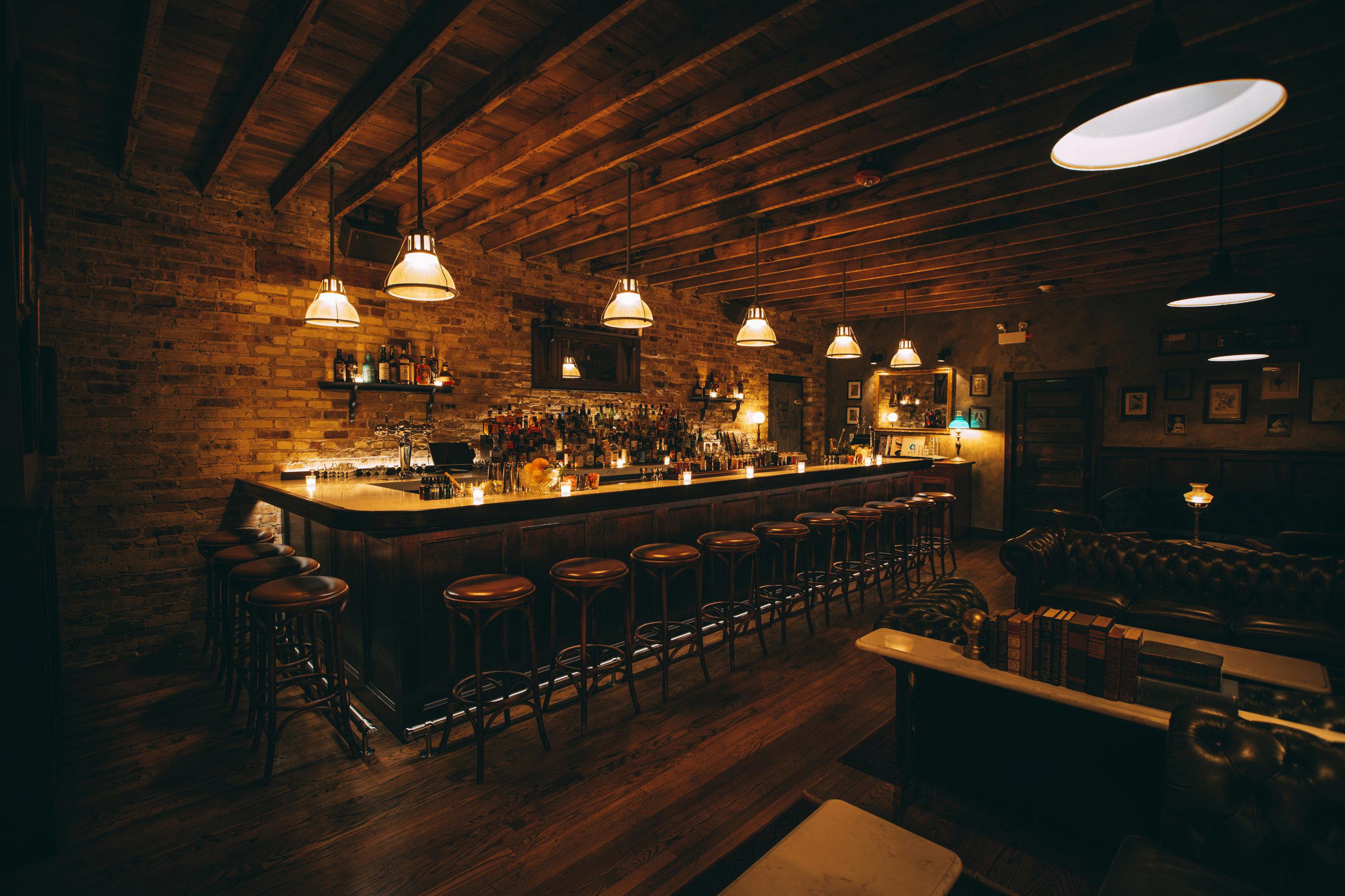
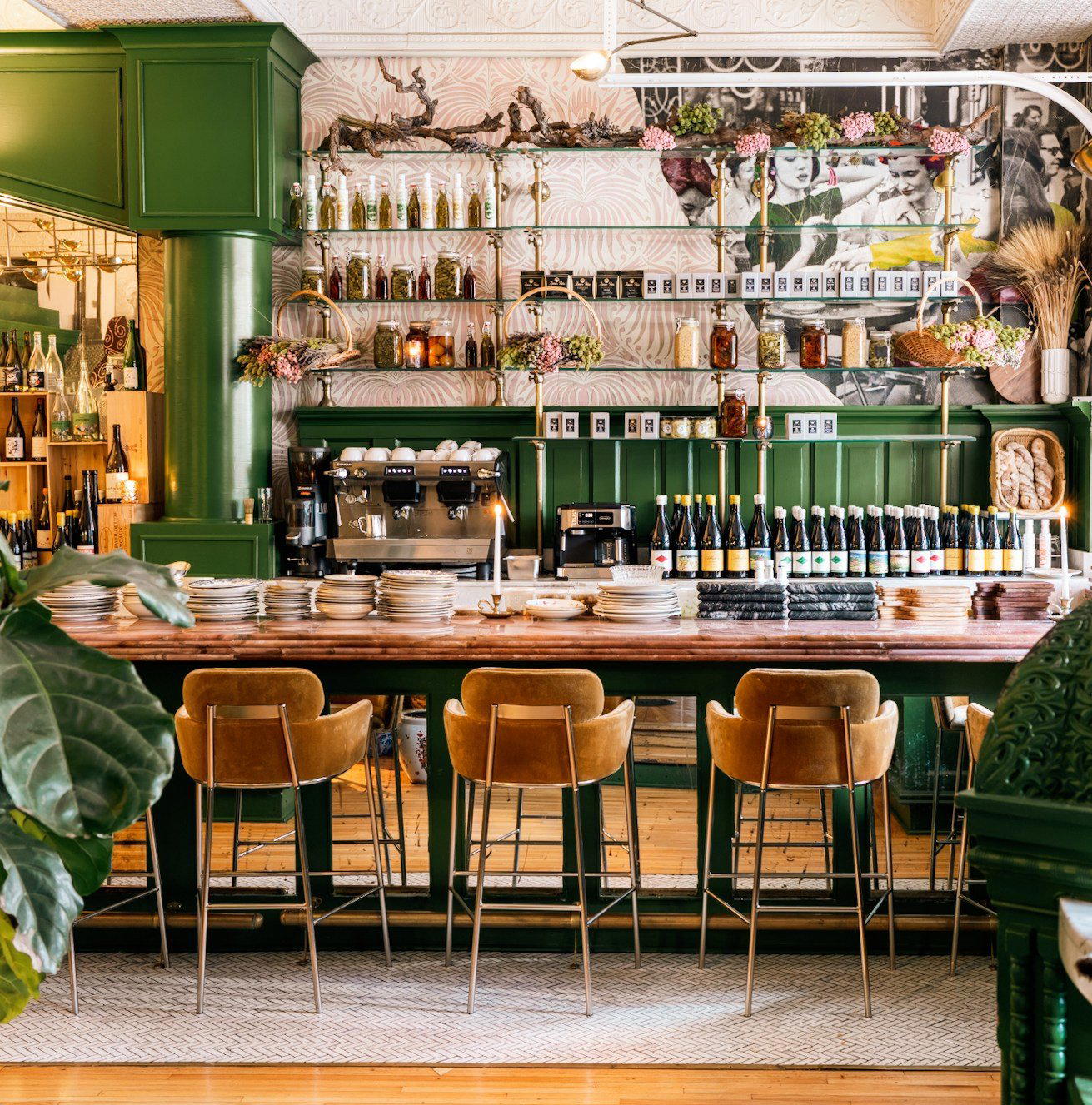
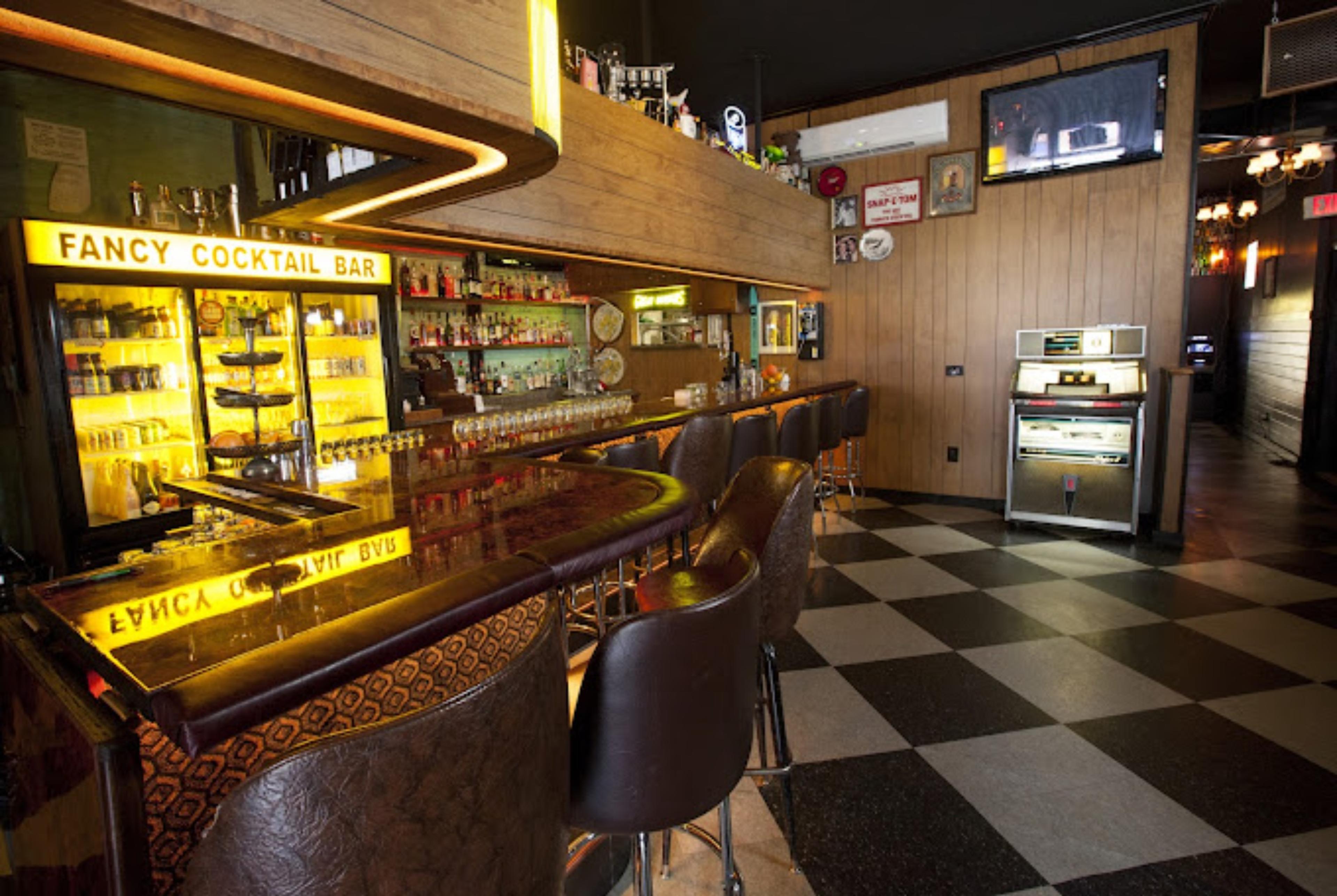
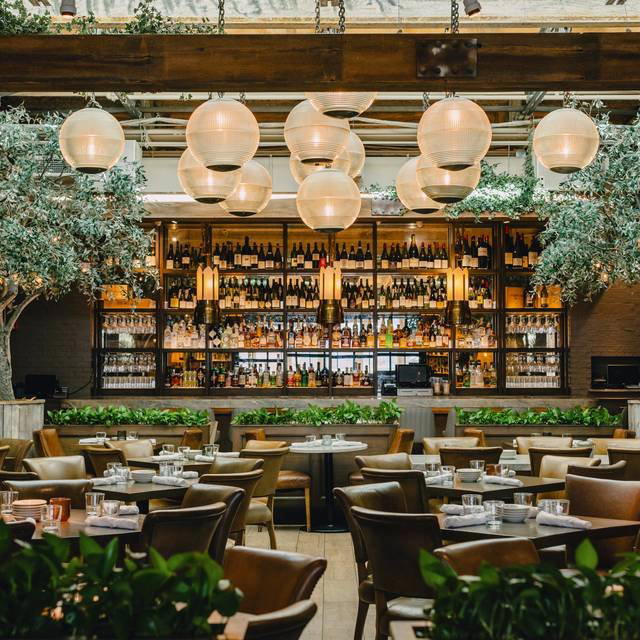
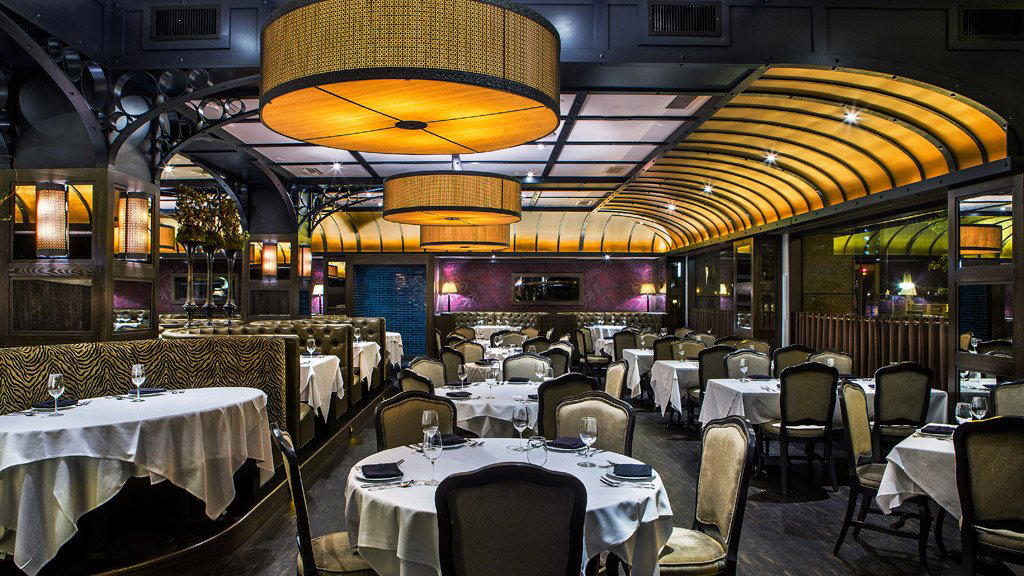
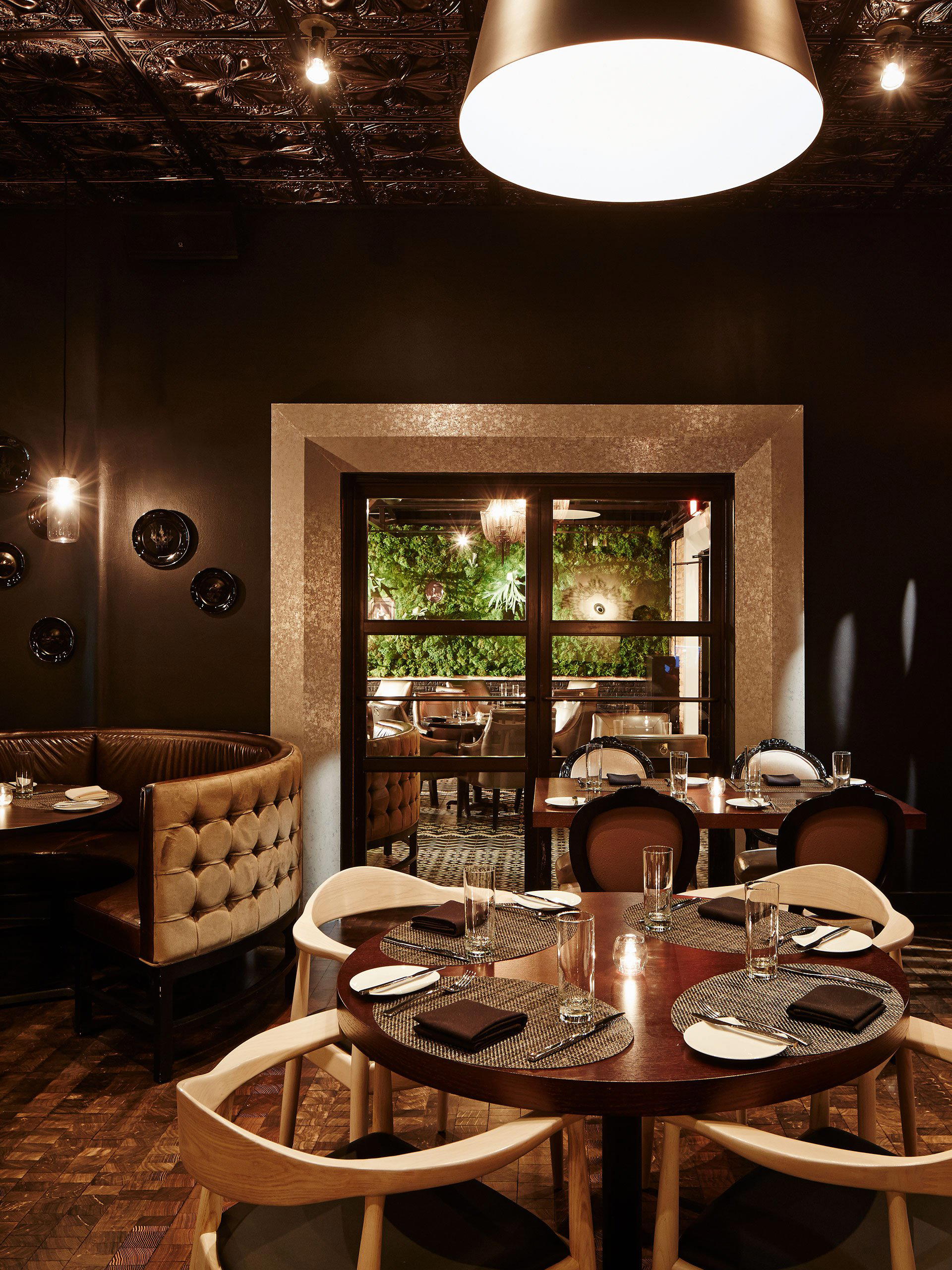
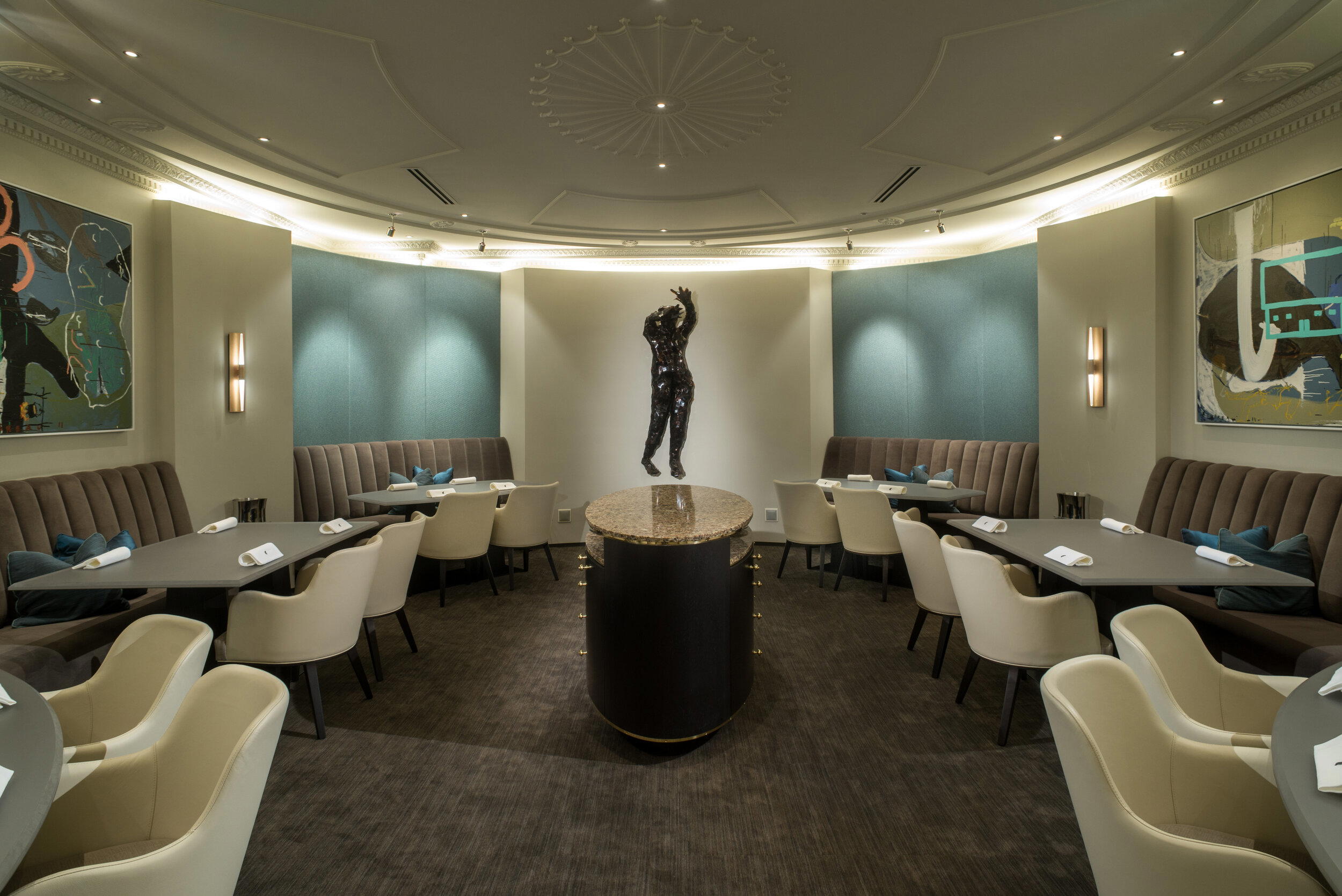
Cleanly decorated with well-suited lighting and attentive service; mellow music with chill house vibes
Know Before You Go
- Getting there
- 2801 W Howard St, Chicago, IL 60645