Hall Pass
Washington D.C.'s beer hall tradition runs deeper than the city's cocktail scene gets credit for, and Hall Pass operates squarely within that blue-collar-meets-polished-pint format. A pub-format venue in a city better known for expense-account dining, it offers a lower-register alternative to D.C.'s more technically ambitious bar programs without sacrificing the social density that makes a good hall work.

Pearl is the En Primeur Club membership app — saves, bookings, and concierge access live there. Same editors, same standards.
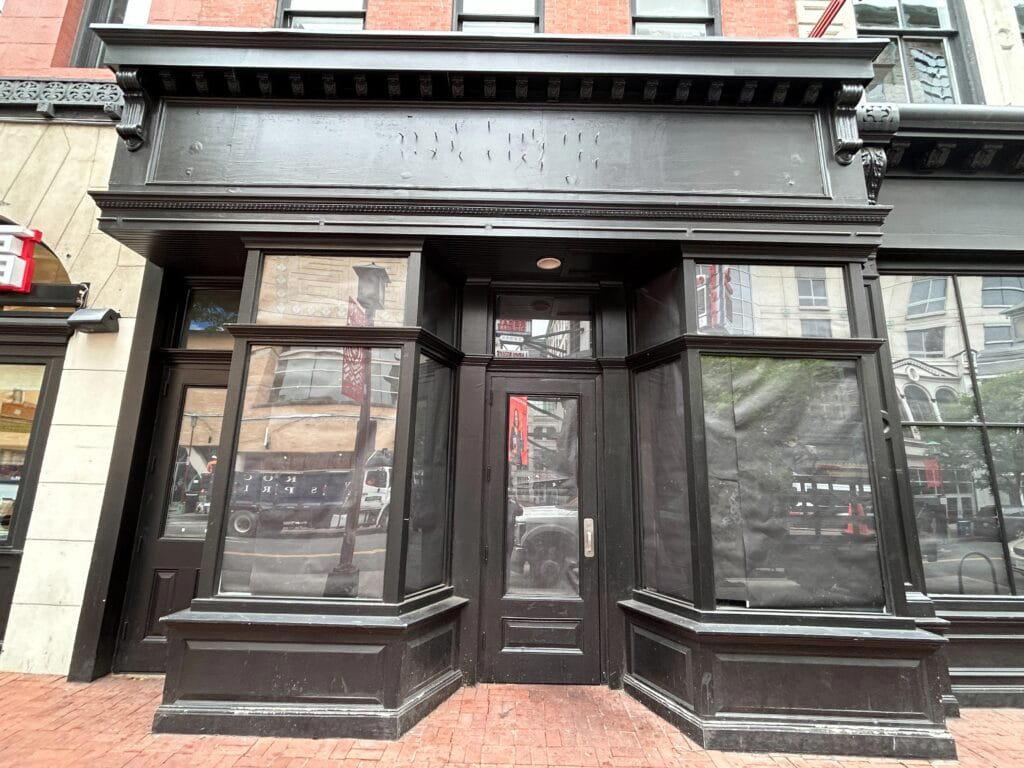
A Room Built for Volume and Noise
Washington D.C. has spent the better part of the past decade building a cocktail identity around precision and restraint. Allegory runs a narrative-driven program with tight editorial control. Silver Lyan operates at the technical end of the spectrum, drawing comparison to its London parent. Service Bar built its reputation on consistency and spirit-forward drinks at fair prices. Hall Pass is a bar in Washington, D.C. with a casual dress code and a price tier around $25 per person. Hall Pass occupies a different register entirely: the beer hall, a format that prizes communal energy over individual craft.
The beer hall tradition in American cities has a specific sonic character. Long tables, a ceiling high enough to let conversations layer without collapsing into each other, the percussive rhythm of glass on wood. Hall Pass works within that format, positioning itself as a social venue in a city where much of the drinking culture defaults to either the hotel bar or the craft cocktail room. Its pub-format identity is not a concession to casual taste — it is a deliberate structural choice that suits a particular kind of evening.
D.C.'s drinking geography matters here. The city has concentrated much of its serious bar programming in neighborhoods like Shaw, Logan Circle, and the Penn Quarter corridor. Beer halls and pub-format venues serve a different function in that geography: they absorb larger groups, tolerate longer stays, and generate the kind of ambient noise that a precisely tuned cocktail bar actively resists. Hall Pass fits into that supporting infrastructure.
The Beer Hall Format and What It Demands
The beer hall is one of the older drinking formats in urban hospitality, and it carries specific expectations. A good hall needs volume — of space, of product selection, of people. It needs a rhythm that allows a table of eight to arrive in stages, order in rounds, and stay for two hours without the experience feeling like an imposition. That operational logic is fundamentally different from the omakase cocktail bar or the twelve-seat whisky room, and it requires a different kind of discipline to execute well.
In cities where the format has found its leading expression, think the beer-hall revival in Chicago's Logan Square, or the direct pub anchors in neighborhoods like Houston's Montrose, the venues that hold up over time tend to anchor around a legible draft selection, generous pours, and room design that encourages lateral movement between groups. The same principles apply in D.C. where the beer hall format competes against a dense field of sports bars and gastropubs for the group-drinking dollar.
Hall Pass sits within this tradition. Its cuisine type is listed as beer hall and pub, which signals the full format rather than a hybrid. That distinction matters: a gastropub with twelve taps and a chef-driven menu occupies a different competitive position than a venue built around the hall experience as a social architecture. The latter makes a cleaner promise to the customer, even if it offers fewer individual talking points.
Where Hall Pass Sits in D.C.'s Drinking Map
D.C.'s bar scene is not monolithic. The city runs a parallel track of technically serious programs alongside more populist formats, and both have audiences. 12 Stories operates at a different altitude, rooftop positioning, a view-dependent value proposition, a different occasion. Hall Pass is a ground-level venue in both the literal and social sense, which is its primary usefulness.
For broader context: across American cities, the venues that handle the beer hall format with the most authority tend to share a few structural features. ABV in San Francisco built its reputation around a well-edited selection and a room that rewards lingering. Kumiko in Chicago operates at the opposite end of the precision spectrum, but it demonstrates the same basic principle: clarity of format produces clarity of guest expectation. Superbueno in New York City shows how a tight concept in a dense market can carve out a loyal repeat-customer base. The formats differ; the underlying logic holds.
Hall Pass in D.C. fits the local need for a venue that doesn't demand a cocktail education from its guests. In a city where the serious bar programs at places like Allegory or Service Bar reward investment and attention, the beer hall offers a different kind of value: accessibility, volume, and social permission to be loud.
Comparing Across the American Bar Map
Jewel of the South in New Orleans demonstrates how a hospitality-forward format can carry weight even in a city oversaturated with drinking options. Julep in Houston built its identity around a specific spirit category rather than broad appeal, which is a different strategic position but illustrates the value of clarity. Bar Leather Apron in Honolulu operates in a market where tourist demand could easily flatten the concept, but it holds a distinct local identity. The Parlour in Frankfurt shows how the pub format translates across markets when the room and product selection are handled with care.
What these comparisons illustrate is that the beer hall and pub format rewards specificity. Generic execution in a crowded market produces forgettable results. The venues that hold recognition over time tend to have a clear point of view about what their room is for and who it serves.
Planning a Visit
Hall Pass is a pub-format venue in Washington D.C. positioned for the kind of visit that doesn't require advance planning in the way that the city's reservation-only cocktail programs do. The beer hall format generally supports walk-in groups and extended stays, which makes it a practical option for the kind of evening that doesn't fit neatly into a timed booking.
Where the Accolades Land
A quick peer reference to anchor this venue in its category.
| Venue | Cuisine | Price | Awards |
|---|---|---|---|
| Hall PassThis venue — the venue you are viewing | Beer hall / pub | $20–30 | Not listed |
| Allegory | Not listed | $30–50 | World's 50 Best #57 · Pinnacle Guide 2 Pins |
| Service Bar | Not listed | $30–50 | World's 50 Best #39 · James Beard Award Semi Finalist |
| Barmini | Not listed | $50–100 | Not listed |
| Eebee’s Corner Bar | American (burgers, bar food) | $20–30 | Not listed |
Continue exploring
More in Washington DC
Bars in Washington DC
All bars in Washington DC →
Restaurants in Washington DC
All restaurants in Washington DC →

Details
- Lively
- Energetic
- Trendy
- Group Outing
- After Work
- Communal Tables
- Craft Beer
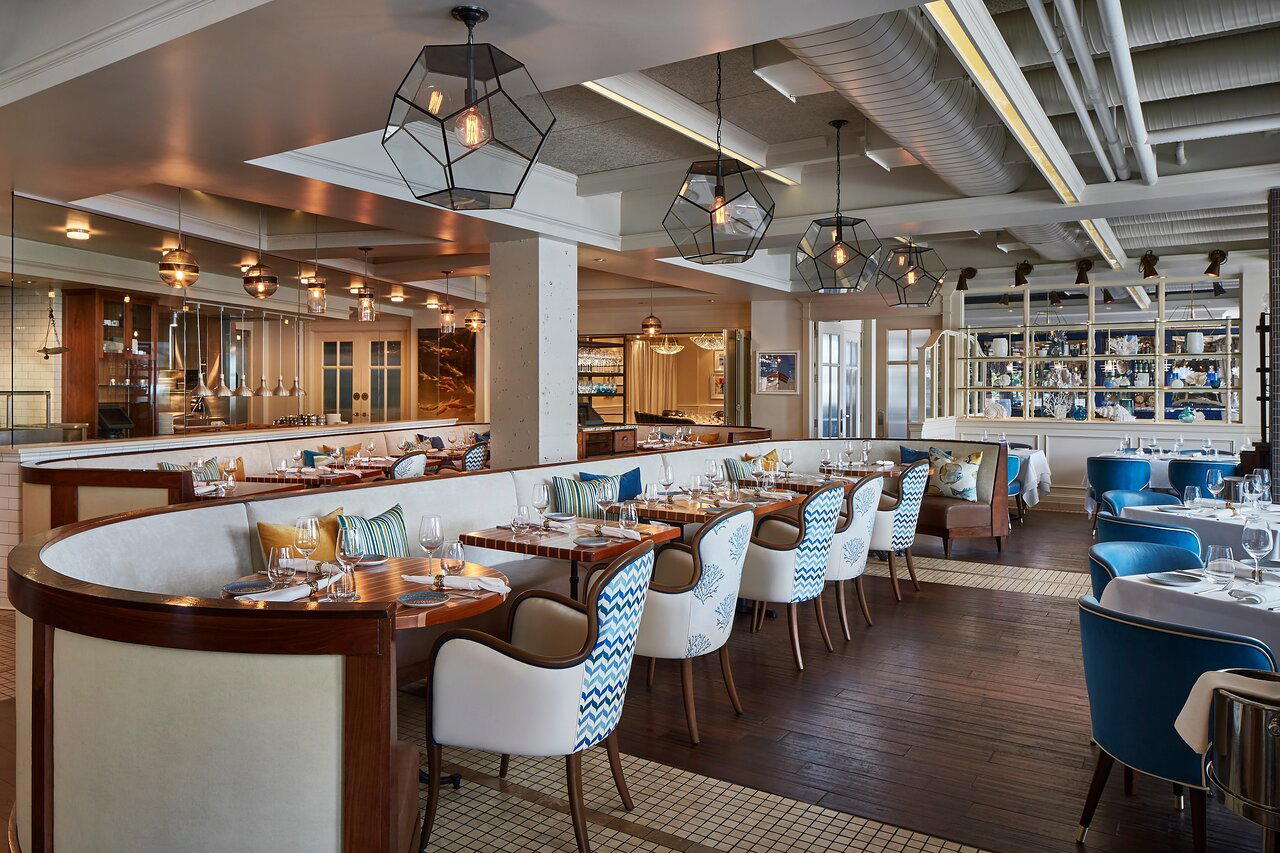
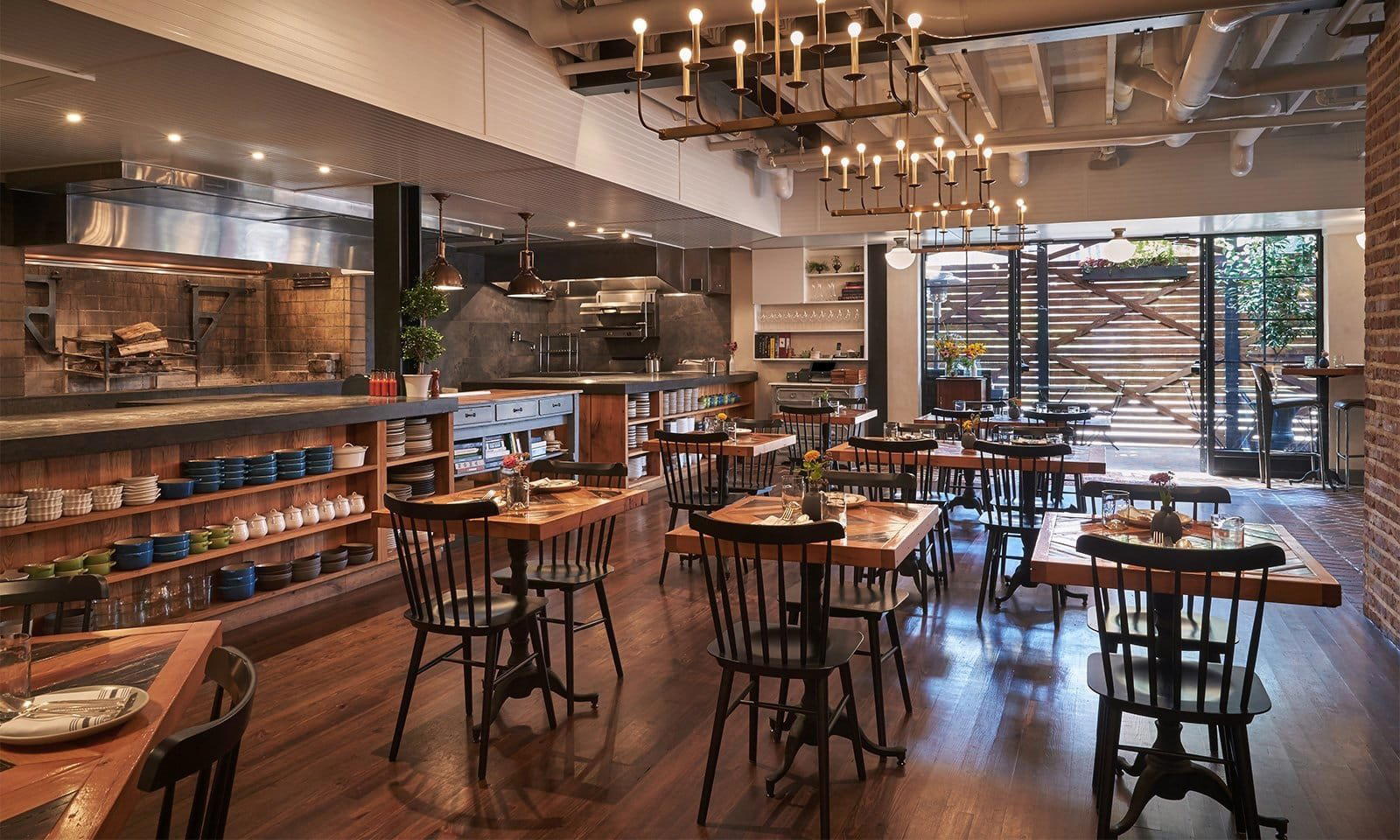
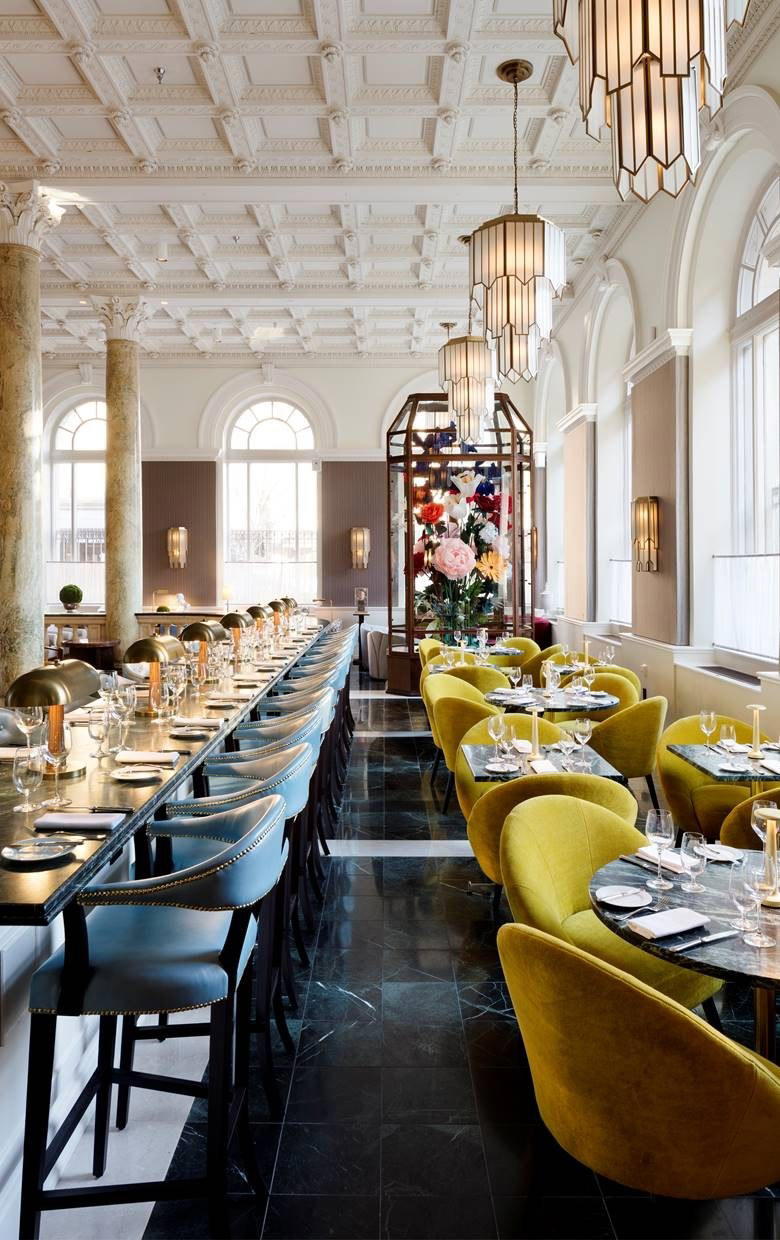
High-energy sports parlor atmosphere with communal seating and high-definition screens throughout.