Great Sea Restaurant
Great Sea Restaurant on West Lawrence Avenue sits inside Albany Park, Chicago's most quietly concentrated Southeast Asian corridor. The kitchen draws on Chinese-American traditions that have anchored this stretch of Lawrence for decades, serving a neighbourhood that rewards the curious over the conspicuous. It is the kind of address that locals return to on instinct rather than occasion.
Pearl is the En Primeur Club membership app — saves, bookings, and concierge access live there. Same editors, same standards.
- Address
- 3253 W Lawrence Ave, Chicago, IL 60625
- Phone
- +1 773 478 9129
- Website
- greatsearestaurant.com
- Directions
- Get directions
 Saves & bookings on Pearl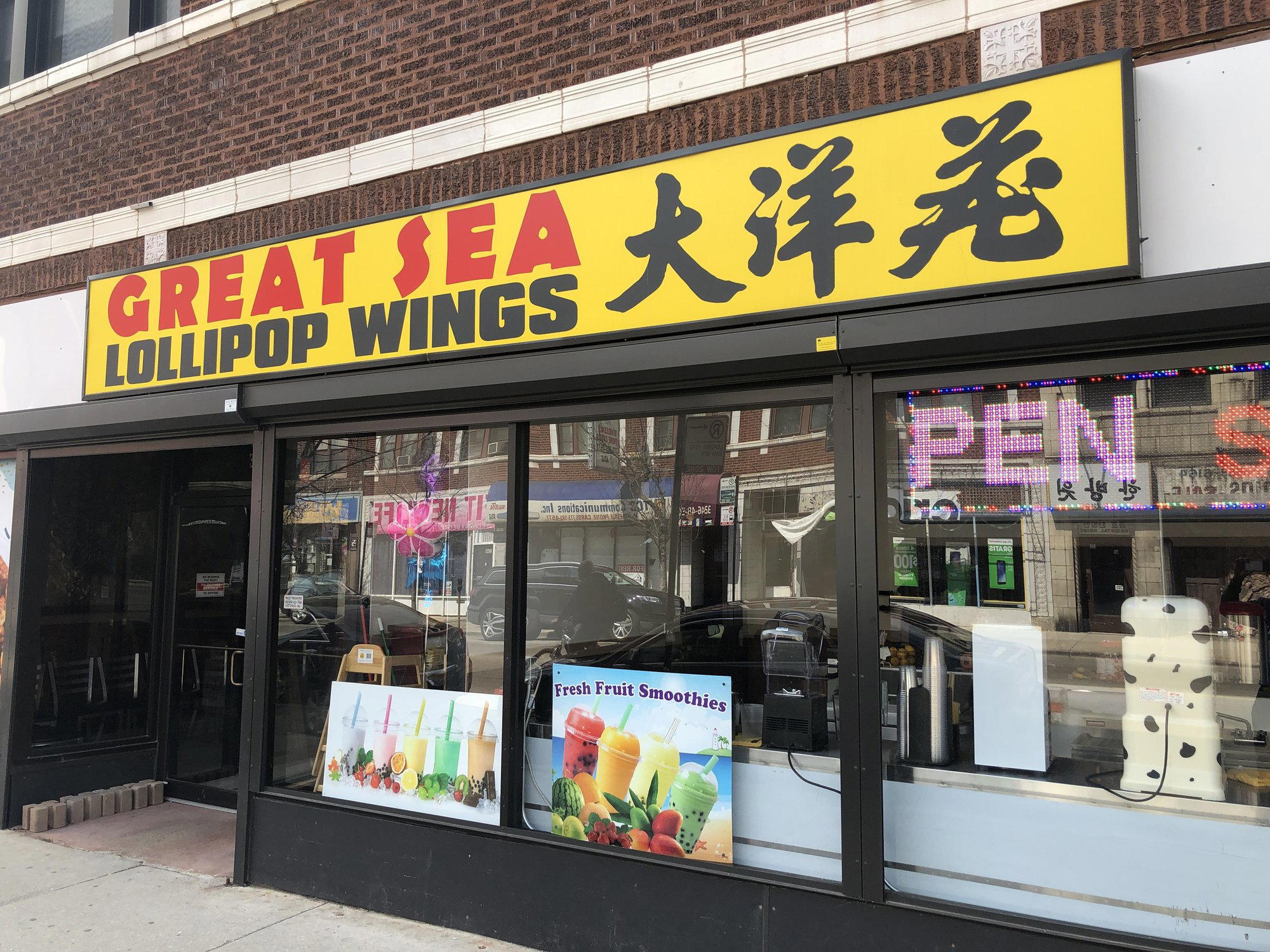
West Lawrence and the Logic of Albany Park
The 3200 block of West Lawrence Avenue does not announce itself. There are no valet stands, no illuminated chef portraits in the window, no queue management systems. What the block does have is one of Chicago's most ethnically compressed dining corridors outside of Argyle Street, where Korean grocers, Middle Eastern bakeries, and Chinese restaurants occupy storefronts that have changed hands slowly and deliberately over decades. Great Sea Restaurant, at 3253 W Lawrence Ave, sits inside this corridor as part of a longer tradition rather than as a departure from it.
Albany Park's character as a dining neighbourhood is shaped less by any single cuisine than by the density of immigrant-operated kitchens that operate with a different commercial logic than the restaurant groups working the West Loop or River North. Rents are lower, regulars are local, and longevity is measured in years of consistent return trade rather than press cycles. That context matters when reading any restaurant on this stretch.
Chinese-American Cooking and Where the Ingredients Lead
The ingredient sourcing question is, in many ways, one revealing lens for reading Chinese-American restaurants in Chicago's inland neighbourhoods. Unlike coastal cities where live seafood tanks can be restocked daily from nearby ports, a restaurant called Great Sea in Albany Park is working with supply chains that run through the city's Chinese wholesale distributors, primarily concentrated in Chinatown on the South Side and through northern suburban networks serving the growing Chinese-American population in areas like Skokie and Glenview.
That logistical reality has shaped the canon of Chinese-American cooking in cities like Chicago for generations. The dishes that travelled inland and held their ground did so because they adapted to what was reliably available: proteins that freeze and transport well, sauces that deepen with time, preparations where the technique carries more weight than hyper-local produce. This is not a limitation; it is the condition under which a distinct regional variant of Chinese-American food developed in the Midwest, and it produced a kitchen culture that differs meaningfully from what you find in San Francisco's Richmond District or New York's Flushing.
Restaurants working in this tradition tend to source through a combination of Asian specialty distributors and broader food service networks. The quality ceiling is set by what those distributors can move, which has improved considerably as the Chinese-American population in the Chicago metro area has grown and concentrated in the northern suburbs, creating commercial demand for better-quality produce, proteins, and dry goods than the supply chain offered twenty years ago.
What the Neighbourhood Context Tells You About the Menu
Albany Park's Chinese restaurants generally operate in a different register than the Chinatown venues that attract more press attention. The Chinatown strip on Wentworth and Cermak runs on a combination of tourist traffic, South Side regulars, and the occasional dining writer making the comparison pilgrimage. Lawrence Avenue's Chinese kitchens are more squarely neighbourhood operations, calibrated for the families and working adults who live within a two-mile radius.
That distinction shapes the menu logic. Dishes that require long preparation times and low ticket prices, braised proteins, congee, house-made noodle preparations, appear more often in neighbourhood operations than in tourist-facing Chinatown venues where table turnover is a financial priority.
For comparison, the broader Chicago dining scene has produced a range of serious cocktail and bar programs that draw national attention: Kumiko, Leading Intentions, Bisous, and Lemon all operate in that recognised tier. Great Sea operates in an entirely different register: not press-driven, not award-seeking, not positioned for the cocktail-program audience. That is a choice with its own logic, not a gap.
The Albany Park Address as a Signal
In Chicago's dining geography, address communicates tier and audience as clearly as price point. The West Loop signals occasion dining and national press cycles. Wicker Park signals trend-adjacent neighbourhood dining with a young professional demographic. Albany Park signals community anchoring, restaurants that exist because the neighbourhood needs them, not because a hospitality group identified an underserved market segment.
Venues in this tier across other American cities share structural DNA. Bar Leather Apron in Honolulu, Jewel of the South in New Orleans, Julep in Houston, Superbueno in New York City, ABV in San Francisco, Allegory in Washington, D.C., and The Parlour in Frankfurt on the Main all demonstrate that particularly durable hospitality addresses in any city are often those that anchor to a specific community rather than to a broader dining tourist circuit. Great Sea's positioning on Lawrence Avenue follows that logic.
For visitors already exploring Chicago's neighbourhood dining beyond the tourist core, Albany Park is a logical extension of a north-side itinerary that might also include the Bryn Mawr corridor and the Andersonville restaurant cluster.
Know Before You Go
- Address: 3253 W Lawrence Ave, Chicago, IL 60625
- Neighbourhood: Albany Park, North Side Chicago
- Transit: CTA Brown Line to Kedzie, then a short walk north on Lawrence
- Reservations: Walk-in friendly
- Hours: Mon: 11:30 AM-8:30 PM; Tue: Closed; Wed: 11:30 AM-8:30 PM; Thu: 11:30 AM-8:30 PM; Fri: 11:30 AM-8:30 PM; Sat: 11:30 AM-8:30 PM; Sun: 11:30 AM-8:30 PM
- Price range: $$
Where It Fits
Comparable venues nearby, for context on price, style, and recognition.
| Venue | Cuisine | Price | Notes |
|---|---|---|---|
| Great Sea RestaurantThis venue — the venue you are viewing | Bar | $$ | Not listed |
| The Green Mill | lounge | $$ | Uptown |
| Ipsento 606 | cocktail_bar | $$ | Bucktown |
| Cesar's Killer Margaritas - Broadway | mezcaleria | $$ | Lake View |
| Jazz Showcase | lounge | $$ | Printers Row |
At a Glance
- Cozy
- Casual Hangout
Current opening hours
- Monday
- 11:30 AM–8:30 PM
- Tuesday
- Closed
- Wednesday
- 11:30 AM–8:30 PM
- Thursday
- 11:30 AM–8:30 PM
- Friday
- 11:30 AM–8:30 PM
- Saturday
- 11:30 AM–8:30 PM
- Sunday
- 11:30 AM–8:30 PM
Hours can change for holidays and private events. Last verified .
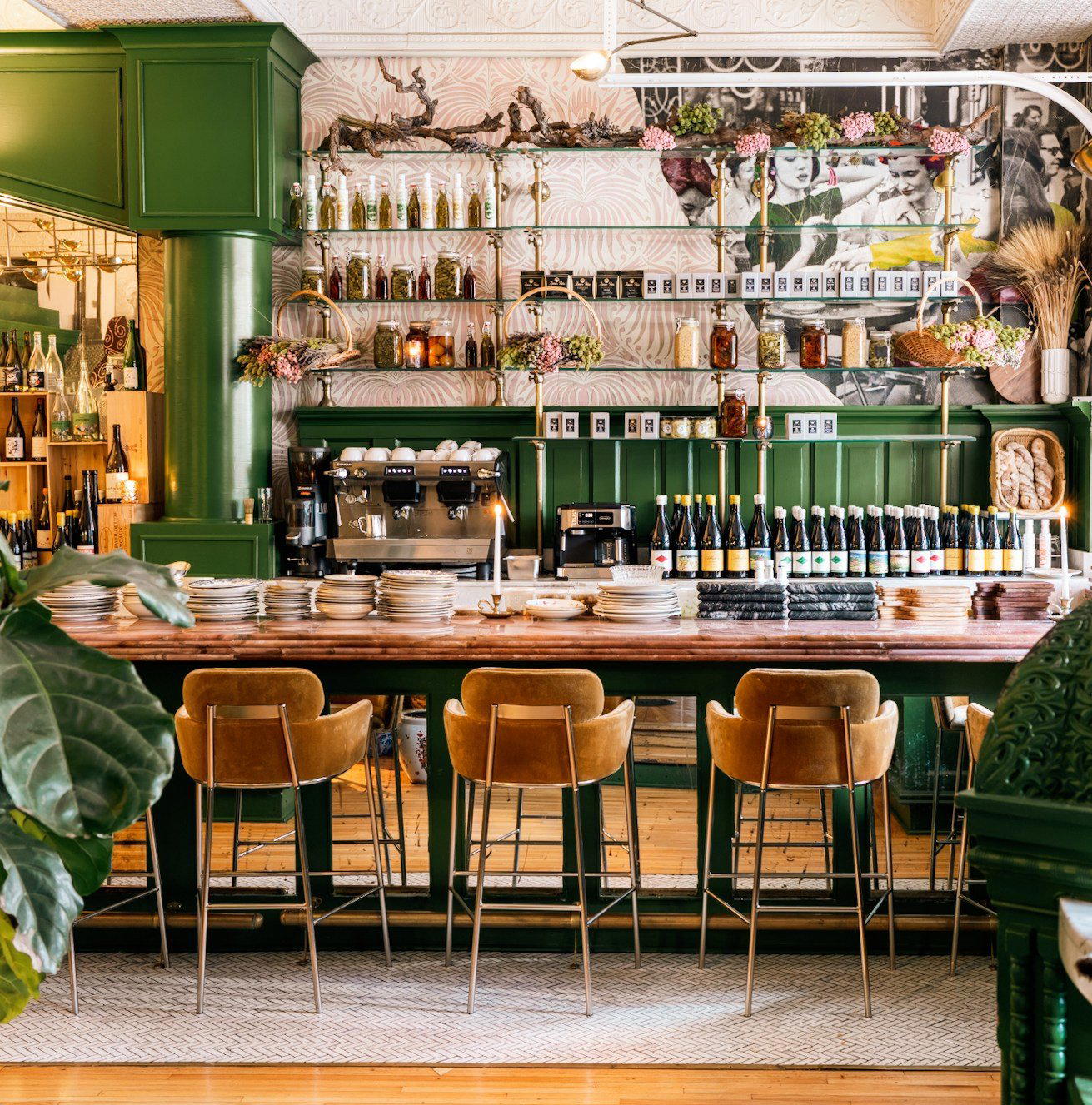
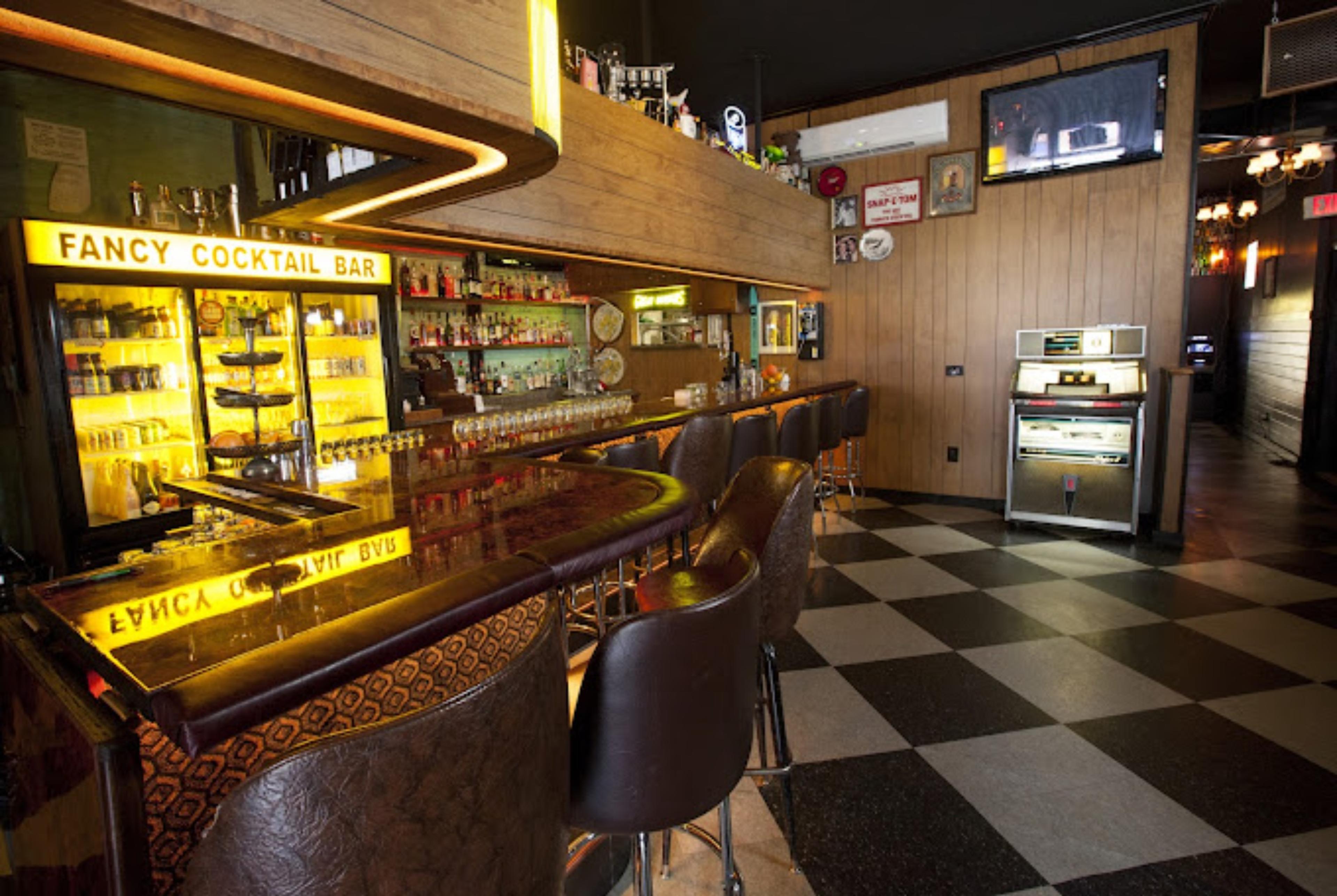
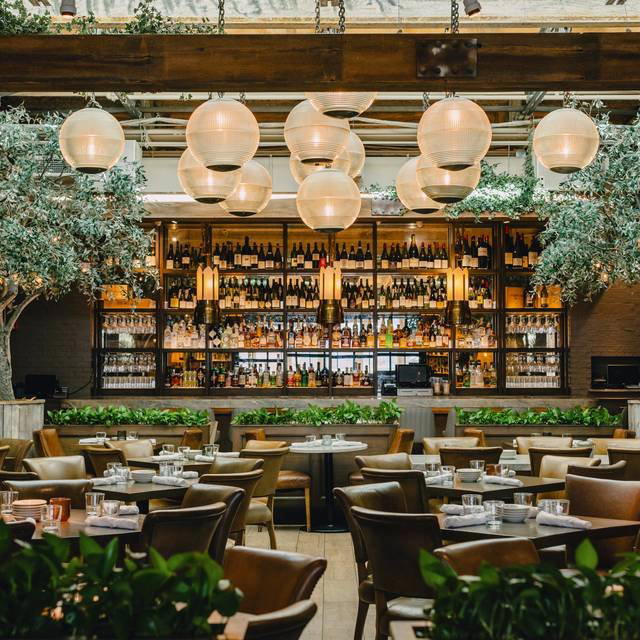
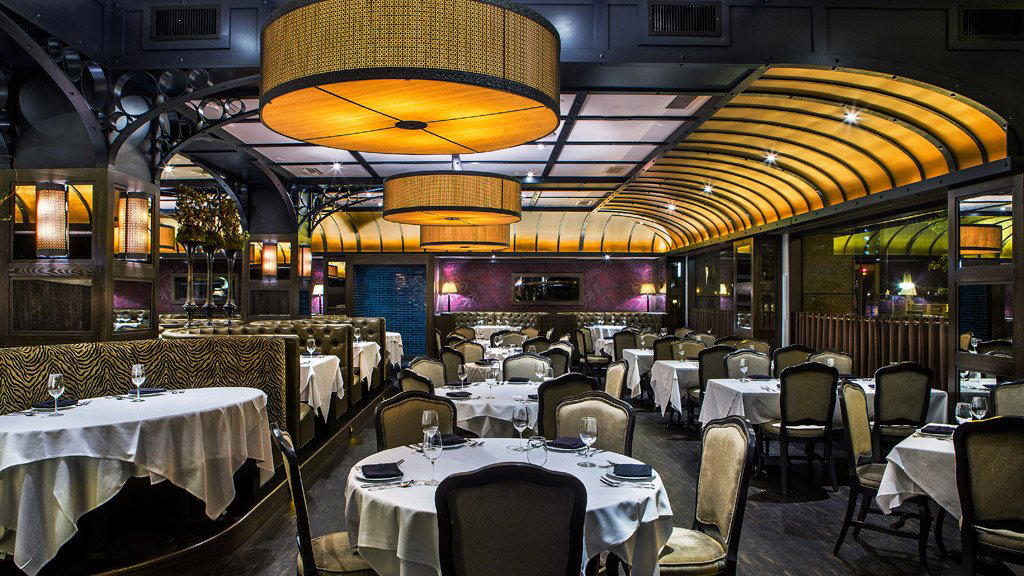
Warm and inviting atmosphere in a small Korean-Chinese diner.