Gibson Street Bar
Gibson Street Bar occupies a prominent address on South Lamar, one of Austin's most active dining and drinking corridors. The bar sits within a South Austin scene that has shifted steadily toward craft-focused programs, placing it alongside a growing cohort of venues where what's in the glass matters as much as the room around it. For visitors approaching the area from the central city, it reads as a natural anchor point on a well-worn stretch.
Pearl is the En Primeur Club membership app — saves, bookings, and concierge access live there. Same editors, same standards.
- Address
- 1109 S Lamar Blvd, Austin, TX 78704
- Phone
- +1 512 386 1345
- Website
- gibsonstreetbar.com
- Directions
- Get directions
 Saves & bookings on Pearl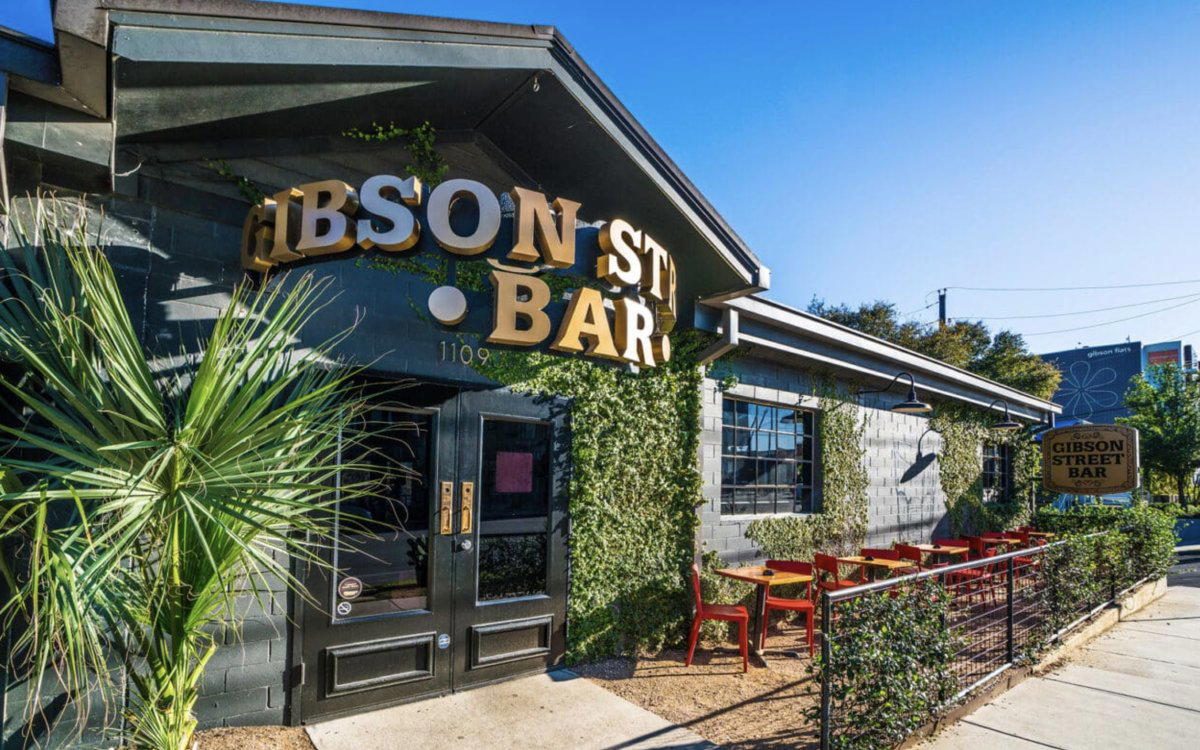
South Lamar's Evolving Bar Scene and Where Gibson Street Fits
South Lamar Boulevard has undergone a sustained transformation over the past decade. What was once a corridor defined by casual Tex-Mex and late-night dive bars now supports a range of drinking formats, from serious wine programs to technical cocktail rooms. The 78704 zip code, which covers the stretch between Barton Springs and the Lady Bird Lake trail system, has become one of the more competitive bar territories in the city, where operators are expected to bring something with editorial weight rather than just a well-positioned room. Gibson Street Bar is a bar at 1109 S Lamar Blvd in Austin. Austin's bar scene has been moving in two broad directions simultaneously. One track follows the national pattern toward high-concept cocktail programs: clarified drinks, fat-washing, house-made bitters, Japanese technique applied to American spirits. The other track has doubled down on hospitality-forward formats where the craft is visible but the room remains approachable. Bars like Nickel City have shown that deep beer and spirit knowledge can coexist with a neighborhood-bar register, while venues on the East 6th corridor have pushed the format toward something louder and more festival-adjacent. Gibson Street Bar's placement on South Lamar puts it in neither extreme, which is itself a positioning choice.
The Craft Behind the Counter
Across American bar culture, the shift toward technique-driven programs has changed what it means to stand behind a bar. A generation ago, speed and volume defined professional bartending in most markets. Now, in cities from Chicago to Honolulu, the reference points have shifted. Kumiko in Chicago built its reputation around Japanese-inflected precision. Bar Leather Apron in Honolulu runs a program that treats sourcing and preparation as inseparable. Jewel of the South in New Orleans anchors craft in historical recovery, restoring 19th-century recipes with contemporary execution. What connects these operations isn't a shared aesthetic but a shared orientation: the person behind the bar is the program, and the program reflects accumulated knowledge rather than trend-chasing.
In Austin, that orientation is visible at several established addresses. Aba Austin deploys cocktail technique in support of a broader Mediterranean food and drink identity. Antone's Nightclub operates in a different register entirely, where the bar program is secondary to the musical tradition it sustains. Gibson Street Bar sits in a South Austin context where the expectation is that the bartender knows their ingredients, understands balance, and can hold a conversation about what they're making without turning it into a lecture.
That balance, between fluency and accessibility, is what South Lamar's drinking culture has come to expect from its better addresses. The bar programs that have found sustained traction in this part of the city tend to avoid both the studied minimalism of high-concept rooms and the indifference of volume-focused operations. The craft is present but worn lightly.
Regional Context: Texas and the Southern Bar Tradition
Texas has its own cocktail geography. Houston's Julep made a sustained case for Southern spirits, particularly whiskey and the traditions built around it, as a serious framework for a modern bar program. In doing so, it positioned Houston within a national conversation rather than against it. Austin's bar culture has followed a different path, one less anchored to a single spirit category and more shaped by the city's position as a destination that attracts operators from coastal markets as well as homegrown talent.
South Lamar specifically draws a crowd that is both local and transient, residents of 78704 alongside visitors staying in the boutique hotel cluster along the corridor. That dual audience creates pressure to perform at two registers: familiar enough for regulars, legible enough for first-timers. Bars that manage it well tend to have clear drink identities without requiring prior knowledge to enjoy them. The format rewards programs built on hospitality intelligence as much as technical depth.
For comparison, Superbueno in New York City has shown how a strong Latin spirits identity can anchor a bar program without alienating guests unfamiliar with the category. ABV in San Francisco has run a similar play with amaro and aperitivo formats. And The Parlour in Frankfurt demonstrates that the craft-bar register translates across cultural contexts when the hospitality foundation is solid.
Atmosphere and What to Anticipate
South Lamar bars tend to spill outward, making use of Austin's extended outdoor season. The stretch around 1109 S Lamar is active from early evening through late night, particularly on weekends, when foot traffic from the Alamo Drafthouse and surrounding restaurants feeds into the broader corridor. The atmosphere at addresses along this block tends toward social rather than contemplative, with enough ambient noise to signal that the room is alive without tipping into the chaos of 6th Street proper.
Gibson Street Bar fits that character. Visitors approaching along South Lamar will find themselves in one of Austin's more walkable drinking neighborhoods, where moving between venues over the course of an evening is both practical and expected. The bar's positioning at this address makes it a natural stop within a longer South Austin itinerary.
Austin's climate means the late spring and early fall shoulder seasons represent particularly comfortable windows for outdoor drinking. Summer heat on South Lamar can be significant, and interior seating becomes proportionally more attractive from June through August. For visitors planning around seasonal conditions, the October-to-November window offers reliable outdoor weather on this stretch of the city.
Peers in This Market
Comparable venues nearby, for context on price, style, and recognition.
| Venue | Cuisine | Price | Notes |
|---|---|---|---|
| Gibson Street BarThis venue — the venue you are viewing | cocktail_bar | $$ | Not listed |
| The Tavern | sports_bar | $$ | Downtown |
| Radio/East | beer_bar | $$ | Parker Lane |
| Sahara Lounge | dive_bar | $$ | MLK-183 |
| Better Half Coffee & Cocktails | cocktail_bar | $$ | Old West Austin |
| Grá Mór | lounge | $$ | Congress Ave District |
Continue exploring
More in Austin
Bars in Austin
Browse all →
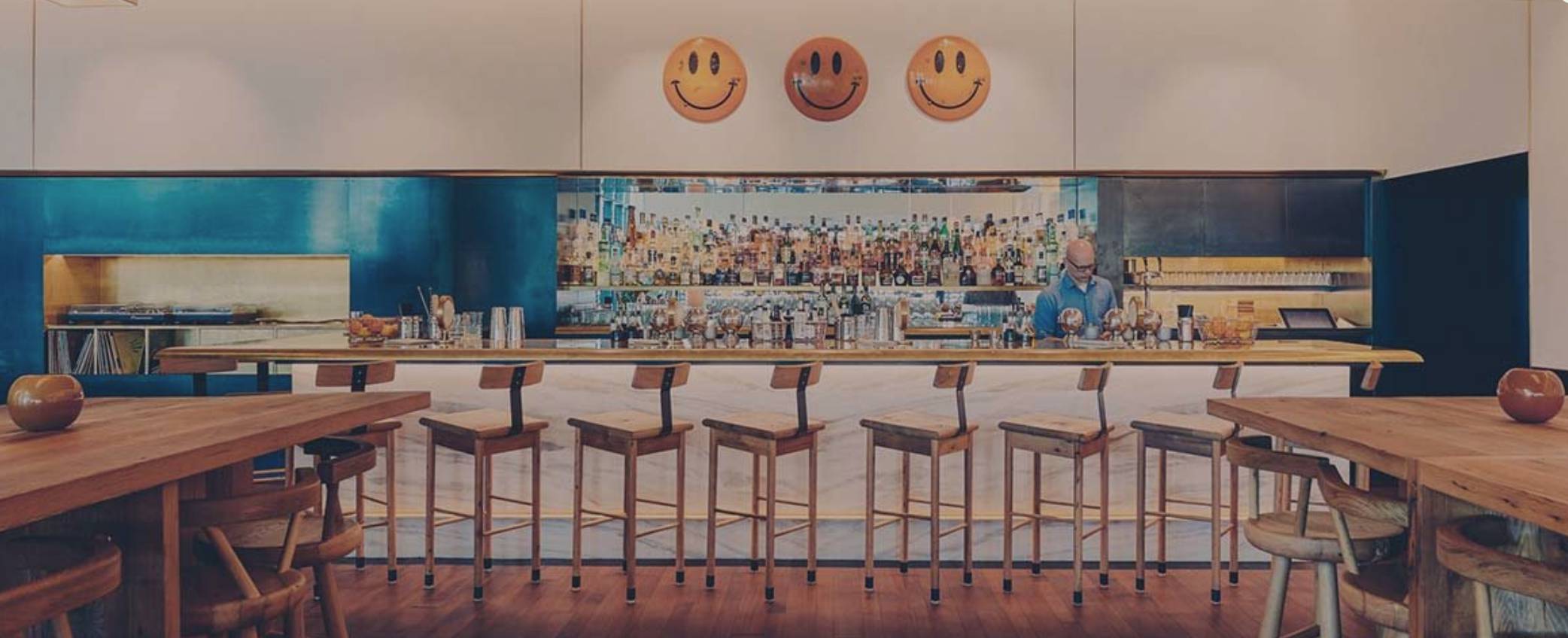
Restaurants in Austin
Browse all →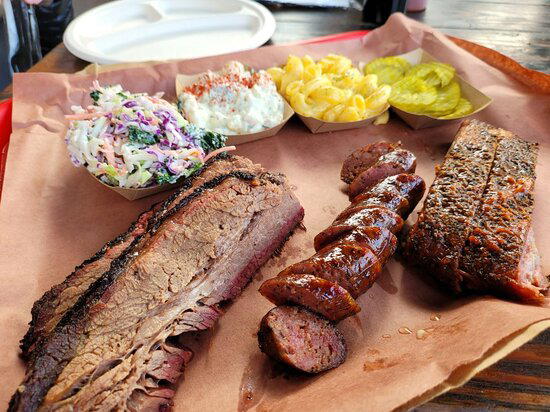
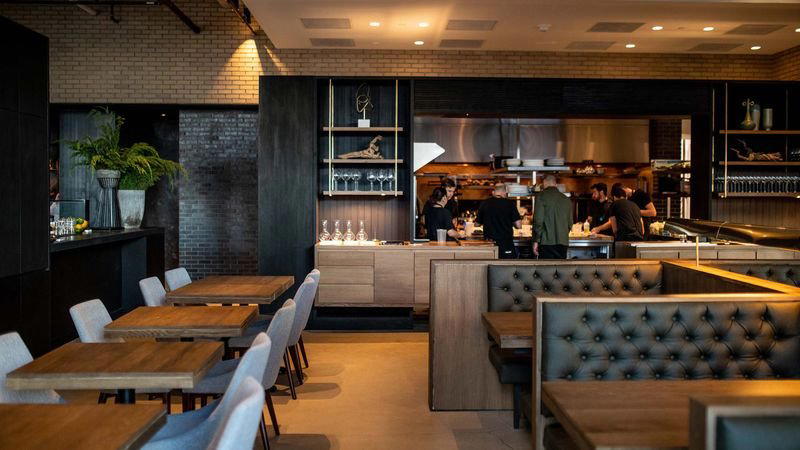
Hotels in Austin
Browse all →
At a Glance
- Cozy
- Lively
- Trendy
- Group Outing
- Casual Hangout
- Celebration
- Standalone
- Booth Seating
- Outdoor Terrace
- Craft Cocktails
Current opening hours
- Monday
- 4 PM–2 AM
- Tuesday
- 4 PM–2 AM
- Wednesday
- 4 PM–2 AM
- Thursday
- 4 PM–2 AM
- Friday
- 2 PM–2 AM
- Saturday
- 2 PM–2 AM
- Sunday
- 2 PM–2 AM
Hours can change for holidays and private events. Last verified .
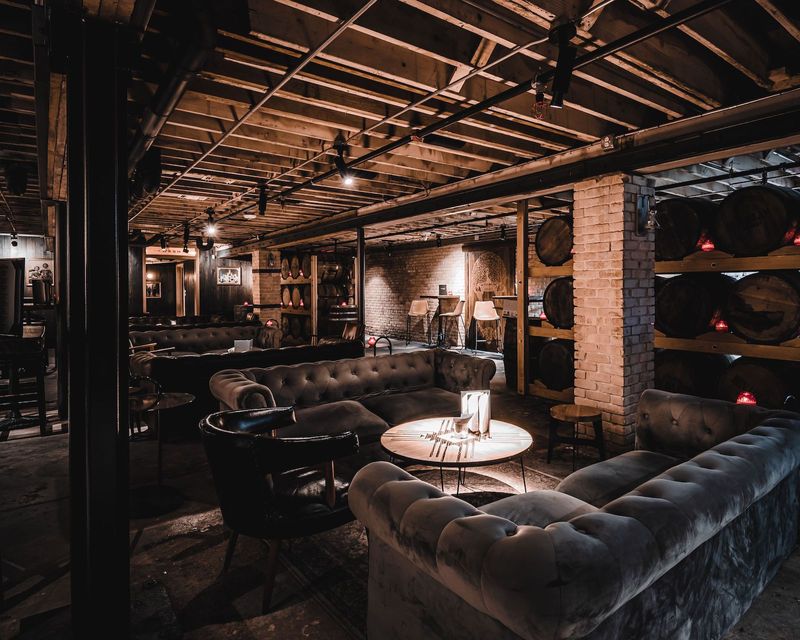
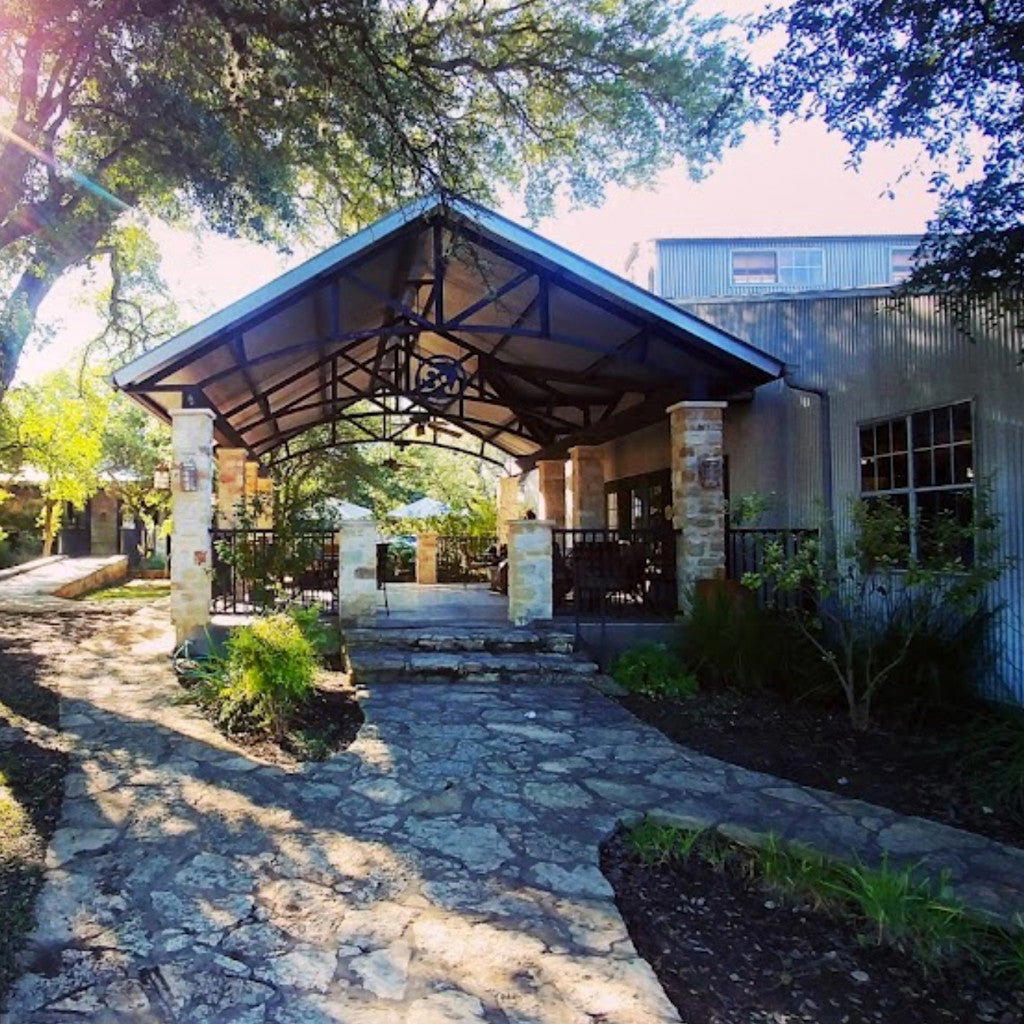
Cozy atmosphere with plush booths, vintage decor, and a back patio overlooking treetops, enhanced by festive lighting during holiday events.