Gerardo's Casita
Gerardo's Casita sits on North Big Spring Street in Midland, Texas, occupying a stretch of the city where neighborhood dining runs on regularity rather than occasion. The casita format signals something domestic and informal — a counter tradition rooted in West Texas Mexican cooking that trades on familiarity and repetition over spectacle. For visitors building a picture of Midland's dining scene, it belongs in the conversation alongside the city's other neighborhood-scale operators.
Pearl is the En Primeur Club membership app — saves, bookings, and concierge access live there. Same editors, same standards.
- Address
- 2407 N Big Spring St, Midland, TX 79705
- Phone
- +1 432 570 8012
- Website
- gerardoscasita.com
- Directions
- Get directions
 Saves & bookings on Pearl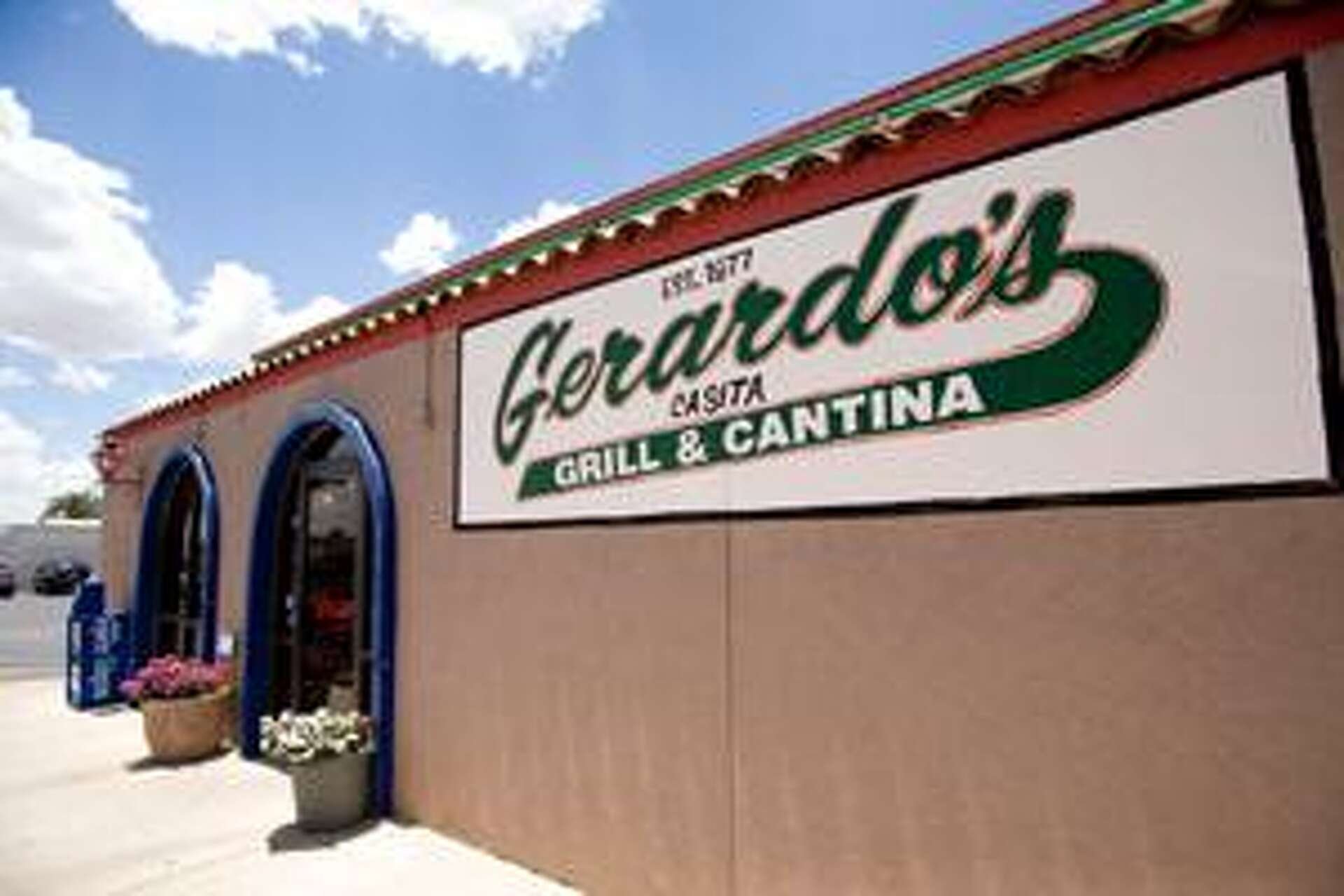
North Big Spring Street and the Neighborhood Dining Tradition
Midland's dining character is shaped less by fine-dining ambition than by the rhythms of a working oil-country city, where the most durable restaurants tend to be neighborhood constants rather than destination addresses. North Big Spring Street runs through a corridor of that city's everyday fabric, and the properties along it reflect a utilitarian pragmatism: modest storefronts, loyal local clientele, and menus built around repetition and familiarity rather than seasonal reinvention. Gerardo's Casita, at 2407 N Big Spring St, occupies exactly that register.
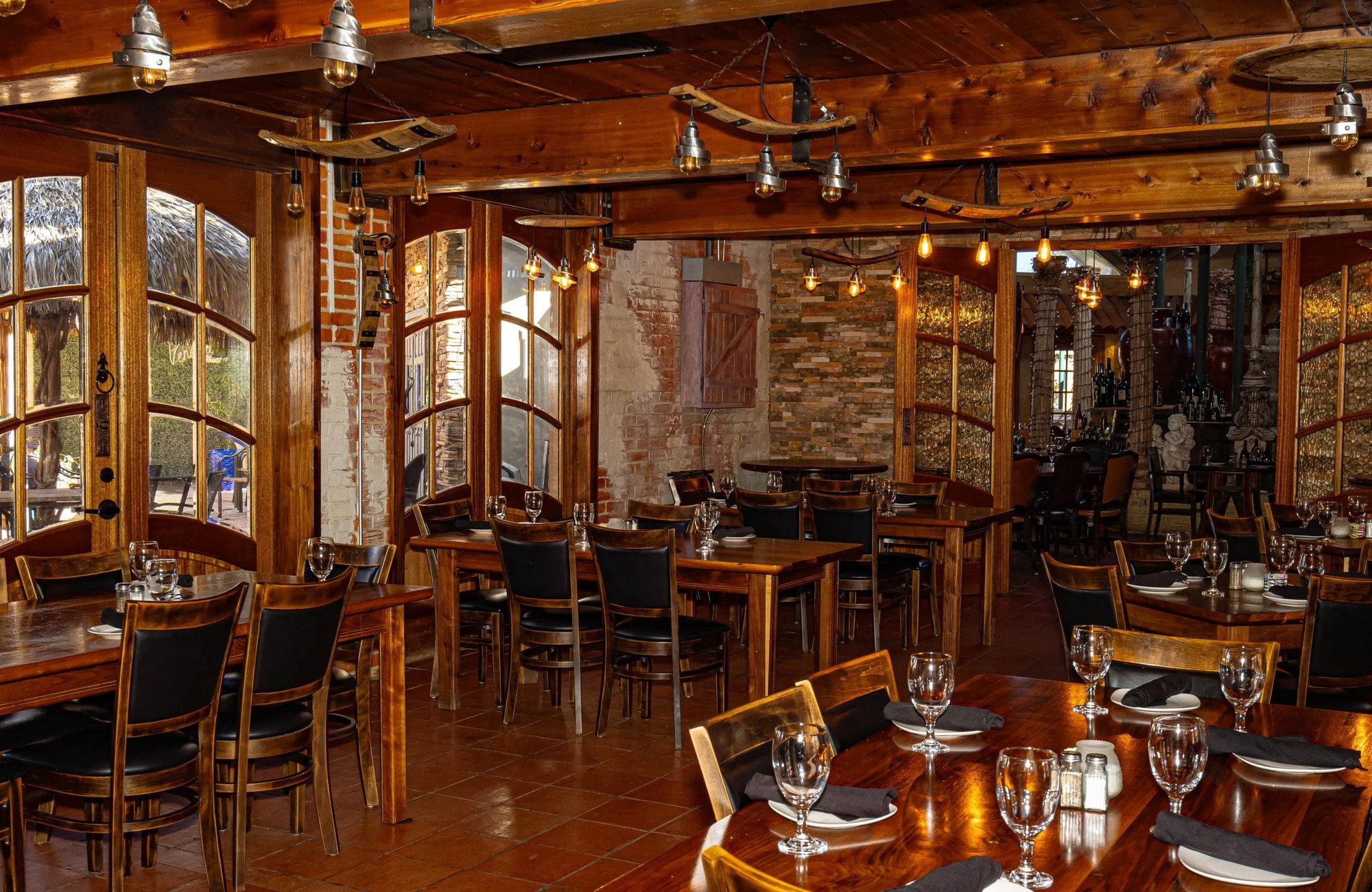
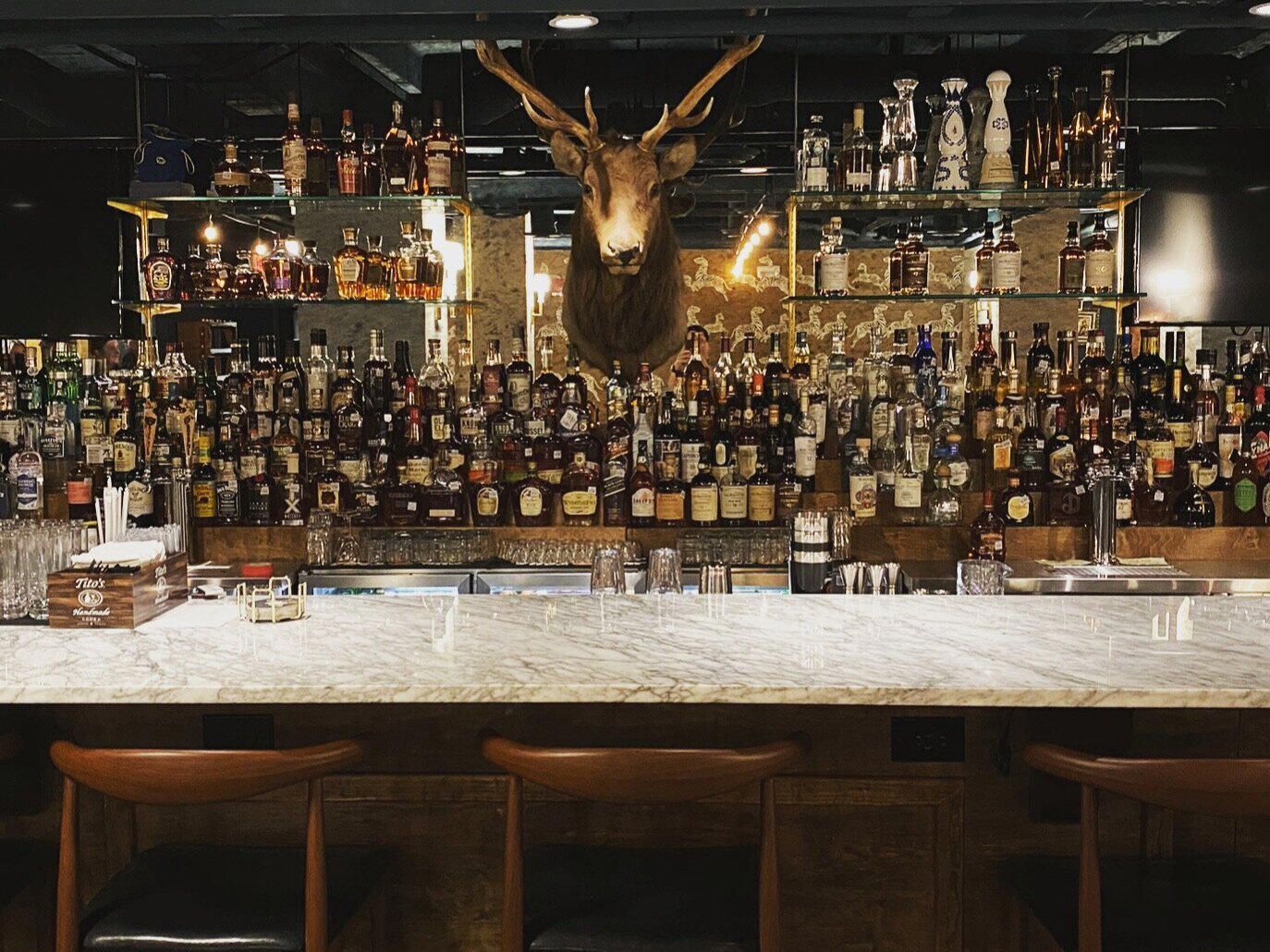
The word casita does real work in this context. Across Texas's Mexican-American dining tradition, the casita format has long signified a domestic scale, a house-sized room where the cooking reference point is the home kitchen rather than the restaurant kitchen. That distinction matters to the atmosphere: casita-style spaces in West Texas typically feature close seating, an open or semi-open kitchen presence, and a visual vocabulary borrowed from residential rather than commercial design. Color, warmth, and a certain informality in the room's arrangement tend to define the environment more than any deliberate design program.
Atmosphere and the Physical Room
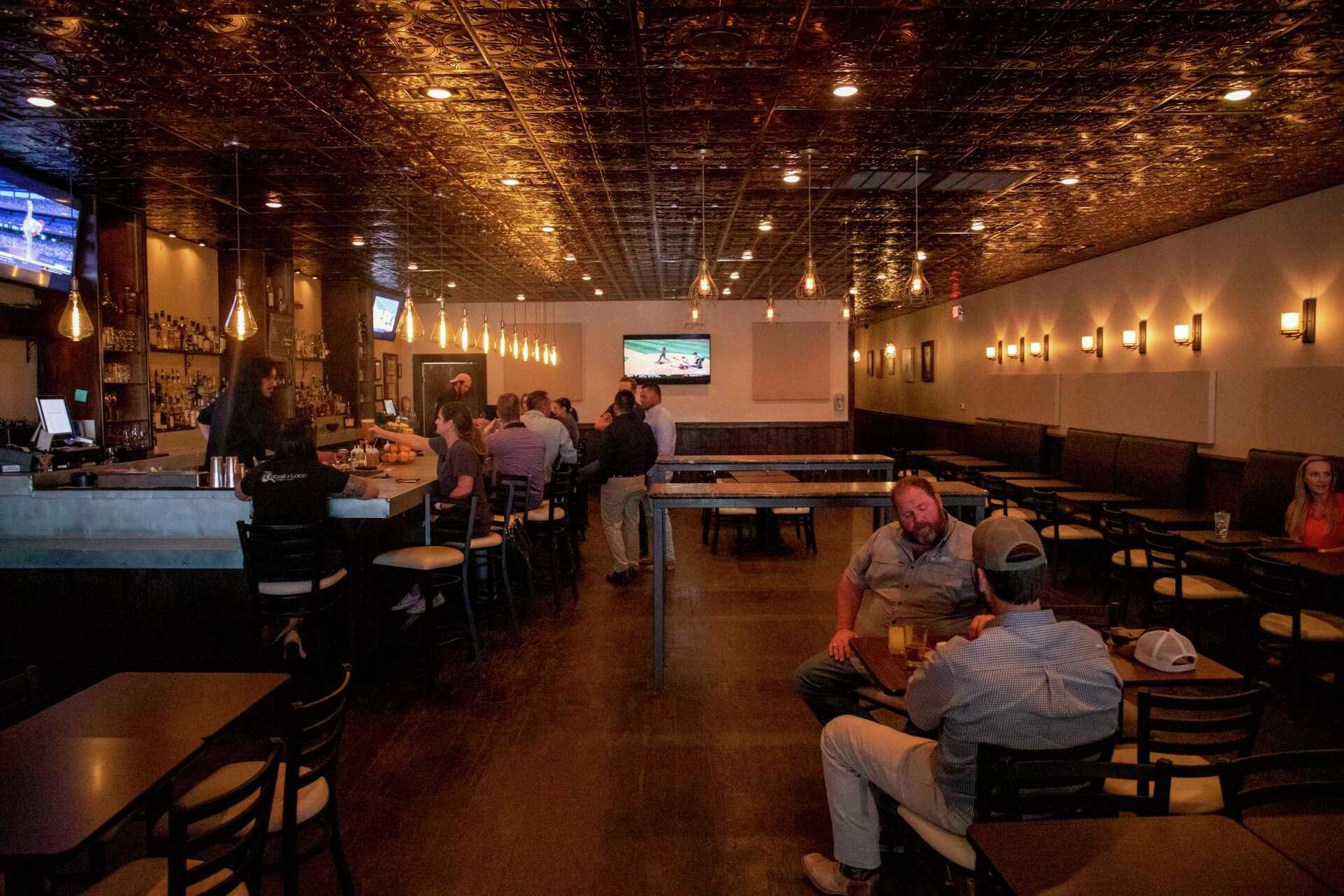
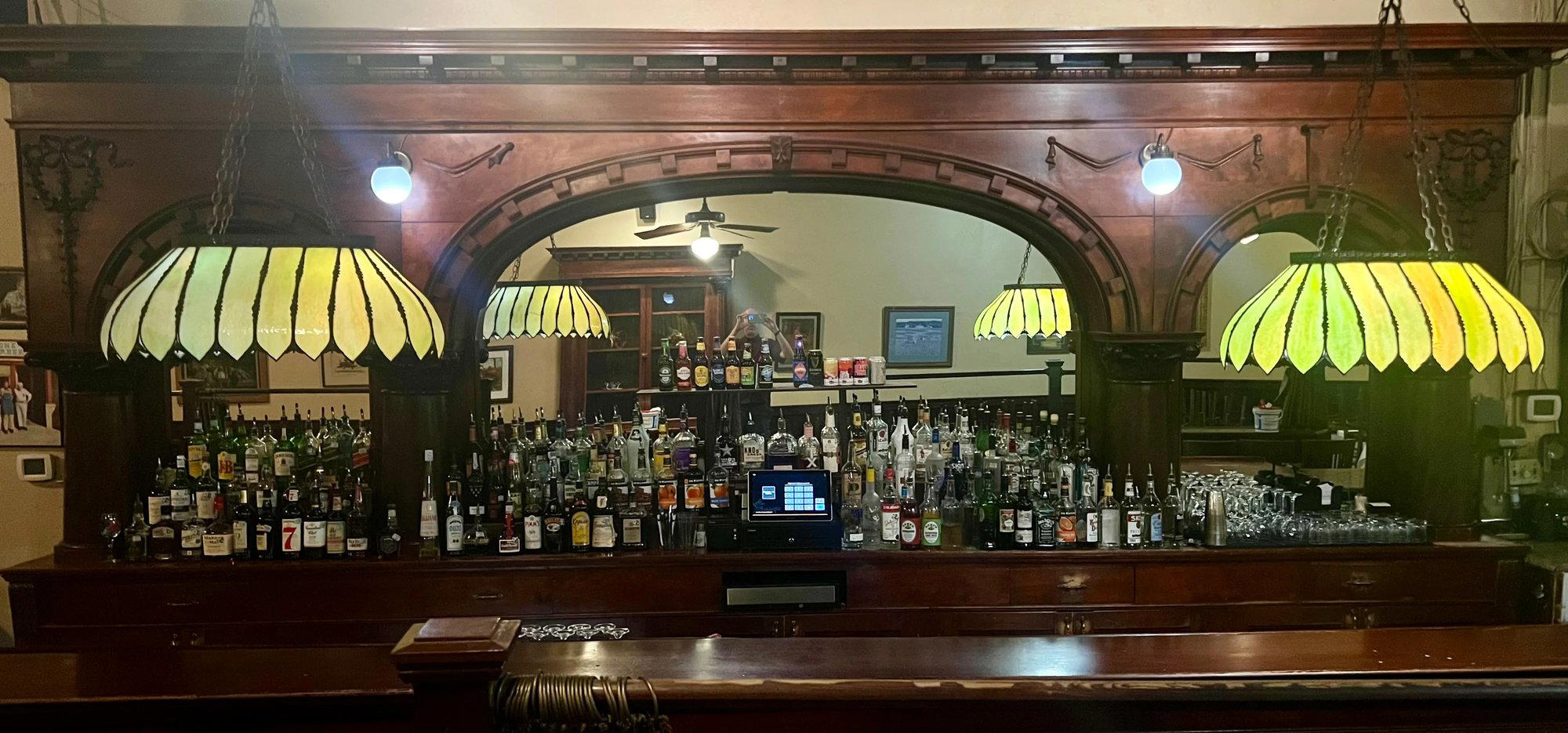
West Texas Mexican restaurants of the casita type tend to generate atmosphere through density rather than architecture. A compact room fills quickly with sound — conversation, kitchen noise, the particular rhythm of a busy service — and the result is an energy that larger, more designed spaces often fail to manufacture deliberately. Lighting in these rooms tends toward warmth, usually functional rather than curated, which gives the space a quality closer to a lit house than a staged dining room.
That informality is a deliberate atmospheric register, not an absence of intention. The casita tradition in this part of Texas positions itself against the self-consciousness of more formal dining, and the physical space is where that position is most legible. Seating is close, the room operates at a human scale, and the distance between the kitchen and the table is minimal in the most literal sense. The environment asks for ease rather than occasion, and regular diners tend to respond accordingly, returning on a cadence that marks the place as a local constant.
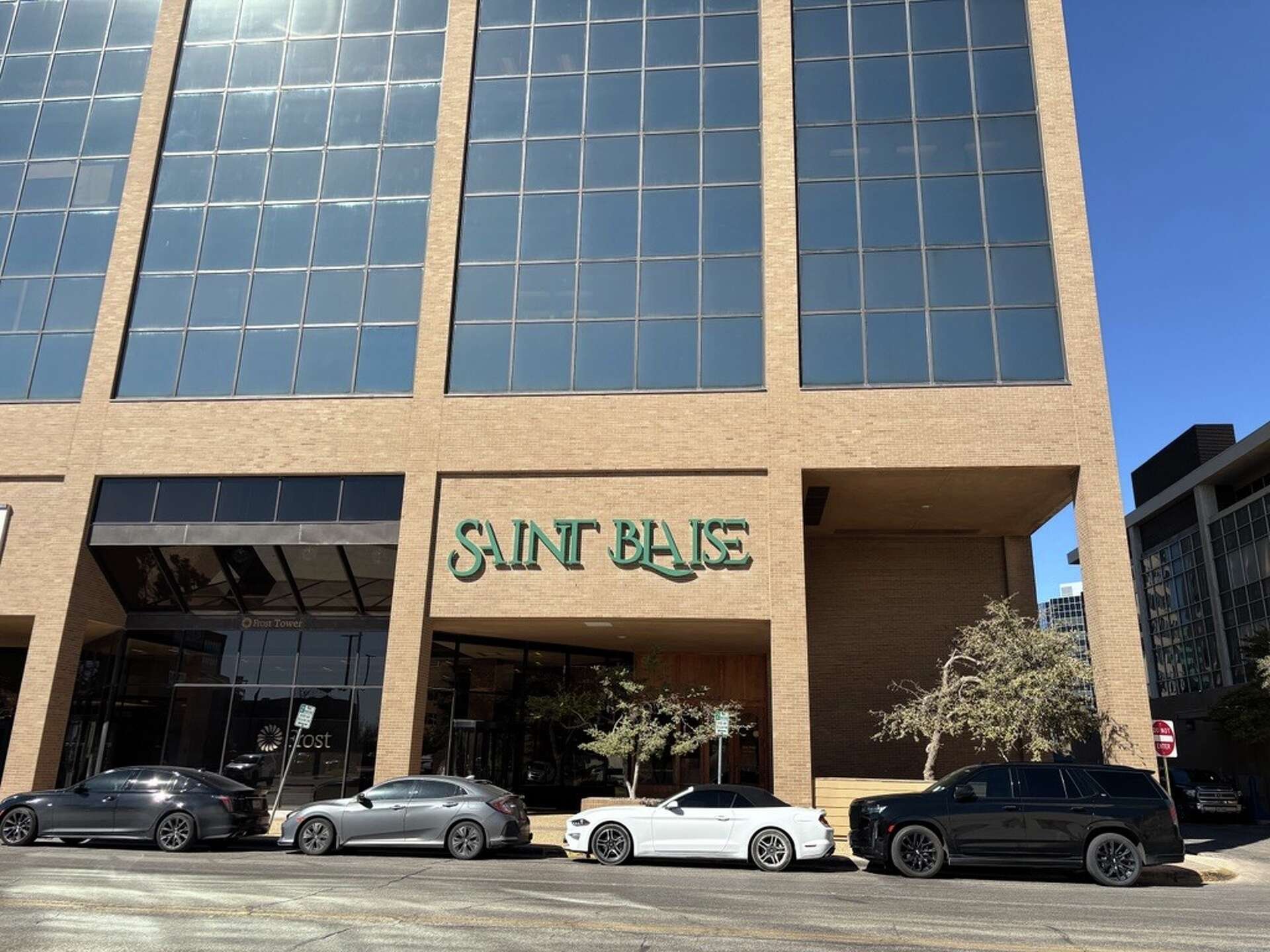
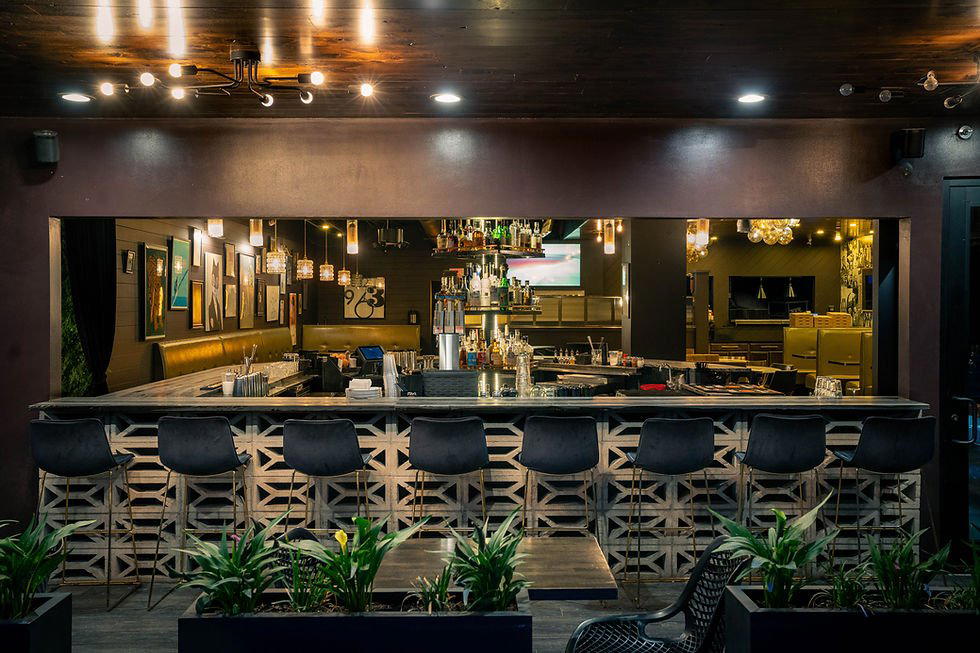
For context on how this compares to the broader Midland scene, the city's dining options range from casual neighborhood operators to more polished formats. Opal's Table and Pi Social occupy different registers of the city's offer, while Gorditas Don Elver and Saint Blaise add further range to what the local scene carries. Gerardo's Casita sits in the neighborhood-anchor tier, where consistency and community familiarity carry more weight than programming or concept.
West Texas Mexican Cooking as a Category
The Mexican-American cooking tradition in West Texas draws from Tex-Mex conventions but carries particular regional inflections tied to the border geography and the specific migration patterns of the Permian Basin's labor history. Dishes in this tradition tend toward the direct: chile-forward sauces, flour tortillas made in-house or from local suppliers, combination plates structured around protein and starch rather than composed plating. The cooking logic prioritizes satisfaction and volume over refinement, and the leading examples in the region achieve a consistency that rewards regularity.
Casita-format operators along this tradition rarely compete on novelty. The menu at a place like Gerardo's is legible to locals and navigable for visitors who know the category: enchiladas, tacos, and combo plates built from a stable repertoire. The competitive advantage in this tier is execution over time, whether the chile sauce tastes the same on a Tuesday as it does on a Saturday, and whether the tortillas hold up across a long service. That operational discipline is what separates the lasting neighborhood anchors from the ones that cycle through.
The broader context for this kind of cooking extends well beyond Texas. Across American cities with deep Mexican-American communities, the neighborhood Mexican restaurant occupies a particular role: it is where community members eat habitually rather than occasionally, and the atmosphere reflects that function. For comparison, the casual-but-craft end of Mexican-American dining culture has found different expressions in cities like Houston, where Julep in Houston anchors a different genre of neighborhood hospitality, and in New York, where Superbueno in New York City occupies the more contemporary Mexican-inspired cocktail-bar format. These comparisons frame just how much regional character shapes what a neighborhood Mexican operator looks and feels like.
Midland as a Dining City
Midland operates as a secondary market in the context of Texas dining, with fewer destination-format restaurants than Houston, Dallas, or Austin but a genuine local scene built around the city's oil-industry economy and its working population. The boom-and-bust cycles of the Permian Basin shape dining culture in ways that favor reliability over experimentation: restaurants that survive multiple commodity cycles tend to do so on community loyalty rather than on trend responsiveness.
In that environment, long-running neighborhood operators carry a kind of institutional weight that is harder to achieve in higher-churn urban markets. The local Mexican restaurant in a city like Midland is often a multigenerational reference point, a place where the customer relationship is measured in years rather than visits. That dynamic gives casita-format restaurants a particular standing in the local hierarchy that their modest physical scale might not suggest.
For a broader orientation to what Midland offers across dining categories, the full Midland restaurants guide maps the city's options by format and neighborhood. Visitors coming from markets with more diversified dining scenes may also find useful reference in how other American cities handle the neighborhood-anchor dining format, from the hospitality-focused programs at Kumiko in Chicago and Jewel of the South in New Orleans to the bar-program-led formats at ABV in San Francisco and Bar Leather Apron in Honolulu. Even The Parlour in Frankfurt on the Main demonstrates how neighborhood-scale hospitality translates across very different city contexts.
Planning a Visit
Gerardo's Casita is located at 2407 N Big Spring St in Midland, Texas 79705, on a stretch of the street accessible by car without difficulty in a city where driving is the primary mode. Current hours, pricing, and booking details are not confirmed in available records, so contacting the restaurant directly before visiting is advisable, particularly for larger parties. The format suggests a walk-in-friendly operation rather than a reservation-dependent one, which is consistent with the casita tradition, but verification is recommended.
Cuisine and Recognition
| Venue | Cuisine |
|---|---|
| Gerardo's CasitaThis venue — the venue you are viewing | This venue |

At a Glance
- Rustic
- Cozy
- Casual Hangout
- Group Outing
- Standalone
- Seated Bar
- Tequila
Current opening hours
- Monday
- 11 AM–9 PM
- Tuesday
- 11 AM–9 PM
- Wednesday
- 11 AM–9 PM
- Thursday
- 11 AM–9 PM
- Friday
- 11 AM–9 PM
- Saturday
- 11 AM–9 PM
- Sunday
- Closed
Hours can change for holidays and private events. Last verified .
Warm, casual atmosphere with traditional Tex-Mex charm and attentive table service.
Know Before You Go
- Getting there
- 2407 N Big Spring St, Midland, TX 79705