Fleet Landing Restaurant & Raw Bar
Fleet Landing occupies a converted naval building on Charleston's waterfront, where the Cooper River sets the backdrop for a seafood-focused menu anchored in Lowcountry tradition. The raw bar draws on regional shellfish harvests, and the open-air deck positions the restaurant within Charleston's broader conversation about responsible sourcing and coastal stewardship. It is a reference point for waterfront dining in the city's historic harbor district.
Pearl is the En Primeur Club membership app — saves, bookings, and concierge access live there. Same editors, same standards.
- Address
- 186 Concord St, Charleston, SC 29401
- Phone
- +1 843 722 8100
- Website
- fleetlanding.net
- Directions
- Get directions
 Saves & bookings on Pearl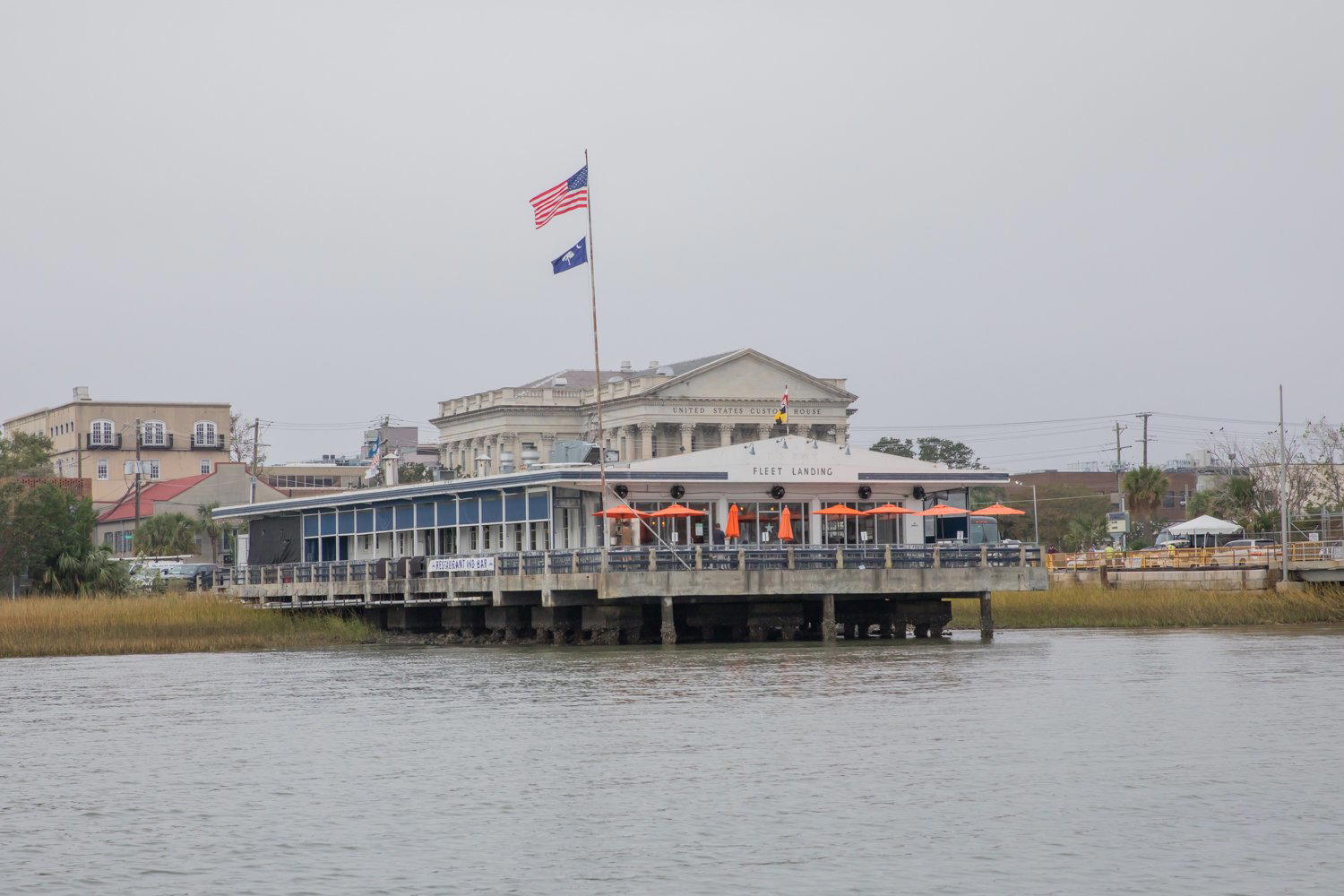
Where the Cooper River Frames the Plate
Charleston's waterfront has long been where the city's relationship with the sea becomes most legible. The docks, the salt air, the tidal rhythms of the Cooper River, these aren't just scenery along Concord Street; they are the conditions that shaped the Lowcountry kitchen over centuries. Fleet Landing Restaurant and Raw Bar sits at 186 Concord St in that context, occupying a former naval facility that still carries the architectural plainness of its military past. The building's bones, exposed steel, open sightlines to the water, make the setting feel less constructed than found, which is appropriate for a restaurant that anchors its identity in what the coast provides.
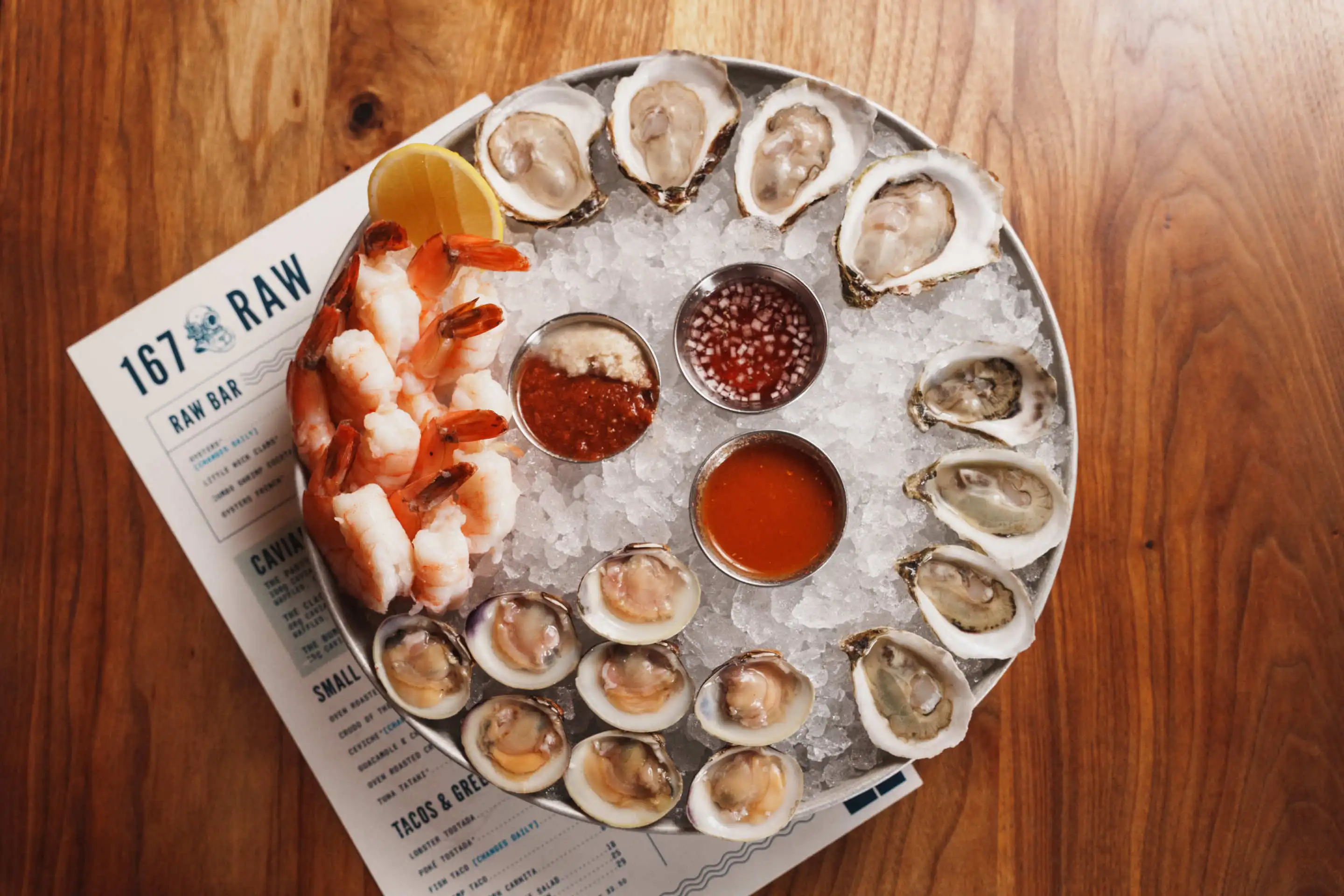
Approaching along the waterfront, you're entering a stretch of the peninsula that has resisted the kind of heavy commercial redevelopment that reshaped other blocks. The piers and the harbor mouth remain the dominant visual frame, and that orientation matters for how the restaurant functions. Waterfront dining in American port cities often means theatrical views obscuring thin menus, but Charleston's raw bar tradition runs deeper than that. The Lowcountry's shellfish heritage, oysters from ACE Basin, clams from surrounding estuaries, gives restaurants with genuine sourcing commitments something substantive to work with, and Fleet Landing's raw bar positioning places it within that lineage.
The Lowcountry Raw Bar in Context
In the broader ecology of American coastal dining, the raw bar format has bifurcated. On one side, you have the high-volume tourist-facing operation: generic oyster selections, undifferentiated mignonettes, shellfish sourced from whichever distributor offers the week's lowest price. On the other, a smaller cohort of programs has leaned into provenance-driven sourcing, treating local shellfish as a product worthy of the same specificity applied to wine or charcuterie.
South Carolina's shellfish industry gives serious raw bars genuine material to work with. ACE Basin, one of the largest undeveloped estuaries on the East Coast, produces oysters with the kind of merroir, that combination of salinity, minerality, and finish shaped by a specific body of water, that distinguishes regional product from commodity shellfish. The Lowcountry oyster roast is not a restaurant invention; it is a cultural institution with deep roots in Gullah Geechee food traditions, and restaurants operating near the waterfront here are working in the proximity of that history, whether they acknowledge it explicitly or not.
Fleet Landing's position as a raw bar-forward restaurant on the Cooper River waterfront places it in conversation with that tradition. For visitors arriving from cities like New Orleans, where Jewel of the South represents a different register of Southern hospitality, or Houston, where Julep has built a program around regional identity, the regional-specificity argument will feel familiar. The execution varies by city and by category, but the underlying premise, that the leading product comes from understanding where you are, applies consistently.
Sustainability and the Question of What the Coast Owes
The sustainability angle in coastal dining is not abstract at this latitude. South Carolina's inshore fisheries and shellfish beds are directly affected by development pressure, agricultural runoff, and warming water temperatures. Restaurants that draw their identity from the coast have an implicit stake in what happens to it, and particularly credible operations in cities like Charleston are the ones that make sourcing decisions with that stake in mind.
Responsible shellfish sourcing, in practical terms, means working with harvesters who operate within state-managed quotas, favoring filter-feeding species like oysters and clams that improve rather than degrade water quality, and being specific enough about provenance that the kitchen actually knows what it's serving. These aren't marketing positions; they're operational choices that show up in the cost of goods and the reliability of supply. A raw bar that rotates its shellfish selection based on what local harvesters actually have available will look different week to week from one running a static menu off a national distributor.
This kind of sourcing transparency has become more common across the country's better seafood programs. ABV in San Francisco operates in a city where sourcing ethics are treated as baseline expectations; Kumiko in Chicago applies similar rigor to its beverage program. The discipline required to maintain genuine local sourcing is consistent across categories and geographies, even when the specific products differ entirely.
Fleet Landing Among Charleston's Drinking and Dining Scene
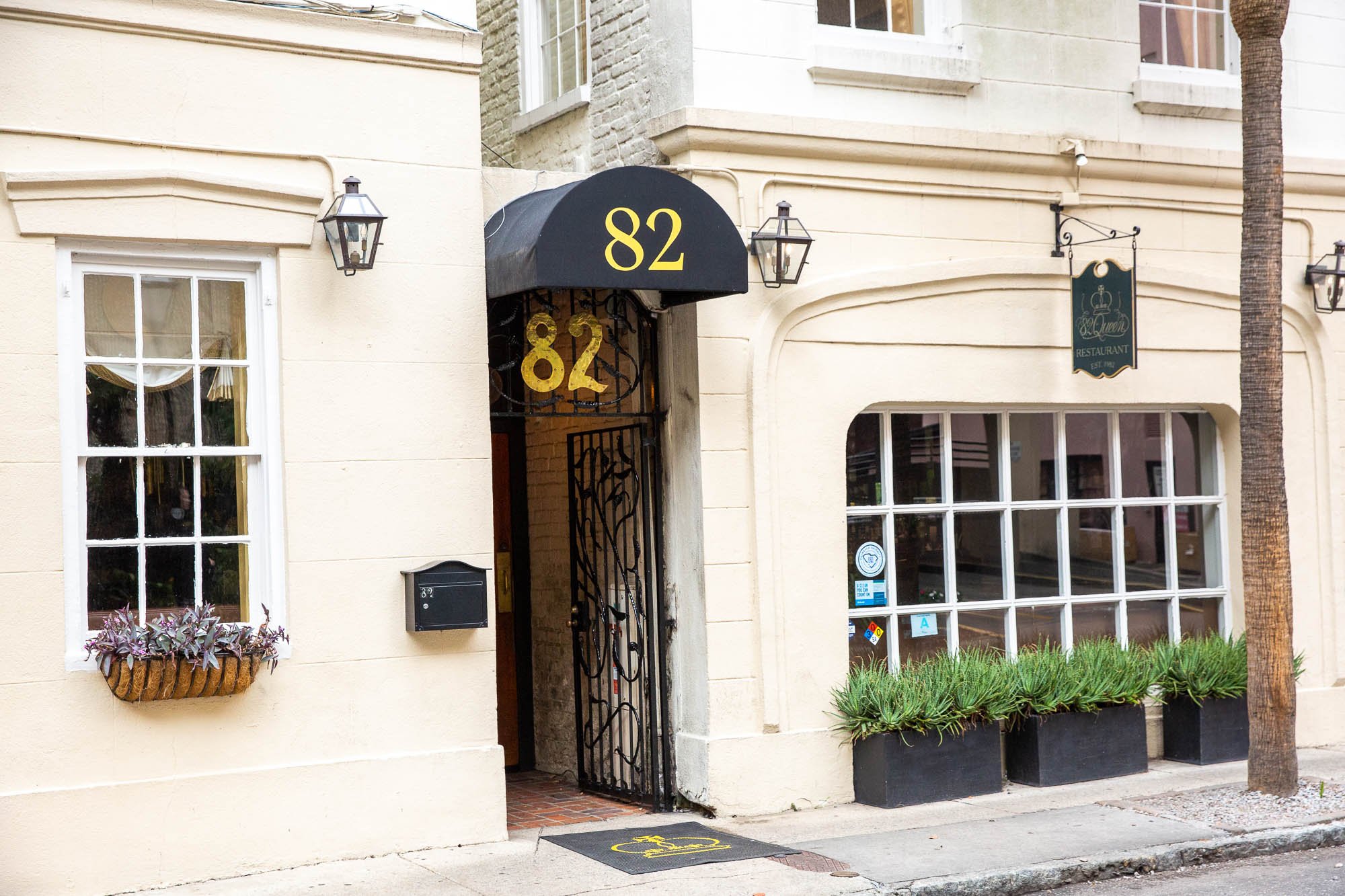
Charleston has developed a bar and restaurant scene dense enough that visitors face genuine decisions about where to spend limited time. The cocktail culture specifically has matured over the past decade. The Cocktail Club represents one end of that spectrum, with a technically focused program that competes in the same bracket as operations like Bar Leather Apron in Honolulu or The Parlour in Frankfurt on the Main in terms of compositional seriousness. 39 Rue de Jean occupies a more casual French brasserie register. 82 Queen anchors the city's Lowcountry dining tradition in the historic district, while babas on cannon operates in a neighborhood-local mode that sits apart from the harbor tourist corridor entirely.
Fleet Landing's waterfront location puts it in a different competitive category from most of those comparisons. The physical site, a working harbor, open air, a building with genuine historical character, is doing some of the work that interior design does elsewhere. That is not a criticism; it is a structural fact about how waterfront venues function. The question worth asking of any waterfront restaurant is whether the kitchen matches the view's promise, or whether the setting becomes a subsidy for mediocre food. Charleston's better waterfront operators have consistently answered that question by taking their sourcing seriously, because the city's dining culture, now prominent enough to generate national press coverage, does not give passes for location alone.
For visitors planning a broader Charleston itinerary, Fleet Landing on Concord Street sits within walking distance of the French Quarter and the Market area. The waterfront access makes it a natural anchor for late afternoon into evening, when the light on the Cooper River shifts and the harbor traffic slows.
A Tight Comparison
Comparable venues nearby, for context on price, style, and recognition.
| Venue | Cuisine | Price | Notes |
|---|---|---|---|
| Fleet Landing Restaurant & Raw BarThis venue — the venue you are viewing | Downtown, Bar | $$ | Not listed |
| The Rarebit | Not listed | $$ | Upper King, cocktail_bar |
| Leon's | Not listed | $$ | Upper King Street, cocktail_bar |
| Le Farfalle | Not listed | $$$ | Harleston Village, cocktail_bar |
| Indaco | Not listed | $$$ | Cannonborough - Elliottborough, wine_bar |
| The Tippling House | Not listed | $$ | Downtown, wine_bar |
Continue exploring
More in Charleston
Bars in Charleston
Browse all →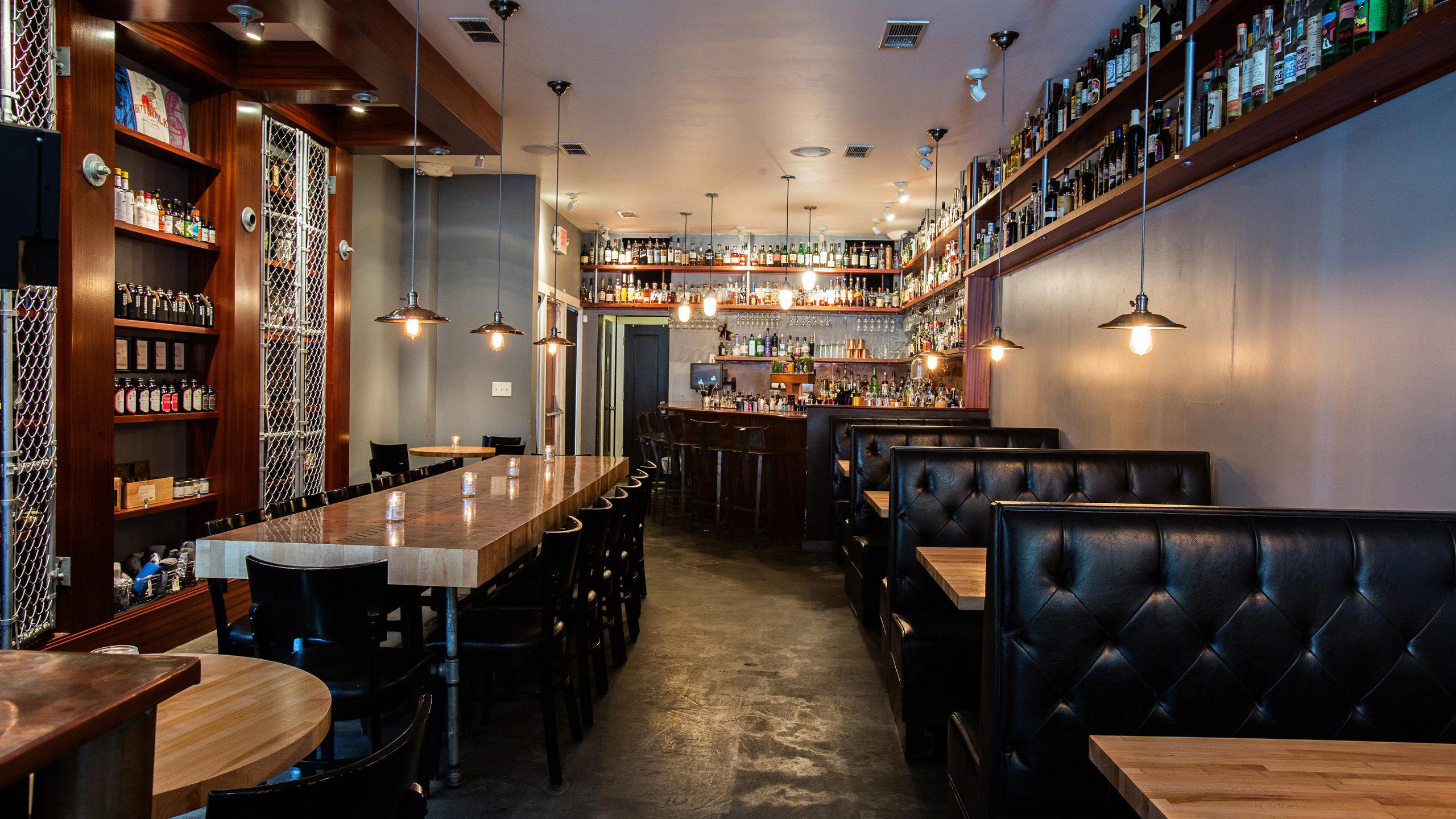
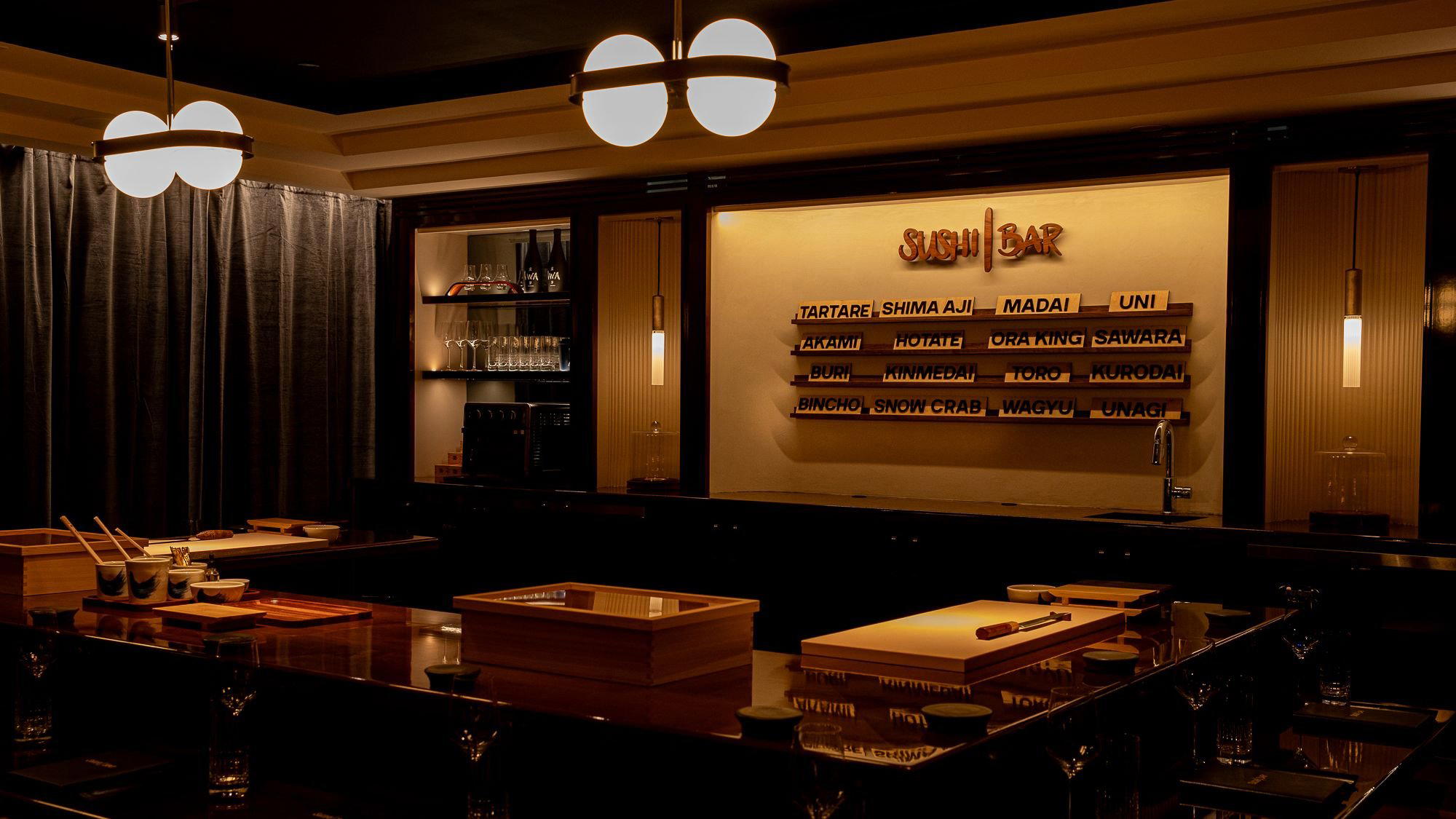

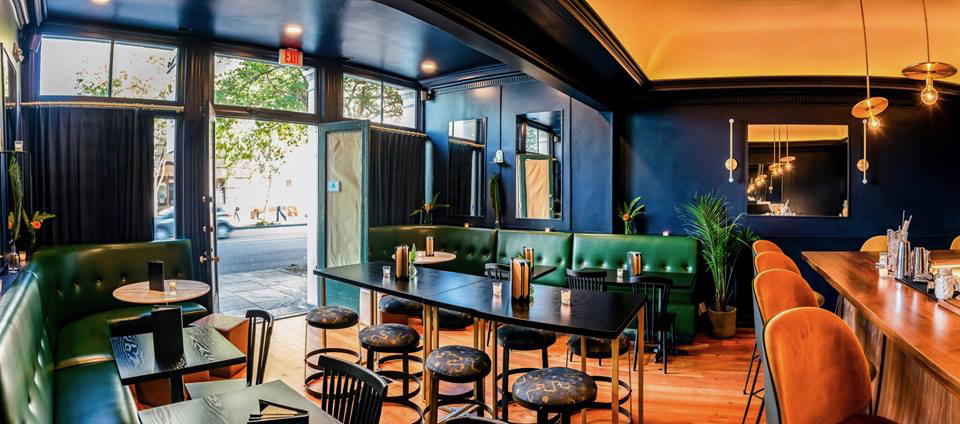
Restaurants in Charleston
Browse all →
At a Glance
- Lively
- Scenic
- Rustic
- Casual Hangout
- Group Outing
- Waterfront
- Historic Building
- Seated Bar
- Outdoor Terrace
- Classic Cocktails
- Waterfront
Current opening hours
- Monday
- 11 AM–10 PM
- Tuesday
- 11 AM–10 PM
- Wednesday
- 11 AM–10 PM
- Thursday
- 11 AM–10 PM
- Friday
- 11 AM–10 PM
- Saturday
- 11 AM–10 PM
- Sunday
- 11 AM–10 PM
Hours can change for holidays and private events. Last verified .
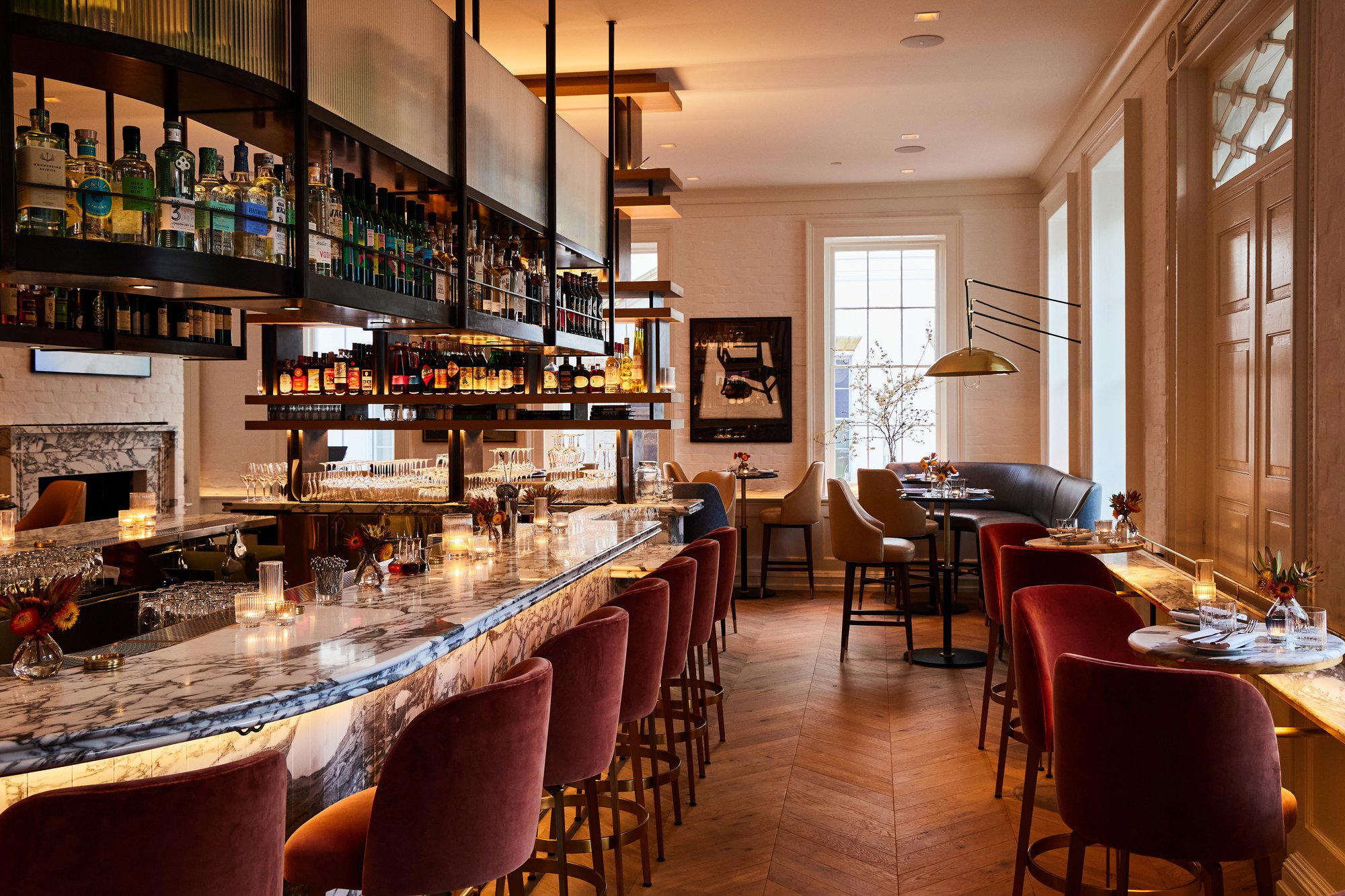
Maritime chic dining room with lively atmosphere and scenic waterfront views from the wrap-around deck.