Fabbrica Pasta Shop CBD sits on King Street in Sydney's central business district, bringing a focused pasta-forward format to a neighbourhood better known for corporate lunches than craft carbohydrates. The menu architecture signals intent clearly: this is a pasta shop first, with production and selection organised around that single discipline rather than the broader Italian-Australian trattoria template.
Pearl is the En Primeur Club membership app — saves, bookings, and concierge access live there. Same editors, same standards.
- Address
- 161 King St, Sydney NSW 2000, Australia
- Phone
- +61 2 9064 8495
- Website
- ciaofabbrica.com
- Directions
- Get directions
 Saves & bookings on Pearl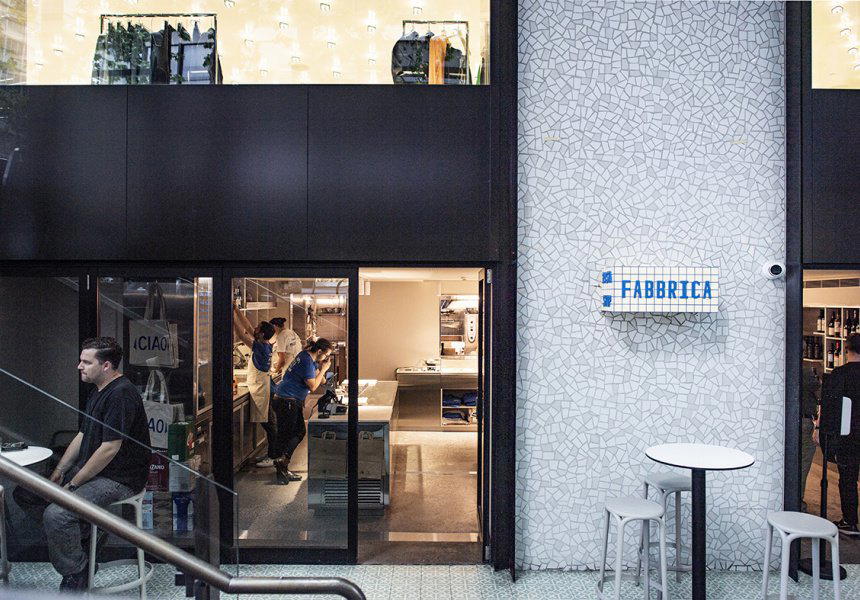
What a Pasta Shop Tells You About a City's Appetite
Sydney's CBD dining has spent the last decade sorting itself into two camps: the high-volume lunch operations running set menus for the office crowd, and the smaller, more disciplined formats that survive by doing one thing with enough precision to justify a detour. Fabbrica Pasta Shop on King Street belongs to the second group. The format itself is the argument: a pasta shop, not a trattoria, not a full-service Italian restaurant. The distinction matters because it shapes everything from what ends up on the counter to what the kitchen is actually optimised to produce.
Pasta shops as a retail-and-dining hybrid have a long precedent in Italian cities, where you buy fresh sheets, stuffed forms, and extruded cuts to cook at home or eat on the spot. In Sydney, that model has found traction in a market that has grown sharper about Italian regional specificity over the past several years. The CBD address on King Street puts Fabbrica at the working intersection of convenience and craft, accessible enough for a weekday lunch but focused enough to pull in anyone willing to cross the city for pasta made with genuine attention to process.
Menu Architecture: One Discipline, Many Expressions
The editorial logic of a pasta shop menu is fundamentally different from a full Italian menu. There is no need for the anchoring tension between antipasto, secondo, and dolce. The pasta itself carries the structural weight, which means the menu's internal variety must come from form, fill, and sauce rather than from course sequence. What this produces, when done well, is something more like a wine list than a conventional menu: a range of expressions within a single category, each one speaking to a different technique, season, or regional reference.
At this kind of format, you read the pasta selection the way you read a fromager's board: the range of forms on offer tells you something about the kitchen's technical range, the fillings signal sourcing philosophy, and the sauces reveal whether the approach is classical or more contemporary. A menu that runs from long-cut extruded shapes through hand-formed stuffed pasta to delicate laminated formats is making an argument about process. A menu that stays narrowly within two or three shapes is making a different argument, one about depth over breadth.
Pasta shops that work in the Australian market have generally learned to keep the retail and eat-in formats in productive tension. The retail side creates transparency: when you can see what you're buying to take home, you develop a clearer sense of what the kitchen is actually producing, not just what gets plated for the dining room. That transparency raises the accountability of the eat-in offering in a way a closed kitchen never could.
King Street and the CBD's Shifting Food Identity
King Street in the CBD occupies a specific register in Sydney's food geography. It runs through a part of the city that has historically skewed toward quick-service formats and the kind of lunch spots that prioritise throughput. The emergence of more craft-oriented operations along this corridor reflects a broader shift in CBD dining culture: as remote and hybrid working patterns have redistributed the weekday lunch crowd, the venues that have held ground tend to be those with a reason to exist beyond convenience alone.
Fabbrica's positioning on King Street is therefore as much a statement about audience as it is about location. The pasta shop format attracts a customer who is choosing it deliberately, not defaulting to it because it is the nearest option. That customer profile aligns with the broader movement in Sydney toward more category-specific dining, where the credibility of a venue rests on what it has chosen not to do as much as what it offers. For a broader look at how Sydney's food and drink scene is evolving, the EP Club Sydney guide tracks the city's most considered addresses across categories.
Italian Craft in an Australian Register
Italian-Australian dining has its own layered history in Sydney, running from the mid-twentieth-century migrant community restaurants through to the more recent wave of venues drawing directly from regional Italian technique. The contemporary iteration, represented by places like Fratelli Paradiso in Potts Point, tends to prioritise a particular Italian regional sensibility over a generalised pan-Italian formula. Pasta shops fit logically within this trajectory because the format itself enforces regional honesty: a sfoglia-focused operation cannot pretend to be a Sicilian kitchen, and an extruded-pasta specialist is unlikely to convince anyone it has northern Italian DNA unless the technique bears it out.
What has made the pasta shop format viable in Australian cities is partly the maturation of a domestic audience that can read these distinctions and partly the availability of the kind of semolina, flour, and egg supply chains that make genuine quality achievable outside Italy. Sydney's Italian food suppliers have deepened considerably over the past fifteen years, and the technical gap between a well-resourced Sydney pasta kitchen and its Italian equivalent has closed in ways that would have seemed unlikely a generation ago.
Planning Your Visit
Fabbrica Pasta Shop sits at 161 King Street in the Sydney CBD, positioned within walking distance of the central transport interchange and the broader cluster of mid-city dining. Given the format, timing your visit around the lunch window tends to yield the widest selection from both the retail counter and the eat-in menu, since pasta production is typically oriented toward the midday service in shop-format operations. For evening visits, calling ahead or checking availability directly through current listings is advisable, as shop-format venues often keep shorter evening hours than full-service restaurants.
For those building a broader Sydney itinerary around serious drinking after a pasta-focused lunch, the city's cocktail scene has a range of well-established addresses worth considering. Cantina OK! operates a compact, technically focused format that suits the same kind of single-minded approach Fabbrica applies to pasta. Maybe Sammy runs a more theatrical program while maintaining genuine technical depth, and Eau de Vie sits at the more spirit-led, reference-heavy end of the Sydney bar spectrum. Palmer and Co. provides a different register entirely, with a large-format underground setting that suits groups. Elsewhere in Australia, 1806 in Melbourne and Bowery Bar in Brisbane represent their respective cities' more focused craft-bar offerings, while further afield, Bar Leather Apron in Honolulu applies a similarly disciplined approach to its program. For those spending time in other Australian cities, La Cache à Vin in Spring Hill, Blu Bar on 36 in The Rocks, and Whipper Snapper Distillery in East Perth each occupy distinct positions in their local scenes.
Reputation Context
| Venue | Awards |
|---|---|
| Fabbrica Pasta Shop CBDThis venue — the venue you are viewing | This venue |
| Cantina OK! | World's 50 Best |
| Eau de Vie | World's 50 Best |
| Maybe Sammy | World's 50 Best |
| Palmer & Co. | World's 50 Best |
| The Baxter Inn | World's 50 Best |
Continue exploring
More in Sydney
Bars in Sydney
Browse all →
Restaurants in Sydney
Browse all →
Hotels in Sydney
Browse all →

At a Glance
- Trendy
- Modern
- Lively
- Casual Hangout
- After Work
- Standalone
- Communal Tables
- Outdoor Terrace
- Classic Cocktails
- Conventional Wine
Current opening hours
- Monday
- 11 AM–10 PM
- Tuesday
- 11 AM–10 PM
- Wednesday
- 11 AM–10 PM
- Thursday
- 11 AM–10 PM
- Friday
- 11 AM–10 PM
- Saturday
- 11 AM–10 PM
- Sunday
- 11 AM–10 PM
Hours can change for holidays and private events. Last verified .
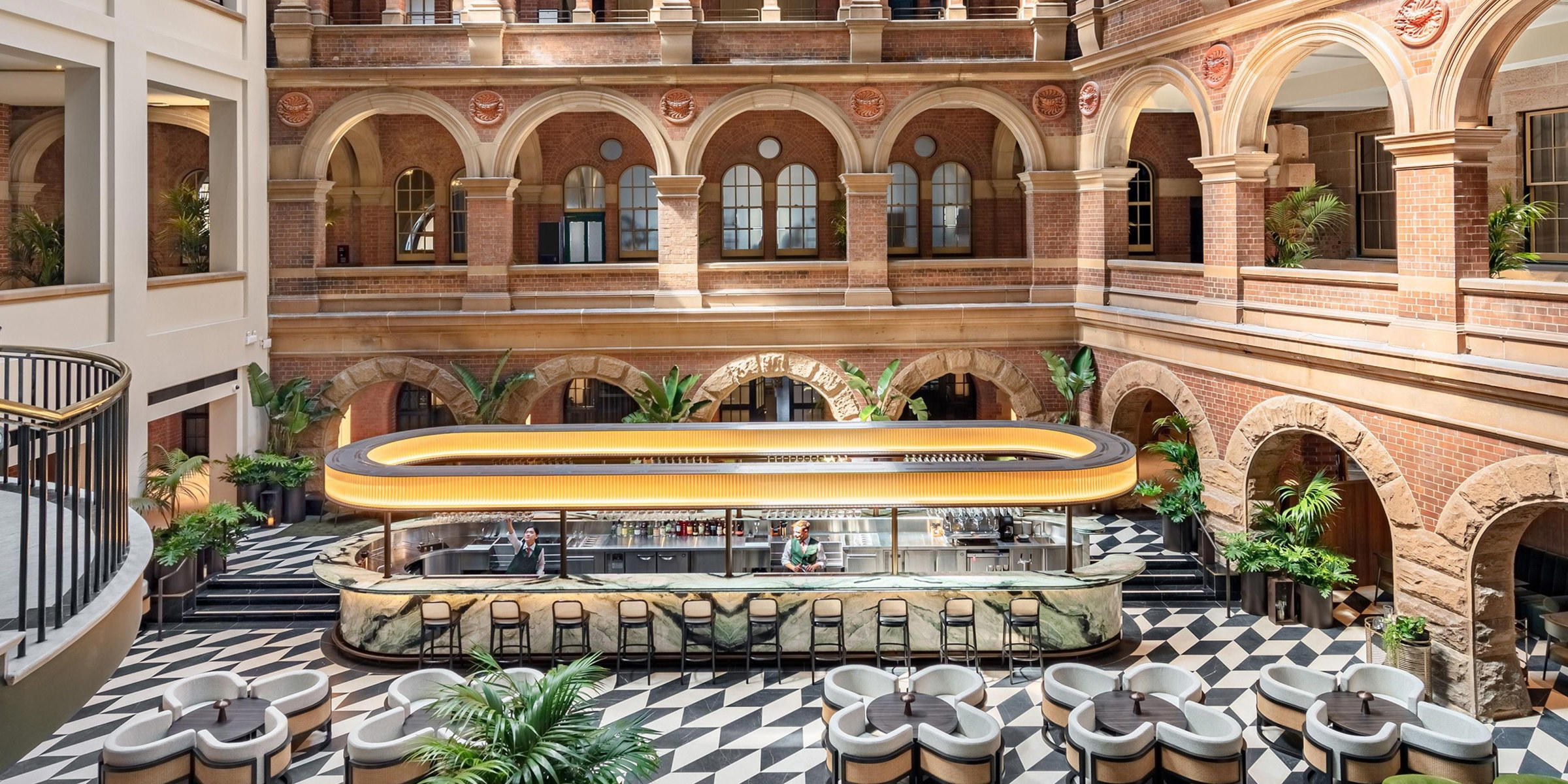
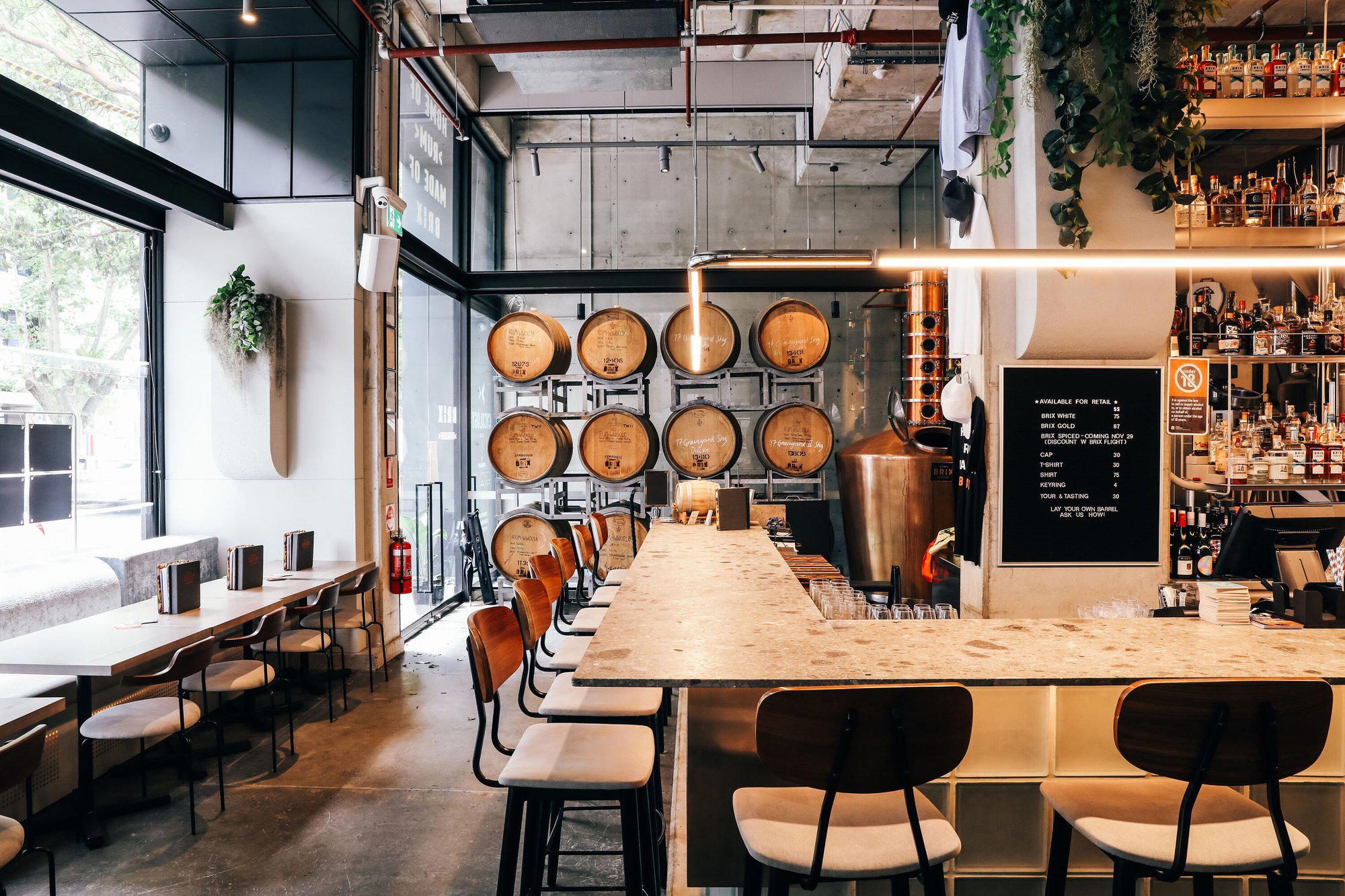
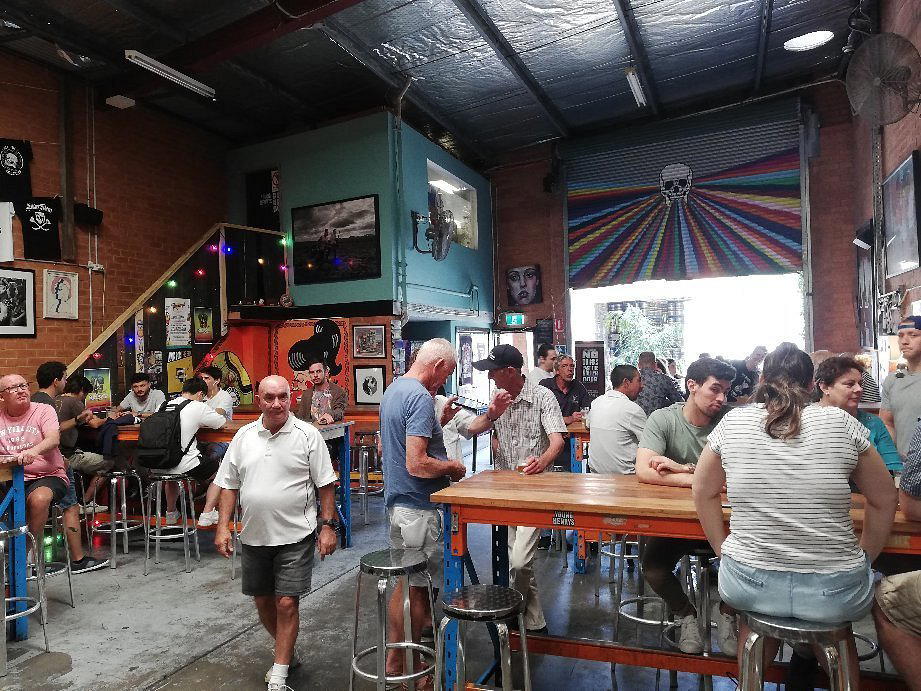
Chic yet cozy with a fine dining feel from music and decor, offering a relaxed yet elegant atmosphere.
Know Before You Go
- Getting there
- 161 King St, Sydney NSW 2000, Australia