Dirtbag Ales Brewery & Taproom
Dirtbag Ales Brewery & Taproom in Hope Mills, Cumberland County, brings a no-pretense brewing culture to a region where craft beer has historically played second fiddle to barbecue and bourbon. The taproom format puts locally produced ales at the center, making it a reference point for Cumberland County's developing craft drink scene and a practical stop for anyone exploring the area beyond Fayetteville's main corridors.
Pearl is the En Primeur Club membership app — saves, bookings, and concierge access live there. Same editors, same standards.
- Address
- 5435 Corporation Dr, Hope Mills, NC 28348
- Phone
- +1 910 426 2537
- Website
- dirtbagales.com
- Directions
- Get directions
 Saves & bookings on Pearl
Craft Beer in Cumberland County: What the Scene Actually Looks Like
North Carolina's craft brewing story is largely told through Asheville, with its dense concentration of production breweries, and the Research Triangle, where taproom culture has matured alongside a tech-driven population boom. Cumberland County sits outside both narratives. Fayetteville and its surrounding communities, including Hope Mills, have developed a quieter, more utilitarian drinking culture shaped partly by a large military population at Fort Liberty (formerly Fort Bragg) and partly by a regional preference for accessibility over ceremony. Into that context, Dirtbag Ales Brewery and Taproom at 5435 Corporation Drive, Hope Mills, NC 28348, reads less as a lifestyle statement and more as a genuine community anchor — the kind of operation that fills a gap rather than chasing a trend.
That positioning matters when you compare Cumberland County to the craft-saturated markets further west. In Asheville, a brewery must differentiate against dozens of immediate neighbors. In Hope Mills, the competitive pressure is different: the question is less about standing out stylistically and more about establishing what a local taproom can mean to a community that has historically had fewer of them. Dirtbag Ales occupies that space with a name that signals self-awareness rather than aspiration, which in itself communicates something about the intended audience.
The Taproom Format and What It Delivers
The taproom model, as opposed to a full brewpub or production-only facility, concentrates the experience on the beer itself and the room where it's consumed. There's no kitchen scaffolding to distract from the pint in front of you, and the social architecture tends to be more communal — long tables, a bar-centric layout, and enough ambient noise to sustain conversation without demanding it. This format has become the default proving ground for regional craft breweries across the American South, where the economics of running a full food program alongside a small-batch brewing operation rarely pencil out in markets outside major metros.
For the drinker, the taproom format means the range of what's poured on any given visit is the primary editorial statement. Rotating taps, seasonal releases, and small-batch experiments are how a brewery like Dirtbag Ales communicates its range and ambition. The ales designation in the name positions it within a specific family of beer styles: ales ferment at warmer temperatures than lagers, which typically produces a wider flavor range and allows brewers to work with more varied yeast characters, hop profiles, and grain bills. That flexibility is part of why the ale category has driven so much of American craft brewing's creative output over the past three decades.
Bars and taprooms operating in a similar register across the United States, from ABV in San Francisco to Bitter and Twisted in Phoenix, share a common thread: the drink is the argument, and the room is designed to support that argument rather than overshadow it. Cumberland County doesn't operate at those programs' scale or recognition, but the underlying logic of letting the liquid do the talking applies equally in a 300-seat cocktail bar and a regional taproom in Hope Mills.
Craft Drinking in the American South: A Broader Pattern
The growth of taproom culture in smaller Southern markets follows a recognizable pattern. A handful of pioneering operations open with limited capital, build a local base, and either close, expand, or stay small and stable. The ones that endure tend to do so because they read their community correctly rather than because they out-produced or out-marketed competitors. In markets like Cumberland County, that community-first orientation often means the taproom becomes a de facto third place, somewhere between home and work where a regular can land without a reservation or a dress code.
This contrasts sharply with the more programmatic approach you find at destination-level craft bars. Operations like Kumiko in Chicago or Canon in Seattle operate with curatorial depth that requires a significant staff investment and a guest base willing to pay for it. Jewel of the South in New Orleans and Julep in Houston bring similar precision to Southern drinking culture, but in cities with the tourism infrastructure and disposable income to support that register. Hope Mills is a different kind of market, and a taproom that works there works differently.
Internationally, the divergence between specialist craft programs and community-rooted taprooms is just as clear. Bar Leather Apron in Honolulu, Allegory in Washington, D.C., Superbueno in New York City, Bar Kaiju in Miami, and The Parlour in Frankfurt each represent a high-investment, technique-forward approach to hospitality that reflects their respective cities' appetite for it. Dirtbag Ales operates in a register where that level of investment would be misread by its core audience, and that's not a criticism. It's a description of what a well-calibrated regional taproom actually looks like.
Planning Your Visit
Dirtbag Ales Brewery and Taproom is located at 5435 Corporation Drive in Hope Mills, NC 28348, which places it in a light-industrial corridor typical of small-brewery real estate across the South, low overhead, enough floor space for fermentation tanks and seating, and easy parking without urban density complicating the logistics. For anyone coming from central Fayetteville, the drive runs south along US-401, making it a practicable stop either before or after exploring the broader Cumberland County area. For full context on where Dirtbag Ales fits within the county's food and drink options, see our full Cumberland County restaurants guide. Contact information and current hours were not available at time of writing; checking directly with the taproom before visiting is advisable, as smaller operations in this category frequently adjust their schedules seasonally or around events.
Continue exploring
More in Hope Mills
Bars in Hope Mills
Browse all →
Restaurants in Hope Mills
Browse all →At a Glance
- Lively
- Rustic
- Energetic
- Group Outing
- Casual Hangout
- Live Music
- Beer Garden
- Lounge Seating
- Outdoor Terrace
- Craft Beer
Current opening hours
- Monday
- Closed
- Tuesday
- 11:30 AM–10 PM
- Wednesday
- 11:30 AM–10 PM
- Thursday
- 11:30 AM–10 PM
- Friday
- 11:30 AM–11 PM
- Saturday
- 11:30 AM–11 PM
- Sunday
- 10 AM–4 PM
Hours can change for holidays and private events. Last verified .
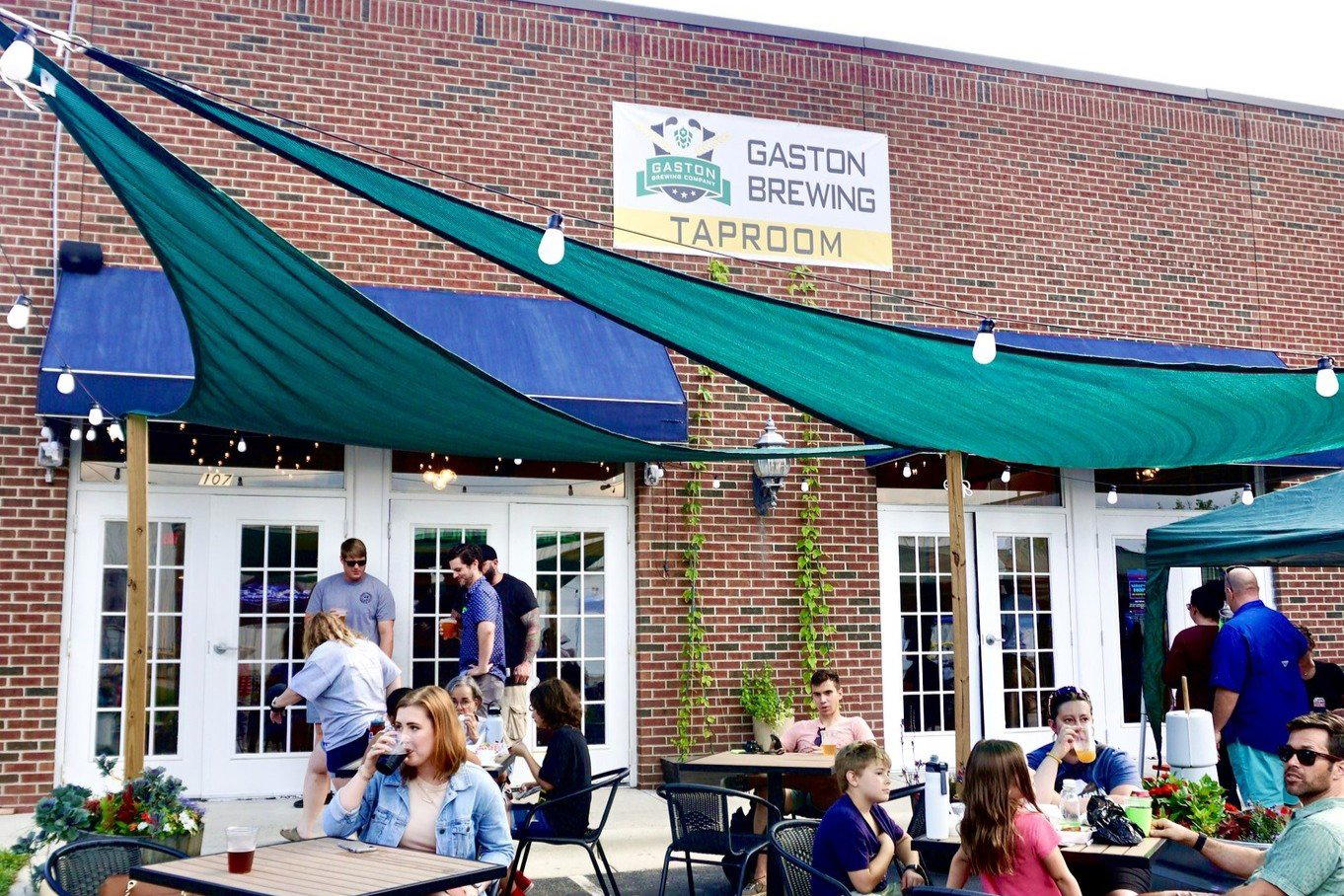
Spacious warehouse-style taproom with indoor/outdoor seating, lively atmosphere enhanced by live music, events, and local art.
Know Before You Go
- Getting there
- 5435 Corporation Dr, Hope Mills, NC 28348