Detroit City Distillery
Detroit City Distillery operates out of Eastern Market, one of the country's oldest and largest open-air markets, producing grain-to-glass spirits in a city that has made industrial reinvention a recurring theme. The distillery sits at the intersection of craft production and neighbourhood identity, where the process of making the drink is as present as the drink itself.
Pearl is the En Primeur Club membership app — saves, bookings, and concierge access live there. Same editors, same standards.
- Address
- 2462 Riopelle St, Detroit, MI 48207
- Phone
- +1 313 338 3760
- Website
- detroitcitydistillery.com
- Directions
- Get directions
 Saves & bookings on Pearl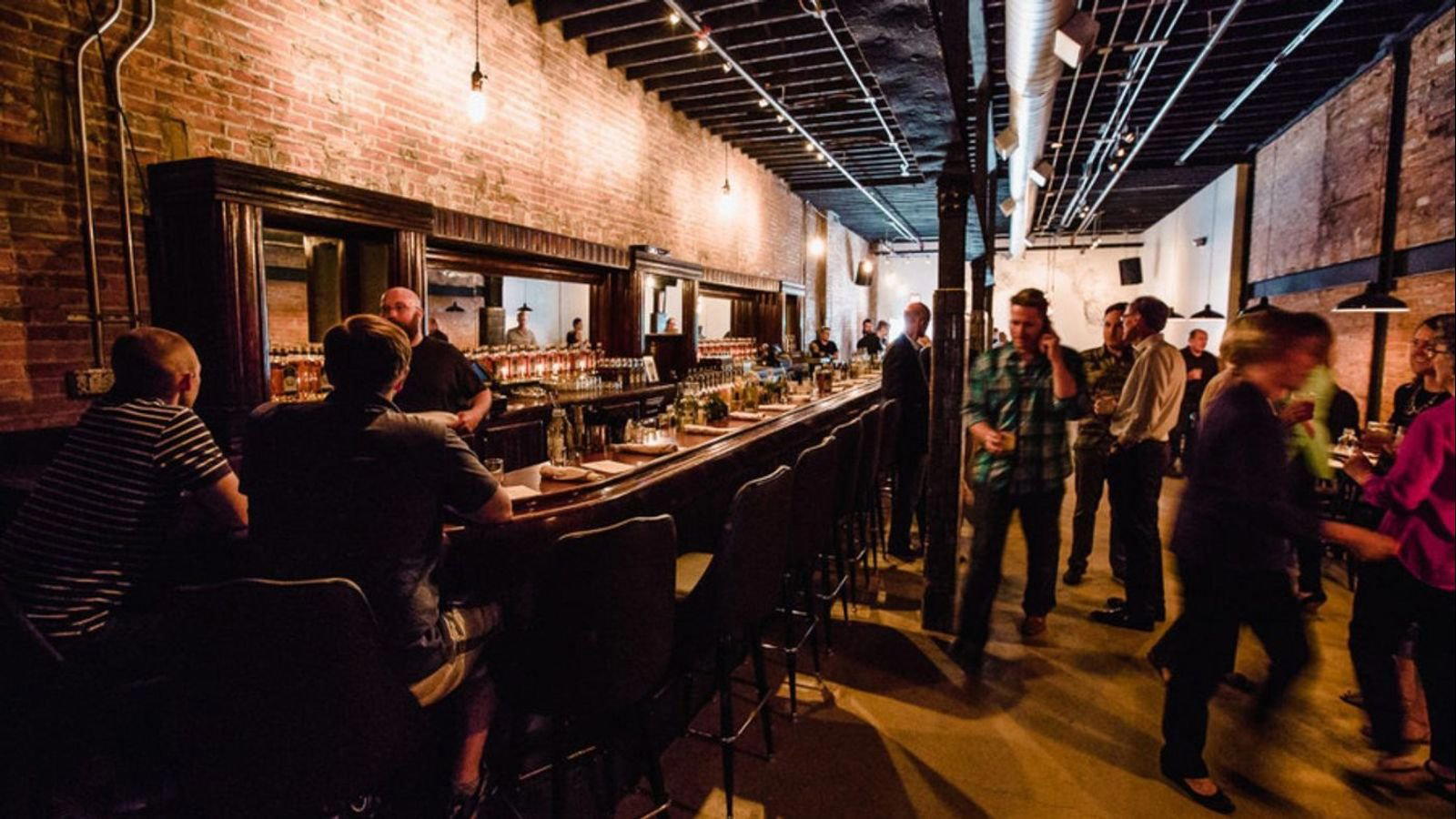
Eastern Market and the Grain-to-Glass Shift
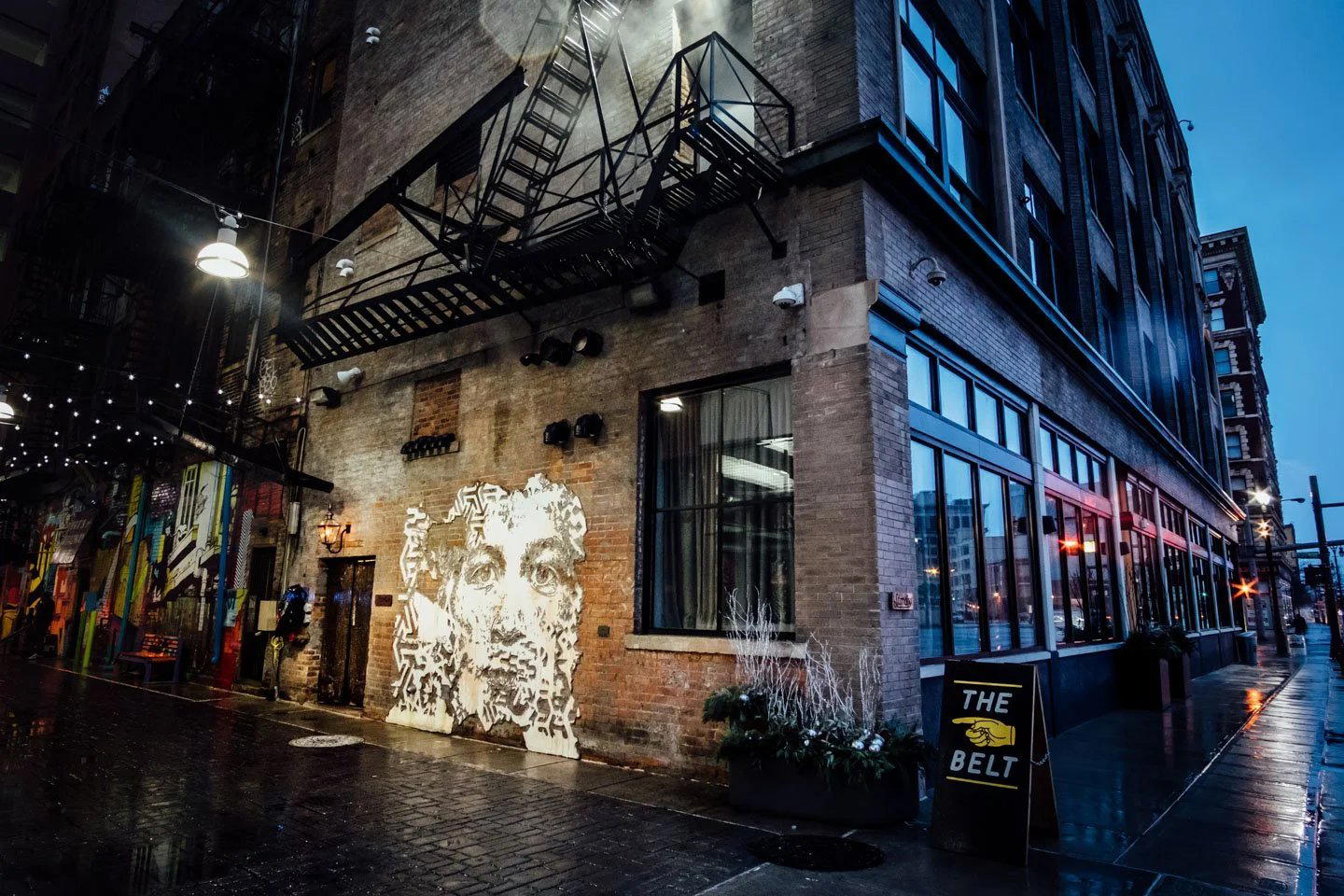
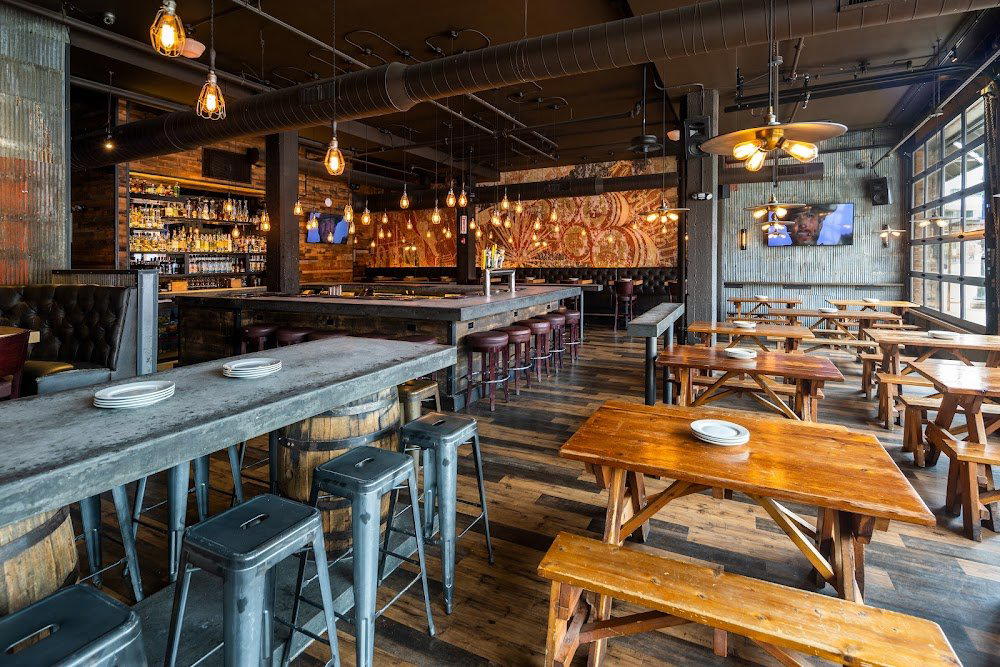
Detroit's Eastern Market district has spent the better part of the last two decades absorbing a particular kind of operator: producers who want proximity to the city's wholesale and artisan trade infrastructure, and who treat the neighbourhood's loading docks and brick warehouses as features rather than inconveniences. Detroit City Distillery at 2462 Riopelle St sits inside that pattern. The building's industrial bones are not decorative — they reflect the working context of a district where food and drink production has always coexisted with commerce at street level.
Craft distilling in the United States has followed a trajectory similar to what microbrewing did in the 1990s: regional producers multiplying rapidly, then consolidating around those whose production quality and local identity gave them staying power. Detroit City Distillery belongs to the cohort that made early bets on neighbourhood-level identity as a differentiator, at a moment when the Eastern Market address carried genuine cultural weight rather than just postal convenience.
What the Format Reveals
The grain-to-glass format, where distilleries operate taprooms adjacent to or within their production facilities, carries specific editorial implications. It structures the guest experience around process visibility in a way that a conventional bar does not. The still, the barrels, the workflow of production — these are not background scenery but the actual content of the visit. This places Detroit City Distillery in a different competitive conversation than cocktail bars optimised around service theatrics or menu complexity.
Compare this to the approach at technically focused programs like Kumiko in Chicago or the ingredient-led work at Jewel of the South in New Orleans, where the menu architecture is built around the bartender's sourcing decisions and the guest's relationship to finished product. A distillery taproom inverts that, the sourcing is the house's own production, and the menu is essentially a portfolio of what the stills have made. That is a narrower brief, but it creates a more coherent editorial logic: every spirit on the menu is an argument for a specific production decision.
Menu Architecture at a Production Facility
When a distillery structures its taproom offerings, the menu functions less like a cocktail list and more like a tasting flight through a production philosophy. The categories, whiskey, gin, vodka, rum, or whatever the house makes, are not genre choices in the way a bar selects from multiple producers. They are output categories from a single source. This means the depth of the menu is constrained by the range of the distillery's production, but the coherence is potentially stronger: every drink traces back to the same place, the same water source, the same fermentation decisions.
In Detroit's broader drinking scene, this positions Detroit City Distillery differently from the city's neighbourhood bars, which operate as curators of others' production. Places like Andrews on the Corner or 1459 Bagley St build their identity around selection and service culture. A distillery taproom builds identity around what it makes. The guest is not choosing between producers, they are choosing how they want to engage with one producer's range.
This also affects how cocktails read on the menu. At a craft distillery, the cocktail program exists to showcase the house spirits rather than to exercise the bartender's sourcing range. A gin and tonic at Detroit City Distillery is, in that sense, a different kind of proposition than the same drink at a technically ambitious bar like Bar Leather Apron in Honolulu or ABV in San Francisco, where the gin selection might span a dozen producers. The house spirit is the point, and the cocktail is the delivery mechanism.
Detroit's Craft Beverage Tier
Detroit's craft beverage scene has developed a recognisable tier structure. At one end sit larger operations like Atwater Brewery and Tap House and 3Fifty Terrace, which combine production or curation with higher-volume hospitality. At the other end are neighbourhood bars focused on accessibility and local community function. Detroit City Distillery occupies a middle position: production-led, with a taproom that invites engagement with the making process, but embedded in a neighbourhood context that keeps it from feeling like a tourist-facing operation.
The Eastern Market location matters here. The market operates as a weekly civic institution for Detroit, Saturday mornings draw a cross-section of the city that few other venues reach. A distillery on Riopelle St benefits from that foot traffic pattern without depending on it, in the way that a venue inside a dedicated entertainment district might. The neighbourhood brings its own audience; the distillery's job is to give that audience a reason to stay past the produce stalls.
For comparison across the broader American craft spirits scene, programs like Julep in Houston demonstrate what a spirits-focused bar can do when it builds a menu around specific production traditions, American whiskey, in that case, with the depth of a specialist. Detroit City Distillery approaches similar territory from the production side rather than the curation side. Both formats ask the guest to pay attention to provenance; they differ in where that provenance originates.
Planning a Visit
Detroit City Distillery sits in Eastern Market, accessible from downtown Detroit and reachable on foot from the neighbourhood's Saturday market footprint. For visitors combining a distillery visit with broader exploration of Detroit's drinking culture, the Eastern Market and Midtown corridors connect to a range of options, Andrews on the Corner and the cocktail programs at 1459 Bagley St sit within the broader neighbourhood circuit. Saturday visits align with the market's peak activity and make the Riopelle St address feel most like the working district it is. Phone and hours details are not confirmed in available records; checking directly before visiting is advisable. See our full Detroit restaurants and bars guide for broader context on the city's current drinking scene.
How Detroit City Distillery compares with similar nearby venues.
| Venue | Cuisine |
|---|---|
| Full Measure Brewing Co. | brewery / pub food |


At a Glance
- Industrial
- Rustic
- Cozy
- After Work
- Group Outing
- Celebration
- Historic Building
- Seated Bar
- Lounge Seating
- Craft Cocktails
- Whiskey
Current opening hours
- Monday
- Closed
- Tuesday
- 11 AM–4 PM
- Wednesday
- 4–10 PM
- Thursday
- 4–10 PM
- Friday
- 4–11 PM
- Saturday
- 10 AM–11 PM
- Sunday
- 12–6 PM
Hours can change for holidays and private events. Last verified .
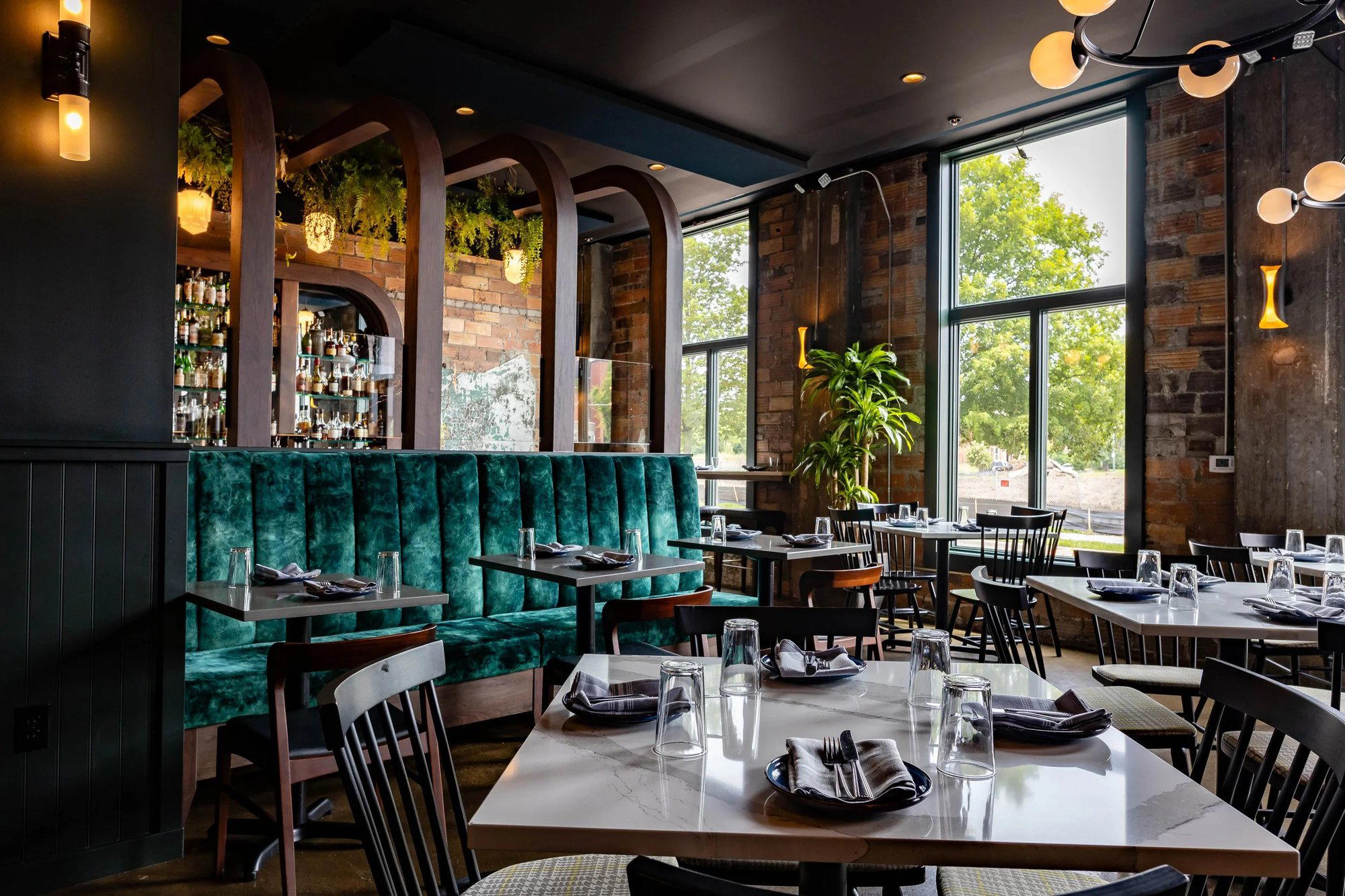
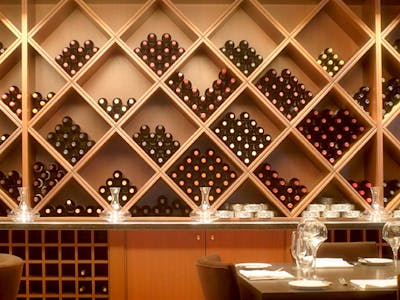
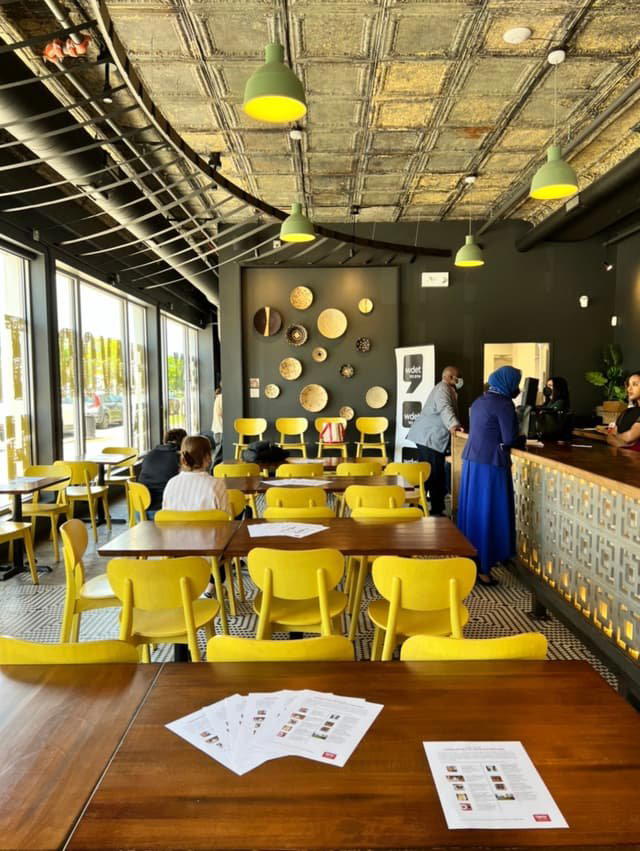
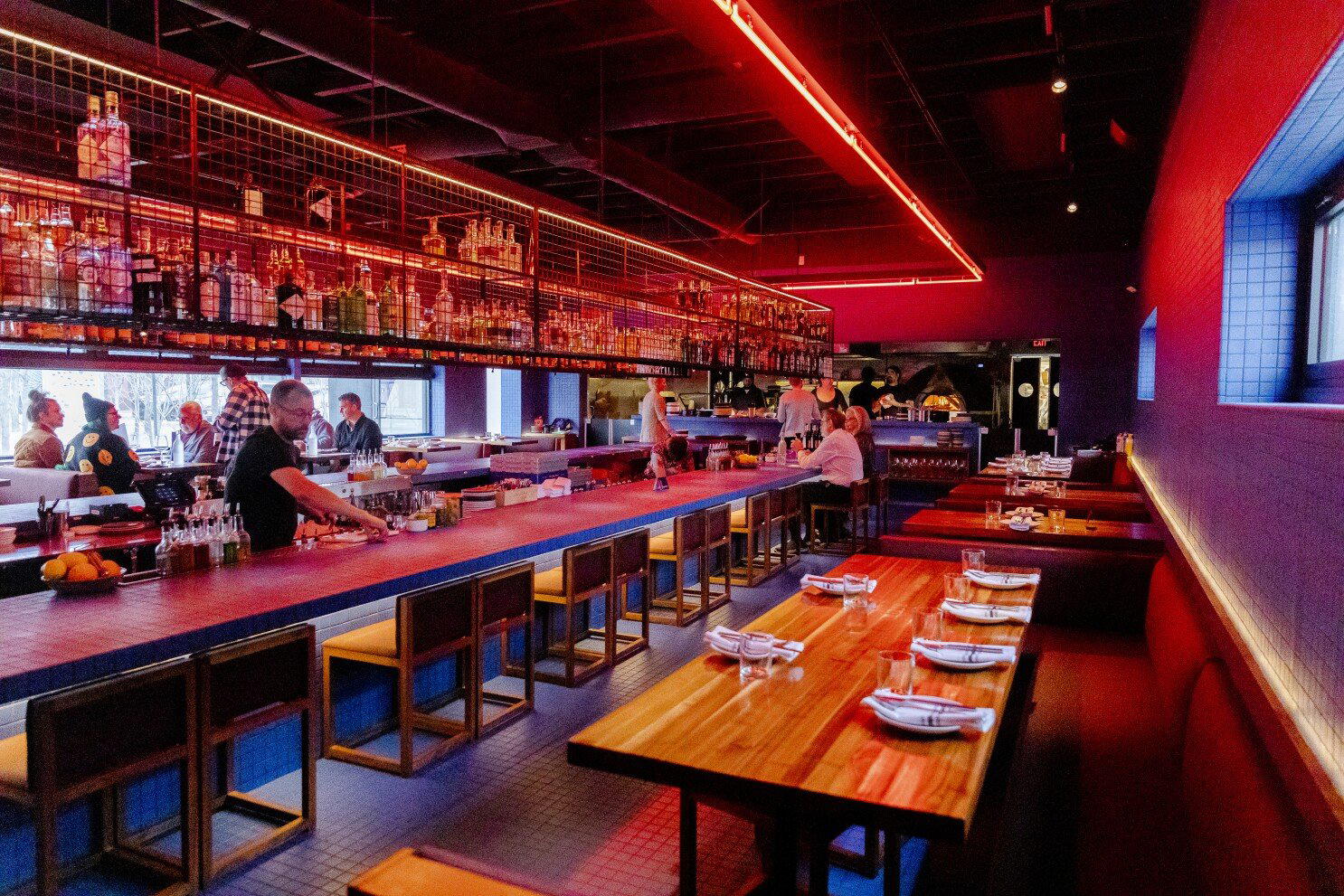
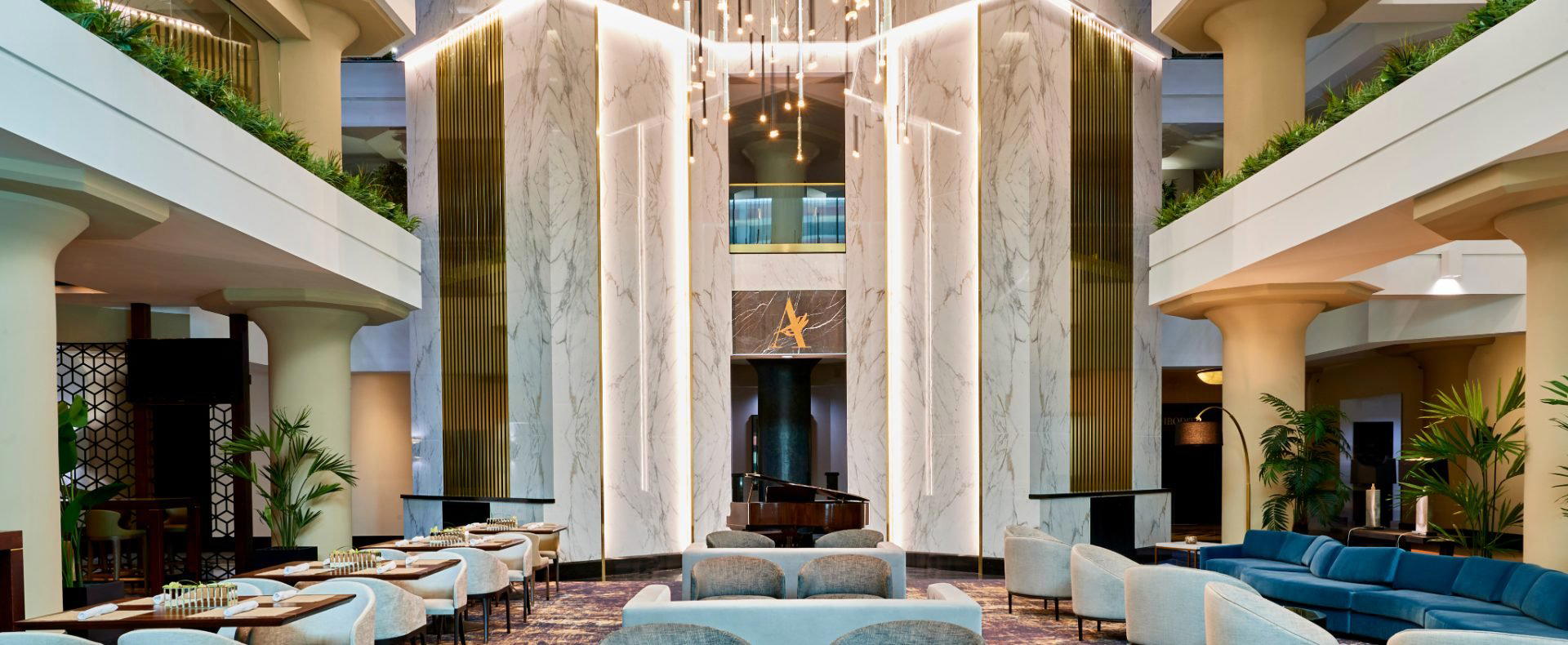
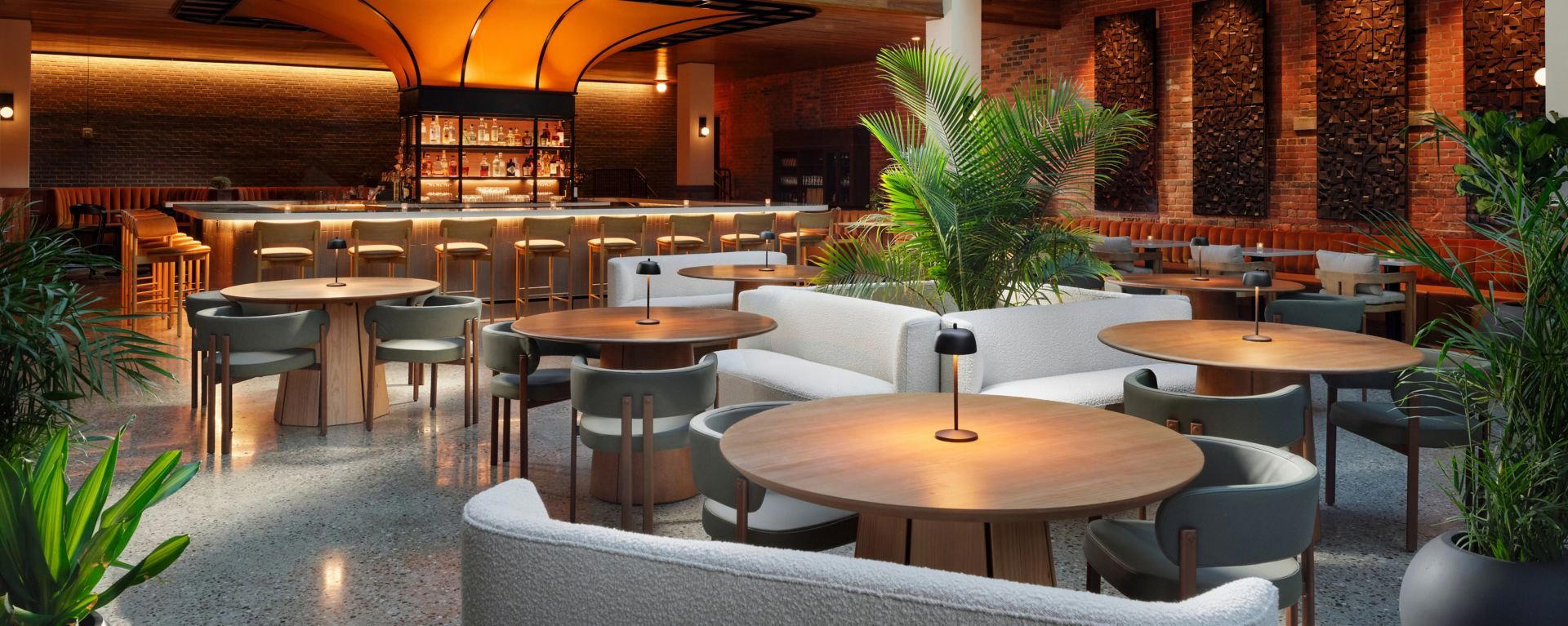
Historic industrial space blending Detroit's legacy with modern design, suitable for tastings and events.
Know Before You Go
- Getting there
- 2462 Riopelle St, Detroit, MI 48207