Del Rey Taqueria & Bar
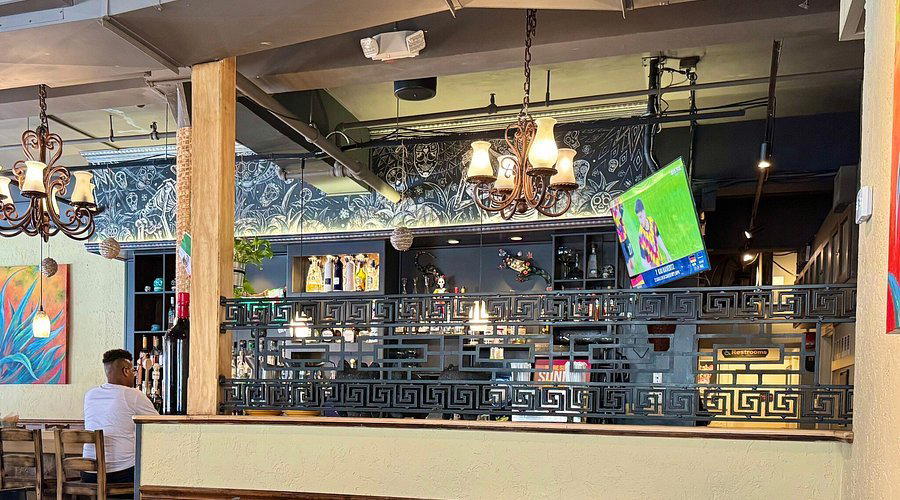
On Worthington Street in downtown Springfield, Del Rey Taqueria & Bar occupies a stretch of the city's most active dining corridor. The format follows the taqueria-bar hybrid model that has taken hold across mid-size American cities: shared plates, a drink program built around agave and beer, and a pacing that encourages staying longer than you planned.
Pearl is the En Primeur Club membership app — saves, bookings, and concierge access live there. Same editors, same standards.
- Address
- 211 Worthington St, Springfield, MA 01103
- Phone
- +1 413 273 1331
- Directions
- Get directions
 Saves & bookings on Pearl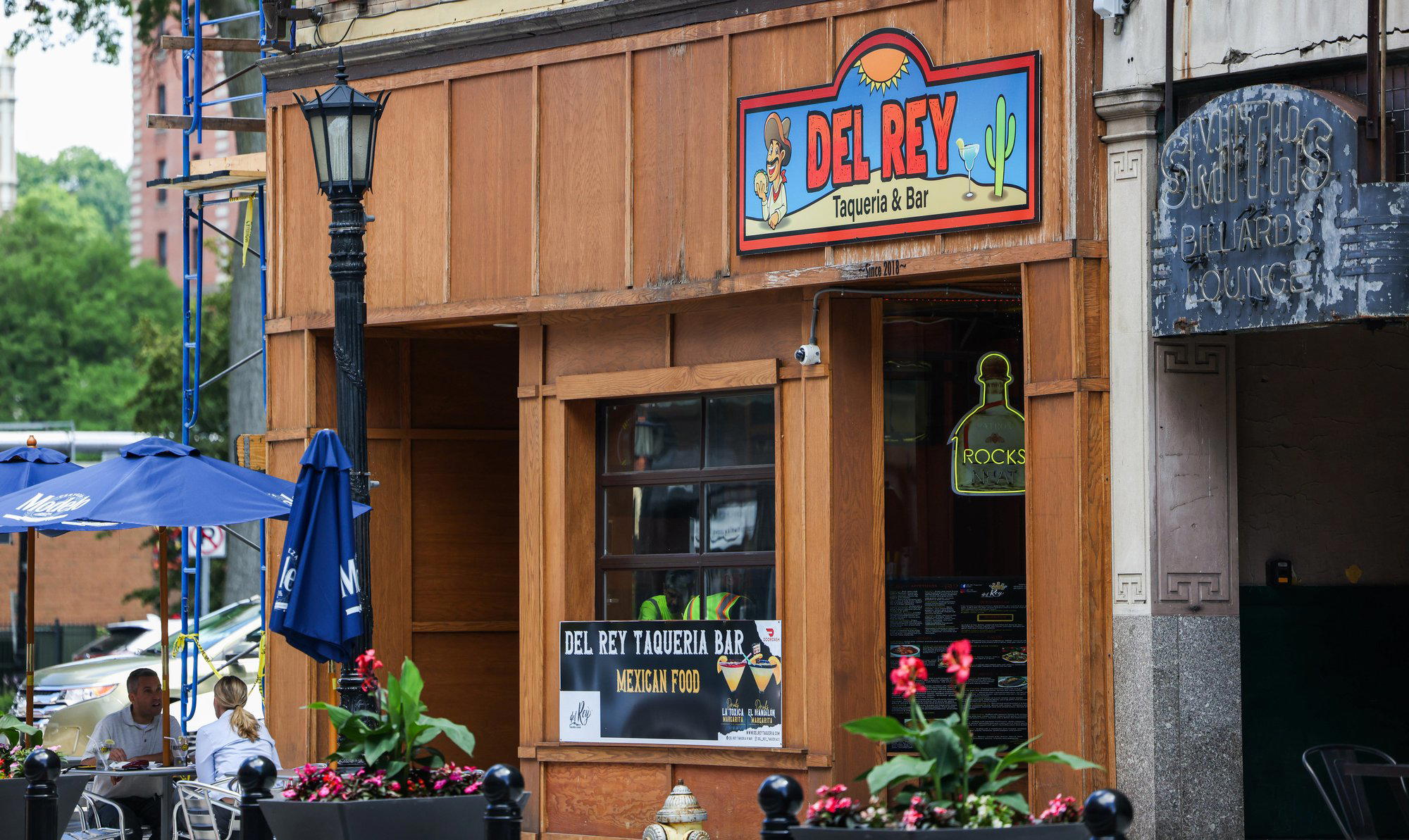
Worthington Street and the Rhythm of Downtown Springfield
Worthington Street has functioned as Springfield's primary after-work and weekend dining axis for long enough that the blocks between Main and Dwight carry a recognizable character: casual-to-mid-range operators, a mix of bar-forward and food-forward formats, and foot traffic that sustains both early dinner crowds and late-night drinkers. Del Rey Taqueria & Bar at 211 Worthington sits inside that pattern. Del Rey Taqueria & Bar is a bar in Springfield, Massachusetts, at 211 Worthington St, with a casual dress code, walk-in friendly service, and an estimated price point of about $20 per person. The address places it in walking distance of the city's handful of nightlife anchors, and the taqueria-bar format it occupies is well-suited to the street's energy: approachable enough to drop in without a plan, substantial enough to anchor an evening.
That dual identity, food-forward but drink-tolerant, is where much of mid-tier American dining has converged in recent years. The taqueria-bar hybrid is no longer a novelty in cities of Springfield's size. What distinguishes individual venues within the format is how they handle the tension between casual speed and deliberate enjoyment, between snack-and-drink mode and a proper sit-down meal. Del Rey occupies that middle register on Worthington, where the surrounding block includes Bruno's Italian Restaurant for longer, course-structured dinners and Bambinos Cafe on Delmar for a more relaxed, neighbourhood-cafe approach.
The Taqueria-Bar Format and How It Gets Eaten
The dining ritual at a taqueria-bar differs structurally from a traditional restaurant sequence. There is rarely a hard division between starter, main, and dessert. Instead, the meal tends to accumulate: a round of drinks arrives, something fried or lightly dressed comes out first, the heavier plates follow as the table settles in. The pacing is negotiated rather than prescribed, which puts more responsibility on the diner to calibrate how much is enough and when to stop. In that sense, it reads more like a Spanish tapas service or a Korean shared-table format than a conventional American dinner.
The agave category, covering tequila and mezcal, has become the default spirits backbone for the format across the country. Venues like Superbueno in New York City have pushed the bar program side of the Mexican-American dining format into technically ambitious territory, with house-made syrups, precise dilution, and sourcing transparency. At the other end of the spectrum, the category supports simpler executions: a well-stocked back bar, a short cocktail list, and a cold beer program that does most of the lifting. Where Del Rey lands on that spectrum reflects both its address and its audience. Worthington Street at night runs warm rather than precious, and the drinks program at a venue like this tends to track accordingly.
For reference on how bar-forward venues in similar climates handle the transition from food-first to drink-first late in the evening, operations like Buzz Bomb Brewing Co and D'Arcy's Pint elsewhere in Springfield illustrate the local preference for formats that don't force the choice too sharply.
What the Mexican-American Taqueria Format Does Well
Taqueria cooking in an American context has always operated in a wider band than its fine-dining counterpart. The format tolerates informality in a way that works with, rather than against, the social logic of eating out in a mid-size city. Corn and flour tortillas, slow-braised proteins, acidic salsas, and fried garnishes translate efficiently from kitchen to table, they hold well under volume, and they pair cleanly with both beer and agave-forward cocktails. That functional alignment between kitchen output and beverage program is one reason the taqueria-bar hybrid has proven durable in markets where diners want a complete evening rather than just a meal.
The regional American take on the format has also absorbed influences from Tex-Mex, California-Mexican, and interior Mexican traditions without settling on a single orthodoxy. This makes the category flexible: a venue can position itself anywhere between street-food fidelity and more composed plating depending on its price point and target table. Venues at the technically ambitious end of Mexican-American cocktail programming, like Julep in Houston or the more conceptual Japanese-inflected approach at Kumiko in Chicago, show how far the drinks side of the format can stretch when there is kitchen and bar investment behind it. For a venue operating on Worthington Street in Springfield, the more instructive reference points are closer in scale and ambition.
Planning a Visit
Del Rey Taqueria & Bar is located at 211 Worthington Street, Springfield, MA 01103, positioned on one of downtown Springfield's most walkable dining blocks. The format suits both quick solo visits and group meals where the shared-plate structure does the work of organizing the table.
Visitors planning a wider evening in the area might consider the contrast between Worthington Street's food-and-drink axis and the more drink-specific venues further into the downtown core. The taqueria-bar format rewards a relaxed pace: order in rounds rather than all at once, let the drinks program guide the middle section of the meal, and resist the impulse to rush toward a conclusion. The format is designed for staying, not cycling through.
Springfield in a Wider Context
For readers who track bar and drink programming across American cities, the gap between Springfield's accessible operators and the technically intensive programs at venues like Bar Leather Apron in Honolulu, Jewel of the South in New Orleans, or ABV in San Francisco is a reminder that city scale and cocktail ambition are not always correlated. Springfield's Worthington Street corridor punches at its weight class: volume-friendly, socially functional, and increasingly consistent in its execution. Del Rey occupies a defined position in that local hierarchy, not attempting the program complexity of a destination cocktail bar, but delivering the format its address and audience expect. For readers from outside the region, The Parlour in Frankfurt on the Main offers an instructive comparison in how mid-size city bar formats can establish identity through discipline and consistency rather than scale or prestige.
Where It Fits
Comparable venues nearby, for context on price, style, and recognition.
| Venue | Cuisine | Price | Notes |
|---|---|---|---|
| Del Rey Taqueria & BarThis venue — the venue you are viewing | pub | $$ | Not listed |
| White Lion Brewing Company | beer_bar | $$ | downtown |
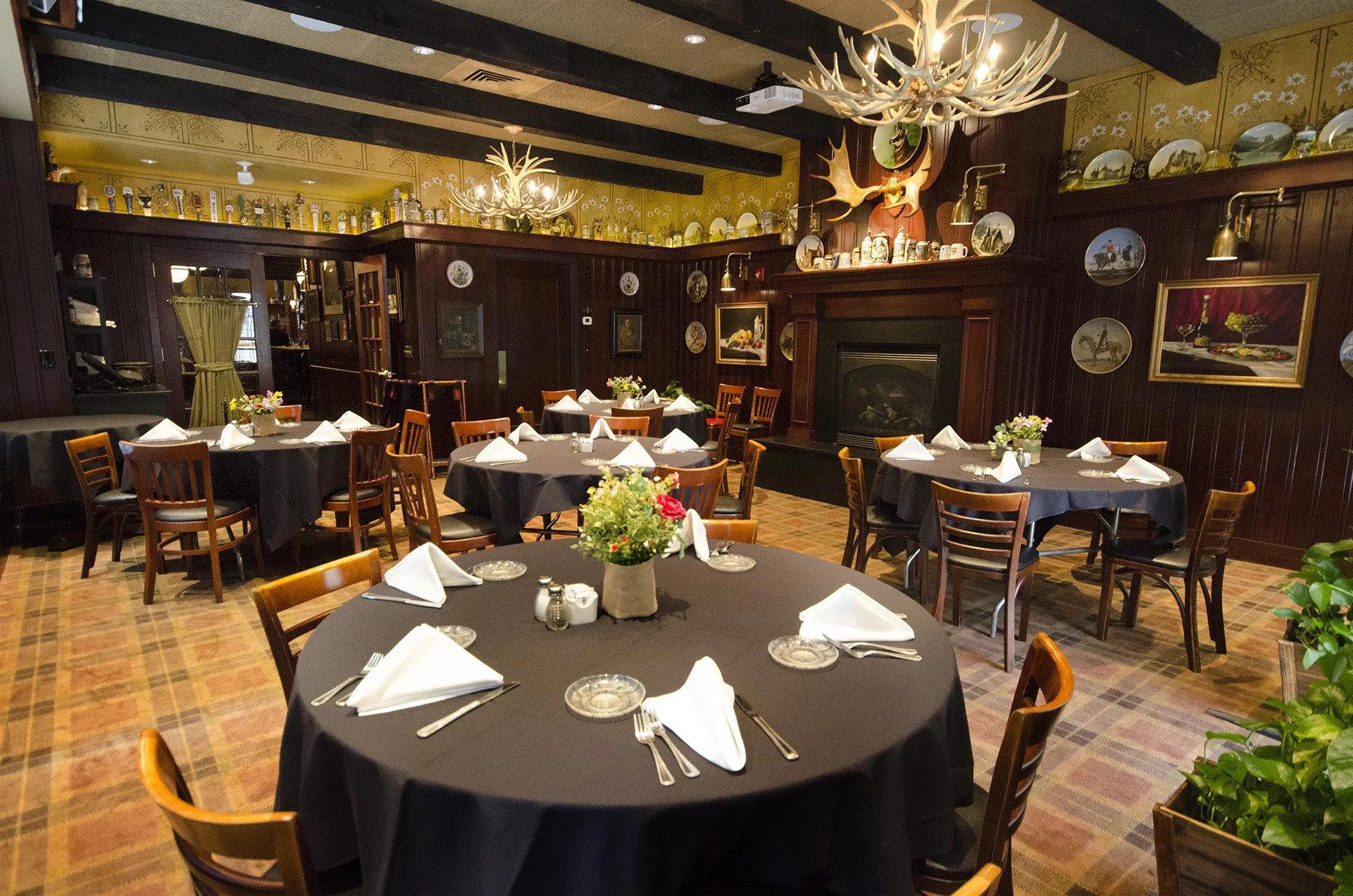
| Student Prince Cafe and The Fort | pub | $$ | Metro Center |
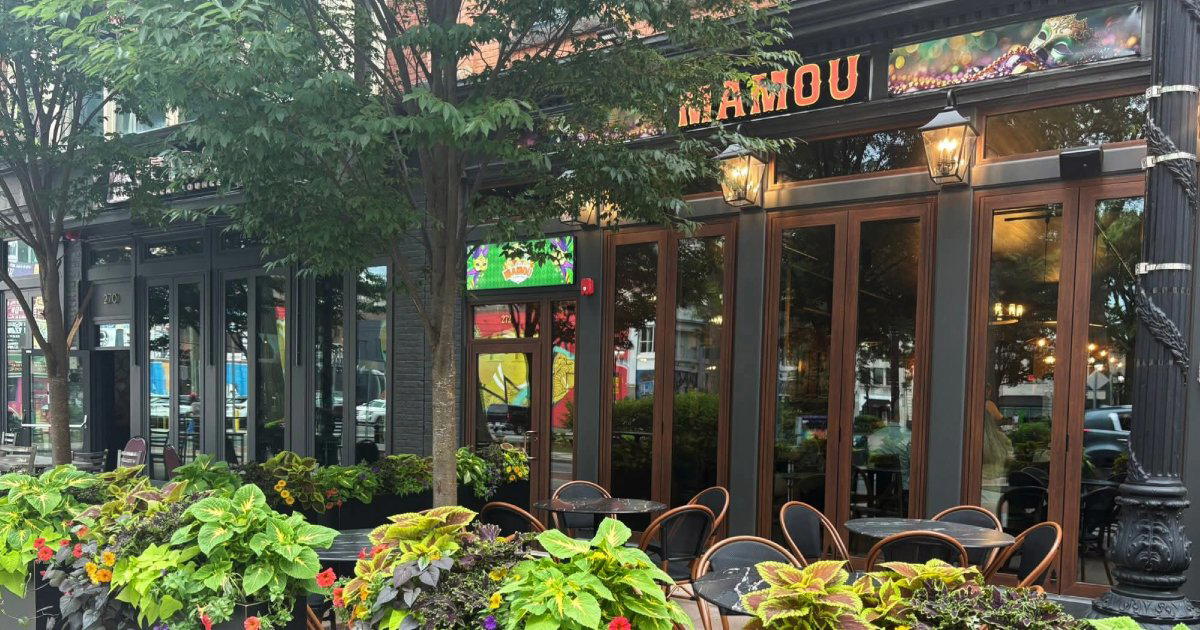
| The Mamou | lounge | $$ | Worthington Street |
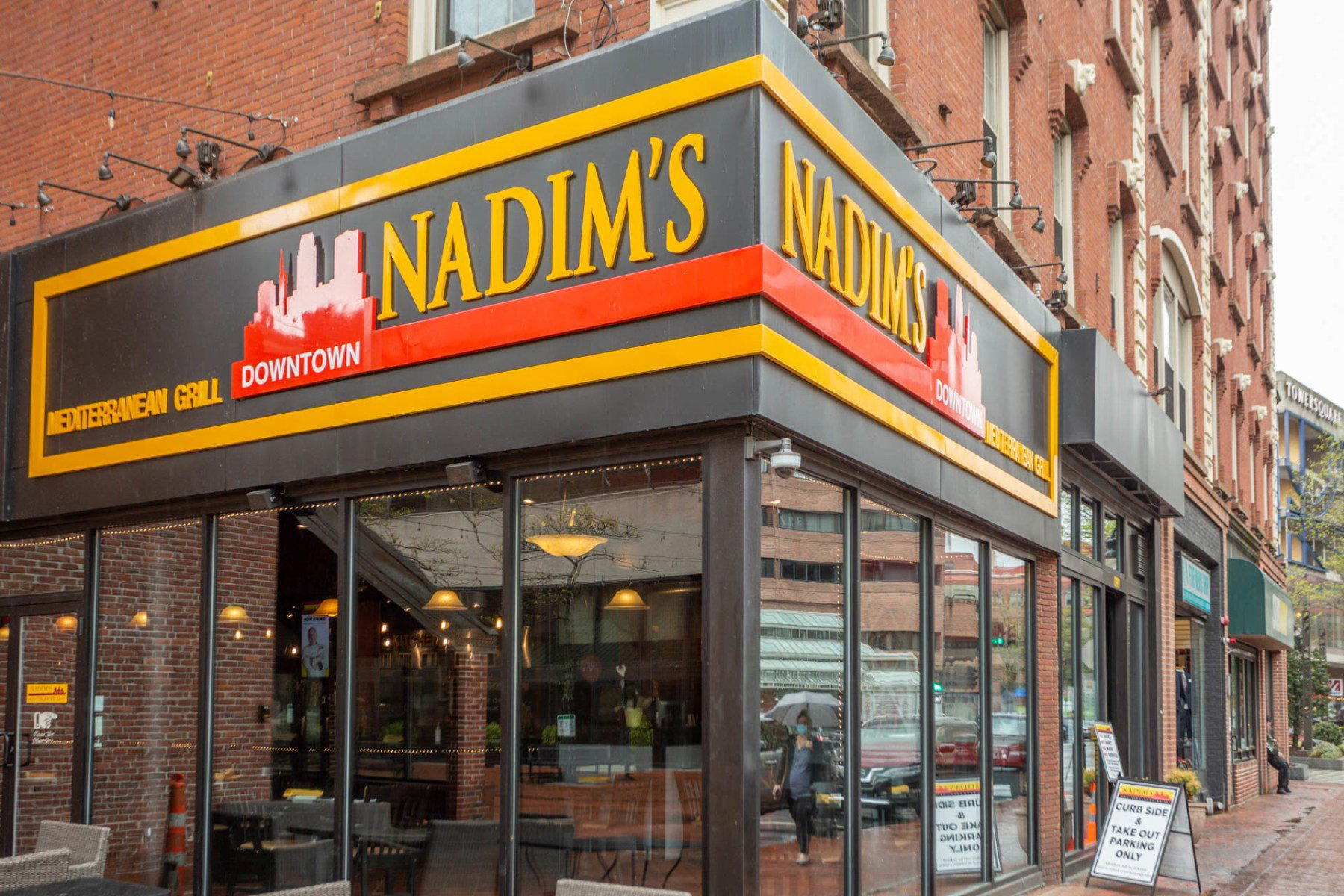
| Nadim's Downtown Mediterranean Grill | lounge | $$ | Downtown Springfield |
| Theodore's Blues, Booze, and BBQ | pub | $$ | Entertainment District |
Continue exploring
More in Springfield
Bars in Springfield
Browse all →
Restaurants in Springfield
Browse all →
Hotels in Springfield
Browse all →
At a Glance
- Lively
- Energetic
- Casual Hangout
- After Work
- Standalone
- Seated Bar
- Tequila
Lively and energetic atmosphere with a buzz of energy from enthusiastic service.