Dear Sushi
Dear Sushi sits on Stewarts Ferry Pike in east Nashville, operating in a city where sushi has quietly carved out serious territory alongside the honky-tonks and hot chicken counters.
Pearl is the En Primeur Club membership app — saves, bookings, and concierge access live there. Same editors, same standards.
- Address
- 557-A Stewarts Ferry Pike, Nashville, TN 37214
- Phone
- +1 615 712 6497
- Website
- dearsushi.us
- Directions
- Get directions
 Saves & bookings on Pearl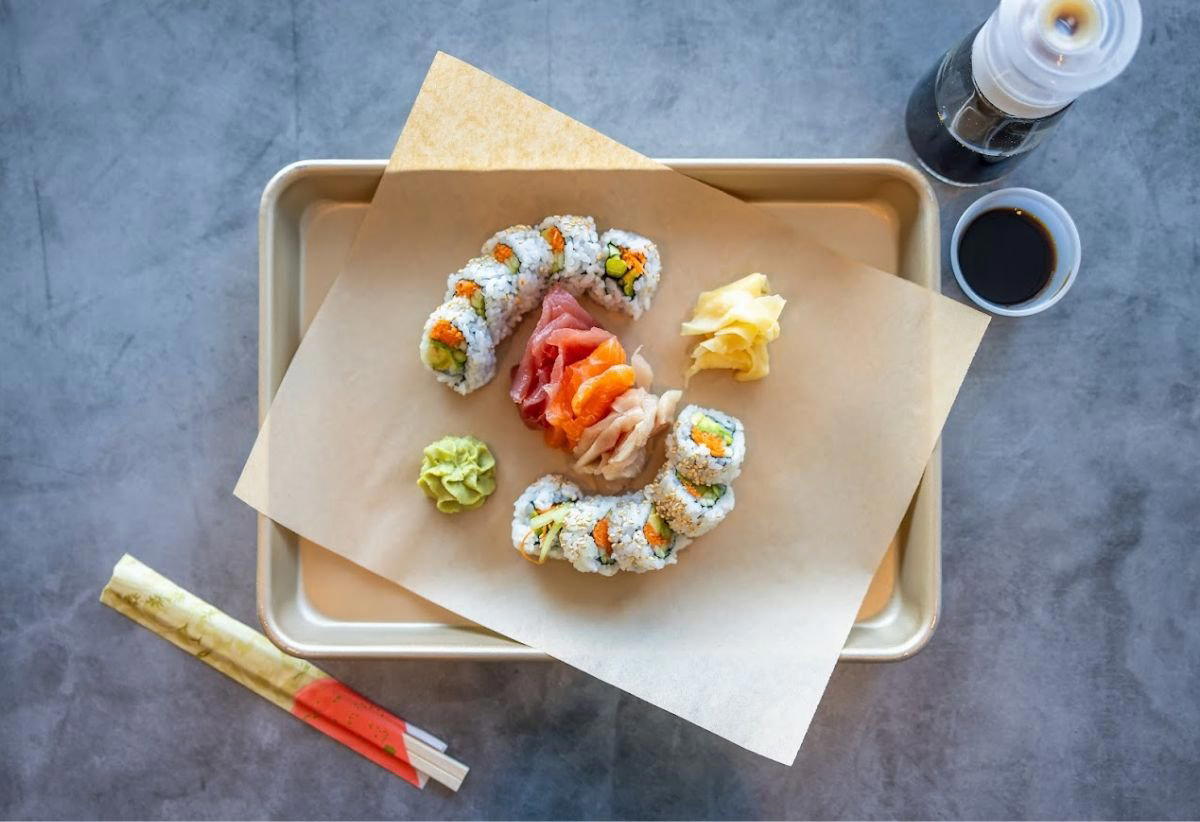
East Nashville and the Quiet Rise of Japanese Dining
Nashville's dining identity has long been defined by its barbecue pits, meat-and-three institutions, and the neon-lit corridors of Lower Broadway. Over the past decade, however, a different kind of precision cooking has taken root across the city's eastern and suburban corridors. Japanese cuisine, and sushi in particular, has found an audience among Nashville diners who have grown more comfortable with raw fish, omakase formats, and the kind of restrained plating that asks you to slow down. Dear Sushi, located at 557-A Stewarts Ferry Pike, sits within this broader shift: a neighbourhood address rather than a downtown showcase, which in many cities signals a kitchen that is cooking for regulars rather than tourists.
The Stewarts Ferry Pike corridor places Dear Sushi in an area of Nashville that sees less editorial attention than Midtown, the Gulch, or 12 South, but that positioning is itself a data point. In cities where sushi culture has matured, the most consistent operations tend to anchor in residential and semi-commercial zones where repeat custom sustains the kitchen. The tourist-facing venues cluster downtown; the ones with staying power tend to be a drive away. Whether Dear Sushi fits that pattern in full requires more data than is currently on record, but the address suggests a format aimed at community rather than occasion dining.
What the Format Implies About the Experience
Nashville's sushi scene has not yet produced the kind of highly publicised omakase counters that define San Francisco, Chicago, or New York. What the city does have is a growing number of accessible, neighbourhood-level operations that prioritise familiarity and consistency over ceremony. At venues in this tier, the experience is typically built around approachable roll formats alongside a selection of nigiri and small plates, priced for repeat visits rather than special occasions. The team dynamic at these counters matters more than the marquee name above the door: the person behind the bar who remembers your order, the front-of-house rhythm that keeps the room moving without pressure, and the kitchen coordination that means your food arrives at the right temperature in the right sequence.
That collaborative floor-to-kitchen relationship is where neighbourhood sushi venues either succeed or quietly fade. At the strongest operations in this format, the chef and service team function as a unit rather than separate departments, and the result is a pace that feels calibrated rather than rushed. Across the American sushi scene, from the acclaimed programmes at venues like Kumiko in Chicago to the technically grounded bars of Bar Leather Apron in Honolulu, the through-line in durable neighbourhood operations is exactly this: staff who coordinate rather than compartmentalise.
Nashville as a Dining City in 2024
Understanding Dear Sushi requires some understanding of what Nashville has become as a dining city. The population growth of the past fifteen years has brought with it a more cosmopolitan dining public, one that has travelled, eaten well elsewhere, and returned with expectations that extend beyond the city's traditional comfort-food canon. That shift has created space for cuisines that would have struggled to find an audience in Nashville a generation ago. Japanese dining is among the beneficiaries: the city now supports multiple sushi formats across multiple price tiers, from conveyor-belt casual to the first tentative steps toward counter-service omakase.
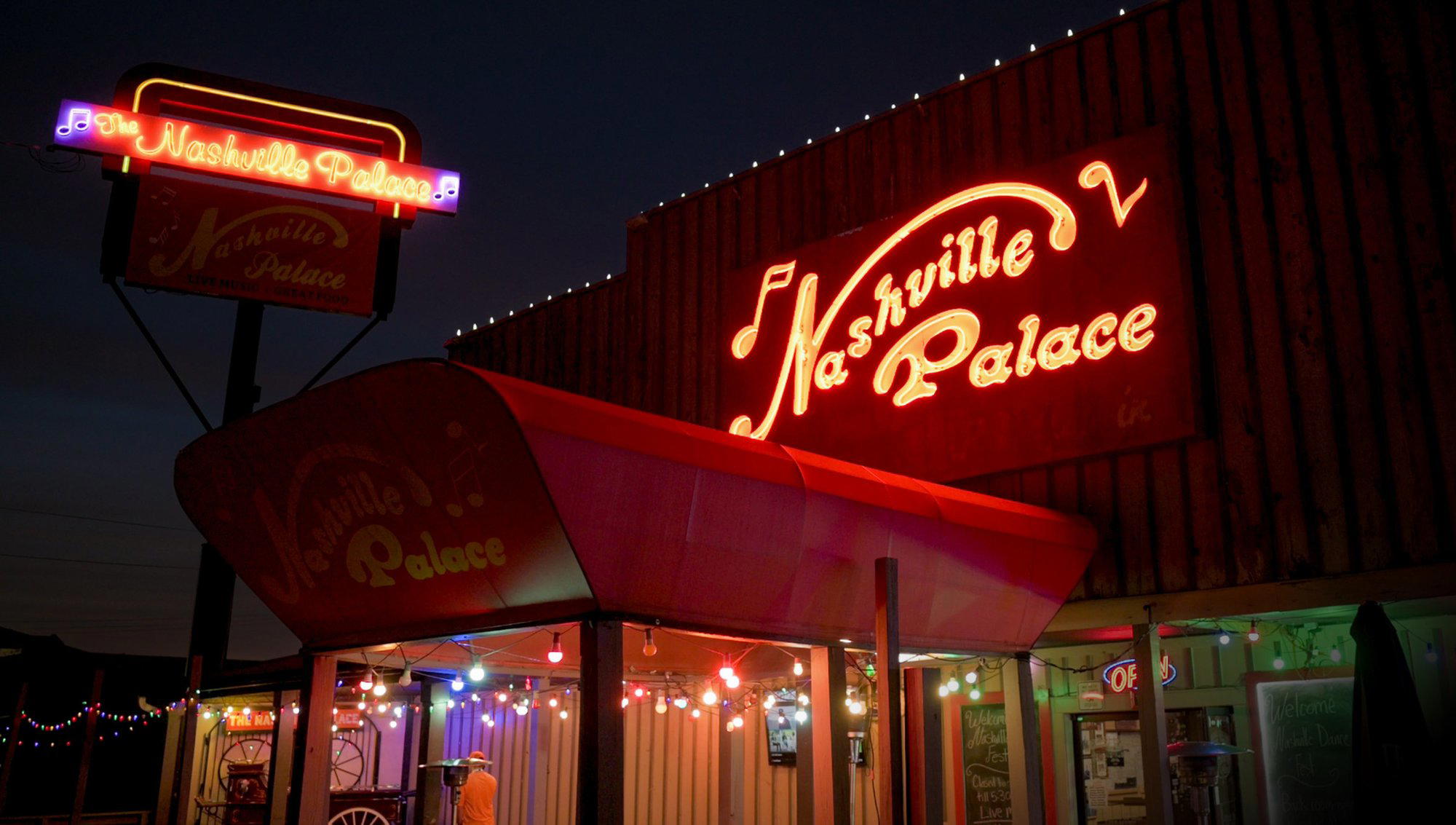
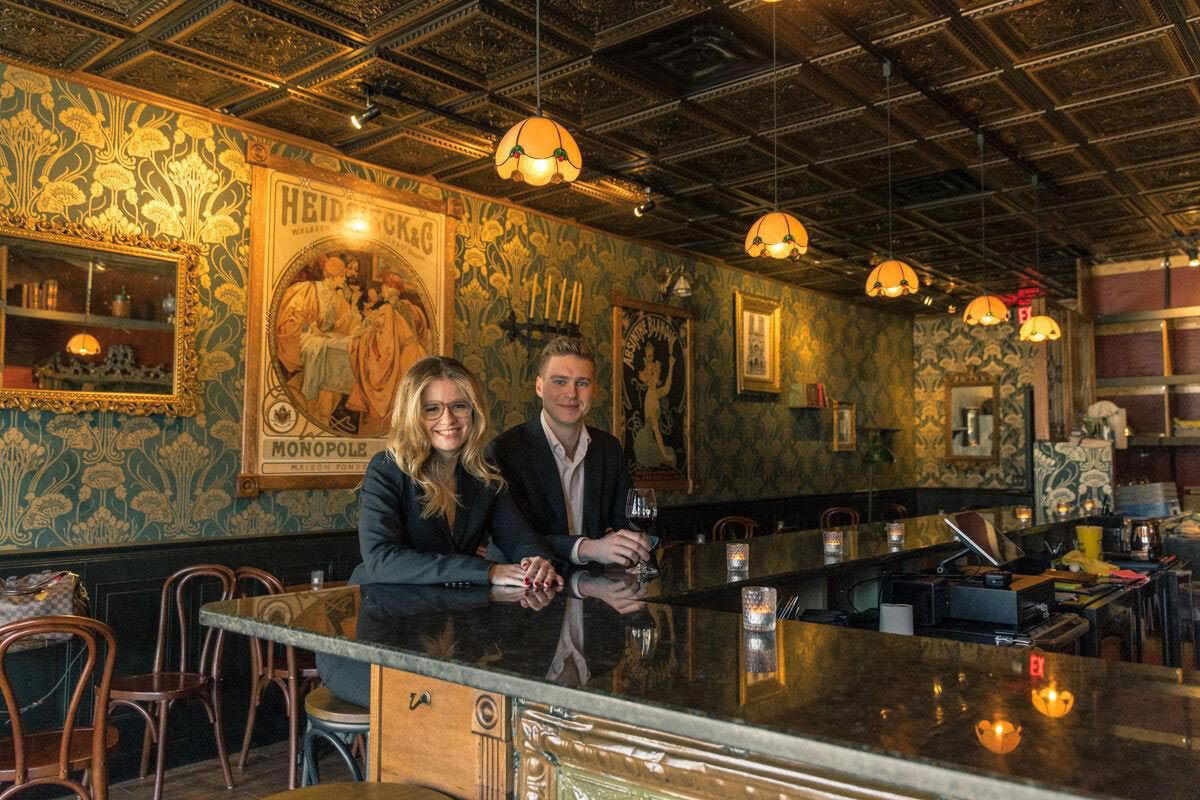
For context on Nashville's broader drinking and dining culture, our full Nashville restaurants guide maps the city by neighbourhood and format. The cocktail scene in particular has grown in sophistication, with venues like 417 Union, 5th & Taylor, and 12 South Taproom and Grill each occupying distinct positions across the city's neighbourhoods. 8th & Roast anchors the specialty coffee end of the same cultural moment. These venues collectively illustrate how Nashville has diversified its hospitality offer well beyond its country music legacy.
Comparisons to cocktail-forward operations nationally, including Jewel of the South in New Orleans, Julep in Houston, Superbueno in New York City, ABV in San Francisco, and even The Parlour in Frankfurt on the Main, underscore that the pairing of serious food and serious drink has become a global expectation rather than a metropolitan privilege. Neighbourhood venues in secondary cities that understand this tend to outperform their more modestly ambitious peers.
Planning a Visit
Dear Sushi is located at 557-A Stewarts Ferry Pike, Nashville, TN 37214, which places it east of downtown, accessible by car rather than walkable from the central tourist corridor. Given the neighbourhood format and east Nashville positioning, this is likely a walk-in or phone-reservation operation rather than an online-ticketed experience, though that remains unconfirmed. Visiting earlier in the week tends to offer more availability at neighbourhood sushi venues than Friday or Saturday evenings, when local regulars fill the room.
The editorial assessment here is framed around neighbourhood context, city-level dining trends, and the positioning signals available from the address and format category. Readers planning a visit should treat this as orientation rather than a complete picture, and verify operational details on arrival or through direct contact with the venue.
Comparison Snapshot
| Venue | Cuisine |
|---|---|
| Dear SushiThis venue — the venue you are viewing | This venue |
Continue exploring
More in Nashville
Bars in Nashville
Browse all →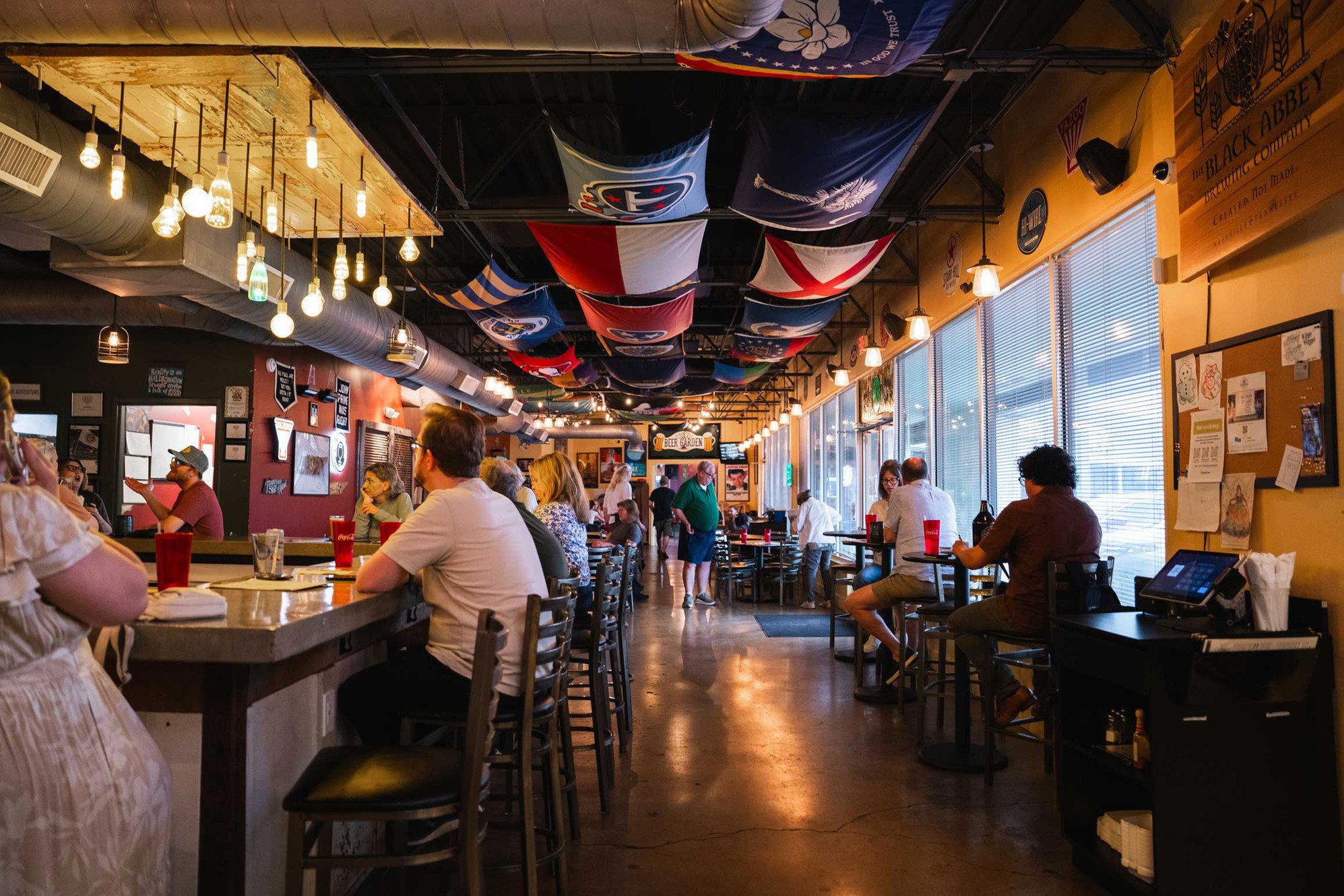
Restaurants in Nashville
Browse all →
Hotels in Nashville
Browse all →

Wineries in Nashville
Browse all →
At a Glance
- Modern
- Cozy
- Casual Hangout
- Counter Only
Current opening hours
- Monday
- 11 AM–8 PM
- Tuesday
- 11 AM–8 PM
- Wednesday
- 11 AM–8 PM
- Thursday
- 11 AM–8 PM
- Friday
- 11 AM–9 PM
- Saturday
- 11 AM–9 PM
- Sunday
- 11 AM–8 PM
Hours can change for holidays and private events. Last verified .
Casual and direct atmosphere centered around the sushi bar counter.
Know Before You Go
- Getting there
- 557-A Stewarts Ferry Pike, Nashville, TN 37214