Dan's

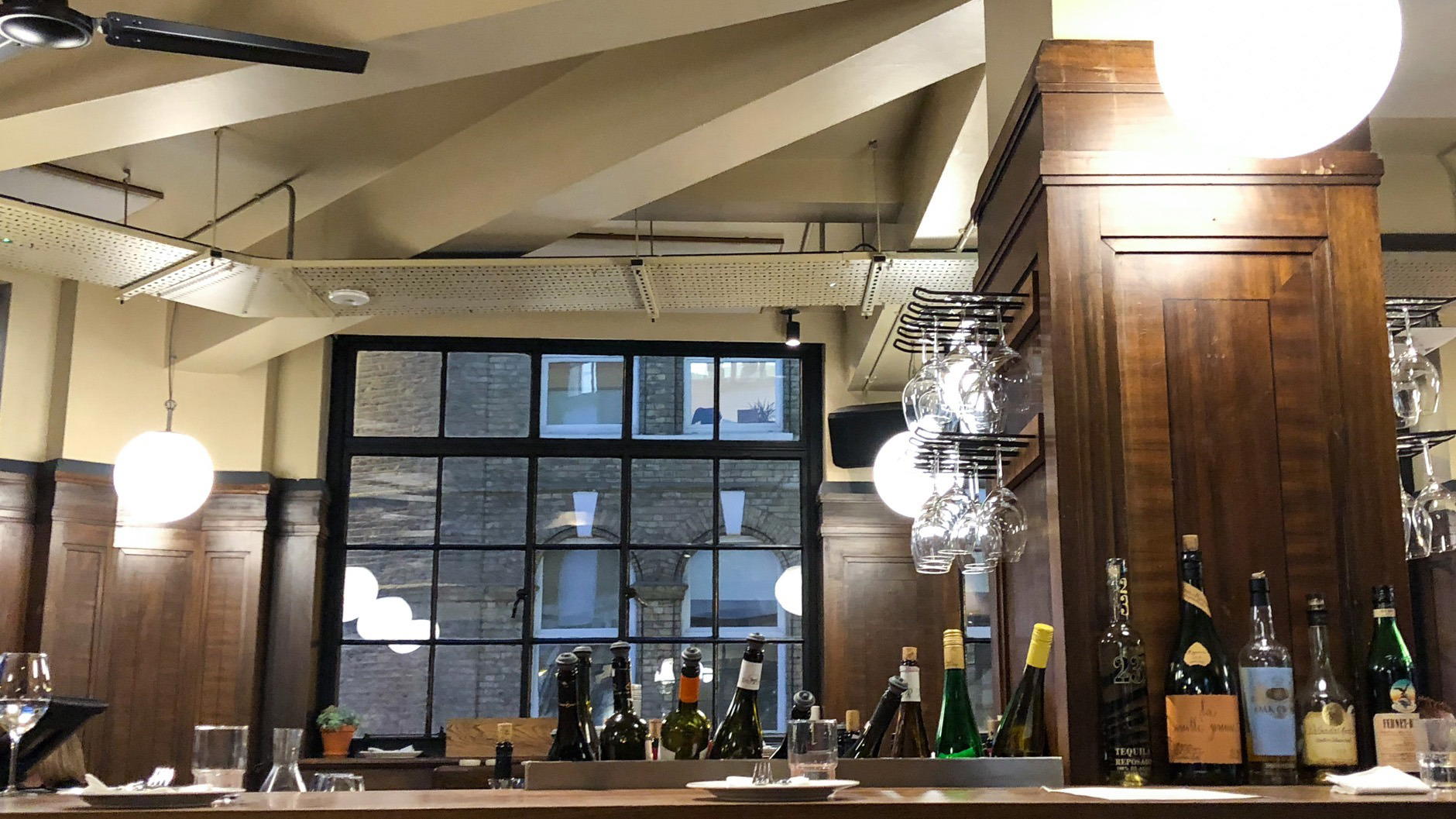
A neighbourhood wine bar and shop in the heart of Dalston, Dan's operates around communal tables, free-flowing wine, and the kind of unhurried conversation that has made it a fixture in N1's drinking scene. Two large communal tables set the format: this is a place designed for sharing bottles and time, not ticking through a cocktail menu. The wine shop element means bottles leave as purchases as often as they do as pours.
Pearl is the En Primeur Club membership app — saves, bookings, and concierge access live there. Same editors, same standards.
- Address
- 2-4 Tottenham Rd, London N1 4BZ, United Kingdom
- Phone
- +44 7450 969401
- Website
- dans.wine
- Directions
- Get directions
 Saves & bookings on Pearl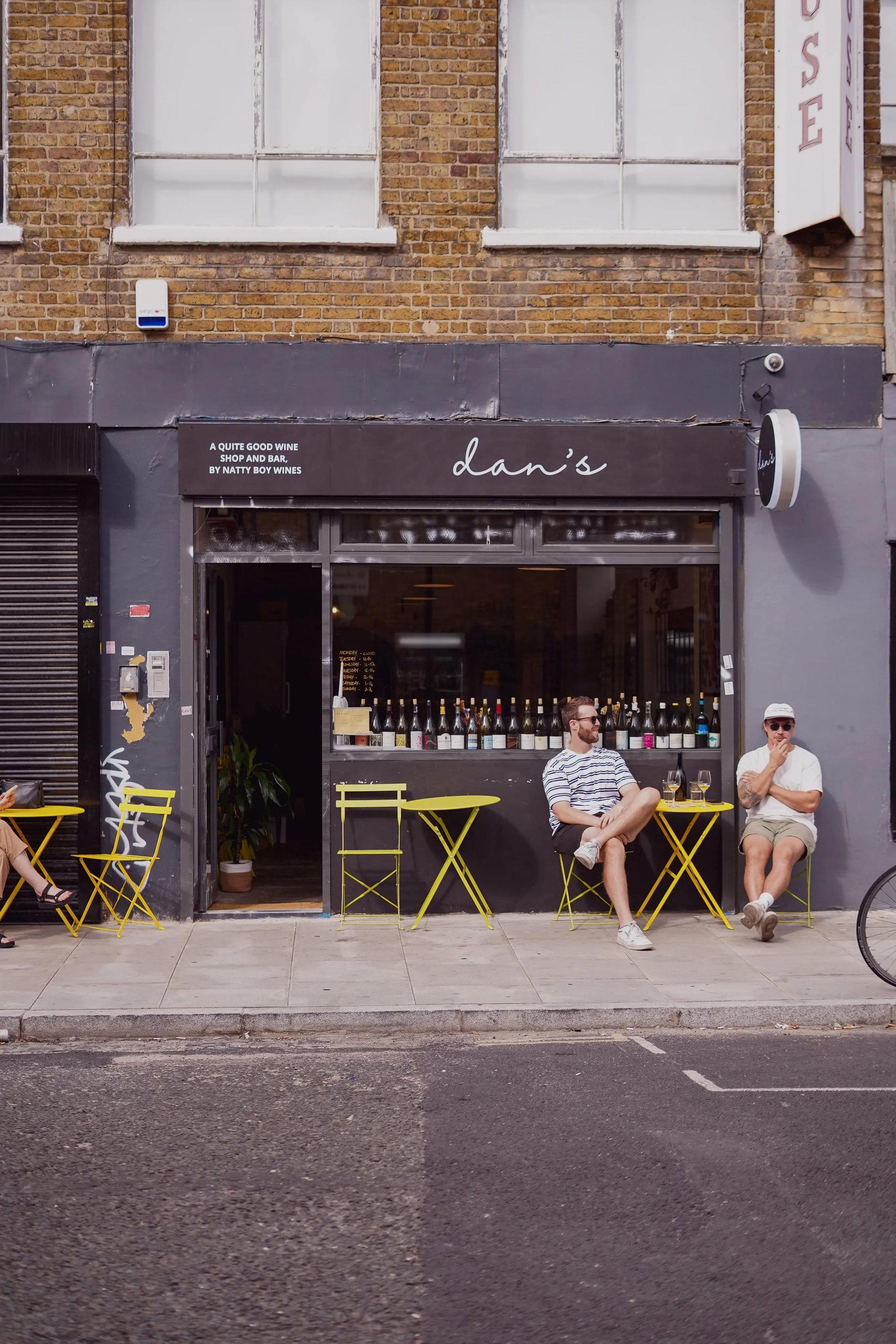
Dalston's Communal Wine Format
East London's drinking culture has long operated at a remove from the cocktail theatrics that define venues further west. While bars like 69 Colebrooke Row and A Bar with Shapes For a Name built their reputations on technical precision and controlled environments, Dalston's wine bar scene has taken the opposite posture: long tables, open bottles, and a pace that rewards staying rather than moving on. Dan's, at 2-4 Tottenham Rd in N1, sits squarely in that tradition. The format is built around two large communal tables with a scatter of smaller ones, which signals something specific about intent: the room is designed to dissolve the barrier between strangers, not reinforce it.
Across the UK, neighbourhood wine bars that double as retail shops occupy a distinct position in the hospitality market. They appeal to a regular clientele who want access to interesting bottles without the occasion-dressing of a formal wine list. The hybrid model, where the same bottle can be taken home or opened at the table, tends to build loyalty faster than pure drinking venues because it integrates into how people actually shop and drink across a week, not just a Friday night. Amaro and Academy operate in adjacent territory in London, though each with its own structural logic. Dan's differentiates through the retail-and-pour hybrid anchored to a genuinely neighbourhood-scaled room.
What the Communal Table Format Actually Does
The physical environment at Dan's makes a clear argument. Communal seating at this scale, two long tables as the primary furniture, is not an aesthetic choice so much as a social one. It compresses the difference between a solo drinker with a glass and a group working through a bottle. In practice, this means the energy of the room tends to be more consistent across a night than at venues built around two-tops or booth configurations, where the room can feel half-dead when half the tables are empty. A free flow of wine and conversation, as described in accounts of the bar's character, is a product of that layout as much as anything curated from behind a counter.
For the editorial tradition of neighbourhood wine bars, the communal model has precedent across European cities, particularly in natural wine-led spaces in Paris and Rome where the format long preceded its London adoption. In London, it arrived in earnest through a wave of east and south London openings in the 2010s. Dalston, with its density of independent retail and high tolerance for informal formats, was a natural location for the model to take root. Dan's presence on Tottenham Road places it within walking distance of the neighbourhood's core, accessible enough to function as a daily stop rather than a destination visit.
Wine as the Primary Language
The editorial angle on any wine bar and shop is, ultimately, the wine. At venues in this category, the selection tends to skew toward natural, low-intervention, and small-producer bottles precisely because those are the bottles that reward the retail-and-pour model: they have stories, they have producers, and they travel well in terms of customer conversation. This is not a category where deep Bordeaux cellars or blue-chip Burgundy allocations are the draw. The draw is bottles that a customer discovers by the glass, then buys to take home, then returns to repurchase. The loop is commercial as much as it is convivial.
Compared to the cocktail-focused venues that dominate UK bar awards circuits, wine bars like Dan's operate outside most formal award structures. Bramble in Edinburgh, Schofield's in Manchester, and Merchant Hotel in Belfast all carry formal recognition for their cocktail programmes. Wine bars tend to accumulate recognition differently: through press mentions, neighbourhood loyalty, and the kind of word-of-mouth that keeps a 30-seat room consistently occupied without needing a reservations system. That is a different kind of durability, and in many respects a harder one to manufacture.
Food and Drink Together: How the Format Holds
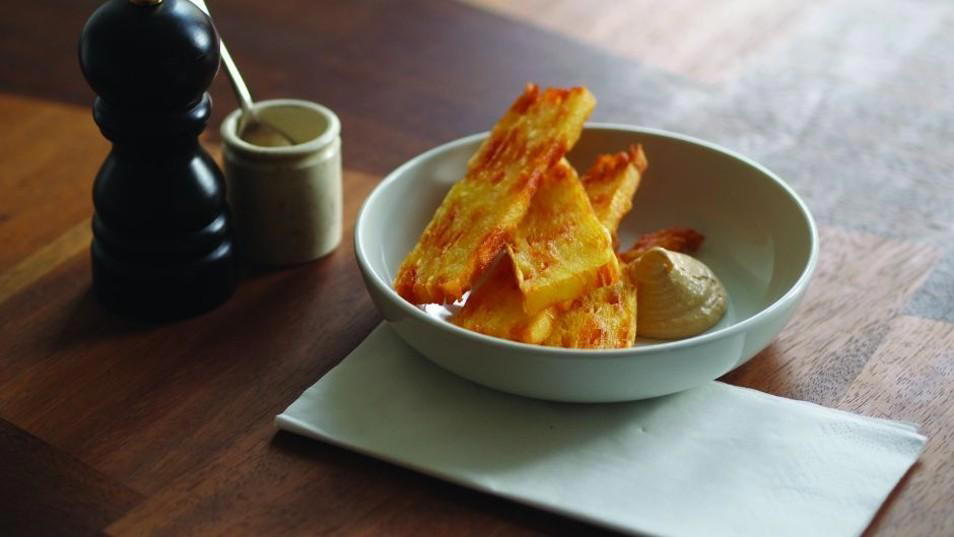
The food-and-wine pairing question at a neighbourhood wine bar of this type is less about technical matching and more about supporting the pace of the room. The communal table format demands food that works across the table: shareable, relatively casual, designed to extend the drinking session rather than conclude it. Across the neighbourhood wine bar category in London and elsewhere, this tends to mean small plates, charcuterie, cheese, and dishes that don't require serious attention to eat. The food programme functions as infrastructure for the wine, keeping people at the table and giving bottles a context beyond the glass itself.
This stands in contrast to the food-forward bar model, where kitchens operate at near-restaurant level and the drinks list supports the kitchen rather than the reverse. At Dan's, the hierarchy appears to run in wine's favour, which is consistent with the retail-and-pour positioning. When the bottle is the product, the food supports rather than competes. That logic extends to how evenings tend to develop: wine discovery first, with food as the rhythm-setter that determines how many bottles a table works through.
Dalston as Context
The neighbourhood shapes what Dan's can be. Dalston in 2024 is a different proposition than it was in 2010, when rental economics and foot traffic were both considerably more favourable for independent operators. The area has absorbed significant change without losing the density of independent food and drink businesses that made it a reference point for east London's alternative hospitality scene. A wine bar and shop in this location competes not just with other wine bars but with the full range of neighbourhood options: the Turkish restaurants on Kingsland Road, the other independent bars, and the broader pull of Hackney's drinking culture toward Clapton and London Fields as the decade has progressed.
That context makes longevity meaningful. A venue that has established itself as a neighbourhood fixture in Dalston has done so against real competition and real change in the surrounding area. The communal table format, the wine shop element, and the informal tone are each responses to the neighbourhood's character rather than impositions on it.
Know Before You Go
- Address: 2-4 Tottenham Road, London N1 4BZ
- Format: Neighbourhood wine bar and bottle shop; communal and smaller tables
- Nearest Overground: Dalston Kingsland or Dalston Junction (both within walking distance)
- Booking: Walk-in friendly
- Retail: Bottles purchased to take away; the shop function runs alongside the bar
Comparable Spots
Comparable venues nearby, for context on price, style, and recognition.
| Venue | Cuisine | Price | Notes |
|---|---|---|---|
| Dan'sThis venue — the venue you are viewing | wine_bar | $$ | Not listed |
| Hector’s | wine_bar | $$ | De Beauvoir Town |
| The Red Lion & Sun | pub | $$ | Highgate |
| The Garrison | Bar | Not listed | Borough |
| Devil's Botany Distillery | speakeasy | $$ | Leyton |
| Yeni Umut 2000 Dalston | Bar | $$ | Dalston |
Recognition history
Dated appearances from independent guides and award organizations, with the underlying list record or original source where available.
Star Wine List
Star Wine List
At a Glance
- Cozy
- Trendy
- Intimate
- Date Night
- Casual Hangout
- After Work
- Design Destination
- Seated Bar
- Lounge Seating
- Communal Tables
- Outdoor Terrace
- Natural Wine
Current opening hours
- Monday
- 3–10 PM
- Tuesday
- 3–10 PM
- Wednesday
- 12–10 PM
- Thursday
- 12–11 PM
- Friday
- 12–11 PM
- Saturday
- 12–11 PM
- Sunday
- 2–9 PM
Hours can change for holidays and private events. Last verified .
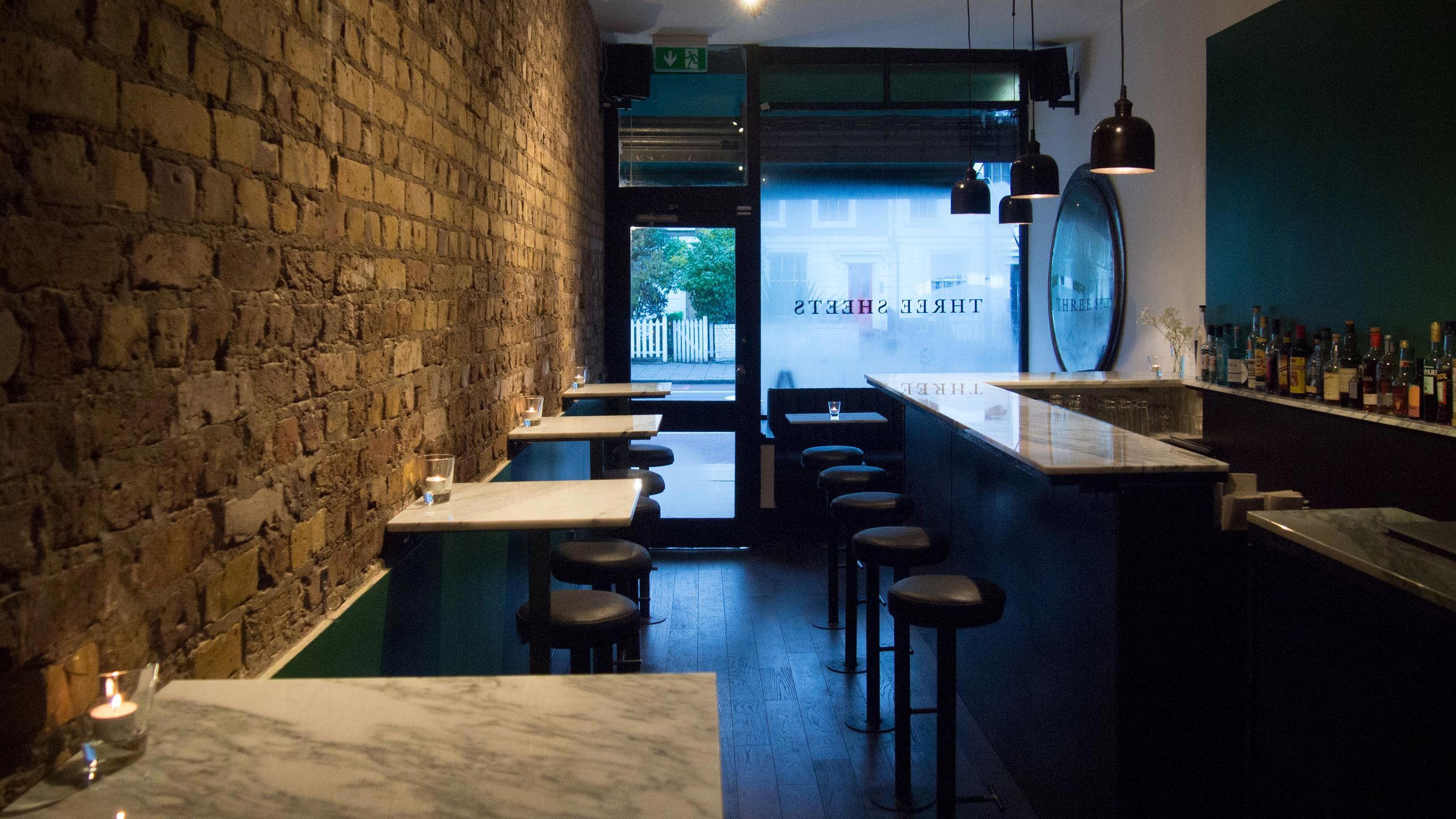
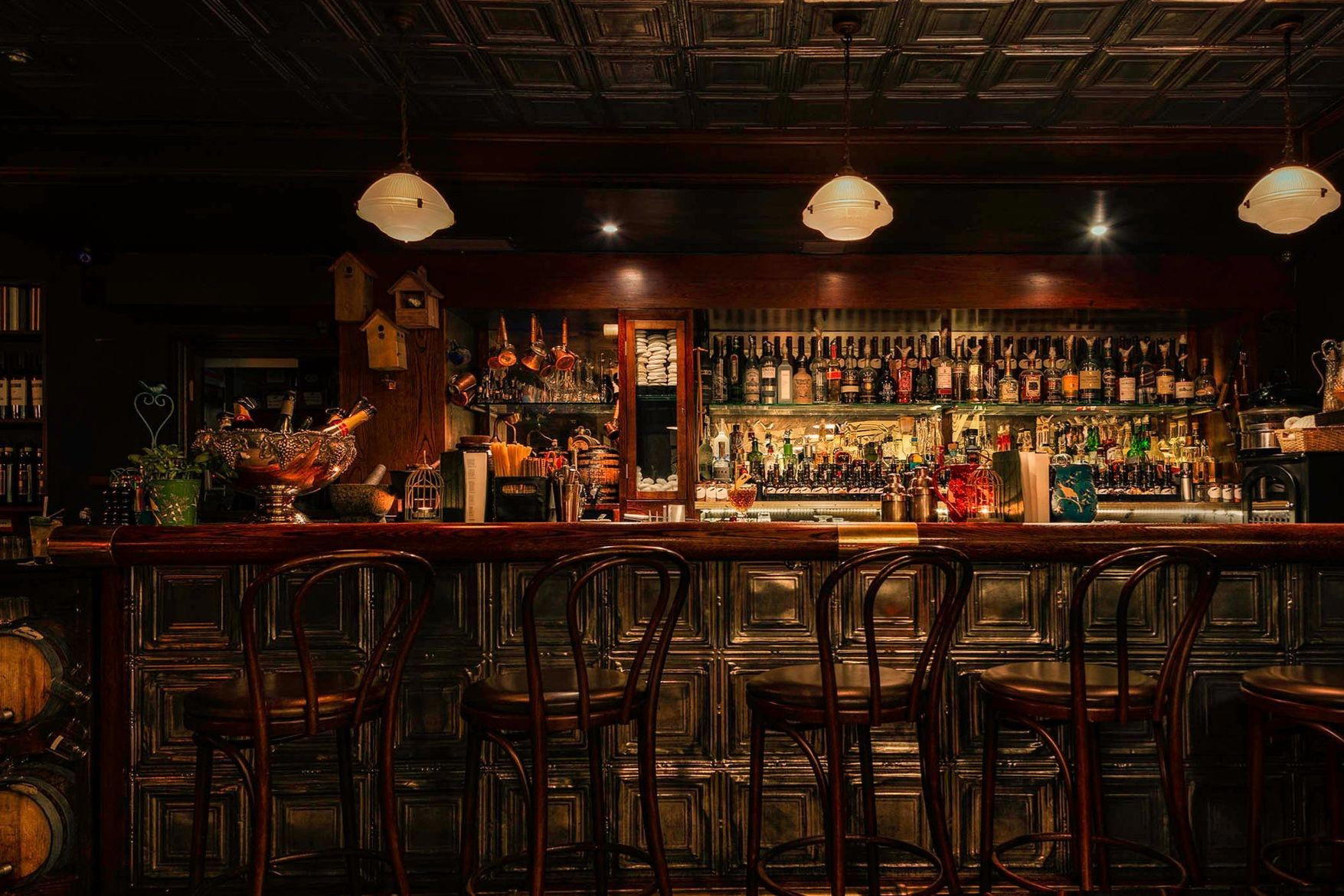
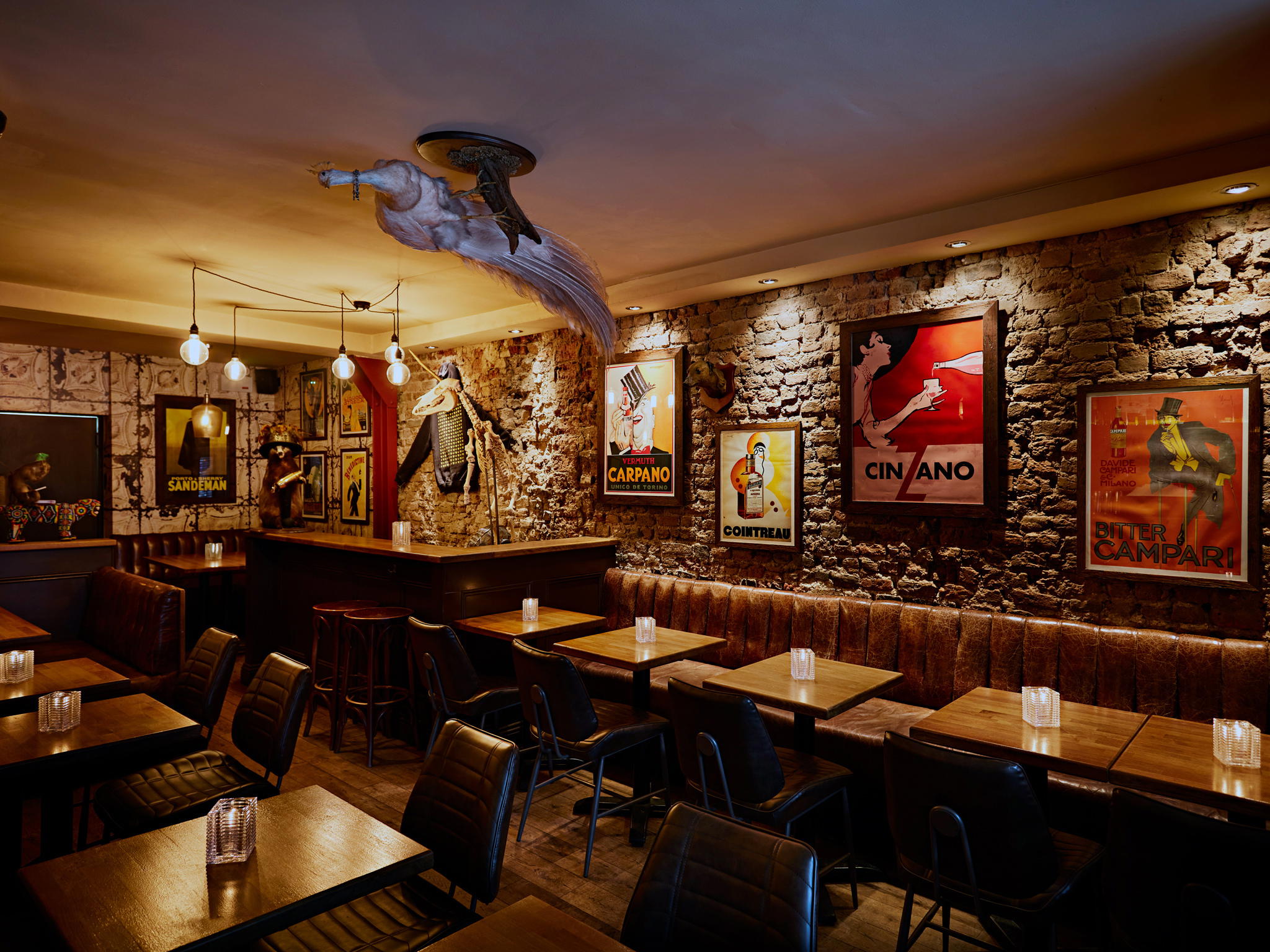
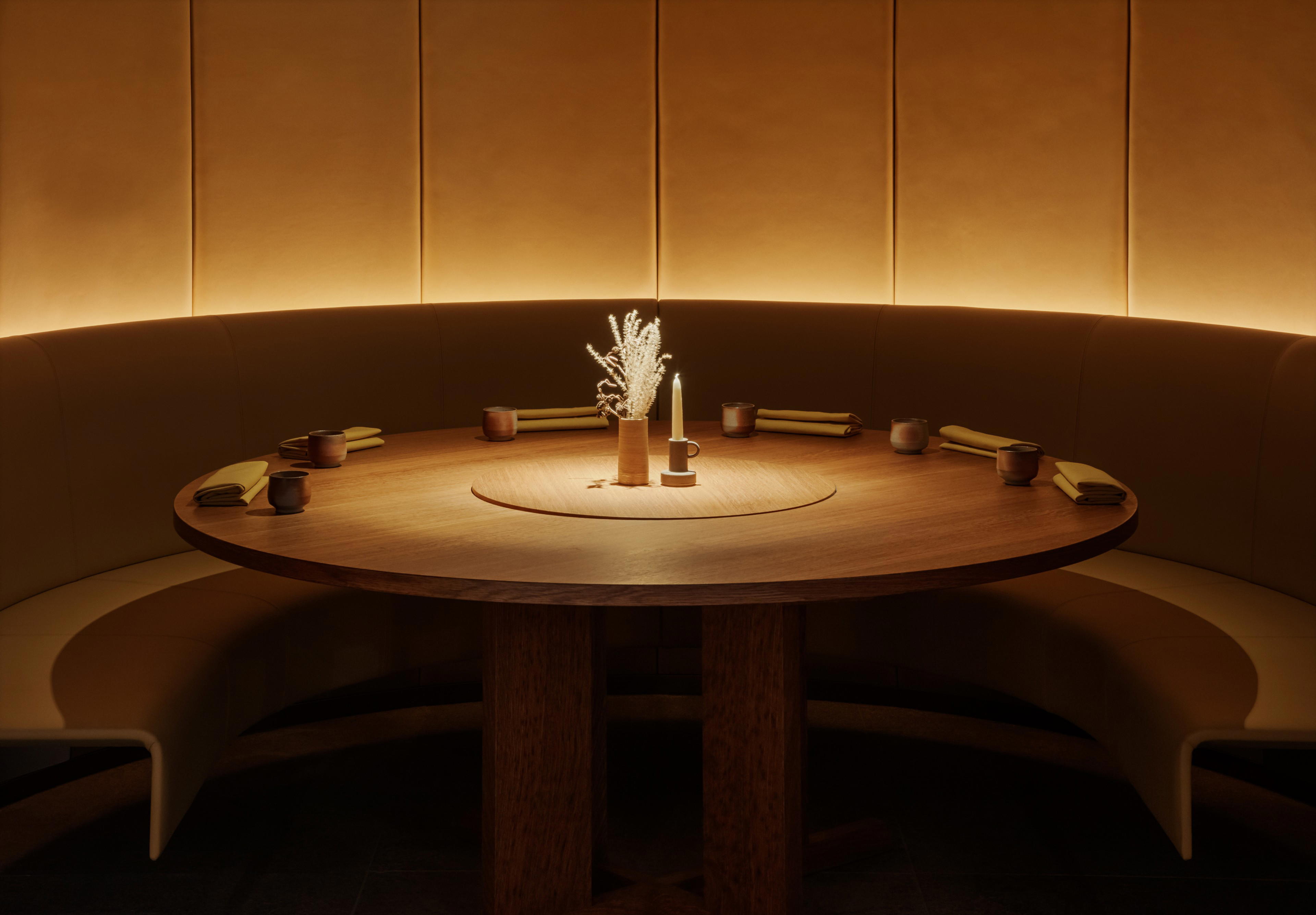
Candlelit room with mismatched vintage wooden furniture, salvaged sharing table, and a cozy, busy atmosphere.