City Winery Washington DC
City Winery Washington DC occupies a former industrial stretch of the NoMa neighbourhood, combining a working urban winery with a live music venue and full-service restaurant. The format sits in a growing category of hybrid hospitality concepts that treat wine production, dining, and performance as a single integrated experience. It draws a crowd that prioritises breadth of programming over singular culinary focus.
 Discover on Pearl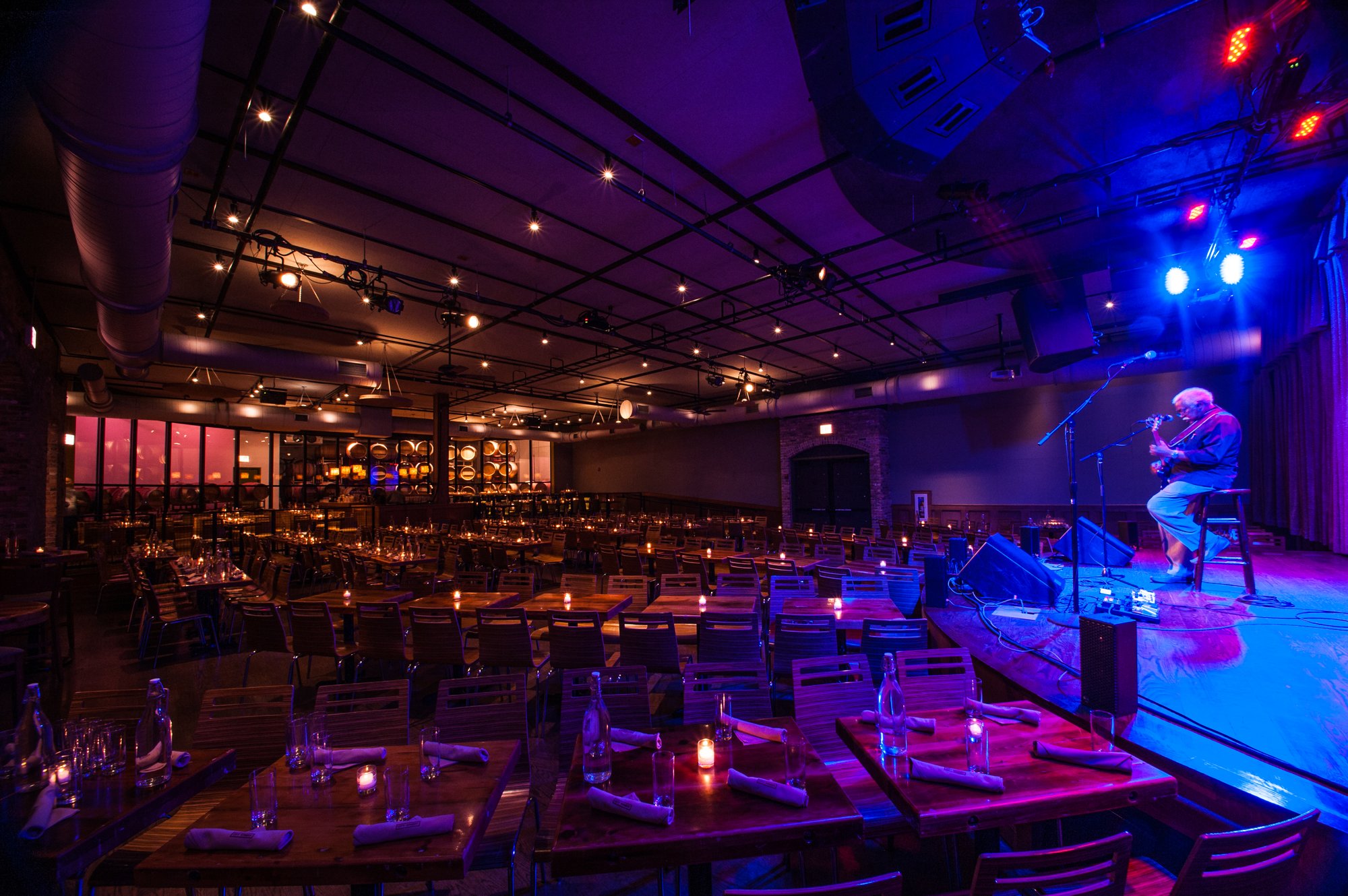
NoMa's Industrial Corridor and What It Produces
Washington DC's NoMa neighbourhood has spent the better part of a decade converting freight infrastructure and warehouse stock into hospitality anchors. The stretch along Okie Street NE sits at the quieter, more purposeful end of that transition: less brunch-strip, more destination requiring intent. Getting there from Capitol Hill or Union Station takes under ten minutes by rideshare, but the approach still carries the texture of a neighbourhood mid-transformation rather than one that has already polished itself into predictability. That context matters for understanding what City Winery Washington DC is and isn't. It doesn't operate like a Penn Quarter restaurant or a Georgetown wine bar calibrated for expense-account crowds. It operates as a production facility with a stage, a dining room, and a winery floor occupying the same building.
The urban winery format itself belongs to a broader movement that has taken hold in cities where the economics of hospitality demand programming density. Rather than filling seats with a single revenue stream, venues in this category layer wine retail, events, private dining, and ticketed concerts into one address. City Winery operates across multiple US cities under this model, and the Washington DC outpost represents its footprint in a market where independent live music venues and mid-tier wine programs have historically had trouble sustaining themselves separately.
What the Format Actually Means for a Visit
Walking into a working winery inside a concert venue recalibrates expectations quickly. The production equipment is visible and functional, not decorative. Fermentation tanks and barrel storage share physical space with the dining floor, which means the ambient environment is industrial in temperature and acoustics rather than curated for intimate conversation. This is a feature for some visitors and a friction point for others.
The programming calendar is the main variable that shapes any given visit. On a concert night, the room is organised around sightlines to the stage, service is structured for volume, and the wine and food program becomes secondary to the ticketed event. On an off-night or during a private event, the space reads differently: more warehouse-like, quieter, with more attention available for the wine list and the production floor itself. Understanding which version of the venue you're booking into is the single most important logistical decision to make before arrival.
Washington DC's dining and drinking culture has shifted meaningfully over the past several years. Bars like Allegory and Silver Lyan have demonstrated that the city can sustain programs with serious technical depth and international recognition. Service Bar built its reputation on hospitality-industry credibility and deliberate craft. 12 Stories operates in a different register entirely. City Winery doesn't compete directly with any of these. Its peer set is the hybrid music-and-hospitality venue category, not the cocktail bar or chef-driven restaurant tier.
The Wine Program in Context
Urban wineries occupy a specific and sometimes contested position in the wine world. Producing wine inside a city using grapes sourced from established growing regions is not a new idea, but it remains a format that traditional wine culture views with some suspicion. The value proposition is transparency: visitors can watch the production process, taste across vintages, and engage with the winemaking calendar in a way that a standard restaurant wine list doesn't allow.
For comparison, hybrid hospitality concepts anchored around wine have worked in different ways across US cities. The format shares some DNA with wine bars in Chicago like Kumiko, which built its reputation on a rigorous Japanese whisky and spirits program, and with venues in New York like Superbueno, which made cocktail programming the anchor of a broader hospitality identity. In each case, the beverage program carries editorial weight. At City Winery, the wine production itself is the credential, and the depth of engagement it enables depends on whether visitors treat the space as a winery first or a concert venue first.
Across the broader US bar and beverage scene, venues that have built lasting credibility tend to commit to a single discipline at depth. Bar Leather Apron in Honolulu, Jewel of the South in New Orleans, Julep in Houston, ABV in San Francisco, and The Parlour in Frankfurt each operate within clearly defined categories with programs calibrated for depth. City Winery's model is deliberately broader, which is both its commercial logic and the reason critical assessment of it requires a different framework.
Who This Works For
The visitor for whom City Winery DC makes most sense is one who is already attending a ticketed event and wants food and wine without leaving the venue, or one with an active interest in the mechanics of urban winemaking who is comfortable with an industrial setting. It also functions as a private event space for groups where the combination of wine production atmosphere and in-house catering is the draw.
It is a less obvious choice for someone seeking a quiet wine-focused dinner, a technically driven cocktail program, or a restaurant experience where culinary execution is the primary point. DC has stronger options for each of those categories, covered in detail in our full Washington, D.C. restaurants guide.
The NoMa location also means this is a venue you visit with purpose rather than one you walk into spontaneously. The neighbourhood's hospitality infrastructure is still developing, which limits the surrounding options for pre- or post-visit additions. That changes the planning calculus compared to venues embedded in denser dining corridors.
Know Before You Go
- Address: 1350 Okie St NE, Washington, DC 20002
- Neighbourhood: NoMa (North of Massachusetts Avenue), approximately 10 minutes from Union Station by rideshare
- Format note: The experience varies substantially depending on whether a concert is scheduled. Check the event calendar before booking.
- Planning advice: Concert-night visits are leading treated as a combined entertainment and dining outing. Non-event visits allow more engagement with the winery floor and wine program.
- Getting there: NoMa-Gallaudet U Metro station (Red Line) is within walking distance. Street parking is available but the area's infrastructure is still maturing.
Frequently Asked Questions
- What should I try at City Winery Washington DC?
- The house-produced wines are the point of distinction at this address. Because the production happens on-site, tasting flights and wines by the glass drawn directly from the facility's own program connect more directly to the venue's identity than the food menu does. The cuisine offering is designed to complement the wine and events format rather than stand alone as a culinary destination.
- What's the standout thing about City Winery Washington DC?
- In a city where the hospitality category has become increasingly specialised, the combination of a working winery, a live music stage, and a full-service dining room under one roof in the NoMa corridor is a format with few direct equivalents. The price point and entry structure also vary significantly depending on whether you're attending a ticketed event, making it one of the more flexible venues in terms of visit types.
- How far ahead should I plan for City Winery Washington DC?
- For concert nights featuring established artists, tickets can sell out weeks or months in advance depending on the act and venue capacity. For standard dining visits on non-event nights, advance planning is less critical. Check the official City Winery website for the current event calendar and ticket availability before making any travel arrangements around a specific show.
- Who tends to like City Winery Washington DC most?
- If you're primarily a live music attendee who also wants a wine-forward food and beverage experience without changing venues between dinner and the show, this format is directly built for you. It also draws wine-curious visitors interested in watching urban production in action. Those whose priority is a narrowly focused culinary or cocktail program are better served by other DC addresses.
- Does City Winery DC operate as part of a national chain, and does that affect the wine quality?
- City Winery operates across multiple cities in the United States, including New York, Chicago, Nashville, and Boston, each functioning as a genuine production winery sourcing grapes from established American wine regions. The multi-city model allows the program to draw from different appellations depending on the vintage and style goals. Whether that distributed production approach competes with dedicated single-estate wineries is a question the urban winery category broadly invites, but the on-site production process is verifiable rather than theatrical at each location.
Peer Set Snapshot
Comparable venues for orientation, based on our database fields.
| Venue | Cuisine | Price | Awards | Notes |
|---|---|---|---|---|
| City Winery Washington DC | This venue | |||
| Allegory | World's 50 Best | |||
| Service Bar | World's 50 Best | |||
| Silver Lyan | World's 50 Best | |||
| Barmini | ||||
| Press Club |
Need a Table?
Our members enjoy priority alerts and concierge-led booking support for the world's most difficult bars and lounges.
Get Exclusive Access