China Family Restaurant at Highland
China Family Restaurant at Highland sits on Airport Boulevard in Austin's Highland corridor, a stretch where everyday Chinese-American dining has held ground through decades of neighbourhood change. The kitchen serves the kind of cooking that sustained local families long before the city's restaurant boom reshaped tastes elsewhere. Straightforward, unpretentious, and positioned in a price tier that makes it accessible for regular visits.
Pearl is the En Primeur Club membership app — saves, bookings, and concierge access live there. Same editors, same standards.
- Address
- 6801 Airport Blvd, Austin, TX 78752
- Phone
- +1 512 520 4171
- Website
- order.toasttab.com
- Directions
- Get directions
 Saves & bookings on Pearl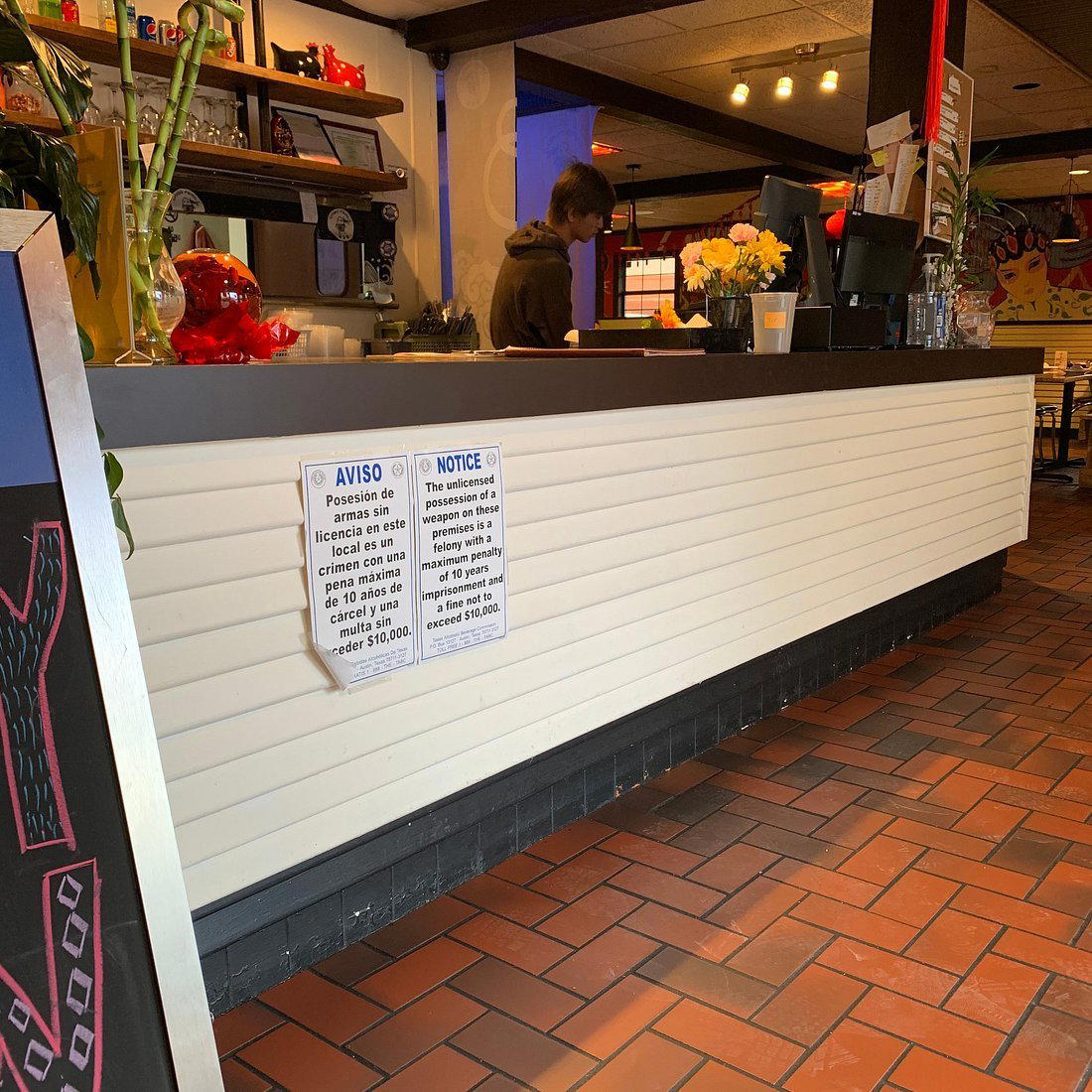
Airport Boulevard and the Chinese-American Dining Tradition in Austin
Austin's restaurant conversation tilts heavily toward its newer corridors: the East Side's bar-forward blocks, South Congress's parade of design-led openings, and the Domain's polished imports. Airport Boulevard, running north through the Highland neighbourhood, operates on a different register. The strip has long supported a category of everyday ethnic restaurant that answers a specific civic need: consistent, affordable, family-oriented cooking for a neighbourhood that predates the city's boom. Its address at 6801 Airport Blvd places it in a corridor where the businesses are measured by repeat customers and household familiarity rather than by column inches in food media.
That positioning matters for understanding what the restaurant actually is. Chinese-American dining in mid-sized American cities occupies a specific and often underexamined role. It is the cuisine of working lunches, family dinners on weeknights, and the kind of institutional familiarity that accumulates over years rather than seasons. Where trendier city-centre openings rotate concepts and menus to maintain press interest, neighbourhood Chinese restaurants tend to build equity slowly, in the trust of regulars rather than the attention of critics.
Ingredient Sourcing and the Logic of the Neighbourhood Table
The editorial angle on ingredient sourcing matters differently here than it does in, say, a farm-to-table context. For Chinese-American restaurants in inland cities like Austin, the sourcing question is less about provenance marketing and more about operational consistency. Texas lacks the coastal seafood infrastructure of Houston or the density of Asian grocery wholesale networks found in larger urban centres like New York or Los Angeles. That reality shapes what any Chinese-American restaurant on Airport Boulevard can practically deliver: a menu grounded in proteins and produce that move reliably through the local supply chain, prepared with techniques that depend more on kitchen skill than on the luxury of daily market sourcing.
This is not a limitation so much as a different set of values. The Chinese-American tradition that developed across mid-American cities through the twentieth century was a cuisine of adaptation, built on available ingredients, modified to local taste, and sustained by family-run kitchens with deep institutional knowledge of what their particular community wanted. That form of cooking carries its own integrity. It requires consistency rather than novelty, and it rewards kitchens that have refined their approach over time rather than those chasing seasonal pivots.
Austin's broader food scene has, in recent years, developed a stronger Asian dining presence: the city now supports ramen specialists, Sichuan-focused kitchens, and a growing number of Vietnamese restaurants with regional specificity. Within that expanding context, a family-oriented Chinese restaurant on Airport Boulevard occupies the older tier of that story, representing the category that existed before the city developed the demographic density to support more regionally specific Chinese cooking styles.
The Highland Corridor in Context
Highland as a neighbourhood sits between the concentrated dining scenes of East Austin and the Domain. It is not a destination food area in the way those zones are, which means restaurants here are serving a different type of customer: one who lives or works nearby rather than one who has made a cross-city trip for a specific experience. The practical implication for anyone deciding whether to visit is that China Family Restaurant at Highland is understood as a neighbourhood resource rather than a destination. That is not a diminishment. In a city that generates enormous volume of destination-dining content, the restaurants that sustain local households daily are doing something the trend-driven sector does not.
For visitors staying near the Highland area or heading to or from Austin-Bergstrom International Airport along the corridor, the location makes direct geographic sense. For food-focused travellers building a broader Austin itinerary, it fits as a lower-key counterpoint to the city's louder dining experiences, a place to eat simply without the overhead of a reservation process or the expectation management that comes with highly publicised openings.
Where It Sits in Austin's Dining Tier Structure
Austin's dining market has stratified considerably over the past decade. At the upper end, there are tasting menus and chef-driven concepts drawing national attention. In the middle sits a dense and competitive casual dining segment. At the accessible end, neighbourhood-specific restaurants like China Family Restaurant at Highland serve price-sensitive regulars for whom consistency and value matter more than occasion-dining ambition. Its price point fits an accessible tier, with an average spend around $15 per person.
For context on Austin's wider hospitality range: the city's bar scene has produced nationally recognised programs at venues like Nickel City and 2500 E 6th St, while Aba Austin and Antone's Nightclub anchor different ends of the city's hospitality culture. China Family Restaurant at Highland operates outside that recognised tier entirely, which is precisely what defines its role. Comparable positioning in other cities can be found in the neighbourhood-facing end of the market rather than in destination dining guides. Across the country, cities support this category of restaurant without much critical infrastructure around it: it is a category better measured by longevity and repeat business than by awards or media recognition.
For those building a broader regional picture, the bar and dining cultures in cities like Houston (see Julep in Houston), Chicago (Kumiko in Chicago), New York (Superbueno in New York City), San Francisco (ABV in San Francisco), New Orleans (Jewel of the South in New Orleans), Honolulu (Bar Leather Apron in Honolulu), and Frankfurt (The Parlour in Frankfurt on the Main) all show how neighbourhood-level food culture differs from a city's headline dining scene. Austin is no different: its food identity is not only expressed in its recognised venues. See our full Austin restaurants guide for a broader map of where the city's dining sits.
Planning a Visit
| Consideration | China Family Restaurant at Highland | Typical Austin Destination Dining |
|---|---|---|
| Booking required | Not confirmed; walk-in likely | Often weeks in advance |
| Price orientation | Neighbourhood/accessible tier | Mid to high, varies |
| Travel purpose | Local errand, airport corridor stop | Cross-city destination visit |
| Critical recognition | Not on record | Michelin, 50 Best, James Beard |
| Leading timing | Weekday lunch or family dinner hour | Depends on format |
Similar Picks
| Venue | Cuisine | Price |
|---|---|---|
| China Family Restaurant at HighlandThis venue — the venue you are viewing | This venue | Not listed |
| Flourish Plant Shop & Wine Bar | Wine bar/light bites | Wine bar/light bites |
Continue exploring
More in Austin
Bars in Austin
Browse all →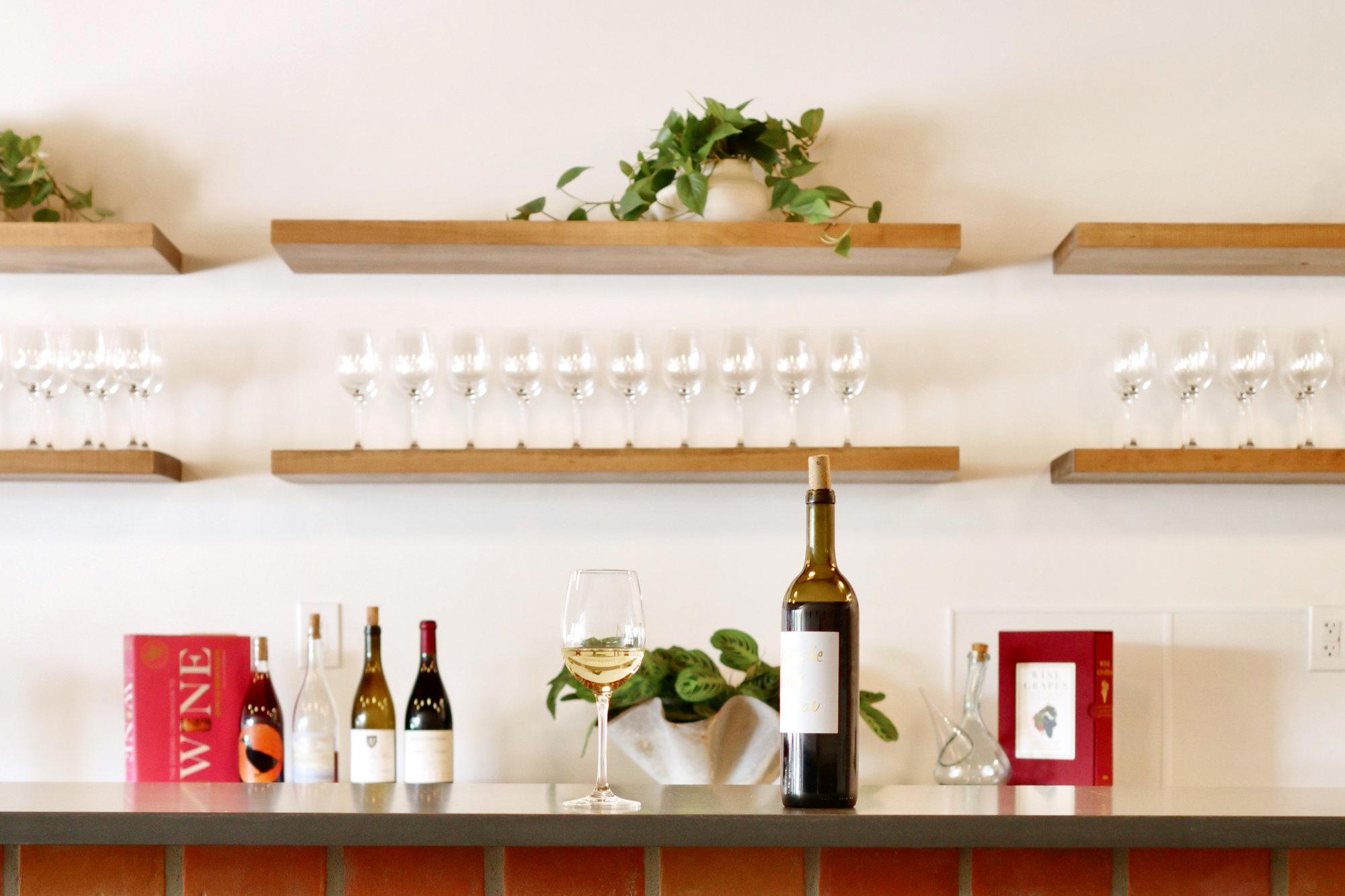
Restaurants in Austin
Browse all →
Hotels in Austin
Browse all →
At a Glance
- Cozy
- Casual
- Group Outing
- Casual Hangout
- After Work
- Live Music
- Seated Bar
- Lounge Seating
- Craft Beer
Current opening hours
- Monday
- 11 AM–2:30 PM, 4:30–9:30 PM
- Tuesday
- 11 AM–2:30 PM, 4:30–9:30 PM
- Wednesday
- 11 AM–2:30 PM, 4:30–9:30 PM
- Thursday
- 11 AM–2:30 PM, 4:30–9:30 PM
- Friday
- 11 AM–10 PM
- Saturday
- 11 AM–10 PM
- Sunday
- 11 AM–9:30 PM
Hours can change for holidays and private events. Last verified .
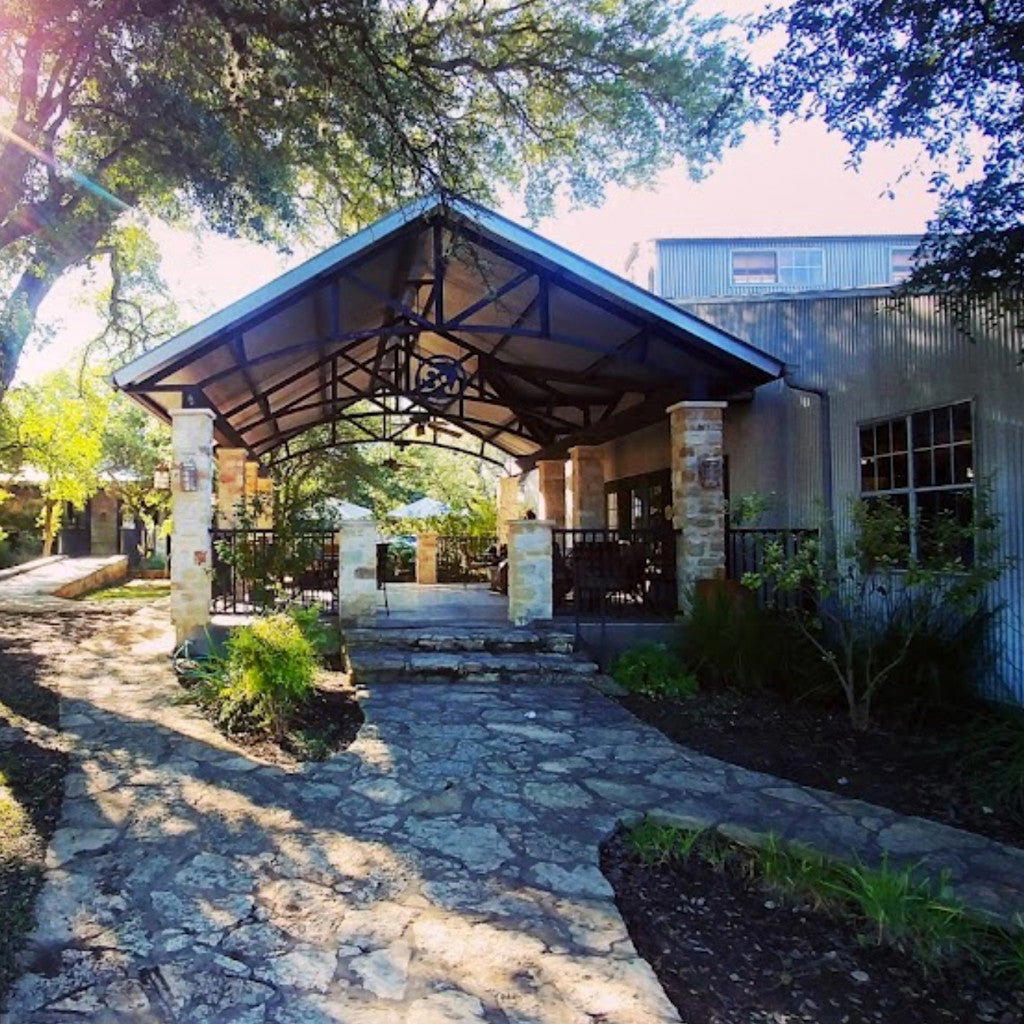
Warm and inviting atmosphere with nicely decorated interior, described as a no-frills spot with authentic charm.
Know Before You Go
- Getting there
- 6801 Airport Blvd, Austin, TX 78752