Cattlemen's Steakhouse
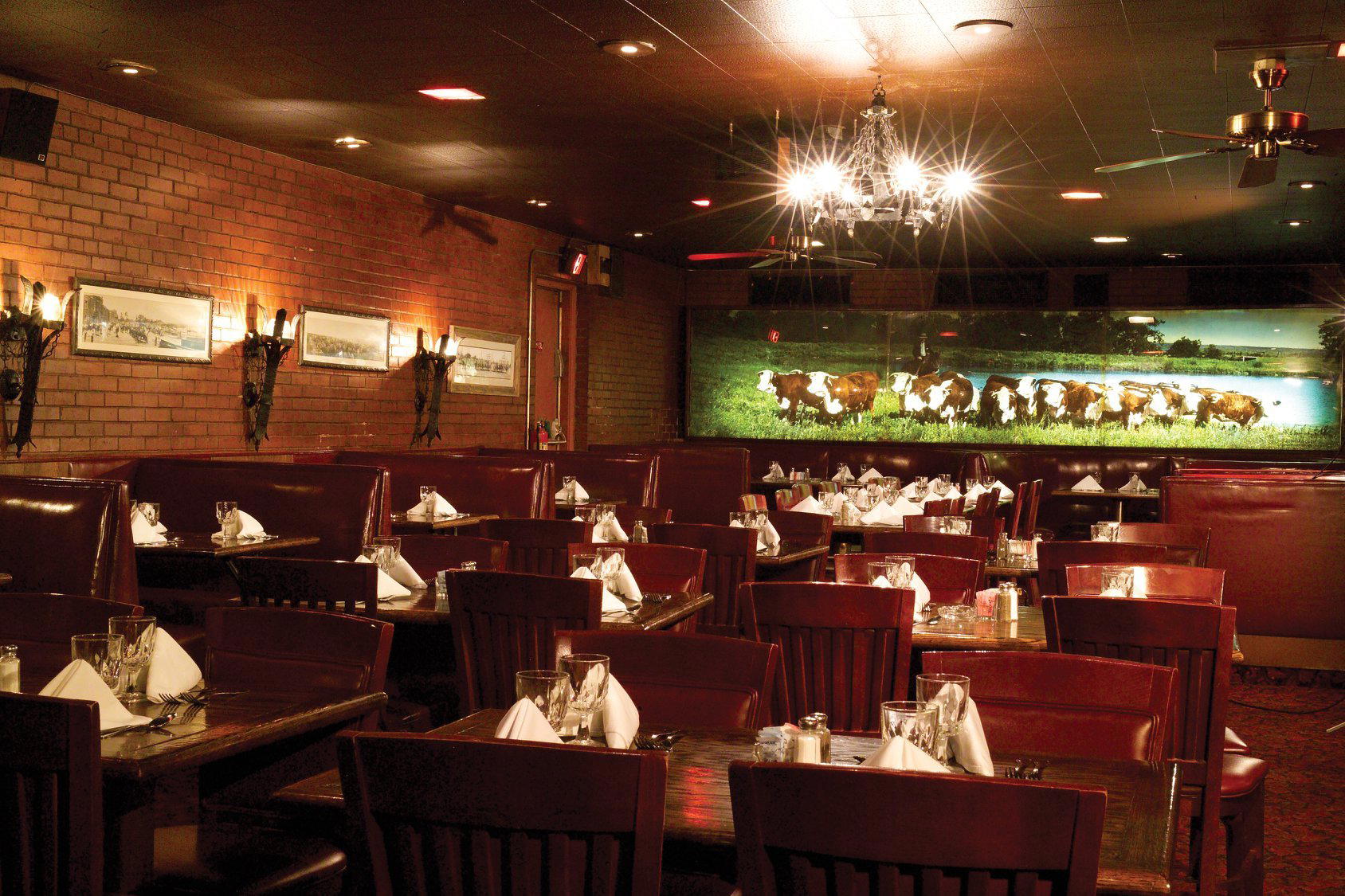
Cattlemen's Steakhouse on South Agnew Avenue has anchored the Oklahoma City Stockyards district long enough to become a reference point for the city's beef culture rather than a participant in it. The room operates at the intersection of working history and serious carnivore intent, with a back bar and atmosphere that reflect decades of accumulated character rather than designed nostalgia.
 Discover on Pearl
Pearl is the En Primeur Club membership app — saves, bookings, and concierge access live there. Same editors, same standards.
- Address
- 1309 S Agnew Ave, Oklahoma City, OK 73108
- Phone
- +1 405 236 0416
- Website
- cattlemensrestaurant.com
The Stockyards Standard
Oklahoma City's relationship with beef is structural, not fashionable. The Stockyards district along South Agnew Avenue grew around livestock commerce that moved through this part of the city for most of the twentieth century, and the dining culture that developed alongside it was shaped by practical appetite rather than culinary trend. Cattlemen's Steakhouse sits within that tradition at 1309 S Agnew Ave, a position that carries more meaning than a street address usually does. To understand the room, you first need to understand the neighborhood: this is not a steakhouse that arrived to capitalize on a revived district. The district built itself around operations like this one.
American steakhouse culture has fragmented sharply over the past two decades into nationally branded chain formats on one end and chef-driven, dry-aged concept restaurants on the other. The Stockyards tradition that Cattlemen's represents sits outside both categories. It occupies a tier defined by institutional continuity, where the measure of a steakhouse is its relationship to the cattle trade itself rather than to any contemporary dining movement. That positioning is increasingly rare in the South-Central region, where newer urban steakhouse formats have displaced many of their predecessors.
A Back Bar With Accumulated Depth
The editorial angle most travelers miss when approaching a room like this is the bar program. Oklahoma's liquor history is complicated: the state maintained prohibition-era restrictions longer than most of the country, and the layered regulations that followed shaped what serious drinking looked like here for generations. That context matters when reading a back bar in the Stockyards district, because the spirits collections that developed in this environment did so under constraint, which tends to produce either very shallow programs or collections built with unusual intentionality.
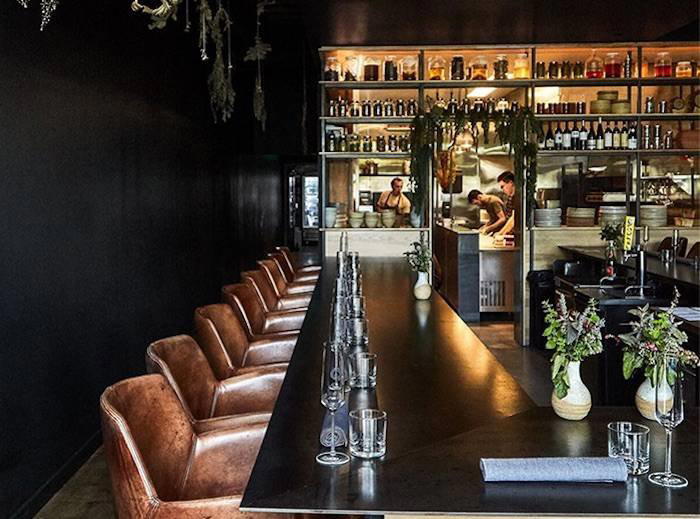
Cattlemen's back bar reflects the latter instinct. American whiskey is the dominant register here, as it is across most of the South-Central corridor, but the depth of a collection in this neighborhood context signals something about institutional seriousness that a curated cocktail menu in a newer room cannot replicate. The bottles on a back bar in a room that has operated across multiple decades carry the weight of accumulated decisions rather than a single opening-night curation exercise. That is a different kind of intelligence about spirits, and it reads differently to a guest who knows what they are looking at.
For travelers who have spent time with programs like Bar Leather Apron in Honolulu or the Japanese-influenced curation at Kumiko in Chicago, the Cattlemen's approach will read as categorically different. Where those rooms build collections around a designed philosophy, a Stockyards back bar accumulates over time. The contrast is useful rather than hierarchical. Similarly, the cocktail precision at Jewel of the South in New Orleans or the spirit-forward intelligence at ABV in San Francisco represents a different tradition entirely from what this room offers. Knowing which tradition you are walking into shapes how you read the experience.
Oklahoma City's broader bar scene has developed meaningfully in recent years. Venues like Bar Arbolada and Delmar Gardens represent a newer wave of intentional program-building in the city. The EMPIRE BILLIARD KITCHEN LOUNGE format and the smoke-driven approach at Bedlam BAR-B-Q Dine in and patio show the range of what the city now offers beyond its historical anchors. Cattlemen's exists in conversation with all of it, not as a relic but as a baseline against which the newer wave can be measured.
What the Room Teaches You
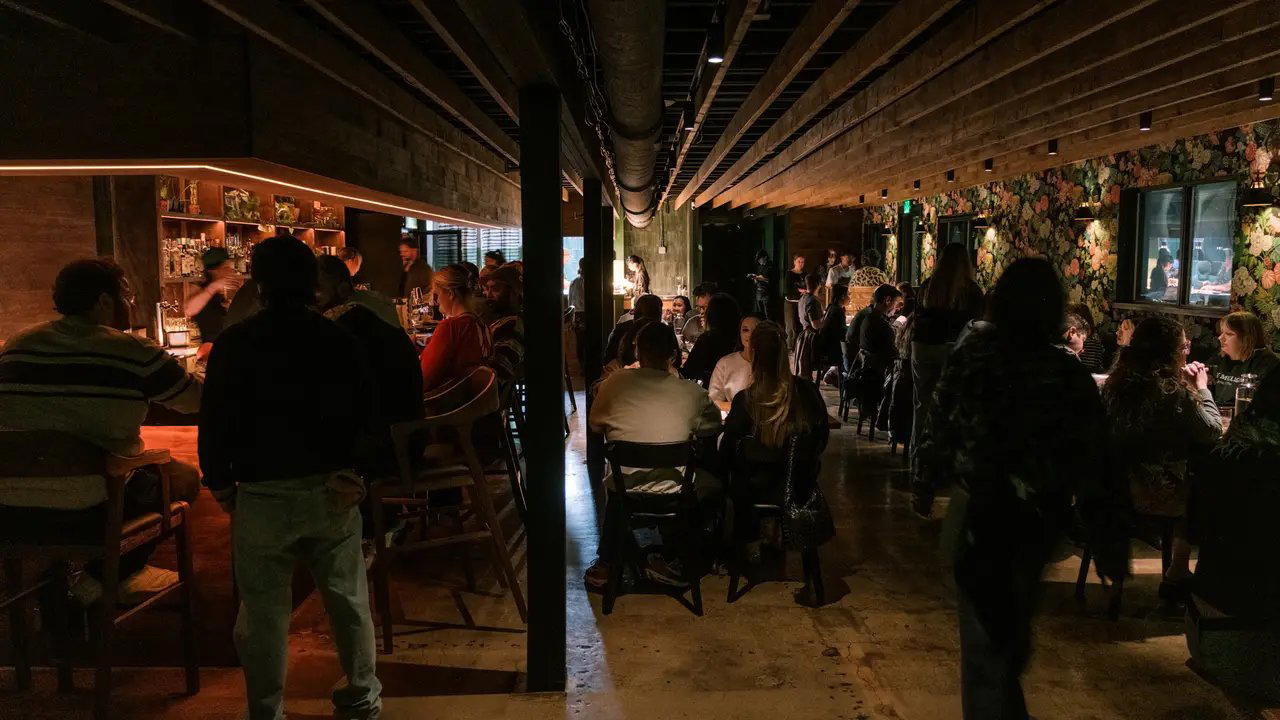
The physical environment at South Agnew Avenue is honest in a way that designed-nostalgia rooms rarely are. The patina here is not applied. Steakhouse interiors that have operated across decades accumulate a specific texture, a quality of worn-in material that no renovation budget can manufacture convincingly. The Stockyards setting reinforces this: the district's working-history character seeps into every room along this stretch, and Cattlemen's absorbs it rather than curating around it.
Regional dining culture in Oklahoma operates with less self-consciousness than equivalent rooms in Dallas or Kansas City, where the steakhouse has become a prestige format subject to extensive media narrative. The directness of the Oklahoma City approach, where a room earns its reputation through repetition and consistency rather than press attention, makes spaces like this one harder to read for first-time visitors but more rewarding once the frame shifts. There is something useful in comparing this to the studied regional specificity of Julep in Houston or the transparent program philosophy at Superbueno in New York City: those rooms make their intentions visible, while a room like Cattlemen's requires the guest to do more interpretive work. Both approaches are valid. The older format simply asks more of the visitor.
European travelers who have encountered the calibrated hospitality formats of rooms like The Parlour in Frankfurt on the Main will find the register here considerably less formal. American steakhouse culture at the institutional end operates on familiarity and volume rather than ceremony, and the Stockyards district inflects that even further toward directness. Neither approach is a compromise. They are different traditions serving different needs.
Planning Your Visit
Cattlemen's Steakhouse sits in the Stockyards City district of Oklahoma City, accessible from downtown via a short drive southwest along SW 10th Street or directly via South Agnew Avenue. The Stockyards area has its own internal logic: arrive with time to walk the district before or after your meal, particularly if you have not visited before, as the surrounding commercial and historical environment provides context that makes the room itself more legible.
- Legendary Margarita
- Tito's American Mule
- California Crush
- Cowboy Lemonade
- Negroni
- Paniolo Mai Tai
Cost Snapshot
Comparable venues nearby, for context on price, style, and recognition.
| Venue | Cuisine | Price | Awards | Notes |
|---|---|---|---|---|
| Cattlemen's SteakhouseThis venue — the venue you are viewing | Stockyards City, lounge | $$$ | , | |
| Stella Modern Italian Cuisine | $$$ | , | Midtown, wine_bar | |
| Iguana Mexican Grill | Automobile Alley, pub | $$ | , | |
| Sauced on Paseo | $$ | , | Paseo Arts District, cocktail_bar | |
| Bedlam BAR-B-Q Dine in and patio | $$ | , | near Lincoln and Interstate-44, pub | |
| REV Mex | $$ | , | Midtown, cocktail_bar |
Continue exploring
More in Oklahoma City
Bars in Oklahoma City
Browse all →
Restaurants in Oklahoma City
Browse all →

At a Glance
- Rustic
- Iconic
- Classic
- Group Outing
- Casual Hangout
- Celebration
- Historic Building
- Standalone
- Seated Bar
- Booth Seating
- Classic Cocktails
- Tequila
Western atmosphere with down-home cafe feel, piped country and western music, historic decor reflecting cattle industry heritage.
- Legendary Margarita
- Tito's American Mule
- California Crush
- Cowboy Lemonade
- Negroni
- Paniolo Mai Tai