Casa Del Vino Firenze on Via dell'Ariento sits in the San Lorenzo quarter, where the city's market trade and wine culture have overlapped for centuries. The enoteca format here is less about performance and more about the daily ritual of wine by the glass alongside simple food, a tradition that predates Florence's modern bar scene by generations. It serves the kind of crowd that knows what it wants and arrives accordingly.
Pearl is the En Primeur Club membership app — saves, bookings, and concierge access live there. Same editors, same standards.
- Address
- Via dell'Ariento, 16r, 50123 Firenze FI, Italy
- Phone
- +39 347 065 0843
- Directions
- Get directions
 Saves & bookings on Pearl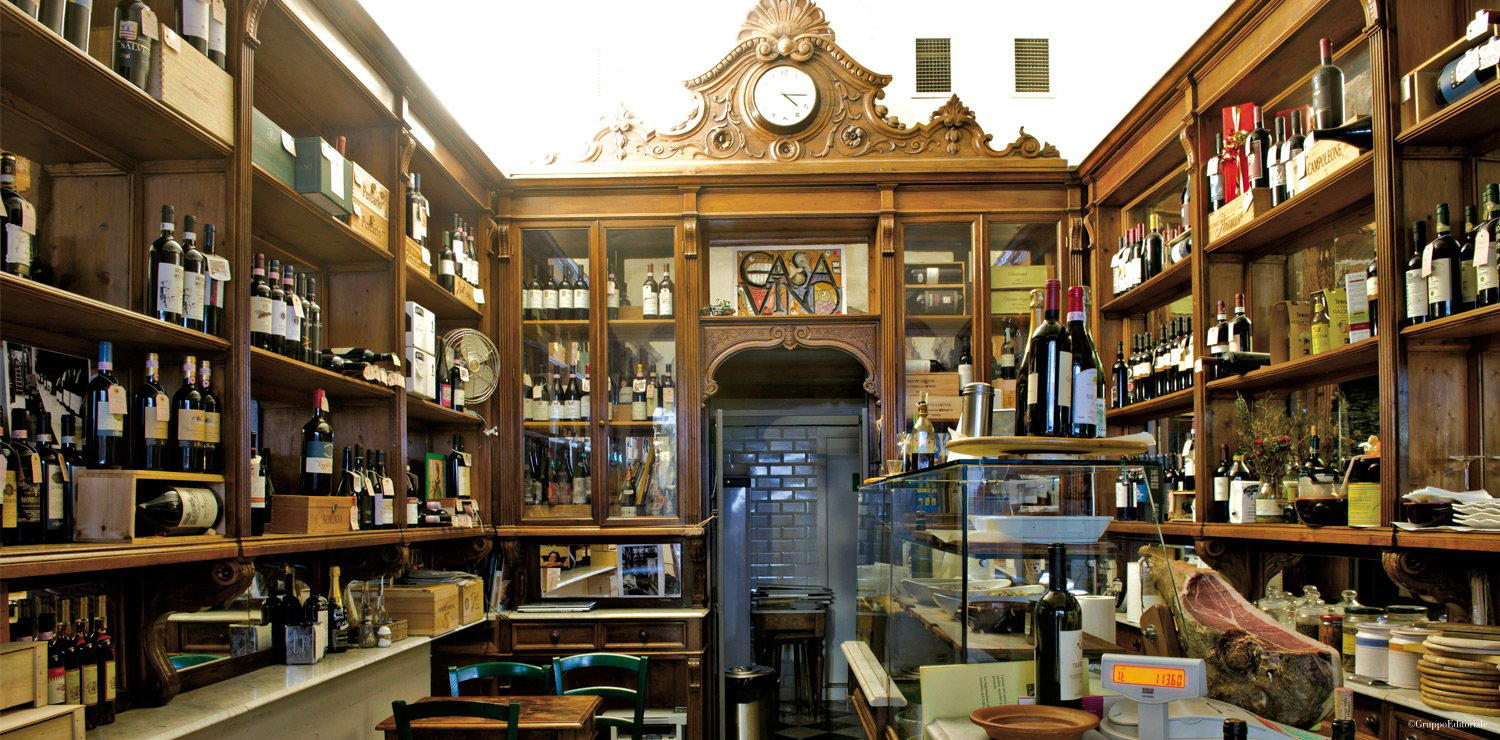
Wine by the Glass in the San Lorenzo Quarter
Florence's relationship with wine is not a recent affectation. The city's enoteca culture runs through the same streets where Florentine merchants once traded cloth and grain, and the San Lorenzo market district carries that continuity more visibly than most. Via dell'Ariento sits at the edge of the covered market, a street where stallholders, neighbourhood regulars, and curious visitors share the same narrow pavement. Casa Del Vino Firenze belongs to that setting in a way that newer wine bars in the Oltrarno or around Santa Croce do not. It is the kind of place that functions as a neighbourhood fixture rather than a destination constructed around one.
The enoteca as a format has its own cultural logic in Tuscany. It predates the modern wine bar concept by several decades, operating somewhere between a wine merchant, a lunch counter, and an informal social space. Regulars arrive, order a glass from a selection weighted toward the region, eat a quick plate of cured meat or a sandwich, and leave without ceremony. The format doesn't ask much of the visitor, and in return it offers access to a social rhythm that is genuinely Florentine rather than staged for tourists. Casa Del Vino sits comfortably within that category.
What the San Lorenzo Context Means for the Visitor
The San Lorenzo market area operates on a different schedule from Florence's more photogenic districts. The Mercato Centrale and the surrounding stalls draw a working crowd in the mornings, and the streets thin out differently from the tourist circuits around the Duomo or the Ponte Vecchio. A wine stop on Via dell'Ariento fits a particular kind of day in Florence: one that has started at the market, involves some time on foot across the city's northern grid, and doesn't follow a reservation-led itinerary.
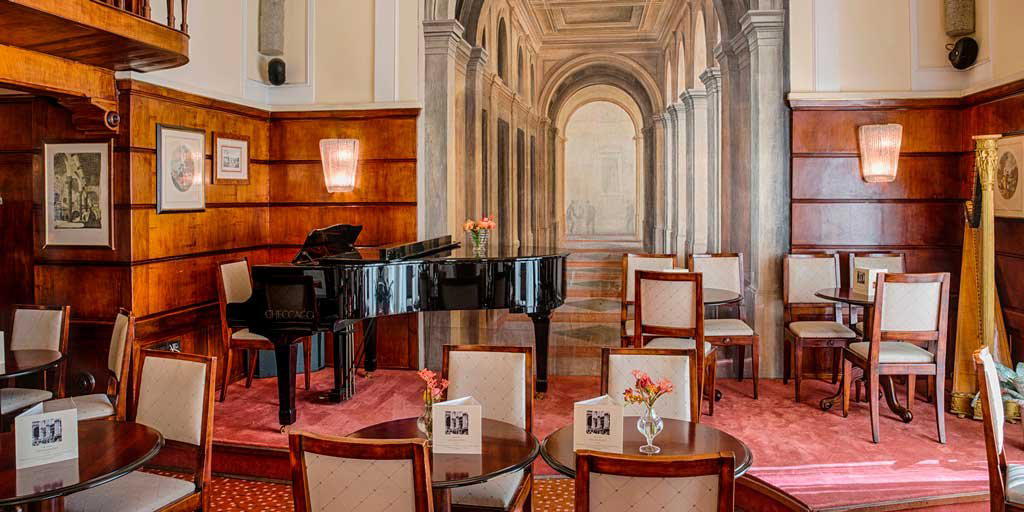
This matters because Florence's bar and enoteca scene has bifurcated sharply over the past decade. On one side sit the cocktail-forward venues that have absorbed Italian bartending's growing international profile. Gucci Giardino represents the design-and-spirits end of that spectrum, while Locale Firenze and the Atrium Bar address a clientele that wants a structured bar program in an atmospheric space. BABAE represents a more contemporary natural wine and aperitivo format. Casa Del Vino occupies a different position entirely: it belongs to the older enoteca tradition that these newer venues have largely moved away from. Neither tier is more legitimate than the other, but they serve different moments in a visitor's day.
The Cultural Grammar of the Tuscan Enoteca
To understand what Casa Del Vino offers, it helps to understand what an enoteca historically was. In Tuscany, the term described a place that held wine for sale and often allowed consumption on the premises, sometimes with simple food provided to accompany it. The model evolved from the medieval concept of the fiasco, the straw-wrapped bottle sold by the litre that Florentine producers used to supply city drinkers. By the twentieth century, the enoteca had become a fixture of Florentine daily life: informal, wine-led, and structured around the glass rather than the bottle.
The Chianti region's proximity to Florence has always shaped what a Florentine enoteca pours. Sangiovese in its various forms, from direct Chianti Classico to the more complex Riserva and Gran Selezione designations, makes up the backbone of any wine list in this tradition. The format pairs naturally with Tuscan charcuterie: finocchiona, the fennel-spiced salami that is as specifically Florentine as any preparation in the region, along with lardo di Colonnata and aged pecorino. These combinations are less about sophisticated pairing theory and more about the accumulated logic of centuries of local production and consumption.
For context on how similar traditions play out elsewhere in northern and central Italy, Enoteca Historical Faccioli in Bologna and Al Covino in Venice both operate within their own regional versions of the enoteca model, each weighted toward local production and a similar informal register. The comparison is useful: Venice's bacaro culture and Bologna's osteria tradition share the same underlying logic as Florence's enoteca circuit, where the point is access to regional wine without the apparatus of a full restaurant.
How Casa Del Vino Fits a Florence Itinerary
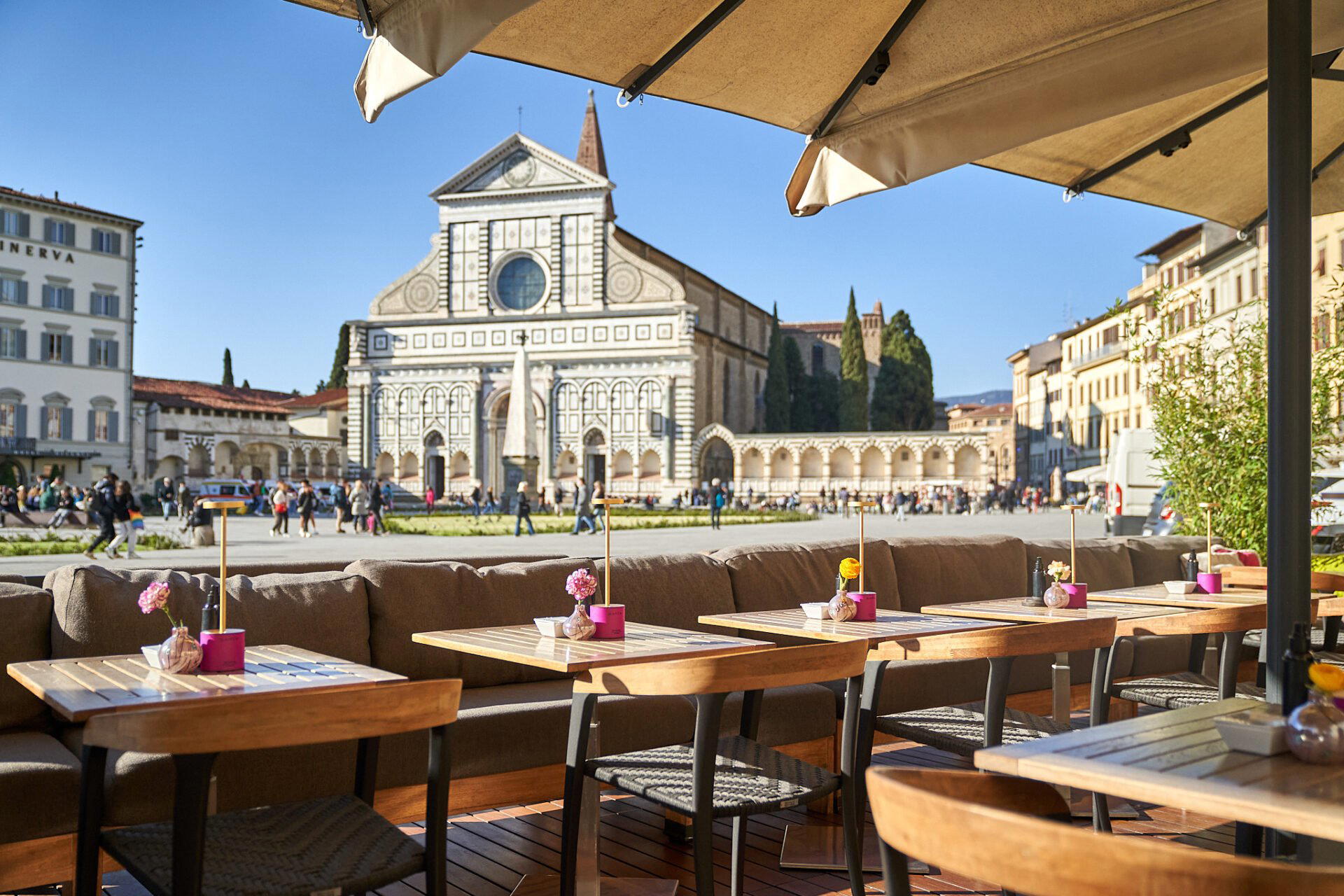
The practical case for Casa Del Vino rests on timing and location. The Via dell'Ariento address places it within easy reach of the Mercato Centrale, the Basilica di San Lorenzo, and the northern grid of streets that connects to the train station. A midday stop between market hours and an afternoon in the Medici chapel makes geographic sense. The enoteca format also suits the kind of visitor who wants a glass of Chianti and something to eat without committing to a full trattoria sitting, which in the San Lorenzo area can mean navigating a stretch of tourist-facing menus of variable quality.
Italy's cocktail capital conversation has recently concentrated on 1930 in Milan and Drink Kong in Rome, with Naples producing its own distinct tradition through places like L'Antiquario. Florence sits slightly outside that cocktail-focused conversation, which is part of why its enoteca and wine bar culture remains the more interesting story for visitors whose primary interest is in Italian wine rather than Italian bartending.
For those travelling more broadly and curious about how informal wine and drinks culture operates in other European contexts, Lost & Found in Nicosia and Bar Leather Apron in Honolulu represent how the high-quality informal bar format has translated into very different geographic and cultural settings.
Planning a Visit
Casa Del Vino Firenze is located at Via dell'Ariento, 16r, in the San Lorenzo district of central Florence, approximately ten minutes on foot from Santa Maria Novella station and a similar distance from the Duomo. The San Lorenzo area is walkable from most central accommodation. The enoteca format typically operates on a walk-in basis, which suits the neighbourhood's rhythm and the format itself: this is not a reservation-led space, and the value of arriving without a plan is part of what the model offers.
Cost Snapshot
A small set of peers for context, based on recorded venue fields.
| Venue | Awards |
|---|---|
| Casa Del Vino FirenzeThis venue — the venue you are viewing | Not listed |
| Locale Firenze | World's 50 Best |
Continue exploring
More in Florence
Bars in Florence
Browse all →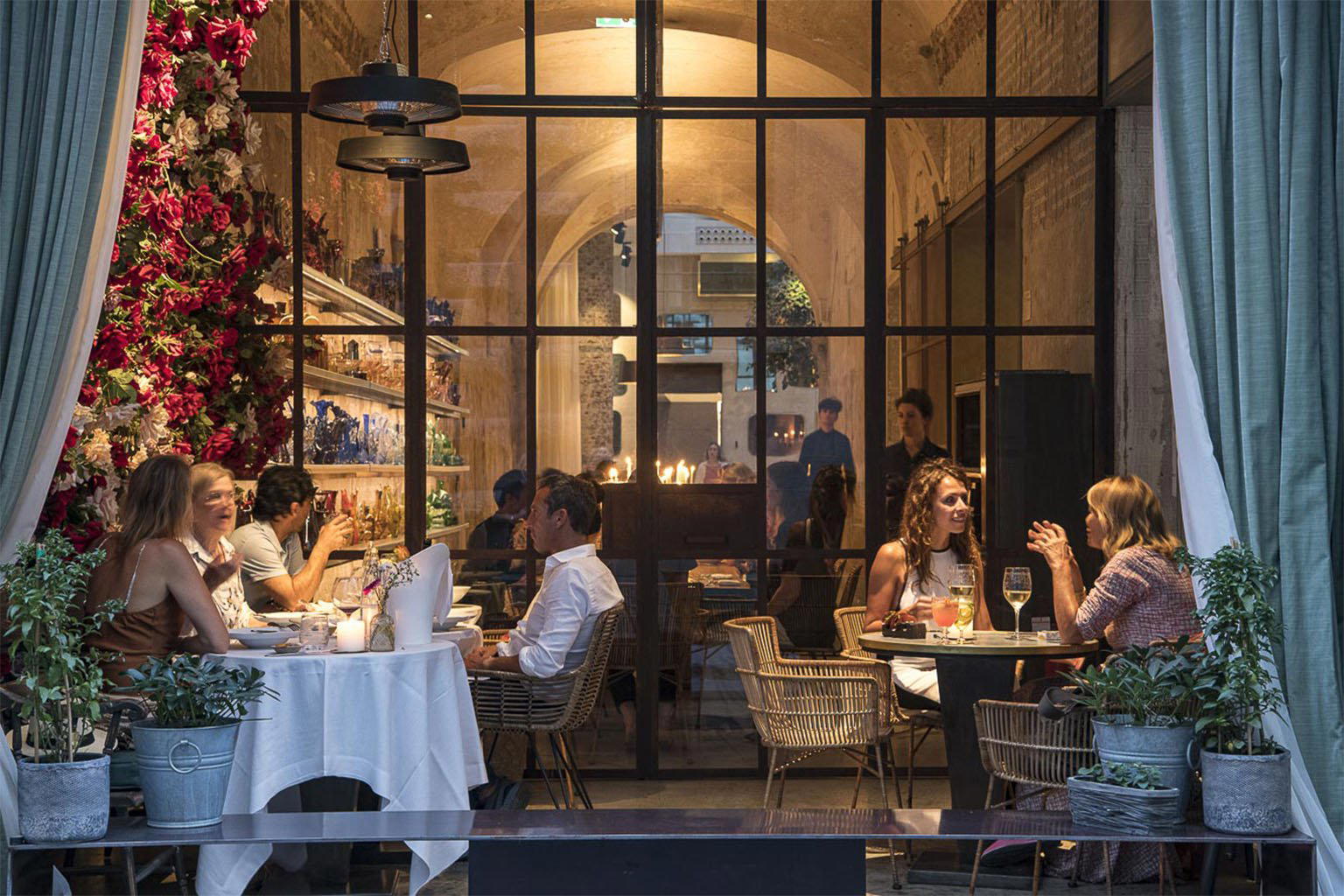
Restaurants in Florence
Browse all →
Hotels in Florence
Browse all →
At a Glance
- Rustic
- Cozy
- Classic
- Intimate
- Casual Hangout
- After Work
- Historic Building
- Seated Bar
- Counter Only
- Natural Wine
- Conventional Wine
Current opening hours
- Monday
- 10 AM–3:30 PM
- Tuesday
- 10 AM–3:30 PM
- Wednesday
- 10 AM–3:30 PM
- Thursday
- 10 AM–10 PM
- Friday
- 10 AM–10 PM
- Saturday
- 10 AM–10 PM
- Sunday
- Closed
Hours can change for holidays and private events. Last verified .
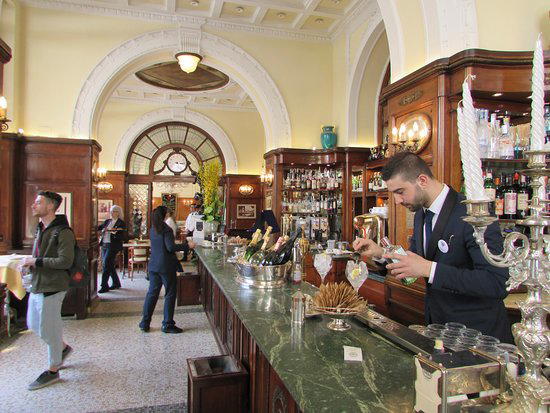
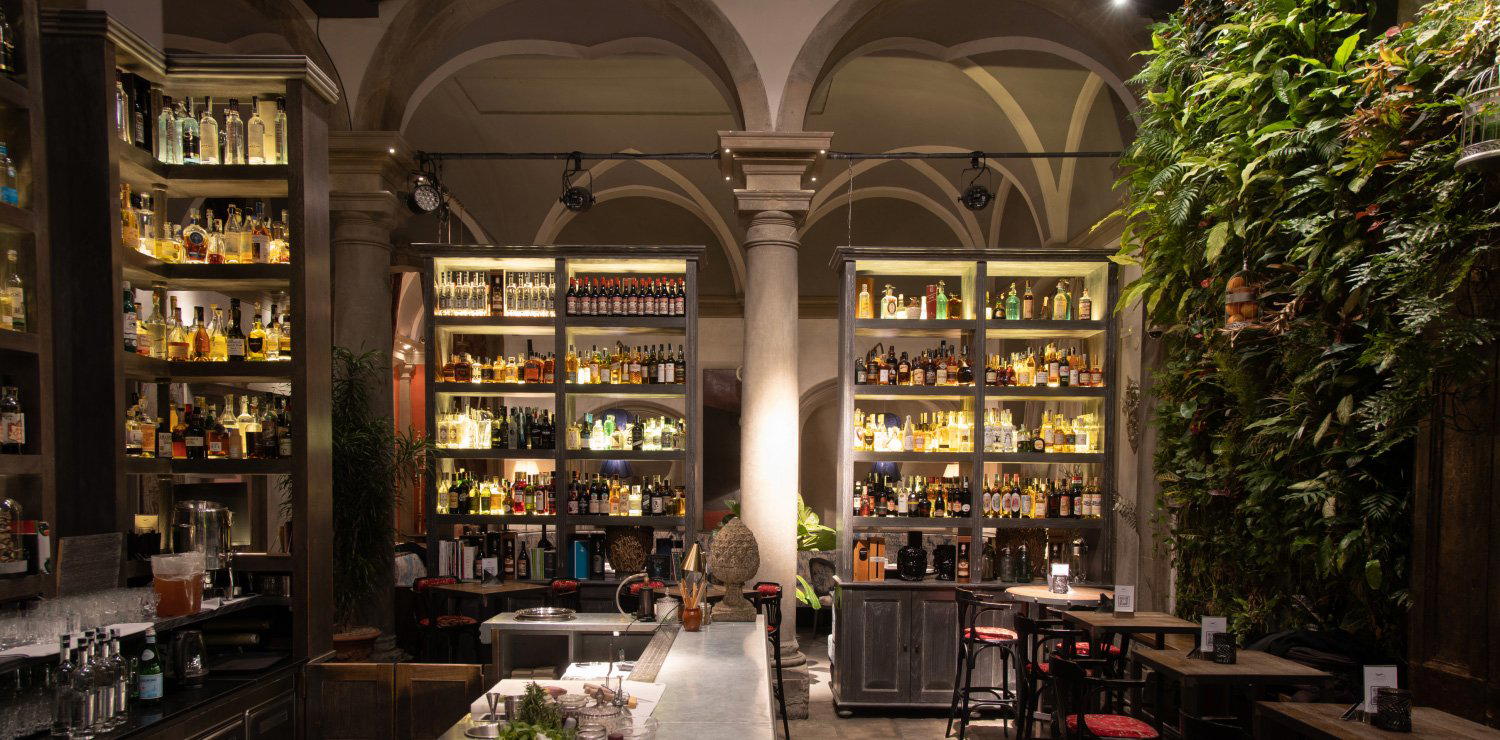
Cozy with polished wooden interior, rustic wood details, and marble countertops creating a classic old-school enoteca feel.
Know Before You Go
- Getting there
- Via dell'Ariento, 16r, 50123 Firenze FI, Italy