Bulegreen Cafe Yard
Bulegreen Cafe Yard occupies a stretch of North Dixie Highway in Oakland Park, a corridor that has quietly accumulated independent food-and-drink operators over the past decade. The cafe format places it in a tier where daytime programming and a considered drinks list overlap, making it a reference point for the neighborhood's evolving cafe culture.
Pearl is the En Primeur Club membership app — saves, bookings, and concierge access live there. Same editors, same standards.
- Address
- 3299 N Dixie Hwy, Oakland Park, FL 33334
- Phone
- +1 954 530 5852
- Website
- bulegreen.us
- Directions
- Get directions
 Saves & bookings on Pearl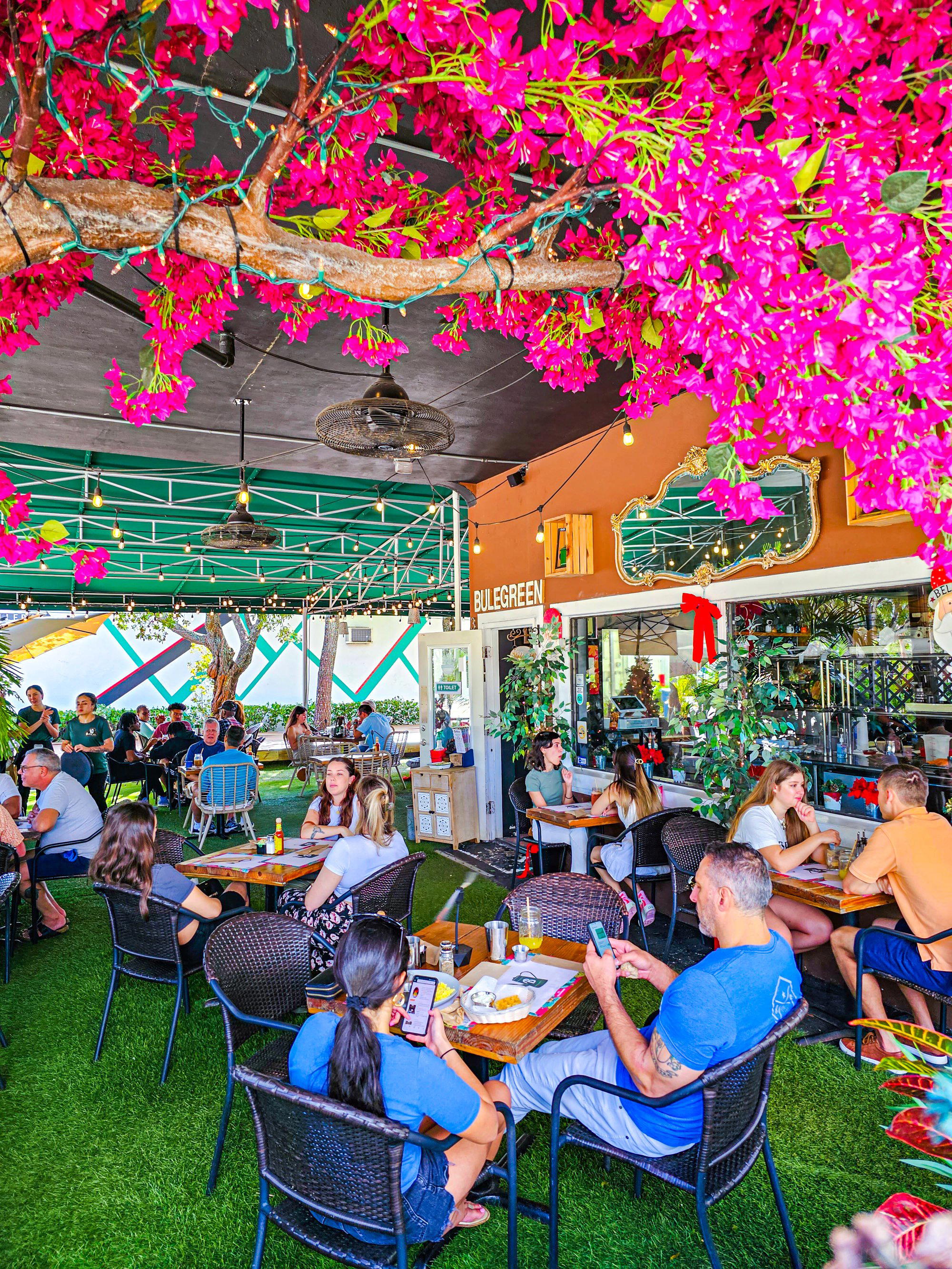
North Dixie Highway and the Case for the Neighborhood Cafe Bar
Oakland Park sits between Fort Lauderdale's bar district and Wilton Manors' more concentrated hospitality corridor, which means venues along N Dixie Highway operate in a space that rewards loyalty over foot traffic. The stretch of 33334 is not a destination dining cluster; it is a working neighborhood road where the businesses that endure tend to do so because they serve a regular community rather than a tourist circuit. Bulegreen Cafe Yard, at 3299 N Dixie Hwy, occupies exactly that kind of position.
In South Florida's broader bar and cafe scene, the venues that develop real character on arterial roads like Dixie Highway tend to function as hybrid spaces: part cafe, part gathering point, with the outdoor or semi-outdoor yard format common to the region's climate. The "yard" designation in a venue name across South Florida typically signals an intention to use exterior space as the primary social zone rather than an afterthought patio. That spatial logic shapes how drinks programs and menus develop, because the experience is built around lingering rather than turnover.
How the Spirits Conversation Reaches the Neighborhood Bar
Across the United States, there has been a documented shift in how independent neighborhood bars approach their back bar. The craft spirits movement of the 2010s, combined with the bourbon allocation cycle and the agave spirits expansion that accelerated through the early 2020s, pushed even modest operations to develop more considered pours than a previous generation of neighborhood spots would have offered. This is not a development confined to acclaimed urban programs like Kumiko in Chicago, Jewel of the South in New Orleans, or Bar Leather Apron in Honolulu. It has filtered down to neighborhood-scale operations in markets like Oakland Park, where proximity to Fort Lauderdale's distribution networks and a local population accustomed to South Florida's strong spirits culture creates the demand base.
The distinction worth drawing is between a bar that has assembled spirits as decoration and one where the selection reflects a genuine curation logic. Venues recognized for back-bar depth at a national level, such as ABV in San Francisco or Bitter and Twisted in Phoenix, built their reputations on making that logic legible to the guest through staff knowledge, menu architecture, and the depth of any given category. At a neighborhood cafe yard scale, the equivalent signal is whether the spirits selection reflects the community's actual drinking culture, whether that is rum given Florida's Caribbean adjacency, domestic whiskey, or the agave category that has grown significantly across South Florida's hospitality market.
South Florida's Outdoor Drinking Culture and What It Demands
Florida's climate fundamentally shapes what a bar or cafe yard needs to deliver. The months from November through April represent the primary outdoor hospitality window, when temperatures and humidity levels make exterior seating genuinely comfortable rather than a marketing gesture. During that period, venues with yard formats along corridors like N Dixie Highway compete on atmosphere in a way that interior-only spaces do not. The experience is closer to the open-air bar tradition common across the Caribbean and Latin America than to a northern American indoor bar model.
This matters for how a spirits program should read in context. Lighter, lower-proof serves, tropical-adjacent cocktails, and well-sourced rum and cachaça selections make structural sense in a yard environment in a way they might not at a winter-driven whiskey bar. The broader South Florida bar scene, which includes venues from Bar Kaiju in Miami down through Fort Lauderdale and into Oakland Park, increasingly reflects that geographical logic in its buying and menu decisions. For a cafe yard on Dixie Highway, the question is whether the selection is calibrated to the climate and customer base or assembled generically.
Oakland Park as a Bar Destination: Context and Comparison
Oakland Park's hospitality scene is smaller and less documented than Fort Lauderdale's, but it is not without substance. Funky Buddha Brewery established the city's capacity to support destination-level drinks venues, drawing visitors beyond the immediate neighborhood to a craft production facility with genuine national recognition. That precedent matters because it demonstrates the local consumer base's willingness to engage with quality-driven offerings rather than defaulting to chain hospitality.
For independent cafe and bar operations in the same city, the Funky Buddha example sets an implicit benchmark. Venues operating at a smaller, neighborhood scale do not need to compete on production or regional distribution, but they do benefit from the refined expectations that a strong anchor venue creates. The comparison is not direct, but the effect is real: when a city has at least one nationally recognized drinks venue, the broader hospitality market tends to pull upward. See our full Oakland Park restaurants guide for a wider view of how the local scene positions itself.
Across comparable American mid-size cities, the neighborhood cafe bar that develops a coherent identity tends to do so around one or two clear differentiators rather than attempting to compete on breadth. In the bar category nationally, this has produced recognizable specialists: Julep in Houston around Southern whiskey, Superbueno in New York City around agave and Latin spirits, Allegory in Washington, D.C. around narrative-driven cocktail programs. At a neighborhood scale in Oakland Park, the equivalent move is identifying the category where genuine depth is achievable and building around it rather than distributing effort across a generic full-bar model.
Planning a Visit: What to Expect
Bulegreen Cafe Yard is located at 3299 N Dixie Hwy in Oakland Park, FL 33334, on a stretch of road accessible by car from both Fort Lauderdale to the south and Pompano Beach to the north. N Dixie Highway runs parallel to US-1 through this part of Broward County and is accessible from I-95 at multiple points. Given the venue's neighborhood positioning rather than a high-footfall tourist corridor, visiting on a weekday typically means a more local crowd than a weekend, when South Florida residents from neighboring cities occasionally seek out Oakland Park spots as an alternative to Fort Lauderdale's busier dining zones.
Current hours, booking policy, and contact details are not published in EP Club's verified data at this time. Dress is almost certainly in keeping with the outdoor cafe yard format common to South Florida, meaning casual to smart-casual rather than anything more formal. For an area comparison, The Parlour in Frankfurt illustrates how a bar's format and setting communicate dress expectations before a guest arrives; a yard venue on a Florida arterial road signals the same thing in the opposite direction.
Continue exploring
More in Oakland Park
Bars in Oakland Park
Browse all →
Restaurants in Oakland Park
Browse all →
At a Glance
- Cozy
- Casual Hangout
- Date Night
- Courtyard
- Outdoor Terrace
Current opening hours
- Monday
- Closed
- Tuesday
- 8 AM–2 PM
- Wednesday
- 8 AM–2 PM
- Thursday
- 8 AM–2 PM
- Friday
- 8 AM–2 PM
- Saturday
- 9 AM–4 PM
- Sunday
- 9 AM–4 PM
Hours can change for holidays and private events. Last verified .
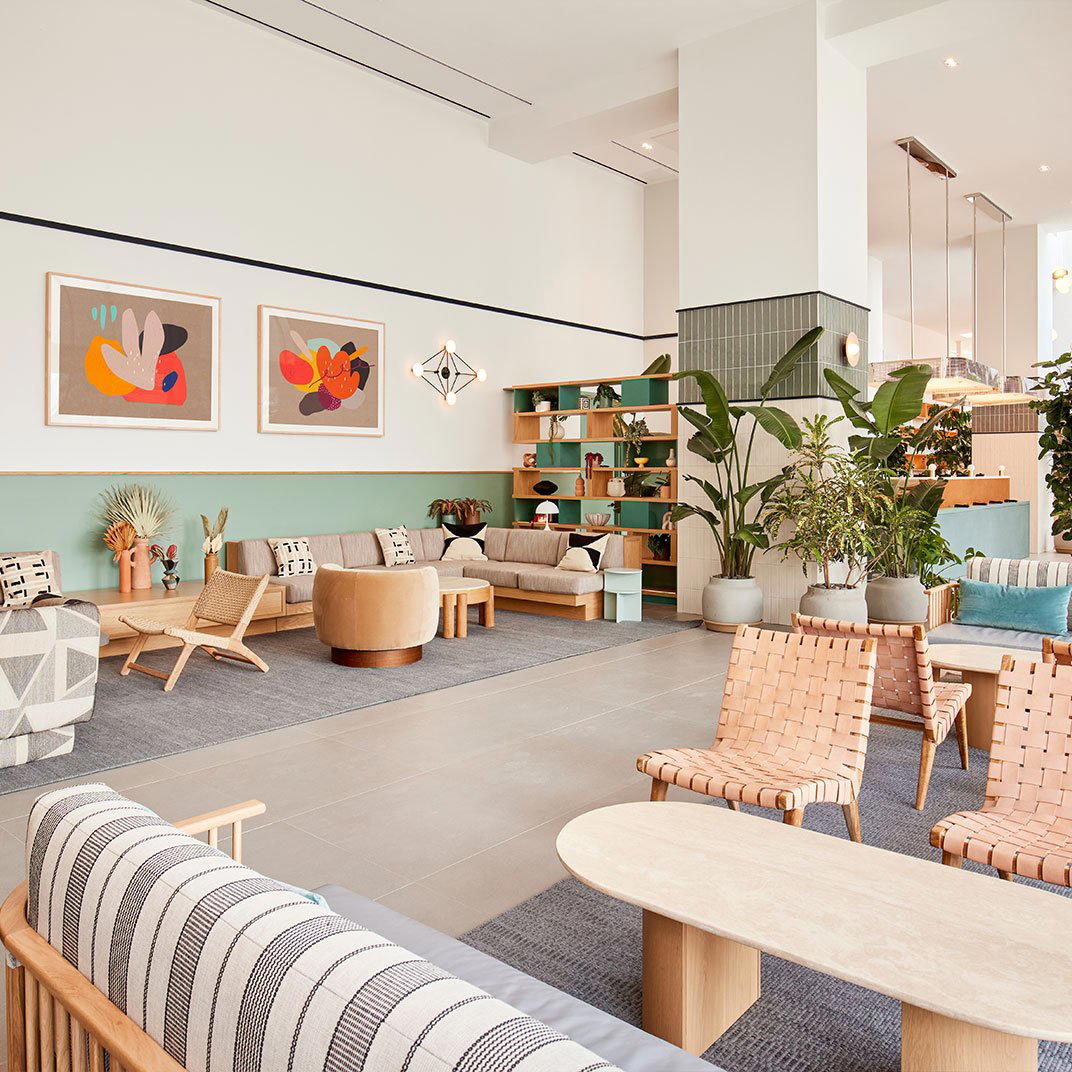
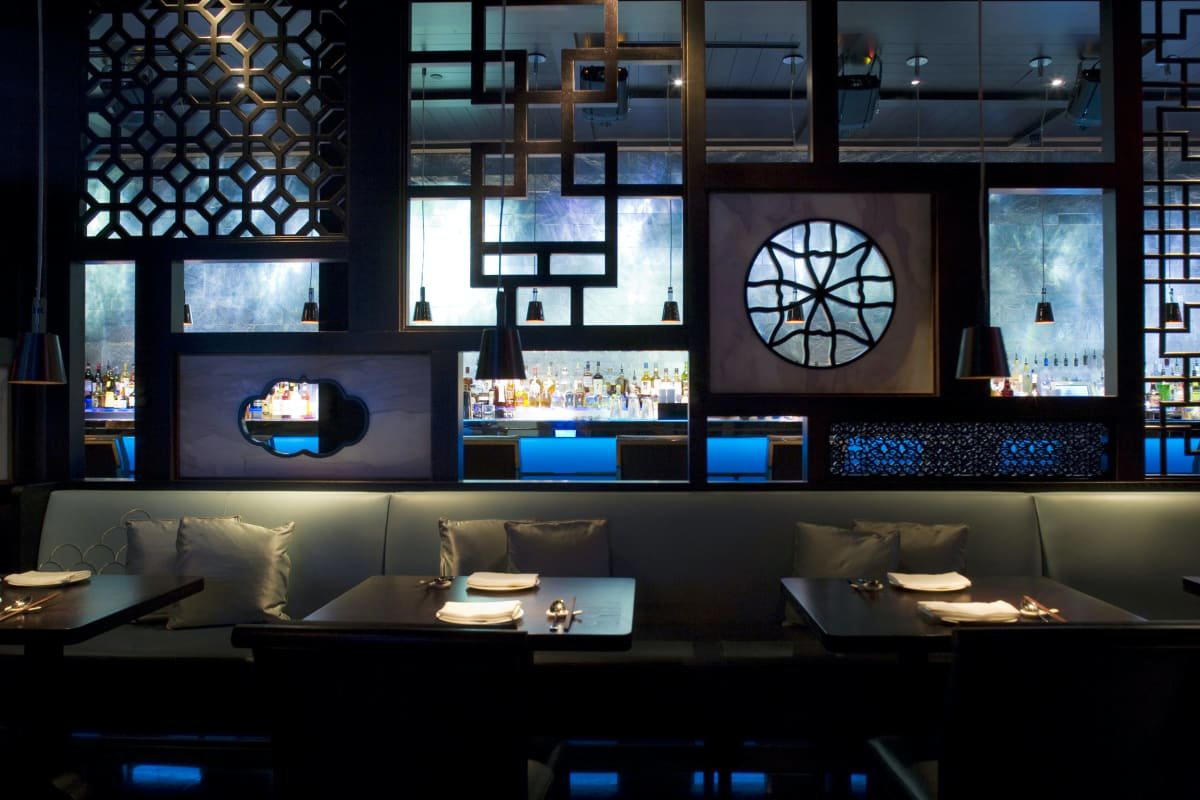
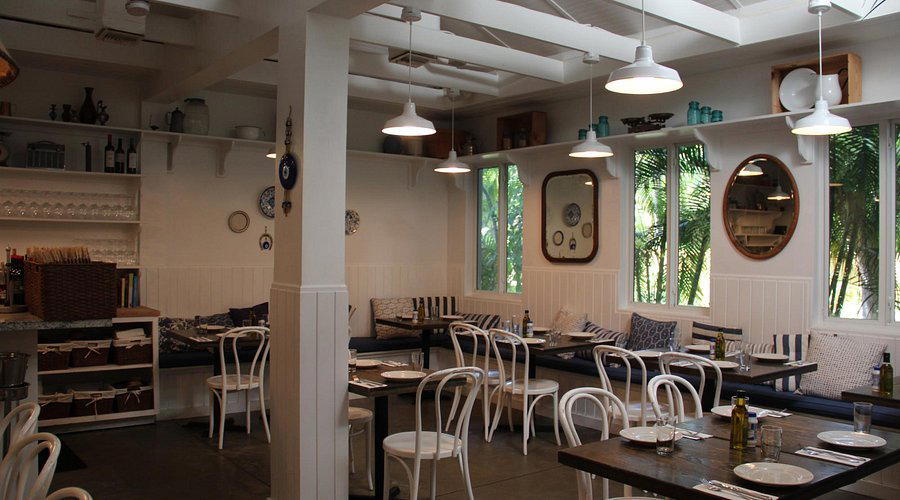
Quaint, cozy atmosphere with floral ambiance and outdoor seating.
Know Before You Go
- Getting there
- 3299 N Dixie Hwy, Oakland Park, FL 33334