Blind Tiger Brewery & Restaurant
Blind Tiger Brewery & Restaurant at 417 SW 37th St occupies a distinctive position in Topeka's drinking scene, pairing house-brewed beer with a food program under one roof. The brewery format places it in a growing tier of Kansas establishments where production and hospitality share the same address, giving regulars a reason to stay well beyond one round.

Pearl is the En Primeur Club membership app, where members save venues, book tables and use the concierge.
Where Topeka's Craft Beer Scene Settles In
Southwest Topeka is not the city's most trafficked dining corridor, but that geography has a way of concentrating the regulars. Venues at this address on SW 37th St draw a crowd that knows what it's looking for rather than one that stumbled in from a hotel. Blind Tiger Brewery & Restaurant works within that dynamic: a brewery-restaurant hybrid in a city where the craft beer sector has expanded steadily over the past decade, and where the question of which house pours merit attention has become a more considered one than it was not long ago.
Kansas's craft brewing growth mirrors a national pattern in which mid-sized cities shifted from relying on regional macro-distribution to building local production identities. Within that set, Blind Tiger holds a specific position: it is a brewpub in the fuller sense, with food service integrated rather than appended, which places it in a somewhat different competitive tier from taproom-only operations.
The Brewpub Format and What It Means for the Back Bar
The brewpub model carries particular relevance when assessing a venue's drink program. Production-first spaces tend to keep their beer list narrow and disciplined, rotating taps to reflect what's fermenting rather than what sells on brand recognition alone. This is a structural advantage: the bar's selection reflects an actual brewing calendar rather than a distributor catalogue. For the drinker willing to ask what's been poured recently versus what's been tapped longest, brewpubs like Blind Tiger offer a more legible selection than bars whose back bar is assembled from rep relationships and margin calculations.
That said, the editorial angle on any venue framed through spirits curation and back-bar depth requires an honest admission: a brewery's primary identity is fermentation, not distillation. The interest here lies in how that production focus shapes the overall drink culture of the room. Brewpubs that have matured into full restaurant operations frequently develop whiskey and spirit selections that complement their house beer, drawing on the overlap between craft brewing culture and American whiskey interest.
For context on what a fully realised bar program looks like in the craft-meets-spirits register, it is worth looking at what venues in other American cities have built. ABV in San Francisco operates a program where beer and spirits coexist at roughly equal editorial weight. Julep in Houston has built a whiskey collection around American traditions. Kumiko in Chicago applies a Japanese-influenced precision to spirit curation. These venues represent what the format looks like when fully developed; Blind Tiger's interest for Topeka visitors is as a locally rooted point of comparison rather than a direct peer.
Topeka's Drinking Culture in Broader Perspective
Kansas's liquor law history is relevant context. The state only permitted general liquor sales by the drink in 1987, and counties retained local-option controls for years after. That regulatory lag compressed the development of Topeka's bar culture relative to states with longer liberalised licensing, which means the past two decades represent a relatively compressed period of growth. What visitors from coastal markets might read as a modest bar scene is actually a scene in active expansion, with brewpubs functioning as anchoring institutions in a way they no longer need to in cities with longer craft histories.
That context matters when placing Blind Tiger in its city. It is not simply a neighbourhood brewery in the way a Portland or Denver venue would be; it occupies a structurally more significant role in the local range of accessible, quality-focused drinking and eating. The venue's longevity on SW 37th St reflects that role. Regulars in smaller markets tend to consolidate around a shorter list of genuinely reliable options, and establishments that sustain a presence do so because they perform consistently rather than because they market aggressively.
For those building a broader picture of the city's food and drink scene, our full Topeka restaurants guide maps the options across categories and price points. The brewery tier in particular benefits from being read comparatively: the character of one house's pours makes more sense alongside another's.
Placing Blind Tiger Against National Craft Benchmarks
The most instructive comparisons for Blind Tiger are not the Michelin-recognised cocktail programs of major cities but rather the structural questions those venues have answered: how deeply does the back bar extend beyond the house product, and how is the food program calibrated to support rather than compete with the drinking? Venues like Jewel of the South in New Orleans and Bar Leather Apron in Honolulu have answered those questions at a high level of intentionality. Superbueno in New York City and The Parlour in Frankfurt on the Main show how the format scales across different cultural registers.
Blind Tiger's position is not to compete with those venues but to occupy its own tier credibly. A brewpub in a mid-sized Midwestern capital that operates a genuine food program and maintains a consistent house-brewing identity does something that matters to its immediate market, even if it operates at a different scale of ambition than the names above.
Planning a Visit
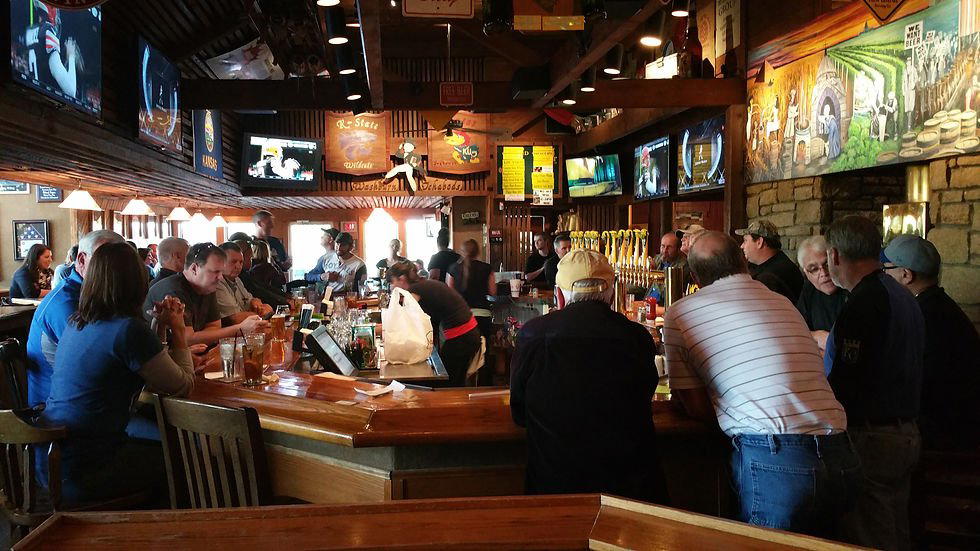
The address at 417 SW 37th St puts Blind Tiger in the southwestern residential neighbourhoods rather than downtown Topeka, which means the crowd skews toward regulars and southwest-side residents rather than convention or business traffic. That is, in practice, a reliable indicator of a more settled, less performative atmosphere: the room is not trying to impress first-timers because most of the people in it are not first-timers. For visitors, arriving on a weekday rather than a weekend evening tends to give better access to bar staff for questions about the current tap rotation, which is where the most accurate picture of the brewery's current form will be found.
Price and Positioning
Comparable venues nearby, for context on price, style, and recognition.
| Venue | Cuisine | Price | Notes |
|---|---|---|---|
| Blind Tiger Brewery & RestaurantThis venue (the venue you are viewing) | Not listed | Not listed | Not listed |
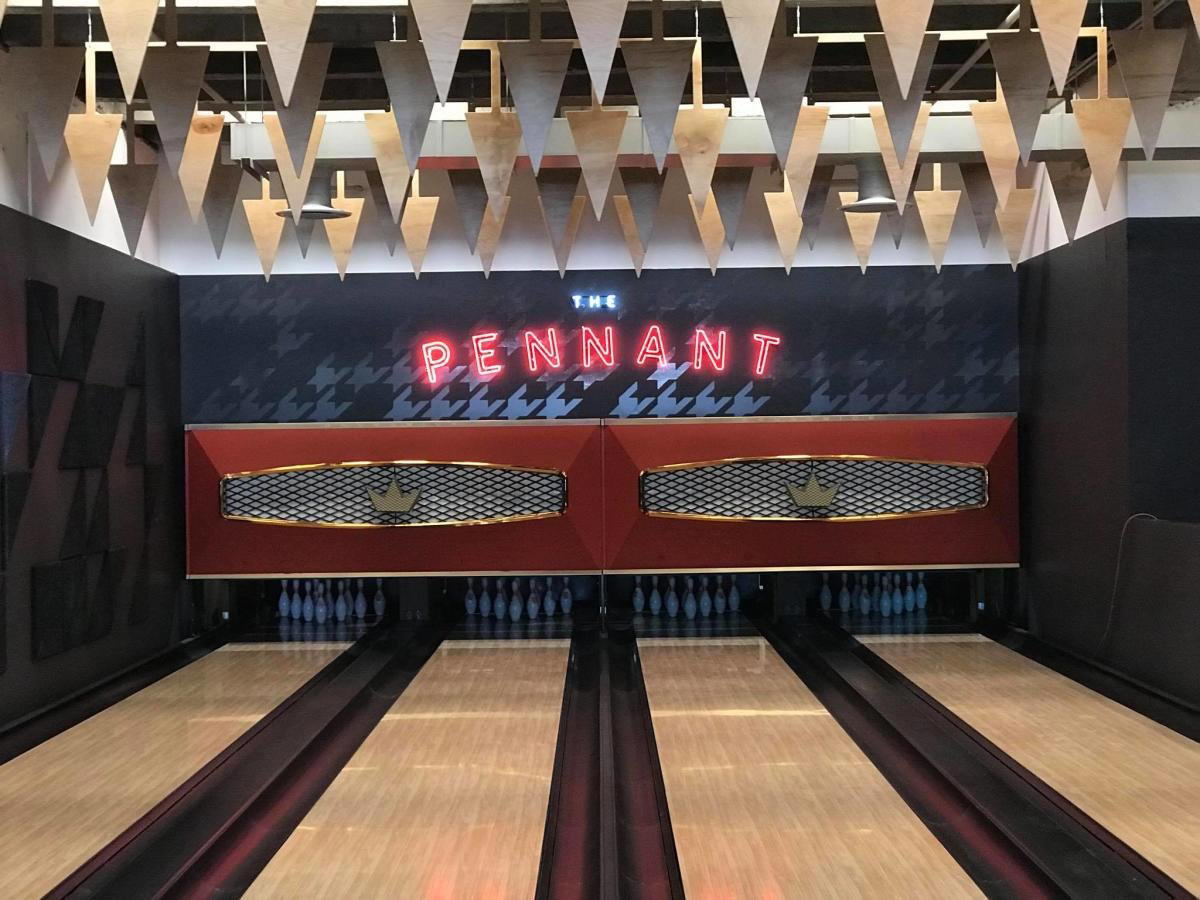
| The Pennant | Not listed | $20–30 | Downtown, sports_bar |
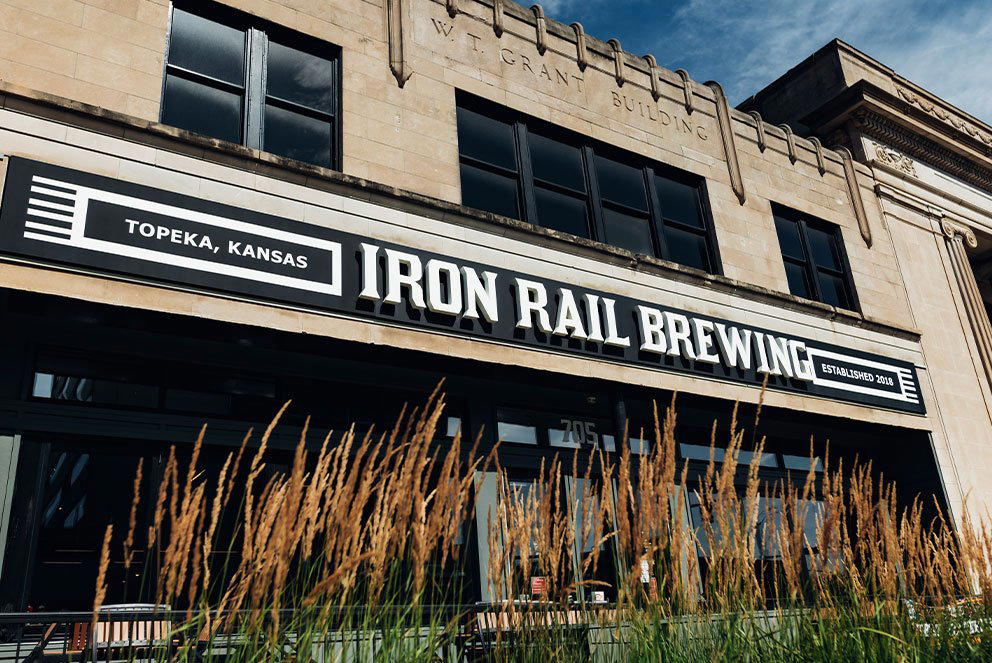
| Iron Rail Brewing | Not listed | $20–30 | downtown, beer_bar |
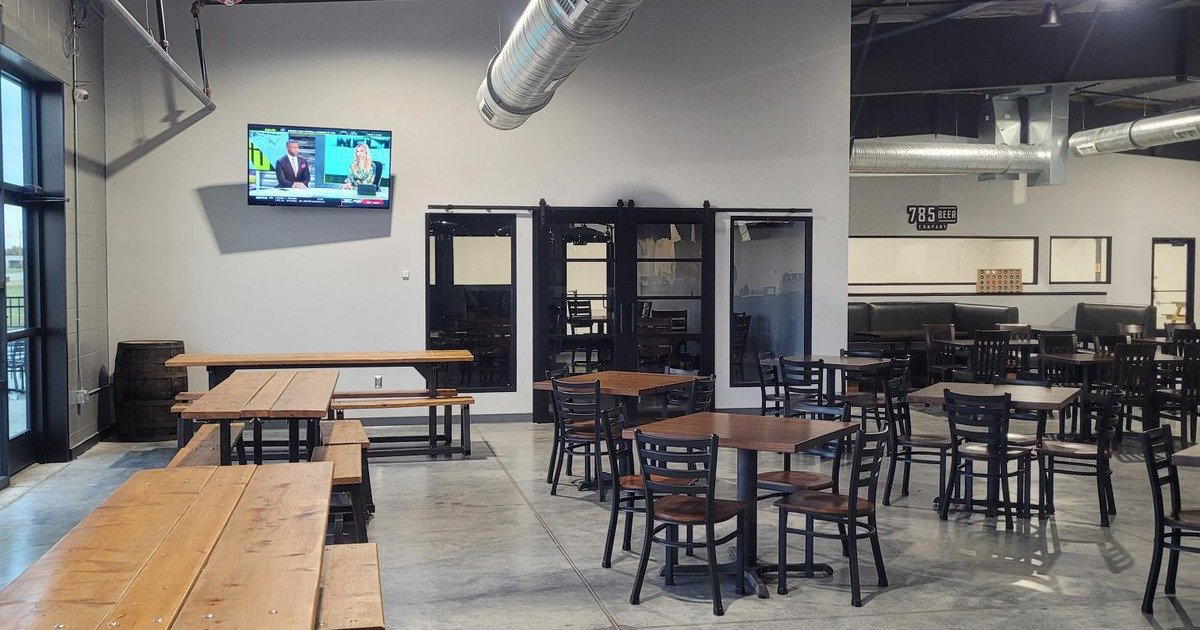
| 785 Beer Company | Not listed | $20–30 | Southeast Topeka, beer_bar |
| The Wheel Barrel | NOTO, pub | $20–30 | Not listed |
Continue exploring
More in Topeka

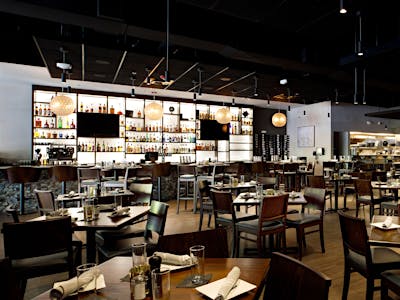
Blind Tiger Brewery & Restaurant
The drinks
- Craft beer
Signature drinks: Tiger Bite IPA, Holy Grail Pale Ale, Munich Dunkles.
Details
- Rustic
- Cozy
- Energetic
- Lively
- Group Outing
- Casual Hangout
- Standalone
- Booth Seating
- Outdoor Terrace
- Craft Beer
Current opening hours
- Monday
- 11 AM–11 PM
- Tuesday
- 11 AM–11 PM
- Wednesday
- 11 AM–11 PM
- Thursday
- 11 AM–11 PM
- Friday
- 11 AM–12 AM
- Saturday
- 11 AM–12 AM
- Sunday
- 11 AM–11 PM
Hours can change for holidays and private events. Last verified .
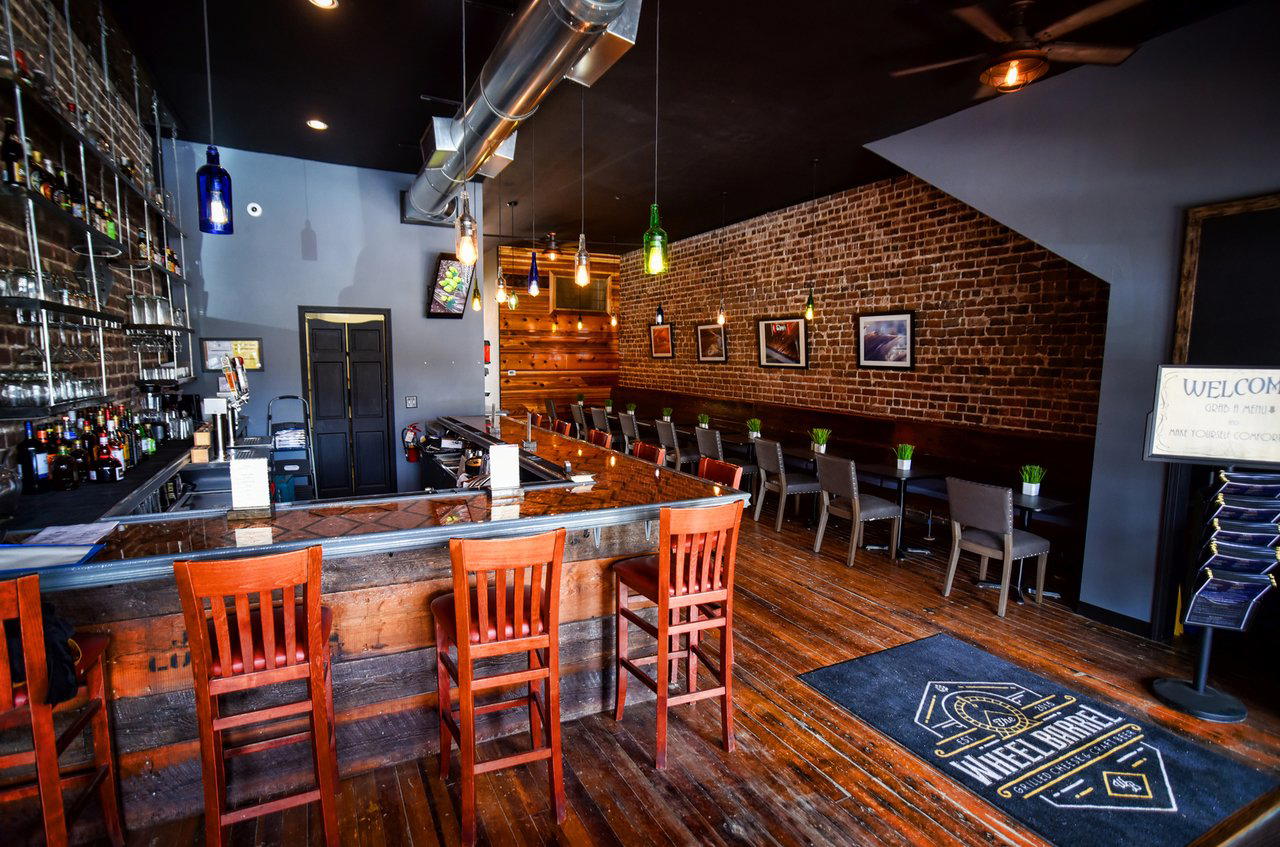
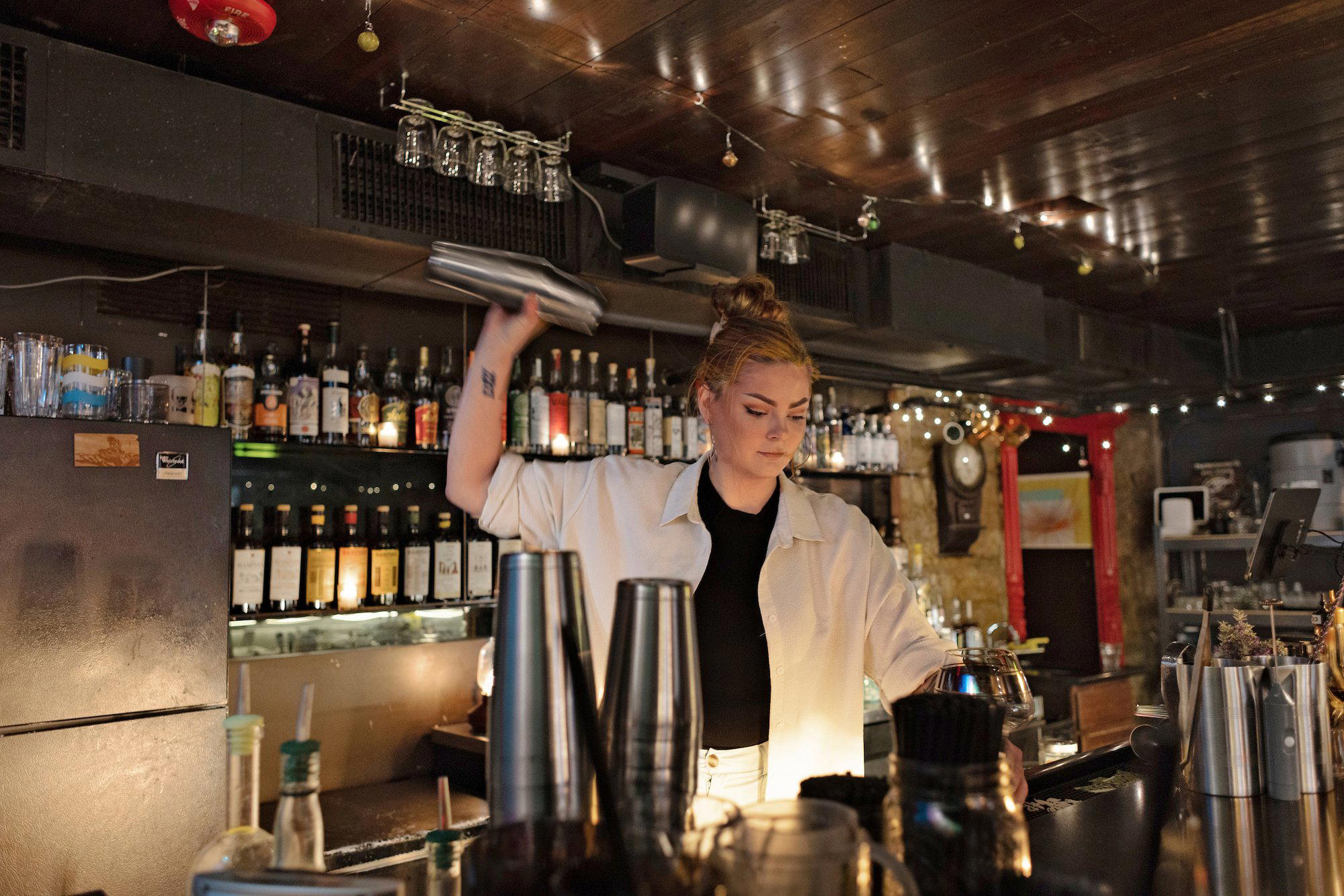
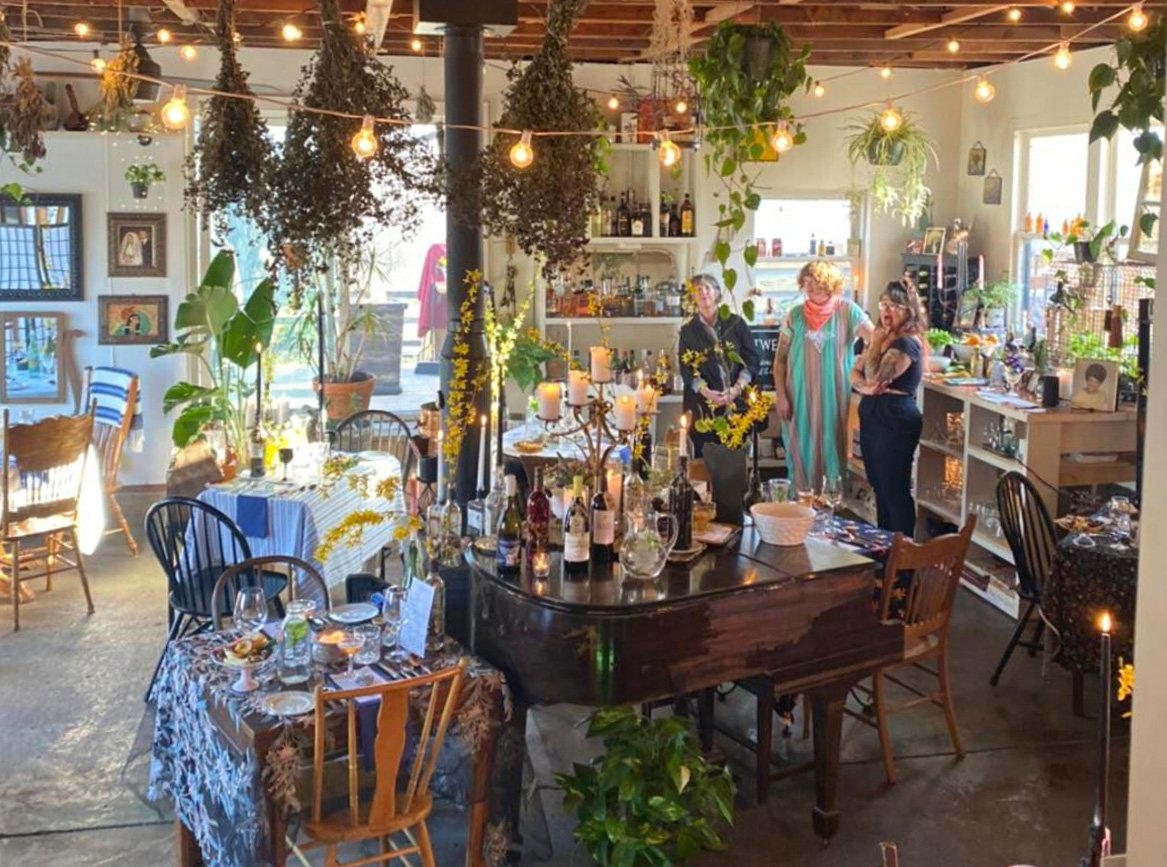
Raw wood beams, low ceilings, fairy lights create a warm, energetic speakeasy-like atmosphere with a lived-in wooden feel.