Big Trouble occupies a second-floor perch on Dundas Street West, sitting inside Toronto's most active corridor for bar programming. The room signals a particular kind of ambition: a cocktail-forward operation positioned above street level, away from casual foot traffic, where the climb up the stairs already filters the crowd. It belongs to a cohort of Toronto bars treating the drink as the primary event.

Pearl is the En Primeur Club membership app — saves, bookings, and concierge access live there. Same editors, same standards.
- Address
- 460 Dundas St W 2nd floor, Toronto, ON M5T 1G9, Canada
- Phone
- (647) 347-8880
- Hours
- Mon–Tue ClosedWed–Sat 5:30 PM–2 AMSun 5:30 PM–12 AM
- Website
- bigtrouble.ca
- Directions
- Get directions
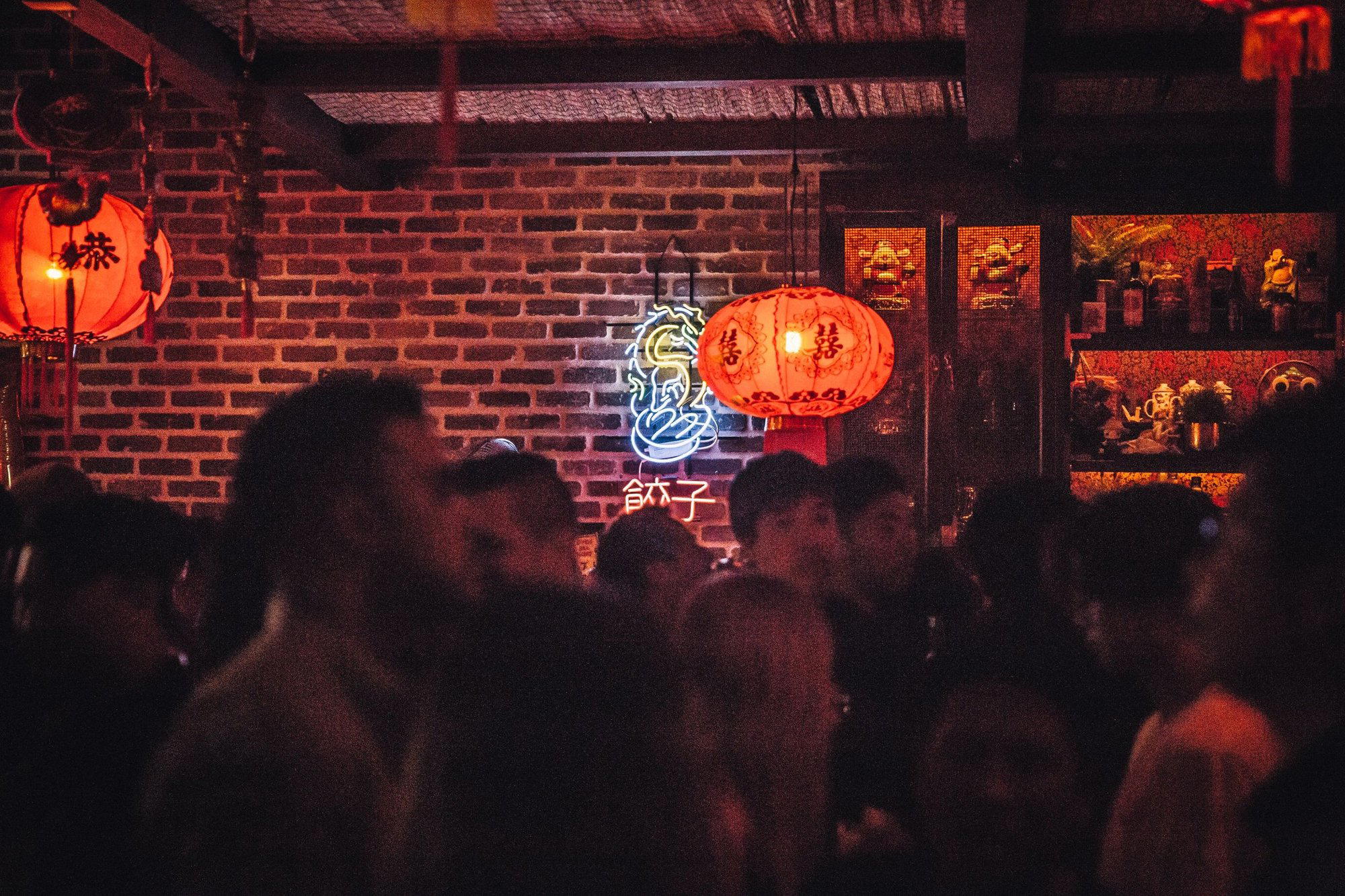
Above the Street, Inside the Scene
Toronto's Dundas Street West has become one of the city's most reliable corridors for serious bar culture, accumulating a density of cocktail-forward rooms that rivals what Queen West offered a decade ago. The second floor tends to separate the deliberate from the accidental, and Big Trouble, at 460 Dundas St W, operates on exactly that logic. You climb the stairs and the ambient noise of the street drops away. What replaces it is the tighter, more controlled environment of a room that has chosen its audience rather than waited for one to wander in.
That physical positioning matters more than it might seem. Ground-level bars in Toronto absorb whatever the sidewalk delivers. Second-floor operations, particularly on corridors this active, develop a more consistent room character because the guests arriving have already made a decision. The sensory experience at Big Trouble begins at the base of those stairs, before a drink is ordered or a seat is taken.
The Sensory Register of a Cocktail Room
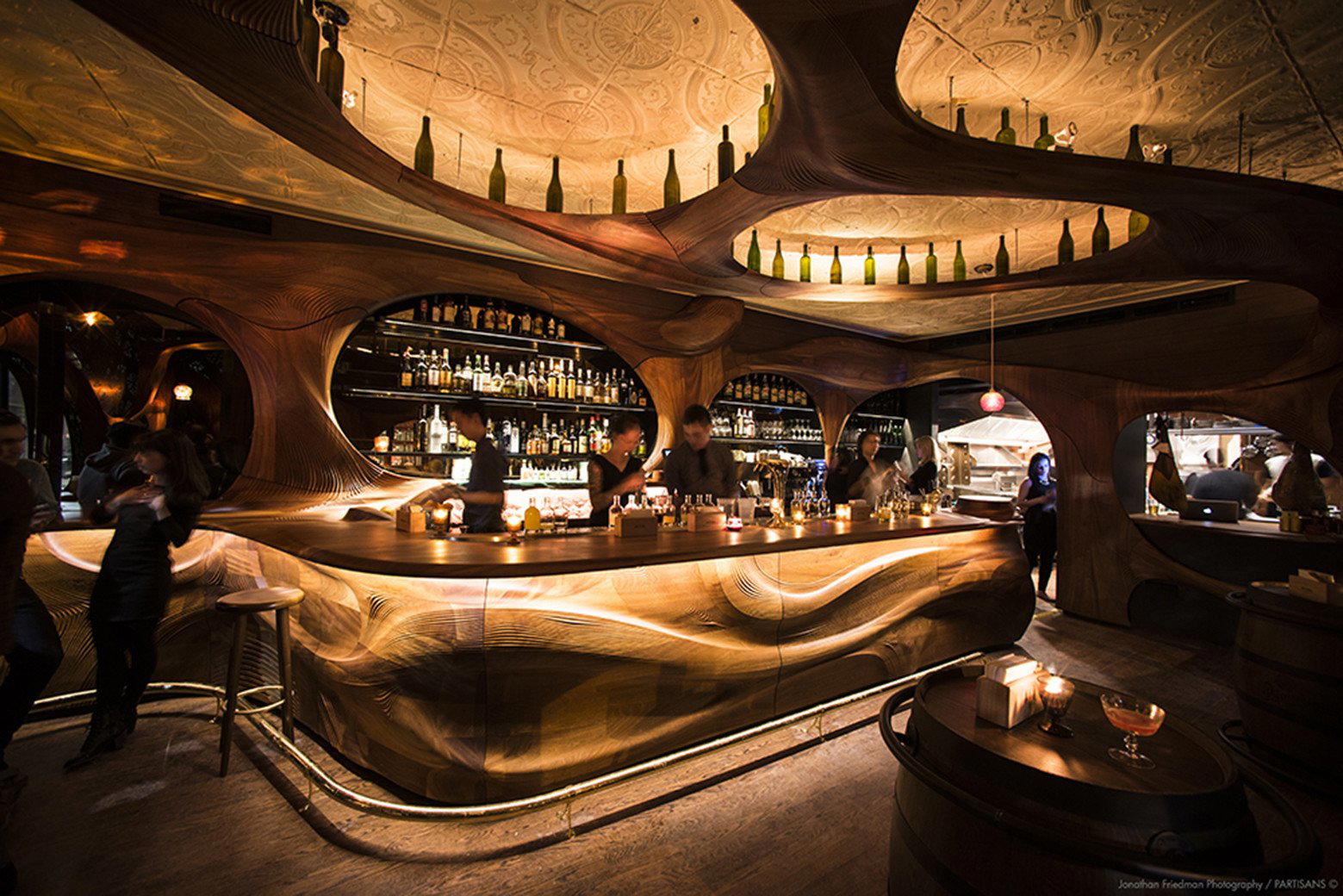
The way a bar handles light, sound, and spatial arrangement determines whether its cocktails land as the feature or as an afterthought to atmosphere. Toronto's stronger cocktail rooms, including Bar Raval with its carved mahogany interior and Civil Liberties with its deep, low-lit room, have understood this for years. Each has built a sensory environment that frames the drink program rather than competing with it.
Big Trouble fits within this tradition of deliberate atmosphere construction. The name itself carries a particular register: not the aspirational European references that define Bar Pompette or the intimate, reference-heavy programming at Bar Mordecai, but something more vernacular, with a hint of self-aware mischief. That naming choice signals an approach to the room's tone: looser, more playful, but still operating with enough seriousness to hold a second-floor address in one of the city's most competitive bar corridors.
Where Big Trouble Sits in Toronto's Bar Tier
Toronto's cocktail bar scene has stratified considerably over the past five years. At the more programmatic end sit the multi-award-tracked rooms with lengthy spirits libraries and technical menus built around sourcing transparency. Below that tier sits a category of bars that execute well, attract consistent neighbourhood followings, and operate without the machinery of formal recognition. Big Trouble occupies territory in that second category, where quality and atmosphere matter more than certificate walls.
Within the Dundas West corridor specifically, the competitive set includes the kind of bars where the bartender-to-guest ratio stays tight and the menu rotates with enough frequency to reward return visits. The second-floor format keeps capacity controlled, which tends to produce better drink execution than rooms stretched across multiple floors and service zones.
Comparing across Canada's cocktail cities, the format that Big Trouble represents, an intimate upper-floor room with a deliberate crowd filter and cocktail focus, has parallels in several markets. Atwater Cocktail Club in Montreal operates a similarly focused program in a controlled-capacity format. Botanist Bar in Vancouver and Humboldt Bar in Victoria both demonstrate how smaller-format cocktail rooms sustain quality through limiting volume rather than expanding it. Missy's in Calgary, Bearfoot Bistro in Whistler, and Grecos in Kingston show that the appetite for serious bar programming extends well beyond the two largest urban markets. Even internationally, rooms like Bar Leather Apron in Honolulu confirm that the format, small, deliberate, technically minded, is a repeatable model rather than a Toronto-specific phenomenon.
Planning a Visit
The Dundas West corridor is accessible from Spadina Station on the TTC's Bloor-Danforth line, with a short walk west to the 460 address. The second-floor location means there is no casual drop-in dynamic: arriving without a plan on a busy Thursday or Friday risks finding the room at capacity. Weeknights earlier in the week tend to offer more flexibility.
For a fuller picture of where Big Trouble sits within Toronto's wider food and drink programming, the EP Club Toronto guide maps the city's bar and restaurant scene across neighbourhoods and price tiers.
A compact comparison to help you place this venue among nearby peers.
| Venue | Cuisine | Price | Awards |
|---|---|---|---|
| Big TroubleThis venue — the venue you are viewing | This venue | $30–50 | Not listed |
| Civil Works | Not listed | $20–30 | World's 50 Best #29 · Canada's 100 Best Bars #16 |
| Bar Mordecai | Not listed | $30–50 | World's 50 Best #94 · Top 500 Bars Best Bars #438 |
| Bar Pompette | Not listed | $20–30 | World's 50 Best #8 · Canada's 100 Best Bars #2 |
| Cry Baby Gallery | Not listed | $20–30 | World's 50 Best #69 · Top 500 Bars Best Bars #310 |
Continue exploring
More in Toronto
Bars in Toronto
Browse all →
Restaurants in Toronto
Browse all →
Hotels in Toronto
Browse all →

Details
- Lively
- Trendy
- Energetic
- Modern
- After Work
- Group Outing
- Casual Hangout
- Late Night
- Design Destination
- Standalone
- Standing Room
- Lounge Seating
- Booth Seating
- Craft Cocktails
Current opening hours
- Monday
- Closed
- Tuesday
- Closed
- Wednesday
- 5:30 PM–2 AM
- Thursday
- 5:30 PM–2 AM
- Friday
- 5:30 PM–2 AM
- Saturday
- 5:30 PM–2 AM
- Sunday
- 5:30 PM–12 AM
Hours can change for holidays and private events. Last verified .
Lively and intriguingly dark with red lanterns, vivid wall murals, and stylish Chinese decor creating an inviting yet energetic atmosphere.