Bar Ferdinand sits in Sydney’s cocktail conversation at the botanical end of the spectrum, pairing mixed drinks with bar snacks rather than building itself around a full restaurant format. With no public awards, prices, hours, or booking data in the EP Club record, it is better read as a low-information, drink-led address to verify directly before planning a night around it.

Pearl is the En Primeur Club membership app, where members save venues, book tables and use the concierge.
Botanical cocktails in a city that likes its bars with a point of view
Approaching a serious cocktail bar in Sydney usually means reading small signals before any drink arrives: the pace at the door, the ratio of standing drinkers to seated guests, the confidence of the backbar, the way snacks are treated as part of the drinking rhythm rather than an afterthought. Bar Ferdinand belongs to that drink-led category. Bar Ferdinand is a Sydney bar focused on cocktails and botanical-inspired bar snacks, with a price tier of about USD 55 per person. It sits closer to Sydney’s modern mixed-drink culture than to the pub, hotel bar, or restaurant-bar formats that dominate much of the city’s casual drinking.
Sydney’s bar scene has become increasingly segmented. There are agave specialists such as Cantina OK!, theatrical cocktail rooms such as Maybe Sammy, whisky-leaning cellars, hotel lounges, and late-night rooms built around volume. Within that spread, a botanical cocktail programme signals a narrower editorial lane: aromatics, infusions, fresh herbal notes, bitter structure, and drinks that work with food rather than simply precede it. The record does not list signature serves or a named bartender, so any serious assessment has to stay with the category evidence rather than pretend to know the glassware, garnish, or house recipe.
That restraint matters. Sydney rewards bars that can explain themselves quickly, because the city has strong reference points. Eau de Vie represents the polished cocktail-den lineage, while Palmer & Co. carries the subterranean, Prohibition-coded tradition. A botanical bar has to make a different case. It is not about hidden-door theatre or pure spirit scholarship; it is about aroma, balance, and the way a drink can move from aperitif brightness into something darker or more savoury over the course of an evening.
The cocktail programme is the useful lens
For Bar Ferdinand, the cocktail programme is the critical entry point because the venue data gives cuisine type, not chef, cellar, hotel affiliation, star rating, or formal restaurant structure. “Cocktails, bar snacks (botanical-inspired)” is a compact description, but it says enough to place the bar inside a broader Australian pattern. In the last decade, serious bars across Australia have moved away from menus that merely list classics and house twists. The sharper programmes now build around a defined technical or flavour idea: clarified drinks, agave depth, native botanicals, low-waste prep, aperitivo culture, or food-pairing logic.
Botanical inspiration carries both promise and risk. Done well, it gives a cocktail list structure beyond sweetness and strength. Herbs, roots, citrus oils, florals, barks, leaves, and bittering agents can create drinks that feel precise without leaning on heavy sugar. Done lazily, the same language becomes decorative.
The bar-snack element is also more revealing than it first appears. Sydney drinkers are accustomed to venues where food either competes with the drinks or functions as a minor convenience. A botanical-inspired snack programme suggests a middle course, where salt, acid, herbs, and texture are meant to keep pace with cocktails. The broader point is that this format asks the kitchen, however compact, to support the bar’s thesis. Snacks are not filler when the drinks rely on aromatic lift; they reset the palate and stretch a visit past a single round.
How it compares with Sydney’s cocktail set
In Sydney, a drink-led address without listed awards, review totals, public price range, or seat count sits in a different planning category from heavily documented venues. Maybe Sammy and Eau de Vie are easier to benchmark for travellers because their identities are more broadly legible in the city’s cocktail conversation. Bar Ferdinand, by contrast, reads as a more research-dependent choice: potentially interesting for guests drawn to botanical technique, but not a venue to schedule blindly without checking current operating details.
That does not make it lesser; it changes the decision. Sydney’s established cocktail rooms often trade on theatre, recognition, or a clearly signposted house style. A botanical-leaning bar has to earn attention through coherence. The drinks should have a point of view across the list, the snacks should make sense with the glass rather than with a restaurant script, and the room should support conversation instead of turning every visit into a queue-management exercise. Those are category expectations, not venue-specific claims, and they are the right criteria to apply here.
Australia’s wider bar map offers useful contrast. Melbourne’s Black Pearl in Melbourne belongs to a long-running cocktail culture where technique and hospitality have been studied closely for years. Brisbane addresses such as Bowery Bar in Brisbane and wine-led rooms like La Cache à Vín in Spring Hill show how different cities express seriousness through different formats. Sydney’s strength is density and variety: within one evening, a guest can move from a tequila-focused counter to a theatrical cocktail room to a snack-driven neighbourhood bar. Bar Ferdinand’s botanical angle fits that plurality.
What the lack of public detail tells a planner
That absence is not a detail to gloss over; it affects how the venue should be used in an itinerary. For a visitor with one night in Sydney, documented booking channels and hours matter. For a local building a flexible evening around drinks, a lower-information bar can work if verified shortly before arrival.
The practical reading is simple. Treat Bar Ferdinand as a cocktail-first stop to confirm directly through current public listings before travelling across the city. Do not assume walk-in availability, late-night service, a full food offering, or a particular price tier from the present record. Sydney bars can vary sharply by day of week and licensing conditions, and bar-snack formats are especially sensitive to kitchen hours. A cautious plan would pair it with nearby alternatives only after confirming geography and opening times from an official source.
This is where comparison becomes useful rather than competitive. If a guest wants a clearly documented Sydney cocktail route, the safer planning spine runs through venues with stronger public footprints, then leaves room for exploratory addresses. Palmer & Co. suits a classic cocktail-night mood; Cantina OK! narrows the focus toward agave; Maybe Sammy provides a more widely recognised Sydney reference point. Bar Ferdinand is the more specific question: does the group want botanical drinks and snacks enough to verify logistics in advance?
Where it fits in a Sydney night
Bar Ferdinand makes the clearest sense as part of a drink-focused evening rather than as a substitute for dinner. The cuisine record points to bar snacks, not a restaurant menu, and there is no listed price range or booking method. That puts it in the pre-dinner, post-dinner, or two-round category unless current venue information proves otherwise. For readers using Our full Sydney restaurants guide, the smarter move is to separate dinner planning from cocktail planning, then use bars like this for texture around the meal.
The botanical frame also suits a narrower drinking mood. Guests chasing spirit-forward classics may be happier in a room organised around whisky, martinis, or stirred drinks. Guests interested in freshness, bitterness, aromatic lift, and snacks that keep the palate engaged have a clearer reason to pay attention. A bar does not need public awards to have editorial relevance, but it does need a defined category. Here, that category is the evidence.
There is a larger travel pattern behind this. Premium bar culture has moved beyond the old binary of dive bar versus grand hotel lounge. Many cities now have small-format rooms where the hook is not size, spectacle, or celebrity, but a disciplined flavour vocabulary. Miami’s Cuban-cocktail tradition at Café La Trova in Miami, neighbourhood drinking around The Angel of Malvern in Malvern, cinema-adjacent social drinking at Palace Westgarth Cinemas in Northcote, and coastal bar formats such as 10 Oceanside Promenade in Mullaloo all show how context shapes what a bar is for.
Planning notes
Check current official listings before setting out, especially for opening days, kitchen availability, and whether reservations are accepted. In a city with strong cocktail alternatives, the opportunity cost of poor logistics is high: a closed door can be avoided with a two-minute check, and a snack-only bar should not be treated as dinner unless the current menu supports that decision.
Dress code is not listed, so the safest interpretation is flexible city-evening attire rather than formal dining wear. If the night involves a larger group, confirm suitability in advance; cocktail bars with snack programmes can be excellent for pairs and small groups, but the format does not always suit six or eight people arriving without notice. Price range is not listed, so budget-conscious planning should include a backup with known menu pricing.
- House Martini
- House Japanese Slipper
- Rose cocktail
- Fern cocktail
- Camellia cocktail
- Blackberry cocktail
At-a-Glance Comparison
Comparable venues nearby, for context on price, style, and recognition.
| Venue | Cuisine | Price | Awards | Notes |
|---|---|---|---|---|
| Bar FerdinandThis venue (the venue you are viewing) | Not listed | $50–100 | Not listed | Not listed |
| ’70s-inspired bar | Not listed | $30–50 | Not listed | The Rocks, cocktail_bar |
| Aalia Wine Room | Not listed | $50–100 | Not listed | Sydney, wine_bar |
| Henry G's | Not listed | $50–100 | Star Wine List | Manly, wine_bar |
| Employees Only Restaurant & Bar | Sydney, speakeasy | Not listed | Not listed | Not listed |
| Shady Pines Saloon | Sydney, speakeasy | $20–30 | World's 50 Best #48 | Not listed |
Continue exploring
More in Sydney
Bars in Sydney
All bars in Sydney →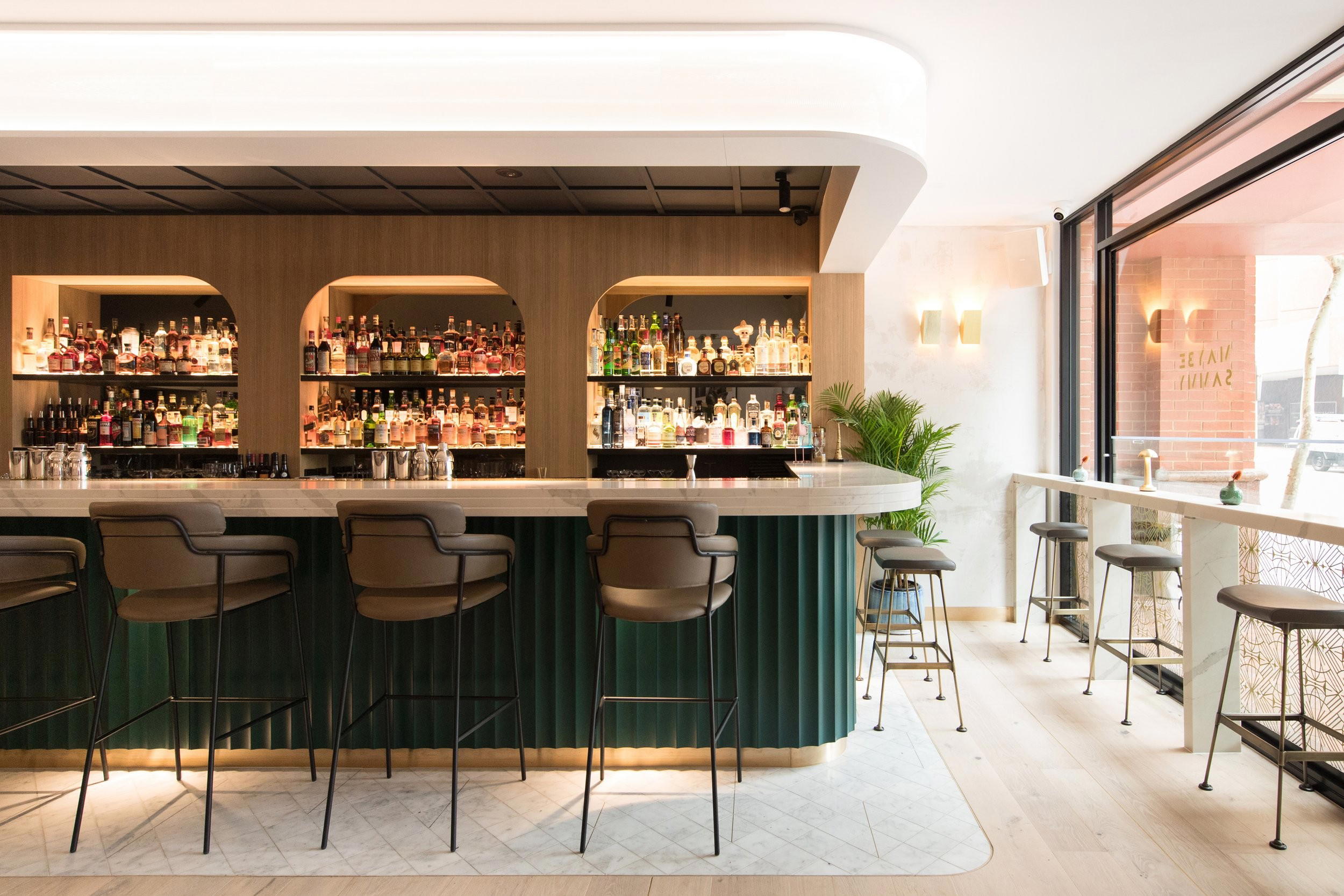
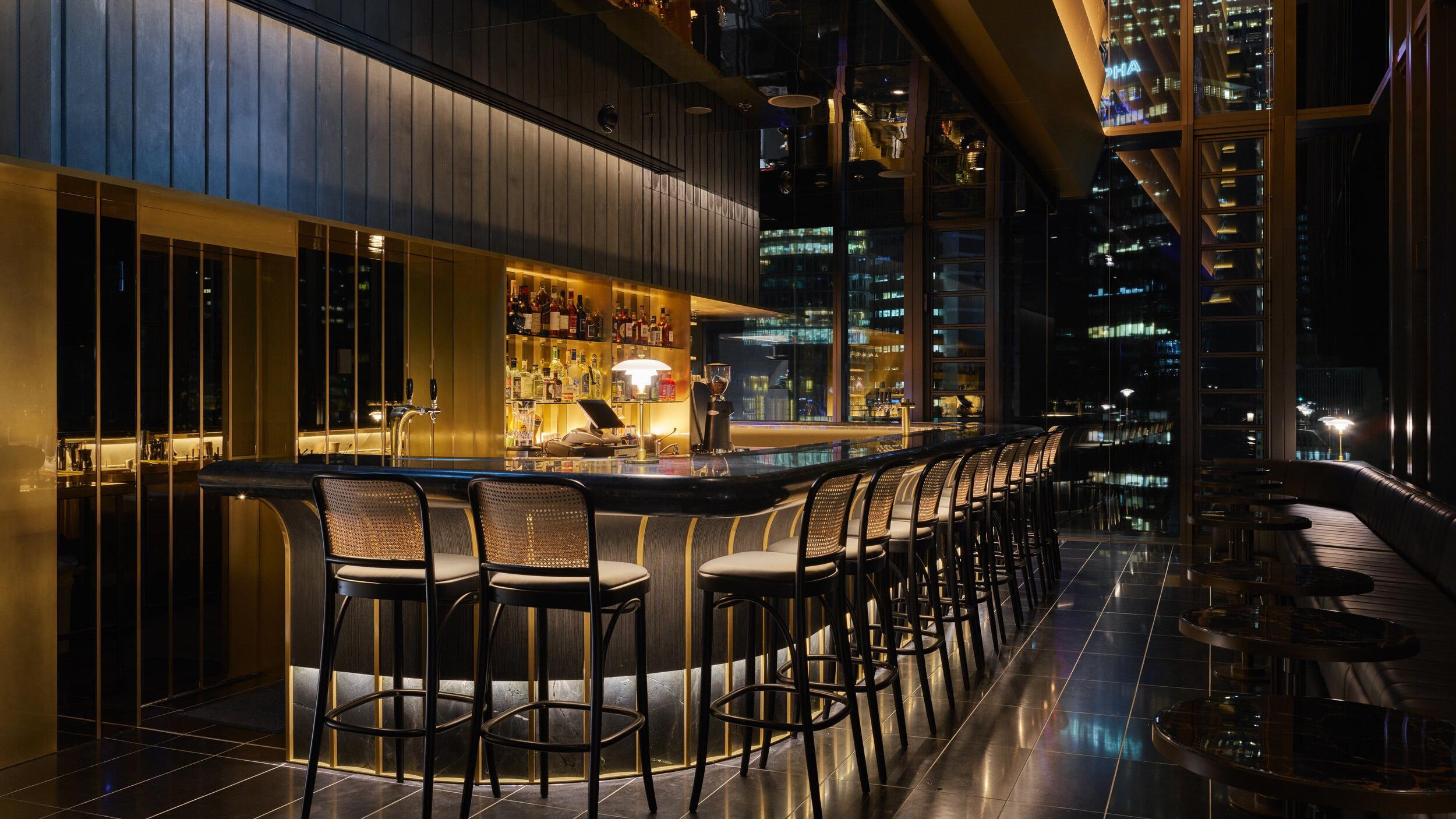
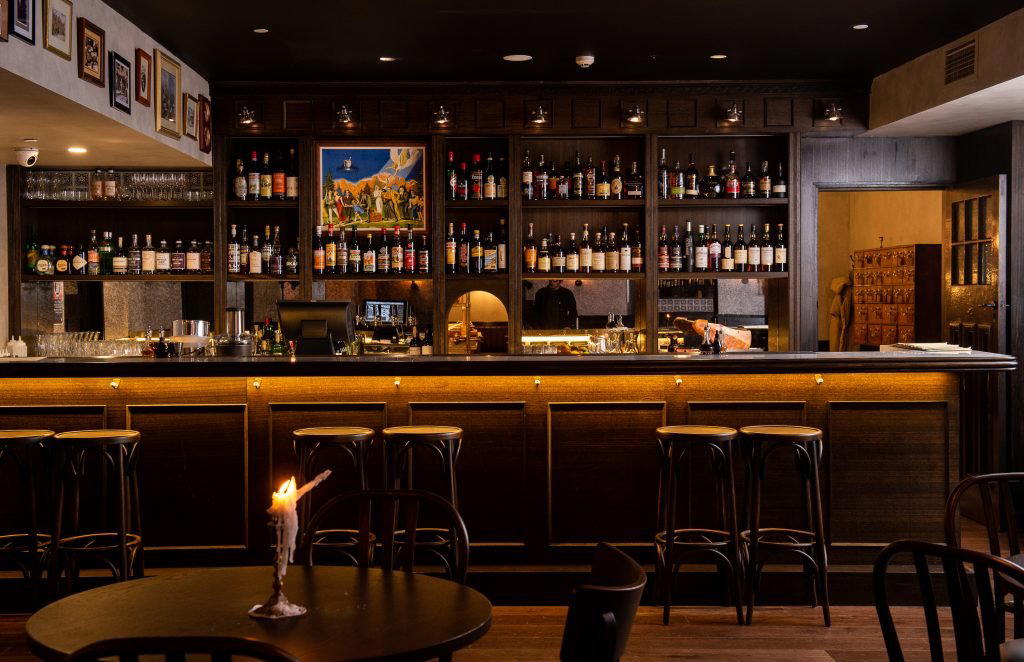
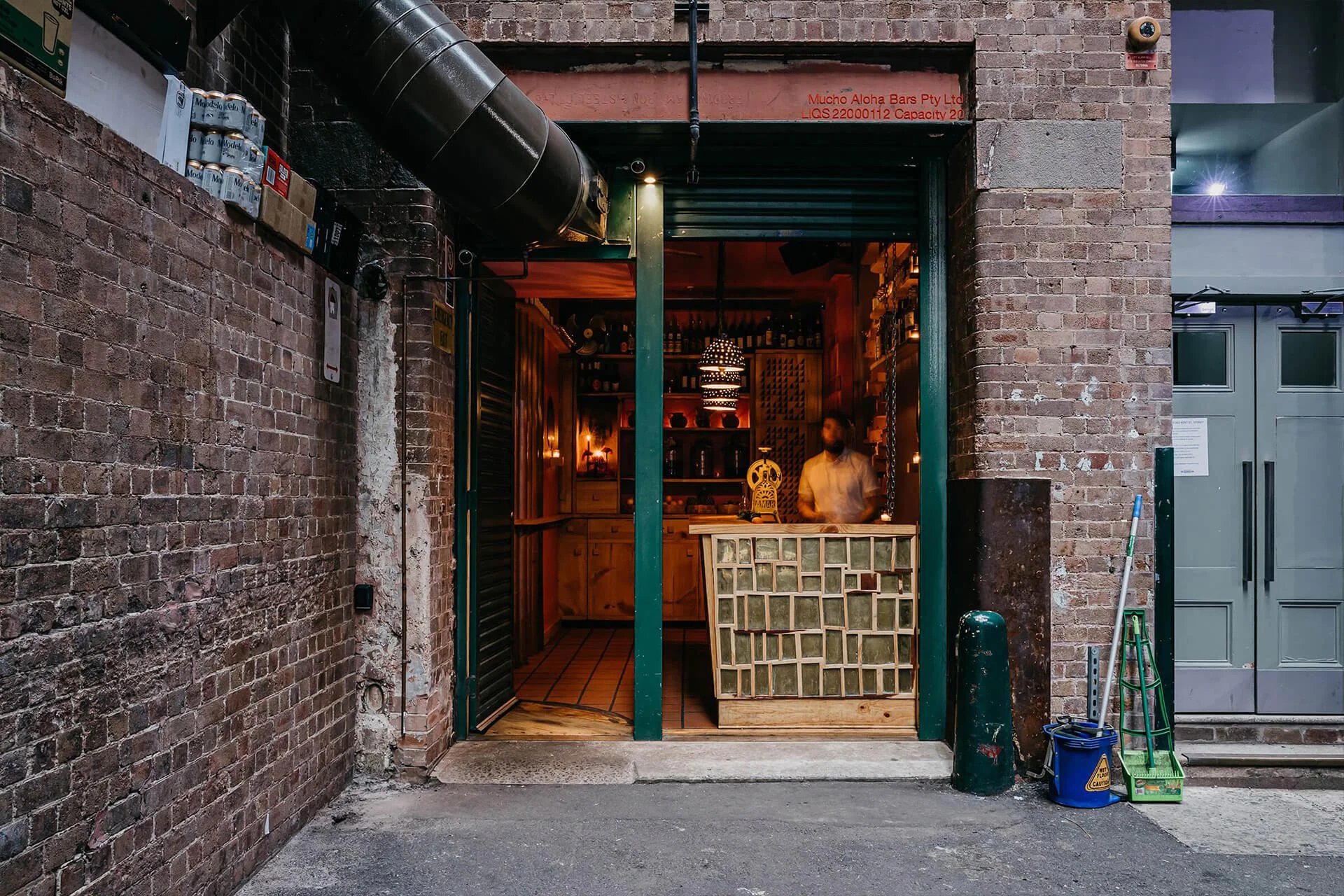
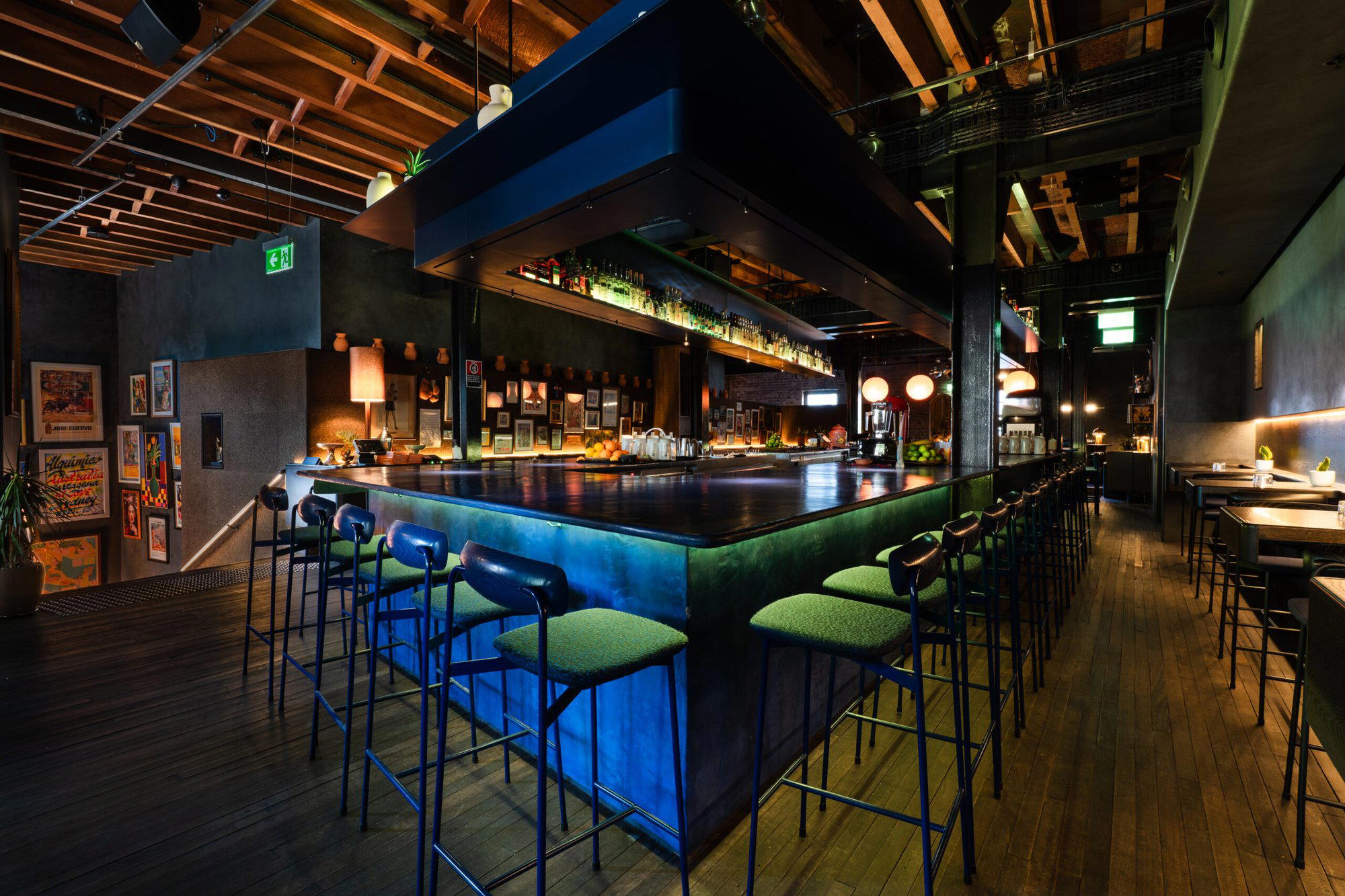
Restaurants in Sydney
All restaurants in Sydney →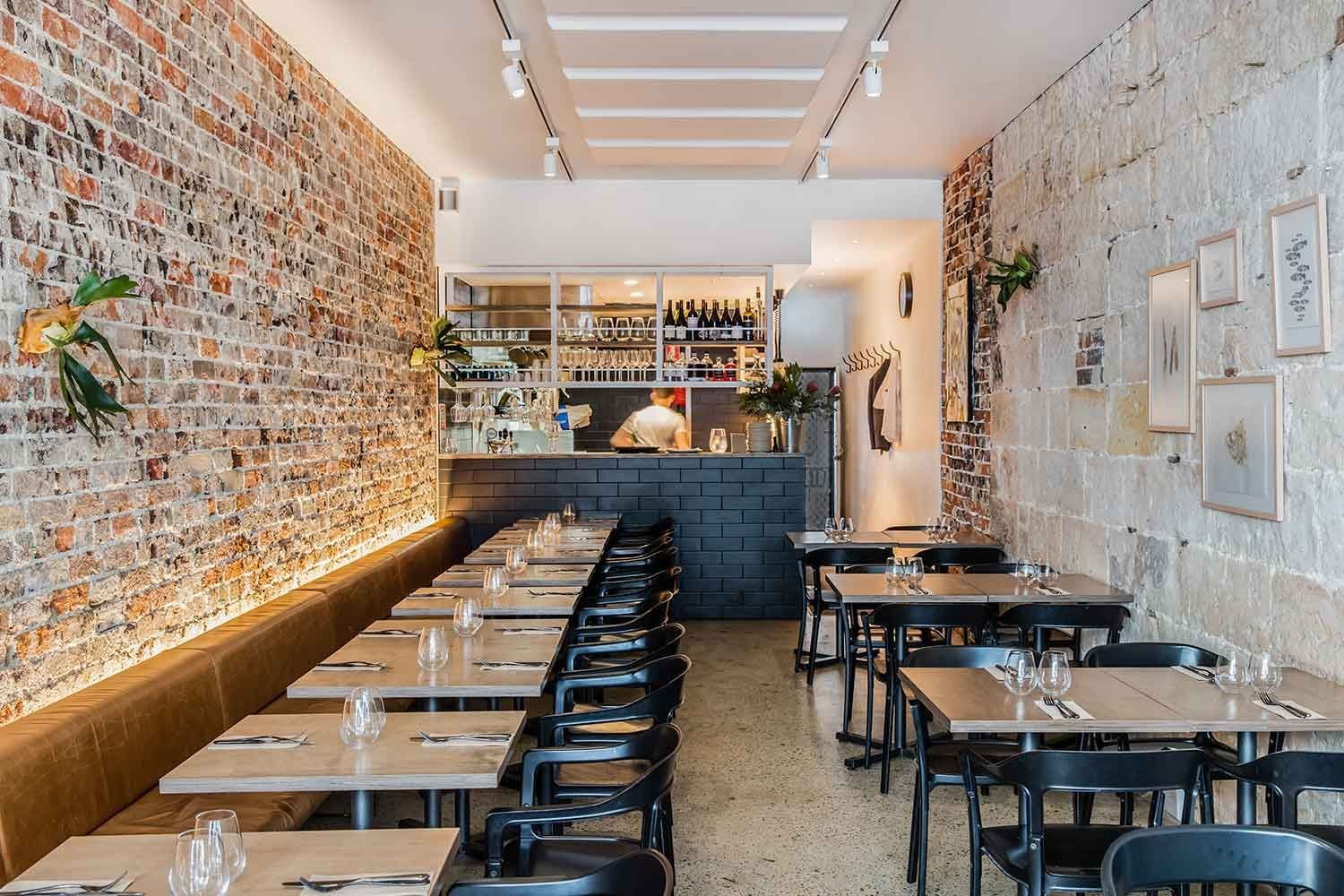
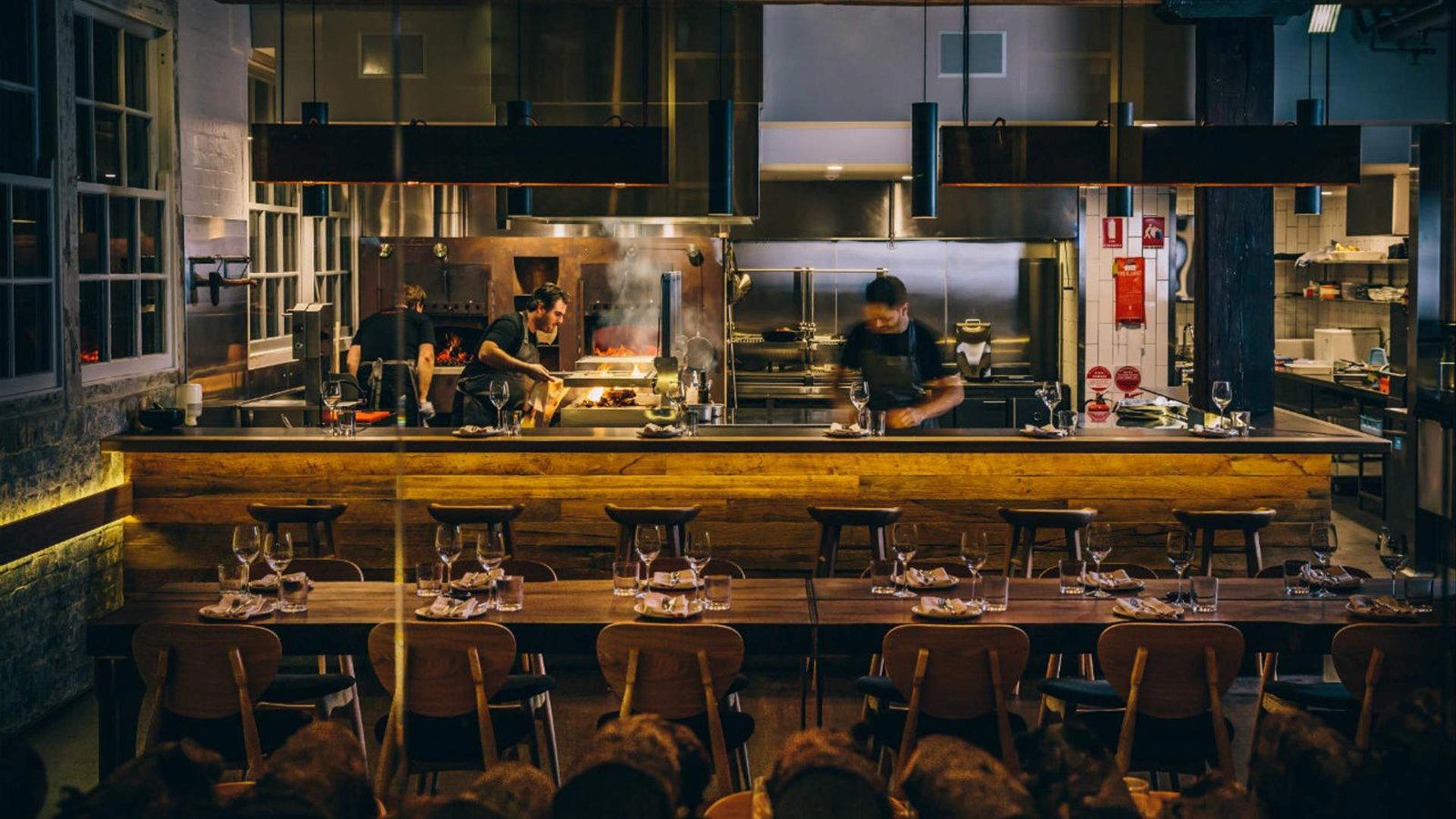
Hotels in Sydney
All hotels in Sydney →
Wineries in Sydney
All wineries in Sydney →
Bar Ferdinand
The drinks
- Craft cocktails
- Classic cocktails
Signature drinks: House Martini, House Japanese Slipper, Rose cocktail, Fern cocktail, Camellia cocktail, Blackberry cocktail.
Details
- Intimate
- Whimsical
- Elegant
- Sophisticated
- Classic
- Date Night
- After Work
- Special Occasion
- Solo
- Casual Hangout
- Historic Building
- Design Destination
- Standalone
- Garden
- Seated Bar
- Lounge Seating
- Booth Seating
- Craft Cocktails
- Classic Cocktails
- Conventional Wine
- Low Abv
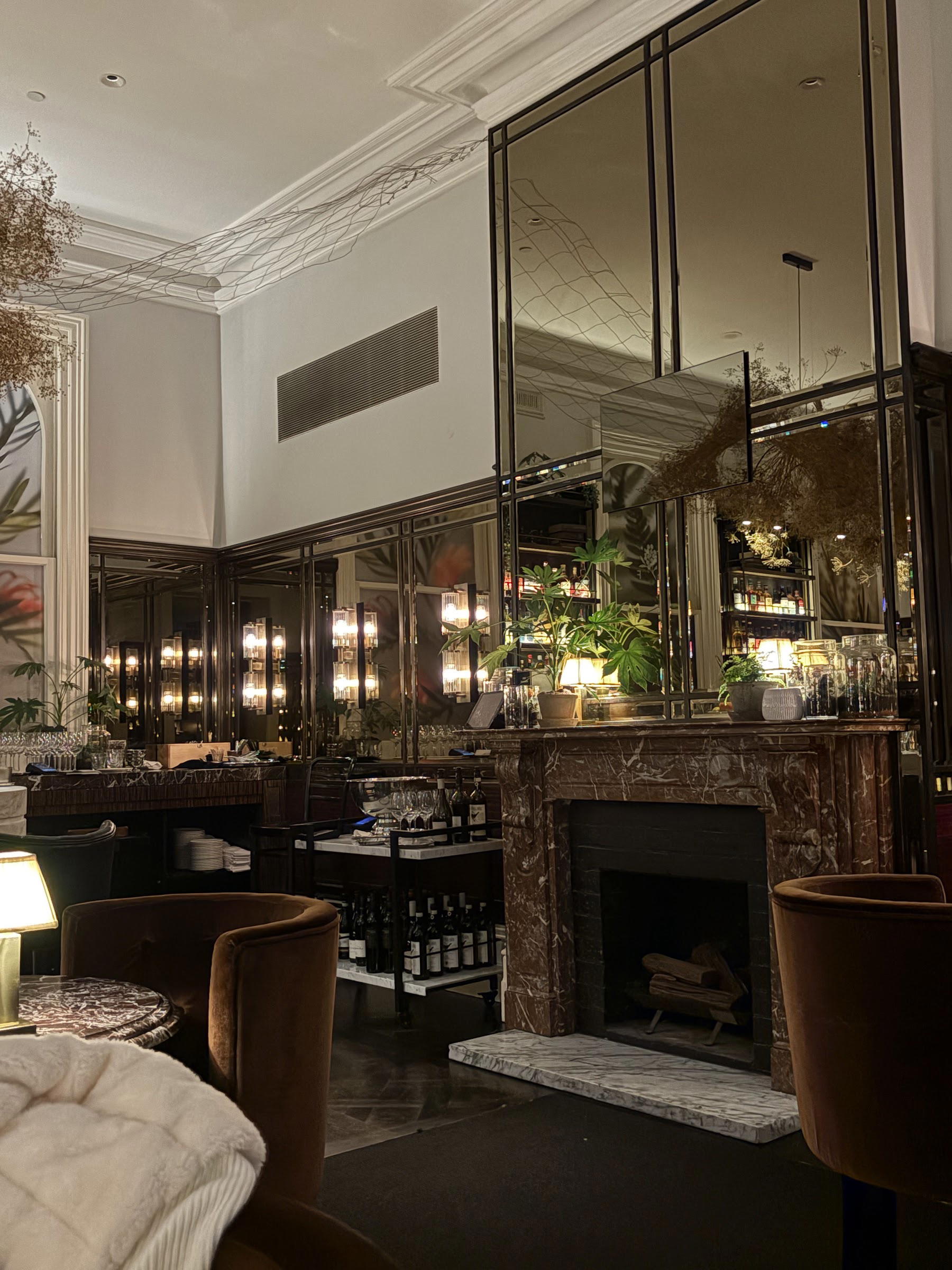
Moody, Victorian-era luxury with beveled mirrors, high ceilings, maroon marble tabletops and lush floral arrangements, creating a ritzy yet intimate room that feels like an ornate garden-inspired drinking den rather than a stuffy classic bar.