Biblio
Biblio sits at 2 Spring Gardens by Trafalgar Square, a central London address that places it in the capital’s theatre, gallery and hotel corridor rather than a neighbourhood drinking strip. With no published awards, price range or programme details in the available record, it is best read through location: a Westminster bar stop for drinkers comparing polished central-room energy with London’s more specialist cocktail counters.
Pearl is the En Primeur Club membership app — saves, bookings, and concierge access live there. Same editors, same standards.
- Address
- 2 Spring Gardens, Trafalgar Sq, London SW1A 2TS, United Kingdom
- Phone
- +44 20 7870 2900
- Website
- hilton.com
- Directions
- Get directions
 Saves & bookings on Pearl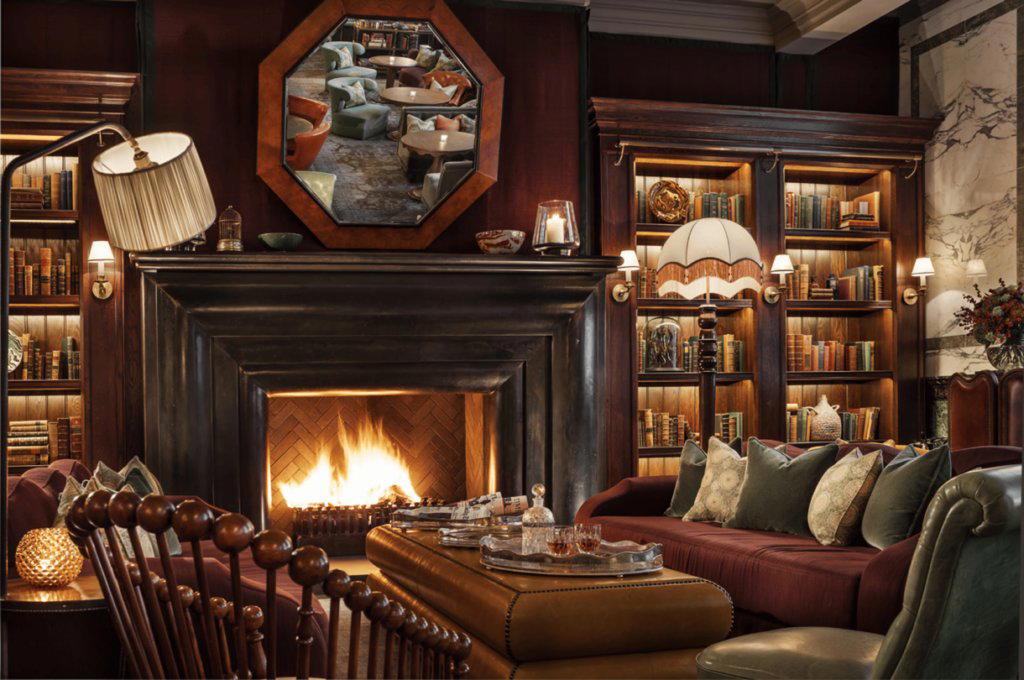
At Trafalgar Square, the bar scene begins before the first drink
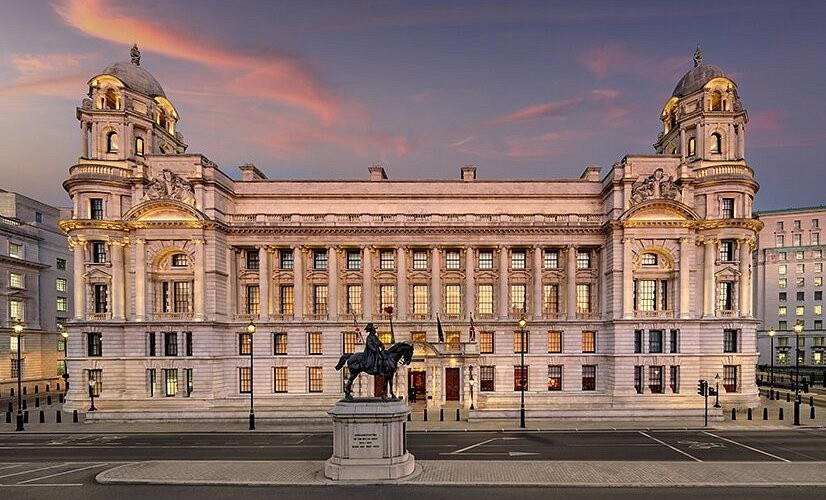
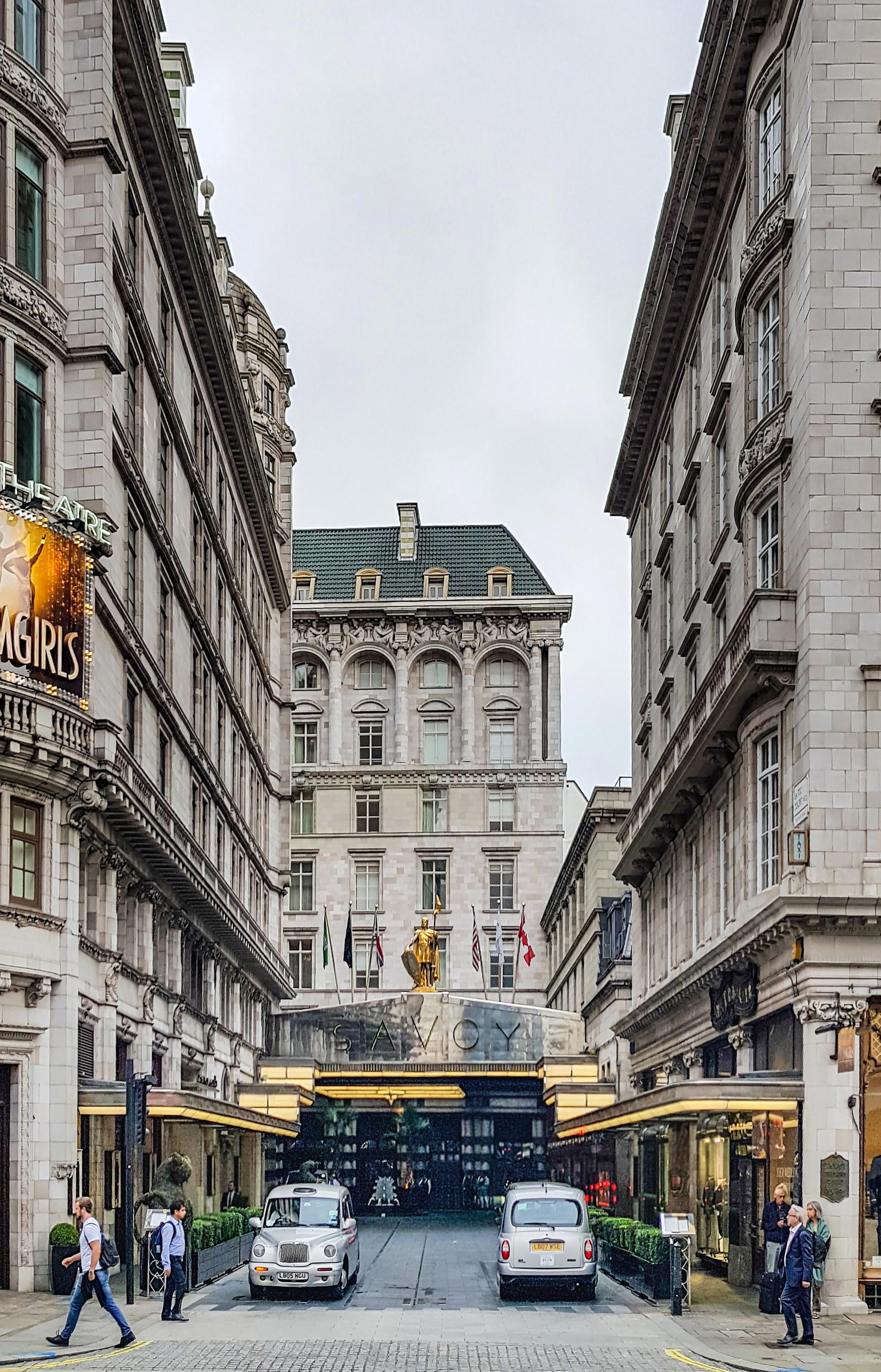
The approach to 2 Spring Gardens carries a particular London charge: traffic circling Trafalgar Square, stone façades catching the grey light, gallery crowds thinning toward Whitehall, and the West End pulling evening drinkers north and east. In this part of the city, a bar is rarely judged in isolation. It competes with pre-theatre schedules, hotel lobby drinking, private-club formality, late museum openings and the practical reality that many guests are moving between appointments rather than settling into one neighbourhood for the night. Biblio belongs to that central London rhythm, where atmosphere and timing matter as much as the drink in the glass.
That location shapes the editorial question. London’s cocktail culture has grown into several distinct lanes: laboratory precision in compact rooms, aperitivo-led bars with European pacing, hotel bars built around ceremony, and high-turnover central venues that live or die by service discipline. The address, 2 Spring Gardens, Trafalgar Sq, London SW1A 2TS, places it in a corridor where the drinking occasion is often structured by the city around it.
For travellers, that matters. A bar near Trafalgar Square has to serve multiple London evenings at once: the early drink before a National Gallery visit turns into dinner, the post-performance round after the Strand, the quieter meeting that needs centrality without Soho’s pressure. The drink programme may be the draw, but the setting determines how it is used. In Westminster and St James’s-adjacent addresses, successful cocktail rooms tend to read the room fast: guests may have ninety minutes, a train to catch, a table elsewhere, or a formal dinner after one round. That is a different test from an East London bar built around lingering, or a Soho counter where the second drink is assumed.
The cocktail programme question in central London
London no longer has a single cocktail style. The city’s serious drinking culture runs from the technique-first language of clarified serves and ferments to classic-room elegance, agave-focused lists, vermouth-led aperitif drinking and low-intervention wine bars that borrow cocktail logic. A central venue such as Biblio is interesting because it sits in the overlap between visitors, office traffic, hotel guests and Londoners who choose convenience only when the drinks justify it. In that context, the cocktail programme is not just a menu. It is a statement about pace, format and audience.
There is a useful comparison with specialist London bars that define themselves by a tighter point of view. 69 Colebrooke Row has long represented the city’s cerebral cocktail tradition, where technique and restraint carry more weight than theatrical excess. A Bar with Shapes For a Name sits in a different lane, tied to an east-side culture of conceptual menus and design-coded drinking. Amaro points toward the aperitivo and digestivo vocabulary that London has absorbed from Italy without becoming a copy of Milan or Rome. Biblio, by contrast, has to be assessed as a Trafalgar Square proposition unless further programme details are confirmed: less a neighbourhood manifesto, more a central-city test of whether a bar can feel intentional in an area built for movement.
This distinction matters because London drinkers have become less patient with generic cocktail lists. The city’s sharper bars now make technique legible, not obscure. A clarified drink needs a reason beyond transparency; a house Martini variation needs temperature, glassware and garnish discipline; a non-alcoholic serve has to be designed rather than diluted. Without verified menu information for Biblio, no specific serve should be claimed. The editorial frame is therefore comparative: in a city where cocktail literacy is high, any bar in this postcode is measured against rooms that can explain their choices through format, ingredients and pacing.
Why the address changes the drinking occasion
Trafalgar Square is not a late-night village in the way Soho can be, nor a bar-hopping quarter in the way Shoreditch became for a generation of cocktail drinkers. It is a civic centre, a tourist magnet, a cultural junction and a gateway to government London. That creates a bar-going pattern with sharper edges. Guests often arrive dressed for somewhere else, carrying gallery programmes, theatre tickets or the fatigue of central London meetings. A successful bar in this area has to be readable from the first minute: where to sit, how formal the room feels, whether a single drink makes sense, and whether the service rhythm matches the city outside.
London cocktail pricing varies heavily by neighbourhood, hotel association, ingredient ambition and service model. Central rooms close to Trafalgar Square can drift into hotel-bar territory, while independent cocktail counters elsewhere may deliver greater technical depth at a different tariff. Until a price range is confirmed, Biblio should be treated as a central London bar where guests benefit from checking the current list directly before planning a long session. That is practical rather than cautious; Westminster and West End drinking can change quickly with rent, staffing and late-week demand.
Transport is the logistical strength. Even without latitude and longitude in the record, the published address places the bar by Trafalgar Square, one of London’s easiest meeting points. Charing Cross, Embankment and Leicester Square are the natural rail and Underground anchors for many visitors, while the Strand, Whitehall and St James’s are walkable from the square. This makes the venue useful for split itineraries: National Gallery before drinks, dinner in Covent Garden after, or a hotel return along Pall Mall or the river. That ease is not glamour; it is why central bars survive even when the cocktail conversation shifts east, south or west.
London's serious drinking culture has moved beyond speakeasy theatre
A decade ago, many visitors read London cocktails through hidden doors, basement addresses and Prohibition styling. That phase has not disappeared, but the better conversation has moved on. The city now rewards bars that show their thinking clearly: compact menus, properly trained teams, calibrated ice, informed low-ABV options and a sense of why a drink belongs in that room. The stronger comparison set for Biblio is therefore not novelty-led. It is the category of bars that can handle central traffic while maintaining a drink identity.
Academy sits within the city’s broader specialist-bar map, while the wider capital can be read through Our full London bars guide. The point is not that every London bar should behave like a tiny counter with a cult following. The point is that the city’s drinkers now know the difference between a bar with a considered programme and a room that merely lists classics. A Trafalgar Square address adds pressure because the location can bring a built-in audience. In London, built-in footfall is useful, but it does not earn credibility on its own.
That credibility often comes from public signals: awards, named bartender credentials, documented menu concepts, or sustained recognition by specialist publications. That does not make the venue lesser; it simply changes how it should be written about. In editorial terms, it belongs to the group of central London bars that require current, on-the-ground verification for the drink list rather than relying on public accolades. For a reader deciding where to spend an evening, that distinction is valuable. Awards can be shortcuts, but absence of awards means the bar should be assessed through fit: location, occasion, service style and current menu clarity.
How Biblio fits into a London itinerary
The address makes the strongest case for pairing the bar with the cultural spine of central London. Trafalgar Square places the National Gallery, the National Portrait Gallery, Whitehall, the Strand and Covent Garden within a compact circuit. That means Biblio is better framed as part of a planned evening than as an isolated destination. The reader decision is not simply “Is this the right bar?” It is “What kind of London night is being built around it?” For a gallery-led afternoon, a one-round stop near the square has a different value than a cross-city journey to a specialist counter.
London’s dining and hotel infrastructure matters here. A guest staying in St James’s, Westminster, Covent Garden or along the Strand will use bars differently from a guest based in Hackney or Notting Hill. For broader planning, Our full London restaurants guide maps the dining side of the city, while Our full London hotels guide helps place central drinking in relation to where a night starts and ends. Travellers building a longer cultural itinerary can also compare category fit through Our full London experiences guide and, for a deliberately broader lens, Our full London wineries guide.
The cocktail scene outside London also sharpens the comparison. Schofield's in Manchester reflects how regional British bars have claimed serious space in the national conversation rather than waiting for London validation. Bar Kismet in Halifax shows how a smaller city can make intimacy and local rhythm central to the drinking experience. Across the Atlantic, Café La Trova in Miami demonstrates a different model again, where live Cuban bar culture and cocktail craft sit together. Those comparisons are useful because they expose what central London sometimes loses: looseness, locality and room-specific identity. Biblio’s success, for a serious drinker, depends on how clearly it answers that challenge in its own setting.
Planning notes for a central London drink
That means planning should be handled with the caution appropriate to central London, where hours can shift around private events, bank holidays, theatre demand and staffing patterns. Check current operating information through a verified channel before making it the fixed point of an evening.
Timing is the practical lever. Early evening around Trafalgar Square often catches theatre and office movement; later slots may thin out depending on the day and the room’s format. If the goal is a measured cocktail rather than a quick meeting drink, avoid treating the area as interchangeable with Soho. Westminster’s pace can be more formal, and service expectations often follow that pattern. If the goal is a longer cocktail-focused night, use Biblio as a central starting point and then compare it with a dedicated bar district or a specialist counter elsewhere in the city.
Dress expectations are not published in the record, so assume central London rather than clubwear or dining-room ceremony: smart casual usually travels safely in this part of the city, especially when the evening includes galleries, hotels or restaurants. Price is also unconfirmed, so read the current menu before committing to multiple rounds. The main logistical advantage is location. Trafalgar Square makes the bar easy to fold into a high-density itinerary, which is often the reason to choose a central London room over a more destination-led bar elsewhere.



At a Glance
- Sophisticated
- Elegant
- Quiet
- Intimate
- Date Night
- After Work
- Special Occasion
- Solo
- Casual Hangout
- Hotel Bar
- Design Destination
- Seated Bar
- Lounge Seating
- Classic Cocktails
- Whiskey
- Gin
- Conventional Wine
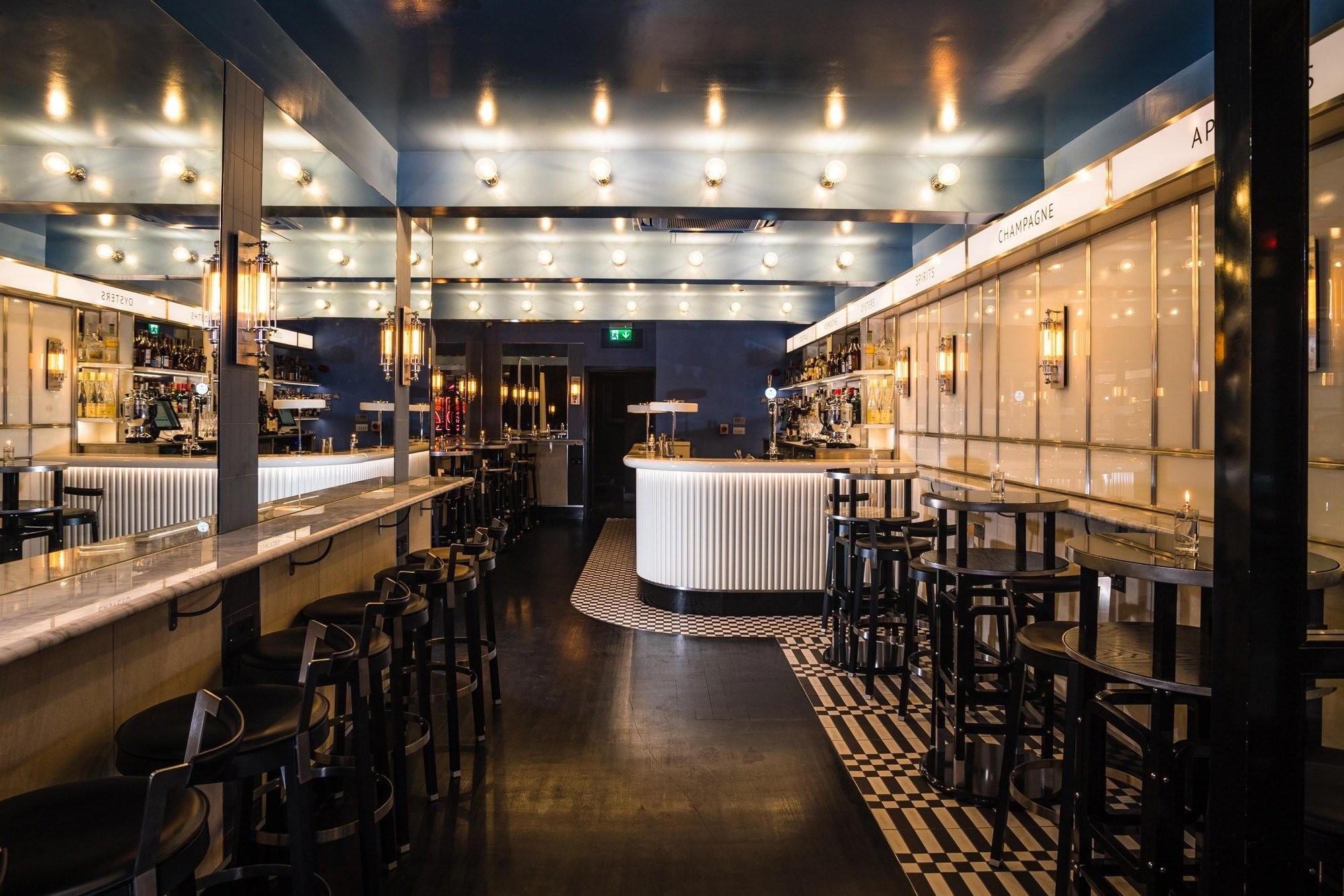
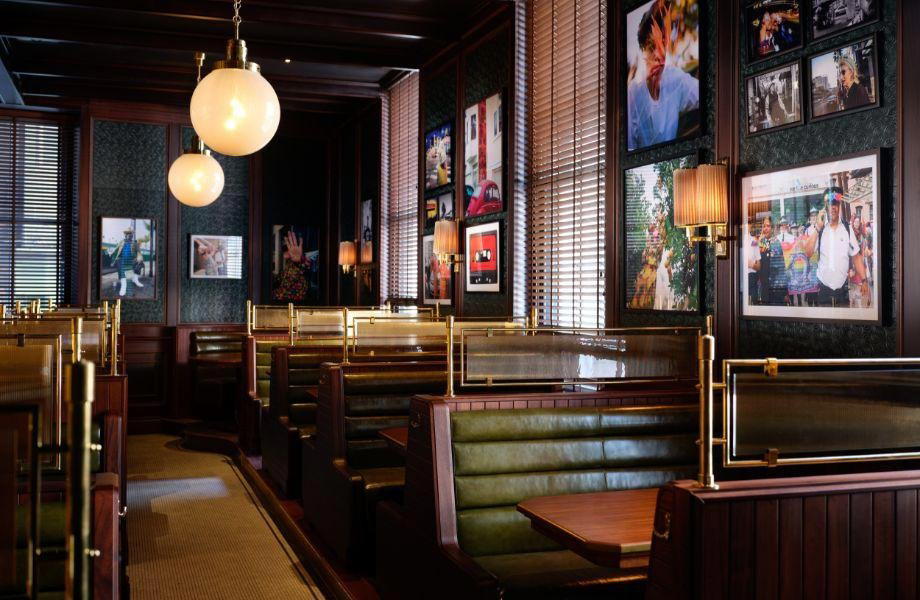
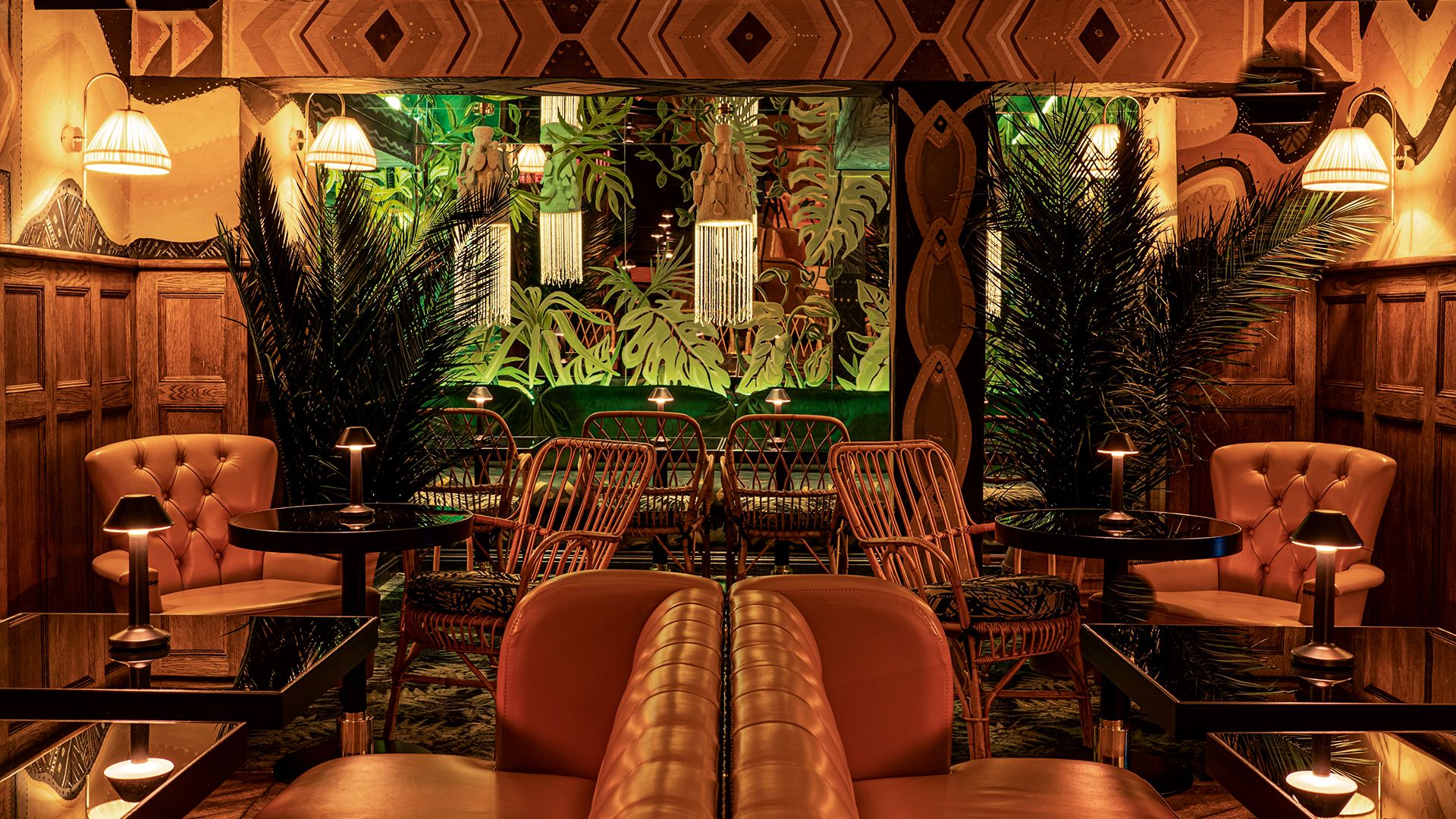
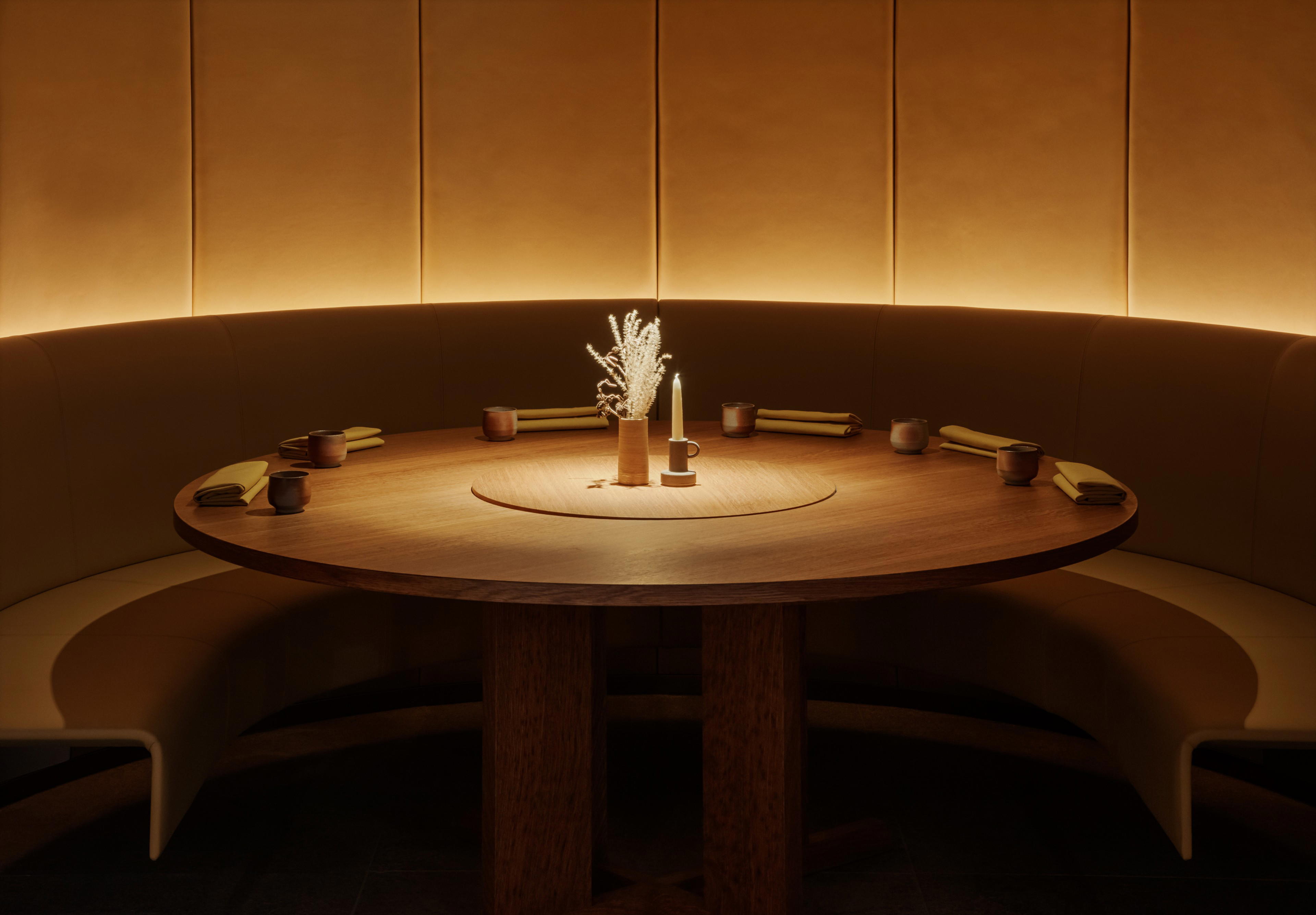
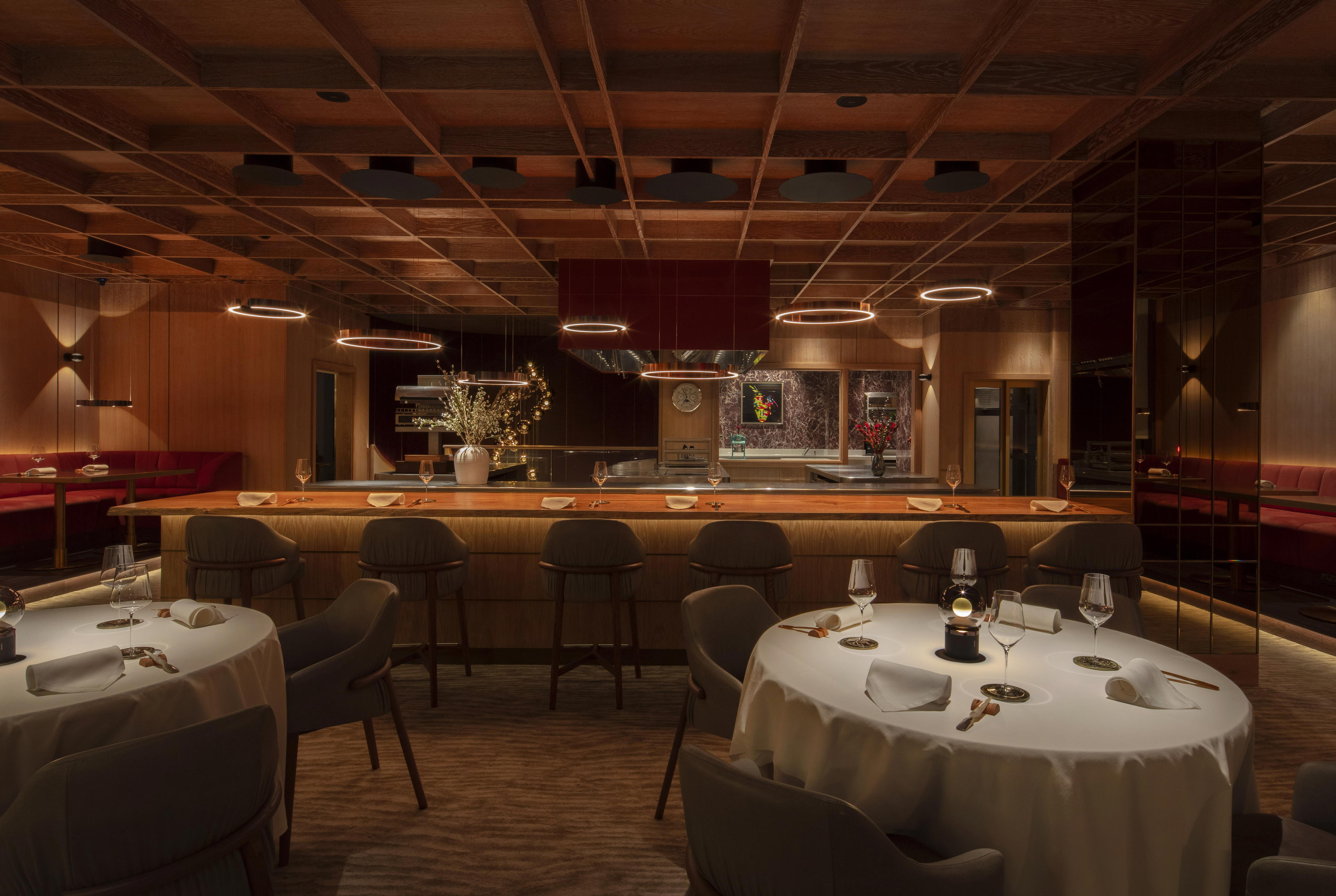
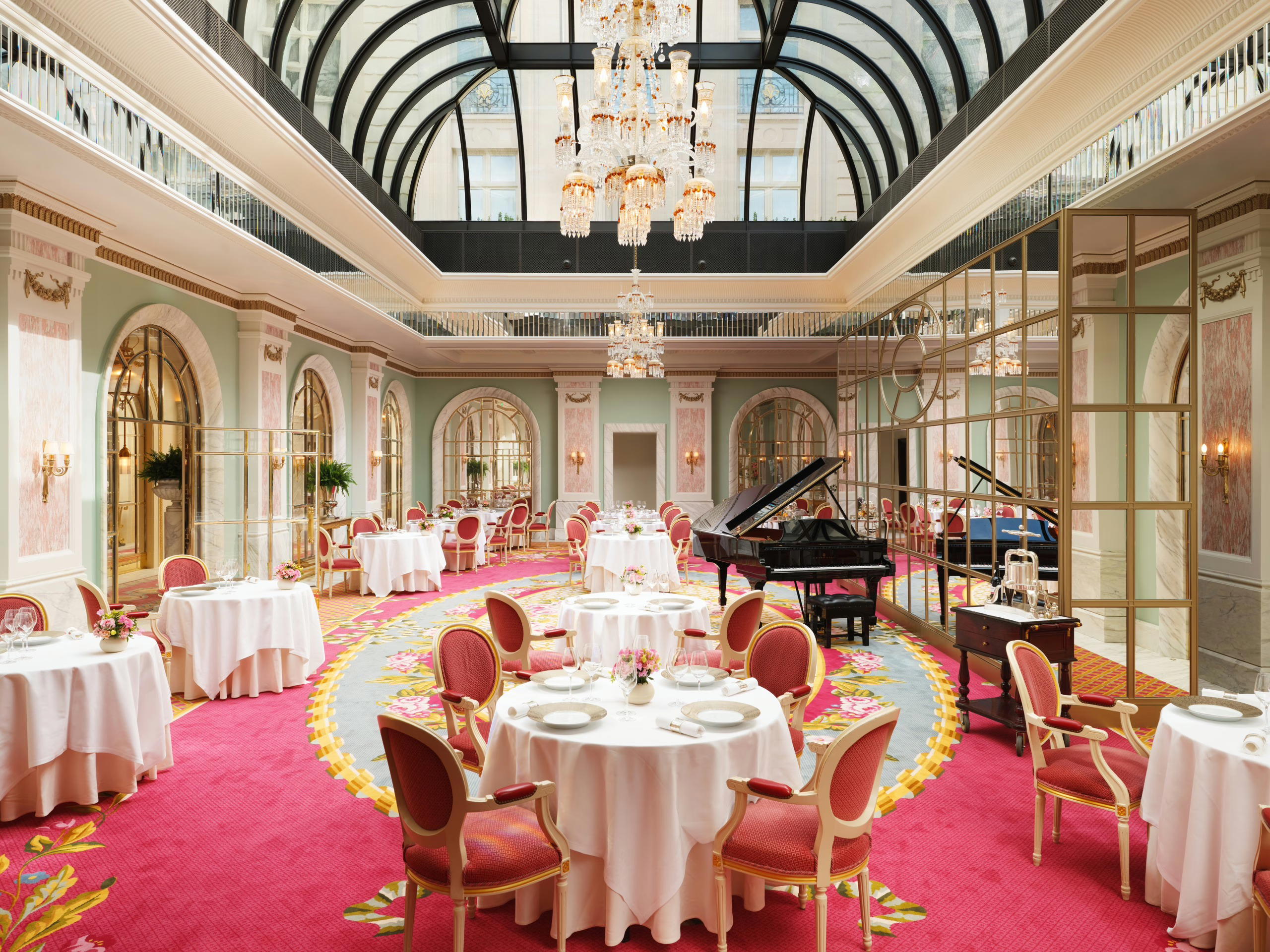
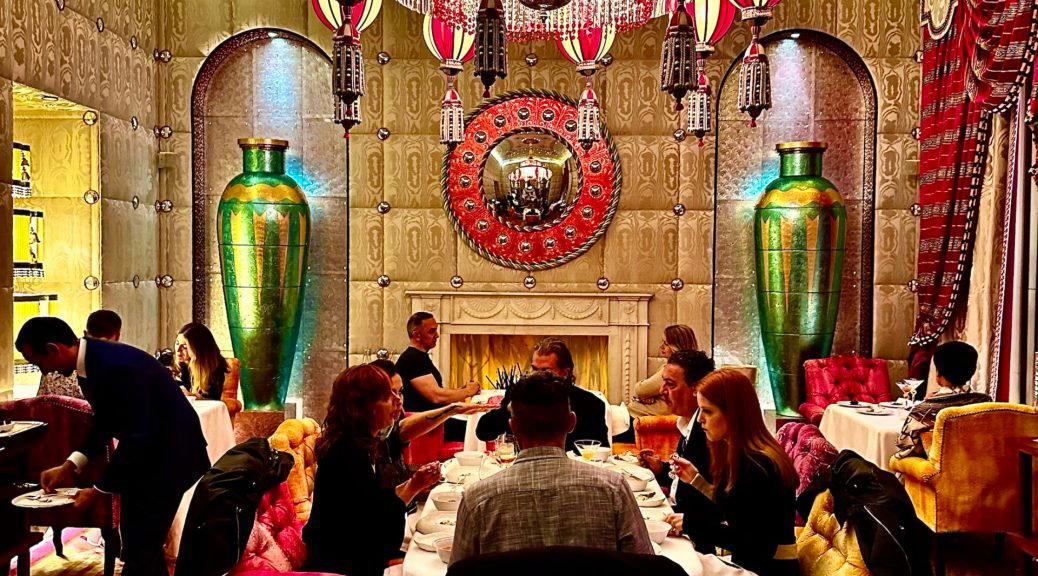
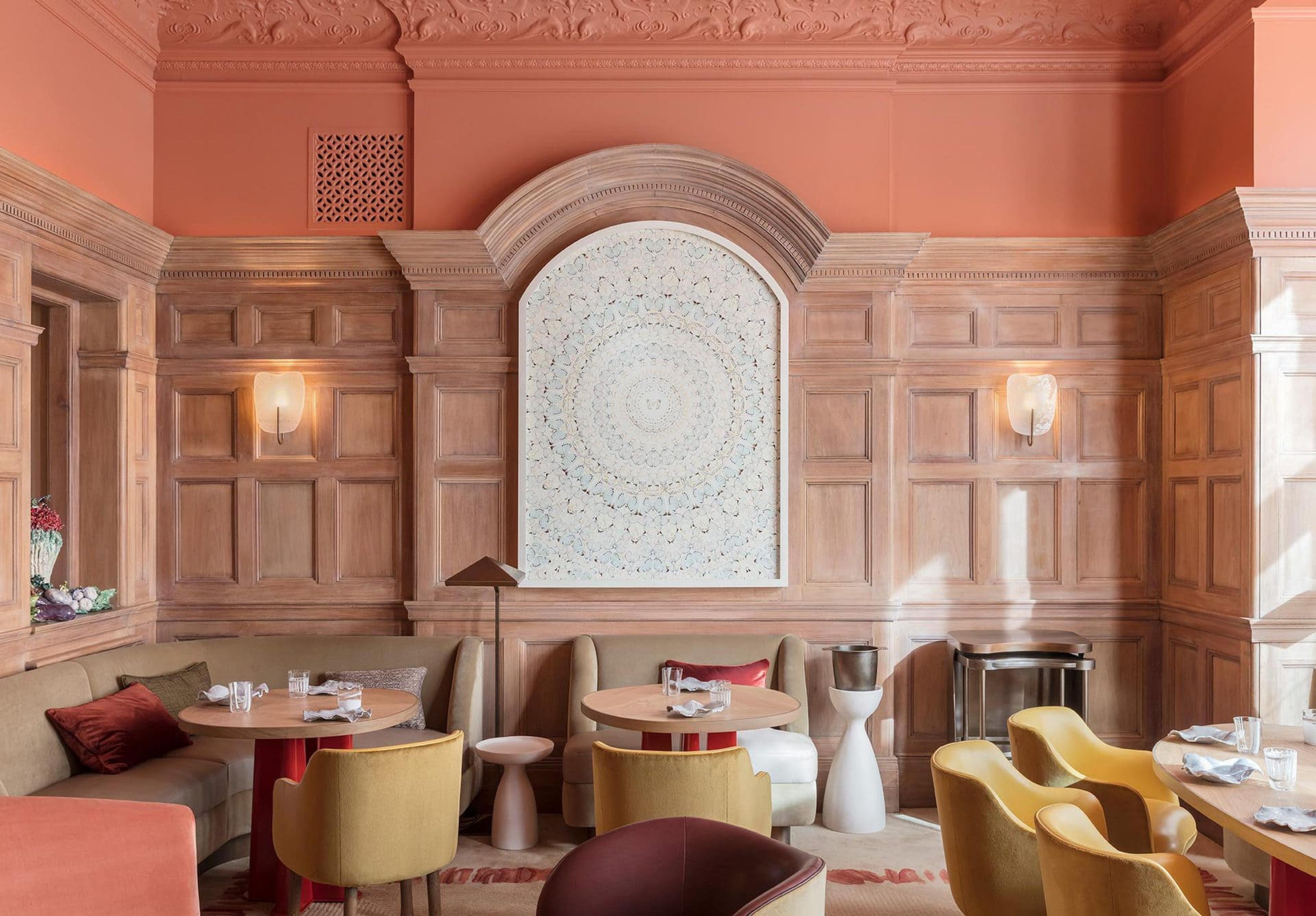
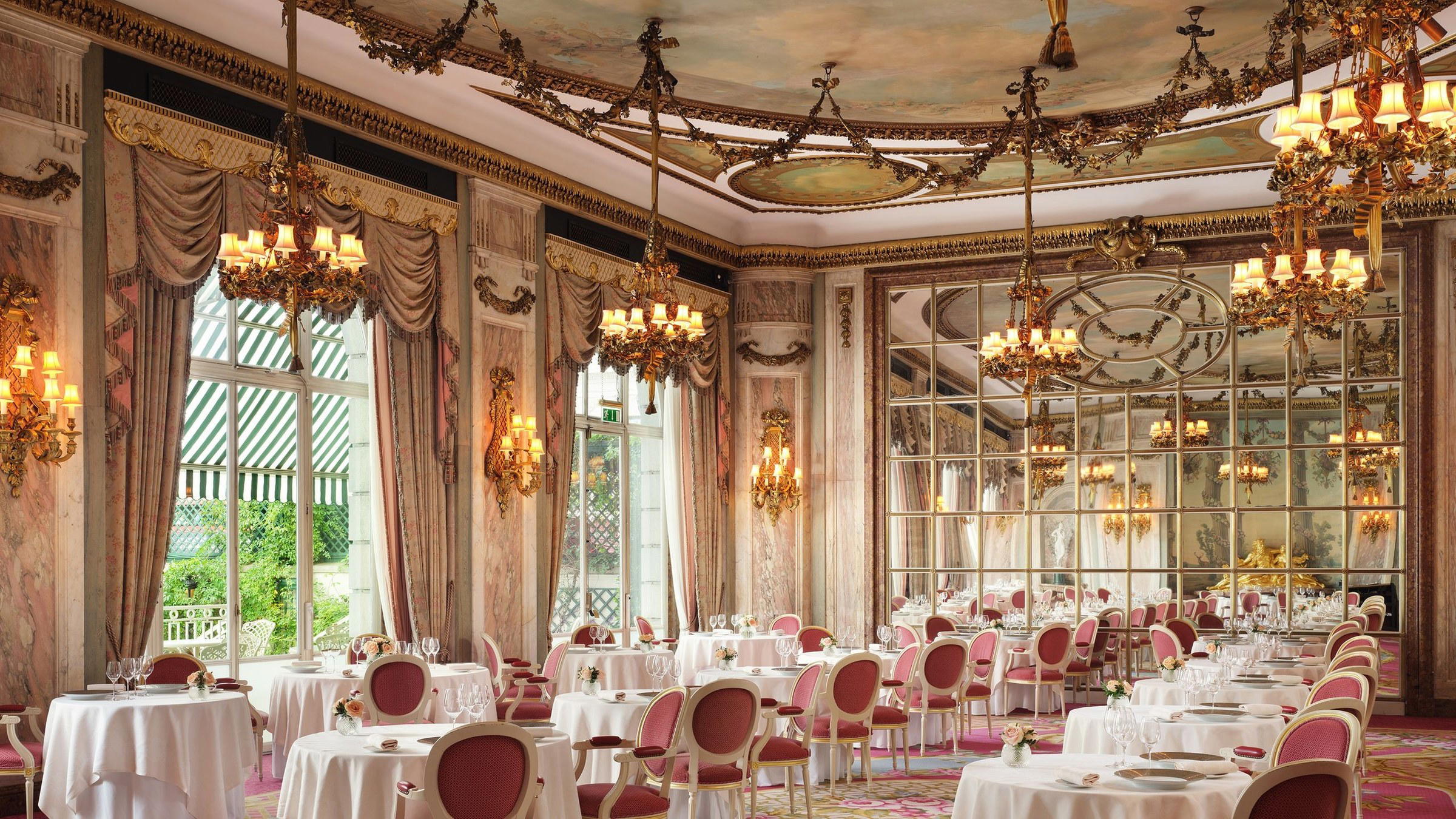
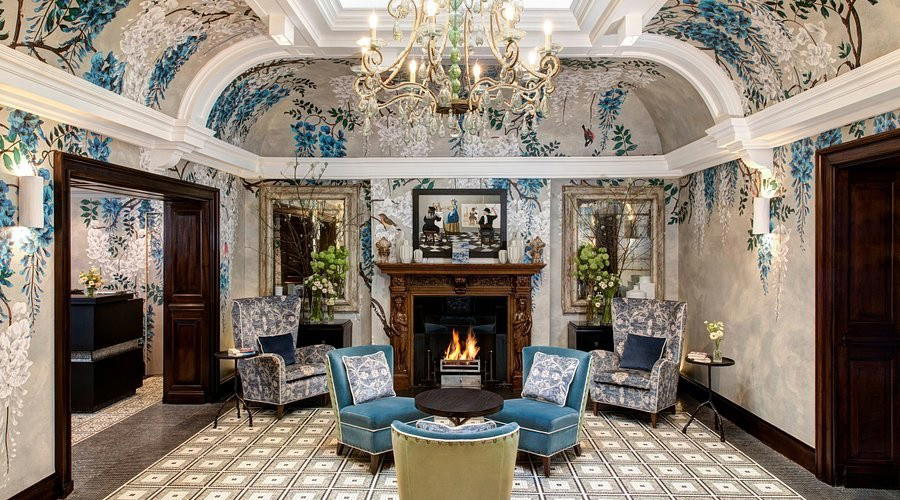
Polished, subdued, and hotel-lounge-like, with a refined atmosphere suited to conversation and relaxed drinks.
Know Before You Go
- Getting there
- 2 Spring Gardens, Trafalgar Sq, London SW1A 2TS, United Kingdom